When it comes to valuing your cherished pieces of jewelry, knowing where to get them appraised can make all the difference. An accurate appraisal not only ensures you understand the worth of your items but also helps you make informed decisions whether for insurance, resale, or estate planning. But with so many options available, how do you choose a trusted expert? In this guide, we’ll explore reputable locations for jewelry appraisals, empowering you to confidently safeguard your collection. Discover the criteria for selecting the right appraiser and learn what to expect during the process to ensure your treasures are in capable hands. Read on to uncover essential tips that will help you navigate the appraisal landscape effectively.
Where to Find Trusted Jewellery Appraisers
Finding a trustworthy jewellery appraiser is vital for ensuring that your treasured pieces are accurately valued and well-cared for. Reliable appraisals not only provide insight into your jewellery’s worth but are also essential for insurance purposes and resale value. A good starting point in your search is to look for accredited appraisers who hold recognized certifications from professional organizations such as the American Society of Appraisers (ASA) or the International Society of Appraisers (ISA). These certifications signify that the appraiser maintains high ethical standards and is well-versed in jewellery valuation.
Avoid relying solely on jewelers who sell and repair pieces; while some offer appraisal services, they may not be impartial due to potential biases in their business model. Instead, consider seeking out independent appraisers who specialize in risk management and insurance. Additionally, local antique shops or auction houses often have experienced appraisers available or can recommend trustworthy individuals. Online directories are also valuable resources; websites like the Gemological Institute of America (GIA) provide listings of accredited appraisers, making it easier to find someone qualified in your area.
When researching potential appraisers, it’s prudent to check reviews and request references from past clients. A reputable appraiser should be happy to provide credentials and share examples of previous work. Finally, understanding the appraiser’s fee structure in advance can help you evaluate the overall value of their services. This preparation ensures you find a professional who not only meets your needs but also enhances your confidence in the appraisal process, ultimately safeguarding your jewellery investments.
Understanding the Importance of Jewellery Appraisal
Accurate jewellery appraisal is essential not only for understanding the value of your precious pieces but also for ensuring peace of mind regarding insurance, resale potential, and inheritance matters. A thorough appraisal can reveal historical significance, unique craftsmanship, or the quality of materials used, all of which contribute significantly to your jewellery’s worth. As a rule of thumb, never underestimate the importance of having your jewellery appraised regularly, especially if you have made significant purchases or if the market conditions are fluctuating.
For instance, consider a family heirloom passed down through generations. While the sentimental value may be immeasurable, its monetary value may differ significantly from its original purchase price due to market changes or shifts in demand for specific gemstones or styles. By investing in a professional appraisal from a certified jewellery expert, you not only gain insights into its fair market value but can also protect yourself against potential loss through theft or damage. Insurance coverage relies heavily on accurate appraisals, making this step crucial.
Moreover, having a detailed appraisal can serve as a vital document for estate planning. When it comes to dividing assets among heirs or selling pieces at auction, an up-to-date appraisal ensures that everyone involved understands its current worth, fostering fairness and transparency. This clarity is particularly beneficial in minimizing disputes among heirs about the value of cherished items, allowing family members to focus on preserving memories rather than navigating disagreements over finances.
In summary, goes beyond mere valuation; it’s about safeguarding your investments, managing risk, and ensuring that cherished pieces carry the weight they deserve-both emotionally and financially. An informed appraisal not only enhances your confidence in your jewellery’s worth but also equips you with the knowledge to make informed decisions about your collection.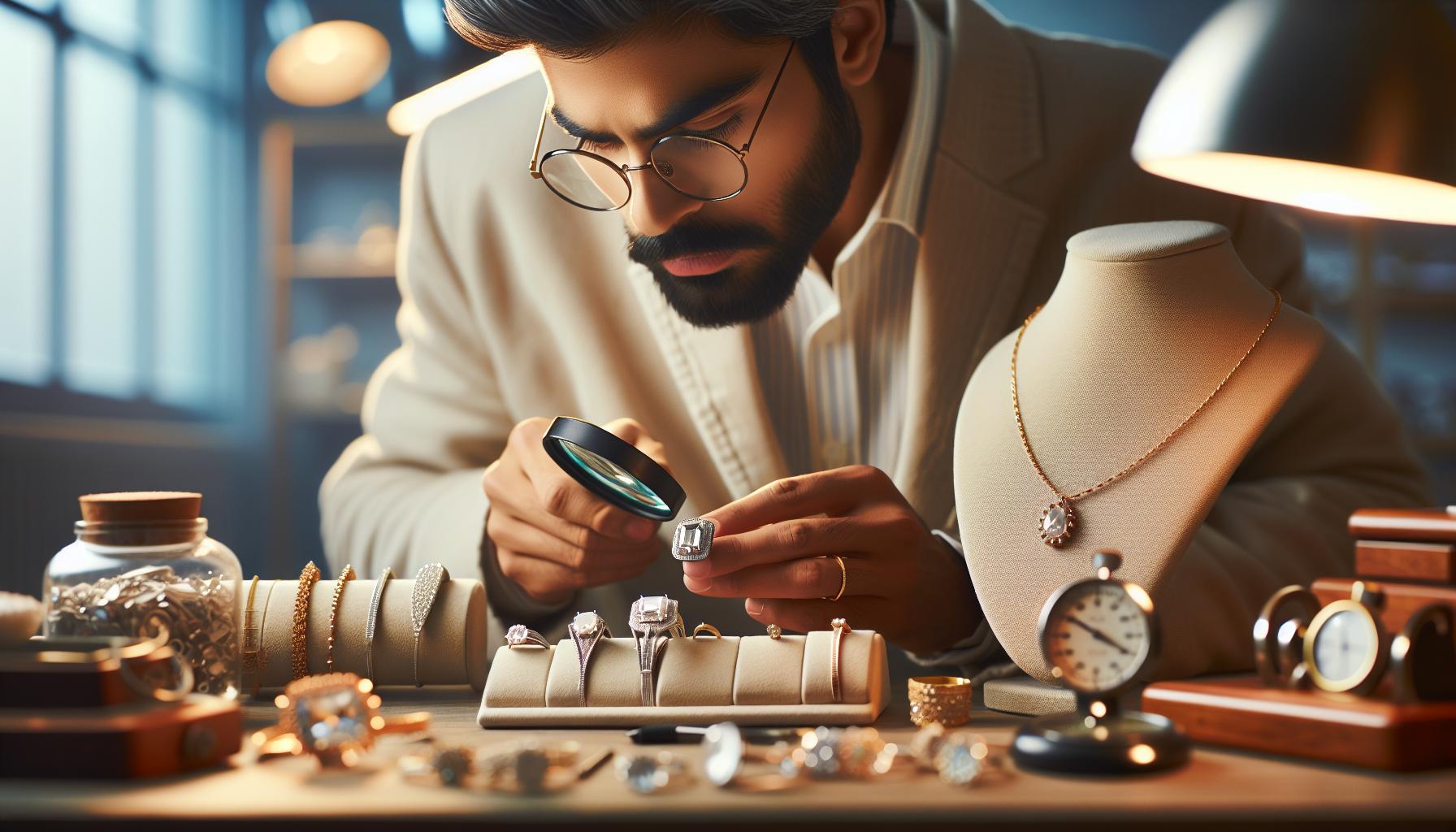
Types of Jewellery Appraisals Explained
Understanding the different types of jewellery appraisals is essential for anyone looking to safeguard their treasured pieces. Whether you are preparing for an insurance update, planning an estate, or simply curious about the true value of what you own, knowing what type of appraisal to seek can make all the difference.
Appraisals generally fall into three main categories: insurance appraisals, fair market value appraisals, and retail replacement appraisals. Each serves a unique purpose and can provide different insights into the worth of your jewellery.
Insurance Appraisals
This type is designed specifically to determine the value of your jewellery for insurance purposes. An insurance appraisal provides a detailed report, often including photographs and descriptions of the item’s characteristics, ensuring that your insurance company will adequately cover the piece in case of loss or damage. It’s vital to get an insurance appraisal when you acquire new or particularly valuable items, and it’s also recommended to revisit these appraisals every few years, especially since the market can fluctuate.
Fair Market Value Appraisals
Fair market value represents the price at which your jewellery would sell under normal market conditions. This is particularly important if you’re considering selling the item, as it assists you in setting a realistic price. A fair market value appraisal can also be pivotal when determining tax implications, especially in cases of inheritance or donation. Appraisers will take into account the current demand for similar items, as well as their condition and provenance.
Retail Replacement Appraisals
If your jewellery is lost or damaged and you want to replace it, retail replacement appraisals provide an estimate of what it would cost to replace your item with a comparable one at a retail store. This type of appraisal is particularly useful for ensuring that your insurance policy covers not just the original value but also the cost of purchase in current market conditions.
In short, understanding these different appraisal types equips you with the necessary knowledge to make informed decisions regarding your jewellery. By choosing the appropriate appraisal, you can protect your assets, ensure fair treatment in a potential sale, and maintain peace of mind regarding your cherished items.
How to Choose a Qualified Appraiser
Choosing the right appraiser for your jewellery is pivotal in ensuring that you receive an accurate and fair valuation of your treasured pieces. Not all appraisers are created equal, and this choice can significantly impact the appraisal report you receive. Start by looking for appraisers who are certified by reputable organizations, such as the American Society of Appraisers (ASA) or the National Association of Jewelry Appraisers (NAJA). Being certified means they have undergone rigorous training and adhere to ethical standards that protect consumers.
When you shortlist potential appraisers, don’t hesitate to ask about their experience and specialization. Some may focus on antique pieces, while others might excel in modern jewellery or gemstones. Understanding their expertise can help you gauge whether they are well-suited to appraise your specific items. Additionally, inquire if they have received further training or continuing education, especially since market values and trends can shift over time.
Another key factor to consider is the appraiser’s reputation. Look for testimonials or reviews from previous clients, as they can offer insights into the appraiser’s professionalism and the accuracy of their valuations. Word-of-mouth referrals can also be invaluable; ask friends or family if they have worked with trusted appraisers in the past. Furthermore, ensure that the appraiser provides a detailed report that includes photographs, descriptions, and values, giving you a comprehensive understanding of your jewellery’s worth.
Ultimately, choosing a qualified appraiser is about ensuring you are confident and comfortable with the professional handling your valuable pieces. A good appraiser will not only offer an accurate valuation but will also educate you about your jewellery, empowering you to make informed decisions moving forward.
Top Locations for Expert Jewellery Appraisals
Finding a reliable location for jewellery appraisals is crucial for ensuring the value of your treasured pieces is accurately assessed. With so many options available, it can be challenging to determine the best places to seek expert appraisals. Here are several trusted venues where you can confidently get your jewellery appraised:
Certified Appraisal Organizations
Many accredited appraisal organizations employ certified professionals who specialize in evaluating jewellery. Organizations such as the American Society of Appraisers (ASA) and the National Association of Jewelry Appraisers (NAJA) are excellent starting points. These organizations maintain directories of certified appraisers who follow strict ethical standards and ongoing education, ensuring they’re up-to-date with market trends.
Local Jewellers with Appraisal Services
Many reputable jewellery stores offer in-house appraisal services. Look for established local jewellers known for their integrity and customer service. A trusted jeweller will not only appraise your pieces but can also provide historical context and quality insights. It’s a good idea to check customer reviews and ask about their appraisal practices before making an appointment.
Antique Shops and Estate Sale Companies
If your jewellery includes antique or vintage items, antique shops or estate sale companies can provide specialized appraisals. Dealers in these venues often have the expertise needed to evaluate the historical and collectible value of your pieces. Ensure that the appraiser has a proven track record with antique jewellery to obtain the most accurate valuation.
Online Appraisal Services
For those unable to visit physical locations, numerous online appraisal services connect you with certified appraisers. These services typically allow you to submit high-quality images and descriptions of your jewellery for evaluation via email or a video consultation. While convenient, ensure that the online appraiser is accredited and has positive reviews before proceeding.
By exploring these options, you can find a trusted expert to provide a comprehensive and fair appraisal of your jewellery, helping you make informed decisions moving forward.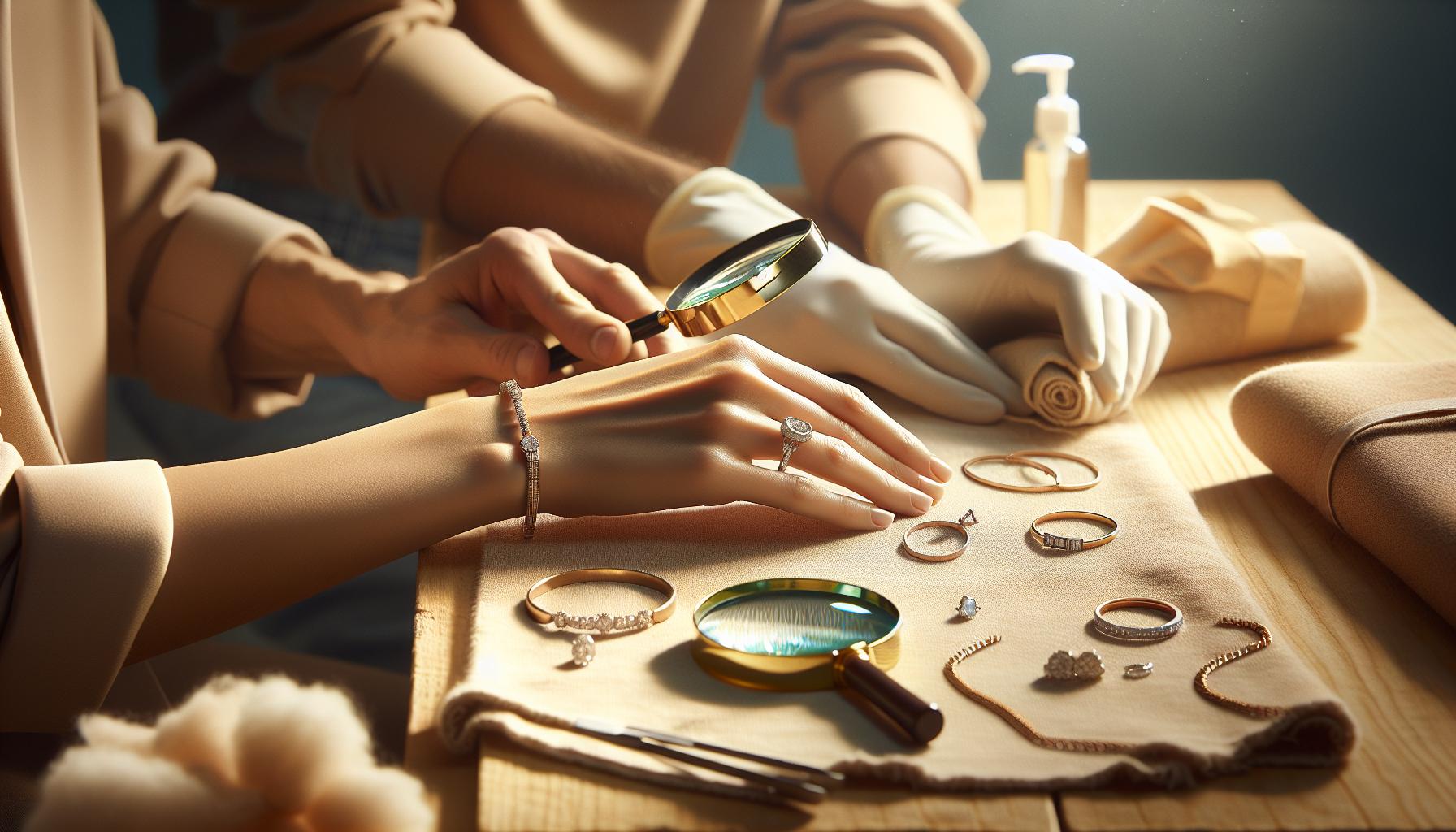
Tips for Preparing Your Jewellery for Appraisal
Preparing your jewellery for appraisal is crucial to ensure that it receives an accurate evaluation, reflecting its true value. By taking a few simple steps before your appointment, you can help the appraiser better understand your pieces and potentially maximize their overall worth. First and foremost, clean your jewellery gently using a soft cloth or an appropriate cleaning solution recommended for the specific materials. This not only enhances the item’s appearance but also allows the appraiser to see the craftsmanship and any unique details more clearly.
Next, gather all relevant documentation that may assist in the appraisal process. This includes original purchase receipts, previous appraisal reports, certificates of authenticity, and any information regarding the maker or historical background of the pieces. Having these documents on hand can provide valuable context and may even influence the appraiser’s assessment. If you have any specific stories or details about the jewellery’s acquisition or significance, be sure to prepare to share them, as this might add emotional or historical value.
It’s also wise to organize your pieces beforehand. If you’re bringing multiple items, consider separating them by type or value. This organization will facilitate a smoother appraisal process, allowing the appraiser to evaluate each piece efficiently. Furthermore, ensure that your jewellery is securely packed to avoid any damage during transport. Use padded pouches or original boxes to keep items safe, especially fragile pieces such as earrings with intricate designs or antique settings.
Lastly, prepare any questions you may have about the appraisal process itself. Engaging in conversation with your appraiser about their methods and the current market trends can provide you with deeper insights, enhancing your understanding of your jewellery’s value. By approaching the appraisal with care and attentiveness, you not only demonstrate respect for the pieces but also empower yourself with knowledge about their worth.
Cost Factors in Jewellery Appraisal Services
When considering a jewellery appraisal, one of the most pressing aspects that often comes into play is the cost associated with the service. Understanding these cost factors not only helps in making informed financial decisions but also prepares you for the value you can expect in return. Jewellery appraisal fees can vary widely, often depending on several elements, such as the type and value of the item, the complexity of the appraisal, and the appraiser’s credentials.
Key Cost Factors
- Type of Jewellery: The material (gold, silver, platinum) and the type of stones (diamonds, sapphires, etc.) significantly impact appraisal costs. For instance, intricate antique pieces or designer items may require more extensive evaluation.
- Appraiser’s Expertise: Appraisers with advanced certifications or extensive experience may charge higher fees. However, their expertise often leads to a more reliable and comprehensive appraisal.
- Geographical Location: Costs can also fluctuate based on where the appraisal takes place. Urban areas typically have higher living costs, which can translate to higher service fees.
- Complexity of the Appraisal: If your jewellery has unique features or requires detailed historical research, expect to pay more for the additional time and effort required.
- Flat Fee vs. Hourly Rate: Some appraisers charge a flat fee, while others may bill by the hour. Understanding this upfront can help you manage expectations.
Example Fee Structure
| Item Type | Appraisal Fee Range |
|---|---|
| Basic Rings | $50 – $150 |
| Designer Pieces | $150 – $300 |
| Antique Collectibles | $200 – $500+ |
| Complex Jewellery (multiple items) | $300 – $700+ |
Preparing for your jewellery appraisal with a clear understanding of these cost factors will enable you to select the right appraiser and manage your budget effectively. As you assess the worth of your jewellery, remember that investing in a reputable appraiser can provide not just value but peace of mind.
What to Expect During a Jewellery Appraisal
When you take your jewellery for appraisal, you’re embarking on a journey that provides not just a valuation but also an insight into the craftsmanship and history of your pieces. This process is crucial whether you’re ensuring proper insurance coverage, planning to sell, or simply seeking to understand the worth of your accessories.
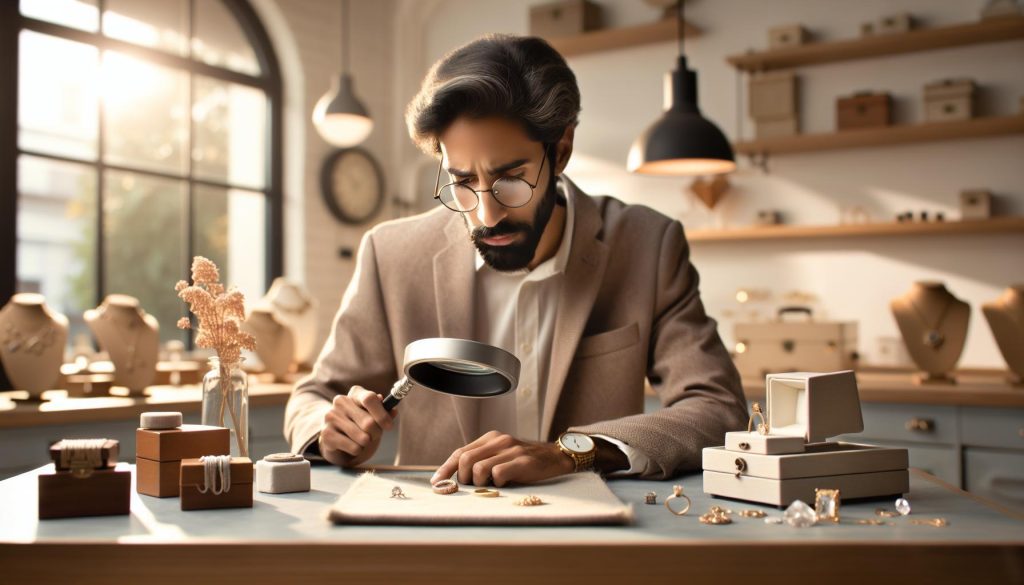
During the appraisal, be prepared to engage in a detailed conversation about your jewellery. The appraiser will examine each piece closely, assessing factors such as the quality of the materials-like the type of metal and the precious stones involved-as well as the overall condition and craftsmanship. Expect the use of various tools, such as magnifying glasses and gemological instruments, which help them identify characteristics that may not be visible to the naked eye. They may also inquire about the jewellery’s history, including any documentation you might have, such as receipts or previous appraisals, which can provide essential context and verification.
To ensure an efficient experience, arrive with your items cleaned and organized. If you’re appraising multiple pieces, having them listed or categorized can make the process smoother. The appraiser will provide a verbal assessment followed by a written report, which should detail the findings and give you a sense of the item’s market value. This report may also include images and a description of the methods used in the valuation, which can be beneficial for insurance purposes.
Ultimately, while it may feel daunting, the appraisal process is a valuable opportunity to learn more about the jewellery you own. It not only helps in understanding the financial aspect but also enriches your appreciation of these often-heirloom pieces. Be prepared to ask questions and get involved in the discussion; engaging fully can maximize the benefits you receive from the experience.
Authentication vs. Appraisal: What’s the Difference?
When it comes to jewellery, the terms authentication and appraisal are often used interchangeably, but they serve distinct purposes in the jewelry world. Understanding the difference can empower you as a collector or seller, ensuring that you approach each process with the right mindset and expectations.
Authentication is primarily concerned with verifying the origin and legitimacy of a piece. This involves determining whether the item is genuinely what it claims to be – for example, confirming that a diamond is of a certain grade or that a designer piece is an authentic creation from a renowned jeweler. Authentication can involve documentation, such as certificates from gemological laboratories, or expert opinions that validate the piece’s origin. This process is particularly vital when purchasing high-value items or unique antique pieces, as professional authentication can prevent costly mistakes.
On the other hand, appraisal goes beyond mere validation; it focuses on assessing the value of the item. During an appraisal, a qualified professional evaluates various factors such as materials, craftsmanship, and prevailing market conditions to provide an estimated monetary value for the piece. This value may be needed for insurance coverage, resale purposes, or personal knowledge. While authentication can play a role in the appraisal process – particularly when verifying authenticity can enhance value – the primary focus of appraisal is on the economic value rather than simply confirming the piece’s origin.
- Authentication: Verification of origin and legitimacy.
- Appraisal: Determination of monetary value.
Both processes are essential in their own right, and knowing when to seek authentication versus appraisal can enhance your experience as a jewellery owner. Whether you’re investing in a new piece, valuing family heirlooms, or preparing for an estate sale, engaging with experienced professionals for both authentication and appraisal will help you make informed decisions about your cherished items.
Common Mistakes to Avoid When Appraising Jewellery
When it comes to appraising jewellery, avoiding common pitfalls can make a significant difference in the process and its outcome. Many individuals mistakenly approach jewellery appraisals without adequate preparation or understanding, which can lead to undervaluing cherished pieces or receiving misleading information. Here are some key mistakes to steer clear of to ensure a successful appraisal experience.
One prevalent mistake is failing to research potential appraisers thoroughly. Many people assume that all appraisers possess the same level of expertise, but qualifications and specializations can vary widely. Look for appraisers with credentials from recognized organizations, such as the American Society of Appraisers (ASA) or the National Association of Jewelry Appraisers (NAJA). This diligence ensures that you’re entrusting your jewellery to a professional who understands the intricacies of the items you’re appraising, from gemstones to vintage pieces.
Another error is neglecting to clean the jewellery before the appraisal. While it may seem minor, a dirty or tarnished piece can obscure important details an appraiser needs to evaluate. A simple cleaning, using appropriate methods for your specific jewellery type, can reveal critical characteristics that influence the piece’s value. Remember that a well-presentation can also affect the appraiser’s perception and may result in a higher estimate.
It’s also important not to overlook documentation. Failing to provide existing certificates, previous appraisals, or receipts can hinder an appraiser’s ability to accurately assess your jewellery’s value. These documents provide context and history, which can significantly affect the appraisal. Ensure that you prepare this paperwork ahead of time, creating a complete picture of your jewellery’s provenance.
Lastly, avoid basing your expectations solely on sentimental value. Appraisals focus on market value, determined by factors such as condition, material quality, and current market trends. While it’s natural to ascribe emotional significance to your jewellery, understanding that the market value may differ from your personal valuation will help you set realistic expectations and better navigate the appraisal process.
By steering clear of these common pitfalls, you’ll be well-prepared for a successful jewellery appraisal that provides you with a fair and accurate assessment of your treasured pieces.
Maximizing the Value of Your Appraised Jewellery
Maximizing the value of your jewellery appraisal is a vital step in ensuring that your treasured pieces are accurately represented in terms of their worth. Knowing how to enhance the perceived value of your jewellery can lead to more favorable appraisal results. Before seeking an appraisal, consider several key factors that can positively influence the outcome and help you achieve a higher valuation.
First and foremost, the condition of your jewellery plays a crucial role in its appraised value. Items that are well-maintained and free from significant wear and tear will generally fetch a better price. Regular cleaning and maintenance can not only keep your pieces looking their best but can also help uncover details that might elevate their value. For instance, dirty jewelry can obscure important features that appraisers consider when assessing quality. You might use a gentle solution of warm water and mild soap to clean your pieces before the appraisal, ensuring they sparkle and shine.
Documentation is equally important when it comes to maximizing value. Providing any existing certificates of authenticity, appraisals, or purchase receipts gives the appraiser critical context about your jewellery’s history and provenance. These documents can sometimes carry as much value as the jewellery itself, as they verify authenticity and past appraisals, which can help the appraiser make a more informed decision about its current market worth.
Moreover, it is beneficial to have clarity about the current market trends related to your jewellery. Researching the current prices for similar pieces can provide valuable insight and equip you with additional knowledge during the appraisal. Websites, social media platforms, and forums dedicated to jewellery collecting can offer perspectives on trends and valuations. Understanding that the market value may fluctuate based on current trends helps you set realistic expectations and aids in discussing your pieces with confidence.
Lastly, consider engaging a qualified appraiser with a solid reputation and relevant experience in the specific type of jewellery you possess-be it vintage, designer, or unique handcrafted items. Establishing a rapport and openly discussing your jewelry’s background and any modifications it has undergone can also foster a better appraisal experience. An informed and transparent approach not only enhances the appraiser’s perceptions but may also help you build a long-term relationship for future appraisals or sales.
By taking these proactive steps, from routine maintenance and adequate documentation to research and choosing the right appraiser, you empower yourself with the tools needed to maximize the value of your appraised jewellery and ensure you receive a fair assessment based on its true worth.
Questions to Ask Your Jewellery Appraiser
When you’re ready to have your cherished pieces appraised, asking the right questions can lead to a more informative and beneficial experience. Understanding the expertise of your chosen appraiser is essential in ensuring that you not only receive a fair valuation but also gain insights into the unique traits of your jewellery. Start by inquiring about their qualifications and experience-ask how long they have been in the industry and whether they hold any certifications from recognized appraisal organizations. This knowledge can assure you that your precious items are in capable hands.
Next, consider asking about their appraisal process. Understanding what methods they use, such as gemological analysis or market comparisons, can provide you with insights into how they evaluate your piece. You might ask, “What specific criteria do you use to determine value?” This question can help clarify how aspects like craftsmanship, condition, and historical significance play a role in their assessment.
It’s also wise to discuss potential costs upfront. Inquire not only about the total fee for the appraisal but also about what services are included in that cost. Asking about alternative valuation methods (like oral appraisals versus written reports) can also be helpful. Additionally, it may be beneficial to ask how they maintain confidentiality regarding your property’s details, ensuring your personal information remains protected throughout the process.
Lastly, don’t hesitate to engage the appraiser in discussions about current market trends. Questions such as, “How does the current market impact the value of my jewellery?” can reveal invaluable insights into your jewellery’s future value and potential resale opportunities. Establishing an open dialogue not only enriches your experience but also builds a relationship that could prove advantageous if you return for future appraisals or require additional services.
Q&A
Q: Where can I find certified jewellery appraisers near me?
A: To locate certified jewellery appraisers, use professional associations like the American Society of Appraisers or the National Association of Jewelry Appraisers. They provide directories of qualified appraisers based on your location, ensuring trusted and reputable services.
Q: What should I bring to a jewellery appraisal?
A: For a jewellery appraisal, bring the item itself, any existing appraisals, receipts, or certificates of authenticity. Also, include details on the item’s history and condition to aid the appraiser in providing an accurate valuation.
Q: How long does a jewellery appraisal typically take?
A: A standard jewellery appraisal usually takes between 30 minutes to an hour, depending on the complexity of the item. More intricate pieces may require additional time for thorough evaluation. Check with your appraiser for specifics.
Q: Can I get my jewellery appraised while I wait?
A: Some jewellery stores offer walk-in appraisal services with a while-you-wait option. However, for detailed appraisals, consider scheduling an appointment to ensure a comprehensive evaluation of your piece.
Q: What is the difference between a jewellery appraisal and an appraisal certification?
A: A jewellery appraisal provides value estimates for an item, while appraisal certification confirms the appraiser’s qualifications and adherence to professional standards. Ensure your appraiser offers both for a complete service.
Q: Are online jewellery appraisal services reliable?
A: Online jewellery appraisals can be convenient, but reliability varies. Look for services that offer video consultations and professional certifications, and read reviews to assess their credibility. Always verify credentials before proceeding.
Q: What factors affect the appraisal value of my jewellery?
A: The appraisal value of jewellery is influenced by factors such as material quality (like gold or platinum), gemstone quality, craftsmanship, and market demand. Understanding these elements can help you prepare for your appraisal.
Q: How often should I have my jewellery appraised?
A: It’s advisable to have your jewellery appraised every 2-3 years, especially if market conditions change or you make substantial alterations to the piece. Regular appraisals ensure you have an accurate understanding of its value for insurance purposes.
Future Outlook
Ready to unlock the true value of your jewellery? Finding a trusted professional for appraisal is critical in ensuring you receive the most accurate assessment and advice. Don’t wait-explore expert locations today! While you’re here, consider checking out our guides on jewellery care, cleaning tips, and DIY tutorials to enhance your collection. Interested in starting your own jewellery shop? Discover our business insights that can help you launch successfully.
As you move forward, remember to sign up for our newsletter for exclusive insights and updates or dive into our related articles, including authentication methods and storage tips, to keep your precious pieces in top condition. Let us help you empower your jewellery journey-your next adventure starts now! Share your thoughts with us in the comments below and keep exploring the world of jewellery. Trust us, there’s always something new to learn!