
When it comes to nail enhancements, dip powder and acrylic powder are two popular options-each with its unique benefits and appeal. Understanding the key differences between these two products can significantly influence your nail care routine and style preferences. For instance, dip powder offers a quicker application and often more durability, while acrylics provide flexibility in shaping and design. Whether you’re a nail art enthusiast or simply seeking long-lasting results, knowing which option suits your needs best can elevate your manicure experience. Dive into this article to discover the essential distinctions between dip and acrylic powders, helping you make an informed choice for your next nail appointment.
Understanding Dip Powder and Acrylic Powder
Understanding the differences between dip powder and acrylic powder is essential for anyone venturing into the world of nail enhancements. Both techniques offer beautiful, durable finishes, but they do so in distinct ways that can significantly impact your nail care routine. Dip powder nails use a creative layering process where nails are coated in a specialized adhesive and dipped into colored powder, resulting in a strong and often glossy finish. This method is typically quicker to apply and can often be completed without the use of UV light, making it a popular choice among busy individuals.
In contrast, acrylic powder involves creating a custom polymer by mixing a liquid monomer with acrylic powder to form a paste that is sculpted onto the natural nail or nail extension. This technique tends to require more skill and time, as it often entails shaping and filing to achieve the desired thickness and form. Acrylic provides remarkable strength, making it an ideal option for those who prefer a more durable enhancement. However, it usually requires a curing process under UV or LED light, which may influence your choice based on convenience and accessibility.
Ultimately, both dip and acrylic powders have unique properties that cater to different needs and preferences. Understanding these methods can empower you to make better-informed decisions about your nail services, whether you’re visiting a salon or experimenting at home. Choosing between these options may come down to desired longevity, application speed, and personal comfort with the upkeep involved.
The Process Behind Dip Powder Nails
The allure of dip powder nails lies in their impressive durability and ease of application, making them a favorite among those seeking a long-lasting manicure without the complexities of traditional methods. The process begins with the preparation of the natural nail, much like in any manicure routine. The nail surface is gently buffed to promote better adhesion, and a nail primer is often applied to ensure the powder adheres effectively.
Once the nails are prepped, a base coat-specifically an adhesive-is brushed onto the nail. This adhesive layer allows for the dipping technique to follow. Instead of painting on polish as you would in a gel or regular manicure, each nail is dipped into a container filled with colored dip powder. This step can be repeated multiple times for enhanced color saturation and to achieve the desired opacity. After the dipping, excess powder is lightly tapped off to prevent clumping, and a top coat is applied to seal the color and offer a glossy finish, further enhancing the manicure’s longevity.
One of the appealing aspects of dip powder application is the absence of UV light during curing, making the process quicker and safer for those concerned about UV exposure. Furthermore, the whole procedure is generally completed in about 30 to 45 minutes, providing an efficient option for busy individuals. Many dip powder kits even allow for at-home application, empowering users to achieve salon-quality results conveniently.
However, it is essential to note that the process, while seemingly straightforward, requires precision to avoid uneven layers and potential lifting. Practicing the technique or seeking professional help initially can make a significant difference in the final appearance of the manicure. With the right skills and products, dip powder nails can be an expressive and resilient way to enjoy beautifully colored nails.
The Application Techniques of Acrylic Powder
Acrylic powder application is a meticulous process that allows for versatile nail design, offering a sleek, polished finish that many enthusiasts adore. At the core of acrylic nails is a combination of liquid monomer and powder polymer. When these two components are mixed, they create a sculptable paste that can be applied to the natural nail or a nail tip. One of the appealing aspects of acrylic nails is their ability to be molded for various styles, from elegant extensions to intricate nail art.
The application process begins with preparing the natural nail, ensuring that the surface is clean and free from oils. A nail primer is commonly used to enhance adherence. Once the nails are prepped, the technician selects a bead of the acrylic mixture. This bead is applied to the nail using a brush, and it begins to harden upon exposure to air. The technician shapes the acrylic, smoothing it out for even coverage while considering the desired length and style. This stage requires both skill and creativity, as adjusting the shape can dramatically affect the final look.
As the acrylic hardens, it provides a sturdy base that can be filed and shaped to perfection. Tips for a smooth finish include:
- Using a clean brush to avoid mixing colors and textures.
- Working in small sections to maintain control and precision.
- Allowing adequate drying time to prevent lifting and uneven layers.
Once the acrylic is applied and set, a high-shine top coat enhances the overall aesthetic, adding gloss and protecting the design. Maintenance typically involves regular fills, as the natural nail grows, ensuring that the acrylic remains flawless. Moreover, professional removal is recommended to safeguard the integrity of the natural nail, ensuring that it stays healthy and intact post-application.
With its flexibility and robust finish, acrylic powder offers an excellent alternative for those seeking durability and creativity in nail design. This meticulous approach provides nail enthusiasts with the opportunity to explore artful expressions beyond the limitations of traditional nail polish, making it a popular choice for special occasions and everyday wear alike.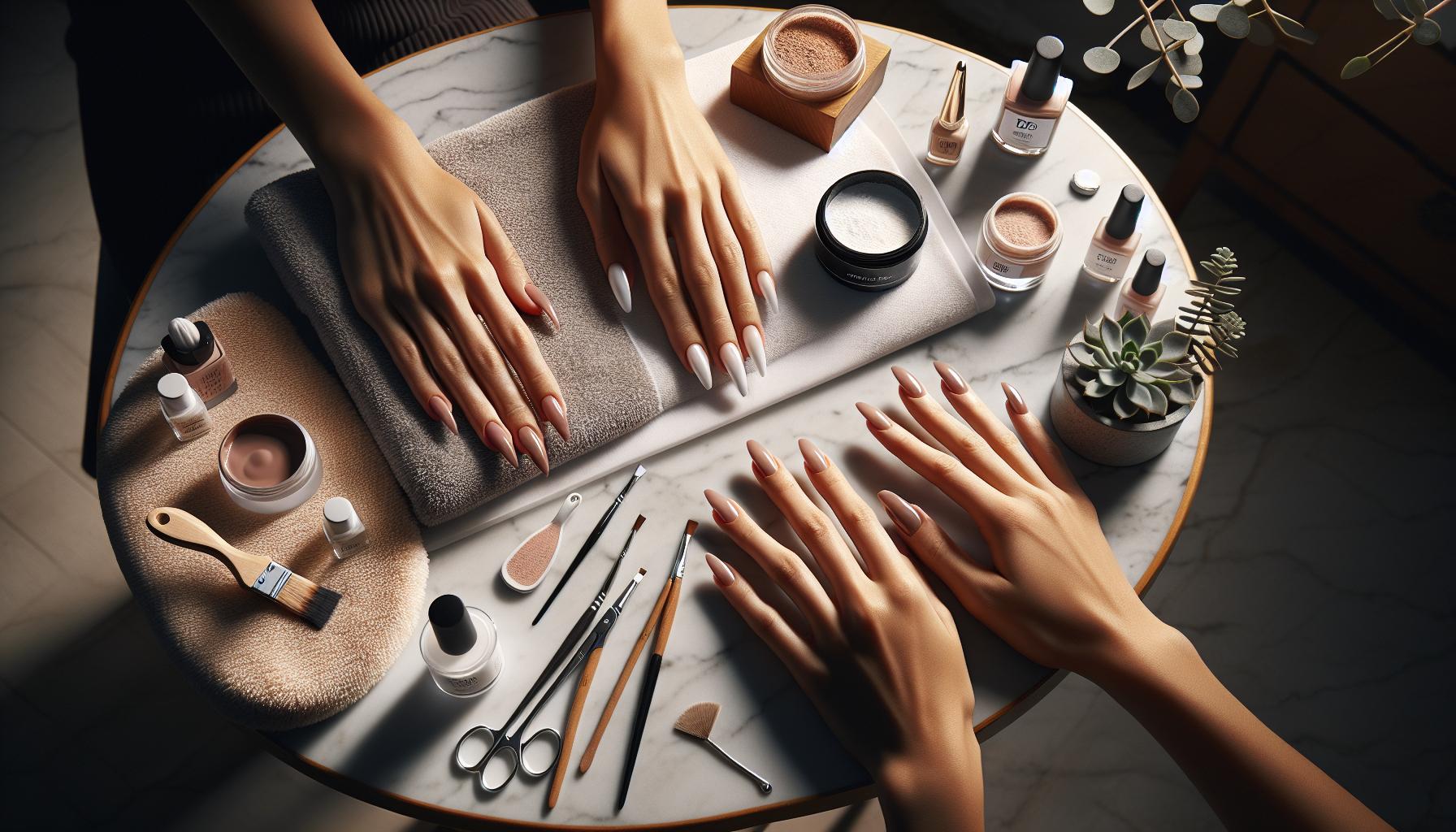
Key Differences Between Dip and Acrylic Powder
Understanding the nuanced differences between dip powder and acrylic powder is essential for nail enthusiasts seeking the best option for their manicures. While both methods offer long-lasting results, the application processes, materials used, and overall experiences can vary significantly.
Dip powder nails are applied using a process that involves a bonding agent and multiple layers of colored powder. The base coat is brushed onto the nail, followed by dipping it into the powder to build up layers. This technique does not require a UV lamp for curing, which can be a draw for those looking to minimize exposure to the light. On the other hand, acrylic nails require a mixture of liquid monomer and powder polymer, which is shaped over the nail. This method can create more intricate designs and offers a broader range of customization, but it does necessitate curing under UV light.
When considering durability and longevity, both dip and acrylic powders can withstand daily wear, but they do have their distinctions. Dip powder nails are typically lighter and may last up to three to four weeks without chipping, whereas acrylic nails can provide extra strength, making them less prone to breaking. However, the removal process for both is distinct; dip powders can often be soaked off, while acrylics may require filing down, which takes time and can affect the natural nail if not done correctly.
Another essential consideration is health and safety. Dip powders have come under scrutiny due to some products containing harmful chemicals or allergens, leading to potential nail damage or allergic reactions. In contrast, acrylics also pose risks, particularly with breathing in dust particles during the filing process. It’s crucial for nail technicians to practice good hygiene and use products from reputable brands to minimize these risks.
Ultimately, the choice between dip and acrylic powder often boils down to personal preference, desired longevity, and how much time and care an individual is willing to invest in their nail maintenance. Understanding these differences allows for a more informed decision tailored to one’s lifestyle and aesthetic goals.
Durability: Dip Powder vs. Acrylic Powder
When it comes to the longevity of your manicure, the battle between dip powder and acrylic powder is significant. Both options are designed to offer durable results, but they do so in different ways that can affect your nail care experience. Dip powder nails are praised for their lightweight feel and ability to last anywhere from three to four weeks without chipping, making them an appealing choice for those seeking a longer-lasting solution. Their application method, which involves layering powder over a bonding agent, contributes to their impressive resilience while remaining easy on the nails.
On the other hand, acrylic nails are renowned for their strength, providing a more robust option that can withstand daily wear and tear. This is largely due to the chemical reaction between the liquid monomer and powder polymer used in their application, creating a strong, hard layer over the nail. Acrylics are less prone to breakage, which can be a significant advantage for individuals who lead an active lifestyle. However, this impressive durability comes at the cost of a more complex removal process. Acrylic nails typically require filing, which, if not done properly, can jeopardize the natural nail’s integrity.
It’s essential to note that while both types offer longevity, individual experiences can vary based on factors such as nail health, daily activities, and maintenance routines. Regular upkeep and using quality products can significantly enhance the longevity of either option. For example, moisturizing your cuticles and avoiding excessive exposure to water can help both dip and acrylic nails last longer. Ultimately, your choice may depend on what you prioritize: the lightweight feel and easier removal of dip powder, or the robust strength and customization possibilities of acrylics. Understanding these nuances allows you to make an informed decision that aligns with your personal style and lifestyle needs.
Health and Safety Considerations
Choosing between dip powder and acrylic nails isn’t just about aesthetics; play a crucial role in your decision-making process. Both options involve the use of chemicals that can pose risks if not handled properly. For those looking to maintain healthy nails, understanding the implications of these techniques is essential.
When it comes to dip powder nails, one of the primary concerns is the bonding agents used, which can contain harsh chemicals like formaldehyde. Although dip powders are often marketed as safer alternatives, improper application or removal can still damage the natural nail. To minimize potential harm, it is crucial to have these services performed by a skilled nail technician who follows proper hygiene practices. Additionally, allowing your nails to breathe between dips can help maintain their health.
Acrylic nails, on the other hand, often involve more intensive chemical interactions. The mixture of liquid monomer and powder polymer creates a durable surface, but it can also result in stronger odors and potential irritation. Some individuals may experience allergic reactions or sensitivity to the components involved. To safeguard against these concerns, consider opting for products with lower odor formulations and ensuring adequate ventilation during applications.
In both cases, proper maintenance is key to health and safety. Regular moisturizing of your cuticles and the nail bed can prevent dryness and breakage. It’s also essential to avoid picking at the nails or using them as tools, which can lead to damage. When it comes time for removal, whether it’s a soak-off for dip nails or filing down acrylics, opt for professional help to minimize the risk of damaging your natural nails. With thoughtful attention to these factors, you can enjoy beautiful nails while prioritizing your health and safety.
Maintenance and Removal: What You Need to Know
Maintaining the appearance and health of dip powder and acrylic nails involves more than just regular applications; it requires an understanding of proper care and removal techniques to minimize damage to your natural nails. Many nail enthusiasts appreciate the beauty and longevity of these applications, but both methods require careful attention during upkeep. Whether you’re enjoying the vibrant colors of dip powder or the sleek finish of acrylics, knowing how to maintain and eventually remove these products safely is essential for nail health.
To keep your nails looking their best, consider these important maintenance tips:
- Hydration: Regularly moisturize your cuticles and nail beds with oils or creams to prevent dryness and brittleness. This is particularly important because both dip powder and acrylics can lead to dryness around the nail area.
- Avoid Picking: Resist the urge to pick at your nails or peel off the polish. This can cause damage to the layers of your natural nails beneath, leading to weakening and even breakage.
- Regular Salon Visits: Schedule regular fill-ins or touch-ups with a skilled nail technician to keep your nails looking polished and to prevent lifting or gaps that can accumulate dirt and moisture.
When it comes to removal, each technique varies slightly, but both should ideally be performed by professionals to protect the underlying nail. For dip powder removals, the best practice involves:
1. Soaking your nails in acetone or a dip powder remover until the powder softens.
2. Gently scraping off the product using a wooden stick or a specialized tool, being careful not to harm the natural nail underneath.
For acrylic nails, removal typically consists of:
1. Filing down the topcoat of the acrylic to reduce the bulk.
2. Soaking the nails in acetone to dissolve the acrylic, followed by careful scraping of the softened material.
Choosing the right removal method is crucial, as improper techniques can lead to damaged or weakened nails. As a guideline, always prioritize professional help for both application and removal to ensure your nails remain healthy and to avoid long-term damage. If you’re considering at-home removal, invest in high-quality tools and products designed for nail care, and always follow explicit guidelines to minimize risks. With diligent maintenance and proper care, your nails can remain vibrant and healthy, allowing you to enjoy your chosen nail style for longer.
Cost Comparison: Dip Powder vs. Acrylic Powder
When considering nail enhancements, understanding the financial implications is just as important as knowing the application process. The cost differences between dip powder and acrylic powder can significantly influence your choice, especially if you’re mindful of regular maintenance and salon visits. On average, a dip powder manicure ranges from $30 to $50, while an acrylic nail set costs between $35 to $70. Prices can vary based on factors like geographic location, salon reputation, and the complexity of the nail art.
One of the key reasons for the price disparity is the application process. Dip powder nails typically require less time in the salon, often taking about 30 to 45 minutes, while acrylics can take 1 to 2 hours due to their layering and sculpting requirements. However, the longer lifespan of acrylics (which can last 2 to 3 weeks longer than dip powder with proper maintenance) may justify their higher initial cost.
Maintenance is another factor to consider. Acrylic nails usually need to be filled every 2 to 3 weeks, costing around $20 to $30 per visit. Dip powder might need refills approximately every 3 to 4 weeks, which also ranges from $15 to $30. Over time, these recurring costs can add up, making it essential to evaluate overall expense rather than just the upfront price.
For those who enjoy experimenting with nail art, additional costs for special designs or intricate designs can add up as well. Many salons charge extra for custom artwork, which can range from $5 to $20 depending on the complexity. Thus, whether you lean toward dip or acrylic, calculating your budget for both initial applications and ongoing maintenance will help you make a decision that aligns with your nail care goals and financial considerations.
Popular Trends: Which Is Better for Nail Art?
The ongoing debate about which nail enhancement technique reigns supreme for nail art-dip powder or acrylic powder-continues to captivate enthusiasts and professionals alike. Both methods offer unique benefits that cater differently to nail art lovers. For those who prioritize speed and a variety of colors, dip powder may be the preferable choice. It inherently provides a smoother finish and an extensive palette, enabling artists to create vibrant nail designs quickly. In contrast, acrylics are favored for their versatility in sculpting and the ability to create intricate 3D art, allowing for a more tactile, artistic experience.
When it comes to nail art trends, the customization possibilities are virtually endless. While dip powder is exceptional for achieving glossy finishes with minimal topcoat, acrylic offers the advantage of more complex nail shapes and tailored designs that extend beyond traditional polish. Artists can use techniques like marbling or embedding gems into acrylic overlays, which lets creativity flow more freely. Additionally, some professionals are now experimenting with “mixing” techniques, blending both dip and acrylic applications to maximize the strengths of each.
Consider the following points when choosing between the two for your next nail art adventure:
- Speed of Application: Dip powder generally requires less application time, making it ideal for those who prefer quicker sessions in the salon.
- Shell Design Versatility: Acrylic provides a better foundation for 3D designs and nail embellishments due to its sculpting capabilities.
- Durability: Both options offer long-lasting results, but acrylics typically stand up better to wear and tear, making them ideal for intricate styles.
- Trend Adaptability: Dip powder trends might shift more toward vibrant, one-color finishes, while acrylics could embrace innovative designs like foils or even holographics.
Whether you choose dip or acrylic, the key is to communicate with your nail technician about your vision and how you like to express your style. As nail art continues to evolve, staying updated on techniques and trends will empower you to choose the right method that complements not just your aesthetic but your lifestyle as well.
Expert Tips for Choosing the Right Option
When it comes to selecting between dip powder and acrylic powder for your nail enhancement, understanding your individual preferences and lifestyle is crucial. Both options have their distinct advantages, but recognizing which aligns best with your nail goals can make all the difference. Start by considering factors like your lifestyle, maintenance commitment, and the type of designs you envision.
For those who lead a busy life and value quick solutions, dip powder might be your ideal choice. Its application is generally rapid, requiring less time in the salon, which is perfect for on-the-go individuals. However, if you’re captivated by intricate nail art or 3D designs, acrylics may serve you better. The versatility of acrylics allows for complex sculpting, enabling artists to create stunning designs that make a statement. When discussing your options with a nail technician, don’t hesitate to express your desired outcome-whether it’s a simple glossy look or elaborate nail art.
Another aspect to consider is durability. Acrylics tend to be stronger and more resilient against chips and breaks, making them a better fit if you regularly engage in activities that could damage your nails. Conversely, if you prioritize vibrant colors and the ease of changing designs, the extensive color range available in dip powders can be quite appealing. Many enthusiasts also enjoy mixing techniques for a customized approach that combines the strengths of both products.
Lastly, always pay attention to health and safety. Consult with your nail technician about the products used, particularly if you have sensitivities or allergies. Educate yourself on the maintenance required for each option, including removal processes to ensure your natural nails remain healthy. With thoughtful consideration and open communication, you can choose the nail enhancement that not only complements your style but also fits harmoniously with your lifestyle.
Common Misconceptions About Dip and Acrylic Powders
When it comes to dip powder and acrylic powder, there are several misconceptions that can lead to confusion about their differences and uses. One common belief is that both systems produce the same results and that the choice between them is mostly a matter of preference. While it’s true that both can achieve beautiful nails, they involve different application techniques, longevity, and maintenance requirements.
Another misinformation is that dip powder nails are inherently more damaging to natural nails than acrylics. In reality, both methods can be safe when applied and removed properly. The damage often comes from improper techniques rather than the products themselves. It’s essential to consult with a knowledgeable nail technician who uses high-quality products and follows proper protocols to ensure that your nails remain healthy regardless of which method you choose.
People also often think that dip powder is a recent innovation while acrylics have been around for decades, making them an outdated choice. However, dip powder systems have been popularized in recent years due to their quick application and durability, but acrylics still hold their ground with nail art enthusiasts who appreciate their sculpting capabilities.
Lastly, budget concerns frequently emerge: many assume that dip powder is less expensive than acrylics, but this is not always the case. Depending on the salon and technician’s expertise, prices can vary significantly for both services. Always request a clear breakdown of costs when deciding which enhances your nails. By understanding these misconceptions, you can make more informed decisions that align with your nail care goals and preferences.
Customer Reviews: Real Experiences with Both Options
The experiences of those who have tried both dip powder and acrylic powder nails provide valuable insights for anyone considering either option. Many users rave about the vibrant colors and the long-lasting finish of dip powder nails. One frequent comment is that dip powder offers a shiny, durable surface that can withstand daily wear and tear. Users appreciate the quick application process, often noting that they can walk out of the salon with perfectly manicured nails in less time compared to acrylics.
However, some customers share mixed feelings about their experiences. For instance, while dip powders provide a robust finish, there are reports of nails feeling thick or heavy, which can be uncomfortable for some wearers. Additionally, issues like chips and breaks within a few days have been highlighted, leading to concerns about the application technique used. The type of powder and the technician’s skill play crucial roles in the final outcome, as several reviews indicate that poor application can lead to premature wear regardless of the chosen method.
On the other hand, acrylic powder is celebrated for its sculpting capabilities, allowing for more intricate nail designs. Many users enjoy the versatility acrylics offer; they appreciate that their nails can be shaped into a variety of styles, making them ideal for those looking to express their creativity. However, some reviews mention that acrylic nails can feel more damaging to natural nails over time if not applied or removed correctly. Customers often emphasize the importance of selecting a skilled nail technician, as proper technique can mitigate potential damage.
In summary, while both dip powder and acrylic powder have their dedicated fan bases, personal preferences heavily influence individual experiences. Prospective clients are advised to consider their lifestyle, aesthetic preferences, and the reputation of the nail salon when choosing between these two popular options. Comprehensive research and insightful customer reviews can guide new users to the best decision for their nail care journey.
Frequently Asked Questions
Q: What are the main differences between dip powder and acrylic powder?
A: The main differences lie in the application and finish. Dip powder is applied using a bonding solution and dipping the nail into powder, while acrylic powder requires a liquid monomer mixed with the powder to create a paste. Dip powder tends to be quicker to apply and can provide a glossy finish without the need for UV light.
Q: How long do dip powder nails last compared to acrylic nails?
A: Dip powder nails typically last about 3-4 weeks, while acrylic nails can last longer, around 4-6 weeks with proper maintenance. Factors such as individual nail growth and activity level can impact longevity.
Q: Are dip powder nails safer than acrylic nails?
A: Dip powder nails can be considered safer as they don’t often require the use of liquid monomers, which can emit harmful fumes during the acrylic application. However, both methods can cause damage if not applied or removed correctly. It’s essential to choose a skilled technician for either option.
Q: What is the removal process for dip powder versus acrylic nails?
A: Dip powder nails can be removed by soaking in acetone or by filing, while acrylic nails typically require soaking in acetone for a longer period and sometimes filing before soaking. Both processes should be done carefully to avoid damage to the natural nail.
Q: Can I switch from dip powder to acrylic nails easily?
A: Yes, you can switch from dip powder to acrylic nails, but it’s important to have a professional technician perform the transition. They can ensure your nails are healthy and properly prepared for acrylic application after dip powder removal.
Q: Do dip powder or acrylic nails require more maintenance?
A: Generally, dip powder nails require less maintenance than acrylics since they do not need frequent fills. They are less prone to lifting compared to acrylics, but both need regular care to maintain appearance and nail health.
Q: What are the best tips for caring for dip and acrylic nails?
A: To care for both dip and acrylic nails, keep them moisturized, avoid harsh chemicals, and wear gloves when doing chores. Routine maintenance, such as fills for acrylics, and regular inspections for any lifting or damage are also important.
Q: Which is better for nail art-dip powder or acrylic?
A: Both options are suitable for nail art, but acrylics offer more flexibility for intricate designs due to their ability to be sculpted. Dip powder can provide vibrant color but might limit the complexity of 3D designs.
To Conclude
Understanding the differences between dip powder and acrylic powder can transform your nail care routine and elevate your beauty game. If you’re still uncertain which option is right for you, don’t hesitate to explore our detailed guides on nail care essentials and application tips for each method. Act now to discover how to achieve stunning, long-lasting nails by checking out our resources on nail health and maintenance!
Have any lingering questions or personal experiences with these techniques? Share your thoughts in the comments below-your insights could help others! Don’t forget to subscribe to our newsletter for the latest tips and trends in beauty care, and visit our FAQ page for more answers to all your nail-related inquiries. Dive deeper into the world of nail artistry and unlock your potential today!