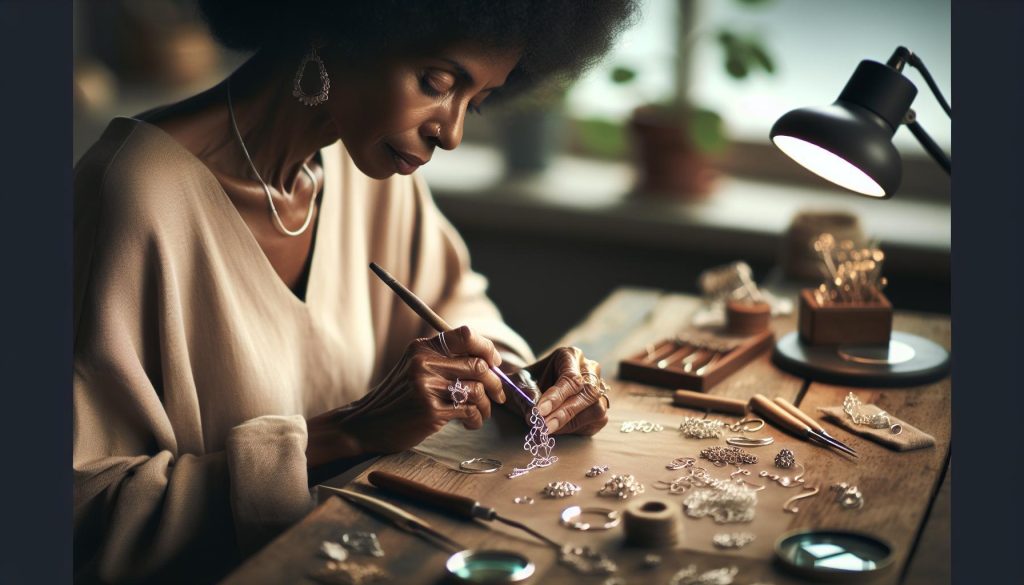
Filigree jewellery is a captivating art form that transforms precious metals into intricate designs, showcasing delicate patterns that tell stories of craftsmanship and tradition. Did you know that the delicate threads of gold or silver in filigree pieces are often twisted and coiled by hand, creating stunning, airy motifs? This technique not only highlights the skill of the artisan but also appeals to those seeking unique, expressive accessories. Understanding these techniques is essential for anyone who appreciates jewellery, whether you’re a collector, a designer, or simply someone looking to add a touch of elegance to your wardrobe. As you explore the various methods used to create these breathtaking works of art, you’ll gain insight into their beauty and significance, empowering you to make informed choices about your jewellery collection and styling. Dive in and discover the delicate artistry behind filigree jewellery-your next favorite piece may be just a few pages away!
Understanding Filigree Jewellery Techniques
Filigree jewelry showcases an exquisite artistry that combines ancient techniques with modern aesthetics. At its core, filigree is the delicate practice of twisting and weaving fine metal threads, usually silver or gold, to create intricate patterns that resemble lace. This craftsmanship not only allows for stunning visual appeal but also demonstrates a unique tactile quality, making each piece a testament to the jeweler’s skill and creativity. The artistry involved in filigree is not just about making something beautiful; it also embodies a rich cultural history that varies across different regions.
Traditional Techniques
The most common technique in filigree involves two main methods: twisting and plaiting. Twisting involves spiraling thin wires together to form spirals or other shapes, while plaiting is more about braiding strands of metal to create a flat, textured appearance. These techniques can be combined in myriad ways, resulting in exquisite designs that may include floral motifs, intricate geometric patterns, and even more abstract forms. In regions such as Portugal, the art of filigree is particularly celebrated, featuring pieces that often showcase detailed craftsmanship that reflects the culture and history of the area<3>.
Contemporary Adaptations
Modern filigree has also evolved. Artisans today experiment with various materials and colors, sometimes integrating gemstones or employing new technologies, such as laser cutting, to assist in intricate designs. This blend of traditional skills with contemporary trends allows for a wider audience to appreciate and wear filigree jewelry. Moreover, as sustainability becomes a focal point in fashion, some artisans are turning to recycled materials, infusing their pieces with both aesthetic and ethical values.
Practical Tips for Beginners
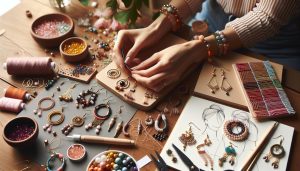
For those looking to create their own filigree jewelry, it’s crucial to start with the right tools and materials. Fine silver wire, a steady hand, and simple tools such as pliers and tweezers will serve as your foundation. Begin with basic shapes and gradually experiment with more complex designs. Understanding how to manage the wire tension is vital in ensuring your patterns hold together without breaking. Practice makes perfect, and don’t hesitate to seek feedback from experienced artisans or local jewelry-making groups.
Filigree jewelry is not merely about crafting pieces-it’s about storytelling through intricate designs, linking the past to the present while offering endless possibilities for personal expression and creativity. Whether you’re a collector or a budding artisan, embracing this delicate artistry opens up a world of beauty and inspiration.
The History of Filigree Craftsmanship
The tradition of filigree craftsmanship is steeped in history, with origins tracing back thousands of years across various cultures. Initiated as a functional art form, filigree evolved from ancient civilizations, where it was used in intricate jewelry pieces, religious artifacts, and decorative items. The ancient Greeks and Romans were known to adorn their creations with delicate filigree work, showcasing not only aesthetics but also the skill and expertise of the artisans. Historical references highlight that this technique was particularly prominent in regions like the Mediterranean, Middle East, and later, Europe, where local styles flourished.
As filigree techniques spread, different cultures began to imbue their work with specific local characteristics. For instance, in Portugal, filigree artisans mastered the art of intertwining fine metal wires, often creating motifs inspired by the natural world, such as vines, flowers, and geometric shapes. This artistic expression served as a reflection of the region’s cultural heritage, with each piece telling a unique story through its delicate craftsmanship. Similarly, Indian and Middle Eastern artisans adapted filigree, incorporating vibrant gemstones and intricate patterns that symbolize spirituality and status.
The rise of the Renaissance brought about a renaissance in filigree itself, as it became increasingly popular among nobility and the wealthy. Techniques were refined, and the artistry of filigree reached new heights. By utilizing improved tools and methods, artisans could create even more intricate designs, solidifying filigree’s place in fashionable jewelry. However, as the Industrial Revolution introduced mass production, the personal touch of hand-crafted filigree began to wane, leading to a decline in traditional craftsmanship.
In contemporary times, there has been a resurgence of interest in filigree, driven by a desire for authenticity and individual expression in jewelry. Modern artisans are blending traditional methods with innovative technologies, eco-friendly materials, and bespoke designs, ensuring that filigree remains relevant while honoring its rich historical roots. This evolution speaks to a growing appreciation for hand-crafted artistry, inviting new generations to explore the delicate beauty and intricate techniques that define filigree craftsmanship.
Essential Tools for Filigree Artistry
To master the delicate art of filigree jewelry, a few essential tools are indispensable for both beginners and seasoned artisans alike. These tools not only facilitate the intricate designs that filigree is known for but also enhance the level of detail and craftsmanship in each piece created. Understanding and investing in the right tools can significantly elevate your filigree experience.
Basic Tools for Filigree Work
The foundation of filigree artistry lies in a selection of specialized tools that facilitate the manipulation of fine metal wires. Here are the primary tools you should consider:
- Wire Cutters: Essential for cutting fine gauge metal wire with precision, clean wire cutters ensure that you get smooth, unfrayed edges to work with.
- Flat Nose Pliers: These are vital for bending and shaping wire without leaving marks, allowing for the creation of intricate loops and curves.
- Round Nose Pliers: Perfect for making consistent loops, these pliers help create the signature spiral elements common in filigree designs.
- Soldering Tools: A soldering iron and solder are crucial for joining pieces together securely while maintaining the integrity of fine metals.
- Files: Fine files are used to smooth any rough edges after cutting or soldering, ensuring your finished piece is polished and professional.
Advanced Tools for Intricate Designs
As you become more experienced, you may want to invest in advanced tools that offer additional capabilities:
- Texturing Tools: These can add unique textures to your pieces, elevating them beyond basic designs and enhancing their aesthetic appeal.
- Jeweler’s Saw: Ideal for intricate cutting, a jeweler’s saw allows for detailed work that standard wire cutters cannot achieve.
- Magnifying Glass or Head Loupe: Critical for inspecting your work closely, these tools help catch any flaws and ensure precision in detail.
Considerations for Tool Selection
When selecting tools, prioritize quality over quantity. Investing in high-quality tools will not only improve your work but also provide a better overall crafting experience. Additionally, consider ergonomics-comfortable tools can prevent strain during longer crafting sessions. As you embark on your filigree journey, familiarizing yourself with these essential instruments will empower you to unlock the full potential of this exquisite jewelry-making technique.
Key Materials Used in Filigree Jewellery
To create exquisite pieces of filigree jewellery, the choice of materials plays a pivotal role. The beauty of filigree lies in its intricate designs crafted from fine metal threads, and understanding these materials can significantly enhance both the craftsmanship and durability of your creations.
The most commonly used materials for filigree work include precious metals such as silver, gold, and occasionally platinum, each offering distinct characteristics. Silver is a favorite among artisans due to its malleability and affordability. It’s ideal for beginners, allowing for intricate designs without significant financial risk. Gold, particularly in its higher karats, is preferred for its warmth, beauty, and resistance to tarnishing. This makes gold filigree pieces desirable for those who seek not only aesthetic appeal but also longevity. Some filigree artists also utilize copper or brass for more economical projects, although these metals may require additional care to prevent tarnishing.
In addition to metals, filigree jewellery may incorporate gemstones or pearls, which can provide vibrant contrasts against the delicate metalwork. Using stones like diamonds, sapphires, or emeralds in the design can elevate the piece, transforming simple filigree into exquisite statement jewellery. It’s essential to consider the setting of these stones; they must be securely attached without compromising the delicate nature of the filigree work.
Moreover, the gauge of wire used is equally crucial. Thinner wires are ideal for creating intricate details, while thicker wires provide structural support. The selection of wire gauge directly impacts the overall finish and durability of the piece. A fine balance should be maintained between aesthetic quality and the strength required to ensure the piece withstands everyday wear.
Employing the right materials not only enhances the visual appeal of your filigree creations but also ensures their quality, longevity, and overall craftsmanship. Exploring these materials can inspire your own unique designs, helping you to fully embrace the delicate artistry that filigree jewellery represents.
Popular Filigree Techniques in Making Jewellery
Creating stunning filigree jewellery is an art form that involves a variety of intricate techniques, each requiring a mix of skill, creativity, and patience. Among the most popular methods, the following stand out for their ability to produce delicate, lace-like patterns that are characteristic of this highly regarded style.
One of the foundational techniques is winding. This method involves twisting fine metal wires around a core to create spiral shapes or loops. The winding can be adjusted to form different patterns and textures, allowing artisans to play with visual depth in their designs. Winding is often one of the first techniques taught to beginners because it establishes the core skills needed for more complex patterns.
Another prominent technique is soldering, which is essential for assembling various components of a filigree piece. Artisans use a soldering iron to melt a filler metal that bonds different wires together. Mastery of this technique is crucial as it ensures both the durability and elegance of the final product. Proper soldering can keep the delicate filigree intact while enhancing its aesthetic appeal.
Additional Techniques in Filigree Creation
- Granulation: This ancient technique involves fusing tiny metal beads to the surface of larger pieces. The resulting texture adds depth and complexity, creating visual interest that can elevate a simple filigree piece into a work of art.
- Beading: Similar to granulation, beading incorporates small metal spheres into the design. This technique not only contributes to the overall texture but can also serve functional purposes, such as acting as spacers or accents within larger patterns.
- Piercing: This method involves cutting and shaping the metal in intricate ways to create designs that are elegant and airy. By strategically removing portions of metal, artisans can create captivating patterns that allow light to pass through, enhancing the piece’s luminosity.
Combining these techniques allows artisans to produce unique filigree designs that tell a story or evoke a particular theme. Each approach plays a role in balancing beauty and structural integrity, ensuring that the finished jewellery not only looks exquisite but also withstands the test of time. For those looking to dive into the world of filigree, understanding these techniques is a significant step toward mastering this delicate art form. Whether you are a beginner or a seasoned jeweller, experimenting with these methods can inspire fresh designs and help you create distinctive pieces that reflect your personal style.
Step-by-Step Guide to Creating Filigree Jewellery
Creating filigree jewellery captivates with its intricate designs and delicate beauty, capturing the essence of craftsmanship and artistry. To embark on this mesmerising journey, it’s essential to follow a structured approach that combines skill and creativity at every step. Here’s a practical guide to help you navigate the enchanting world of filigree jewellery making.
Start by gathering your essential tools and materials. You will need fine metal wires (gold, silver, or other suitable materials), a soldering iron, solder, a pair of fine-tipped pliers, metal snips, and a workbench with a good light source. If you’re incorporating techniques like granulation or beading, be sure to have small metal beads on hand. Understanding each tool’s purpose will empower you as you begin crafting your designs.
Once equipped, sketch your intended design to represent different elements of your piece visually. This helps in visualising the intricate patterns characteristic of filigree work. After settling on a design, cut your wires to the required lengths. Use the winding technique to twist and shape these wires according to your sketch. As you create loops and spirals, take your time to ensure that each twist is precise and consistent, as this will significantly affect the aesthetics of the final product.
Assemble your filigree components using soldering to join pieces together. Heat your soldering iron and apply solder at the joints where wires meet, ensuring a strong bond. Patience is key as you’re working with delicate materials; careful handling prevents unnecessary breaks. After soldering, you can add texture through granulation or beading, enhancing the visual appeal of your piece. Should you choose to incorporate piercing techniques, carefully cut out designs, remaining mindful of maintaining structural integrity.
After completing your piece, give it a thorough cleaning to remove any excess solder or debris. Polishing your filigree jewellery not only enhances its shine but also ensures that intricate details stand out beautifully. Finally, consider how you will style your finished piece. Whether worn on special occasions or as everyday items, understanding the elements of filigree jewellery makes every piece a statement of exquisite artistry and personal expression.
Embarking on this creative venture into filigree jewellery making can be incredibly fulfilling. By mastering these techniques and allowing your creativity to flow, you’ll produce stunning pieces that showcase your individual style and craftsmanship. Happy crafting!
Care and Maintenance of Filigree Pieces
The intricate craftsmanship that defines filigree jewellery also makes it susceptible to wear and tear, highlighting the importance of proper care and maintenance. With their delicate designs, these pieces not only showcase artistic talent but also require vigilant upkeep to preserve their beauty and integrity. Regular care can prevent damage while ensuring that your filigree jewellery remains a cherished part of your collection for years to come.
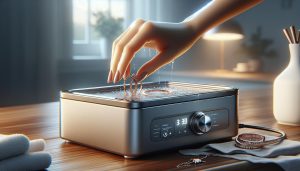
To best maintain your filigree items, start with a gentle cleaning routine. Use a soft brush to carefully remove dust and debris between the delicate filigree patterns. Follow this with a wipe down using a soft, lint-free cloth to brighten the surface without scratching it. Avoid using harsh chemicals or abrasive materials, as these can tarnish the metal and damage the intricate filigree work. For a deeper clean, consider soaking your pieces in a solution of mild dish detergent and lukewarm water, followed by a gentle brush and a thorough rinse with lukewarm water. Always ensure that you dry your filigree pieces with a soft chamois cloth to avoid water spots or any potential moisture-related damage.
Another critical aspect of jewellery care involves storage. When not in use, store your filigree jewellery in a cool, dry place, ideally in individual compartments or soft pouches to minimize exposure to air and prevent scratches. Avoid keeping your pieces in direct sunlight or humid areas, as fluctuations in temperature and moisture can lead to tarnishing or deterioration of the metal. Consider using anti-tarnish cloths or bags that can help to absorb moisture and protect silver or gold from tarnishing agents.
Lastly, it’s essential to handle filigree jewellery with care, as their delicate structures can be more prone to bending or breaking. When putting on or taking off your jewellery, do so gently and avoid pulling on chains or delicate parts. Regular inspection for loose wires or potential damage is also advisable; if you notice any issues, seek a professional jeweller’s assistance to avoid worsening the problem. By investing time and attention into the upkeep of your filigree jewellery, you ensure that these exquisite pieces continue to shine and tell their stories for many generations to come.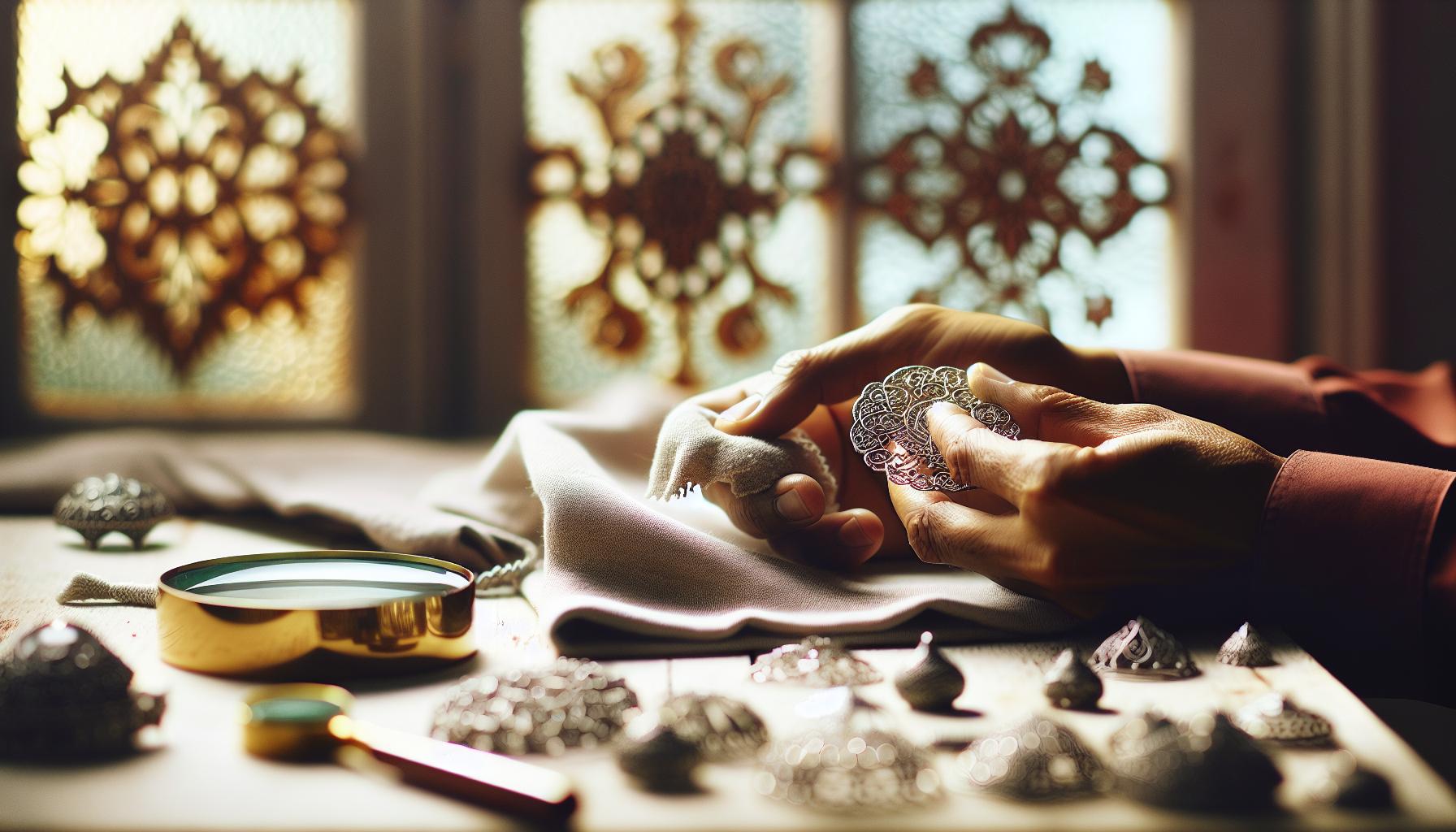
Styling Tips for Wearing Filigree Jewellery
Wearing filigree jewellery is like carrying a piece of art that celebrates the beauty of craftsmanship and intricate designs. To truly showcase these delicate pieces, thoughtful styling is essential. Filigree jewellery’s lightweight and often expansive patterns make it a standout choice for both casual wear and formal occasions. To create a harmonious look, consider the balance of textures and styles in your outfit. While filigree jewellery speaks volumes on its own, it’s best paired with solid fabrics or understated ensembles that allow the intricate detailing to shine without competition.
### Accessorizing with Filigree
When styling filigree jewellery, it’s important to maintain a sense of cohesion in your accessories. Here are some practical tips:
Filigree often features silver or gold tones that can beautifully complement pastel or muted colors. If your outfit has bold colors, allow your filigree piece to bring a touch of elegance without taking over the overall look. Use a statement filigree necklace as the focal point of your outfit. Opt for a high neckline or a simple V-neck to draw attention to this feature, enhancing its delicate beauty.
### Occasion-Specific Styling
The occasion often dictates how best to wear filigree jewellery. For a formal event, select intricate earrings or a stunning filigree cuff that adds sophistication while still allowing your personality to shine through. In a casual setting, opt for lightweight filigree pieces that evoke comfort and ease, such as rings or simple pendants layered with casual wear.
In all cases, remember that wearing filigree is about expressing your unique style while embracing its delicate artistry. By thoughtfully pairing filigree jewellery with the right outfits and other accessories, you can elevate your look and enjoy the timeless beauty of these exquisite pieces.
Common Challenges in Filigree Creation
Creating filigree jewellery is an intricate dance of art and precision, but even seasoned artisans face a unique set of challenges. One of the most significant hurdles is the delicate nature of filigree work itself. The intricate patterns and fine wires require immense care during both the design and crafting stages. A simple misstep can ruin an entire piece, making it crucial for makers to cultivate patience and precision in their techniques.
Another common challenge involves the selection and treatment of materials. The thin wires used in filigree must be malleable yet sturdy enough to withstand manipulation. Choosing metals that can easily bend without breaking while maintaining their shape is essential. Additionally, soldering these thin strands can be tricky; too much heat may lead to unsightly burns on the metal, while too little won’t secure connections effectively. Artisans often rely on specialized solder or practice until they find the right temperature balance for their materials.
Working with design complexity is also a frequent issue in the creation of filigree jewellery. Beginners might become overwhelmed when trying to translate their ideas into feasible designs, and even experienced crafters can struggle to achieve the desired level of intricacy without compromising structural integrity. Simplifying intricate patterns or breaking designs down into stages can help alleviate this pressure, allowing artisans to focus on one section at a time.
Lastly, managing time effectively presents a unique challenge. Filigree pieces can take hours, if not days, to complete due to the meticulous nature of the craft. Artisans must balance the time investment against their pricing, ensuring they are compensated fairly without deterring potential buyers. Setting realistic timelines and understanding the market value of their work can help jewelers navigate this obstacle, leading to a fulfilling and sustainable practice in the world of filigree jewellery.
Exploring Filigree Designs Across Cultures
Filigree designs captivate with their intricate beauty and rich history, reflecting the unique artistic expressions of various cultures around the world. The delicate art of filigree, characterized by twisting thin metal wires into elaborate patterns, has been embraced by numerous civilizations, each adding its own flavor and symbolism to the craft. Whether inspired by nature, mythology, or geometric shapes, filigree design showcases a blend of technical skill and cultural storytelling.
Regional Varieties of Filigree Design
Across continents, filigree work varies significantly in style and technique. In Italy, for instance, filigree jewelry often features intricate lace-like patterns, prevalent in pieces that adorn the neck and ears. The esteemed Italian city of Naples is especially recognized for its refined filigree traditions, where artisans meticulously create jewelry that reflects both regional heritage and contemporary aesthetics.
In India, the art takes on a different hue. Indian filigree, known as “jali,” is notable for its elaborate designs that often incorporate floral motifs and decorative mesh patterns. These pieces, typically crafted from silver, have deep cultural significance and are frequently worn during weddings and festivals. The craftsmanship involved is exceptional, marrying traditional techniques with a modern flair that continues to evolve.
Filigree in Middle Eastern Art
Middle Eastern filigree is another striking manifestation of this art form. Countries like Turkey and Iran are known for their exquisite filigree work, where artisans often integrate it into grander decorative arts, such as inlaid calligraphy or intricate tile designs. Turkish jewelry, for instance, embraces bold shapes and motifs that tell stories of heritage and spirituality, making each piece a statement of identity.
Modern Adaptations and Global Influence
As global influences intertwine, contemporary filigree artisans are increasingly combining traditional techniques with modern design principles. The resurgence of handmade and artisanal crafts, particularly among younger designers, has inspired a new appreciation for filigree. Today, you can find unique pieces that blend various cultural elements, making them not only fashionable but also symbolic of a rich tapestry of history.
To explore these varied designs, collectors and enthusiasts should seek out pieces that resonate both aesthetically and culturally. Understanding the individual stories behind different styles enhances both appreciation and value, making each filigree piece not only a work of art but also a connection to the diverse histories that shaped them.
How to Start Your Own Filigree Jewellery Business
Starting a filigree jewellery business can be both an exciting and rewarding journey, especially for those drawn to the intricate artistry and historical significance of this craft. To carve out a niche in the competitive jewellery market, it’s essential to blend creativity with sound business practices. Begin by thoroughly researching filigree techniques, understanding market trends, and identifying your unique style or theme that will set your pieces apart. This foundational knowledge will be indispensable when developing your brand.
Establish Your Brand
Your jewellery business needs a compelling identity that resonates with your target audience. Create a name that reflects the essence of your designs, and invest in a visually appealing logo. It’s beneficial to share your story and the inspiration behind your work, as customers often connect with the personal narratives that accompany handcrafted items. Utilize platforms like Instagram or Pinterest to showcase your creations and build a community around your brand.
Sourcing Materials and Tools
Successful filigree jewellery relies heavily on the quality of materials used. Important elements include:
- Metal Types: Choose between precious metals like gold and silver, or explore alternatives such as silver-plated brass for cost-effective options.
- Tools: Essential tools include fine-tipped pliers, soldering equipment, and a bench for intricate work. Familiarize yourself with these tools through tutorials or workshops.
Establishing reliable suppliers for materials will help maintain consistency in your products. Consider researching suppliers who focus on ethical and sustainable practices, as this can create additional appeal.
Building Your Online Presence
In today’s digital age, a strong online presence is paramount for reaching potential customers. Start by setting up an e-commerce website with high-quality photos of your jewellery, thorough product descriptions, and user-friendly navigation. Engage with followers on social media platforms, utilizing them to showcase your design process and the finished pieces. Collaborate with influencers or bloggers in the jewellery space to expand your reach.
Mastering Marketing Techniques
Effective marketing strategies will be key in growing your business. Leverage content marketing through blog posts or videos that share tips about filigree care and styling. Participate in local craft fairs or markets to gain exposure and network with potential clients. Consider offering promotions or hosting workshops to attract interest and increase brand loyalty.
Launching a filigree jewellery business requires dedication and finesse, but with the right strategies and passion, you can weave your artistic vision into a successful venture. Keep refining your craft, engage with your audience, and stay inspired by the rich tapestry of filigree artistry.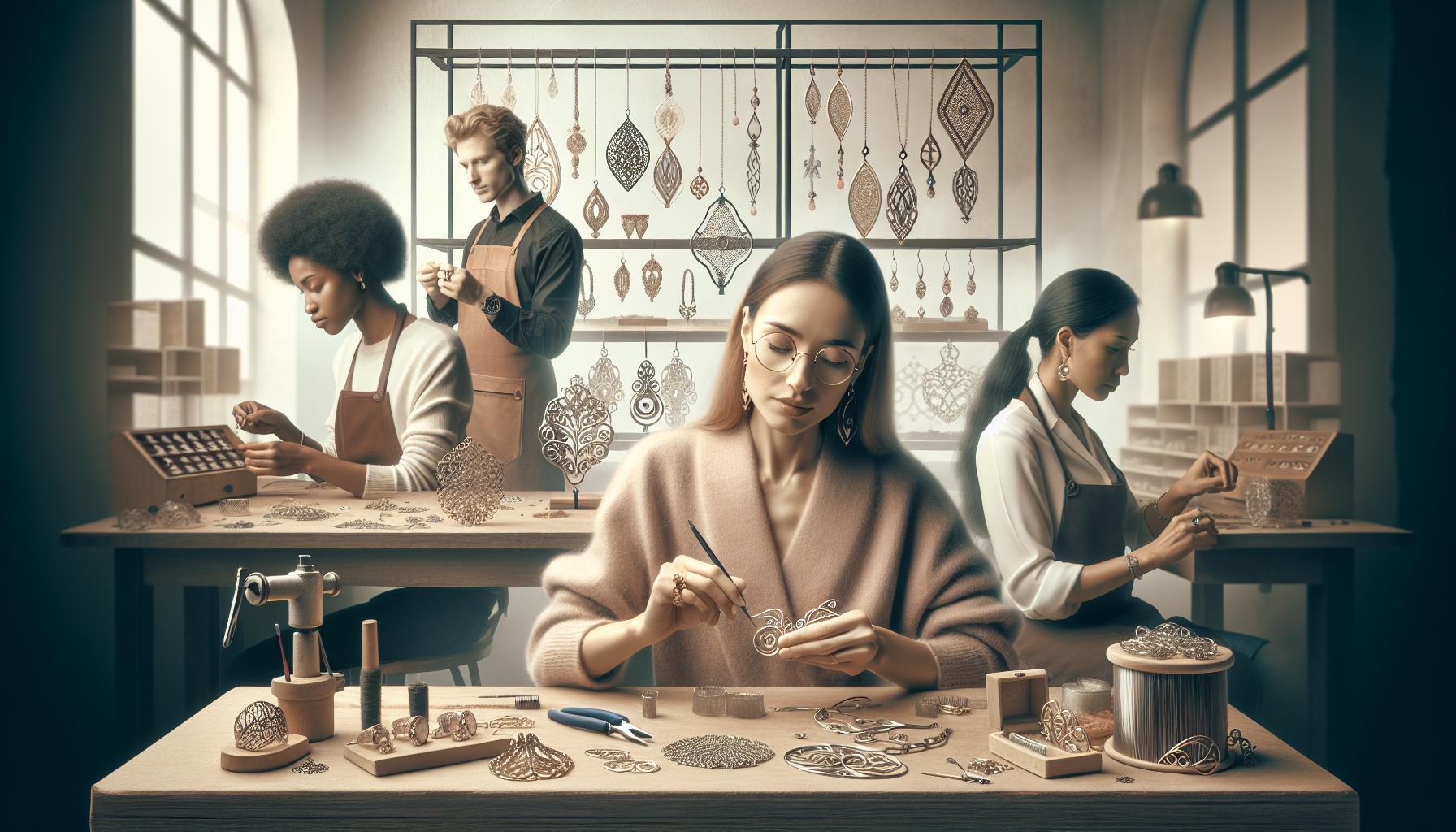
Authenticating Vintage Filigree Jewellery
The allure of vintage filigree jewellery lies not just in its delicate artistry but also in its rich history. However, with the rise of replicas and reproductions, authentically identifying vintage pieces has become increasingly important for collectors and enthusiasts alike. One effective method to authenticate vintage filigree jewellery is to scrutinize the craftsmanship and design characteristics. Authentic pieces often exhibit meticulous detail, with hand-worked elements that modern machinery cannot replicate. Look for signs of soldering, variations in wire thickness, or slight imperfections, all of which indicate skilled handcrafting.
Another crucial step involves assessing the materials used. Antique filigree is typically made from precious metals such as gold or silver, often marked with stamps or hallmarks that indicate their authenticity. Familiarizing yourself with common markings from specific eras can provide insights. For example, older pieces may not have standardized hallmarks, while pieces produced in the 20th century often feature more systematic stamping. Engage with resources that specialize in jewellery appraisal or vintage authenticators, as they can provide detailed insights and assist in the valuation of your piece.
Lastly, the provenance of the piece can offer compelling evidence regarding its authenticity. If available, look for original documentation, receipts, or appraisals that accompany the jewellery. Historical context, such as the designer’s signature or alignment with known styles from particular time periods, can also serve as vital indicators. Cultivating an understanding of these factors not only enriches your knowledge but enhances your appreciation for the craft of filigree jewellery.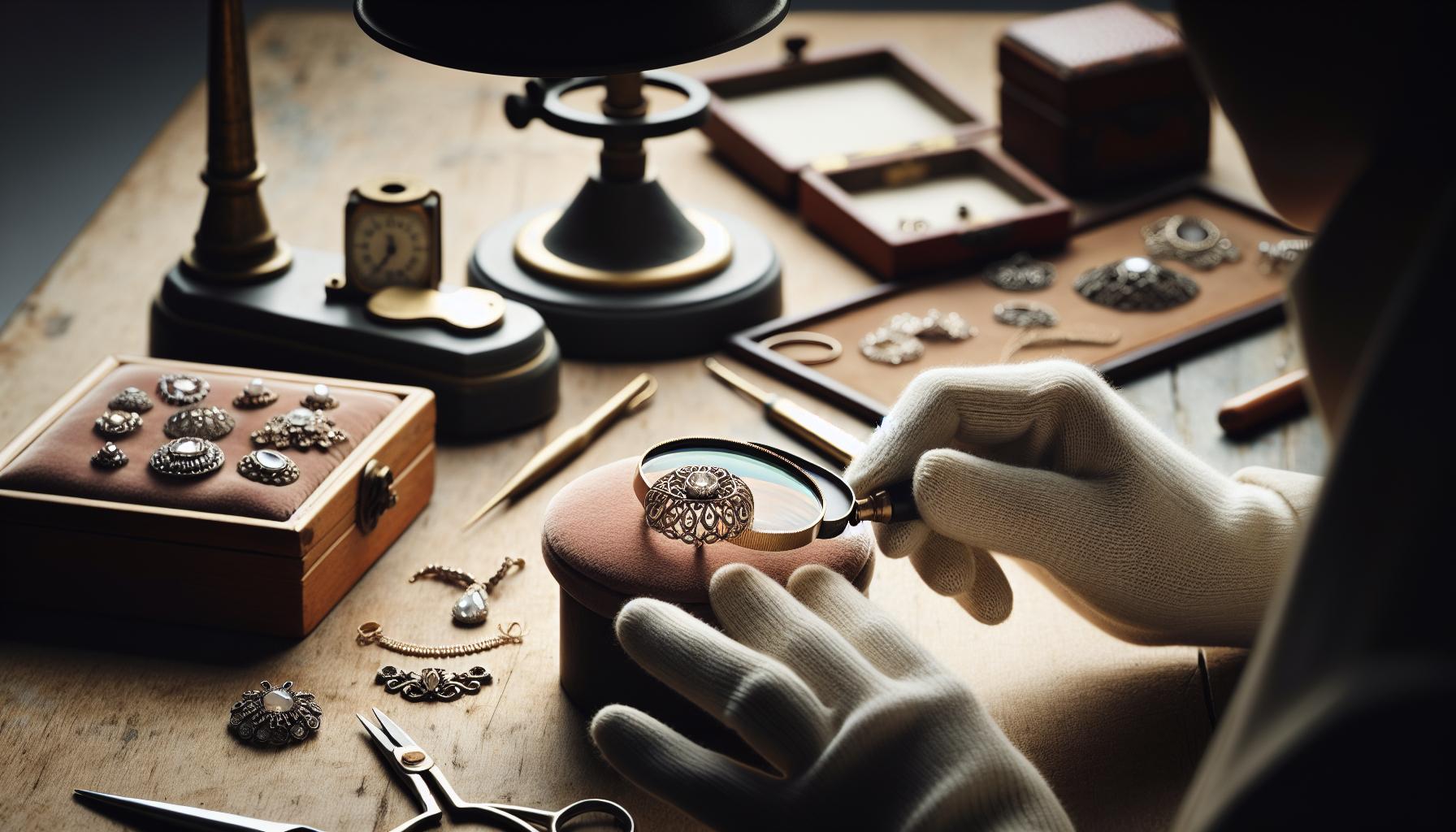
Q&A
Q: What is the basic process of creating filigree jewellery?
A: The basic process of creating filigree jewellery involves drawing fine metal wires, shaping them into intricate designs, and then soldering them together. This delicate artistry can require significant precision and patience in order to achieve the desired level of detail and craftsmanship.
Q: How do artisans ensure strength in filigree pieces?
A: Artisans ensure strength in filigree pieces by using high-quality metals like gold or silver and employing techniques like layering or reinforcing joints. Careful soldering is also crucial at connections to maintain structural integrity without compromising the design’s delicacy.
Q: What are common challenges faced in filigree craftsmanship?
A: Common challenges in filigree craftsmanship include managing the thinness of wires, preventing overheating during soldering, and achieving symmetry in delicate patterns. Each of these factors requires skill and attention to detail to overcome successfully.
Q: Why is soldering important in filigree jewellery making?
A: Soldering is crucial in filigree jewellery making as it bonds metal components together securely while preserving the intricate design. Proper soldering techniques allow for a stable structure that withstands everyday wear, enhancing both functionality and beauty.
Q: What tools are essential for filigree jewellery techniques?
A: Essential tools for filigree jewellery techniques include pliers, soldering irons, a soldering board, and various types of saw blades. These tools help artisans manipulate fine wires, eliminate excess material, and achieve precision in their designs.
Q: How can I incorporate filigree jewellery into my personal style?
A: You can incorporate filigree jewellery into your personal style by pairing it with both casual and formal outfits, as its intricate designs add elegance to any look. Consider layering filigree pieces with other styles to create a unique statement.
Q: What maintenance is required for filigree jewellery?
A: Filigree jewellery requires regular maintenance such as gentle cleaning with a soft cloth to remove dirt and avoid scratching delicate features. Additionally, storing pieces in soft pouches can prevent tangling and damage, preserving their intricate designs.
Q: Are there modern innovations in filigree jewellery techniques?
A: Yes, modern innovations in filigree jewellery techniques include the use of laser cutting technology and CAD software, which allow for greater precision and complexity in designs. These advancements enable artisans to create intricate patterns that may be difficult to achieve by hand.
Feel free to explore more about filigree craftsmanship in sections such as “Essential Tools for Filigree Artistry” and “Step-by-Step Guide to Creating Filigree Jewellery” to deepen your understanding of this elegant art form!
Concluding Remarks
As you explore the intricate world of filigree jewelry, remember that its delicate artistry combines masterful techniques with timeless elegance. Now that you’ve learned about the various methods and styles used in crafting these exquisite pieces, why not take your appreciation a step further? Check out our guides on jewelry care and DIY tutorials to enhance your collection or even start creating your own designs! If you’re curious about starting a jewelry shop or wish to learn more about authenticating stunning vintage finds, we have resources tailored just for you.
Don’t forget to join our newsletter for exclusive tips and inspiration, keeping you updated on the latest trends in the world of jewelry. Share your thoughts or experiences in the comments below – we love hearing from our community! Dive deeper into the craftsmanship and beauty of jewelry by exploring more articles on our site, and let your journey into filigree and beyond continue to inspire you.