Have you ever experienced discomfort from your earring hole long after you’ve had your ears pierced? It’s a surprisingly common issue that many people face, even years after they first adorned their lobes. In this article, we will delve into the various reasons why your earring hole might be hurting, from irritation caused by materials, to changes in your skin or lifestyle. Understanding the underlying causes not only helps you address the pain but also empowers you to take better care of your jewelry and ears moving forward. Whether you’re a seasoned jewelry lover or a recent convert, recognizing and resolving these issues can ensure that your accessory choices remain a source of joy rather than discomfort. Keep reading to uncover the most common culprits behind that persistent pain and how to manage it effectively.
Common Causes of Earring Hole Pain
Experiencing pain in earring holes after years of use can be concerning, and understanding the underlying causes can help prevent further discomfort. One common reason for earring hole pain is the fragility of the skin around the piercings. Over time, the skin in this area can thin or become damaged, leading to sensitivity when wearing earrings. Additionally, wearing heavy or large earrings frequently can exert undue stress on the earlobes, causing soreness or tearing. It’s essential to give your ears a break and choose lighter earring styles if you’re experiencing discomfort.
Another contributor to earring hole pain is the material of the earrings themselves. Some metals, particularly inexpensive or non-hypoallergenic options, can irritate the skin or cause reactions. This irritation can manifest as pain, swelling, or a burning sensation. Opting for high-quality materials like surgical-grade stainless steel, titanium, or gold can minimize these risks. Furthermore, improper jewelry care-such as not regularly cleaning earrings-can lead to the buildup of bacteria or allergens, exacerbating any existing issues.
While these common causes can typically be managed with lifestyle adjustments, it’s essential to remain vigilant against signs of more severe problems. If pain persists or is accompanied by other symptoms, such as discharge or redness, consulting a healthcare professional is advisable. Taking proactive steps in choosing and caring for earrings can significantly enhance your comfort and enjoyment of your jewelry collection.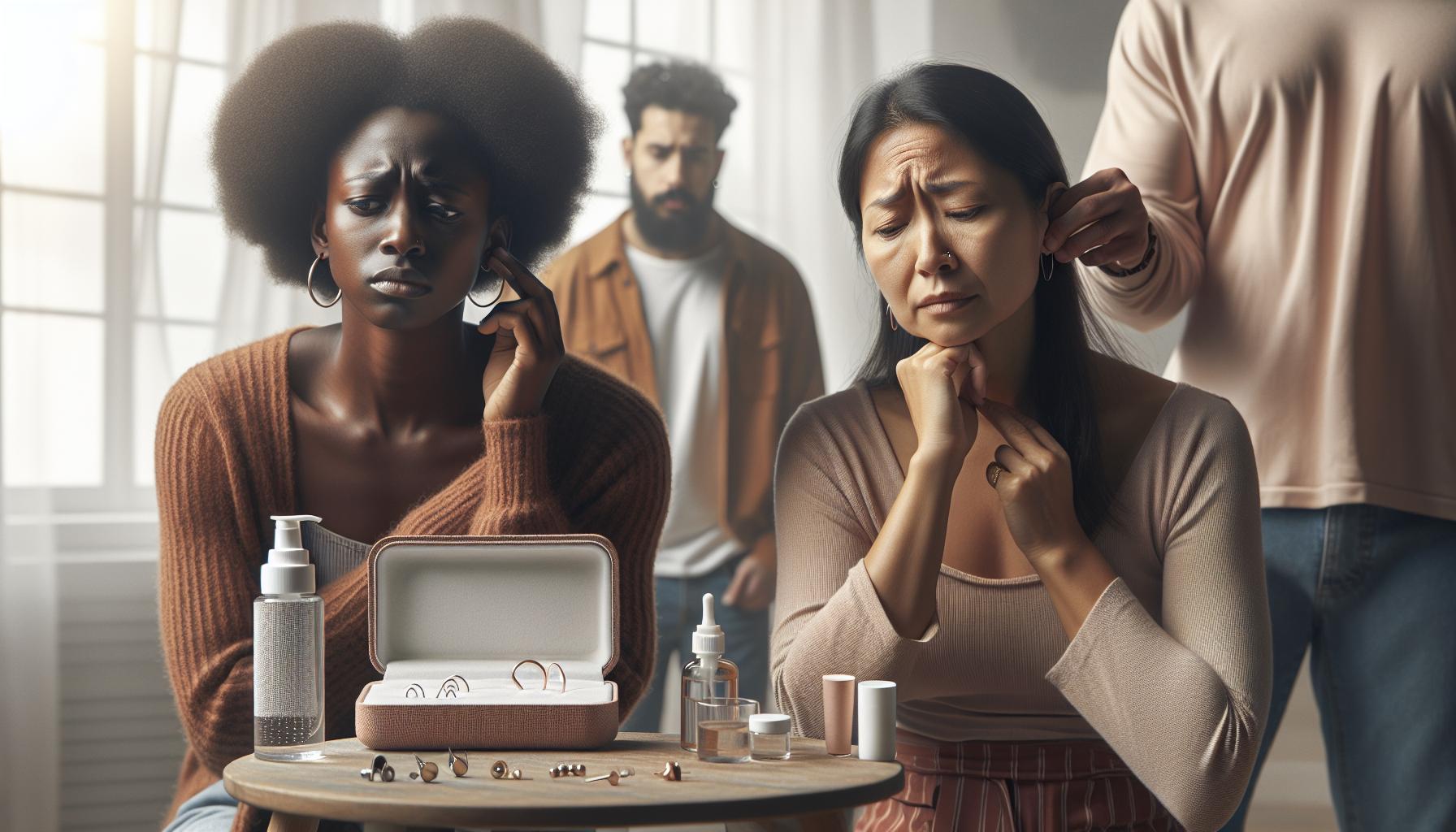
Understanding the Healing Process of Pierced Ears
The healing process of pierced ears can be more complex than many people realize, especially if discomfort arises years after the initial piercing. When an earring is first inserted, the body’s natural healing mechanisms kick in to repair the skin around the piercing. Initially, your body forms a protective layer, and within a few weeks, the tissue begins to heal around the earring. However, this ongoing process doesn’t remain static; it can be influenced by various factors long after the initial healing phase.
It’s important to understand that the skin in the earlobe is sensitive and can be affected by pressure, weight, and overall health. Over time, frequent stress from heavy earrings can strain the pierced area, leading to irritation. Even a well-healed piercing can become re-injured if subjected to excessive force or friction, particularly from larger accessories or sports activities. Consider your lifestyle and whether habits, such as tossing and turning while sleeping or using earbuds, may contribute to your discomfort.
Signs of Well-Healed Piercings
Typically, a well-healed piercing feels comfortable, exhibits no signs of redness or swelling, and shows consistent skin texture around the hole. Achieving this state often requires the right care and attention, especially in the first few months. Ideally, the ears should be treated with respect: ensuring cleanliness, avoiding harsh chemicals, and allowing jewelry changes only when the ears are completely ready.
Factors Impacting Long-Term Healing
Over the years, factors such as changes in skin elasticity, underlying allergies, and lifestyle choices can affect the condition of your earring holes. Skin naturally loses elasticity with age, potentially making the piercings feel looser or more sensitive. Additionally, conditions like eczema or psoriasis can flare up around the earlobes, complicating the situation. Therefore, keeping an eye on your earrings and their materials, coupled with listening to your body’s signals, is crucial in maintaining healthy, pain-free piercings.
By understanding the healing process and respecting your body’s needs, you can enjoy your jewelry without discomfort. Making mindful choices about earring styles and maintaining proper hygiene can go a long way in ensuring that your ear piercings remain a source of joy and style, rather than pain.
Signs of Infection in Earring Holes
Infection can stealthily set in at the site of an earring hole, often presenting symptoms that may be overlooked until they progress. Recognizing the early signs of infection is crucial for prompt treatment and to avoid more serious complications. Common indicators include persistent redness, which often appears around the piercing site, and swelling, which may cause discomfort and increase tenderness in the area. If you notice any heat coming from the piercing or an unusual discharge-especially if it is thick, green, or has a foul odor-these are strong signals that an infection may be present.
Another sign to watch for is the development of a fever, coupled with other systemic symptoms such as fatigue or chills. This could suggest that the body is fighting off a more serious infection. Occasionally, people may experience pain that worsens instead of improving, providing a clear warning that something is not right. If you find yourself continuously fiddling with your earrings or experiencing discomfort that doesn’t subside, it’s time to take action.
It’s important to maintain clean earlobes, especially after wearing earrings for extended periods. Regularly cleaning your earrings and the holes with saline solution or antiseptic wipes can help prevent infections. Avoiding the temptation to change earrings too frequently during the initial healing phases also protects against irritation and the risk of introducing bacteria. If you suspect an infection, consulting a healthcare professional promptly can make all the difference in managing symptoms and recovery effectively.
The Role of Earring Material in Discomfort
The material of your earrings can significantly influence the comfort of your piercings, and it’s not something to overlook. Many people enjoy the beauty and style of earrings but may not realize that certain materials can cause irritation or discomfort, even years after the initial piercing. Understanding the properties of various earring materials can empower you to select pieces that enhance, rather than detract from, your comfort.
Metals are the most common material used in earrings, and they can vary widely in terms of composition and quality. For instance, hypoallergenic metals such as surgical steel, titanium, and niobium are less likely to cause discomfort and allergic reactions due to their biocompatibility. In contrast, cheaper metals, such as nickel or brass, often found in costume jewelry, can lead to skin irritation or allergic responses over time. When shopping for earrings, especially if you have sensitive skin, always check for the metal used in the posts and backs. Opting for high-quality materials not only enhances comfort but can also prevent conditions like contact dermatitis.
Another factor to consider is the finish of the earring. Smooth, polished surfaces reduce friction and irritation against the earlobe, while rough edges or poorly finished materials can cause ongoing discomfort. Similarly, the weight of the earrings plays a role; heavy earrings may stress the piercing, leading to discomfort even after years of wearing them. Lightweight options, particularly those made from acrylic or other synthetic materials, can provide a stylish yet comfortable alternative.
To maintain healthy earring holes, be mindful of how frequently you wear different pairs. Switching up styles can keep your holes from becoming irritated by consistent pressure from the same earrings. Regular cleaning of your earrings and the piercing site is essential to prevent buildup that can cause discomfort. Using a mild saline solution or gentle antiseptic can help keep the area clean and irritation-free. Always remove earrings before swimming or exercising to prevent moisture buildup and allow your skin to breathe, ensuring lasting comfort.
Allergic Reactions: Are Your Earrings the Problem?
Many jewelry lovers find it surprising that their beloved earrings can become a source of discomfort over time. Allergic reactions to earring materials are a common yet often overlooked issue, potentially causing pain or irritation in pierced ears even years after the initial piercing. Understanding the specific materials in your jewelry can help you identify whether your earrings are the culprit behind your discomfort.
When it comes to allergy-triggering materials, nickel is a leading offender. This inexpensive metal is frequently used in costume jewelry and can lead to allergic reactions, manifesting as redness, itching, or swelling around the earlobe. Even if you’ve worn certain earrings without issue previously, your body’s sensitivity can change over time. If you notice sudden discomfort from a pair of earrings that previously felt fine, it’s worth considering whether an allergic reaction might be taking place.
To minimize the risk of allergic reactions, look for earrings labeled as hypoallergenic, which are typically made from materials like surgical steel, titanium, or niobium. These metals are less likely to cause irritation due to their biocompatibility. Additionally, always keep an eye on the earring’s finish; avoid pieces with rough edges or poor coatings that can exacerbate sensitivity. If you suspect your earrings are affecting your comfort, re-evaluating your collection and investing in higher-quality, hypoallergenic options can make a world of difference for your ears.
In the event of persistent pain, redness, or swelling, it’s advisable to remove the earrings and consult a dermatologist. They can provide insights on whether you’re dealing with an allergy or another underlying condition. Keeping your ears healthy will allow you to enjoy your favorite pieces without discomfort, so consider switching up your earring wardrobe and prioritizing comfort alongside style.
Overuse: When Too Much Jewelry Hurts
Wearing multiple pairs of earrings simultaneously or continuously without giving your ears a break can lead to discomfort and pain in the earring holes. Just like any other part of your body, your ears require some downtime to recover from the stress of constant jewelry wear. Over time, the weight and pressure from heavy earrings, or the friction from constantly putting on and taking off jewelry, can cause irritation and pain.
Many people enjoy the stylish look of stacked or multiple earrings, but this trend can often contribute to chronic pain in pierced holes. If you wear large hoops or heavy dangly earrings, the added weight can stretch the earlobe, leading to soreness or discomfort. It’s essential to alternate your earring styles and materials to give your ears some much-needed rest.
To help mitigate discomfort, consider the following tips:
- Rotate earring styles: Choose lighter or smaller earrings on days when you want to wear multiple pairs to reduce the risk of strain.
- Take breaks: Set times to remove earrings completely throughout the day to allow your skin to breathe and recover.
- Check attachment types: Opt for clip-ons or magnetic options that apply less pressure if you’re experiencing pain.
- Invest in quality: Higher-quality earrings often feature more comfortable designs and materials that can help reduce irritation.
Ultimately, being mindful of how often and how many earrings you wear can go a long way in maintaining the health of your earlobes. Your jewelry collection should enhance your style-not detract from your comfort. If pain persists despite making these adjustments, it may be best to consult a dermatologist to rule out any underlying issues.
Uncommon Conditions Affecting Earring Holes
Some earring hole discomfort stems from less common conditions that might surprise you. One of these is hypertrophic scarring, which can occur when the skin around the piercing thickens and raises. This is often triggered by consistent irritation or trauma to the earlobe, such as from heavy or improperly fitted earrings. The skin may appear red and inflamed, which can lead to discomfort or even pain. If you notice such changes, it may be wise to consult with a dermatologist who can recommend treatments ranging from topical solutions to more advanced procedures.
Another condition to be aware of is an allergic reaction to metals, which can sometimes develop over time. If you’ve always worn certain earrings without issue, you may still experience irritation years later due to a hypersensitivity to materials like nickel, which is frequently used in costume jewelry. The symptoms can include redness, itching, and swelling at the piercing site. Transitioning to hypoallergenic materials, such as sterling silver, gold, or titanium, can significantly alleviate discomfort.
Additionally, some individuals may experience keloid formation around the piercing. Keloids are raised areas of scar tissue that can develop after injury to the skin. While not harmful, they can cause persistent discomfort and may require professional intervention for removal or management. If you’re prone to keloids, it’s advisable to choose lighter earrings and avoid heavy or expansive styles that exert stress on the piercing.
Lastly, fungal infections are an uncommon yet possible cause of pain in earring holes, particularly in warmer climates or if you’ve had prolonged exposure to moisture. Symptoms may include itching, redness, and unusual discharge. Keeping the area clean and dry is crucial, and if symptoms persist, a visit to a healthcare provider can help determine the best course of action. Regular attention to these less obvious issues can ensure your earring holes remain healthy and pain-free for years to come.
Do You Have Keloids or Other Skin Issues?
Experiencing discomfort around earring holes is not uncommon, especially as time goes on, and it may sometimes indicate the presence of keloids or other skin-related issues. Keloids are raised scars that can develop at the site of skin injuries, including piercings. While they are generally harmless, they can cause noticeable discomfort and an unsightly appearance, especially if they grow large or become irritated by your jewelry. If you’ve found yourself dealing with painful or itchy bumps near your ear piercings, you might be dealing with this condition.
Identify the Signs of Keloids
Keloids form as a result of an overproduction of collagen and can be stimulated by trauma to the skin, including earring piercings or even minor irritations from swapping out earrings. You might notice that the area becomes pink or red, begins to thicken, or even expands beyond the original injury. If you suspect that you may have developed a keloid, there are a few things you can consider:
- Evaluate the Jewelry: Heavy or non-hypoallergenic earrings can exacerbate keloid formation. It might help to switch to lighter, hypoallergenic options made from materials such as titanium or surgical steel to minimize irritation.
- Limit irritation: Avoid handling or twisting your earrings unnecessarily, as this can aggravate the skin around your piercings.
- Consult a Dermatologist: If the discomfort persists, seek professional advice. Dermatologists can offer treatments ranging from corticosteroid injections to surgical removal for more severe cases.
Other Skin Issues to Consider
Beyond keloids, several other skin issues may arise around earring holes after years of wear. Allergic reactions to metals often develop over time, even with earrings that previously caused no problems. Materials like nickel, prevalent in costume jewelry, can lead to symptoms like redness and swelling. Switching to hypoallergenic materials can alleviate these symptoms.
Moreover, over time, the delicate skin surrounding your piercings may become irritated or infected. Proper hygiene is crucial; always ensure that your earrings and the surrounding skin are clean before inserting or changing jewelry.
In conclusion, being mindful of changes in your ears can help maintain comfortable and healthy piercings. Proper care, continual observation, and understanding the potential risks associated with keloids and other skin issues will empower you to enjoy your jewelry without discomfort. Now is the time to reassess your earring choices and care routines!
Maintenance Tips for Healthy Earring Holes
Maintaining healthy earring holes is essential for long-term comfort and enjoyment of your favorite jewelry. Over time, neglecting basic care can lead to pain, irritation, or even infection. To ensure your piercings remain in great condition, consider implementing some simple yet effective maintenance tips.
One of the most critical aspects of earring care is practicing good hygiene. Regularly clean your earrings with an alcohol wipe or a soft cloth dipped in a mild soapy solution. This removes dirt, oils, and bacteria that can accumulate and cause irritation. Additionally, make it a habit to cleanse the area around your earlobes gently with soap and water, particularly after wearing earrings for an extended period or if you’ve exercised or sweated.
Another vital tip is to be mindful of your jewelry choices. Opt for high-quality, hypoallergenic materials, especially if you’ve had past reactions or experiences with discomfort. Gold, titanium, and surgical steel are excellent options that reduce the risk of allergic reactions and irritation. Additionally, pay attention to the weight of your earrings; opting for lighter styles can minimize stress on your earlobes. Swap out heavier earrings for lighter ones if you notice any discomfort.
Protecting your earlobes from unnecessary strain is also important. Avoid sleeping in earrings, as movement can irritate piercings. If you engage in activities that may lead to snagging or pulling, consider removing your earrings temporarily. Store your earrings properly when not in use-use a dedicated jewelry box or organizer to keep them safe from damage.
Finally, regularly inspect your piercings for any signs of changes or discomfort. If you notice any swelling, excessive redness, or discharge, these may be signs of an infection that require immediate attention. Trust your instincts; if something feels off, consult a healthcare professional to ensure your ear health remains a priority. By following these maintenance tips, you can enjoy your earrings for years to come while keeping your ears happy and healthy.
When to Seek Professional Help for Ear Pain
It’s not uncommon for individuals to experience discomfort around their earring holes, but recognizing when it’s time to consult a professional can significantly impact your ear health. If you find that pain in your earlobes persists for more than a few days despite taking preventive measures, it’s essential to seek medical advice. The discomfort could be a symptom of an underlying issue that requires professional intervention.
Look out for alarming signs, such as swelling, excessive redness, or a discharge that has an unpleasant odor. These symptoms can indicate an infection that might necessitate treatment with antibiotics or other medical interventions. Additionally, if you notice that your earring holes are becoming increasingly enlarged or distorted, this could signify a more serious condition, such as a keloid or other types of scarring that require evaluation and possibly surgical treatment.
Another critical situation is when regular cleaning and switching to hypoallergenic earrings fail to relieve your discomfort. If, after switching styles or materials, you still experience pain or irritation, a healthcare professional can help determine if you have an allergy or sensitivity to certain metals. Specialized tests can assess your situation and guide you in choosing suitable earring materials going forward.
Reporting your symptoms accurately can aid healthcare providers in diagnosing any possible issues. Documenting when the pain occurs, its intensity, and any accompanying symptoms can help streamline the process. Remember, your health should always take precedence over the beauty of your jewelry; if something feels off, don’t hesitate to seek professional help. Active care and timely intervention can preserve not just your love for earrings but also the health of your earlobes.
Preventive Measures for Future Discomfort
To keep your ears healthy and free from discomfort, it’s essential to adopt preventive measures that can protect your earring holes while allowing you to enjoy your favorite pieces of jewelry. A little attention to care can go a long way in preventing pain and irritation. One of the most effective strategies is to choose the right materials. Opt for hypoallergenic metals such as surgical stainless steel, titanium, or gold to minimize the risk of allergic reactions. Additionally, regularly cleaning your earrings before wearing them helps remove any dirt or buildup that might irritate your skin.
Another vital aspect of prevention is mindfulness around the type and frequency of earring use. If you tend to wear heavy earrings frequently, consider rotating styles to give your earlobes a break. For those who enjoy wearing multiple earrings, ensure that each piece is securely fastened and not pulling on the lobe, which can lead to discomfort over time. You might also explore using ear backs or clips designed to distribute weight more evenly across the lobe, making weighty jewelry more comfortable.
Moreover, proper aftercare for newly pierced ears is crucial. After getting your ears pierced, follow the care instructions diligently-this includes cleaning your ears with saline or a medicated solution and avoiding tight or heavy earrings during the healing process. Once your piercings have healed, continue to monitor them for any signs of discomfort and switch out earrings regularly to allow your skin to breathe.
Lastly, establish a consistent cleaning routine for your earrings. A simple solution of soap and water can effectively cleanse metals and gemstones but ensure each piece is dried thoroughly before storage or wear. By integrating these habits into your earring routine, you not only enhance your overall earring-wearing experience but also maintain the health and integrity of your earlobes for years to come.
Reassessing Your Earring Choices and Care
Understanding the delicate balance between personal style and ear health is key to enjoying your favorite accessories without the nagging pain from earring holes. The jewelry we choose can have a profound impact on our comfort, especially over time. Therefore, reassessing your earring selections and care routines can equip you with the knowledge needed to prevent discomfort and keep your earlobes in tip-top shape.
Start by examining the materials of your earrings. Choosing high-quality, hypoallergenic metals-like surgical stainless steel, titanium, or solid gold-can reduce the risk of irritation and allergic reactions that might develop even years after your initial piercing. Additionally, if you often wear statement pieces or heavier earrings, consider incorporating lighter options into your daily rotation. This not only gives your earlobes time to recover but also allows your outfits to remain versatile and fresh.
It’s also essential to practice good hygiene and maintenance. Regularly cleaning your earrings helps eliminate dirt, oils, and bacteria that can contribute to irritation. A simple method of cleaning involves gently scrubbing the earrings with mild soap and water, then thoroughly drying them before storage. Moreover, ensure you check the condition of your earring backs. Worn-out backs can lead to improper securing of the earring, which may stretch the hole or cause painful irritation. Replacing them with comfortable, padded alternatives can make a noticeable difference.
Lastly, pay attention to how frequently you wear jewelry. Establishing “earring-free” days can allow your ears to rest and heal, especially if you notice any discomfort. Don’t shy away from experimenting with styles; sometimes, switching from hoops to studs or even dangling earrings can surpass mere aesthetic benefits and provide much-needed relief. Being mindful of these choices will not only enhance your overall jewelry-wearing experience but also preserve the health of your earlobes for years to come.
FAQ
Q: What causes chronic pain in earring holes?
A: Chronic pain in earring holes can be due to several factors including irritation from poor-quality materials, allergic reactions, overuse, or underlying skin conditions. It’s essential to identify the cause to prevent further discomfort, which may involve consulting a dermatologist for a proper assessment.
Q: How can I relieve pain from my earring holes?
A: To relieve pain from earring holes, start by removing earrings and cleaning the area with mild soap and water. Applying a topical antibiotic ointment can help reduce irritation. If pain persists, consider changing to hypoallergenic earrings and consult a professional for further evaluation.
Q: Can earrings cause long-term damage to earlobes?
A: Yes, earrings can cause long-term damage to earlobes if they are neglected or made of irritating materials. Issues like stretched holes, keloids, or hypertrophic scars may develop over time. Regular maintenance and careful material selection can help prevent these conditions.
Q: Is it normal for earring holes to hurt sometimes?
A: While occasional discomfort can happen, especially after long wear, persistent pain is not normal. It’s important to assess any changes like redness or swelling. If discomfort continues, it’s advisable to evaluate your earring choices and consider consulting a healthcare professional.
Q: How often should I change my earrings to avoid pain?
A: To prevent pain and irritation, it’s recommended to change earrings at least once a week. This allows the skin to breathe and reduces the risk of allergic reactions or infections. Opt for hypoallergenic materials to maintain ear health.
Q: What should I do if my earring hole is infected?
A: If your earring hole is showing signs of infection, such as pus, swelling, or significant pain, remove the earring immediately and clean the area with saline or antiseptic solution. Seek medical attention if symptoms worsen or do not improve within a few days.
Q: Why do my ears itch after wearing earrings?
A: Itching after wearing earrings may indicate an allergic reaction to the earring material, such as nickel. Opt for hypoallergenic earrings made from surgical steel or titanium. If itching continues, removing the earrings and consulting a dermatologist may be necessary.
Q: What are the best materials for sensitive ears?
A: For sensitive ears, the best materials include surgical stainless steel, titanium, gold (14k or higher), and platinum. These options are typically hypoallergenic and less likely to cause irritation. Always check for quality assurance when purchasing earrings.
Wrapping Up
If you’ve ever wondered why your earring hole may hurt after years of wear, understanding the common causes is the first step toward relief and prevention. Remember, proper earring care and choosing the right materials play vital roles in maintaining healthy piercing sites. If you still have questions or concerns about earring hole irritation, don’t hesitate to consult a professional for personalized advice.
To explore more about taking care of your jewellery, check out our guides on jewellery cleaning tips and how to choose hypoallergenic earrings. Additionally, consider subscribing to our newsletter for the latest jewellery care insights, DIY tutorials, and exclusive offers designed just for you. Don’t let discomfort keep you from enjoying your accessories-take action today to ensure your ears stay happy and healthy! We invite you to share your experiences in the comments below and stay connected with us for more jewellery tips and trends.