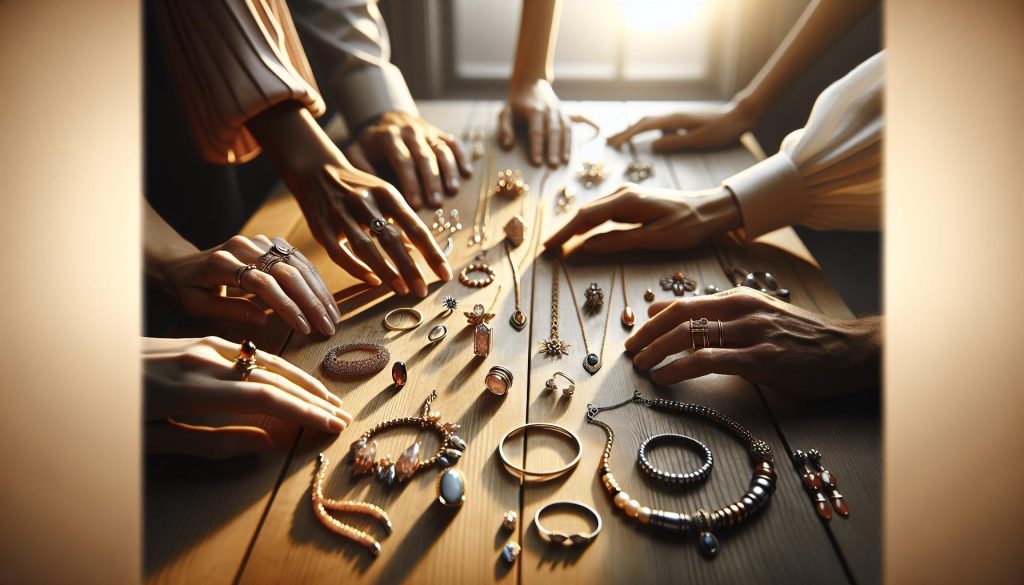
Jewellery is not just an adornment; it’s a powerful form of self-expression that transcends time and culture. Did you know that the earliest known pieces date back over 25,000 years? In this comprehensive guide, we’ll explore the diverse types, materials, and styles of jewellery, empowering you to make informed choices whether you’re selecting a special piece or starting your own collection. Understanding the nuances of jewellery helps you appreciate its beauty while equipping you with essential knowledge on care, cleaning, and styling. Whether you’re a seasoned collector or just beginning your journey, this guide will provide you with actionable tips on how to care for your treasures, insights into crafting your creations, and guidance on navigating the jewellery market. Dive in, and discover how jewellery can enhance your personal style and connect you to meaningful moments in life!
What is Jewellery? Understanding the Basics
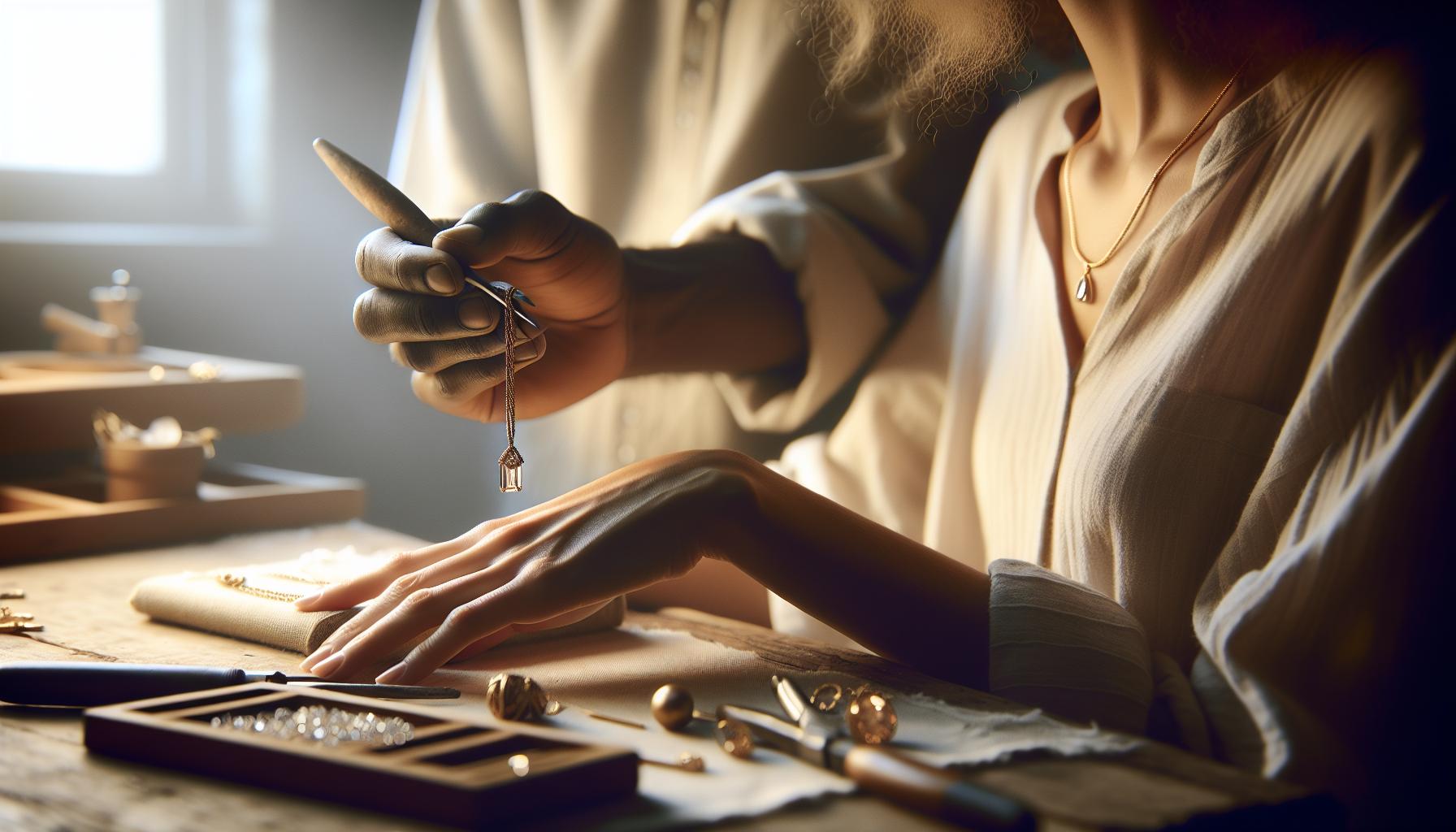
Jewellery is more than just ornamental adornment; it’s a powerful expression of individuality, emotion, and culture. At its core, jewellery combines artistry and craftsmanship to create pieces that often carry deep personal or symbolic meanings. Whether it’s a simple silver ring passed down through generations or an elaborate diamond necklace worn on a special occasion, jewellery connects us to moments, people, and memories. This unique blend of beauty and value is what makes jewellery a significant aspect of human history and daily life.
Understanding jewellery begins with recognizing its various types. From rings, necklaces, and earrings to bracelets and brooches, each piece serves a distinct purpose or occasion. Traditional categories include fine jewellery, made from precious metals and stones, and costume or fashion jewellery, often crafted from less expensive materials but designed to capture current trends. Each category offers a wide range of styles-think delicate, vintage-inspired designs versus bold, contemporary statement pieces.
Moreover, the materials used in jewellery significantly contribute to its allure. Commonly employed materials include gold, silver, platinum, and a spectrum of gemstones like diamonds, sapphires, and emeralds. The choice of material not only affects the aesthetic and style of the jewellery but also its durability and value. For example, while gold jewellery can symbolize wealth and prestige, silver might appeal to those seeking a more understated elegance. Understanding these materials helps individuals make informed choices, whether for personal use or as gifts.
In addition to aesthetic considerations, caring for jewellery is essential to preserve its beauty and longevity. Regular cleaning, proper storage, and mindful wearing can prevent tarnishing and damage. For instance, storing jewellery in a soft pouch or lined box can help avoid scratches, while using gentle cleaning solutions ensures that pieces maintain their shine. By grasping the basics of jewellery, individuals can enhance their appreciation and enjoyment of these timeless treasures.
The Rich History of Jewellery: From Ancient Times to Today
Throughout history, jewellery has been far more than mere adornment; it has served essential roles in culture, society, and personal identity. From the intricate beadwork of ancient civilizations to the opulent diamond pieces of modernity, jewellery’s evolution reflects significant historical and cultural transitions. For instance, the oldest known piece of jewellery, a necklace made from 33 beads found in a cave in modern-day Armenia, dates back over 25,000 years, showcasing humanity’s longstanding relationship with decorative objects.
In ancient Egypt, jewellery was intertwined with beliefs about the afterlife and divine protection, where pharaohs were adorned with gold and lapis lazuli to signify their status and safeguard them in eternity. This period set a precedent for using valuable materials and artistry in jewellery making. Similarly, the Greeks and Romans created elaborate pieces, symbolizing power and prestige. Their designs influenced subsequent generations, embedding motifs like laurel wreaths and gods into jewellery, which remain popular today.
As we move into the Middle Ages, jewellery became an emblem of feudal power and wealth. The intricate designs of this era reflected the social hierarchy; royalty donned diamonds, while commoners wore simpler pieces, often made from glass or lower-quality materials. The Renaissance period later revived classical styles, introducing innovative techniques like enameling and engraving, further elevating the craftsmanship involved in making jewellery.
The Victorian era marked a significant transformation in jewellery symbolism. Pieces were often inspired by nature, mourning, or romantic love, evident in the popularity of lockets and cameo brooches. This period also laid the groundwork for modern jewellery movements, where individual expression began to take precedence. In the 20th century, movements such as Art Deco and modernism expanded jewellery styles significantly, embracing geometric designs and bold colors.
Today, jewellery continues to evolve, reflecting contemporary values around sustainability, individuality, and fashion. Designers are increasingly using recycled materials and lab-grown gems to create pieces that resonate with eco-conscious consumers. This ongoing history not only demonstrates how jewellery can encapsulate personal stories and cultural narratives but also emphasizes its timeless appeal across generations. Understanding this rich lineage empowers current and future generations to appreciate, care for, and innovate within the jewellery world.
Exploring Different Types of Jewellery: A Comprehensive Overview
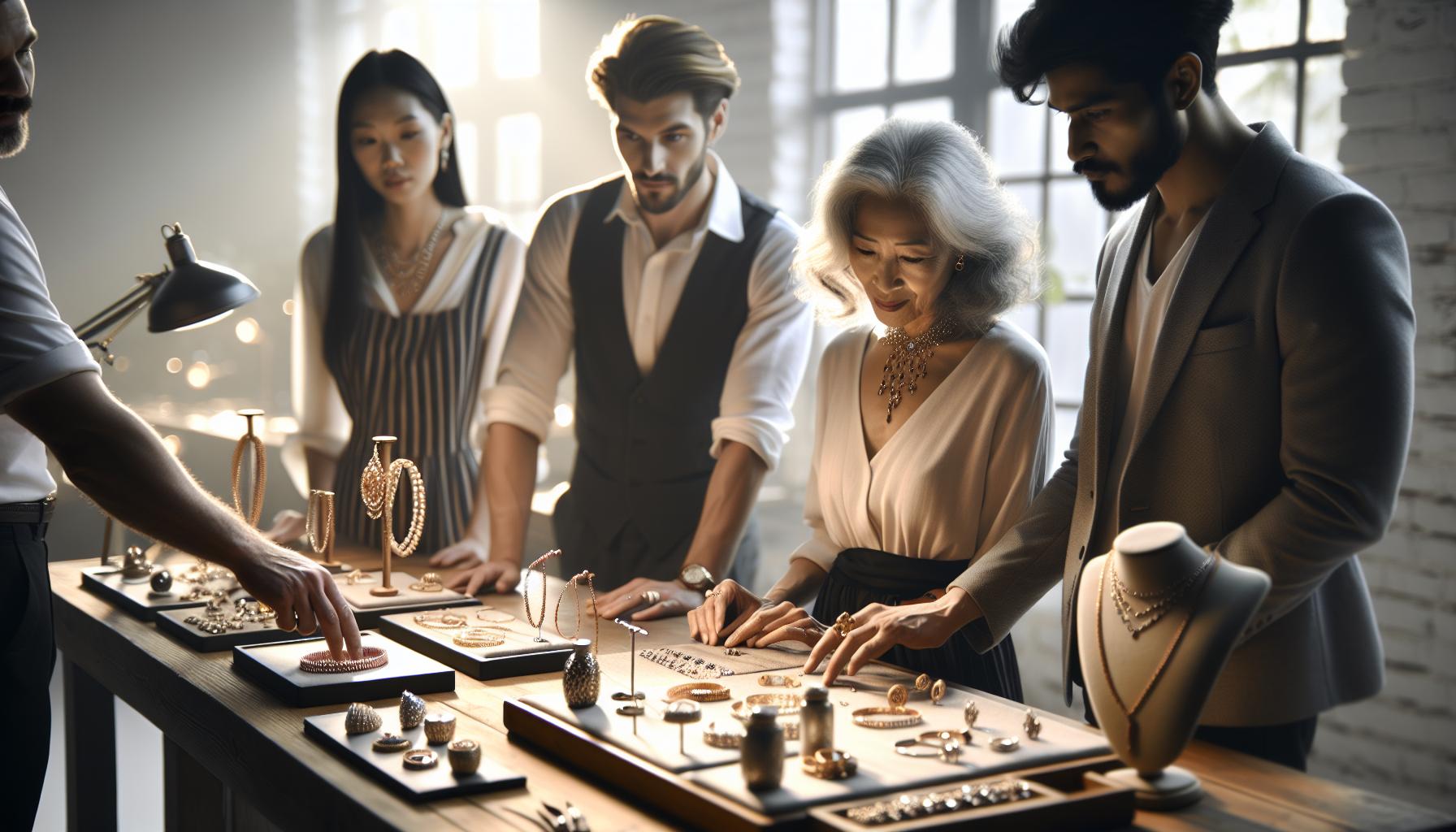
Jewellery comes in a dazzling array of forms, each with its own unique significance and purpose. Whether it’s a treasured family heirloom, a daily accessory, or a symbol of love, understanding the various types of jewellery allows us to appreciate their artistry and meaning. From classic pieces to modern interpretations, each type has evolved to serve both aesthetic and functional roles in our lives.
Types of Jewellery
- Necklaces: Often worn as a centerpiece of an outfit, necklaces range from simple chains to elaborate statement pieces adorned with pendants or gemstones. Popular styles include chokers, pendants, and multi-layered necklaces.
- Bracelets: These versatile adornments can be worn alone or stacked for a bolder look. They come in various styles such as bangles, cuffs, and charm bracelets that can be personalized with meaningful charms.
- Earrings: From studs and hoops to dangling designs, earrings can dramatically change a person’s appearance. They are often selected based on occasion and personal style, providing endless possibilities for creativity.
- Rings: Beyond the classic wedding and engagement rings, the world of rings offers everything from cocktail and statement rings to minimalist bands. They can signify important milestones or simply be an expression of personal style.
- Pins and Brooches: Once symbols of status and sophistication, pins and brooches are now used to accessorize clothing or bags, showcasing intricate designs that often reflect personal interests or affiliations.
- Body Jewellery: This category includes items like belly button rings and nose piercings, reflecting modern fashion trends and personal expression across various cultures.
The choices available within jewellery types enable individuals to explore their personal aesthetics and convey messages through their adornments. Whether opting for delicate simplicity or bold statements, each piece serves as a canvas for creativity and self-expression, catering to diverse styles and occasions.
Understanding these different categories not only aids in choosing the right piece for any event but also enhances your appreciation for the craftsmanship involved. As you delve deeper into the world of jewellery, consider how each type serves not just as decoration but as a reflection of individual identity and cultural significance.
Materials Used in Jewellery: An In-Depth Guide
When it comes to jewellery, the materials used play a pivotal role in both the aesthetic appeal and durability of each piece. Understanding these materials not only enhances your appreciation for the craftsmanship involved but also aids in making informed choices when purchasing or caring for jewellery items. From precious metals to high-quality gemstones, the selection of materials can elevate a piece from ordinary to extraordinary.
Metals Used in Jewellery
The most commonly used metals in jewellery are gold, silver, and platinum, each offering unique properties and values.
- Gold: Available in various purity levels such as 14K, 18K, and 24K, gold is cherished for its luster and resistance to tarnish. Different alloys produce white, yellow, and rose gold, allowing versatility in style and color.
- Silver: Sterling silver (92.5% silver) is widely used in jewellery. Although more affordable, it can tarnish over time, requiring regular cleaning to maintain its shine.
- Platinum: Known for its durability and rarity, platinum is hypoallergenic and resistant to wear, making it an excellent choice for engagement and wedding rings.
Gemstones in Jewellery
Gemstones add a layer of beauty and individuality to jewellery. They vary widely in color, hardness, and rarity, influencing their desirability and price.
- Diamonds: Renowned for their brilliance, diamonds are graded based on cut, color, clarity, and carat weight, commonly used in engagement rings and fine jewellery.
- Emeralds: Valued for their vibrant green color, emeralds are often featured in statement pieces, yet they tend to be more fragile than diamonds.
- Sapphires: Available in various colors, sapphires, particularly blue ones, are iconic in engagement rings and other fine jewellery.
- Alternative Stones: Many jewelers are incorporating unique stones like lab-grown diamonds, moissanite, and semi-precious gems, such as amethyst and aquamarine, offering sustainable and budget-friendly options.
Other Materials
In addition to metals and gemstones, various other materials are increasingly used in jewellery, reflecting both traditional craftsmanship and modern trends.
- Wood and Bone: Often seen in artisan and ethnic jewellery, these materials can create a rustic or unique aesthetic.
- Resin and Acrylics: Popular in contemporary design, resin is versatile and can be molded into intricate shapes, offering a range of colors and designs.
- Fabric and Leather: Used in bohemian or casual styles, they provide a unique texture and can be combined with metal components for a layered look.
Choosing the right materials can transform a piece of jewellery into a treasured item, perfectly suited to the wearer’s style and preferences. Whether you’re a collector or just starting, recognizing the properties and potentials of different materials is key to curating a beautiful jewellery collection.
Styles of Jewellery: From Classic to Contemporary
Jewellery has been a form of personal expression for centuries, and its styles reflect cultural and societal shifts over time. From the elegance of vintage pieces to the boldness of modern designs, understanding the spectrum of jewellery styles can enhance your appreciation for this timeless art form. Whether you’re drawn to classic silhouettes or contemporary innovations, knowing about these styles will help you choose pieces that resonate with your personal aesthetic.
Classic jewellery styles are often characterized by their enduring designs and timeless appeal. For instance, ethereal pearl necklaces and diamond solitaires symbolize elegance and sophistication, making them staples in any jewellery collection. Designs like Art Deco and Victorian styles incorporate intricate details and craftsmanship, often featuring asymmetrical designs and elaborate settings. These styles not only highlight the beauty of the materials used but also tell a story of the era they represent.
In contrast, contemporary jewellery embraces innovation and boldness. This includes minimalist designs that focus on clean lines and subtle elegance, often appealing to those who prefer simplicity. On the other hand, statement pieces-such as oversized earrings or chunky rings-seek to grab attention and reflect individual style. Emerging trends incorporate unique materials like resin and unconventional gemstones, where artisans are pushing the boundaries of traditional jewellery making. Notably, sustainable jewellery has gained traction, where designers use recycled materials or ethically sourced stones, resonating with eco-conscious consumers.
Understanding these styles empowers you to curate your own collection thoughtfully. For example, consider combining a classic piece, like a simple gold pendant, with contemporary items for a layered look that balances both aesthetics. Mixing and matching styles can create an array of looks suited for various occasions, from casual outings to elegant evenings. As you navigate through your own jewellery journey, keep in mind the versatility and storytelling potential each piece holds, allowing you to express your unique style confidently.
Caring for Your Jewellery: Essential Maintenance Tips
Jewellery can often be an investment, both emotionally and financially, making it essential to prioritize its care and maintenance. A well-maintained piece can not only look stunning for years but also preserve its value, allowing you to enjoy it or pass it down through generations. Understanding the best practices for jewellery care can significantly extend the life of your treasured items, ensuring they remain as dazzling as the day you first wore them.
To begin, routine cleaning is vital. Depending on the type of jewellery you own, here are some straightforward tips:
- Gold & Silver: Use a mixture of warm water and mild soap to gently clean gold and silver pieces. Soft brushes can help remove dirt from intricate designs.
- Gemstones: Different gems require different care. For example, softer stones like opal or pearl should be cleaned with a damp cloth rather than submerged in water, while harder stones like diamonds can withstand more vigorous cleaning methods.
- Costume Jewellery: Avoid soaking them in water. Instead, use a soft, dry cloth to wipe away oils and dirt, and store them in a cool, dry place.
Storage Solutions
Proper storage is just as crucial as cleaning. Storing your jewellery correctly can prevent tangling, scratches, and tarnishing. Here are some effective storage suggestions:
- Individual Boxes: Use separate compartments or boxes for each piece, especially for items like rings and earrings that can easily become tangled.
- Pouches: Soft fabric pouches can be ideal for delicate pieces, providing a cushion that helps protect against scratches.
- Climate Control: Keep your jewellery in a place that maintains a stable temperature and humidity level, which can help prevent tarnishing and other wear.
Maintaining your jewellery’s beauty doesn’t have to be a chore. By adopting these care practices, you can ensure your collection gleams with every wear while preserving its charm and value for years to come. Remember, the little effort you invest into caring for your jewellery today will pay off in the long run, enabling you to enjoy splendid pieces that continue to tell your story beautifully.
How to Clean and Restore Different Metals and Gems
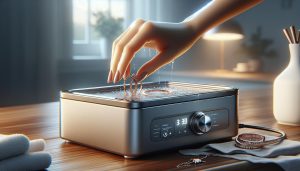
Cleaning and restoring jewellery should be an enjoyable part of ownership, reminding you of the gleaming pieces that can enhance your style and hold precious memories. Each metal and gem requires specific care to maintain its beauty and integrity, and knowing the right techniques can transform dull items back into sparkling treasures. Let’s explore effective methods for cleaning and restoring various metals and gemstones, ensuring your jewellery always looks its best.
Cleaning Techniques for Different Metals
Different metals have unique properties that influence how they should be cleaned:
- Gold: Mix warm water with a mild dish soap and soak your gold jewellery for about 20-30 minutes. Use a soft-bristle toothbrush to gently scrub away dirt, finishing by rinsing thoroughly with clean, warm water. Pat dry with a soft cloth.
- Silver: To clean tarnished silver, create a paste from baking soda and water (three parts baking soda to one part water). Apply this paste to the silver with a soft cloth or sponge, buffing gently. Rinse with cool water and dry to restore its shine.
- Copper: For copper jewellery, use a mixture of white vinegar and salt. Soak the items in the solvent for a few minutes, then gently scrub any tarnished areas with a soft cloth. Rinse well and dry promptly to avoid further tarnishing.
Gemstone Care and Restoration
Gemstones can be delicate and require specific cleaning methods depending on their hardness and composition:
- Diamonds: Diamonds can endure a variety of cleaning methods. Use a solution of warm water and dish soap, soaking for 20-30 minutes, then gently scrubbing with a soft brush. Rinse with fresh water.
- Opals: Opals should never be soaked. Instead, wipe them with a damp cloth to remove dust and oils, allowing them to air dry afterward.
- Pearls: Like opals, pearls are sensitive. Clean them by gently wiping with a damp cloth after each wear to remove body oils and perfume. Use a soft cloth to dry them immediately.
- Other Gemstones: For harder gemstones like rubies, sapphires, and topazes, similar methods used for diamonds can be effective. However, always verify if any specific treatments are required for softer or porous stones.
By following these cleaning tips tailored to different metals and gemstones, you can keep your jewellery in pristine condition. Regular maintenance not only enhances visual appeal but also extends the life of your treasured pieces, ensuring they remain sparkling and vibrant for generations to admire.
DIY Jewellery Projects: Creative Ideas for Beginners
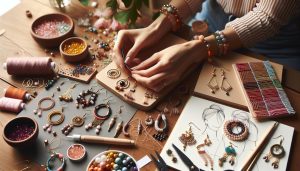
Creating your own jewellery can be a rewarding and enjoyable experience, allowing you to express your individual style and creativity. Whether you’re looking to make bespoke accessories for yourself or gifts for loved ones, DIY jewellery projects can be simple yet impactful. Starting with basic materials and techniques, you can expand your skills and create unique pieces that reflect your personality.
One of the easiest projects for beginners is making beaded bracelets. All you need are some colourful beads, elastic cord, and scissors. Begin by selecting beads that you love; this could include a mix of textures, shapes, and colors. Cut a length of elastic cord long enough to fit your wrist, leaving some extra for tying knots. Simply string the beads onto the cord in your chosen design, and once completed, tie secure knots to finish. This project allows for endless customization and is a fantastic way to create layered looks or matching sets.
Another fun idea is to craft your own pendant necklaces using embossing metal sheets or air-dry clay. For metal sheets, use a stencil to create designs, then cut out the shapes and use a hole punch for the necklace chain. If using clay, mold it into your desired pendant shape, let it air dry, and then paint or decorate it once fully cured. Combining these pendants with chains or cords you already have can result in a stunning statement piece.
Don’t forget to explore upcycling as a creative avenue! Old jewellery pieces can be transformed into something new and fabulous. For example, broken necklaces can be turned into earrings or bracelet charms. A simple pair of pliers can help you detach components, and with a bit of creativity, you can create entirely new items that carry the emotional significance of your cherished trinkets.
Lastly, consider using online tutorials and communities for additional inspiration and guidance. Platforms like social media and craft blogs are treasure troves of ideas where you can learn from others’ experiences, share your creations, and even discover the latest trends in DIY jewellery making. This collaborative approach not only enhances your skills but also connects you with fellow jewellery enthusiasts. With each project, you’ll gain new techniques and confidence, making the art of jewellery design an enjoyable and fulfilling hobby.
Stylish Ways to Wear and Layer Jewellery
Jewellery is not just an accessory; it’s an expression of personal style and individuality. In the art of layering and wearing jewellery, the key is to find balance, harmonize different pieces, and create a look that feels unique to you. The current trend leans towards bold statements punctuated by delicate layers, allowing for versatile styling that transitions effortlessly from casual to formal settings.
To achieve a stylish layered look, consider starting with varying lengths of necklaces. Layered necklaces can create a stunning visual effect when combined thoughtfully. Opt for a choker as your base layer, followed by longer, more intricate designs. Mixing metals, such as gold and silver, can also add depth and interest, breaking the monotony of one-tone jewellery. You might choose a delicate gold chain with a small pendant as your first layer and then add a longer silver necklace embellished with gemstones. For instance:
- Simple Layering: A dainty gold choker + a silver pendant necklace
- Textured Combination: A thin, beaded necklace + a chunky gold chain
- Bold Statements: A thick statement necklace over various thin layered chains
When it comes to rings, the stacking trend allows for endless customization. Wearing multiple rings on one or two fingers creates an eye-catching effect. Mixing different shapes, sizes, and finishes-like matte with polished or wide bands with delicate stackers-can highlight your personality. For added flair, consider incorporating a cocktail ring as a statement piece amidst your stack.
Bracelets: Building Your Stack
For bracelets, think about combining a mix of bangles, cuffs, and chain bracelets. The trick is to create a cohesive look while maintaining a sense of playful contrast. Start with a solid cuff as your base and layer it with colorful enamel bangles or leather straps. Remember to keep it comfortable; you don’t want your stack to weigh you down or interfere with daily tasks.
Layering jewellery is as much about personal expression as it is about style-a playful dance between bold style choices and subtle elegance. Experiment with different combinations while paying attention to your outfit and occasion. The right curated layers not only enhance your appearance but also tell a story about who you are. So, collect those unique pieces, mix and match, and wear your jewellery proudly!
Starting a Jewellery Business: Tips for Aspiring Entrepreneurs
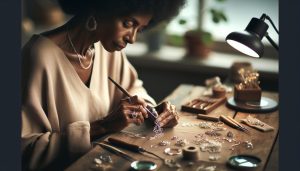
Embarking on the journey of starting your own jewellery business can be both exhilarating and daunting. The jewellery market is not only vibrant but also highly competitive, making it essential for emerging entrepreneurs to understand the nuances of this industry. Passion is key; however, pairing your love for jewellery with a well-thought-out strategy will greatly enhance your chances of success.
A solid foundation for your business starts with defining your niche. Consider what type of jewellery you want to create or sell-are you drawn to handcrafted artisan pieces, vintage-inspired designs, or contemporary fashion jewellery? Identifying your unique selling proposition (USP) is crucial; it differentiates you from countless others in the market. Conduct market research to understand your potential customer base, current trends, and pricing strategies. Create an engaging brand story that resonates with your target audience, and make sure to communicate your brand’s values clearly through your products and marketing.
Once you have your niche defined, focus on sourcing quality materials. Whether you’re using precious metals and gems or opting for more cost-effective materials, the quality of your product is paramount. Building relationships with reliable suppliers can help you maintain quality while keeping costs reasonable. In addition, understanding the importance of sustainability and ethical sourcing can enhance your brand’s image and appeal, especially among conscious consumers.
As you begin production, consider establishing an online presence. Social media platforms like Instagram and Pinterest are excellent for showcasing your jewellery designs, while an e-commerce website will enable direct sales. Create a visually appealing portfolio that highlights your craftsmanship and tells the story behind each piece. Building a community around your brand can also foster loyalty-engage with your audience through storytelling, tutorials, and updates on new collections. Lastly, don’t underestimate the importance of networking with other jewellery makers and participating in craft fairs or exhibitions to increase visibility and connect with potential customers.
In essence, starting a jewellery business requires a blend of creativity, strategic planning, and market awareness. With the right approach and dedication, you can transform your passion for jewellery into a thriving enterprise that not only showcases beautiful creations but also reflects your unique artistic vision.
Authentication Methods: How to Spot Quality Jewellery
Determining the quality of jewellery can be a daunting task, especially for those new to collecting or purchasing fine pieces. Quality jewellery often carries a significant investment, so knowing how to authenticate and spot it is essential in ensuring that you are making a wise purchase. Understanding key characteristics and techniques can empower you to discern between genuine pieces and imitations, preventing potential disappointments.
Key Indicators of Quality Jewellery
To effectively authenticate jewellery, pay attention to the following factors:
- Hallmarks and Stamps: Legitimate jewellery often features stamps indicating purity levels, such as “925” for sterling silver or “750” for 18k gold. Familiarizing yourself with these marks can help you quickly assess the authenticity.
- Weight and Balance: High-quality materials feel heftier than their counterfeit counterparts. If you can, hold a piece and gauge its weight; a well-crafted item should feel substantial and balanced.
- Craftsmanship: Examine the piece closely. Smooth finishes, uniform settings for stones, and well-secured clasps are signs of quality craftsmanship. In contrast, rough edges and loose settings may indicate a cheaply made item.
Verification Methods
Utilizing specific techniques can further assist in authentication:
- Reference Guides: Extensive documentation and guides regarding jewellery can aid your evaluations. From detailed descriptions of hallmark meanings to examples of specific designer works, having access to reliable reference materials can bolster your confidence.
- Professional Appraisal: For high-value pieces, consider consulting a certified gemologist or appraiser who can conduct a professional analysis, verify authenticity, and provide detailed information about materials and estimated value.
- Gemstone Testing Tools: If you’re frequently purchasing or collecting, investing in tools like a jeweller’s loupe or a diamond tester can allow you to check gemstone characteristics and compare them against known standards.
With these guidelines and methods at your disposal, you can confidently navigate the world of jewellery, ensuring that each piece you acquire meets your expectations for quality and authenticity. By empowering yourself with knowledge and tools, your jewellery purchases can transform from mere acquisitions into treasured investments.
Storage Solutions for Your Jewellery Collection
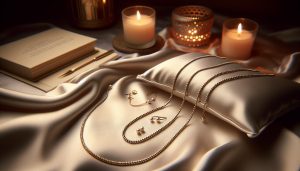
A well-organized jewellery collection not only enhances the aesthetic appeal of your treasures but also protects them from damage and loss. With the right storage solutions, you can ensure your pieces remain in pristine condition while being easily accessible. Depending on the size and variety of your collection, there are many effective ways to store your jewellery, each catering to different needs and styles.
One popular and practical solution is the use of jewellery boxes. These come in various types, from compact travel cases for on-the-go storage to larger organizers designed for home use. Look for boxes featuring compartments specifically sized for different items such as rings, earrings, and necklaces to minimize tangling and scratching. However, clarity is crucial; opting for a model with a glass lid allows you to quickly view your collection, making it easy to choose your accessories for the day without fumbling through a cluttered drawer. You can explore options on platforms like Wayfair or Amazon.
For those with a larger or more diverse collection, a display cabinet with appropriate lighting adds an elegant touch while serving a functional purpose. Such cabinets not only protect your valuable pieces but also transform them into artful displays in your home. Moreover, consider using plush pouches or soft-lined trays for more delicate items that require gentle handling, ensuring that they remain scratch-free and cared for.
To enhance organization, you may also consider DIY solutions such as hanging your necklaces on a stylish wall-mounted rack or even repurposing an old frame turned into a jewelry display with wire mesh. This not only saves space but also decorates your walls creatively, providing an inspiring reminder of your collection. No matter your choices, the key is to create a system that works for you, ensuring your jewellery remains effortlessly accessible and beautifully arranged.
Frequently Asked Questions
Q: What are the most popular types of jewellery?
A: The most popular types of jewellery include necklaces, earrings, bracelets, rings, and brooches. Each type can be crafted from various materials, creating numerous styles to suit personal tastes and occasions. Explore our section on different jewellery types for a comprehensive overview.
Q: How can I choose the right jewellery for my outfit?
A: To choose the right jewellery for your outfit, consider the color, style, and occasion. Opt for pieces that complement your clothing without overwhelming it. For tips on matching jewellery with outfits, see our stylish ways to wear jewellery section.
Q: What materials are commonly used in fine jewellery?
A: Common materials used in fine jewellery include gold, silver, platinum, diamonds, and various gemstones. Each material has unique properties and benefits. Visit our materials guide for a detailed breakdown of each option.
Q: How do I layer necklaces properly?
A: To layer necklaces effectively, start with a choker or short necklace, then gradually add longer pieces. Vary the textures and materials to create visual interest. For more styling tips, refer to our section on wearing and layering jewellery.
Q: What is the significance of birthstones in jewellery?
A: Birthstones hold special meanings associated with each month of the year, believed to bring good luck and protection. Incorporating birthstones into jewellery is a popular way to personalize pieces. Learn more in our exploration of different types of jewellery.
Q: When is the best time to clean my jewellery?
A: It’s best to clean your jewellery regularly, especially after wearing it, to remove dirt and oils. Aim for a deep clean every few months, depending on usage. Check our maintenance tips for detailed cleaning instructions.
Q: Why should I store jewellery properly?
A: Proper jewellery storage prevents scratches, tangling, and tarnishing, prolonging the life of your pieces. Store items separately in soft pouches or compartments. For more storage solutions, visit our organisation tips section.
Q: How can I tell if my jewellery is of high quality?
A: High-quality jewellery features well-cut gemstones, solid metal settings, and craftsmanship. Look for hallmarks or certificates when purchasing. For more on authentication, explore our section on spotting quality jewellery.
Key Takeaways
Thank you for exploring “What Is Jewellery: Complete Guide to Types, Materials, and Styles.” By understanding the diverse types and materials of jewellery, you’ve taken a significant step toward enhancing your personal collection or business endeavors. Don’t stop here-discover our detailed guides on jewellery care and cleaning, or dive into insightful DIY tutorials to further enrich your experience.
Ready to keep your journey sparkling? Sign up for our newsletter to stay updated with the latest insights and exclusive tips tailored just for you. Whether you’re a seasoned collector or just beginning, our resources on jewellery storage and styling can help you confidently curate and care for your treasures. Explore our related content to transform your knowledge into action-join our community by sharing your thoughts below or on social media and let us know about your favourite jewellery pieces! Your adventure in the world of jewellery is just beginning-let’s shine together!