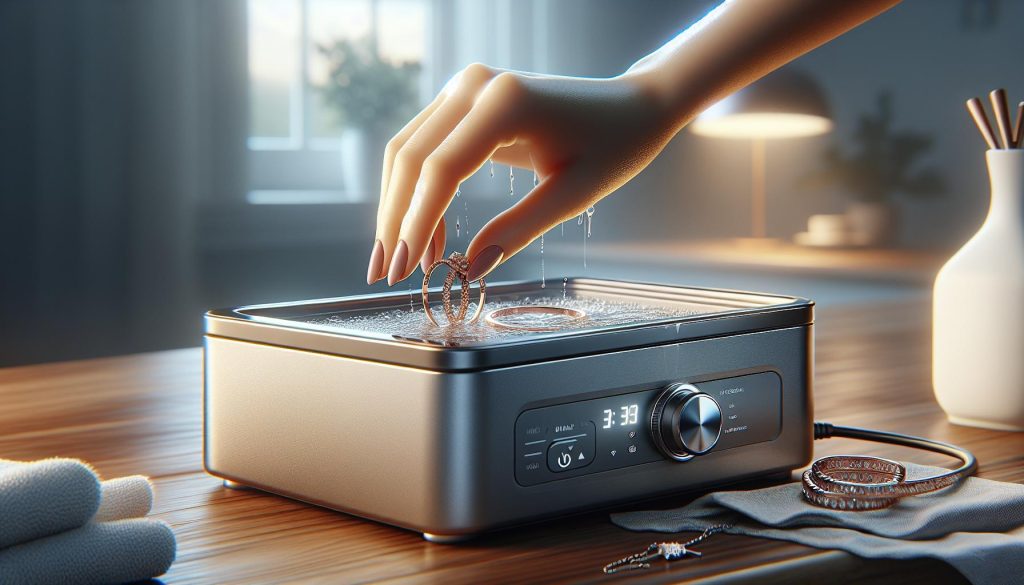
Did you know that regular cleaning can significantly extend the life of your jewelry? An ultrasonic jewelry cleaner delivers professional-level results, effortlessly removing dirt, oils, and grime from even the most delicate pieces. Whether you’re a seasoned collector or someone who simply loves wearing jewelry, maintaining its sparkle is essential to showcasing its beauty. This guide will take you through the simple steps to effectively use an ultrasonic cleaner, ensuring your treasures shine bright without damaging their intricate details. Get ready to bring new life to your jewelry collection and impress everyone with your gleaming gems!
How Ultrasonic Cleaners Work for Jewellery
Ultrasonic cleaners utilize high-frequency sound waves to produce millions of tiny bubbles in a cleaning solution, a process known as cavitation. These bubbles collapse violently, creating microscopic shockwaves that dislodge dirt, grime, and other contaminants from the surface of jewelry. This method provides a level of cleaning that is difficult to achieve through manual washing or traditional cleaning methods. The ultrasonic waves penetrate even the tiniest crevices, making it particularly effective for intricate designs or settings with multiple stones.
One of the key advantages of ultrasonic cleaning is its speed. Unlike traditional cleaning methods, which can be time-consuming, ultrasonic cleaners can complete the task in just a few minutes, depending on the level of dirt. Typically, a cycle lasts between 3 to 10 minutes, allowing you to return to your daily routine quickly. Additionally, ultrasonic cleaners provide a thorough clean without the need for harsh chemicals, making them a safe option for most jewelry types, including gold, silver, and platinum.
To achieve the best results, it’s essential to choose the right ultrasonic cleaner for your jewelry. Look for models that offer adjustable frequency settings and varied cleaning cycles to accommodate different types of jewelry and soil levels. Ensure you are using an appropriate cleaning solution, specifically designed for ultrasonic cleaning, as this enhances the effectiveness and safety of the process.
When operating your cleaner, always ensure that the pieces are securely placed in the basket, avoiding direct contact with each other or the tank. This prevents scratching and ensures that each item is thoroughly cleaned. By understanding how ultrasonic cleaners work, you can maintain the beauty and integrity of your jewelry, giving them a long-lasting shine.
Benefits of Using an Ultrasonic Cleaner

Ultrasonic cleaners have become a favorite for jewelers and enthusiasts alike, offering a cleaning solution that is not only effective but also remarkably efficient. The magic lies in the cavitation process, which allows these machines to reach every nook and cranny of your jewelry, ensuring that even the tiniest particles of dirt or tarnish are dislodged. This precision cleaning is especially beneficial for intricate designs, settings with multiple stones, or any piece that has crevices where grime can accumulate.
One of the standout is the reduction of time and effort typically required for jewelry maintenance. Cleaning your pieces manually can often involve scrubbing and meticulous handling, which may not only be time-consuming but also risk damaging delicate items. Ultrasonic cleaners streamline this process, providing a thorough clean in just a few minutes, allowing you to spend your time enjoying your jewelry instead of manually cleaning it.
Moreover, ultrasonic cleaners are incredibly gentle on your jewelry while still being powerful against dirt. They eliminate the need for harsh chemicals, as the ultrasonic waves can work effectively in plain water or with a gentle cleaning solution. This non-abrasive method is safe for a variety of materials, including metals like gold, silver, and platinum, and is a great option for gemstones when used correctly. By opting for ultrasonic cleaning, you can extend the life of your cherished items and keep them looking their best without compromising their integrity.
Lastly, the ease of use and accessibility of ultrasonic cleaners make them an excellent investment for anyone who cares about their jewelry. With a wide range of models available, it’s simple to find one that fits your needs and budget. Whether you’re a casual wearer or a dedicated collector, incorporating an ultrasonic cleaner into your jewelry care routine can deliverprofessionalresultsrightathomeThisnotonlyenhancesthebeautyofyourpiecesbutalsoinstillsconfidenceinyourjewelry’slongevity
Step-by-Step Guide to Cleaning Jewellery
To achieve a dazzling finish for your jewelry, using an ultrasonic cleaner can be a game-changer. These devices harness the power of ultrasonic waves to remove dirt and debris from even the most intricate designs in minutes. Here’s a step-by-step guide to help you unlock the full potential of your ultrasonic jewelry cleaner, ensuring your pieces not only shine but also maintain their beauty over time.
Preparing Your Jewelry
Before you begin the cleaning process, it’s crucial to prepare your jewelry properly. Start by inspecting each piece for any loose stones or damage. Remove any elements like chains, clasps, or attachments that might get tangled. For achieve optimal results, consider these steps:
- Rinse your jewelry: Gently rinse your pieces under warm water to remove surface dust.
- Choose the right cleaning solution: Depending on the material of your jewelry, select a gentle cleaning solution or use plain water. Avoid harsh chemicals that could damage your items.
- Check manufacturer instructions: If available, consult the manufacturer’s guidance to ensure ultrasonic cleaning is suitable for your jewelry’s materials.
Using the Ultrasonic Cleaner
Now that your jewelry is prepared, follow these steps to use your ultrasonic cleaner effectively:
- Fill the tank: Pour the cleaning solution or water into the ultrasonic cleaner tank up to the recommended level. Ensure the cleaning solution is safe for your jewelry materials.
- Place jewelry in the basket: Using the basket provided, carefully arrange your pieces without overcrowding. This ensures that ultrasonic waves can reach all surfaces evenly.
- Set the timer: Depending on the level of soiling, set the timer. Most ultrasonic cleaners have preset cycles ranging from 3 to 10 minutes for typical jewelry cleaning.
- Start the machine: Turn on the ultrasonic cleaner and let it work its magic. The device will emit ultrasonic waves that cause the cleaning solution to vibrate, creating tiny bubbles that effectively lift dirt and grime.
Finishing Touches
Once the cycle is complete, carefully remove the jewelry from the tank. Gently rinse the pieces under clean water to remove any remaining cleaning solution. Pat them dry with a soft cloth. It’s important not to use abrasive materials, as they can scratch your jewelry’s surface. For an extra touch of shine, consider using a jewelry polishing cloth once the pieces are dry.
By following these steps, you can easily achieve professional-quality cleaning right at home, allowing your jewelry to sparkle like new while extending its lifespan. Embrace the convenience and effectiveness of ultrasonic cleaning, and watch your collection radiate with brilliance!
Best Practices for Maintaining Your Ultrasonic Cleaner

Maintaining your ultrasonic cleaner is essential to ensure it operates effectively and lasts for years. Just like any appliance, regular upkeep can prevent complications and enhance performance. A well-maintained ultrasonic cleaner not only prolongs the life of the device but also guarantees that your jewelry receives the best care possible, resulting in a stunning shine every time.
One of the key practices for maintaining your ultrasonic cleaner is to regularly change the cleaning solution. Each time you clean jewelry, contaminants from grime and dirt can accumulate in the solution, reducing its effectiveness. Empty the tank after each use, rinse it out, and refill it with fresh solution. Always choose high-quality cleaning solutions compatible with your jewelry types for optimal results.
Cleaning the tank itself is another vital aspect of maintenance. Over time, dirt and debris can settle at the bottom, affecting the ultrasonic waves’ performance. After discarding the old solution, use a soft cloth or sponge with a gentle detergent to wipe down the inside of the tank. Avoid using abrasive cleaners, as they can scratch the surface and hinder the ultrasonic waves. Also, periodically inspect the transducer, the component that generates ultrasonic waves, for any signs of wear or damage.
Lastly, keep your ultrasonic cleaner in a dry, dust-free environment when not in use. Dust and moisture can interfere with its functioning and may affect the cleaning process. Consider storing it in a dedicated space where it is protected from environmental factors and easily accessible when you need it. By incorporating these best practices into your routine, you’ll ensure that your ultrasonic cleaner remains in top shape, allowing you to enjoy beautifully clean jewelry with minimal effort.
Common Mistakes to Avoid with Ultrasonic Cleaning

When it comes to using ultrasonic cleaners for jewelry, a few common missteps can significantly undermine their effectiveness and even damage your precious pieces. Recognizing and avoiding these mistakes can help ensure that your jewelry remains beautiful and well-maintained. One of the most prevalent errors is overloading the cleaner. Stuffing too many items into the tank can impede the ultrasonic waves from effectively reaching each piece, which can lead to uneven cleaning. Always leave enough space between items and, when in doubt, clean fewer pieces at a time for optimal results.
Another frequent oversight is failing to use the appropriate cleaning solution. Different types of jewelry require specific solutions; for instance, pearls and opals need gentle cleaning agents, while gold and silver can withstand stronger formulations. Using a cleaner not designed for your jewelry type may result in damage or dullness. Additionally, not preparing the jewelry properly-such as leaving on clasps or chains that may tangle-can lead to entrapment within the cleaner, complicating the cleaning process. Always take a moment to disassemble or adjust your pieces before placing them in the ultrasonic tank.
Moreover, neglecting to check the temperature of the cleaning solution can be detrimental. While a hotter solution can enhance the cleaning process, excessively high temperatures can harm delicate gems. Always consult the instructions for your specific ultrasonic cleaner and ensure you’re using the right temperature settings for your jewelry types. Lastly, a potential pitfall is skipping the follow-up care after cleaning. Properly rinse and dry your pieces post-cleaning to prevent any residue from the cleaning solution from settling on the jewelry, preserving the brilliant shine that ultrasonic cleaning can achieve.
Avoid these common pitfalls, and you’ll be well on your way to utilizing ultrasonic cleaning technology effectively, keeping your jewelry sparkling and in excellent condition.
Which Materials Can Be Safely Cleaned?
Utilizing ultrasonic cleaners can transform the way you maintain your jewelry, providing a deep clean that shines and revitalizes your pieces. However, it’s crucial to understand which materials are safe to clean in these devices to avoid potential damage. Generally, ultrasonic cleaners are excellent for metals and certain gemstones, but there are exceptions to consider.
Safe Materials for Ultrasonic Cleaning
Many metals can be confidently cleaned using ultrasonic technology:
- Gold: Both white and yellow gold are resilient to ultrasonic cleaning, making them perfect candidates.
- Silver: Sterling silver can also be cleaned, but keep an eye out for soft spots or925 stamp marks that may require gentler handling.
- Palladium: Like gold and silver, palladium is safe in the ultrasonic cleaner.
- Platinum: This durable metal is another suitable choice for ultrasonic cleaning.
Additionally, several gemstones can withstand ultrasonic cleaning, including:
- Diamonds: Their hardness makes them resistant to damage, ensuring they can come out sparkling clean.
- Rubies and Sapphires: These tough gems can handle ultrasonic cleaning well.
- Amethyst: Typically safe for ultrasonic procedures, but always consider the clarity of your specific stone.
Materials to Avoid
While many materials flourish in ultrasonic cleaners, some require careful consideration or outright avoidance:
- Pearls: These delicate gems can be damaged by the vibrations and should be cleaned with gentler methods.
- Opals: Their porous nature makes them unsuitable for ultrasonic cleaning.
- Certain Soft Stones: Stones like turquoise, malachite, and other soft materials may chip or scratch easily and should be kept away from ultrasonic cleaners.
To maximize your ultrasonic cleaning experience, always check the specific properties of your jewelry. When in doubt, consult a professional jeweler who can offer personalized advice based on your pieces. Understanding these guidelines will help you utilize ultrasonic cleaning safely and effectively, ensuring your cherished jewelry remains beautiful for years to come.
Advanced Techniques for Professional Results
To achieve professional results when using an ultrasonic cleaner, mastering advanced techniques can make all the difference in restoring the original luster of your jewelry. Many jewelry enthusiasts flock to ultrasonic cleaners for their remarkable ability to remove dirt, grime, and oils that standard cleaning methods often miss. By enhancing your cleaning process with a few specific techniques, you can elevate the quality of your results dramatically.
One essential technique is to pre-soak your jewelry in a dedicated cleaning solution before placing it in the ultrasonic cleaner. By allowing your pieces to sit in the solution for about 10-15 minutes, any surface grime dissolves, which can enhance the cleaning action of the ultrasonic waves. Ensure that the cleaning solution is designed for use in ultrasonic devices, as some chemicals can create foaming or react negatively with certain metals and stones.
Utilizing a basket or tray specifically designed for ultrasonic cleaning can also yield superior results. These accessories help keep your jewelry organized and prevent them from hitting each other or the walls of the tank, which can lead to scratches or damage. When placing items in the basket, make sure they are not overcrowded, as this limits the effectiveness of the ultrasonic action. Additionally, consider the order in which you clean different pieces; for instance, cleaning more delicate items before robust ones can prevent exposure to stronger vibrations that might result in damage.
Lastly, it’s beneficial to monitor the cleaning time closely. While it may be tempting to leave items in the cleaner for an extended period, most jewelry benefits from shorter cleaning sessions followed by visual inspections. Start with 3-5 minutes and check the results, gradually increasing the time if necessary. This not only prevents damage but also helps you learn how different materials respond to ultrasonic cleaning.
By incorporating these techniques into your routine, you can achieve a level of clarity and sparkle in your jewelry that rivals professional cleaning services, ensuring your favorite pieces stay looking their best for years to come.
Troubleshooting Common Ultrasonic Cleaning Issues
Troubleshooting common issues with ultrasonic cleaning is essential for achieving the pristine shine you desire for your jewelry. Many users encounter problems that can easily derail the cleaning process, but being informed and prepared can ensure successful results every time. Have you ever noticed that your jewelry isn’t coming out as clean as you expected? Understanding the potential pitfalls can help you fix the problem and enhance your cleaning experience.
One of the most frequent issues is insufficient cleaning power, which can stem from several factors. If your ultrasonic cleaner isn’t producing the desired results, check the following:
- Cleaning Solution: Ensure you’re using a compatible cleaning solution specifically designed for ultrasonic cleaners. Some household detergents create too much foam or may not be effective at penetrating the grime.
- Temperature: The temperature of the cleaning solution can significantly impact performance. Warmer solutions usually facilitate better results, so consider gently warming the solution (but never boiling).
- Fill Level: Make sure the tank is filled to the recommended level; too little or too much solution can dampen ultrasonic action.
- Time Settings: Adjust the cleaning time as necessary. Starting with shorter sessions (3-5 minutes) and gradually increasing them allows for better monitoring of the results.
If you’re still facing issues, it may be worthwhile to inspect your jewelry items. Consider the materials; certain gemstones (like opals) and porous materials (like pearls) may not be suitable for ultrasonic cleaning. Additionally, check for loose stones, settings, or clasps before cleaning, as ultrasonic vibrations can exacerbate existing conditions, potentially causing damage.
Another common predicament arises from the cleaner itself. Over time, minerals and debris can accumulate in the tank, which can hinder effective cleaning. Regular maintenance of your ultrasonic cleaner is vital. Rinse the tank with distilled water after each use, and perform a thorough cleaning with a recommended solution periodically to keep it in peak condition.
By tackling these common problems head-on, you can ensure that your ultrasonic cleaning process is as effective and rewarding as possible. With the right attention to detail and proper care, your treasured pieces will continue to shine brilliantly, showcasing the elegance and beauty of your jewelry collection.
DIY Ultrasonic Cleaning Solutions for Home Use
Creating your own ultrasonic cleaning solutions at home can elevate your jewelry cleaning routine, bringing professional results right to your fingertips. The beauty of ultrasonic cleaning lies not only in its effectiveness but also in the ease with which you can whip up a DIY solution tailored to your specific cleaning needs. Notably, the right combination of ingredients can cut through dirt, grime, and tarnish while being safe for materials like gold, silver, and some gemstones.
To start, consider the simplest yet effective base for your ultrasonic cleaner: water. Using distilled water is ideal because it is free from minerals that might otherwise leave spots on your jewelry. For enhanced cleaning power, you can add a small amount of mild dish soap or a few drops of ammonia. Here’s a quick recipe to create a safe and efficient cleaning solution:
- 1 cup distilled water
- 1 teaspoon dish soap (choose a gentle formula)
- 1 teaspoon ammonia (optional, for added strength)
Mix these ingredients in the ultrasonic cleaner’s tank, ensuring they are well combined. When using this solution, remember that less is more-overly soapy solutions can create excessive foam, which may affect the cleaning process. If you prefer a citrusy scent, adding a few drops of lemon juice can offer a fresh aroma while providing some natural cleaning properties.
Using Household Items for Specialized Cleaning
For items that require a gentle touch, consider using specific household ingredients tailored to the type of jewelry you’re cleaning. For example, a solution of equal parts white vinegar and water is fantastic for cleaning tarnished silver. Allow your silver items to soak in this mixture for a few minutes within the cleaner, then rinse thoroughly.
Additionally, for heavily tarnished gold pieces, a solution made of baking soda and water can work wonders. Create a paste using three parts baking soda to one part water, then apply it directly to the tarnished areas before placing it in the ultrasonic cleaner filled with water. This method should restore your gold’s luster effectively.
Precautions and Considerations
While many DIY solutions are beneficial, it’s crucial to always do a patch test on a less visible area of more delicate jewelry to ensure the solution does not cause any adverse reactions. Certain gemstones such as opals, pearls, and some soft stones should generally avoid ultrasonic cleaning, regardless of the solution used. Always consult a professional for items of significant value or fragile composition.
By blending simple household products into your cleaning routine, you can maintain the sparkle of your favorite jewelry pieces without the need for expensive commercial cleaners. This approach not only promotes sustainability but also empowers you to achieve pristine cleanliness, adding an extra level of pride in caring for your cherished items. Happy cleaning!
How to Care for Your Cleaned Jewellery
Caring for your jewellery after a thorough cleaning is just as important as the cleaning process itself. Once your pieces are sparkling and fresh from the ultrasonic cleaner, taking the right steps can help maintain their beauty and longevity. One essential practice is to ensure that all surfaces are completely dry. Moisture can lead to tarnishing, particularly with metals like silver. After cleaning, gently pat your jewellery dry with a soft microfiber cloth, paying special attention to crevices where water may linger.
To further protect your jewellery, consider applying a thin layer of protective jewelry cloth or specialized anti-tarnish solution to items that are prone to tarnishing. This additional step forms a barrier against environmental factors that contribute to dullness and discoloration. Additionally, be mindful of how and where you store your cleaned pieces. Using individual pouches or a lined jewellery box can prevent scratches and tangles, ensuring your items remain in pristine condition.
It’s also wise to establish a regular cleaning routine tailored to the specific materials of your jewellery. For instance, gold and silver can be cleaned monthly, while gemstone-studded pieces may require more delicate handling and less frequent cleaning. Always keep an eye out for any signs of wear, such as loose settings or damaged clasps, and address these issues promptly to avoid further damage.
Lastly, keeping your jewellery away from potentially harmful substances is crucial. Harsh chemicals, chlorinated water, and even cosmetics can negatively impact the integrity of both the metals and stones. By adopting these simple yet effective practices, you not only enhance the aesthetic appeal of your jewellery but also extend its life, allowing you to cherish your collection for years to come.
Tips for Storing Jewellery After Cleaning
Storing your jewellery properly after cleaning is crucial for preserving its sparkle and structural integrity. The right storage practices not only help prevent tarnishing and scratching but also keep your collection organized and easily accessible. When your pieces emerge from an ultrasonic cleaner looking brand new, the excitement can often lead to careless storage choices that might jeopardize that pristine condition.
To ensure your cleaned jewellery remains in excellent condition, consider the following tips. Use anti-tarnish pouches or lined jewellery boxes made from soft materials that cushion your items and protect them from scratches. For more delicate pieces, each item should be stored separately to prevent tangling and damage. Velvet or satin-lined compartments are ideal, as they provide both a luxurious feel and a protective barrier against abrasions.
Humidity and temperature fluctuations can significantly affect the longevity of your jewellery. Store your items in a cool, dry location away from direct sunlight. Including moisture-absorbing packets or silica gel in your storage container can help manage humidity levels, reducing the risk of tarnishing. Furthermore, consider integrating a clean, dry microfiber cloth into your storage routine. This can absorb excess moisture and can be used to give your jewellery a quick wipe every now and then, keeping it fresh.
Lastly, remember to periodically inspect your jewellery, even while stored. Check for any signs of wear or loose stones and address these issues right away. This proactive approach not only ensures that your items are always in top shape but can also save you time and money on repairs down the line. By adopting these careful storage practices, you can enjoy your beautiful jewellery for many years to come.
The Future of Ultrasonic Cleaning in Jewellery Care
The evolution of ultrasonic cleaning technology is paving the way for more efficient and effective jewellery care, revolutionizing how collectors and retailers maintain their pieces. As ultrasonic cleaners become increasingly sophisticated, they not only offer superior cleaning capabilities but also integrate advanced features for a tailored cleaning experience. This shift is particularly exciting for those invested in preserving the beauty and longevity of their jewellery.
One significant trend is the incorporation of smart technologies into ultrasonic cleaners, allowing users to customize settings based on the type of materials being cleaned. Whether it’s delicate gemstones or robust metals, these machines can now adjust frequency and timing to achieve optimal results without risking damage. This level of precision ensures that even estate pieces and heirlooms can receive the gentle but thorough cleaning they deserve.
Moreover, eco-friendly cleaning solutions are gaining attention, enhancing the sustainability of ultrasonic cleaning practices. Many brands are now offering biodegradable detergent options that are tough on grime but gentle on the environment. This shift not only addresses consumer demand for sustainable products but also reflects a broader commitment to reducing waste and chemical use in jewellery maintenance.
As ultrasonic technology continues to advance, its application will likely expand into areas such as in-store jewellery cleaning services, giving consumers immediate results while they shop. Retailers can leverage these innovations to enhance customer experiences, providing cleaning demonstrations and personalized consultations. This integration of technology into jewellery care signifies a bright future, where maintaining the brilliance of cherished pieces is not just achievable but an enjoyable experience for all.
Frequently asked questions
Q: How often should I use an ultrasonic jewellery cleaner?
A: You should use an ultrasonic jewellery cleaner as needed, typically every few months for regular maintenance. This helps keep your jewellery looking fresh and prevents the buildup of dirt and grime. For items subjected to frequent wear, consider cleaning them every couple of weeks for optimal results.
Q: What solution should I use in my ultrasonic jewellery cleaner?
A: Use a solution specifically designed for ultrasonic cleaning, usually a mix of water and an ultrasonic cleaning concentrate. You can also create a DIY solution with gentle dish soap diluted in water. Avoid harsh chemicals to prevent damage to your jewellery materials.
Q: Can I clean all types of jewellery with an ultrasonic cleaner?
A: Not all types of jewellery are safe for ultrasonic cleaning. Avoid using the cleaner on pearls, opals, and certain gemstones. For detailed guidance on which materials can be cleaned, refer to the section on safe cleaning materials in your article.
Q: How do I know when my jewellery is clean in an ultrasonic cleaner?
A: Jewellery typically takes 3 to 5 minutes to clean in an ultrasonic cleaner. However, results may vary based on the dirt level. Check your jewellery periodically during the cleaning cycle to avoid overexposure and potential damage.
Q: Are there specific techniques for cleaning intricate jewellery designs?
A: For intricate designs, consider using a soft brush after a brief ultrasonic cleaning to reach hard-to-clean areas. This method helps ensure a thorough cleanse without the risk of damaging delicate pieces. Refer to the advanced techniques section for more tips on this method.
Q: What should I do if my ultrasonic cleaner is not working correctly?
A: If your ultrasonic cleaner is not functioning, ensure it is plugged in and the tank is filled to the recommended level. Inspect for obstructions in the transducer area and check the fuse. For further troubleshooting steps, look into the common issues section of your article.
Q: Can ultrasonic cleaning improve the shine of my jewellery?
A: Yes, ultrasonic cleaning can significantly enhance the shine of your jewellery. It removes dirt and residues that dull the surface, revealing the original luster of metals and gemstones. For best results, combine ultrasonic cleaning with proper care post-cleaning, as outlined in your article.
Q: How do I prevent damage to my jewellery during ultrasonic cleaning?
A: To prevent damage, always check if your jewellery is suitable for ultrasonic cleaning. Remove any loose stones and clean one type of material at a time. Following the precautions in your article can help avoid any mishaps during the cleaning process.
The Way Forward
Unlock the brilliance of your jewelry with your newfound ultrasonic cleaning skills! By following the simple yet effective techniques outlined in our guide, you can enjoy sparkling results that enhance the beauty of your pieces without the hassle. If you have lingering questions about the cleaning process or wish to dive deeper into caring for different metal types, check out our articles on DIY jewelry care and materials overview for more expert tips.
Don’t wait to transform your collection-experience the difference an ultrasonic cleaner can make today! Consider subscribing to our newsletter for exclusive jewelry care tips and the latest in jewelry trends or explore our product recommendations for the best ultrasonic cleaners available. Share your cleaning success stories in the comments below, and join our community of jewelry lovers! Your gems deserve to shine, and you’re just a cleaning cycle away from breathtaking results.