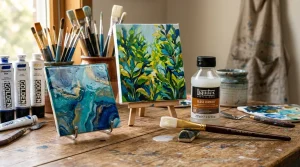
Acrylic paint is a favorite among artists for its versatility and ease of use, but many wonder: is it water-based? The simple answer is yes-acrylic paint is indeed water-based, making it an ideal choice for beginners and seasoned professionals alike. This unique characteristic allows for easy clean-up and a wide range of applications, from fine art to crafting. Understanding the properties of acrylic paint, including its water solubility, can help you make more informed decisions whether you’re mixing colors, choosing a medium, or selecting the perfect paint for your project. Stay with us as we delve deeper into the nuances of acrylic paint and discover everything you need to know to make the most of this fantastic medium.
Is Acrylic Paint Water Based? Understanding the Basics
Acrylic paint is indeed water-based, which is one of its defining characteristics. This makes it an incredibly versatile medium for artists and hobbyists alike. Its water solubility means you can easily thin it with water for lighter washes or mix it with acrylic mediums to achieve various textures and finishes. Unlike oil paints, which require solvents for cleaning and mixing, acrylics can be cleaned up with just soap and water, making them more accessible for users of all skill levels.
The primary binder in acrylic paint is acrylic polymer emulsion, which encapsulates the pigment. When you apply the paint, water evaporates, and the polymer particles coalesce to form a flexible, durable film. This rapid drying time-often within minutes-allows for layering techniques, enabling artists to work quickly and build depth in their paintings. It’s important to note that while acrylics are water-based, once they dry, they become water-resistant, which adds to their durability and longevity.
For those wondering about the benefits of using water-based acrylics, consider their low levels of volatile organic compounds (VOCs), which are better for indoor air quality compared to oil-based paints. This feature makes acrylics suitable for a variety of environments, from schools to studios. Moreover, the ability to mix with different mediums provides endless possibilities for creative expression. Whether you are a beginner or an experienced artist, understanding the water-based nature of acrylics can significantly enhance your approach to painting and crafting.
The Science Behind Acrylic Paints and Water
Acrylic paints are fascinating not only because of their impressive versatility but also due to the science backing their formulation and interaction with water. At their core, acrylic paints consist of a dispersion of pigments within a polymer emulsion, the majority of which is water. This water-based characteristic allows artists a unique advantage: they can easily modify the paint’s consistency and behavior by adding a small amount of water or mediums. This property makes acrylics suitable for a broad range of techniques, from watercolor-like washes to thick, impasto applications.
When acrylic paint is applied to a surface, the water begins to evaporate almost immediately, a process that allows the polymer particles to bind together, forming a solid, flexible film as it dries. This rapid drying time-notably much quicker than oils-offers artists the ability to layer paint, allowing for seamless work transitions and adjustments. However, a crucial aspect of this behavior is that once dry, acrylics become water-resistant, which means that any finished artwork can endure the test of time and exposure to moisture without degrading.
Understanding this water-based nature can also demystify some common misconceptions about acrylics. For instance, while they are easy to clean with soap and water before they dry, many new users worry that their artwork may be vulnerable post-drying. In reality, properly dried acrylics become quite durable and can withstand various environmental conditions, making them ideal for both indoor and outdoor projects.
Moreover, the low volatile organic compound (VOC) levels found in water-based acrylics contribute to a safer working environment, which is particularly beneficial for artists working in confined spaces. This eco-friendly characteristic, combined with the ability to enhance creativity through mixing with various additives, positions acrylic paints as a favored choice among hobbyists and professionals alike. Ultimately, grasping the science behind acrylic paints and their interaction with water not only empowers artists to use the medium more effectively but also enriches their creative expression.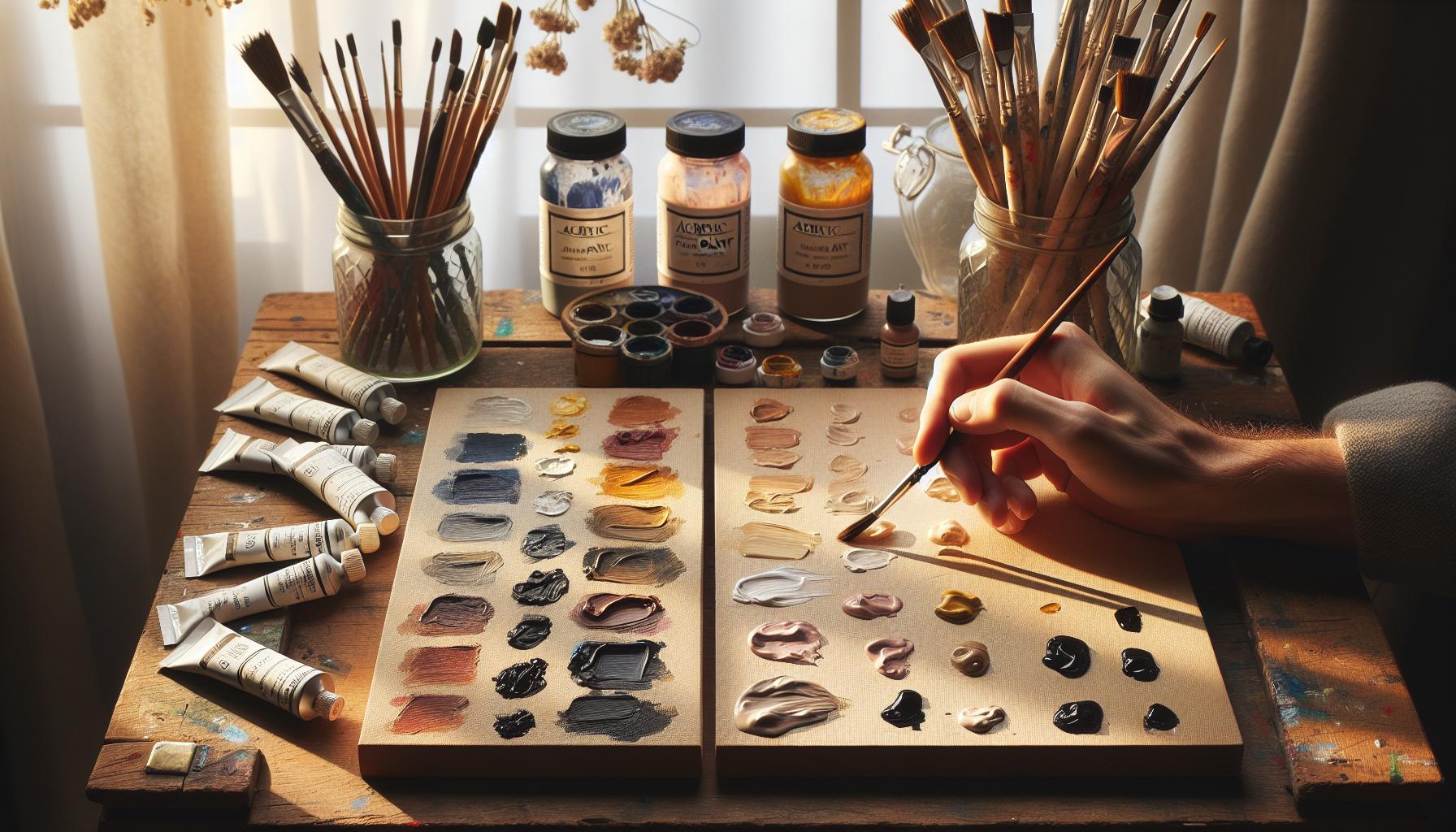
Comparing Acrylic Paint to Other Paint Types
When it comes to choosing the right paint for your projects, understanding the differences between acrylics and other types like oils and watercolors can be pivotal. Acrylic paints are unique due to their water-based composition, which significantly differentiates them from oil paints, which use a solvent-based medium. Unlike oils, acrylics dry rapidly, allowing artists to layer colors and make adjustments without a lengthy waiting period, providing a level of flexibility and efficiency not found with other paints.
Another notable comparison is with watercolors. While both acrylics and watercolors are water-soluble, the nature of their pigments and binders creates distinctive differences. Watercolors require a special technique as they remain rewettable even after drying, allowing for blending and soft washes. In contrast, acrylics become permanent and water-resistant after drying, making them suitable for more diverse surfaces and applications, including outdoor projects. This feature ensures that once an acrylic artwork is completed, it is protected from moisture damage, a limitation often faced with traditional watercolor paintings.
In terms of durability and finish, acrylics offer a unique advantage. Artists can achieve a range of finishes-from matte to gloss-depending on the additives used and the techniques applied. While oil paints can produce a rich, vibrant sheen, they are prone to yellowing and cracking over time due to their composition. Therefore, acrylics not only provide versatility in application but also longevity in results, making them an appealing choice for both professional artists and hobbyists alike.
In summary, comparing acrylic paints to other paint types highlights their distinct properties and benefits. With features such as fast drying time, permanent water-resistant qualities, and a wide range of finish options, acrylics stand out as a versatile option tailored to various artistic techniques and mediums. Whether you’re exploring intricate details or bold, sweeping strokes, acrylics empower artists to unleash their creativity without limitations.
Benefits of Using Water-Based Acrylic Paint
Water-based acrylic paints are a favorite among artists for a multitude of reasons, making them an excellent choice for both beginners and seasoned creators. One of the standout benefits is their ease of use; they can be thinned quickly with water, allowing for a variety of techniques that can suit any project. This fluid versatility means you can achieve everything from bold, opaque applications to delicate, transparent washes, all within the same bottle of paint.
In addition to their adaptability, water-based acrylics dry quickly, which is a significant advantage for artists eager to layer colors or make adjustments without prolonged wait times. This quick drying time can enhance productivity and creativity, eliminating the need for lengthy drying periods that can frustrate artistic flow. Moreover, once dried, acrylic paints become water-resistant and permanent, which is crucial for preserving your work over time and ensuring it withstands exposure to elements outside.
Another compelling reason to choose acrylics is their minimal environmental impact. Generally considered less toxic than solvent-based paints, water-based acrylics have lower levels of volatile organic compounds (VOCs), making them a safer option for both artists and their living spaces. This is particularly appealing for home studios where ventilation may be limited. Additionally, the cleanup is straightforward; water and soap are usually all you need to avoid the hassle associated with other paint types.
Ultimately, the s extend beyond mere functionality. They cater to a wide range of artistic needs and preferences, making them a versatile addition to any artist’s toolkit. Whether you are painting on canvas, wood, or fabric, the ease of use, quick drying time, and lower toxicity make acrylics a smart and sustainable choice for creative expression.
Common Misconceptions About Acrylic Paint
Many artists often find themselves navigating through a sea of information and misconceptions regarding acrylic paint. One prevalent myth is that acrylic paints are only for beginners. In reality, artists at all skill levels use acrylics due to their versatility and adaptability. Whether you are a seasoned painter or just starting out, acrylics allow for a wide range of techniques, from bold impasto to delicate glazing, which makes them suitable for various styles and experiences.
Another common misunderstanding is that all acrylic paints are created equal. In fact, there are different qualities and formulations of acrylic paint, such as student-grade and professional-grade options. Student-grade acrylics, while more affordable, may have less pigment and more fillers compared to professional-grade options, which offer richer colors and better coverage. It’s important for artists to choose a type that matches their needs and budget to achieve the desired results in their work.
Furthermore, a significant misconception revolves around the cleaning and maintenance of acrylic paints. Many believe that cleanup is overly complicated and time-consuming. However, one of the remarkable advantages of water-based acrylics is how easily they can be cleaned up with just soap and water, especially while the paint is still wet. This makes them a practical choice for artists who want to spend more time creating rather than cleaning.
Lastly, some newcomers might think that acrylics are not suitable for outdoor projects due to concerns about durability. While it is true that some acrylics are designed for indoor use, many modern formulations are specifically designed for outdoor durability, providing excellent resistance to moisture and UV sunlight. This expansion in acrylic technology enables artists to confidently use these paints for both indoor and outdoor applications, enhancing their creative possibilities.
In summary, breaking through these misconceptions can empower artists to explore the full potential of acrylic paints and utilize them effectively in their projects. Whether you’re aiming for intricate details or broad strokes, acrylics can meet a diverse range of creative needs.
How to Properly Use and Thin Acrylic Paint
To achieve the best results with acrylic paints, understanding how to properly use and thin them is crucial, especially given their water-based nature. Acrylics can be thick and and may dry quickly, which can be challenging for beginners and experienced artists alike. The ability to adjust the consistency of your paint can significantly enhance your painting experience and the effects you achieve.
The first step in using acrylic paints is to determine the desired thickness for your project. Generally, acrylics can be applied straight from the tube for a rich, opaque finish. However, you may find that certain techniques-like glazing or creating washes-require thinner paint. To thin acrylic paint effectively, water is your best ally. Start with a small amount of water-about 10-15% of your paint mixture-mix it well, and test it on a scrap surface. This allows you to maintain the vibrancy and adhesion of the paint while making it easier to work with.
Using acrylic mediums can further enhance your painting. Instead of just using water, acrylic mediums are specifically formulated to modify paint without diluting color or binding properties. For example, if you’re looking for a more fluid texture, try using a flow medium. If your goal is to increase drying time, consider a slow-drying medium. Remember that mixing too much water into your paint can lead to loss of pigment strength and adhesion, so use thinners judiciously.
When painting, always keep your brushes moist but not saturated. This will allow for smoother strokes and better blending, without risking the paint drying on your tools. Lastly, ensure that your workspace is clean and organized, as acrylics can stain surfaces quickly. With these tips, you can harness the full potential of acrylic paints, expanding your creative capabilities and resulting in stunning artwork.
Cleaning and Maintenance Tips for Acrylic Paint Tools
Keeping your painting tools in top condition is essential for achieving the best results with acrylic paints. Not only does a well-maintained brush enhance your painting experience, but it also ensures the longevity of your supplies. Acrylics are water-based, making them easier to clean than many other paint types, but neglecting your tools can lead to residue build-up that affects performance.
The first step in cleaning your acrylic paint tools is to act quickly. Acrylic paint dries relatively fast, so the sooner you clean your brushes, palettes, and tools after painting, the easier it will be to remove any paint. For brushes, rinse them under lukewarm running water, working the bristles gently to release any paint trapped within. Avoid using hot water, as it can damage the brush bristles. Utilize a mild soap or brush cleaner specifically designed for acrylics for a thorough clean. If you notice any stubborn paint residue, a gentle scrub with your fingers or a soft cloth can help.
Maintenance Tips for Brush Care
To prolong the life of your brushes, consider the following maintenance practices:
- Shape the Bristles: After cleaning, reshape the bristles of your brushes to maintain their form. This helps ensure accurate painting techniques and extends their usability.
- Storage: Store brushes upright in a container with the bristles facing up or flat in a brush roll or case to prevent damage.
- Regular Conditioning: Occasionally, condition the bristles with a little brush conditioner or hair conditioner to keep them soft and flexible.
For palettes and other tools, simply scrape off dried paint with a palette knife and rinse them under warm water. For stubborn paint spots, a soaking in soapy water can loosen the residues, making them easier to scrub away.
Maintaining your acrylic paint tools not only promotes better performance but also allows you to enjoy your creative process without the frustration of dealing with less-than-perfect equipment. By following these practical tips, you can keep your tools in prime condition, ensuring that each painting session is as enjoyable and productive as possible.
Safety Considerations with Water-Based Acrylics
Using water-based acrylics is a great choice for both novice and experienced artists, but it’s essential to recognize the safety considerations that come with their use. While these paints are generally regarded as safer than solvent-based alternatives, it’s crucial to practice informed handling to ensure a safe and enjoyable creative experience.
One primary consideration is ventilation. Even though water-based acrylics have fewer harmful fumes, adequate airflow in your workspace is essential, especially if you are working with large quantities of paint or in an enclosed space. Opening windows, using fans, or working in a well-ventilated area can help reduce any potential buildup of irritants and keep air quality optimal.
Protective gear is another important factor. While acrylics pose minimal risk through skin contact, it’s wise to wear gloves to prevent skin irritation, particularly for individuals with sensitive skin or allergies. Additionally, safety glasses can protect your eyes from accidental splashes, especially during mixing or vigorous painting. For those prone to respiratory issues, a dust mask or respirator can further safeguard against inhalation of any airborne particles that might be released during the painting process.
Lastly, proper storage and disposal methods cannot be overlooked. Ensure that paint containers are tightly sealed when not in use to prevent spills and contamination. When disposing of any leftover paint or cleaning materials, follow local regulations for hazardous waste disposal to minimize environmental impact. By incorporating these safety precautions, you can focus on your creative journey while ensuring a safer painting environment.
Exploring Different Acrylic Paint Formulations
Acrylic paints are celebrated for their versatility and fast-drying properties, but they come in various formulations, each tailored to specific artistic needs. Recognizing these different types can significantly impact your painting experience. For instance, there are heavy body acrylics that maintain their shape well and are perfect for texture work, while fluid acrylics flow easily, ideal for glazing and intricate brushwork. Understanding these distinctions helps artists choose the right product for their techniques and desired outcomes.
When exploring formulations, artists may also encounter acrylic gouache, which combines the vibrant color intensity of gouache with the water-resistance of acrylics. This formulation dries to a matte finish, making it perfect for illustration and mixed media applications. Similarly, acrylic inks are another variant that offers a more fluid consistency similar to watercolor, enhancing detail and allowing for a broader range of application methods. These specialized products open up a myriad of possibilities for creativity.
Key Formulations to Consider
- Heavy Body Acrylics: Thick and creamy, great for impasto techniques.
- Fluid Acrylics: Thin and easy to blend, perfect for washes and glazes.
- Acrylic Gouache: Offers a matte finish, ideal for illustration work.
- Acrylic Inks: High fluidity for detailed line work and washes.
In addition, there are also specialty acrylics designed for specific surfaces, like fabric or outdoor materials, ensuring durability and adherence. Artists should experiment with different formulations to discover the unique effects each type yields, allowing for greater flexibility and creativity in their projects. Whether you’re embarking on your artistic journey or are a seasoned creator, understanding the nuances of acrylic paint formulations can enrich your artistic expression and techniques significantly.
Creative Techniques for Working with Acrylic Paint
Acrylic paint offers an exciting array of creative techniques for artists, allowing for experimentation and vibrant expression. One of its hallmark features is versatility; you can embrace multiple styles, from traditional painting to innovative mixed media applications. To get the most out of your acrylics, consider exploring various methods that can enhance your artwork.
One popular technique is wet-on-wet painting, where you apply new layers of paint directly onto wet paint. This method allows for beautiful blending, soft transitions, and a sense of fluidity in your pieces. Alternatively, the wet-on-dry technique involves applying wet acrylic paints onto dried layers, resulting in more defined shapes and sharp edges. This is particularly effective for fine details or when you want to layer colors without disturbing previous work.
Acrylic pouring is another creative method that has gained traction in recent years. By mixing acrylic paint with a pouring medium, you can create stunning, fluid art pieces filled with mesmerizing patterns. To achieve this, simply mix your colors with the medium and pour them onto your canvas, tilting and swirling to create dynamic designs. Don’t forget to try different pouring techniques-like the flip cup or dirty pour-for varied results.
For artists looking to add texture, palette knife painting offers a unique approach. Using a palette knife instead of a brush allows you to create bold strokes, textures, and even impasto layers that give your work a three-dimensional quality. Additionally, consider using natural sponges for textural effects, stippling brushes for soft feathering, or even everyday items like credit cards to scrape paint across your canvas for interesting designs.
To maximize the potential of your acrylic paints, it’s essential to explore these techniques through practice and play. Each method unlocks new ways to express your creativity, whether you’re working on a detailed landscape, a bold abstract piece, or experimenting with mixed media. Embrace the journey, and don’t hesitate to combine techniques to find your unique artistic voice.
Tips for Choosing the Right Acrylic Paint for Your Project
When embarking on a creative journey with acrylic paints, choosing the right type for your project is crucial to achieving the desired results. The variety of acrylic paints available can be overwhelming, but understanding some key factors will empower you to make informed decisions. Consider the specific requirements of your project, such as surface type, desired finish, and working methods.
First, assess the surface you plan to paint on. Acrylics are versatile and can adhere to a variety of materials including canvas, wood, paper, and even fabric. For canvas and wood, a heavier-bodied paint may provide better coverage and texture. On the other hand, if you are painting on paper, a more fluid acrylic paint might be ideal to prevent warping.
Next, think about the finish you wish to achieve. Acrylic paints come in several finishes, including matte, gloss, and satin. If your project requires vibrant colors and a shiny appearance, gloss acrylics are the way to go. For a softer, less reflective effect, opt for matte or satin finishes.
Another consideration is the paint’s opacity. If you’re working on a project that requires layering or precise color mixing, choosing a heavy body acrylic that retains brush strokes and allows for thick applications can be beneficial. In contrast, if you’re looking for transparency in your washes and glazes, liquid acrylics or gloss mediums can provide the desired outcome.
Also, explore the range of brands and formulations available. Each brand has its unique qualities; some are known for their lightfastness, while others may have a broader color palette. Sampling different brands can help you find the one that resonates best with your style.
Lastly, don’t underestimate the importance of personal experimentation. Trying out paint on scrap materials or test cards can provide insight into how the colors interact and how they perform under different techniques. By considering these factors and embracing a spirit of exploration, you can confidently select the right acrylic paint for your artistic aspirations.
Sustainable Practices in Using Acrylic Paints
The environmental impact of art supplies is an increasingly important consideration for artists. Fortunately, can not only reduce harmful effects on the environment but also enhance your creative experience. One significant benefit of water-based acrylic paints is their reduced toxicity when compared to oil-based paints. Utilizing these paints in well-ventilated areas, combined with eco-friendly cleaning solutions, can further minimize health risks and environmental impact.
Investing in high-quality, non-toxic acrylic paints is a critical step toward sustainability. Many brands now offer products that are free from harmful solvents and heavy metals, ensuring that your art supplies are safer for both you and the planet. Additionally, consider opting for paints in larger containers or refillable options. This practice reduces packaging waste and can save you money in the long run.
When it comes to waste management, always be mindful of how you dispose of leftover paint and cleaning solvents. Many communities have drop-off locations for hazardous waste where you can safely dispose of or recycle these materials. Furthermore, using palettes made from reusable materials, such as glass or silicone, can drastically reduce single-use plastic waste.
Lastly, consider implementing a few simple techniques that promote sustainability in your daily practice. For example, repurposing or recycling materials for your canvases-like old wood, cardboard, or fabric scraps-can lead to unique artistic expressions while lessening waste. Engaging in community art projects or workshops that emphasize sustainability can also inspire new ideas and foster a sense of shared responsibility among artists. Through these actions, you can contribute positively to both your art and the environment, empowering yourself and others in the creative community.
Faq
Q: Is acrylic paint considered a water-based product?
A: Yes, acrylic paint is water-based, meaning it uses water as a solvent. This makes it easy to dilute, clean up, and less toxic compared to oil-based paints, which require solvents like turpentine for thinning and cleanup.
Q: What are the main components of acrylic paint?
A: Acrylic paint typically consists of pigment, acrylic polymer emulsion, and water. The acrylic polymer acts as a binder, giving the paint its adhesive properties, while water helps to achieve the desired consistency during application.
Q: How does drying time for acrylic paint compare to oil-based paints?
A: Acrylic paint dries much faster than oil-based paints, often within 15-30 minutes. This quick drying time allows for layering and faster project completion, making acrylics a preferred choice for many artists.
Q: Can acrylic paint be used on any surface?
A: While acrylic paint adheres well to many surfaces including canvas, wood, and paper, it requires proper preparation and priming for non-porous surfaces like glass or metal to ensure good adhesion.
Q: Is acrylic paint permanent once dry?
A: Yes, acrylic paint is permanent once dry; however, it can be reactivated with water if it hasn’t fully cured. Ensure proper sealing with a varnish for outdoor or high-wear applications to enhance durability.
Q: How do you thin acrylic paint with water?
A: To thin acrylic paint, gradually add small amounts of water (up to 30% of the paint’s volume) until the desired consistency is achieved. This method maintains the paint’s integrity while making it easier to apply.
Q: What is the best way to clean brushes after using acrylic paint?
A: The best way to clean brushes after using acrylic paint is to rinse them thoroughly in warm, soapy water immediately after use. This prevents the paint from drying and clogging the bristles.
Q: Are there any health concerns with using water-based acrylic paints?
A: While water-based acrylic paints are generally safer than oil-based alternatives, some formulations may contain additives that can cause irritation. It’s advisable to use them in well-ventilated areas and to wear gloves for sensitive skin.
Final Thoughts
Now that you understand the essentials of whether acrylic paint is water-based, you’re well-equipped to dive into your next artistic project with confidence! Remember, acrylics offer versatility and ease of use, making them perfect for everyone, from beginners to seasoned artists. If you’re eager to explore more, check out our guide on the Best Techniques for Using Acrylics or browse our DIY Craft Ideas for Creative Inspiration.
Don’t miss out on updates-subscribe to our newsletter for expert tips and exclusive resources. Have questions or tips of your own? We’d love to hear from you in the comments below! Explore further and elevate your creativity-your masterpiece awaits!
Get our latest guides, news, and insights highlighted in your Google Search & AI Overviews.