Have you ever wanted to personalize your favorite fabric items with vibrant colors? Using acrylic paint on fabric is not just possible; it can transform your creative projects into stunning works of art! This versatile paint is popular among crafters for its rich pigmentation and durability. However, to achieve the best results, it’s essential to understand the right techniques and tips for application. Whether you’re looking to spruce up old clothing or create unique home decor pieces, mastering the use of acrylic paint on fabric can elevate your creativity to new heights. In this article, we’ll explore everything you need to know about using acrylic paint on fabric and share expert techniques that will help you achieve professional-quality results. Get ready to unleash your imagination and learn how to make your fabric creations truly stand out!
Can You Use Acrylic Paint on Fabric?
Using acrylic paint on fabric is not only possible but can also yield vibrant results for various creative projects. Acrylic paints are a versatile medium known for their quick dry time and brilliant colors, making them a popular choice for customizing fabric items such as clothing, bags, and home decor. However, the effectiveness of acrylics on fabric largely depends on the fabric type and preparation methods used.
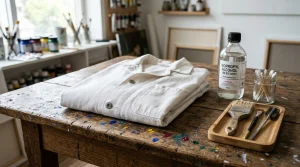
When selecting fabric, most cottons, canvas, and synthetic fibers respond well to acrylics. The key is to ensure that the fabric is clean and free from any finishes that could inhibit paint adherence. Pre-washing the fabric is often recommended to remove any sizing or treatments. Once prepared, you can achieve different effects with acrylics, including painting, spraying, or even stenciling designs onto the fabric.
To enhance the longevity of acrylic-painted projects, it’s essential to set the paint properly. This can involve heat-setting it with an iron or following specific instructions provided by the paint manufacturer. Properly cured acrylic paint can withstand washing and regular use, although it’s best to wash items in cold water to maintain the quality of your work. Experimenting with different techniques and combining colors can lead to beautiful, unique results that really make your fabric creations stand out.
In summary, acrylic paint can be a fantastic medium for fabric arts when approached with proper preparation and care. By following the right techniques and ensuring you select compatible materials, you can unlock endless creative possibilities.
Understanding the Compatibility of Acrylic Paint and Fabric

Using acrylic paint on fabric is an exciting way to elevate your DIY projects, allowing for a wealth of creative expressions. To make the most of this vibrant medium, it’s essential to understand how its unique properties interact with various types of fabric. Acrylic paint, renowned for its quick drying time and rich, opaque colors, adheres well to many textiles, but factors like fabric type and preparation methods are vital for achieving optimal results.
When considering which fabrics are compatible with acrylic paint, it’s important to look for those with a tighter weave and absorbent nature. Cotton, canvas, and linen are excellent choices, as they not only hold the paint well but also provide a smooth surface for detailed work. Synthetic fabrics like polyester can also be painted, but it may require additional prepping, such as using specialized fabric paints or adding a textile medium to improve adhesion and flexibility. Before starting your project, always ensure the fabric is pre-washed to remove any finishes that might hinder paint adherence and to help improve the bond between the paint and the fabric fibers.
Another crucial aspect of compatibility involves the texture and weight of the fabric. Heavier materials can support multiple layers of paint, while lighter fabrics might require more delicate techniques to prevent bleeding or warping. Different methods of application-such as pouncing, brushing, or stenciling-can yield different results as well, allowing for various creative expressions while painting. Remember that understanding the fabric’s characteristics can guide your approach, from the type of paint you choose to the application techniques you employ.
In sum, the compatibility of acrylic paint with fabric hinges on selecting the right materials and preparing them thoroughly. By doing so, you ensure that your artistic vision comes to life beautifully, whether you’re personalizing a t-shirt, designing throw pillows, or crafting unique fabric art pieces. Embrace the possibilities that come from blending colors and techniques, and enjoy the process of transforming ordinary textiles into extraordinary creations!
Preparing Your Fabric for Acrylic Painting Success
To ensure that your fabric projects turn out beautifully when using acrylic paint, preparation is key. A well-prepped surface not only allows the paint to adhere better but also enhances the vibrancy and longevity of your designs. Start by selecting the correct fabric; natural fibers like cotton, linen, and canvas are ideal because their absorbent nature helps the acrylic paint bond more effectively. It is crucial to pre-wash your fabric to remove any residual finishes or sizing that manufacturers often apply. This step will help eliminate barriers that could prevent the paint from adhering properly.
After washing, thoroughly dry your fabric and iron it if necessary to remove any wrinkles. This creates a smooth and even painting surface, making it easier to achieve clean lines and sharp designs. If you’re dealing with synthetic fabrics, consider adding a textile medium to your acrylic paint. This will improve flexibility and ensure better adhesion, minimizing cracking and peeling as the fabric moves.
Before you actually start painting, consider applying a primer or base layer if you’re working on a particularly dark or glossy fabric. A light spray of gesso can create a matte surface for the paint to cling to. This is especially useful for lighter colors on darker fabrics, as it enhances color brightness and prevents the need for excessive layers.
Lastly, ensure your workspace is adequately protected. Lay down a drop cloth or old newspapers to catch any spills or leaks, and consider using painter’s tape to outline areas for more precise designs. With your fabric properly prepped, you’ll set yourself up for painting success, allowing your creative ideas to flourish without the worry of unwanted surprises during the process.
Essential Techniques for Applying Acrylic Paint to Fabric
The magic of transforming fabric into a canvas for creative expression is just a brushstroke away when using acrylic paint. This versatile medium offers vibrant colors and a range of finishes that can breathe new life into old textiles. However, applying acrylic paint to fabric requires some specific techniques to ensure that your artistry is not only beautiful but also durable. Knowing these methods can lead you to create stunning, long-lasting fabric pieces.
One essential technique is the use of layering. Start with a base coat in a light color to help your subsequent layers stand out. Allow each layer to dry completely before adding the next to avoid muddling your colors. You can achieve depth and interest by building up layers gradually, which can also create a unique texture on the fabric. Additionally, consider using different brushes or tools, such as sponges or stencils, to introduce various patterns and effects. Applying a dry brush technique can add a painterly feel and allows the fabric’s texture to show through.
Another technique to master is the application of the paint itself. Use gentle dabbing motions rather than sweeping strokes, particularly on more absorbent fabrics like cotton. This helps the paint to settle into the fibers without over-saturating. For larger areas, a flat brush can help you cover more space efficiently, while fine brushes work best for intricate details. If you’re looking to create crisp lines or defined edges, painter’s tape can be your best friend; simply tape down sections of your fabric and paint within the confines for a clean look.
It’s also crucial to keep in mind the temperature and drying times. Acrylic paints dry quickly, which can be both an advantage and a challenge. Working in small sections and applying a base coat followed by additional layers while still wet can help blend colors smoothly. If you’re working on multiple pieces, consider setting up a drying rack where painted items can rest undisturbed, ensuring a smooth finish without accidental smudges. By employing these techniques, you not only enhance the visual appeal of your fabric projects but also expand your creative boundaries.
Choosing the Right Acrylic Paint for Your Fabric Project

When embarking on a fabric painting project, selecting the right acrylic paint can make all the difference in the quality and durability of your artwork. Not all acrylic paints are created equal, especially when it comes to their compatibility with various fabric types. A crucial aspect to consider is the paint’s formulation; look for acrylic paints specifically designed for fabric to ensure they adhere well and withstand washing. These specialty paints typically contain additives that enhance flexibility and durability, enabling your designs to resist fading and cracking over time.
For beginners, a good starting point is to choose paints labeled as “fabric acrylics.” These are formulated to penetrate fabric fibers effectively while maintaining a soft feel, so your creations won’t be stiff or uncomfortable to wear. Brands like FolkArt, DecoArt, and Tulip offer a range of fabric acrylics in various colors and finishes, including matte, satin, and gloss. Additionally, ensure that the paint is non-toxic and water-based, which will make clean-up easier and make it safer for projects involving children.
When evaluating the color options available, consider both the opacity and vibrancy of the paints. Opaque acrylics will usually provide better coverage on darker fabrics, while transparent or semi-transparent paints can be used to create layering effects. If you’re planning on blending colors, investing in a set of primary and secondary colors will allow greater flexibility in your palette.
Lastly, consider the tools you’ll be using for your project. If you’re working with stencils or finer details, look for paints that are smooth and can be easily blended or washed onto your fabric surface. Some acrylic paints can become tacky or thick, so it might be helpful to test the paint’s consistency with your brushes or applicators prior to starting your main project, ensuring that the paint flows smoothly and evenly across the fabric. By making informed choices about the right acrylic paints, you can elevate your fabric painting projects and produce stunning pieces that stand the test of time.
How to Set and Seal Acrylic Paint on Fabric

To ensure your acrylic-painted fabric maintains its vibrancy and integrity over time, it’s crucial to set and seal the paint properly. This not only enhances the longevity of your artwork but also makes it more functional-especially if the fabric will be washed or subject to wear. The process can be straightforward and requires a few simple steps that can dramatically improve the outcome of your projects.
Begin by allowing the paint to dry completely. Depending on the thickness of the application and the type of acrylic paint used, this could take several hours. Once dry, there are two main methods for setting and sealing the paint: heat setting and using a fabric medium.
Heat Setting
Heat setting is a popular technique, especially for fabrics that can withstand higher temperatures. Here’s how to do it:
- Preheat: Set your iron to the appropriate heat setting for the fabric (generally high for cotton but low for delicate fabrics).
- Cover: Place a thin cloth or parchment paper over the painted area to protect it from direct heat.
- Press: Apply the iron with firm pressure for about 30 seconds to a minute, making sure to move it around to avoid scorching any one spot.
- Cool Down: Allow the fabric to cool before handling to ensure the paint has set properly.
Using Fabric Medium
If you prefer a softer hand to your fabric without the potential stiffness that can accompany heat setting, mixing a fabric medium with your acrylic paint is ideal. This method defines the paint’s viscosity while making it more durable. Here’s how to use it:
- Mix: Combine equal parts acrylic paint and fabric medium in a container. The medium will enhance flexibility and adhesion.
- Apply: Use brushes or sponges to paint your fabric as usual.
- Dry & Cure: Let it dry completely, usually for 24 hours, then follow up with heat setting as described above.
Once your paint is set, consider applying a fabric sealer for added protection-especially if the fabric will undergo frequent washing. Look for spray sealers that are designed for textiles, which will provide a transparent barrier without changing the texture of your artwork.
By taking these steps to properly set and seal your acrylic paint, you’ll be well on your way to enjoying fabric art that not only looks great but stands the test of time. Remember to always read the labels of your specific paint and fabric medium for any additional setting instructions or recommendations.
Creative Ideas: What Can You Make with Acrylic-Painted Fabric?
When it comes to acrylic-painted fabric, the possibilities for creativity are virtually limitless. Whether you’re a seasoned artist or a budding DIY enthusiast, transforming everyday fabric into vibrant works of art can be both fulfilling and fun. Using acrylic paint on fabric allows you to personalize items uniquely, turning simple plain textiles into eye-catching creations that showcase your style.
One exciting way to utilize acrylic paint on fabric is through custom clothing designs. Consider painting your own t-shirts, denim jackets, or even canvas shoes with intricate designs or bold patterns. You can create unique pieces that reflect your personality, or even design matching outfits for special occasions. Above all, the beauty of painted clothing is that you can constantly change the design as your tastes evolve, allowing for a truly bespoke wardrobe.
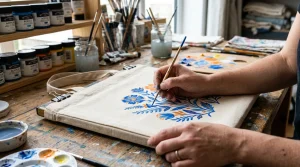
Home decor is another avenue where acrylic-painted fabric shines. You can enhance your living space by creating custom throw pillows, table runners, or curtains. Picture a set of vibrant pillows adorned with botanical patterns or geometric shapes that echo your decor theme. For a rustic touch, try stenciling nature-inspired motifs onto cushions or table linens. The contrast of your acrylic designs against the fabric can elevate any room, creating a warm and inviting atmosphere.
Don’t forget about accessories! Acrylic paints can be used on various fabric items to create one-of-a-kind bags, hats, or even fabric jewelry. By experimenting with different techniques like splattering, stamping, or layering, you can produce eye-catching accessories that stand out. For instance, painting an embroidered tote bag with colorful shapes might turn an ordinary item into a conversation starter.
Lastly, get the kids involved to create heartfelt gifts. Handmade fabric art projects, such as painted handkerchiefs or tablecloths, allow children to express their creativity and offer personalized presents for family members. Involving the little ones not only fosters their artistic talents but also creates beautiful memories that will last a lifetime. With these exciting ideas, you’re well on your way to channeling your creativity into the world of acrylic-painted fabric!
Common Mistakes to Avoid When Painting Fabric with Acrylics
When diving into the vibrant world of acrylic painting on fabric, it’s easy to get swept up in creativity and overlook some common pitfalls that can lead to disappointing results. By being aware of these mistakes, you can enhance your artistic journey and ensure a more satisfying outcome for your projects. For instance, one prevalent error is neglecting to pre-wash your fabric. Skipping this crucial step means that any treatments or sizing on the fabric can interfere with paint adherence. Always wash and completely dry your fabric before applying any paint to ensure a smooth and even application.
In addition, using the wrong type of acrylic paint can hinder your efforts. Not all acrylic paints are made equal; fabric-specific acrylics are formulated to remain flexible and durable after drying. Regular acrylics can become brittle, leading to cracking or peeling over time, especially in areas that are frequently stretched or moved. Therefore, investing in high-quality, fabric-based acrylics can make a significant difference in the longevity of your work.
Another common mistake is failing to properly set your paint once the project is complete. Many artists underestimate the importance of sealing their acrylic-painted fabric. Without heat-setting or applying a fabric medium, your design may not withstand washing or cleaning. To ensure your creations last, follow the manufacturer’s instructions for setting, whether it involves ironing, baking, or a specific wash cycle.
Lastly, consider the importance of technique when applying paint. Many mistakes arise from either overloading the brush and creating drips or not layering colors properly. Develop your skills by practicing techniques such as dry brushing or stippling. These methods not only enhance texture but also allow for more depth and a professional finish to your designs. Embrace these tips, and let your creativity shine without the frustration of avoidable mistakes in your acrylic fabric painting journey!
Caring for Acrylic-Painted Fabric: Tips and Tricks
To extend the life of your acrylic-painted fabric creations, proper care is essential. With the right techniques, you can ensure your designs remain vibrant and intact for years to come. Interestingly, acrylic paint, once dry, forms a plastic-like coating that can be surprisingly durable, but it still requires mindful maintenance to withstand wear and tear during use, especially if your fabric will be subjected to frequent washing or outdoor exposure.
When it comes to washing acrylic-painted fabrics, always opt for gentle methods to protect your artwork. Hand washing is preferred, using cold water and a mild detergent to avoid harsh chemicals that could degrade the paint. If machine washing is necessary, place the item inside a mesh laundry bag on a delicate cycle, ensuring a cold water setting. Additionally, avoid fabric softeners, as they can leave residue on the painted surface, potentially affecting the appearance and durability of your work.
Drying and Ironing Considerations
After cleaning, drying your acrylic-painted fabric properly is crucial. Air drying is the safest method, allowing the fabric to maintain its shape and preventing colors from bleeding. If you must use a dryer, select a low-heat setting. When it comes to ironing, turn the fabric inside out to protect the design, and use a low heat setting without steam, unless the manufacturer’s instructions specify otherwise. Steam can penetrate the dried paint, causing it to lift or warp.
Storage Tips
To keep your acrylic-painted fabric looking its best when not in use, proper storage is vital. Always store your creations in a cool, dry place away from direct sunlight, which can fade colors over time. If the item is a garment or flag, hanging it can prevent creases and wear from folding. For smaller items like bags or pillowcases, consider using acid-free tissue paper to surround your designs before placing them in storage. This prevents paint from sticking to other surfaces and diminishes the risk of scuffs and scratches.
Touch-Up Techniques
Over time, you may notice some wear on your painted fabric. Having a few acrylic paint touch-up kits handy can be invaluable. Mixing a small amount of the original paint can allow you to easily refresh areas that have faded or chipped. Always test your touch-up on a small, inconspicuous area first to ensure color matching and compatibility with any underlying fabric.
With these simple yet effective tips, you can ensure that your acrylic-painted fabric items not only look astonishing but also stand the test of time, allowing you to enjoy your creative endeavors for many seasons to come.
Advanced Techniques: Layering and Stenciling with Acrylics
Layering and stenciling with acrylics is an exciting way to add depth and intricacy to your fabric creations. These techniques not only enhance visual interest but also allow you to express your creativity while taking advantage of the unique properties of acrylic paint. Whether you’re a beginner or a seasoned artist, mastering these methods can significantly elevate your projects.
To begin with layering, it’s essential to understand the importance of letting each layer dry completely before applying the next. This not only prevents colors from muddying but also builds a beautiful, rich texture. Start with a base layer, which could be a solid color or a light wash. Once dry, you can overlay additional colors, using varying degrees of transparency by diluting your acrylic paint with water or a fabric medium. This technique creates stunning effects, resembling watercolors, or allows for stronger colors to pop against lighter backgrounds. Experiment with different brushes and sponges to see how they affect the final look.
Stenciling provides a way to achieve precise and repeatable designs on fabric. Begin by selecting or designing your stencil on stencil paper or using pre-made options available in craft stores. Secure the stencil onto your fabric with masking tape to prevent it from shifting. When applying your acrylic paint, use a stippling method with a sponge or a stencil brush, dabbing rather than brushing. This technique ensures that the paint does not seep under the edges of the stencil. After lifting the stencil, allow the paint to dry thoroughly to prevent smudging and to maintain the crisp edges of your design.
Incorporating both layering and stenciling into your acrylic painting process opens up a world of creative possibilities. From designing unique home decor items to customizing clothing, these techniques can transform ordinary fabric into eye-catching masterpieces. Embrace the opportunity to experiment with colors, patterns, and textures, and don’t hesitate to mix techniques for even more dynamic results. With practice, you’ll find a distinctive style that showcases your artistic vision while making the most of the versatile nature of acrylics on fabric.
Alternative Methods: Other Paints for Fabric Art
When exploring options for painting fabric, it’s essential to consider alternatives to acrylic paint that may suit your project requirements. While acrylics are a popular choice due to their versatility and vibrant colors, there are various other fabric paints that can yield stunning results. Each type has its unique properties and applications, making them suitable for different fabric art projects.
One notable alternative is fabric paint, specifically formulated for use on textiles. This paint typically contains a blend of pigments and binders that adhere well to fabric fibers. Unlike standard acrylic paint, fabric paint is designed to be softer and more flexible, which is crucial for garments that require the material to remain soft and wearable. Fabric paint can also be found in a variety of finishes, including matte, gloss, and metallic, allowing for creative expression. When selecting fabric paint, opt for brands that specify washability and durability, ensuring your designs last through multiple washes.
Another option is dye, which offers a different approach to color application. Dyes penetrate the fabric fibers, resulting in a more permanent and often more vibrant color than paint. This method is particularly effective for large areas or for creating gradient effects. Dyes like Procion MX or Rit Dye can be particularly effective on cotton, linen, and other natural fibers. When using dyes, be mindful of the type of fabric and follow the instructions for preparation and setting.
For those looking for a more playful approach, screen printing inks can be a fantastic alternative. These inks are designed for printing designs onto fabric and can result in bold colors and precise patterns. Using screen printing tools, artists can create custom stencils and print multi-layered designs. Additionally, many screen printing inks are made with water-based formulations, making them less toxic and more environmentally friendly than traditional oil-based inks.
Lastly, consider puffy paint, which adds a three-dimensional effect to fabric art. This paint expands when heat is applied, creating a raised texture that can add an exciting dimension to your designs. Puffy paint is perfect for embellishments or creating tactile elements in your projects, especially for children’s clothing or theme apparel.
In summary, while acrylic paint is a popular choice for fabric art, several alternatives exist that can enhance your creative projects. Whether you prefer the softness of fabric paints, the vibrancy of dyes, the precision of screen printing inks, or the texture of puffy paint, there is a suitable option for every artistic vision. Embrace these alternatives to expand your fabric painting repertoire and discover new techniques that can elevate your creations.
Exploring Fabric Types: What Works Best with Acrylic Paint
When it comes to painting fabric, not all materials interact with acrylic paint in the same way. Choosing the right fabric can significantly impact the durability and appearance of your final project. Certain fabrics will absorb the paint better and provide a more vibrant finish, while others may require additional preparation or may not hold the paint as successfully.
Best Fabrics for Acrylic Painting
- Cotton: This is perhaps the most versatile and popular choice for acrylic painting. Cotton’s natural fibers absorb paint well, allowing for a rich color payoff. You can easily find it in various forms, from canvas to t-shirts, making it an ideal surface for both beginners and seasoned artists.
- Linen: Another excellent option is linen, which has a bit more texture compared to cotton. Its absorbency makes it suitable for absorbing acrylic paint while allowing for fine detail work. Linen is often used for more upscale projects, such as home décor items or bespoke clothing.
- Polyester: While polyester can be challenging because it is synthetic, using fabric that has a cotton-polyester blend can yield good results. You may need to prep the surface with fabric medium or gesso to help the paint adhere better and to prevent peeling.
- Denim: For those aiming to personalize their jeans or jackets, denim works wonderfully with acrylics. Its sturdy texture holds paint effectively. However, it’s advised to apply a fabric medium to ensure flexibility and durability, especially when the item will be worn.
- Canvas: This is another go-to option for artists. Stretched canvas boards or fabric provide a solid foundation that supports fine and bold strokes alike. Acrylic paint on canvas dries quickly and is perfect for detailed artwork.
Fabrics to Avoid
- Silk
- Rayon: Similar to silk, rayon may not hold the paint consistently, which could diminish your finished artistic vision.
- Stretchy Fabrics: Materials like spandex or other highly elastic textiles can cause the paint to crack over time as the fabric stretches and moves.
To achieve the best results when using acrylic paint, always conduct a patch test on a small piece of your fabric first. This will help you understand how the fabric reacts to the paint and what adjustments might be needed to ensure your artwork lasts. Remember, the texture and fiber content are crucial in achieving the desired vibrancy and longevity of your painted fabric project.
FAQ
Q: Can you wash fabric painted with acrylic paint?
A: Yes, you can wash acrylic-painted fabric, but it’s crucial to wait until the paint is fully cured. To maintain the artwork, hand wash in cold water and avoid harsh detergents. For more specific tips, check the “Caring for Acrylic-Painted Fabric” section of your article.
Q: What type of fabric is best for acrylic painting?
A: Natural fabrics like cotton and linen work best with acrylic paint, as they absorb the paint effectively and allow for better adhesion. Synthetic fabrics can be used, but they may require special preparation. Learn more in the “Exploring Fabric Types” section of the article.
Q: How can I decrease the smell of acrylic paint on fabric?
A: To minimize odor, use acrylic paints labeled as low-odor or water-based. Proper ventilation during painting and curing is also essential. Once the paint is dry, washing the fabric can further reduce any lingering smells.
Q: Can acrylic paint become stiff on fabric?
A: Yes, acrylic paint can stiffen fabric once dry. To maintain flexibility, mix fabric medium with the paint before applying. This will help preserve the softness of the fabric. For more techniques, refer to the “Essential Techniques” section.
Q: How long does it take for acrylic paint to dry on fabric?
A: Acrylic paint typically dries to the touch within 30 minutes to an hour on fabric but may take longer to fully cure. It’s advisable to wait at least 24 hours before washing or using the painted fabric. Further drying tips are available in “How to Set and Seal Acrylic Paint on Fabric.”
Q: Can you mix different brands of acrylic paint on fabric?
A: Yes, you can mix different brands of acrylic paints. However, ensure they have similar bases (like all being water-based) for compatibility. Testing a small area first is always a good practice.
Q: Do I need to use a special brush for acrylic paint on fabric?
A: While no special brushes are required, using synthetic brushes designed for acrylics can yield better results. They can handle the thickness of the paint and provide a smoother application. Explore more tools in the “Essential Techniques” section of the article.
Q: What happens if I accidentally overheat acrylic paint while setting it on fabric?
A: Overheating can cause the paint to melt or distort, leading to ruined designs. Always follow the recommended heat-setting instructions, typically using a low-temperature setting for a brief period. More on setting techniques can be found in your article.
To Conclude
Now that you’ve discovered the best techniques for using acrylic paint on fabric, it’s time to unleash your creativity and bring your artistic visions to life! Remember, the key to success lies in preparation and the right application methods. Don’t hesitate to experiment with different fabrics and finishes to find what works best for you.
For more tips on caring for your unique creations, check out our articles on fabric painting techniques and tips for fabric care. Want to share your own projects or ask questions? We encourage you to leave a comment below! Your feedback not only enhances our community but also helps fellow artists embark on their creative journeys.
If you’re eager to dive deeper into the world of arts and crafts, sign up for our newsletter for exclusive content and updates. Don’t miss out on the chance to elevate your crafting skills-start creating stunning fabric art today!
Expert Guide & Insights: Can You Paint Clothes With Acrylic Paint
When exploring can you paint clothes with acrylic paint, consumers, collectors, and fashion enthusiasts frequently encounter conflicting advice regarding material composition, wearability, authenticity verification, and long-term maintenance. In this specialized guide section, we provide an expert breakdown of key considerations, care recommendations, and practical solutions.
| Key Consideration | Primary Mechanism / Feature | Recommended Action | Value / Durability Impact |
|---|---|---|---|
| Material Integrity & Alloys | Purity standards (925 silver, 14k/18k gold, titanium, acrylic polymers) | Check official hallmark stamps and certificates before purchase | ★★★★★ High durability & heirloom retention |
| Daily Wear & Environmental Factors | Exposure to moisture, sulfur, sweat, perfume, and abrasive friction | Remove accessories before swimming, heavy workouts, or applying cosmetics | ★★★★☆ Prevents tarnish, chipping, and fading |
| Long-Term Storage & Cleaning | Atmospheric oxidation and chemical exposure over time | Store in airtight zip pouches with silica desiccant; polish with soft cloth | ★★★★★ Restores original mirror luster |
Frequently Asked Questions: Can You Paint Clothes With Acrylic Paint
What should I know about can you paint clothes with acrylic paint?
Detailed examination reveals that addressing can you paint clothes with acrylic paint depends on proper handling, choosing hypoallergenic materials, and adhering to routine cleaning protocols.
How can I preserve the quality and appearance of my pieces?
Always store items individually to prevent scratch contact, avoid harsh chemical detergents or chlorine pools, and use specialized polishing cloths designed for precious metals and acrylics.
Get our latest guides, news, and insights highlighted in your Google Search & AI Overviews.