Many people love wearing earrings as part of their everyday style, but have you ever wondered if it’s safe to sleep with them in? While it may seem convenient to keep your earrings on, sleeping with them can lead to discomfort, irritation, or even injury. Understanding the safety facts behind this common practice is essential for protecting your ears and ensuring the longevity of your favorite pieces. In this article, we’ll explore the potential risks and benefits of wearing earrings while you sleep, helping you make informed decisions about your jewelry routine. So, let’s dive into the safety considerations and expert tips that can empower you to enjoy your earrings-day and night!
Can You Sleep with Earrings In? Understanding the Risks and Benefits
It’s a common question for many jewelry lovers: is it safe to sleep with earrings in? While some people feel comfortable keeping their earrings on overnight, others may experience discomfort or face potential health risks. Understanding the balance between personal preference and practical safety is crucial.
Sleeping with earrings offers the convenience of preserving your look, especially if you have sensitive ears that may react to the frequent removal and re-insertion of jewelry. However, it’s essential to consider the type of earrings you wear. Lightweight studs are generally safer for overnight wear compared to heavier hoops or dangling earrings, which can become snagged or cause irritation. Additionally, sterilized materials like surgical steel, titanium, or gold can help minimize the risk of allergic reactions and infection.
On the flip side, potential downsides accompany this habit. Keeping earrings in while sleeping can lead to discomfort and even infections, particularly if they are not properly maintained. If earrings are not cleaned regularly, bacteria can accumulate, increasing the chance of irritation or an allergic response. Moreover, if you toss and turn during sleep, the pressure on your earrings might lead to pain or damage to the earlobes. Therefore, if you choose to sleep with earrings, opting for sleep-friendly designs and focusing on proper care is vital.
Ultimately, weighing the benefits and risks of sleeping with earrings will help you make informed choices that align with your lifestyle and comfort preferences.
The Safety of Sleeping with Earrings: What You Should Know
Sleeping with earrings can certainly enhance your style, but it raises important considerations about safety and comfort. While some individuals enjoy the convenience of not needing to remove their jewelry before bed, understanding the factors involved in this decision is essential for avoiding discomfort and potential health issues.
Choosing the right type of earrings is key to ensuring a safe and restful sleep. Lightweight studs, often made of hypoallergenic materials like titanium or surgical steel, are generally recommended for overnight wear. These materials not only minimize allergic reactions but also reduce the risk of irritation. Heavy or dangling earrings, however, can snag on pillowcases or get caught in hair, leading to painful losses or even damage to the earlobes. Thus, selecting earrings designed for comfort during sleep-like flatbacks-can make a significant difference.
In addition to choosing the right jewelry, maintaining cleanliness is crucial. Regular cleaning of earrings can help eliminate bacteria that accumulate from perspiration, hair products, or other debris. Simply soaking earrings in a mild detergent solution followed by a thorough rinse can keep them in good condition and reduce the likelihood of infection or irritation. Consider setting a consistent schedule for cleaning, perhaps once a week, to maintain your earrings in optimal shape.
Ultimately, prioritizing comfort and hygiene can help you enjoy the aesthetic benefits of earrings while minimizing risks. If you have sensitive ears or any concerns about sleeping with jewelry, consulting with a healthcare professional or a jeweler can provide tailored advice for your situation. By paying attention to these details, you can rest easy knowing you’re making informed choices about your earrings.
Types of Earrings: Which Are Safe for Sleeping?
Choosing the right type of earrings for overnight wear can significantly enhance your comfort while minimizing risks. Lightweight studs are often the go-to choice for those who prefer to keep their earrings in while sleeping. Made from hypoallergenic materials such as titanium, surgical steel, or gold, these earrings reduce the chances of allergic reactions and skin irritation. Their small size and low profile mean they are unlikely to snag on pillowcases or hair, which can lead to discomfort or even earlobe damage.
Best Types of Earrings for Sleeping
When selecting earrings to wear overnight, consider the following options:
- Flatback Studs: These earrings are designed to lie flat against the earlobe, making them ideal for sleeping. They come in various materials, including surgical steel and titanium, and are less likely to irritate your skin.
- Sleeper Earrings: Often made for extended wear, sleeper earrings usually feature a lightweight hoop or an easily compressible design that prevents pulling on the earlobe. They are comfortable enough to wear overnight without incident.
- Small Hoops: If you prefer a little more style, small hoops can work as long as they are lightweight. Opt for simple designs that won’t dangle significantly, reducing the risk of tangles or pulls.
Avoid wearing heavy or dangling earrings during sleep. These types can shift, become tangled in hair, or even catch on your bedding, leading to unintended discomfort. Remember, comfort should always be your priority when it comes to overnight jewelry choices, so choose pieces that you can wear with confidence and ease. This thoughtful selection not only helps maintain your style but also ensures that you wake up free from irritation or injury.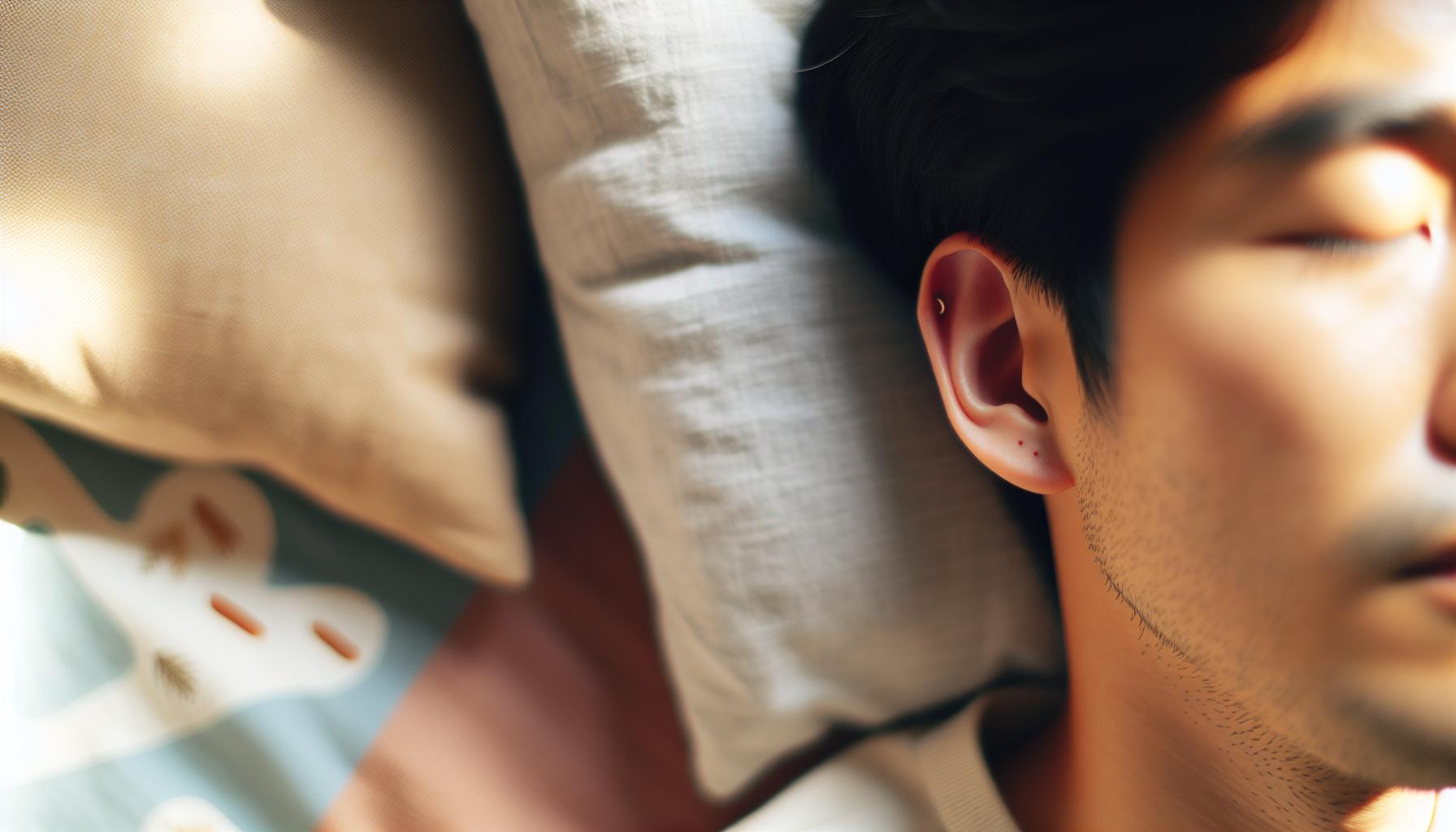
Potential Risks of Sleeping with Earrings: Infections and Discomfort
Sleeping with earrings can present certain risks, particularly concerning infections and discomfort. The risk of infections primarily arises from wearing earrings that could irritate the skin or those that harbor bacteria. When earrings, especially those made from non-hypoallergenic materials, are worn for prolonged periods, they can trap sweat and dirt in and around the piercing site, creating an ideal environment for bacteria to thrive. This is notably risky for fresh or sensitive piercings; even mature piercings can react negatively to prolonged exposure to contaminants.
In addition to the risk of infection, discomfort is another concern that arises from sleeping with earrings. As you move during sleep, earrings can shift or pull on the lobes, leading to irritation or, in some instances, pain. Heavy or dangling earrings are particularly problematic, as they can snag on bedding or hair, escalating the risk of injury. It’s essential to realize that what is comfortable during the day may not translate into a good night’s sleep; even lightweight earrings can become bothersome if they catch on your pillowcase or shift uncomfortably.
To mitigate these risks, consider sticking to earrings specifically designed for overnight wear, such as flatback studs or sleepers. These designs minimize protrusion and movement, significantly reducing the potential for irritation. It’s also advisable to maintain a regular cleaning routine for your earrings, using mild soap or antiseptic wipes to prevent any buildup of bacteria. Keeping your piercing clean and choosing the right earring style can help you enjoy both the aesthetic appeal of your jewelry and the peace of mind that comes with protecting your health while you sleep.
Expert Recommendations: When to Take Earrings Out
Sleeping with earrings might seem convenient, but knowing when to take them out is crucial for maintaining both comfort and health. Experts suggest that anyone with new piercings should avoid sleeping with jewelry for at least the first six weeks. During this healing period, the susceptibility to infections is higher, and earrings can inadvertently irritate the delicate tissue around the piercing. Once the piercings are fully healed, switching to more comfortable options may still be a good practice.
For everyday wear, opt for earrings that are easy to remove before bed. If you notice any signs of irritation, such as redness, swelling, or discomfort, it’s a clear signal to take them out. Additionally, when transitioning from day to night, consider the type of activities you engaged in. For instance, if you had a particularly active day, it’s wise to remove earrings that may have been subject to more pressure or friction.
Choosing the right time to remove earrings also depends on personal preference and sensitivity. Some people may find that a specific style or material causes irritation over prolonged wear. Assess your comfort level and make it a habit to remove earrings before sleeping to ensure that your piercing remains healthy and irritation-free. In short, being proactive about when to take out your earrings can enhance your sleep quality while protecting your jewelry investment and piercing health.
How to Care for Earrings While Sleeping
Taking care of your earrings while you sleep can significantly enhance your wearing experience and longevity of your jewelry. Many people wonder if it’s safe to wear earrings overnight, and while some styles are designed for comfort and security, there are essential practices you should adopt to maintain their condition and ensure your ear health.
One of the best ways to care for earrings while you sleep is to choose the right type. Opt for lightweight, hypoallergenic materials such as surgical stainless steel, titanium, or gold that reduce the risk of irritation and discomfort during the night. Additionally, consider styles like small hoop earrings or huggies, which are less likely to snag on your pillow or cause pressure points while sleeping. If you prefer to keep your earrings in overnight, ensure they are well-fitted to prevent any movement that could lead to discomfort or potential damage.
When you inevitably take your earrings out, it’s crucial to clean them properly before bedtime. Gently wash them with mild soap and warm water, and dry them thoroughly with a soft cloth. This simple routine helps to avoid the buildup of dirt and oils, which can cause tarnishing and irritation. Furthermore, storing your earrings in a dedicated jewelry box or a soft pouch when not in use will help protect them from environmental factors and potential damage.
Adopting a mindful bedtime routine that incorporates earring care can lead to healthier piercings and prolong the life of your jewelry. If you notice any signs of irritation, such as redness or swelling, promptly taking your earrings out and allowing your ears to rest is vital. Always listen to your body-if discomfort occurs, taking a break from earrings is the best approach to ensuring your piercings remain healthy and irritation-free.
Alternatives to Sleeping with Earrings In: Options to Consider
Opting for alternatives to sleeping with earrings in not only prioritizes ear health but also enhances your overall comfort and peace of mind during the night. It’s a common concern whether the jewelry we cherish could become a nuisance while we sleep. Fortunately, various options exist that cater to both style and comfort, allowing you to express your individuality without compromising your well-being.
One effective alternative is to switch to sleeping-specific earrings. These are typically designed with soft materials and lower profiles to minimize the risk of snagging or irritation. Styles such as sleeping earrings or earlobe protectors are specifically engineered to be lightweight and comfortable, often made from hypoallergenic materials that prevent allergic reactions. For instance, silicone or foam earrings provide a comfortable cushion, making them an excellent choice for those sensitive to metals.
If you prefer to keep your ears bare at night, consider investing in clip-on earrings for occasional use. These allow you to enjoy the look of earrings without the need for piercings, offering a stress-free alternative for sleep. Additionally, ear cuffs or ear wraps can provide a stylish touch without the risk of irritation commonly associated with traditional earrings, especially if they sit higher on the ear and avoid direct contact with the lobe.
However, if you still desire some embellishment without the traditional earring, hair accessories like clips or headbands can offer flair while eliminating the need for earrings entirely. They can add a touch of style while you sleep, making for a practical and trendy choice.
In conclusion, exploring alternatives to sleeping with earrings opens up a world of creative options. By focusing on comfort, hypoallergenic materials, and low-profile styles, you can enjoy a good night’s sleep while ensuring your jewelry collection remains intact and your ears stay healthy. Consider your lifestyle and preferences, and make choices that align with your needs, allowing your personal style to shine even as you rest.
The Best Practices for Choosing Sleep-Friendly Jewelry
Choosing jewelry that allows for restful sleep while ensuring your comfort and safety is essential for anyone who enjoys wearing earrings. When selecting sleep-friendly options, consider materials, design, and fit. Carefully chosen jewelry can prevent discomfort and reduce the risk of skin irritation or infections that may occur from wearing earrings overnight.
First and foremost, material matters. Opt for hypoallergenic materials such as surgical stainless steel, titanium, or resin, which are less likely to cause allergic reactions. These materials are also generally more lightweight, making them ideal for sleep. Avoid heavier metals and items that may contain nickel or other irritating substances. Look for earrings specifically marketed as sleep-friendly, as these are often designed to reduce discomfort.
Next, think about the design of the earrings. Choose styles that are low-profile and smooth, such as small studs or soft sleep earrings made from silicone or foam. These designs minimize the risk of snagging on pillows or bedding, which can lead to painful pulling or tearing. Additionally, consider earrings that have rounded edges rather than sharp or angular designs, which can be uncomfortable when lying down.
Lastly, ensure that the fit is secure yet comfortable. Earrings that are too tight can cause pressure on the earlobe, while those that are too loose may shift and fall out during sleep. Adjustable options or earrings with a secure backing can provide both comfort and safety while you rest.
In summary, selecting sleep-friendly jewelry involves paying attention to the materials, designs, and fit of the earrings. By prioritizing these factors, you can enjoy your jewelry without compromising your comfort and sleep quality. Remember, the right choice can turn your nightly routine into a stylish yet restful experience.
Common Myths About Sleeping with Earrings Exposed
Many people believe that sleeping with earrings can be a relaxing way to maintain their style overnight, but there are several misconceptions surrounding this practice. By separating fact from fiction, you can make informed choices about your jewelry that ensure both comfort and safety while you sleep.
One common myth is that wearing earrings to bed helps keep your piercings from closing up. While it’s essential to keep recently pierced ears adorned with jewelry to prevent closure, once your ears have fully healed, sleeping with earrings is not necessary. In fact, leaving them in may increase the risk of irritation or infection, especially if the earrings are not suitable for sleep.
Another misconception is that all earrings are safe for overnight wear. Many people might assume that any pair of studs or hoops is fine to sleep in, but this isn’t the case. Certain designs, especially those with sharp edges or larger ones, can cause discomfort or even injury during sleep. Opting for specifically designed sleep earrings, typically crafted from soft materials, minimizes these risks and allows for a peaceful night rest.
Lastly, there is a belief that any material will suffice when choosing earrings for sleep. Surprisingly, materials like nickel or non-hypoallergenic metals can lead to allergic reactions or irritations, especially when worn for extended periods, such as during sleep. Always select earrings made of hypoallergenic materials like surgical stainless steel, titanium, or silicone to ensure both comfort and skin safety throughout the night.
By debunking these myths, you can confidently choose the right earrings for bedtime, ensuring a pleasant and stylish night’s sleep without the worry of discomfort or adverse reactions.
How to Clean and Maintain Earrings for Sleep Safety
Keeping your earrings clean is essential for both comfort while sleeping and preventing potential infections. Just like any part of your jewelry collection, earrings need regular maintenance, especially when they’re worn for extended periods. This is particularly true for earrings worn overnight, as the combination of sweat, skin oils, and product buildup can create an inviting environment for bacteria.
- Regular Cleaning Routine: Make it a habit to clean your earrings at least once a week. Use a soft cloth to wipe them down after taking them off to remove any dirt or oils. For deeper cleaning, dip a soft toothbrush in a mixture of warm water and mild soap and gently scrub the earrings, focusing on tarnished areas or intricate designs.
- Disinfecting: Especially for earrings that you wear overnight, a quick disinfection is key. Create a solution of equal parts rubbing alcohol and water, and soak your earrings for a few minutes. This will help eliminate germs and bacteria that could lead to infections, particularly if your ears are sensitive.
- Drying and Storage: Always dry your earrings thoroughly before putting them back in. Moisture can lead to tarnishing, especially in metal pieces. After cleaning, store your earrings in a dry, cool place. Consider using a jewelry box lined with anti-tarnish cloth or individual compartments to keep them safe and organized.
### Avoiding Common Mistakes
One pitfall to avoid is using harsh chemicals that could damage or discolor your earrings. Stick to gentle soaps and avoid anything abrasive. Also, remember not to expose your earrings to excess moisture when you wash your face or take a shower, as this can compromise both their appearance and your ear health.
### Sensitivity Checks
If you notice redness or irritation around your ear piercings, it’s a sign that your earrings might need more frequent cleaning, or it could indicate a reaction to the material. Opting for hypoallergenic metals and ensuring they are properly cleaned can help mitigate these issues.
Utilizing these tips will not only keep your jewelry looking its best but also ensure that your pierced ears stay healthy and comfortable. By integrating simple cleaning habits into your routine, you can enjoy stylish earrings sleep after sleep without compromising on safety or hygiene.
Impact of Material on Sleep Comfort: What to Choose
Choosing the right materials for your earrings can significantly impact your comfort while sleeping. Not all metals and materials are created equal, and your choice can influence not just comfort, but also health and hygiene. For instance, lightweight materials like titanium and surgical stainless steel are often considered the best options for overnight wear. These materials are hypoallergenic, meaning they are less likely to cause skin irritation or allergic reactions, making them favorable choices for sensitive skin.
When considering earrings for sleep, it’s essential to think about the thickness and weight of the earrings. Heavier metals or large designs can cause discomfort, leading to pressure points on your ears as you move during the night. Opt for smaller, lightweight studs made from softer materials like gold or sterling silver that fit snugly without irritating your skin. Avoid earrings with sharp edges or intricate designs that could snag on bedding or hair.
For those concerned about potential infections, choosing earrings made from materials that resist tarnishing and corrosion, like surgical steel, is wise. These options aren’t just more comfortable; they also reduce the risk of accumulating bacteria that can thrive on tarnished metals or in the crevices of intricate designs. Moreover, decorative elements like beads or gems should be securely set to avoid falling out and creating hazards while sleeping.
Incorporating these considerations into your earring choices can help ensure a more restful night’s sleep. Remember to address both comfort and hygiene when selecting sleep-friendly jewelry, and you’ll keep your ears happy and healthy while enjoying your favorite styles.
Travel Tips: Sleeping with Earrings on Vacation
Traveling can bring both excitement and challenges, especially when it comes to maintaining your jewelry routine. If you’re considering sleeping with earrings while on vacation, there are a few key aspects to make your experience comfortable and worry-free. First and foremost, lightweight and hypoallergenic materials are essential. Opt for earrings made from titanium, surgical stainless steel, or gold, as these materials are less likely to irritate your ears during the night.
When packing for a trip, consider your sleeping arrangements-hotel beds may have different pillow dimensions than your home setup, potentially causing discomfort with larger or heavier earrings. Choose small, flat studs instead of dangling or bulky styles to prevent snagging on pillows or bedding. Regular travelers often find that stud earrings are not just simpler but also safer, as they are less likely to fall out or get tangled in hair while sleeping.
Another practical tip is to pack a small jewelry pouch or case specifically for your earrings. This can help keep them organized and protected from damage during your journey. It’s also wise to bring an alcohol wipe or any gentle cleaning solution in case your earrings require a quick clean after long hours of wear. Not only does this help maintain their shine, but it also prevents any potential buildup of bacteria while you sleep.
Lastly, stay mindful of your daily activities on vacation. If you plan to engage in activities such as swimming or hiking, consider removing your earrings before these experiences. Always prioritize comfort and health over fashion. Taking the appropriate precautions will enhance your travel experience while keeping your ears safe and stylish.
Frequently asked questions
Q: Can sleeping with earrings cause infection?
A: Yes, sleeping with earrings can lead to infections, especially if the earrings are made of non-hypoallergenic materials. To minimize risk, always choose earrings made of safe materials like surgical steel or titanium and ensure your ears are clean before inserting earrings. For more tips, check our section on “Potential Risks of Sleeping with Earrings.”
Q: What should I do if my ears hurt after sleeping with earrings?
A: If your ears hurt after sleeping with earrings, remove them immediately and clean the area with a gentle antiseptic. Monitor for signs of infection, such as swelling or discharge. For future bedtime comfort, explore our recommendations on “Types of Earrings: Which Are Safe for Sleeping?”
Q: How can I prevent discomfort while sleeping with earrings?
A: To prevent discomfort while sleeping with earrings, opt for lightweight and flat designs, like sleep-friendly studs. Avoid large or dangling earrings that can catch on bedding. For more insights, check our section on “The Best Practices for Choosing Sleep-Friendly Jewelry.”
Q: How often should I change my earrings?
A: It’s advisable to change earrings regularly to allow your earlobes to breathe and to prevent buildup of dirt or bacteria. If sleeping with earrings, consider changing them every few days and cleaning them. See our “How to Clean and Maintain Earrings for Sleep Safety” for guidance.
Q: Are there specific materials that are safest for sleeping with earrings?
A: Yes, materials such as surgical steel, platinum, and hypoallergenic materials are safest for sleeping with earrings. These help reduce irritation and allergic reactions. For a deeper understanding, refer to our section on “Impact of Material on Sleep Comfort.”
Q: Is it safe to wear hoop earrings while sleeping?
A: Wearing hoop earrings while sleeping can be risky as they may get caught on pillows or bedding, causing discomfort or injury. Opt for safer alternatives like flat-back studs. Read more about “Alternatives to Sleeping with Earrings In” for better options.
Q: Should I remove earrings if I have sensitive skin?
A: If you have sensitive skin, it’s best to remove earrings before sleeping to avoid irritation. Opt for hypoallergenic earrings and consult our expert recommendations for when to take earrings out. For additional care tips, visit our “Common Myths About Sleeping with Earrings Exposed.”
Q: Can I wear earrings while traveling and sleeping in different environments?
A: Yes, you can wear earrings while traveling, but choose lightweight, comfortable styles. Consider removing them during long flights or stays in unfamiliar places to prevent discomfort or loss. For travel-specific advice, refer to our section on “Travel Tips: Sleeping with Earrings on Vacation.”
Wrapping Up
Now that you have the essential facts on whether you can sleep with earrings in, it’s time to take action! Always prioritize your safety and comfort by choosing the right earrings for overnight wear, and remember to give your ears some rest when needed. If you’re eager to dive deeper into jewellery care, check out our guides on cleaning metals and gems or explore creative DIY tutorials for crafting your own stunning pieces.
Don’t forget to explore our resources on starting your own jewellery shop or mastering authentication methods to ensure you’re making informed choices. Join our newsletter for more tips and insights, and share your experiences in the comments below-your feedback might help someone else on their jewellery journey! Keep shining, and let us guide you in caring for and styling your beloved accessories with confidence.
Expert Guide & Insights: Sleeper Bead
When exploring sleeper bead, consumers, collectors, and fashion enthusiasts frequently encounter conflicting advice regarding material composition, wearability, authenticity verification, and long-term maintenance. In this specialized guide section, we provide an expert breakdown of key considerations, care recommendations, and practical solutions.
| Key Consideration | Primary Mechanism / Feature | Recommended Action | Value / Durability Impact |
|---|---|---|---|
| Material Integrity & Alloys | Purity standards (925 silver, 14k/18k gold, titanium, acrylic polymers) | Check official hallmark stamps and certificates before purchase | ★★★★★ High durability & heirloom retention |
| Daily Wear & Environmental Factors | Exposure to moisture, sulfur, sweat, perfume, and abrasive friction | Remove accessories before swimming, heavy workouts, or applying cosmetics | ★★★★☆ Prevents tarnish, chipping, and fading |
| Long-Term Storage & Cleaning | Atmospheric oxidation and chemical exposure over time | Store in airtight zip pouches with silica desiccant; polish with soft cloth | ★★★★★ Restores original mirror luster |
Frequently Asked Questions: Sleeper Bead
What should I know about sleeper bead?
Detailed examination reveals that addressing sleeper bead depends on proper handling, choosing hypoallergenic materials, and adhering to routine cleaning protocols.
How can I preserve the quality and appearance of my pieces?
Always store items individually to prevent scratch contact, avoid harsh chemical detergents or chlorine pools, and use specialized polishing cloths designed for precious metals and acrylics.
Get our latest guides, news, and insights highlighted in your Google Search & AI Overviews.