When it comes to jewellery, second-hand finds can be both enchanting and budget-friendly. Did you know that purchasing pre-loved pieces not only saves you money but also contributes to sustainable fashion? With the rise of unique vintage styles and the allure of hidden treasures, knowing where to buy second-hand jewellery is essential for savvy shoppers. Whether you’re searching for a timeless heirloom, a quirky statement piece, or just looking to expand your collection, exploring the right venues can make all the difference. From charming thrift stores to specialized vintage shops and online marketplaces, each option offers a unique adventure. Dive into the world of second-hand jewellery with us and discover the best places to uncover remarkable gems that resonate with your personal style and values. Let’s embark on this treasure hunt together!
Where to Buy Second Hand Jewellery: Top Trusted Retailers

Finding second-hand jewellery can be an exhilarating experience that leads to the discovery of unique pieces with character and history. However, knowing where to shop can make all the difference. Several trusted retailers have made their mark in the second-hand jewellery scene, offering both quality and authenticity. Whether you’re a seasoned collector or a curious newcomer, exploring these avenues can yield fantastic finds.
Online Retailers
Many online platforms specialize in pre-owned jewellery. Websites like The RealReal and Ruby Lane curate a wide range of vintage and designer pieces, ensuring that each item is authenticated. These retailers not only provide a transparent shopping experience but also often feature user reviews and detailed descriptions that give buyers confidence in their purchases.
Local Boutiques and Estate Shops
Local jewellery shops that focus on second-hand and vintage items are treasure troves waiting to be explored. Establishments like Jared’s Estate Jewelry or small-town antique shops often have knowledgeable staff who can share insights about the pieces. Additionally, checking out estate sales and liquidation auctions can provide access to one-of-a-kind items, often at a fraction of their original retail price.
Thrift and Charity Shops
Don’t overlook local thrift stores and charity shops! Often, these places receive donations of jewellery that can go unnoticed. Building relationships with shop staff can help you find out when new items arrive. It’s not uncommon to score beautifully crafted vintage pieces or unusual finds, making it a fun hunt every time you visit.
Specialized Online Marketplaces
Platforms like Etsy and Depop are excellent choices for buyers seeking second-hand jewellery. Sellers often offer a wide variety of handmade and vintage items. Here, you can directly communicate with the seller, making it easier to ask questions about the piece’s history or care instructions.
In all these cases, it’s essential to trust your instincts and do your research. Reading reviews, asking for certifications, or inquiring about return policies can help protect your investment while empowering you to make thoughtful and exciting purchases.
Local Thrift Shops: Hidden Gems and Unique Finds
Exploring local thrift shops can turn into an adventure, filled with opportunities to stumble upon hidden gems that showcase style and history. These unassuming stores often hide a treasure trove of second-hand jewellery waiting for the discerning eye to discover them. Whether it’s an elegant vintage brooch, a delicate pair of earrings, or a statement necklace, thrift shops can offer unique pieces at truly reasonable prices. Since the stock varies frequently, visiting these shops regularly can lead you to unexpected finds.
When diving into local thrift shops, developing a strategy can enhance your experience. Start by establishing relationships with shop staff; they often have insights on recently donated items or can provide notifications when new stock arrives. It’s also wise to visit during peak donation times, which can vary from store to store. Many donors clear out their jewellery boxes during seasonal changes or just after holidays, so timing your visits can yield fruitful results.
As you sift through items, keep an open mind and a discerning eye. Look for pieces that may need a little TLC; sometimes, a simple cleaning or a bit of repair can transform a piece from drab to fabulous. Familiarizing yourself with basic jewellery types, materials, and makers can help you identify valuable pieces. For instance, recognizing costume jewellery artists or distinguishing between gold-plated and solid gold can inform your purchasing decisions.
Moreover, don’t hesitate to embrace the thrill of the hunt. Each visit to a thrift shop can produce unique stories and memorable finds, enhancing your jewellery collection with treasures that may otherwise remain hidden. With a little bit of luck and a keen sense of style, local thrift shops can supply you with earrings that everyone will admire, bracelets that spark conversations, and necklaces that carry the charm of bygone eras, all while supporting sustainability through second-hand shopping.
Online Marketplaces: Finding Second Hand Treasures
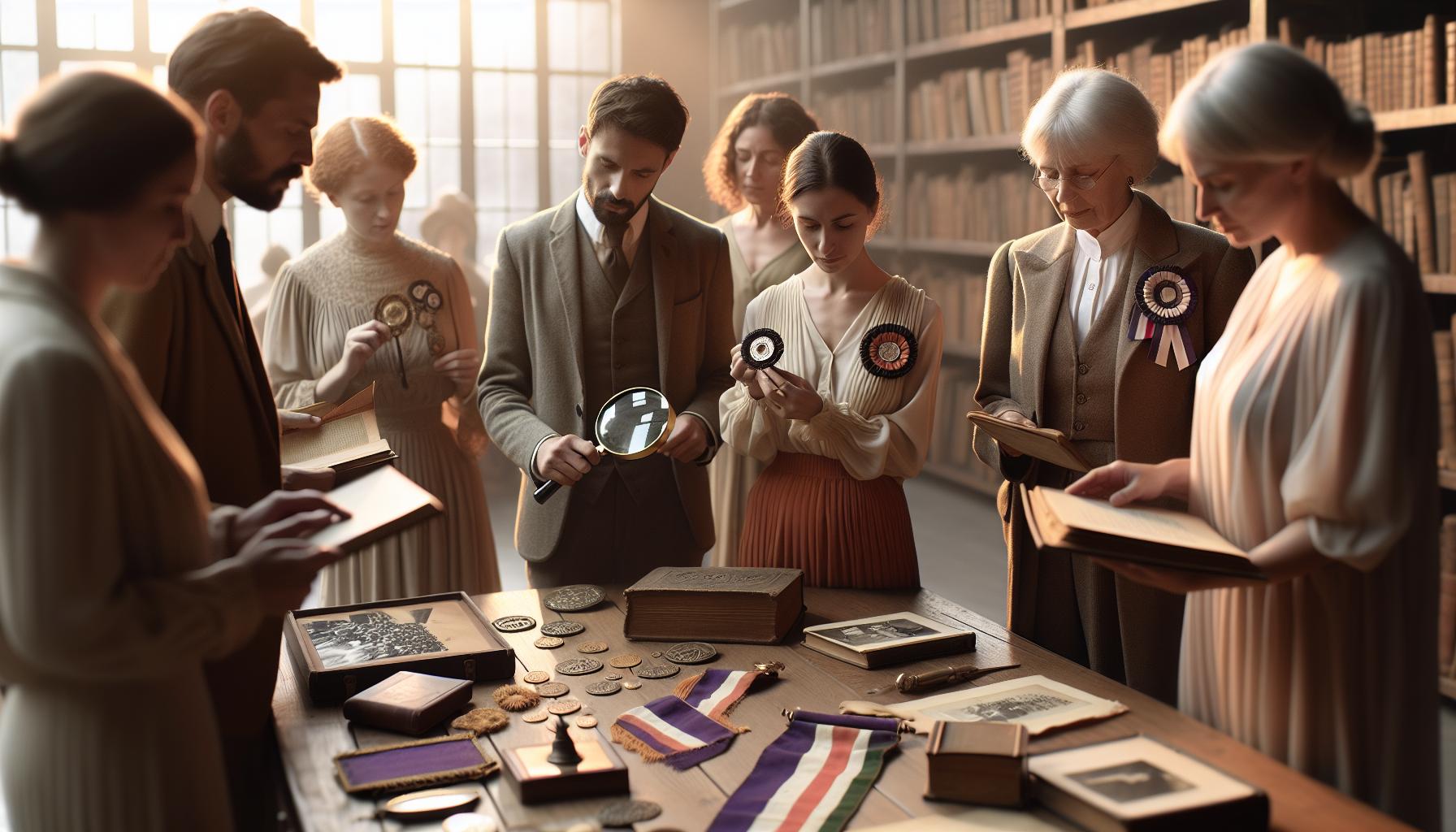
In today’s digital age, online marketplaces have transformed the way we discover and purchase second-hand jewellery, opening up a vast array of options that were once limited to local shops and estate sales. Not only do these platforms offer convenience and accessibility, but they also provide an excellent opportunity to find unique pieces that speak to your style and budget. Whether you’re searching for vintage treasures or contemporary second-hand designs, online marketplaces can yield delightful surprises that cater to every jewellery lover’s taste.
Sites like eBay, Etsy, and Depop are some of the most popular destinations where you can browse through thousands of listings from various sellers worldwide. Each platform has its unique characteristics; for instance, Etsy is renowned for artisan-crafted pieces, while eBay’s bidding auctions may offer a chance to snag rare items at competitive prices. When exploring these marketplaces, it’s vital to utilize effective search techniques-consider using specific keywords such as “vintage silver necklace” or “bohemian earrings” to narrow down your options. Additionally, filters can help you sort results by condition, price, or seller rating, ensuring you find exactly what you’re looking for.
When purchasing second-hand jewellery online, always review product descriptions and images thoroughly. Look for detailed photographs that show the item from multiple angles and check for any flaws or repairs that might not be disclosed. Pay attention to seller ratings and reviews; a trusted seller with positive feedback will provide more assurance regarding the quality of the jewellery and the buying experience. It’s also wise to inquire directly about the piece if the listing lacks clarity, as communication can reveal insights about the item’s provenance and condition.
Lastly, remember to embrace the excitement of online treasure hunting by exploring social media platforms such as Instagram and Facebook Marketplace. Many independent sellers and artisans showcase their second-hand collections there, often at lower prices than traditional retailers. Participating in jewellery-focused groups or following hashtags related to second-hand shopping can lead you to exclusive finds and connect you with like-minded collectors excited to share their passion. With patience and a discerning eye, online marketplaces can truly become a wellspring of second-hand jewellery treasures waiting to be discovered.
Estate Sales and Auctions: Discovering Vintage Jewellery

When it comes to uncovering unique and timeless pieces of jewellery, estate sales and auctions can be treasure troves waiting to be explored. These events often feature collections that have been lovingly passed down through generations, providing an excellent opportunity to find vintage items that tell a story and carry historical significance. Attending these sales not only allows you to purchase one-of-a-kind pieces but also supports the notion of sustainability by giving pre-loved items a new lease on life.
What to Expect at Estate Sales
Estate sales typically occur when a homeowner is moving, downsizing, or settling an estate after a loved one has passed away. These sales can consist of a wide array of items, but when it comes to jewellery, you might find everything from costume pieces to high-end designer items. It’s essential to arrive early to get a good look at the available pieces before they attract attention. Make sure to ask questions about the jewellery-such as its history, materials, and any known repairs or appraisals-as this can help you determine the value and authenticity of the items you’re interested in.
To enhance your experience, consider these tips:
- Research beforehand: Familiarize yourself with common jewellery styles and materials, such as vintage gold, sterling silver, or particular gemstones, so you can identify quality pieces during your visit.
- Bring a magnifying glass: This handy tool will help you inspect jewellery closely for hallmarks, signs of wear, or repairs that could affect value.
- Network with other buyers: Engaging with fellow collectors and enthusiasts can provide valuable insights, tips on other sales in the area, and possibly even leads on reputable auction houses.
Participating in Auctions
Auctions add an exciting twist to the treasure hunt for vintage jewellery. Whether held in person or online, auctions provide a platform to bid on items you might not find elsewhere. The thrill of competing against other buyers can yield great finds, and it’s not unusual to score valuable pieces for a fraction of their retail price. Before participating, take time to review the auction catalog, which usually includes detailed photographs and descriptions of the items up for bid.
When attending an auction, aim to:
- Set a budget: Determine beforehand how much you’re willing to spend to avoid the allure of bidding wars that can drive up prices.
- Understand the fees: Be aware that auction houses may charge buyer’s premiums, which are additional fees on top of your winning bid.
- Inspect items pre-auction: Take advantage of previews to closely examine pieces and confirm their value before placing your bids.
Combining the thrill of discovery with practical tips can lead you to extraordinary vintage jewellery pieces that reflect personal style and heritage. Whether you emerge from an estate sale with a beautiful locket or win an auction for an exquisite brooch, the joy of owning a unique piece with a story is unmatched.
Jewellery Shops Specializing in Pre-Owned Pieces
offer a unique blend of charm and history, making them excellent places to unearth timeless treasures. These retailers have an eye for quality and often curate collections that highlight both vintage and modern designs, allowing you to discover one-of-a-kind items that aren’t typically available in standard jewellery stores. A visit to such a shop can feel like stepping back in time, with pieces that carry stories and craftsmanship from various eras.
When seeking out these specialised jewellery stores, look for those that focus on authenticity and customer education. Many established shops provide information on the history behind their pieces, including details about their provenance, materials used, and even past ownership. This transparency not only enhances your buying experience but also builds trust. Additionally, knowledgeable staff can help guide you in choosing pieces that suit your personal style while offering insights into current trends in the market.
To find reputable jewellery shops that specialize in pre-owned items, consider these tips:
- Research online: Begin with a search for shops in your area that have excellent reviews and a strong online presence. Visit their websites to view available inventory and read customer testimonials.
- Visit local boutiques: Smaller, independent shops often carry unique pieces that larger retailers may overlook. They also tend to focus on customer relationships, making your shopping experience more personal.
- Attend craft fairs and markets: Many artisans and boutique jewellery designers offer their pre-owned creations at local events. This not only supports local businesses but often ensures you’re getting a unique item.
Purchasing from a jewellery shop that specializes in pre-owned pieces can also be an eco-conscious choice, reducing demand for newly mined materials. Not only are these items often less expensive than new ones, but they also contribute to a sustainable lifestyle by circulating existing resources back into the marketplace. So, when you step into these shops, you’re not just shopping; you’re participating in a cycle of sustainability while adorning yourself with beautiful, meaningful jewellery.
Social Media Platforms: Buying from Other Collectors
Social media platforms have transformed into vibrant marketplaces where jewellery lovers can connect and exchange pieces, making it easier than ever to find second-hand treasures. From Instagram to Facebook Marketplace, these platforms provide a unique opportunity to purchase pre-owned items directly from collectors and jewellery enthusiasts. The trust and rapport built in these spaces often lead to great deals, rare finds, and pieces with captivating backstories that aren’t found in traditional stores.
When navigating these platforms, consider joining dedicated groups or following hashtags related to second-hand jewellery. This can help you discover unique pieces and stay updated on new listings. For example, hashtags like #VintageJewelry or #SecondHandJewelry often feature hidden gems that potential buyers can claim quickly. Furthermore, influencer accounts that specialize in sustainable fashion can provide insights into trustworthy sellers, making your buying experience smoother.
Communication is key when purchasing from individuals on social media. Don’t hesitate to ask for detailed photographs, descriptions, and even the reason for selling, as this can give you a better understanding of the jewellery’s condition and history. For added security, consider using payment options that offer buyer protection to safeguard your transaction. Moreover, establishing a relationship with sellers can enhance your buying experience, potentially leading to exclusive offers or early access to new pieces.
Lastly, be sure to share your own finds when you discover something special. Engaging with the community by posting your purchases and experiences can foster connections and lead to even more exciting opportunities in the world of second-hand jewellery. By tapping into social media platforms, you’re not just buying jewellery-you’re participating in a community steeped in history, sustainability, and creativity.
The Benefits of Buying Second Hand Jewellery
Buying second-hand jewellery offers a world of unique opportunities that go beyond mere aesthetics. Not only can you discover distinctive pieces that tell a story, but purchasing pre-owned items also contributes to sustainability-a growing concern for many consumers today. Each piece carries a history, whether it’s a vintage ring that once adorned a bride or a retro necklace from the 80s that sparks nostalgia. This connection can enhance your personal collection and set you apart in style.
One of the most compelling reasons to consider second-hand jewellery is the potential for cost savings. Often, pre-owned items are significantly more affordable than their brand-new counterparts, allowing you to acquire higher quality materials for less. This can enable collectors and enthusiasts to invest in luxury brands or unique artisan pieces that might otherwise be out of reach. Additionally, many second-hand finds come without the hefty markup that accompanies brand new creations, putting you in a position to expand your collection smartly.
Moreover, buying second-hand supports a circular economy, reducing waste and promoting sustainable practices within the fashion industry. By choosing pre-owned jewellery, you are making a conscious decision to minimize the demand for new production, which often comes at the expense of the environment. Embracing second-hand pieces not only nurtures your passion for jewellery but also contributes to a more eco-friendly lifestyle.
When venturing into the world of second-hand purchases, it’s also essential to consider the community aspect. Many platforms, whether online or local, foster connections among collectors, allowing you to share experiences and potentially gain insights that can enrich your jewellery journey. Engaging with this community can lead to discovering rare pieces, receiving styling tips, and even collaborating with others who share your passion. In short, the world of second-hand jewellery is not just about transactions-it’s an enriching, sustainable, and economically sensible choice for jewellery lovers.
Authenticating Second Hand Jewellery: What to Know
As you explore the captivating world of second-hand jewellery, the thrill of discovery is often accompanied by a vital consideration: authenticity. With so many unique and vintage pieces available, it’s essential to ensure that what you’re purchasing is genuine. Fakes and reproductions can be deceivingly convincing, making it crucial for collectors to familiarize themselves with authentication techniques that help safeguard their investments.
One of the first steps in authenticating second-hand jewellery is examining the hallmarks and stamps. Most fine jewellery will have markings that indicate its metal content-such as 14K or 925-which signify authenticity. Make it a habit to check for these stamps in discreet areas of the piece, such as the inner band of rings or the clasp of necklaces. If the item lacks a hallmark, it’s worth asking the seller where it originated.
Additionally, researching the brand or designer can provide valuable insights. Many renowned jewellery houses have specific design features or manufacturing techniques that are consistent across their products. Scouring online resources for images and descriptions can help you spot inconsistencies. Joining forums or groups dedicated to vintage or antique jewellery can also be beneficial, as seasoned collectors often share tips and tricks that could enhance your authentication skills.
Another effective way to authenticate jewellery is through a professional appraisal. If you’re uncertain about a purchase, consider taking the piece to a certified appraiser who can assess its authenticity and value. Some jewellers offer appraisal services, and having documentation can provide peace of mind and assist with potential insurance claims.
Lastly, leverage the insights from online resources and communities. Websites dedicated to jewellery authentication often provide guides, articles, and forums where collectors discuss their experiences. By networking with collectors and experts alike, you can build a wealth of knowledge that aids in identifying genuine pieces while sharing your journey with others who share your passion.
By arming yourself with these tools and knowledge, you empower your second-hand jewellery journey, ensuring that each piece in your collection is not only beautiful but also authentic.
Caring for Second Hand Finds: Cleaning and Maintenance
Ensuring that your second-hand jewellery remains stunning for years to come requires a little extra care and attention. Though vintage and unique pieces often have their own stories etched in their designs, they also may come with some wear and tear that needs to be addressed. By adopting a consistent cleaning and maintenance routine, you can preserve the beauty of these treasures while enhancing their longevity.
Start with a regular cleaning routine: dust and dirt can accumulate on jewellery over time. Use a soft, lint-free cloth to gently wipe down your pieces after wearing them, ensuring that any oils from your skin or residue from products like perfume don’t tarnish your jewellery. For deeper cleaning, prepare a simple solution of warm water mixed with a few drops of mild dish soap. Drop your jewellery into the solution and let it soak for a few minutes, then gently scrub with a soft toothbrush or a specially-designed jewellery brush to get into crevices and settings. Rinse thoroughly and pat dry with a soft cloth.
Special Considerations for Different Materials
Different materials require tailored care to ensure they don’t get damaged:
- Gold and Silver: For gold and sterling silver pieces, you might also want to invest in a silver polishing cloth for when tarnishing occurs. Avoid harsh cleaners that can scratch the surface.
- Pearls: They are more delicate and should be cleaned with a slightly damp cloth. Never immerse pearls in water, and ensure you store them properly to prevent them from drying out.
- Gemstones: Depending on the type of stone, your cleaning method may vary. For example, softer stones like opals and turquoise need to be treated more carefully than harder stones like sapphires or diamonds.
Storage and Maintenance Tips
Proper storage is key to keeping your second-hand finds in pristine condition. Consider using a jewellery box with soft compartments to prevent scratches and tangles. Storing pieces separately can prevent metal from rubbing against one another, which can cause wear.
Additionally, regularly check the jewelry for signs of wear, such as loose stones or broken clasps. If you notice any issues, address them immediately to prevent further damage. Taking your jewellery for an annual professional cleaning can also be a great way to keep pieces looking their best, especially for intricate or heirloom items that may require expert care.
Your second-hand jewellery is not just an accessory; it’s a piece of history that deserves to be cherished. By following these cleaning and maintenance tips, you can keep your treasures looking beautiful and ready to dazzle for generations to come.
Styling Second Hand Jewellery: Tips and Tricks
In the world of fashion, second-hand jewellery offers a treasure trove of unique pieces that can elevate any outfit and reflect your personal style. Styling vintage or preloved items doesn’t have to be daunting; with a few tips and tricks, you can create striking looks that stand out. One key approach is to mix and match your second-hand finds with modern pieces. This creates contrast and adds a trendy touch to your overall aesthetic. For example, pairing a vintage brooch with a contemporary blazer can instantly enhance your style quotient.
Another important aspect is to consider the story behind each piece. Second-hand jewellery often comes with a history, making it more than just an accessory-it becomes a conversation starter. When you wear a piece that has a unique design or an interesting backstory, it not only garners attention but also allows you to share something special with those around you. Look for standout items that tell a story, like art deco earrings or mid-century rings, which can bring a touch of nostalgia to modern looks.
For those who enjoy layering, don’t shy away from creating depth with your jewellery. Stacking rings and layering necklaces of varying lengths can give a bohemian vibe to your outfit. To keep this stylish yet cohesive, consider mixing metals and gemstones but try to stay within the same color palette to avoid a chaotic appearance. For example, layering gold and silver pieces together can look chic as long as they complement the outfit’s colors.
Finally, remember that the right occasion can greatly influence your styling choices. A bold statement necklace can be perfect for a night out, while delicate earrings might be more suitable for a casual day. Consider the mood and setting when selecting your jewellery, and don’t hesitate to experiment with different styles to find what suits you best. Your second-hand jewellery can not only reflect your unique fashion sense but also stand as a testament to sustainable choices in fashion.
The Ethics of Buying Second Hand: Sustainable Choices
The allure of second-hand jewellery extends beyond just aesthetics; it embodies a commitment to ethical consuming and sustainability. Choosing pre-owned pieces is not only a way to uncover unique treasures, but it also plays a crucial role in reducing your carbon footprint and minimizing waste. According to studies, the fashion industry is a significant contributor to pollution, with vast amounts of resources used to create new items. By opting for second-hand jewellery, you actively participate in a more sustainable fashion ecosystem while still enjoying the beauty and history of expertly crafted pieces.
When browsing second-hand jewellery, consider the impact of your purchase. Each unique item carries a legacy that contributes to its intrinsic value, often telling stories of past owners and historical significance. This narrative aspect not only enriches your personal collection but also reflects a thoughtful approach to acquiring items that are often overlooked in modern retail settings. Moreover, various platforms and local shops now promote eco-friendly practices; supporting them fosters a community-centric approach to fashion that values heritage and craftsmanship.
To further embrace ethical choices, consider the following practices while purchasing second-hand jewellery:
- Research Retailers: Choose stores or online platforms known for their commitment to sustainability. Many shops now prioritize ethical sourcing and transparency in their operations.
- Ask Questions: Inquire about the provenance of pieces. Understanding their journey can help reinforce their value and significance.
- Support Local Artisans: Seek out local craftsmen who specialize in upcycling vintage jewellery to breathe new life into old treasures.
Ultimately, choosing second-hand jewellery is a chance to make a positive environmental impact while acquiring beautiful, one-of-a-kind pieces. Embracing this approach not only enhances your personal style but also contributes to a larger movement toward sustainability and ethical fashion.
Starting Your Own Second Hand Jewellery Business
Starting a second-hand jewellery business can be an exciting venture, especially in a world where sustainability and individuality are highly valued. By focusing on sourcing unique pieces, you can create a curated collection that not only appeals to diverse tastes but also resonates with environmentally conscious consumers.
A solid foundation begins with thorough research on the jewellery market. Identify your target audience-whether it’s vintage enthusiasts, collectors of particular styles, or those seeking affordable luxury. Consider whether you want to sell locally, online, or both. Setting up an online shop can widen your reach; platforms like Etsy, eBay, and social media marketplaces can serve as initial launch pads. Invest time in creating a visually appealing online presence by utilizing high-quality images and engaging descriptions that tell the story behind each piece.
Networking can play a vital role in sourcing your inventory. Attend estate sales, auctions, and local thrift shops to uncover hidden gems. Building relationships with local artisans or antique dealers can also provide access to unique items. Participating in pop-up markets or co-hosting events with other vendors can help elevate your visibility and connect with potential customers.
To further enhance your business, transparency about the sourcing of your jewellery is crucial. Consider implementing policies about ethical sourcing and sustainability that resonate with your brand values, thereby establishing trust with your clientele. Also, invest in tools for authenticating the jewellery, such as hiring a gemologist for appraisals and using appropriate documentation for valuable pieces.
- Identify Your Niche: Understand the types of jewellery that appeal to your ideal customers.
- Build a Strong Brand: Create a cohesive brand identity that reflects your values and the uniqueness of your collection.
- Utilize Social Media: Leverage platforms like Instagram and Pinterest to showcase your products and engage with your audience.
- Prioritize Customer Service: Providing excellent customer service can help build loyalty and foster repeat business.
Starting your own second-hand jewellery business not only allows you to delve into the fascinating world of jewellery but also contributes positively to sustainable practices. With careful planning and a passion for curated pieces, you can create an inspiring collection that appeals to discerning customers, all while celebrating the stories behind each item.
Q&A
Q: Where can I find high-quality second hand jewellery?
A: High-quality second hand jewellery can be found at trusted retailers, online marketplaces, and specialized jewellery shops focusing on pre-owned pieces. Local thrift shops and estate sales also offer unique items. Always check for authenticity and quality when purchasing. For more tips, refer to our section on “Top Trusted Retailers.”
Q: What should I consider when buying second hand jewellery online?
A: When buying second hand jewellery online, consider the seller’s reputation, return policy, and the item’s authenticity. Look for clear images and detailed descriptions. Reading customer reviews can also help ensure a positive purchasing experience. For detailed insights, visit our “Online Marketplaces” section.
Q: How do I authenticate second hand jewellery?
A: To authenticate second hand jewellery, research the brand, look for hallmarks or engravings, and consult with a professional jeweller. You can also use online resources to verify the item’s details. For a deeper understanding, check our “Authenticating Second Hand Jewellery” section.
Q: Are thrift shops good for finding unique jewellery pieces?
A: Yes, thrift shops can be excellent for discovering unique jewellery pieces at affordable prices. Many times, you’ll find vintage or one-of-a-kind items that you wouldn’t see elsewhere. Be sure to visit regularly for the best finds. For tips on hidden gems, see our “Local Thrift Shops” section.
Q: Can I negotiate prices when buying second hand jewellery?
A: Yes, negotiating prices is often acceptable when buying second hand jewellery, especially at flea markets or estate sales. Politely asking for a better price could result in savings. For more buying techniques, refer to our “Estate Sales and Auctions” section.
Q: What are the benefits of buying second hand jewellery?
A: Buying second hand jewellery is not only sustainable, but it also allows you to access unique pieces at lower prices. Additionally, vintage items can offer history and character that new jewellery may lack. Learn more about these advantages in our “Benefits of Buying Second Hand Jewellery” section.
Q: How do I clean and maintain second hand jewellery?
A: To clean second hand jewellery, use mild soap and water, avoiding harsh chemicals. Soft brushes can help reach intricate designs. Proper storage, in a dry place and separated by type, also maintains quality. For cleaning guides, check our “Caring for Second Hand Finds” section.
Q: What types of second hand jewellery are popular among collectors?
A: Popular second hand jewellery types among collectors include vintage pieces, designer items, and unique handcrafted pieces. Art Deco, Victorian, and mid-century styles are particularly sought after. For styling tips, check our “Styling Second Hand Jewellery” section.
Key Takeaways
As you embark on your quest to uncover exceptional second-hand jewellery, remember that the thrill of the find is just as valuable as the piece itself. Whether you’re exploring local thrift shops, online marketplaces, or antique stores, each avenue can lead to stunning discoveries that elevate your style without breaking the bank. Don’t wait-dive into these sources today and unlock the unique stories behind every piece!
For more enriching content, check out our guides on jewellery care and styling tips to keep your treasures looking their best. Interested in learning how to identify authentic vintage pieces? Our authentication methods article will equip you with the knowledge you need. Join our community by signing up for our newsletter for updates on new finds and exclusive tips! Your journey in the world of jewellery has just begun, and we’re here to support you every step of the way.