Vintage jewellery isn’t just about aesthetics; it’s a fascinating journey through history, culture, and craftsmanship. These timeless pieces offer not only unique beauty but also compelling stories that resonate with collectors and enthusiasts alike. Whether you’re a seasoned collector or a curious newcomer, understanding the significance of vintage jewellery can enhance your appreciation and guide your future purchases. As you explore the enchanting world of vintage pieces, you’ll discover tips on care, cleaning, and styling, empowering you to curate a collection that reflects your individual style. Join us as we delve into what makes vintage jewellery so special and uncover the treasures waiting to be found.
What Is Vintage Jewellery and Its Appeal?

Vintage jewellery refers to pieces that are at least 20 years old, capturing the essence of the eras from which they originate. This unique jewellery is not only valued for its age but also for the craftsmanship, history, and stories embedded within each piece. The charm of vintage jewellery lies in its ability to connect us with the past, evoking nostalgia and a sense of timeless beauty that can enhance any modern wardrobe. Collectors and enthusiasts are drawn to these items not just for their aesthetic appeal, but for the rich narratives they hold-each piece is often a tangible link to significant cultural moments or fashion revolutions.
The allure of vintage jewellery is amplified by its rarity and the artistry involved in its creation. During different periods, jewellery design trends would fluctuate, showcasing diverse materials, techniques, and influences. For instance, Art Deco pieces feature geometric designs and vibrant gemstones, while Victorian jewellery often incorporates intricate motifs and symbolism. Enthusiasts appreciate the authenticity and individuality of vintage pieces, knowing they are often one-of-a-kind or produced in limited quantities, making each item a personal treasure.
Moreover, the sustainability aspect of vintage jewellery adds another layer to its appeal. In an age where fast fashion dominates, choosing vintage allows wearers to express their style while also being environmentally conscious. By opting for pre-loved pieces, collectors not only preserve the heritage of craftsmanship but also contribute to a cycle of reuse that reduces waste. In this way, vintage jewellery serves as both a fashion statement and a commitment to sustainable practices.
Ultimately, the emotional and historical significance, combined with the unique styles and sustainable aspects, makes vintage jewellery a timeless choice for collectors and fashion lovers alike, inviting them to explore the beauty of history while wearing it elegantly in the present.
The History of Vintage Jewellery: An Overview
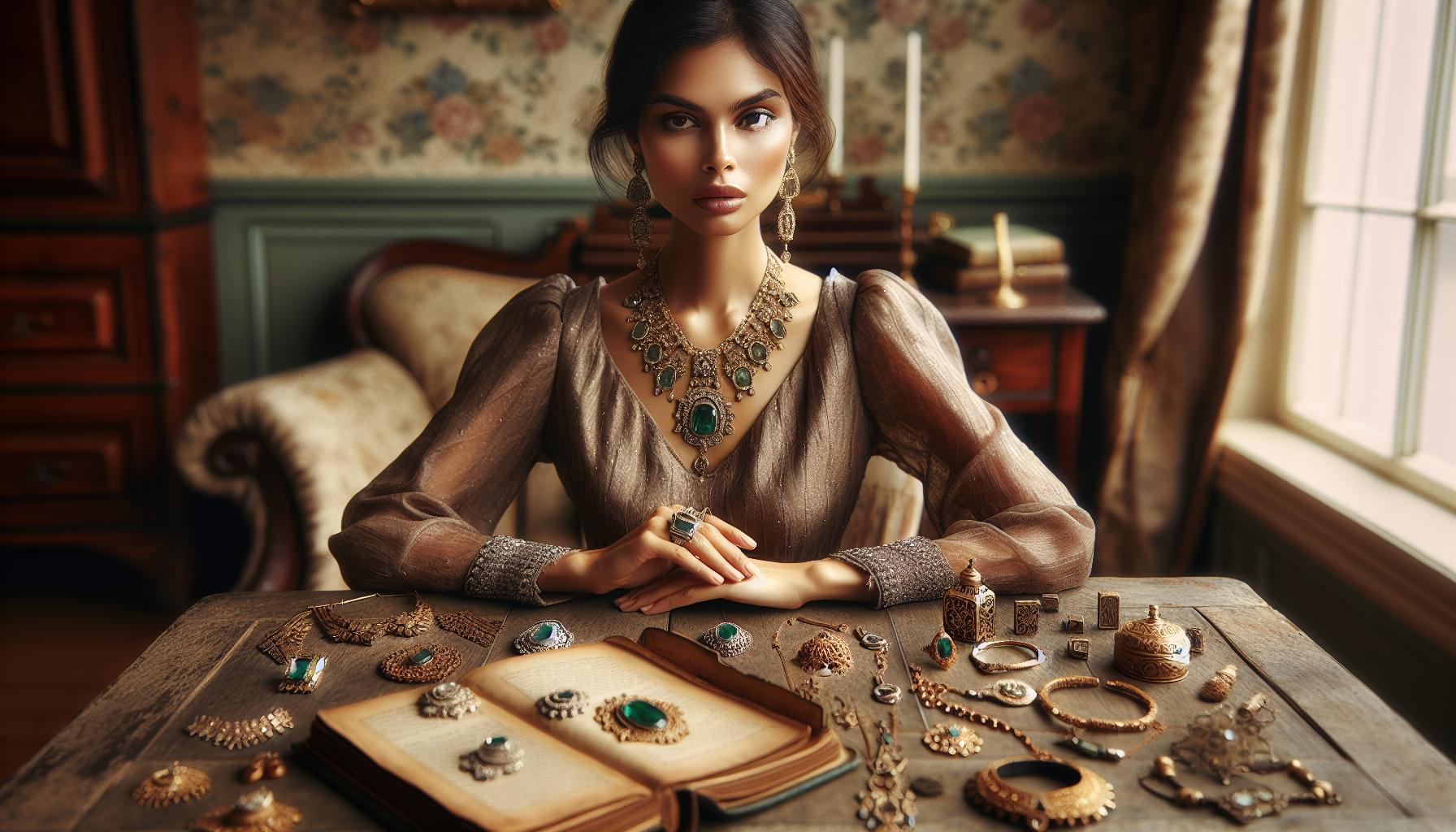
The journey of vintage jewellery begins long before the pieces reach the collectors’ hands, steeped in history and rich narratives. From ancient civilizations to modern fashion trends, jewellery has served not just as ornamentation, but as a symbol of status, culture, and craftsmanship. For example, during the Renaissance, ornate designs often integrated precious metals with rare gemstones, showcasing not only wealth but also the artistry of the period. Fast forward, and the Art Nouveau and Art Deco movements introduced bold designs and geometric shapes, reshaping conventional aesthetics while adopting new technologies and materials.
Each era in the timeline of jewellery production tells its own story, with styles evolving significantly over time. In the Victorian era, for instance, jewellery often featured sentimental motifs, such as lockets and cameos that reflected personal stories and emotions, while the mid-20th century saw the rise of costume jewellery, which made fashionable pieces accessible to a broader audience. These distinct styles are often the reason collectors are passionate about seeking vintage items; they want to own a piece of history that not only beautifies but also narrates a tale from a specific time.
Understanding the historical context behind these pieces not only enhances the appreciation of their beauty but also informs collectors and enthusiasts about their value. For instance, during periods of economic prosperity, such as the post-World War II era, pearl and diamond pieces saw a surge in popularity, influencing modern sensibilities and collectability today. Collectors can often identify trends by observing which periods have resilient demand or distinctive characteristics, thereby guiding their purchasing decisions.
As collectors explore the varying historical contexts of vintage jewellery, they also engage in the preservation of cultural heritage. By choosing to invest in these timeless pieces, they contribute to the legacy of the artisanal craftsmanship that defines each era. This not only connects wearers to the past but also inspires future generations to appreciate the artistry and stories held within each piece. Through understanding the history of vintage jewellery, one can navigate the collection journey with more insight and intention, leading to a richer experience and appreciation overall.
Understanding Different Styles of Vintage Jewellery
Jewellery has the remarkable ability to transcend time, with different styles encapsulating the essence of their eras. Understanding the diverse styles of vintage jewellery not only adds depth to your collection but also enhances your appreciation for the craftsmanship involved. Each style carries a story, reflecting the values, trends, and technologies of its time. Whether you’re drawn to the intricate details of Art Nouveau or the bold geometries of Art Deco, there’s much to discover within each category.
Classic Styles and Their Characteristics
Several key styles dominate the vintage jewellery landscape, each with unique characteristics:
- Victorian (1837-1901): Rich in symbolism, Victorian pieces often featured intricate motifs. Expect to see lockets, cameos, and mourning jewellery, which served as personal mementos.
- Art Nouveau (1890-1910): Celebrating nature, this style embraced organic forms and flowing lines. Artists like René Lalique often utilized enamel and semi-precious stones, resulting in delicate, nature-inspired motifs.
- Art Deco (1920s-1930s): Characterized by bold colors, geometric shapes, and clean lines, Art Deco is both luxurious and modern. Materials like diamonds, platinum, and onyx are frequently featured, highlighting opulence.
- Retro (1940s-1950s): Emerging during World War II, Retro jewellery showcases bold designs and vibrant colors. Expect large stones set in yellow and rose gold, often featuring whimsical, playful themes.
Why Style Matters
Each style not only appeals aesthetically but can also influence the value of a piece. Collectors should consider factors such as condition, rarity, and provenance. For example, a well-preserved Art Deco piece might command a higher price than one in lesser condition due to the enduring popularity of the style. Understanding these distinctions enables collectors to make informed purchasing decisions while developing a keen eye for quality.
When approaching a collection, consider not only what resonates with your personal taste but also what complements your wardrobe. The versatility of vintage jewellery allows for personal expression, whether integrated into everyday wear or saved for special occasions. This fusion of style and sentiment elevates vintage pieces beyond mere accessories-they become cherished artifacts linking wearers to the memories and culture of past generations.
How to Identify Authentic Vintage Pieces

Identifying authentic vintage jewellery can sometimes feel like a treasure hunt, but understanding the nuances of materials, marks, and craftsmanship can significantly enhance your confidence in a purchase. Many reproductions and costume jewellery items flood the market, making it essential to know the hallmarks and features that distinguish genuine vintage pieces from modern imitations.
Begin by examining the craftsmanship closely. Authentic vintage jewellery often showcases hand-finished details, such as slight irregularities or minor imperfections that reveal the human touch in production. In contrast, contemporary pieces are typically machine-made and may reflect uniformity and perfection. Pay attention to the quality of gemstones, as vintage pieces are often set with natural stones rather than synthetic alternatives. Hold the piece up to the light and inspect how it reflects-true gemstones radiate a depth of light that plastic stones cannot replicate.
Another critical factor in authentication is the presence of maker’s marks or stamps. Many vintage pieces will carry engravings or stamps indicating the designer or manufacturer’s name, along with metal purity marks (like 10k, 14k, or sterling silver). Research these marks thoroughly, as they provide significant insight into the piece’s origin and value. Additionally, you may find distinguishing features linked to specific eras. For instance, pieces from the Art Deco period may exhibit geometric designs and bold colors, while Victorian pieces often integrate sentimental motifs and intricate metalwork.
It’s also advisable to get familiar with references, guidebooks, or online databases dedicated to vintage jewellery. Joining groups of collectors can provide you with valuable insights and experiences shared by seasoned vintage enthusiasts. Whenever possible, seek the advice of a professional appraiser. These experts can authenticate jewellery and offer peace of mind regarding your acquisitions.
The journey of identifying authentic vintage jewellery can be exhilarating and educational. By honing your skills in recognizing quality construction, understanding significant historical characteristics, and leveraging expert knowledge, you can successfully navigate the enchanting world of vintage jewellery collecting.
Caring for Your Vintage Jewellery: Essential Tips
Caring for vintage jewellery requires attention, patience, and the right techniques to ensure these timeless pieces remain beautiful and intact for years to come. Vintage jewellery can hold significant sentimental and monetary value, making it vital to handle and maintain it properly. For instance, did you know that certain metal alloys in vintage pieces can tarnish more quickly than modern counterparts? Understanding how to care for your unique items can help them retain their allure and charm.
To keep your vintage jewellery in pristine condition, consider the following essential tips:
Storage Solutions
- Keep it Safe: Store each piece separately to avoid scratches and tangles. Use soft pouches or dedicated jewellery boxes with compartments.
- Avoid Excess Moisture: Store jewellery in a cool, dry place away from humidity, which can cause tarnishing and damage.
Cleaning Techniques
- Gentle Cleaning: Regularly wipe your vintage jewellery with a soft, lint-free cloth after wearing to remove oils and dirt. Avoid using abrasive materials that may scratch the surface.
- Specific Cleaners: For intricate pieces or gemstones, consider using a solution designed for the specific material. For example, ultra-soft brushes and warm, soapy water work well for gold and silver, while harsher chemicals should be avoided altogether.
Routine Maintenance
- Inspect Regularly: Check your jewellery for signs of wear, such as loose stones or weakened settings. Addressing these issues promptly can prevent further damage.
- Professional Care: If you possess particularly valuable or fragile items, seek out a professional jeweller for periodic check-ups and cleanings.
Combining these practices will empower you to become a confident custodian of your vintage jewellery collection. An informed approach to care not only preserves the intrinsic beauty of each piece but also enhances its longevity, allowing for future generations to appreciate and cherish these unique artifacts.
Cleaning and Maintenance for Metal and Gemstones
Proper care and maintenance of vintage jewellery, particularly focusing on metal and gemstones, is essential for preserving the beauty and integrity of these cherished pieces. Vintage jewellery often features delicate craftsmanship and unique materials, which can require specialized attention as they age. Understanding the specific needs of different metals and gemstones will help you maintain their allure without causing damage.
Cleaning Techniques for Metal
It’s crucial to know the type of metal used in your vintage jewellery, as different metals require tailored cleaning methods. For example, gold and silver can be cleaned with a solution made from warm water and a few drops of mild dish soap. Using a soft cloth or an ultra-soft brush, gently scrub the jewellery to remove dirt and oils. After cleaning, rinse thoroughly with clean water and pat dry with a lint-free cloth to avoid water spots.
Avoid using harsh chemicals or abrasive cleaners, which can tarnish or scratch the surface. If your jewellery contains a combination of metals, always opt for the least abrasive method to protect all materials involved.
Gemstone Care
Cleaning gemstones can be a bit more complex due to their varied hardness and susceptibility to damage. Start by identifying the type of gemstone you are dealing with. For example, diamonds can handle more aggressive cleaning than softer stones like opals or pearls. For most gemstones, a mixture of warm water and mild soap is safe. Use a soft brush to gently clean around the settings and beneath the stones, where dust and oils can accumulate.
Always check for special care instructions, as some gemstones require specific maintenance. For example, avoid soaking stones like turquoise and lapis lazuli in water, as they can absorb moisture and become discolored.
Regular Maintenance Practices
Routine checks and maintenance can significantly extend the lifespan of your vintage jewellery. Inspect your pieces regularly for signs of wear, such as loose stones or worn settings. If you notice any issues, it’s best to consult a professional jeweller who specializes in vintage pieces for repairs, as they can ensure the integrity of the item is preserved.
By establishing a consistent cleaning and maintenance routine, you can enjoy your vintage jewellery for years to come, maintaining its sparkling appeal and historical significance. This care not only showcases your appreciation for vintage craftsmanship but also protects your investment in these timeless treasures.
DIY Upcycling: Reviving Vintage Jewellery
Reviving vintage jewellery through DIY upcycling offers both a creative outlet and a way to give new life to pieces that may otherwise go untouched in a drawer. The beauty of vintage items lies in their unique history and craftsmanship, which can be preserved or enhanced through thoughtful modifications. By repurposing and restyling vintage jewellery, you not only create something new but also honor the legacy of these timeless pieces.
One of the simplest ways to begin is by assessing your collection for items that may need a refresh. Look for pieces with broken clasps, worn-out chains, or styles that no longer suit the owner’s taste. For example, an outdated brooch can be transformed into a stunning hairpin or incorporated into a statement necklace. Below are a few ideas for upcycling vintage jewellery:
- Reimagining Earrings: If you have mismatched earrings or those with broken components, consider repurposing them. You could turn them into pendants for a necklace or use the individual pieces to create a new pair of earrings.
- Layering Necklaces: Multiple vintage strands can be combined into a single impactful piece. Mix different lengths, textures, and colors for a modern twist on a classic style.
- Bracelet Transformation: Convert old bangles or chains into unique charm bracelets by adding trinkets or small items of personal significance.
- Bead Reuse: If there are damaged beaded items, take the beads and redesign them into new necklaces or bracelets, mixing them with contemporary items for an eclectic look.
When it comes to styling your upcycled pieces, consider wearing them in unexpected ways. Layering several necklaces or pairing an upcycled brooch with modern attire can create compelling contrasts that draw attention. Remember, the key is to embrace the eclectic nature of vintage alongside modern aesthetics, giving each piece a place in today’s fashion narrative.
Upcycling vintage jewellery also has an impact beyond personal style; it’s a sustainable choice that reduces waste and promotes creativity. By taking the time to breathe new life into these cherished items, you not only create a customized addition to your collection but also engage in a process that is rewarding and environmentally conscious. So dive into your vintage stash, let your imagination flow, and enjoy the journey of transformation!
Styling Tips: How to Wear Vintage Jewellery
Embracing vintage jewellery is not just about collecting; it’s about making a statement that reflects your personal style while honoring history. The intricate details and unique designs found in vintage pieces can elevate any outfit, offering a blend of elegance and character that contemporary jewellery often lacks. When styling vintage jewellery, the key is to strike a balance between nostalgia and modern flair, allowing each piece to complement your look without overshadowing it.
One effective approach is to mix vintage items with contemporary clothing for a fresh aesthetic. For example, pairing a delicate Art Deco necklace with a simple black dress creates a chic, timeless look that draws attention. Alternatively, you can layer chunky vintage bracelets with your everyday attire to add an unexpected pop of personality. Don’t hesitate to experiment with contrasts; a vintage brooch can breathe new life into a casual jacket or sweater, showcasing your unique style while adding dimension to your outfit.
Mixing and Matching
Don’t be afraid to combine different styles and eras. Vintage jewellery encompasses a wide range of designs, from bold statement pieces to delicate, understated items. Consider creating a more eclectic look by layering necklaces of varying lengths and textures or stacking rings from different periods. For instance, a mid-century modern piece can harmonize beautifully with a more ornate Victorian ring. This not only highlights the diverse beauty of vintage jewellery but also allows for personal expression.
Accessorizing with Confidence
When it comes to wearing vintage jewellery, confidence is key. Choose pieces that resonate with your personality and make you feel good. It’s essential to pay attention to how the jewellery interacts with your outfit-if wearing a statement necklace, opt for simpler clothing to let the necklace shine. If you’re drawn to bold earrings, consider wearing your hair up to highlight them. Vintage jewellery should enhance your outfit and make you feel empowered, so select items that bring joy and reflect who you are.
Incorporating vintage jewellery into your wardrobe can be a delightful journey of self-discovery and creative expression. By understanding how to style these timeless pieces, you not only elevate your fashion game but also become a part of the rich tapestry of history that these jewels represent. Celebrate your individuality with each carefully chosen piece, and let your vintage jewellery tell your story.
Starting a Vintage Jewellery Collection: A Beginner’s Guide
Starting a vintage jewellery collection is an exciting journey that allows you to express your style while celebrating history. One of the most appealing aspects of vintage jewellery is its uniqueness; no two pieces are exactly alike, which means your collection can truly be a reflection of who you are. Consider this an invitation to explore the past and discover the stories behind each piece as you curate your own personal museum of wearable art.
Begin by educating yourself about different periods and styles in jewellery history. Each era offers distinctive attributes: for example, the elegance of Art Deco, the boldness of the Retro period, and the intricate designs of Victorian pieces. Understanding these styles will give you a foundational knowledge that can guide your purchasing decisions and help you identify pieces that resonate with your aesthetic. You might even create a mood board featuring your favorite designs to keep your collection focused and inspiring.
Where to Start Collecting
When you’re ready to start building your collection, explore various places such as estate sales, antique shops, and online marketplaces. Each venue has its unique charm and inventory. Estate sales often yield hidden gems at reasonable prices, while antique shops may carry higher-quality, authenticated pieces. Online marketplaces provide convenience and variety, but make sure to do your due diligence to verify authenticity and seller ratings.
As you browse, keep an open mind about what “vintage” looks like. Sometimes, it’s the less sought-after pieces that tell the most interesting stories or fit beautifully into your everyday wardrobe. You can also set a budget that works for you. Collecting doesn’t need to be an expensive hobby; great finds are available across a wide range of price points. Prioritize quality over quantity, focusing on carefully selected pieces that you truly love.
Developing Your Collection
As you acquire pieces, document their origin and any relevant details. This practice not only enhances their sentimental value but can also provide historical context for future generations. Creating a simple catalog can help you track your collection’s growth over time. Whether through photographs, notes about their history, or information on the artisans who made them, these details will enrich your collecting experience.
Lastly, remember that a vintage jewellery collection is not just an accumulation of items; it’s about the joy and stories encapsulated in each individual piece. Each time you wear these treasures, you carry a part of history with you and share it with the world. So embrace the journey, enjoy the thrill of the hunt, and let your vintage jewellery collection start to reflect your personal narrative.
Valuing Vintage Jewellery: What to Look For
When diving into the world of vintage jewellery, understanding how to assess its value can significantly enhance your collecting experience. Various factors contribute to the worth of these fascinating pieces, making it essential for both new and seasoned collectors to know what to look for. Authenticity is paramount; genuine vintage items often hold more value than reproductions. Look for maker’s marks, which can indicate the designer or manufacturer. Researching reputable jewellers and recognizing their insignia can serve as a reliable guide.
Another crucial aspect is the craftsmanship and materials used. High-quality metals such as gold and platinum, along with genuine gemstones, tend to appreciate in value over time. Pay attention to the detail of the craftsmanship-intricate designs, hand-finished aspects, and unique settings often signal a well-made piece. Collectors should be familiar with different gemstone qualities, such as clarity, cut, carat, and color (the four Cs), which can significantly impact a piece’s valuation.
Additionally, historical significance plays a pivotal role in valuing vintage jewellery. Items linked to specific events, celebrities, or fashion movements-like Art Deco or Victorian styles-often command higher prices. For instance, a necklace worn by a famous figure or a piece from a notable era can fetch impressive sums at auction. Consider the cultural resonance of a piece; items that represent particular fashion peaks or serve as a throwback to popular trends can carry sentimental and monetary value.
Finally, condition is a key determinant of value. Inspect each piece for any repairs or damages that could detract from its worth. Original condition typically enhances value, but professional restoration can still add appeal if done correctly. Whether you’re buying or selling, keeping a keen eye on these factors will empower you to navigate the vintage jewellery market with confidence, ensuring that every addition to your collection is a worthwhile investment.
Storage Solutions for Your Vintage Collection
The beauty of vintage jewellery lies not only in its artistry but also in the stories each piece holds. Safeguarding these treasures requires thoughtful storage solutions to prevent damage and ensure longevity. Using appropriate storage methods can help maintain their luster and condition, allowing you to enjoy your collection for years to come.
Choosing the Right Storage Solutions
To start, consider the materials and mechanisms that best suit your vintage jewellery. A dedicated jewellery box with padded compartments is an excellent choice for keeping pieces organized and protected. Look for one lined with soft fabric to prevent scratches. Additionally, using individual small pouches made from soft cloth can protect delicate items from friction, especially those with gemstones or intricate designs.
Another option to explore is using custom-made trays. These trays can be arranged within drawers or on shelves, providing an ideal layout for displaying pieces without tangling chains or losing matching sets. Consider adding dividers to keep rings, necklaces, and earrings separately. This method not only keeps your jewellery safe but also allows you to see your collection at a glance, making it easier to select pieces for different occasions.
Climate Considerations
One of the most overlooked aspects of jewellery storage is the environment. Vintage items often contain materials that can be sensitive to humidity and temperature fluctuations. Store your jewellery in a cool, dry place, away from direct sunlight to prevent discoloration or deterioration. If possible, consider using a dehumidifier in your storage area. For extra protection, adding silica gel packs can help absorb excess moisture, particularly for items that include pearls or leather.
Labeling and Documentation
As you build and diversify your collection, maintaining an inventory is beneficial. Consider labeling your storage compartments with details like purchase date, history, and appraised value. This practice not only aids in keeping track of your pieces but also serves as an engaging way to remember the stories behind each item. Additionally, for higher-value pieces, consider taking high-resolution photographs and storing them digitally, coupled with their documentation of authenticity and value.
With these thoughtful storage solutions, you can protect your vintage jewellery collection while enjoying its richness and beauty. Each piece, when cared for appropriately, will continue to tell its unique story through generations, celebrating the incredible craftsmanship and history it represents.
Emerging Trends in Vintage Jewellery Collecting
As vintage jewellery continues to captivate collectors and fashion enthusiasts alike, new trends are emerging that highlight the significance of sustainability and personal expression in accessorizing. One of the most notable shifts is the increasing preference for ethically sourced vintage pieces. Collectors are now more conscious of the origins of their jewellery, often prioritizing items that tell a story of craftsmanship and history over mass-produced alternatives. This trend reflects a broader societal movement towards sustainable fashion, with vintage jewellery standing as a testament to quality and longevity.
Another emerging trend is the blending of vintage with contemporary styles, allowing collectors to create unique and personalized looks. Fashion-forward individuals are mixing vintage pieces with modern outfits, showcasing the versatility of time-honored designs. This hybrid approach encourages creativity and invites collectors to explore eclectic combinations, from pairing a vintage Art Deco necklace with a sleek, minimalist dress to layering multiple vintage brooches on a casual jacket. The ability to infuse personal style into each look is increasingly appealing.
Technological Influences
Advancements in technology have also significantly impacted vintage jewellery collecting. Online platforms and social media have made it easier than ever for collectors to find, buy, and sell vintage items. Virtual marketplaces allow enthusiasts to connect globally, expanding their access to rare finds and offering more extensive options than ever before. Moreover, social media channels provide inspiration and ideas for styling vintage jewellery, helping collectors share their discoveries and personal styles.
The Rise of DIY and Upcycling
The trend of DIY (do-it-yourself) and upcycling is gaining momentum, encouraging collectors to take a more hands-on approach. Many are looking at vintage pieces not just for their beauty but as potential raw materials for creative projects. This trend aligns with the sustainable ethos, promoting the idea of reviving and repurposing rather than discarding. Collectors are now experimenting with reimagining vintage brooches into hairpins or reconstructing necklaces to suit modern tastes, making vintage jewellery not just a passion but a creative outlet.
By embracing these trends, vintage jewellery collectors can cultivate a deeper connection not only with the pieces they own but also with the stories and meanings behind them. This evolving landscape enriches the experience of collecting, inspiring a new generation to appreciate the charm and craftsmanship of vintage jewellery in innovative ways.
Q&A
Q: What defines vintage jewellery?
A: Vintage jewellery is defined as pieces that are at least 20 years old, often reflecting specific periods or design trends. Such items possess unique characteristics and craftsmanship, making them collectible. Understanding these aspects can enhance appreciation for vintage styles.
Q: Why should I collect vintage jewellery?
A: Collecting vintage jewellery offers a chance to own unique, often one-of-a-kind pieces that tell a story. Vintage items can also appreciate in value over time, making them not just a fashion statement but a wise investment.
Q: How can I tell if a piece of jewellery is truly vintage?
A: To identify vintage jewellery, examine the maker’s mark, materials used, and overall design characteristics specific to certain eras. Researching these aspects and consulting expert guides can help you authenticate vintage pieces.
Q: Where is the best place to find vintage jewellery?
A: Great sources for vintage jewellery include estate sales, antique shops, and dedicated vintage boutiques. Online platforms also host various sources; just ensure the sellers provide authenticity guarantees.
Q: What should I look for when buying vintage jewellery?
A: When purchasing vintage jewellery, examine the condition, rarity, and provenance of the piece. Understanding the historical significance and craftsmanship can also help in valuing the jewellery more accurately.
Q: How do I maintain the quality of my vintage jewellery?
A: To maintain vintage jewellery, store it in a dry, cool place away from direct sunlight, and clean it gently with appropriate materials. Regular inspections for wear can also prevent damage, keeping your pieces in pristine condition.
Q: What trends are currently popular in vintage jewellery collecting?
A: Current trends in vintage jewellery collecting include a focus on Art Deco and Mid-Century Modern pieces. Additionally, incorporating retro styles into everyday fashion is gaining popularity, further driving interest in these timeless items.
Q: Can I wear vintage jewellery every day?
A: Yes, many vintage pieces can be worn daily; however, it’s crucial to consider the materials and condition. More delicate items may need gentle wear or special care, so assess each piece individually for daily use.
Insights and Conclusions
As you explore the enchanting world of vintage jewellery, remember that these timeless pieces not only enhance your style but also offer a captivating story worth collecting. Whether you’re drawn to stunning statement necklaces or delicate rings, every vintage piece can be a unique reflection of your personality and taste. Don’t miss the chance to dive deeper-check out our guides on jewellery care and styling tips to ensure your treasures shine for years to come.
Take the next steps by signing up for our newsletter for exclusive insights and the latest trends in vintage jewellery collecting. Share your thoughts or questions in the comments below-we love hearing from fellow enthusiasts! Explore related topics like jewellery authentication methods and DIY cleaning techniques to elevate your collection and knowledge further. Remember, the allure of vintage jewellery is just a click away; start your journey today!