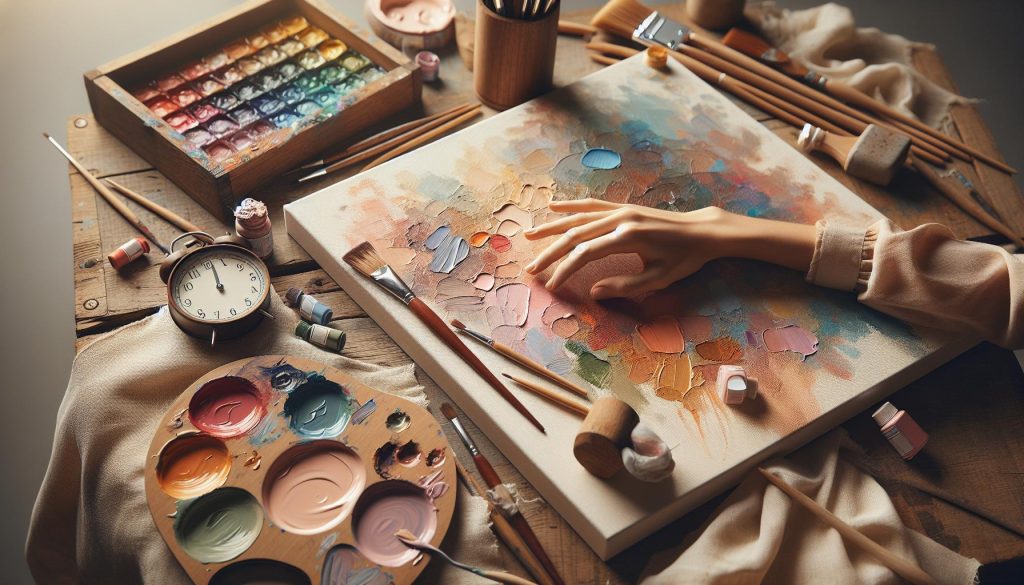
When embarking on your next artistic endeavor with acrylic paints, understanding drying times is crucial for achieving the best results. Did you know that factors like humidity, temperature, and paint thickness can significantly impact how long it takes for your work to dry? This ultimate timing guide will equip you with the knowledge to plan your projects effectively, ensuring each layer sets perfectly before adding the next step. Whether you’re a beginner looking to create your first masterpiece or an experienced artist refining your techniques, knowing when your acrylic paint will be ready can help you avoid smudges and enhance your overall outcome. Join us as we delve into the essentials of acrylic paint drying times, helping you create with confidence and ease.
Different Factors Affecting Acrylic Paint Drying Time
Acrylic paint is a beloved medium among artists for its versatility and quick drying time, but that drying time can vary significantly based on several factors. Understanding these elements is key to achieving the desired results in your artwork and can help prevent surprises in your creative process.
One of the primary influences on acrylic paint drying time is the composition of the paint itself. Different formulations, such as heavy body versus fluid acrylics, exhibit varying drying rates due to their unique water content and viscosity. Heavy body acrylics, for instance, may take longer to dry than fluid acrylics because they contain more pigment and a thicker consistency. Additionally, the presence of additives like retarders can prolong drying time, allowing for greater blending and manipulation on the canvas.
Another critical factor is the thickness of the applied layer. Thicker applications of paint will naturally retain moisture longer, resulting in a delayed drying process. Conversely, thin layers typically dry quickly, making techniques like glazing or layering much more manageable. For optimal results, artists often experiment with different layer thicknesses to find the right balance for their style and project.
Environmental conditions are also crucial in determining how fast acrylic paint dries. Factors such as humidity, temperature, and airflow can have a dramatic impact. High humidity levels can slow down drying significantly, while warmer temperatures and increased ventilation tend to speed it up. For example, painting in a hot, dry room with good air circulation can reduce drying times, enabling artists to work more efficiently. Therefore, adjusting your workspace to create favorable conditions can not only enhance drying times but also improve your overall painting experience.
By considering these various factors-from the type of acrylic paint to application techniques and environmental influences-artists can gain better control over the drying process. This knowledge not only enhances creativity but allows for strategic planning in executing artwork without unexpected setbacks.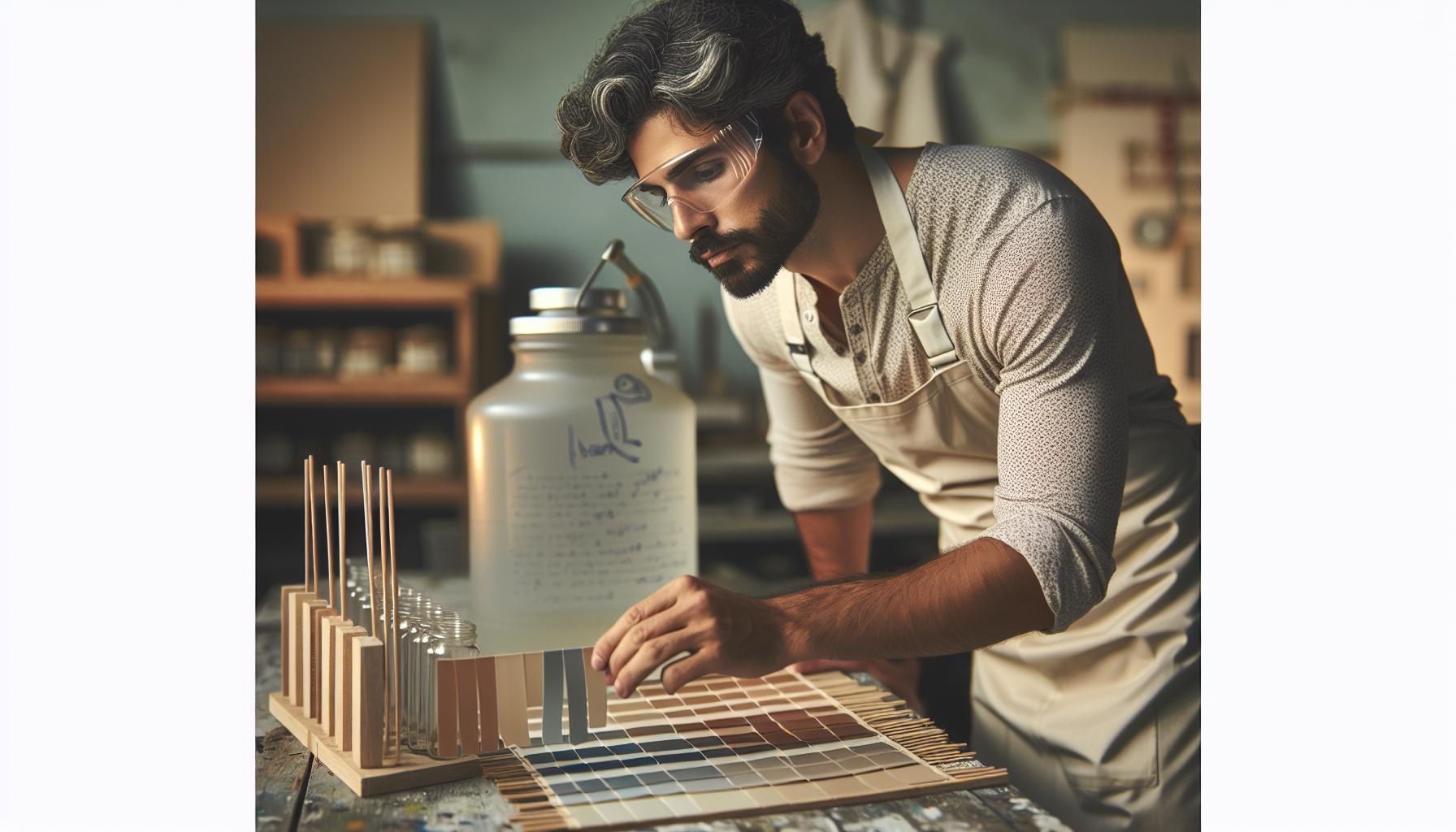
Types of Acrylic Paint and Their Dry Times
Acrylic paint comes in a variety of types, each with its unique properties that significantly influence drying times. Familiarizing yourself with these different formulations not only enhances your creative possibilities but also empowers you to make informed choices based on how quickly you need the paint to dry for your project.
Heavy Body Acrylics are known for their thick texture and high viscosity, making them ideal for impasto techniques and creating rich, textured effects. However, their thicker consistency results in slower drying times-typically anywhere from 30 minutes to a few hours for touch dryness, depending on the application thickness. This allows artists to work with the paint longer before it sets, which is great for blending and layering but requires some patience.
On the other hand, Fluid Acrylics boast a thinner, more liquid consistency, making them easier to apply in smooth, even layers. They generally dry faster, often within 20 to 30 minutes, allowing for quick layer building and less waiting time. Fluid acrylics are particularly favored for glazing techniques, where rapid drying is beneficial for applying transparent layers over dried paint.
When exploring acrylic paint options, consider also Acrylic Gouache, which combines the properties of acrylic and traditional gouache. It dries to a matte finish and can be reactivated with water after drying. This type typically dries within 20 minutes, making it an excellent choice for artists seeking quick-drying solutions without the glossy finish of standard acrylics.
Ultimately, understanding the differences between these types not only helps manage expectations regarding drying times but also influences your choice of techniques and application styles. Whether you prioritize texture through heavy body acrylics or prefer the ease of working with fluid acrylics, knowing your materials is key to achieving the best results in your artwork.
Layer Thickness: How It Influences Drying
When it comes to the drying time of acrylic paint, one of the most significant factors to consider is layer thickness. The thickness of each layer you apply can dramatically influence how quickly the paint will dry, which is essential information for artists seeking control over their creative process. For example, applying a thick layer of heavy body acrylics can lead to drying times extending from 30 minutes to several hours. In contrast, a thin layer may become touch-dry within minutes. This variability highlights the importance of technique and application style.
To help navigate layer thickness, consider the following points:
- Thin Layers: Applying acrylic paint in thin layers not only speeds up drying time but also enhances the overall quality of the artwork. Thin coats allow for quicker layering and reduce the risk of muddy colors, which can occur if thicker layers are blended too soon.
- Thick Layers: While thicker applications can produce texture and depth, they may require patience and strategic planning. For artists who enjoy impasto techniques, understanding that their work may take longer to dry is key, allowing ample time for blending and adjustments.
- Layering Techniques: When layering, it’s advisable to allow the first layer to dry completely before applying subsequent coats. This prevents the layers from mixing unintentionally and ensures clean color definition and detail integrity.
Moreover, the impact of layer thickness can vary between different types of acrylics. While heavy body acrylics provide a rich texture, fluid acrylics, when layered thinly, often dry within 20 to 30 minutes, making them ideal for artists looking to build up layers quickly. Understanding these nuances in layer thickness not only helps manage drying expectations but also can inspire different creative approaches-transforming the drying process from a mere waiting period into an integral part of your artistic technique.
By mastering the art of application thickness, you gain greater flexibility and efficiency in your work, enabling you to complete projects on time without compromising creativity.
Environmental Influences on Drying Time
The environment in which you paint plays a crucial role in determining how quickly acrylic paint dries. Temperature, humidity, and airflow can either speed up or slow down the drying process, greatly affecting your workflow and the outcome of your artwork.
Higher temperatures generally accelerate drying times. Acrylic paint contains water, and as the temperature rises, the rate of evaporation increases. For instance, if you’re working in a warm room (above 75°F or 24°C), you may notice the paint becomes touch-dry within 10 minutes. Conversely, cooler environments can significantly extend the drying time. In a chilly space, your 30-minute drying prediction could stretch into an hour or more, leading to frustration during long painting sessions.
Humidity is another factor that can profoundly influence drying times. High humidity levels introduce moisture into the air, which can slow down the evaporation of water from the paint. This often results in longer drying times, especially in regions where the air is thick and damp. On the other hand, low humidity levels (below 40%) can lead to rapid drying, sometimes so fast that colors can dry on your palette before you’ve had the chance to blend them. Artists working in particularly dry or arid climates often find themselves adjusting their techniques to account for this.
Airflow is equally important; a well-ventilated area can help speed up drying by promoting evaporation of moisture from the paint’s surface. If you’re working in a stagnant room, consider using a fan or opening windows to enhance airflow and facilitate quicker drying. However, be cautious with strong drafts, as they can cause splatters or uneven drying.
By understanding the interplay between these environmental factors, artists can make informed decisions about when and where to paint, optimizing their creative process and achieving desired results. Consider adjusting your workspace conditions based on the kind of finish and drying times you are aiming for; it can make all the difference in your artistic journey.
Techniques to Speed Up Acrylic Paint Drying
To achieve quicker drying times with acrylic paint, artists can employ a variety of techniques that leverage both environmental controls and creative application methods. These strategies not only enhance the speed of drying but also help to maintain the integrity of the work in progress.
One of the simplest methods involves adjusting your workspace temperature. Consider increasing the ambient temperature slightly; a warmer setting (above 75°F or 24°C) can significantly speed up drying. Additionally, using a heat gun or hairdryer on a low setting can help, but be cautious to keep it at a distance to avoid disturbing the paint’s surface or causing bubbling.
Another effective approach is to control the thickness of the paint layers. Applying thinner layers of acrylic not only promotes faster drying but also enhances the final appearance, as each coat dries quickly, reducing the risk of lifting previous layers when subsequent coats are added. Artists can also experiment with sponges or brushes designed for thin application to help spread the paint evenly while minimizing layer thickness.
Humidity control is crucial in the drying process. If you’re working in a humid environment, using a dehumidifier can aid in faster evaporation. Alternatively, artists can also work on a sunny day or near a heater to facilitate drying. When circumstances aren’t ideal, a simple box fan can increase airflow around the workspace, promoting moisture evaporation and accelerating the drying process.
Lastly, consider utilizing acrylic additives designed to speed up drying time. Products such as drying retarder can be mixed into the paint, allowing for more control during application without sacrificing speed. Always test these additives beforehand to ensure they don’t alter the paint’s overall performance or finish.
By integrating these techniques, artists can optimize their painting sessions, allowing for a more efficient workflow and seamless creative experience. Proper planning and environment adjustment can make a manageable difference in how quickly your acrylic paint dries.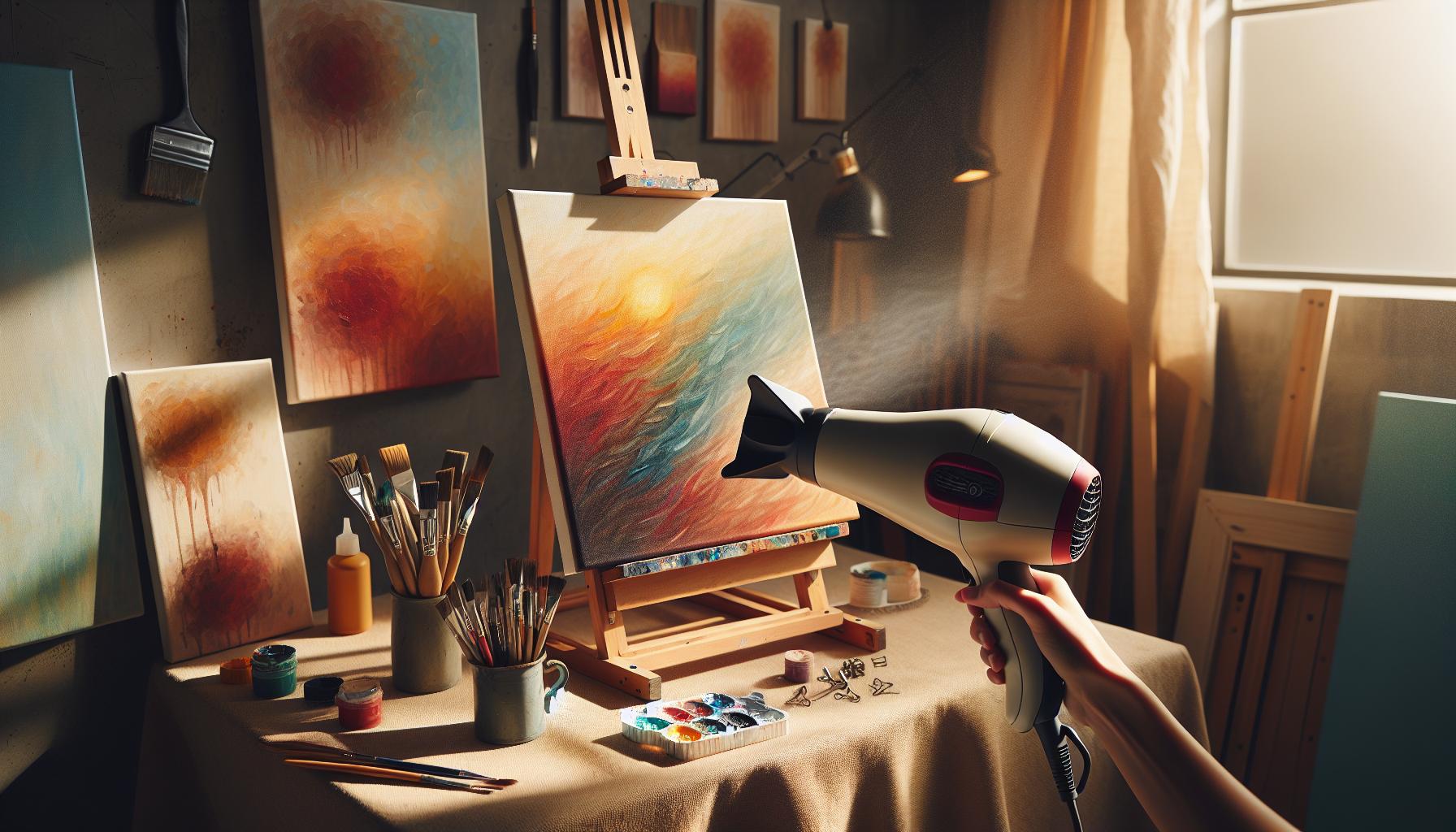
Best Practices for Painting with Acrylics
When diving into the vibrant world of acrylic painting, it’s essential to embrace a set of practices that not only enhance your artistic expression but also streamline the drying process. One key aspect to remember is the importance of preparation. Before you even pick up a brush, set up your workspace thoughtfully. Ensure that it’s clean and clutter-free, with ample lighting. Proper lighting not only helps you see the true colors of your paints but can also assist in monitoring how the paints dry and interact with each other on the canvas.
Another best practice involves understanding your materials fully. Familiarize yourself with the specific brand and type of acrylic paint you are using, as different formulations can have varying drying times and finishes. For instance, heavy body acrylics may take longer to dry compared to fluid acrylics. Additionally, always have a palette at hand where you can mix your colors. Using a wet palette can prolong the usability of your paint, allowing you to work at a comfortable pace without the need for rush due to drying.
Layer Management
Applying paint in layers is both an art and a science. Always aim to start with thin layers; this not only favors faster drying but also minimizes the risk of cracking and makes subsequent layers adhere better. Use techniques such as glazing or wash applications, which involve mixing acrylic paint with water or a medium, creating transparent layers that dry relatively quickly. Also, strategize your composition by allowing areas of your painting that are complete to dry fully before moving on to adjacent areas.
Time and Patience
Finally, understand that patience is a significant virtue when working with acrylics. While the quick drying advantage can feel like a blessing, it can also lead to frustration if paint is not given enough time between applications. Stepping away from the canvas for short periods can allow your work to settle and dry appropriately, resulting in a more refined piece overall. Use this time to analyze your work, and when you return, you’ll have a clearer perspective on what needs adjustment or enhancement.
In essence, adopting these best practices will elevate your acrylic painting experience, ensuring not only efficiency but also quality in your art. By merging preparation, understanding of materials, layer management, and patience, you empower yourself to create captivating works without the stress of drying time hindrances.
How to Test If Your Acrylic Paint Is Dry
When it comes to acrylic painting, knowing how to accurately test if your paint is dry can save you from unwanted smudges and accidents. Unlike oil paints, which can remain wet for days, acrylics dry relatively quickly-often within minutes to an hour depending on various factors. However, the surface might appear dry while the underlying layers still retain moisture, necessitating a more reliable method for testing dryness.
One of the simplest and most effective ways to check for dryness is to lightly touch the painted surface with your fingertips. Use a gentle touch on a less visible area first, as this will allow you to gauge the result without risking your entire artwork. If the paint feels firm and isn’t tacky to the touch, it is likely dry. For thicker applications or layered areas, a good practice is to wait longer, as these can take more time to set completely.
If you’re working on a larger piece or multiple layers, consider investing in a moisture meter designed for art materials. These tools can provide a more precise measurement of the moisture content in your paint, allowing you to determine if it’s ready for further detailing or varnishing. Additionally, observing the color change in your paint can serve as an indicator. Acrylics tend to darken when wet and lighten as they dry; if the color appears consistent with what you expect when dry, this can also signal readiness.
Before proceeding to subsequent layers or applying additional mediums, always err on the side of caution. Rushing can lead to common complications such as lifting or mixing of colors. Choosing to step away for a few moments to prevent smudging is often the best approach. By utilizing these methods, you can confidently gauge when your acrylic paint is dry, ensuring a smooth and successful painting process.
Common Mistakes That Delay Drying
The drying time of acrylic paint can be frustratingly prolonged by common mistakes artists may not even realize they’re making. One of the primary culprits is applying paint too thickly. While it may be tempting to create lush layers, thick applications can trap moisture beneath the surface, resulting in an extended drying period. To avoid this, consider building up layers with thinner applications. This technique not only accelerates drying time but also enhances texture and depth in your artwork.
Additionally, working in a humid environment can substantially delay drying. High humidity levels can keep the paint wetter for longer, as water in the atmosphere interferes with the evaporation process critical to drying acrylics. If your workspace tends to be humid, make an effort to use a dehumidifier or ensure adequate ventilation. Opening windows and using fans can also help circulate air, facilitating faster drying by promoting evaporation.
Another common mistake is neglecting to clean brushes and tools promptly after use. Dried paint can become caked in your supplies, affecting how they apply fresh paint. Residual moisture trapped in brushes can lead to inconsistent application and longer drying times. Always rinse your tools thoroughly in water and shape the bristles to ensure they’re ready for your next session, which ultimately contributes to a smoother painting process.
Lastly, many artists overlook the importance of temperature in the drying equation. Acrylic paint thrives in warm conditions, as heat accelerates evaporation. Painting in a cool or cold environment can significantly slow down drying. Aim for a comfortable temperature range (ideally between 70°F and 85°F or 21°C and 29°C) to ensure your acrylics dry efficiently. By being mindful of these common pitfalls, you can optimize your painting process and enjoy faster drying times, leading to a more productive and satisfying artistic experience.
Storing Acrylic Paint: Tips for Longevity
To extend the life of your acrylic paint and ensure it remains usable and vibrant, proper storage is essential. Acrylic paints can dry out quickly if not stored correctly, leading to wasted supplies and frustrating painting sessions. The first step is to keep your paints tightly sealed. Always close the lids on your acrylic paint tubes and jars to prevent air from entering and drying out the paint. For additional protection, consider placing your opened containers inside a resealable plastic bag.
Temperature matters significantly in preserving your acrylics. Ideally, store your paints in a cool, dry place away from direct sunlight. High temperatures can cause the paint to thicken or harden, while cold conditions may lead to separation. A temperature range between 60°F and 75°F (15°C to 24°C) is generally ideal. If possible, avoid storage in locations such as garages or sheds, where temperatures can fluctuate dramatically.
Humidity can also impact the longevity of your acrylics. Too much moisture can promote mold growth, especially if the paint contains organic pigments. For those living in humid climates, consider using silica gel packets in your storage box or a dehumidifier in your art space to regulate humidity levels.
Lastly, regularly check your paints for signs of drying or spoilage. If you notice a skin forming on the surface of the paint, you can often salvage it by stirring vigorously and adding a few drops of water or acrylic medium. By following these straightforward storage tips, you can protect your investment and enjoy painting with acrylics for a long time.
Comparing Dry Times: Acrylic vs. Other Paints
The drying time of acrylic paint stands out prominently when compared to other types of paint, making it a preferred choice for many artists. Unlike oil paints, which may require days or even weeks to become touch-dry due to their slow evaporation process, acrylics are renowned for their quick drying properties. Generally, acrylic paint can dry to the touch within 15 to 30 minutes, making it ideal for artists who seek immediate results and prefer layering techniques.
However, it’s essential to understand how this fast-drying characteristic influences its application compared to watercolors and oil paints. Watercolors are inherently fluid and typically dry within minutes, but their lack of opacity can result in less control over layering and blending once dried. The quick dry time of acrylic paint allows artists to build layers more rapidly, facilitating a more dynamic painting process without the risk of disturbing previous layers, which is a common challenge with oils.
When we consider enamel paints, which are often used for surfaces requiring durability, they can take significantly longer to dry-sometimes several hours or even days. Enamels must cure to develop their full hardness, which can inhibit an artist’s ability to work quickly or modify their work during the painting session. This contrasts sharply with acrylics, which not only dry swiftly but also retain a degree of reworkability when manipulated before they are fully set.
In terms of versatility, while both acrylics and oils have a strong following, acrylics offer a unique advantage for those working in mixed media or seeking to use varied techniques, such as pouring or palette knife application. Ultimately, understanding these differences can help artists choose the best medium for their specific projects, balancing the drying times with the desired effects and techniques.
Understanding Drying Stages of Acrylic Paint
Acrylic paint undergoes several distinct drying stages, and understanding these can significantly enhance your painting experience. From the moment you apply the paint to your canvas, it begins to transition through a series of phases that affect its texture, appearance, and working properties.
Initially, upon application, the paint is wet and workable, allowing for blending and manipulation. This phase typically lasts about 15 to 30 minutes, depending on environmental factors like humidity and temperature. During this window, artists can mix colors directly on the canvas or adjust their brushwork without any resistance.
As the paint begins to dry, it enters the tacky stage. This is crucial for artists who wish to layer colors without them blending uncontrollably. The surface will feel slightly sticky, allowing subsequent layers to adhere well without mixing into the underlying color. This stage can last anywhere from 30 minutes to several hours, especially if a thick layer has been applied. It’s during this time that many artists use techniques such as glazing or scumbling to add depth, using the tackiness to their advantage.
Finally, the paint reaches the fully dry stage, which can take a few hours to days, depending on thickness, environmental conditions, and the specific type of acrylic used. Fully dried acrylic is lightweight and flexible, making it less prone to cracking. However, it’s essential to note that even when fully dry, acrylics remain water-soluble until cured, meaning they can still be reactivated if exposed to water.
Recognizing these stages not only helps in achieving desired artistic effects but also prevents common issues like muddy colors or paint lifting during layering. Embracing the drying process enhances creative exploration, allowing artists to experiment with acrylics confidently and intuitively.
FAQ
Q: How can I tell when acrylic paint is completely dry?
A: Acrylic paint is usually dry to the touch within 20-30 minutes, but to ensure it’s fully cured, wait at least 24 hours. You can test dryness by gently touching the surface; it should feel firm without any tackiness. Refer to the section “How to Test If Your Acrylic Paint Is Dry” in the article for more tips.
Q: What affects how long acrylic paint takes to dry?
A: Several factors influence acrylic paint drying time, including humidity, temperature, air circulation, and the thickness of the applied layer. For a deeper understanding, check out “Different Factors Affecting Acrylic Paint Drying Time” in the main article.
Q: Can I speed up the drying process for acrylic paint?
A: Yes, you can expedite drying by using a fan, heating tool, or by applying thinner layers of paint. Avoid using heat sources too close, as they can cause bubbling. Explore “Techniques to Speed Up Acrylic Paint Drying” for more effective methods.
Q: Why does acrylic paint take longer to dry in high humidity?
A: High humidity slows the evaporation of water in the paint, extending drying time. To mitigate this, increase ventilation and use a dehumidifier. More insights can be found in the section “Environmental Influences on Drying Time” of the article.
Q: How does acrylic paint drying time compare to oil paint?
A: Acrylic paint dries significantly faster than oil paint, which can take days to weeks to set. This rapid drying can be advantageous for quick projects. For a thorough comparison, see “Comparing Dry Times: Acrylic vs. Other Paints.”
Q: What mistakes should I avoid that delay acrylic paint drying?
A: Common mistakes include applying thick layers, painting in humid conditions, or not allowing proper airflow. These factors can significantly prolong drying time. Check “Common Mistakes That Delay Drying” for further details.
Q: Does acrylic paint dry slower on different surfaces?
A: Yes, acrylic paint can dry slower on non-porous surfaces like plastic compared to absorbent surfaces such as canvas or paper. Each material affects evaporation rates differently. More information can be found in the section “Understanding Drying Stages of Acrylic Paint.”
Q: How long can I leave acrylic paint on my palette before it dries?
A: Acrylic paint can start to dry on a palette within 15-30 minutes, depending on the environment. To extend drying time, use a palette with a sealable lid or wet palette techniques. For more strategies, refer to “Storing Acrylic Paint: Tips for Longevity” in the article.
In Summary
Now that you’re equipped with insights on how long acrylic paint takes to dry, you’re ready to bring your creative projects to life with confidence! Remember, factors like humidity and temperature can affect drying times, so always consider your environment when planning your work. For further tips on enhancing your art skills, check out our related articles on drying techniques and the best surfaces for acrylic painting.
Don’t let your creativity pause-subscribe to our newsletter for the latest tips and tricks, or explore our collection of DIY tutorials to elevate your artistic journey. Have questions or experiences to share? Join the conversation in the comments below! Your artistic adventures are just beginning, so dive deep into our resources and let your imagination run wild. Happy painting!