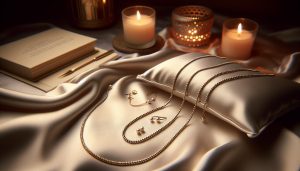
Platinum is not just a precious metal; it’s a symbol of luxury, durability, and timeless elegance in jewellery. Did you know that pure platinum is nearly twice as dense as gold, making it an incredibly resilient choice for those seeking lifelong treasures? As you explore why platinum reigns supreme in the world of jewellery, you’ll uncover its hypoallergenic properties, resistance to tarnish, and the unparalleled shine that elevates any piece. Whether you’re considering an engagement ring or a statement piece, understanding the unique benefits of platinum will empower you to make informed decisions that reflect your style and values. Dive into the world of platinum and discover how this extraordinary metal can complement your aesthetic while standing the test of time.
Why Is Platinum Ideal for Jewellery?
Platinum is not just another precious metal; it is the epitome of elegance and durability in the world of jewellery. Renowned for its stunning white luster, it pairs beautifully with an array of gemstones, making it a popular choice for engagement rings and fine jewellery. One of the key reasons platinum is ideal for jewellery lies in its exceptional properties. Unlike gold or silver, platinum is significantly denser and more durable, which means that pieces crafted from this metal can withstand the rigors of daily wear without losing their shape or brilliance.
Moreover, platinum’s natural hypoallergenic qualities make it an excellent option for those with sensitive skin. It is less likely to cause irritations or allergic reactions, providing peace of mind for wearers. This intrinsic purity also contributes to its longevity, as platinum jewellery does not tarnish or fade over time. Instead of diminishing, platinum can develop a unique patina that many wearers find appealing, enhancing the overall appearance of the piece as it ages.
Additionally, the rarity of platinum adds to its allure. Being one of the rarest metals on Earth, its scarcity not only elevates it as a status symbol but also ensures that investing in platinum jewellery can be a wise decision. When you choose platinum, you are opting for a material that conveys commitment and timelessness, making it perfect for significant life events and heirloom pieces.
The Unique Properties That Set Platinum Apart

Platinum’s remarkable characteristics make it a beloved choice in the realm of fine jewellery, not just for its beauty but also for its outstanding functionality. As one of the densest metals available, platinum boasts a unique combination of durability and weight. This gives jewellery crafted from platinum a substantial yet comfortable feel, leading many to appreciate its solid presence on the hand or neck. Unlike other metals that may bend or deform easily when subjected to daily wear, platinum maintains its form without the risk of scratching, ensuring that treasured pieces remain intact over the years.
One of the defining traits of platinum is its hypoallergenic nature. This means that it is safe for those with sensitive skin, as it is less likely to cause allergic reactions compared to some other metals. Such qualities make platinum a favored option for engagement rings and other fine pieces that are worn consistently. Additionally, its intrinsic purity, often found in 95% platinum for jewellery, makes it resistant to tarnishing, ensuring that pieces retain their stunning luster without extensive maintenance. Instead of fading away, platinum develops an attractive patina over time, adding to its character and charm.
Furthermore, the rarity of platinum amplifies its desirability. As one of the rarest precious metals, it is a symbol of exclusivity and luxury. This scarcity not only makes it a status symbol but also a valuable investment. For those passionate about jewellery, choosing platinum means opting for a material that signifies lasting love and commitment, perfect for celebrating significant life milestones. Understanding these unique properties not only informs better purchasing choices but also encourages appreciation for the value and artistry involved in platinum jewellery.
Platinum vs. Other Precious Metals: A Comparison
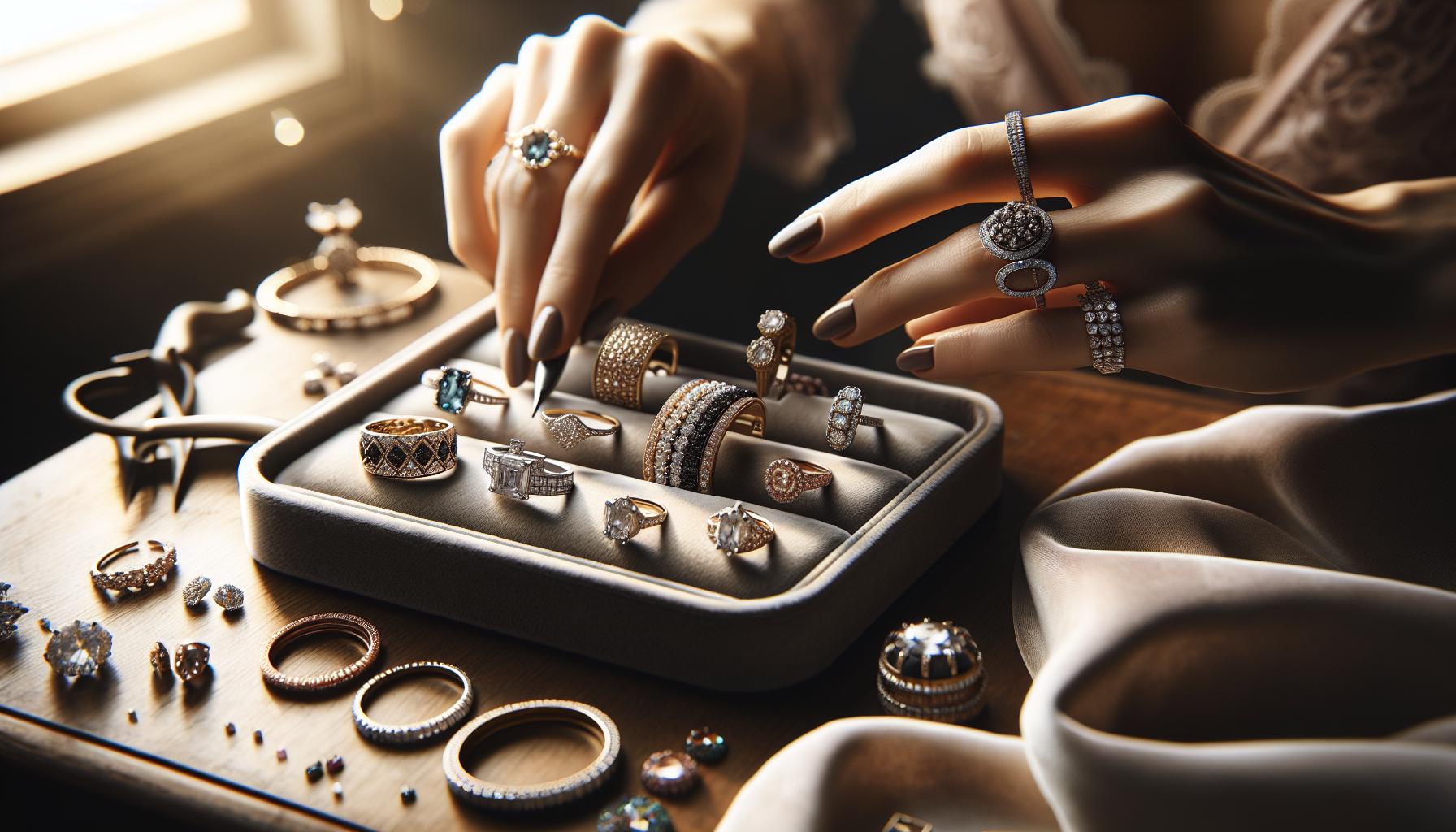
The choice of metal in jewellery can significantly affect the piece’s overall allure and perceived value. It’s intriguing to note that while gold and silver often take the spotlight in discussions about precious metals, platinum holds a unique position that merits thorough exploration. Known for its exceptional density and durability, platinum is almost twice as heavy as gold, giving it a substantial feel that many wearers appreciate. This density contributes to platinum’s resilience against scratches and warping, enabling jewellery pieces to withstand the rigors of daily wear while keeping their form intact.
In comparing platinum to gold and silver, there are essential differences in purity and hypoallergenic properties. Platinum is usually alloyed to a purity level of 90-95%, making it purer than 18kt gold (which is 75% pure) and much more than standard sterling silver (92.5% purity). This higher purity level significantly reduces the likelihood of allergic reactions, making platinum a safer choice for those with sensitive skin. Gold, while beautifully versatile, can sometimes include metals like nickel in its alloys, which are known to cause allergies in some individuals.
Another area where platinum shines is in its tarnish resistance. Unlike gold, which can lose its luster and require regular polishing, platinum develops a sought-after patina that enhances its character without compromising its integrity. This natural aging process is a testament to platinum’s durability, whereas gold jewellery often needs more frequent maintenance to keep it looking pristine. Moreover, with the rarity of platinum compared to gold and silver, choosing platinum signals exclusivity and refined taste, making it a favored material for engagement rings and other significant pieces that symbolize enduring love.
In summary, while both gold and silver have their own allure, platinum stands out for its unparalleled combination of strength, hypoallergenic nature, and rarity, making it an ideal choice for those seeking lasting quality in their jewellery. Whether you’re accessorizing for a special occasion or identifying a worthy investment piece, understanding these distinctions can aid you in making informed choices that reflect your personal style and values.
The History and Symbolism of Platinum in Jewellery

Platinum has a rich and fascinating history that has woven its way into the fabric of jewellery making across ages and cultures. First discovered by the Spanish in the 16th century, its name is derived from the Spanish term “platina,” meaning “little silver.” Despite its early obscurity, it gained prominence in the late 19th and early 20th centuries, particularly during the Art Deco movement when designers began to realize its potential for crafting sophisticated and durable pieces. As an emblem of luxury, platinum was favored by the elite and became synonymous with timeless elegance in fine jewellery.
Throughout history, platinum has been associated with strength and purity, making it a popular choice for significant symbols such as wedding bands and engagement rings. The metal’s rarity and inherent qualities represent enduring love and commitment, resonating deeply in various cultures. In addition to its physical attributes, platinum holds symbolic significance; it is often viewed as a representation of integrity, prestige, and exclusivity. This perception enhances its desirability among those looking to mark important life milestones with something as unique as their bond.
Platinum in Royalty and Cultural Significance
In royal traditions, platinum has often occupied a position of honor. Many crowns, including those worn by monarchs in the 20th century, incorporated platinum, further solidifying its status as a metal of the aristocracy. Additionally, countries like Russia recognized platinum’s value early on, utilizing it in their exquisite jewellery. When creating heirlooms, artisans choose platinum for its longevity and ability to maintain the pieces’ original beauty over generations.
Moreover, platinum’s symbolism extends into modern perceptions of wealth and success, appearing in luxury branding and high-priced collections. Whether crafted into intricate designs or set with precious gemstones, platinum continues to serve as a testament to quality and sophistication, appealing to both collectors and those seeking memorable gifts that encapsulate meaningful moments.
In summary, the historical context and symbolic meanings associated with platinum enrich its appeal in contemporary jewellery. As collectors and consumers appreciate these deeper connections, platinum remains not only a beautiful choice but also one that signifies importance and legacy in milestones and celebrations alike.
Crafting Platinum Jewellery: Techniques and Skills
Crafting jewellery from platinum is a meticulous art that combines advanced techniques with unrivaled skill. Known for its density and malleability, platinum can be shaped into graceful designs that maintain their integrity over time. The process often begins with sourcing high-quality platinum, characterized by its purity, with most jewellery made from an alloy containing at least 95% platinum. This high purity ensures that pieces are not only striking in appearance but also durable and resistant to tarnish.
Jewellers utilize various methods to form platinum into beautiful adornments. One of the most common techniques is casting, where molten platinum is poured into a pre-made mold. This allows for intricate designs that would be difficult to achieve through other methods. For more detailed work, hand fabrication is employed, where artisans manually shape the metal using tools like hammers and pliers. This method enables the creation of unique, custom pieces that reflect the maker’s personal style.
In addition to casting and fabrication, stone setting techniques play a crucial role in platinum jewellery design. The hardness of platinum allows jewellers to achieve a secure grip on gemstones, enhancing their beauty while ensuring they remain firmly in place. Techniques such as prong setting, bezel setting, and pave setting each bring a different aesthetic to the final piece, offering a variety of styles for consumers to choose from.
For those interested in creating their own platinum pieces, a strong understanding of the metal’s properties is essential. Given its weight and melting point, careful handling and appropriate tools are paramount to working with platinum safely and effectively. Aspiring jewellers are encouraged to invest time in learning from seasoned craftsmen, as the nuances of platinum crafting can significantly elevate one’s artistry while honoring the rich legacy of this majestic metal.
Caring for Your Platinum Jewellery: Tips for Longevity

Caring for platinum jewellery is essential to preserve its stunning appearance and longevity. Unlike other metals, platinum is less prone to scratches and tarnish, making it an ideal choice for everyday wear. However, to keep your pieces looking their best, a few straightforward care practices can make a significant difference.
Begin by regularly cleaning your platinum jewellery. A simple solution of warm water and a few drops of mild dish soap can work wonders. Soak the pieces for 20-30 minutes, then gently brush with a soft toothbrush to dislodge any dirt or grime. Rinse thoroughly under warm running water and dry with a soft cloth. For intricate settings or pieces with gemstones, consider getting a professional cleaning once a year to ensure every detail is well cared for.
Storing your platinum jewellery properly is equally important. Use a soft-lined jewellery box or pouch to prevent scratches and tangling with other items. If you have multiple pieces, consider separating them with soft fabric to minimize friction. For rings, consider using a ring holder or placing them upright in a padded case to protect the settings.
Avoid exposing your platinum jewellery to harsh chemicals, such as bleach or chlorine, which can damage both the metal and any gemstones set within it. It’s also wise to remove your jewellery during activities that involve heavy lifting, sports, or household chores to prevent unnecessary wear and tear.
Lastly, remember to have your platinum jewellery inspected periodically. Regular check-ups by a professional jeweller can help detect any loosening stones or other issues before they become problematic. Following these care tips not only keeps your platinum pieces radiant but also maintains their value, ensuring you can enjoy them for years to come.
Stylish Platinum Jewellery Trends for Every Occasion
Platinum’s elegance and durability make it a sought-after choice for versatile and chic jewellery trends. Whether you’re dressing up for a formal event or looking to add a touch of luxury to your everyday style, platinum jewellery can be the perfect finishing touch. The metal’s natural white sheen provides a stunning backdrop for any gemstone, and its strength ensures your pieces withstand the test of time.
Versatile Designs for Any Occasion
Platinum jewellery stands out not just for its aesthetic appeal but also for its adaptability. From simple stud earrings to elaborate statement necklaces, there’s something for every setting. For weddings, many brides are opting for platinum bands that perfectly complement their engagement rings, creating an exquisite layered look. Meanwhile, casual outings call for minimalist designs, such as sleek platinum bracelets or delicate pendants that can be paired effortlessly with any outfit.
Gemstone Combinations
The striking neutrality of platinum allows it to showcase a variety of gemstones beautifully. This season, bold gemstone colours are trending, with combinations like deep blue sapphires or vibrant emeralds set against the cool hue of platinum. For a more understated option, consider classic diamonds or a subtle pastel-hued gemstone in platinum settings that enhance the overall sparkle without overwhelming the wearer.
Bold Statement Pieces
As fashion leans towards more expressive styles, oversized platinum pieces have made their mark. Chunky rings or bold cuff bracelets are perfect for making a statement at any gathering. Pair these larger pieces with simpler attire to let the jewellery shine. Alternatively, layering several platinum necklaces of varying lengths can create a fashionable, textured look that draws attention and admiration.
Incorporating trends like mixed metals and personalized engravings into platinum jewellery can also add a modern twist. Don’t hesitate to explore combinations with rose gold or yellow gold for a chic contrast. Custom engravings allow for a personal touch, making each piece unique and meaningful-perfect for gifts or commemorating special occasions.
With its unmatched qualities, platinum jewellery offers a blend of timeless elegance and contemporary style that’s perfect for enhancing any ensemble, making it a wise choice for showcasing your personal flair at every occasion.
Affordable Alternatives: Exploring Platinum-Look Choices
Platinum’s stunning appearance and exceptional durability make it a coveted choice for many, but its price tag can be prohibitive for some consumers. Fortunately, there are several affordable alternatives that mimic the look and feel of platinum without the hefty cost. Exploring these options can help you enjoy the elegance of platinum-like jewellery without emptying your wallet.
One popular substitute is white gold, an alloy of gold mixed with metals like palladium or nickel to enhance its whiteness and durability. Although it requires periodic re-rhodium plating to maintain its bright appearance, white gold offers a comparable aesthetic that many people adore. When choosing white gold, consider a higher karat (like 18K) for an even closer resemblance to platinum in terms of luster and quality.
Another excellent option is sterling silver, which is more affordable and widely available. With proper care, sterling silver can shine brilliantly, resembling the cool tone of platinum. However, it is softer than platinum and may tarnish over time, so it’s important to clean and polish it regularly to maintain its appearance. For a more platinum-like look, consider pieces that are coated with a layer of rhodium, which not only adds shine but also helps resist tarnishing.
For those looking for a truly budget-friendly choice, stainless steel has emerged as a fashionable alternative in the jewellery world. Highly durable and hypoallergenic, stainless steel pieces can have a metallic sheen that rivals platinum. Many modern designs showcase stainless steel in various styles, from classic to contemporary, making it a versatile addition to your jewellery collection.
If you’re open to synthetic options, platinum-tone or platinum-colored costume jewellery can be an attractive solution. Made from non-precious metals and plated with a platinum-like finish, these pieces can offer the visual appeal of platinum at a fraction of the price. They’re an excellent option for special occasions or for those who enjoy changing their jewellery frequently without a significant investment.
Ultimately, the choice of material should align with your lifestyle, personal style, and budget. By exploring these affordable alternatives, you can enjoy the timeless elegance and style commonly associated with platinum without the financial burden, ensuring you find the perfect pieces to enhance your wardrobe.
How to Identify Real Platinum Jewellery
To distinguish authentic platinum jewellery from imitations effectively, it’s essential to know what to look for. Platinum is a dense, heavy metal that is not only durable but also resistant to tarnish. One of the most straightforward methods to confirm whether your piece is genuine is to check for markings. Look for a stamp on the jewellery indicating its platinum content; common markings include “PT,” “Plat,” or “950,” which signifies that the piece contains 95% pure platinum. If you don’t see any stamps, that’s a significant red flag.
Another reliable test is to consider weight. Platinum jewellery typically feels heavier than its alternatives, such as gold or silver. If you can compare, you’ll find that a similar piece in gold or silver will be noticeably lighter. Additionally, you can conduct a simple scratch test. Genuine platinum will not easily scratch or dent, as it is one of the hardest metals on the market. However, this method should be used cautiously, as it can damage visually appealing finishes.
Visual Characteristics to Observe
When evaluating platinum jewellery, pay attention to its lustrous finish. Authentic platinum has a silvery-white sheen that does not fade over time. Unlike white gold, which can lose its rhodium plating and appear yellowish, platinum maintains its color and brilliance. If a piece is excessively shiny or reflective, it might have a superficial coating rather than being solid platinum.
Professional Appraisals and Certifications
For added assurance, consider seeking a professional appraisal. Jewelers can use advanced techniques, such as spectroscopy, to analyze the metal’s composition and confirm authenticity. If you’re purchasing a high-value item, request certification from a reputable grading organization, as this can give you peace of mind about your investment.
Investing in platinum jewellery can be a wise choice, but ensuring its authenticity is crucial to safeguarding that investment. By learning how to identify real platinum, you can appreciate your jewellery’s quality and elegance while also avoiding fraudulent pieces.
The Investment Value of Platinum in Today’s Market
Investing in platinum jewellery is not merely about acquiring a beautiful piece; it is a strategic financial decision that offers potential long-term value. Unlike gold or silver, platinum is rarer, which significantly impacts its market value. Recent trends indicate that as the demand for sustainable and ethically sourced materials increases, platinum’s appeal grows, as it is often sourced more responsibly compared to other precious metals.
Market Demand and Applications
Platinum’s unique properties not only make it ideal for crafting exquisite jewellery but also for industrial uses, especially in the automotive and electronics sectors. This dual demand can create price stability, making it an enticing option for investors. Notably, its importance in catalytic converters means that fluctuations in the automotive market can directly affect platinum prices, a factor savvy investors should consider.
Long-term Investment Potential
When pondering investment value, consider the historical price stability of platinum. Over the past decade, it has shown resilience during economic downturns, often outperforming gold during periods of high inflation. For those curious about the potential return on investment, keep an eye on current market trends, as informed purchases-especially in high-quality pieces-can yield impressive returns.
Moreover, owning platinum jewellery means you are likely holding onto a piece that can cherish sentimental value while representing a tangible asset. Many people find that investing in platinum can also connect them to its historical significance-known as the “noble metal,” platinum has adorned royal crowns and significant cultural artifacts. In essence, as you consider diversifying your jewellery portfolio, platinum stands out not just for its breathtaking beauty but also for its enduring investment potential.
Customising Platinum: Personalization in Design
Designing platinum jewellery allows for customization that enhances both its beauty and the wearer’s personal style. With its unique qualities-such as strength, resistance to tarnish, and hypoallergenic properties-platinum is a favoured choice for bespoke pieces that stand the test of time. Whether it’s a simple modification to an existing item or creating a completely new design, personalizing platinum jewellery can lead to remarkable artistic and sentimental value.
When considering a custom piece, start by brainstorming elements that reflect your identity or commemorate significant life events. This could include selecting a unique gemstone that holds personal meaning or incorporating intricate engraving that conveys a memorable date or phrase. Many jewellers now offer services where customers can design their engagement rings or other pieces from scratch, allowing them to choose everything from the band shape to the stone’s cut and setting style. This not only ensures a unique creation but also fosters a connection that mass-produced jewellery lacks.
Popular Customization Options
- Engravings: This adds a personal touch, and popular choices include initials, important dates, or meaningful quotes.
- Stone Selection: Opt for rare gemstones that resonate with the wearer, whether for their colour, symbolism, or personal significance.
- Design Modifications: Adjust the band’s width, change the setting style, or incorporate mixed metals alongside platinum to create a striking contrast.
- Matching Sets: Custom pieces can be designed as part of a collection-think matching engagement and wedding rings or complementary earrings and pendants.
Additionally, keep in mind that custom designs can sometimes require longer lead times, so plan accordingly for special occasions. Collaborating closely with a skilled jeweller who understands your vision can lead to outstanding results. They can guide you based on current design trends, craftsmanship techniques, and practical considerations to ensure your piece is not only visually stunning but also comfortable and durable for everyday wear.
Ultimately, personalizing platinum jewellery is more than just about aesthetics; it’s about creating a legacy, making a statement, and cherishing the unique moments that make life special. Whether you opt for a conventional look or a striking avant-garde design, the options for customization in platinum are as limitless as your imagination.
Sustainability in Platinum Mining and Production
As the world shifts toward more eco-conscious practices, has become a focal point for both the jewellery industry and consumers. The practices associated with this precious metal are evolving, with mining companies adopting greener methods to reduce their environmental impact and ensure ethical sourcing. Platinum, unlike many other metals, is often extracted in regions where the local communities benefit economically from the mining operations, fostering both social and environmental responsibility.
Responsible Mining Practices
Many miners are now implementing sustainable techniques that prioritize ecological health and safety. These include:
- Rehabilitation of Mining Sites: After mining operations conclude, companies are investing in the restoration of ecosystems to their natural states, ensuring that wildlife can thrive and communities can continue their way of life.
- Water Management: Techniques that minimize water usage and prevent contamination of local water supplies are becoming standard practice, helping to preserve valuable resources.
- Community Engagement: Engaging local communities in decision-making processes ensures that mining practices align with the needs and values of the people directly affected by those operations.
Ethical Sourcing and Certification
More consumers are seeking assurance that the metals used in their jewellery are sourced ethically. Various certification programs exist that guarantee that platinum is mined in a way that meets high ethical standards. Such certifications can help consumers make informed purchasing decisions, fostering a positive economic impact on local communities involved in the mining process while supporting sustainable practices.
In summary, the emphasis on not only reflects a growing trend toward responsible luxury but also aligns with the values of modern consumers. By choosing platinum jewellery that is ethically sourced and produced using sustainable practices, individuals can contribute to a positive impact on the planet while enjoying the beauty and durability of this remarkable metal.
Frequently asked questions
Q: Why is platinum considered the best metal for jewelry?
A: Platinum is considered the best metal for jewelry due to its exceptional durability, rarity, and hypoallergenic properties. It resists tarnish and damage, making it ideal for everyday wear. Its natural white sheen enhances the brilliance of gemstones, adding to its appeal in fine jewelry pieces.
Q: How does platinum compare to white gold in jewelry?
A: Platinum is more durable and heavier than white gold, providing a more substantial feel. Unlike white gold, which is often alloyed with nickel and requires rhodium plating, platinum is hypoallergenic and retains its color over time, making it a preferred choice for those with sensitive skin.
Q: What makes platinum unique among precious metals?
A: Platinum is unique because of its density, resistance to corrosion, and high melting point. It doesn’t chip or wear away easily and is also less prone to scratching, making it an excellent choice for intricate jewelry designs and pieces that will be worn frequently.
Q: Can platinum jewelry be resized easily?
A: Yes, platinum jewelry can be resized, but it requires professional handling due to its hardness. Resizing should be performed by a skilled jeweler who understands the properties of platinum to avoid damaging the piece. Regular sizing adjustments may benefit rings that are worn daily.
Q: How should I clean and care for platinum jewelry?
A: To clean platinum jewelry, use a mild soap solution and a soft brush. Avoid harsh chemicals that can damage the metal. Regularly clean your pieces and store them separately to prevent scratches. For deeper cleaning, professional services can restore their shine effectively.
Q: What is the investment value of platinum in jewelry?
A: Platinum’s investment value lies in its rarity and increasing demand in various industries, including automotive and electronics. As a long-lasting precious metal, fine platinum jewelry can hold its value well over time, making it a smart investment choice for collectors and investors.
Q: Is platinum jewelry safe for people with sensitive skin?
A: Yes, platinum jewelry is safe for sensitive skin as it is hypoallergenic and contains no nickel. This characteristic makes platinum an ideal choice for individuals who often experience reactions to other metals used in jewelry, ensuring comfort without irritation.
Q: What environmental considerations should I know about platinum jewelry?
A: When purchasing platinum jewelry, consider sustainable sourcing practices. Look for brands that prioritize responsible mining methods and environmental concerns. Sustainable practices can ensure a lower impact on ecosystems, contributing positively to the ethical jewelry movement.
To Wrap It Up
As we’ve explored, platinum is not just a luxury; it’s a practical choice for your jewelry needs, celebrated for its durability and hypoallergenic properties. If you’re ready to elevate your collection, consider browsing our guides on jewelry care and cleaning tips to keep your pieces shining. Don’t miss our DIY tutorials where you can learn to design your own platinum jewelry, adding a personal touch to your style.
Act now! Subscribe to our newsletter for exclusive updates on new arrivals and tips tailored for jewelry lovers like you. Whether you’re looking to expand your knowledge or find the perfect piece, explore our extensive resources on styling advice and authentication methods. Your journey in the world of precious metals starts here-share your thoughts in the comments below, and connect with a community that values excellence in every piece. Remember, platinum is more than just a metal; it’s a statement!