Earrings have been a captivating accessory for over 7,000 years, serving not only as adornment but also as a significant cultural symbol across various civilizations. Understanding their rich history can deepen your appreciation for the styles you wear today and their meanings. From ancient Egypt to modern trends, earrings have evolved but remained a pathway for self-expression.
As you explore this fascinating journey, you’ll discover how these tiny pieces of jewelry have reflected societal changes, gender norms, and artistic innovation. Whether you’re a seasoned collector or new to the world of accessories, this exploration reveals insights that connect us to our past while enriching our current choices. So, join us as we delve into the enchanting history of earrings, uncovering the stories and styles that have shaped this timeless accessory.
The Earliest Evidence of Earrings: A 7,000-Year Journey
The evolution of earrings spans an impressive timeline, dating back approximately 7,000 years. The oldest known earrings were discovered in the graves of ancient civilizations, such as those in the Indus Valley, where gold and stone earrings highlight the craftsmanship and cultural significance of adornment in those societies. These early pieces were not merely decorative; they often held spiritual or protective meanings, serving as talismans for the wearers.
As civilizations flourished, the use of earrings became intertwined with social status and identity. In ancient Egypt, earrings were popular among both men and women, crafted from precious metals and adorned with exquisite gemstones. They signified wealth and were often buried with the deceased to accompany them in the afterlife. Similarly, Roman society placed great value on earrings, which were often used as a means to display wealth and craftsmanship, highlighting the wearer’s social standing.
Throughout this timeline, earrings have not only served aesthetic purposes but have also been rich in symbolism. In various cultures around the world, the act of wearing earrings can signify transitions in life stages, such as maturity or marriage. This deep-rooted historical context enhances our understanding of earrings beyond their decorative nature, offering insight into the cultural practices and values of ancient peoples.
Cultural Significance of Earrings in Ancient Civilizations
The allure of earrings transcends mere decoration; their cultural significance in ancient civilizations offers a fascinating glimpse into the values and beliefs of societies long past. From the early adorned ears in the Indus Valley to the opulent styles of ancient Egypt, earrings played integral roles not only as fashion statements but also as symbols of power, spirituality, and identity. In many instances, these pieces were meticulously crafted from precious metals and stones, serving both ornamental and ritualistic purposes.
As artifacts unearthed from archaeological sites suggest, earrings were often associated with rites of passage and social standing. For example, in Mesopotamian cultures, earrings symbolized maturity and were commonly presented to individuals as they transitioned into adulthood. Similarly, in ancient Greece and Rome, the complexity and artistry of earrings reflected the wearer’s wealth and social class. Dainty designs adorned with intricate filigree were not only fashionable but also indicated the craftsmanship and artistry of the goldsmiths of the time, which was a point of pride within their communities.
In addition to personal significance, earrings often held spiritual meanings. Many ancient cultures believed that adornments like earrings could offer protection or act as talismans against evil spirits. For instance, in ancient Egyptian society, earrings were frequently placed on the mummies to accompany them into the afterlife, suggesting their importance in both ceremonial and daily life. This practice illustrates the profound connections between faith, beauty, and identity that earrings have provided throughout millennia.
Ultimately, understanding the cultural significance of earrings deepens our appreciation for these timeless adornments. They remind us that jewelry is not just about style; it encapsulates history, heritage, and the evolution of human expression. By exploring these dimensions, we can foster a richer connection to the jewelry we wear today, much like those who came before us, weaving our own stories into the fabric of an ancient tradition.
Materials Used in Historical Earring Designs
The creative evolution of earrings throughout history is deeply intertwined with the materials used to craft them. The journey begins with simple designs made from organic materials like wood, bone, and clay, often reflecting the natural environment and resources available to early civilizations. Over time, as artistry and technology advanced, so did the choice of materials, leading to the intricate and diverse designs we see today.
One of the earliest materials used was gold, prized for its luxurious appearance and malleability, which allowed artisans to create detailed and delicate pieces. Ancient Egyptians, for instance, favored gold as a symbol of wealth and status, incorporating it into ceremonial earrings and burial artifacts. Other precious metals like silver and copper also became popular, especially in cultures around the Mediterranean where silver was often used for its shiny finish that could emulate gold.
As trade routes expanded, exotic materials began to surface in earring designs. Gemstones such as lapis lazuli, carnelian, and turquoise were carved into beautiful shapes and set into earrings, showcasing not just wealth but also intricate craftsmanship. The use of semi-precious stones became particularly significant in cultures like those of Mesopotamia and the Indus Valley, where the vibrant colors and intricate patterns enhanced both the aesthetic appeal and the perceived power of the wearer.
Earrings have also been made from non-metal materials, particularly during periods when resource availability or cultural practices dictated innovation. For example, in ancient Rome, artisans crafted earrings using glass beads and enamel, showcasing a shift towards colorful, lightweight designs that resonated with the vibrant fashion of the time. Additionally, materials like porcelain and ceramic emerged during the Renaissance, offering new avenues for creativity and expression as they could be shaped and painted in unique ways.
In conclusion, the tell a story of cultural evolution, resource availability, and artistic expression. As jewelry makers today, being aware of these materials not only enhances our appreciation of the past but also empowers us to experiment with our own creations, blending traditional practices with modern techniques to craft pieces that share stories of their own.
Evolution of Earring Styles Through the Ages
Over the millennia, the designs of earrings have morphed dramatically, mirroring shifts in culture, technology, and fashion. From ancient civilizations to contemporary styles, earrings have remained a potent symbol of personal adornment and expression. The journey of earring styles reveals not only artistic ingenuity but also the societal values and fashion trends prevalent during different historical periods.
In the early days, earrings were predominantly simple and functional. Ancient societies, such as the Egyptians, crafted hoop and stud earrings from materials like gold and silver, which were not only favored for their beauty but also signified status. As time progressed, the intricate craftsmanship of cultures such as the Greeks and Romans introduced more elaborate designs, often featuring gemstones. The use of filigree techniques and delicate engravings marked a significant evolution, highlighting the artisans’ skills and the importance of personal aesthetics.
The Middle Ages witnessed a shift as earrings became less popular, overshadowed by other forms of jewelry. However, as the Renaissance blossomed, earrings regained prominence, showcasing extravagant designs adorned with pearls and colorful gemstones. This period emphasized opulence, and earrings became part of broader jewelry ensembles that symbolized wealth and sophistication.
Moving into the 19th and 20th centuries, earring styles diversified more dramatically. The Victorian era popularized dangling styles, often embellished with intricate motifs, while the Art Nouveau movement celebrated nature-inspired designs. This eclectic mix laid the groundwork for modern trends, where bold statements and minimalist designs coexist. Contemporary styles range from chic studs to oversized hoops, reflecting personal tastes and cultural influences, making earrings a versatile accessory suitable for any occasion.
As styles continue to evolve, the future of earrings promises even greater innovation. With advancements in materials and technology, from sustainable practices to 3D printing, the design possibilities are limitless, allowing for unique creations that cater to individual preferences while respecting cultural heritage. Embracing both historical significance and modern creativity, earrings remain a dynamic component of jewelry fashion that will continue to evolve through the ages.
How Earrings Became a Fashion Statement
Throughout history, earrings have transcended their original purpose as mere adornments to evolve into powerful fashion statements that express individuality and personal style. By the mid-20th century, earrings had firmly established themselves as a staple of fashion, influenced by cultural shifts, artistic movements, and the emergence of celebrity culture. Designers began to explore bold designs-oversized hoops, colorful tassels, and intricate geometries-that not only caught the eye but also symbolized freedom of expression, particularly during the counterculture movements of the 1960s and 70s.
The increasing popularity of earrings can also be attributed to their versatility. Unlike many other forms of jewelry, earrings can complement various styles, from casual attire to elegant evening wear, providing an easy way to update or refine an outfit. This adaptability has made them a crucial accessory in the modern wardrobe. Fashion icons and influencers have played a significant role in popularizing specific earring styles, often using statement pieces to amplify their looks and echo their personalities on social media platforms.
Moreover, the democratization of fashion through online platforms and artisan marketplaces has transformed the earring landscape. Consumers now have access to a plethora of styles, materials, and designs – from handmade artisan pieces to high-fashion luxury items. Shoppers can express themselves by selecting unique earrings that resonate with their personal aesthetic. This dialogue between creators and wearers has further blurred the lines between jewelry as art and jewelry as fashion, making earrings a vibrant medium for self-expression.
As we admire the evolution of earrings as powerful fashion statements, it’s essential for enthusiasts to consider how to incorporate them into their own style. Whether you’re exploring artisan collections or investing in designer pieces, aim for a balance between quality and personal significance to create a collection that reflects your individual journey.
The Role of Earrings in Modern Jewelry Trends
Earrings have firmly established themselves as one of the most versatile and influential accessories in modern jewelry trends, reflecting not only personal style but also cultural movements and fashion cycles. Today, they serve as the finishing touch to a wide range of outfits, whether they are elaborate statement pieces or minimalist studs. This evolution is driven by several factors, including the rise of social media, which has democratized fashion and made diverse styles more accessible to consumers worldwide.
The Influence of Social Media
Platforms like Instagram and TikTok have transformed how individuals discover and engage with jewelry trends. Influencers and celebrities showcase new styles, leading to viral trends that can cause specific earring designs to become highly sought after overnight. Examples include oversized hoops, colorful acrylic designs, and unique asymmetrical earrings. This has resulted in consumers constantly searching for pieces that not only set them apart but also resonate with current trends, fostering a culture of fast fashion within the jewelry sector.
A Blend of Styles and Personal Expression
The modern earring landscape celebrates the fusion of different styles and materials, from delicate chains to bold geometric shapes. Jewelry enthusiasts are encouraged to mix and match various earring styles, creating personalized looks that reflect their tastes and experiences. This versatility goes beyond mere aesthetics; it acts as an emotional outlet and a way to tell one’s individual story. When choosing earrings, consider how they communicate who you are or how you feel on a given day.
Innovations and Sustainability
As environmental concerns grow, many consumers are turning to sustainable brands that prioritize ethical sourcing and eco-friendly materials. Innovations in earring design now include upcycled materials and artisanal techniques that enhance both beauty and sustainability. This shift towards conscious consumerism not only supports the planet but also adds a layer of authenticity to one’s jewelry collection.
Incorporating modern earrings into your style is not just about following trends-it’s about understanding their significance in the broader context of fashion and identity. Be it through embracing minimalist designs or opting for bold statement pieces, curating a collection that aligns with personal values and aesthetics is an empowering journey for any jewelry lover.
Innovations in Earring Designs and Technologies
The evolution of earring design has seen remarkable innovations over the millennia, merging traditional craftsmanship with contemporary technologies. Today, earrings are not just adornments but statements of creativity, individuality, and sustainability. Modern advancements have introduced fresh materials and techniques, making it easier than ever for artisans and consumers alike to express their unique styles.
One significant shift in earring design is the integration of 3D printing technology, which enables the creation of intricate shapes and patterns that were previously difficult or impossible to achieve. This technology allows designers to experiment with complex geometries and customize pieces on demand, reducing waste and enabling rapid prototyping. As a result, consumers can enjoy bespoke items tailored to their preferences, reflecting their personal aesthetic.
In addition to new technologies, there is a growing trend towards sustainable materials. Eco-conscious consumers are increasingly seeking earrings made from recycled metals, ethically-sourced gemstones, or biodegradable materials. Brands are responding by innovating with unique substances like bioplastic derived from natural sources. These practices not only minimize environmental impact but also foster a sense of responsibility and awareness among jewelry lovers, allowing them to wear their values with pride.
Moreover, the rise of smart jewelry has introduced a new dimension to earring design. Incorporating technology into fashion, designers are creating earrings with built-in features like fitness trackers or Bluetooth connectivity. This blend of utility and style caters to a modern audience that values functionality as much as aesthetics. As the technology continues to advance, we can expect even more intriguing integrations in the world of earrings.
The combination of creativity, sustainability, and technology is shaping a new era in earring design, inspiring both seasoned collectors and newcomers alike. As consumers become more educated about their choices, the demand for innovative yet responsible jewelry will likely drive further advancements in the craftsmanship and technology of earrings, ensuring their relevance and appeal for many more generations.
Earrings in Different Cultures Around the World
Throughout history, earrings have transcended mere adornment, serving as powerful symbols of identity, status, and culture across various civilizations. From the ancient Sumerians to contemporary fashion trends, the significance and styles of earrings have been as diverse as the cultures that create them.
In ancient Egypt, earrings were not only a reflection of wealth but also held spiritual meaning. Both men and women adorned themselves with intricate gold jewelry, often featuring symbols like flowers and scarabs, which were believed to protect and bring good fortune. Similarly, in ancient Greece, earrings often included depictions of deities or nature, showcasing a blend of artistic beauty and religious significance. The Roman Empire embraced this trend further, utilizing precious materials to craft elaborate earrings as status symbols among the elite, highlighting one’s wealth and sophistication.
In Africa, earrings hold deep cultural significance, with various tribes using them to signify age, marital status, and social standing. For instance, the Maasai of Kenya and Tanzania traditionally wear large, circular earrings made from beads, which serve as markers of identity and community belonging. These cultural expressions extend to the use of ear piercings, with specific rituals surrounding the piercing process, often conducted during significant life events such as coming-of-age ceremonies.
In Asia, particularly in India, earrings known as “jhumkas” are popular and come in various styles, from simple hoops to elaborate designs adorned with stones and intricate craftsmanship. They often accompany traditional attire during festivals and weddings, symbolizing beauty and femininity. The cultural significance of earrings in different regions highlights how these pieces of jewelry are intertwined with identity, tradition, and artistry.
As earrings continue to evolve, understanding their cultural roots allows us to appreciate the unique styles and meanings that different societies impart to these age-old adornments. Whether you’re a jewelry enthusiast or a beginner, exploring the diverse world of earrings can enhance your collection and deepen your appreciation for this timeless accessory.
The Psychological Appeal of Wearing Earrings
The allure of earrings transcends mere aesthetics, tapping into deeper psychological factors that influence their appeal across cultures and age groups. Many wearers report that earrings serve not just as decorative items but as tools for self-expression and identity. This personal connection is particularly pronounced in social settings where jewelry can convey messages about one’s personality, mood, or even social status. For instance, bold and colorful designs may signify confidence and creativity, while understated pieces can express elegance and restraint.
Another fascinating aspect of the psychological appeal of earrings is their ability to enhance one’s appearance and boost self-esteem. Wearing earrings can transform how individuals perceive themselves, often instilling a sense of confidence and poise. Research suggests that jewelry, including earrings, can trigger positive feelings and self-affirmation, which explains why many choose to wear them during significant events or important presentations. The act of adorning oneself can be empowering, allowing individuals to curate their own visual identity in ways that align with their personal style.
Earrings also hold sentimental value for many, often serving as cherished gifts or heirlooms passed down through generations. Such personal histories add an emotional layer to the experience of wearing these adornments. Beyond just the metal and stones, each piece can evoke memories, celebrations, or milestones, reinforcing bonds with loved ones and maintaining connections to cultural heritage. This emotional aspect often encourages individuals to choose specific styles that resonate with their personal narratives or significant life events, further solidifying the profound connection between wearers and their earrings.
Caring for these treasured pieces is essential in preserving both their beauty and the emotions they carry. To maintain your earrings in optimal condition, consider these tips:
- Cleaning: Regularly wipe your earrings with a soft cloth to remove dirt and oils.
- Storage: Store them in a soft pouch or jewelry box to prevent scratches.
- Routine Checks: Periodically check for any loose stones or fittings to ensure they remain secure.
By understanding the psychological appeal of earrings, wearers can better appreciate how they contribute to self-expression and personal stories, making each piece not only a beautiful accessory but also a meaningful one.
Caring for Your Earrings: Best Practices
Maintaining the beauty and integrity of your earrings is essential not just for aesthetics but also for preserving the memories and significance each piece carries. Earrings can be very personal items, often cherished for their sentimental value, making it all the more important to care for them properly. Following some simple yet effective practices can help ensure your earrings remain in pristine condition, allowing you to enjoy their beauty for many years to come.
Begin with the basics of cleaning. Regularly wipe your earrings with a soft, lint-free cloth to remove any dirt, oils, or makeup residue. This helps maintain their shine and reduces the risk of tarnish or buildup. If your earrings are made from materials that allow for deeper cleaning, such as gold or silver, you can use a gentle jewelry cleaner or a mixture of mild soap and water. However, always ensure that you dry them thoroughly to prevent moisture from causing damage.
Storage Solutions
When it comes to storing your earrings, a little thought goes a long way in protecting them from scratches, tangles, or loss. Consider using a dedicated jewelry box with separate compartments, or opt for a soft pouch for each pair. Hanging organizers can also be useful for displaying and protecting multiple pieces while making it easy to see your collection. Avoid storing earrings in direct sunlight or damp areas, which can degrade materials over time.
Routine Checks
It’s wise to periodically perform routine checks on your earrings, especially those with stones or intricate designs. Look for any loose stones, broken clasps, or fittings that may need repair. Addressing these issues promptly not only prevents further damage but also keeps your earrings looking their best. If you notice any significant wear or if a piece is particularly valuable to you, consider taking it to a professional jeweler for maintenance or repairs rather than risking a DIY fix.
By committing to these caring practices, you can ensure that your earrings not only remain a beautiful part of your wardrobe but also continue to hold the memories and stories they represent throughout history. Whether they are modern pieces or reflect the fascinating journey of earrings over the last 7,000 years, proper care will keep them vibrant and meaningful.
DIY Earring Making: Tips and Techniques
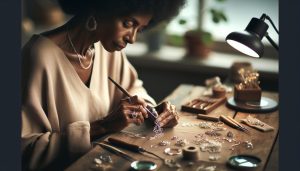
Creating your own earrings can be a rewarding and creative endeavor that connects you to the art of jewelry-making, a practice that has persisted for over 7,000 years. From ancient civilizations to modern trends, earrings have been a symbol of culture, style, and personal expression. By making your own earrings, you can channel this rich history while crafting pieces that reflect your unique taste and artistry.
To start your DIY journey in earring making, gather essential materials such as earring hooks, wires, beads, and any decorative elements you wish to incorporate. Consider using a range of textures and colors to create visually striking designs. For beginners, simple designs such as beaded studs or dangling wires with charms are excellent projects. These styles allow you to experiment without overwhelming complexity.
Basic Steps for DIY Earring Making
- Select Materials: Choose your base (hooks, clips, or magnetic), and gather beads or charms.
- Prepare Your Workspace: Ensure you have a clean, organized area to work, along with necessary tools like pliers, wire cutters, and a bead mat.
- Assemble Your Pieces: Thread beads onto your wire, secure them with your earring hooks, ensuring a snug fit.
- Finishing Touches: Trim excess wire, add any final embellishments, and ensure all components are securely fastened.
Don’t forget to pay attention to the balance and proportion of your designs to make them visually appealing. For instance, long, dangling earrings can be paired with simple outfits, while stud earrings can add elegance to more formal attire. Experimenting with different materials (like leather, wood, or acrylic) can also provide varied aesthetics and textures, allowing your creativity to flourish.
As you gain confidence, consider delving into more complex techniques such as wire wrapping or enameling. These methods not only enhance your skills but also allow for greater customization in your creations. Joining local workshops or online communities focused on DIY jewelry making can provide valuable insights, tips, and inspiration from fellow enthusiasts.
Embrace the joy of crafting your earrings by letting your imagination guide you, honoring the enduring legacy of this ancient art form. You’ll not only create beautiful accessories but also forge a personal connection with the long history of earrings.
The Future of Earrings: Trends to Watch
As we look to the future, earrings continue to evolve, blending tradition with innovation to resonate with modern aesthetics and values. Sustainability is emerging as a vital trend in the jewelry industry, where consumers are increasingly seeking pieces made from ethically sourced materials and recyclable components. Designers are experimenting with alternative materials such as biodegradable plastics, recycled metals, and lab-grown gemstones, creating earrings that not only dazzle but also align with eco-conscious choices. This shift towards sustainability doesn’t just reflect a growing awareness; it also enhances the story behind each piece, appealing to collectors and casual wearers alike.
Technology is another driving force reshaping the future of earrings. The rise of 3D printing has revolutionized design possibilities, allowing for intricate, customized pieces that were once too complex or costly to produce. Consumers can now engage in the design process, personalizing their earrings to reflect their unique identity. This trend is particularly appealing for those seeking meaningful gifts or bespoke jewelry that tells their story. Additionally, smart jewelry is making waves, blending fashion with technology. Wearable tech earrings that can monitor health metrics or connect to mobile devices are gaining traction, appealing to a tech-savvy audience that values functionality without sacrificing style.
Moreover, the influence of social media platforms cannot be overstated. As platforms like Instagram and TikTok shape trends in real-time, they also empower independent artisans and small brands to reach broader audiences. This democratization of fashion allows for a diverse range of styles to flourish, from bold statement pieces that draw attention to minimalist designs that offer subtle elegance. Influencers play a pivotal role in this ecosystem, showcasing how earrings can elevate any outfit, thereby driving consumer interest and expanding the definitions of jewelry fashion.
As these factors converge, the future of earrings promises to be dynamic and exciting. Embracing sustainability, leveraging technology, and responding to social trends will ensure that earrings not only remain a beloved accessory but also continue to be a canvas for creativity and personal expression. Whether you are a seasoned jewelry collector or just beginning to explore the world of earrings, staying attuned to these evolving trends can inspire choices that resonate with individual tastes and values.
Q&A
Q: When did the first earrings appear?
A: The first earrings date back around 7,000 years to ancient Mesopotamia, where they were made from materials like gold and copper. These early designs reflect the significance of adornment in human culture and social status.
Q: What were earrings originally used for?
A: Initially, earrings served practical and symbolic purposes, often related to religious rituals or social hierarchy. In ancient cultures, they represented wealth and status, enhancing the wearer’s appearance and identity.
Q: How have earrings changed over time?
A: Earrings have evolved significantly from simple hooks and studs to elaborate designs featuring diverse materials and styles. Historical changes reflect cultural trends, technological advancements, and fashion influences throughout the ages.
Q: What materials were used in ancient earrings?
A: Ancient earrings were crafted from various materials, including gold, silver, bronze, and gemstones. These materials were often chosen for their beauty, durability, and symbolic meanings in different cultures.
Q: Why do people wear earrings today?
A: Today, earrings are worn for aesthetic pleasure, self-expression, and fashion. They serve as a means of personal style, cultural identity, and even status. Different earring types cater to various occasions and preferences.
Q: What historical significance do earrings have in different cultures?
A: Earrings have held cultural significance across societies, representing everything from social status in ancient Egypt to religious symbols in various religions. They often convey messages about identity, beauty, and cultural traditions.
Q: How have modern technologies influenced earring designs?
A: Modern technologies have introduced new materials and methods in earring design, such as laser-cutting and 3D printing. These innovations allow for intricate designs and a broader range of styles, appealing to diverse consumer tastes.
Q: What can I do to care for my earrings?
A: To care for your earrings, regularly clean them with a soft cloth to remove tarnish or dirt. Store them in a dry place, preferably in a jewelry box, to avoid scratches or entanglement. For detailed care tips, refer to our section on caring for your earrings.
Wrapping Up
Whether you’re an avid jewelry enthusiast or just beginning to explore the world of earrings, understanding their incredible history enriches your appreciation of these timeless adornments. To dive deeper into the art of jewelry, check out our guides on care techniques and DIY tutorials, such as “Essential Jewelry Care Tips” and “Creative Ways to Style Your Earrings.”
Ready to elevate your collection? Join our newsletter for exclusive insights and tips on starting your own jewelry shop or authenticating vintage pieces. Don’t miss out on the chance to express your unique style and uncover more fascinating facts about jewelry! Share your thoughts below or let us know which aspect of earring history intrigued you the most. Your journey into the charm of earrings starts now-explore boldly!