Alloy jewellery blends beauty and durability, making it a popular choice for both everyday wear and special occasions. Did you know that alloys are created by mixing two or more metals, enhancing strength and resistance to tarnishing? This characteristic addresses common concerns about jewellery maintenance and longevity. Whether you’re a jewellery aficionado or a casual wearer, understanding alloy jewellery can empower you to make informed choices that suit your style and lifestyle. As you explore this captivating realm, you’ll discover versatile options that not only elevate your aesthetic but also promise lasting quality. Join us as we delve deeper into the world of alloy jewellery and uncover the secrets that make it both beautiful and enduring.
What Is Alloy Jewellery and Its Allure
Exploring the charm of alloy jewellery reveals a fascinating intersection of science and aesthetics. At its core, alloy jewellery is crafted from a blend of metals, designed to enhance both the beauty and durability of the pieces. The combination of a primary metal with other elements not only allows designers to create unique colors and finishes but also influences the material’s hardness and resistance to tarnish. This versatility makes alloy jewellery a popular choice for everyday wear and special occasions alike, catering to a broad spectrum of personal styles.
One of the alluring aspects of alloy jewellery is its affordability compared to solid precious metals. Alloys, like sterling silver or gold-filled materials, provide an opportunity to enjoy the luxurious look and feel of fine jewellery without the high price tag. Moreover, the contemporary designs enabled by innovative alloy compositions attract a diverse audience, from fashion-forward enthusiasts to those in search of timeless pieces. Shimmering rose gold or sleek white gold, for example, are truths to the idea that alloys can be both trendy and classic, appealing to varying tastes and preferences.
Understanding the role of everyday elements in jewellery design can inspire confidence in choosing pieces that resonate with personal style. Alloy jewellery embodies not just a fashionable statement but also a smart investment in quality and longevity. With proper care, these pieces can maintain their brilliance over time, allowing wearers to express their individuality with every wear. As more consumers seek out versatile and sustainable options, alloy jewellery stands out as a forward-thinking choice that combines aesthetic appeal with practical benefits.
The Science Behind Alloy Composition
The durability and beauty of alloy jewellery stem from the careful selection of its metal composition. At its core, an alloy is a mixture of two or more elements, where at least one of these elements is a metal. This amalgamation often results in a material that possesses enhanced properties compared to its individual components. For example, when metals like copper and zinc are combined, they create brass, which is not only visually appealing but also stronger and more resistant to rust and corrosion than plain copper.
When designing alloy jewellery, manufacturers typically focus on blending metals to achieve specific properties and aesthetics. Common base metals, such as silver, gold, and palladium, are often combined with others to enhance strength, increase luster, and alter color. For instance, the creation of white gold involves mixing yellow gold with palladium or nickel, which produces a stunning silvery hue while retaining the intrinsic value of gold. Additionally, rose gold, a favorite in modern jewellery, is derived from blending pure gold with copper, giving it a warm pinkish tone.
Understanding the science behind these compositions can greatly influence your choice of jewellery. The different metal combinations can result in various finishes, colors, and levels of durability. A knowledgeable buyer might choose alloys based on their resistance to tarnish or their suitability for daily wear. For instance, while sterling silver is beautiful and affordable, its higher copper content can lead to tarnishing, making it less ideal for those seeking low-maintenance options. In contrast, gold alloys, especially those that incorporate palladium, tend to offer superior tarnish resistance and maintain their shine longer, making them a worthwhile investment for frequent wear.
Selecting the right alloy is not just about aesthetics but also about understanding how different metals interact to create a durable piece of jewellery. With this knowledge, you can make informed choices that align with your lifestyle and personal style. Whether you prefer the classic feel of yellow gold or the modern appeal of a mixed-metal design, recognising s empowers you to express your individuality through your jewellery selections effectively.
Types of Alloys Used in Jewellery
Combining different metals can create stunning alloy jewellery that marries beauty with durability, elevating the design and wearability of each piece. The art of alloy crafting in jewellery design is informed by the unique properties of each metal, allowing makers to achieve desired aesthetics while enhancing the overall strength and longevity of their creations. Below are some of the prominent types of alloys frequently used in jewellery.
Gold Alloys
Gold is often alloyed with various metals to produce different shades and enhance durability. The most common types include:
- Yellow Gold: Made by alloying pure gold with copper and silver, retaining its classic, warm hue.
- White Gold: Created by combining yellow gold with metals like palladium or nickel, giving it a bright, silvery appearance often plated with rhodium for increased shine.
- Rose Gold: Blending pure gold with copper, resulting in a romantic reddish tone that has surged in popularity for its vintage appeal.
Silver Alloys
Sterling silver is one of the most recognized alloys, consisting of 92.5% silver mixed typically with 7.5% copper. This blend not only boosts strength but also allows for intricate designs. Other popular silver alloys include:
- Argentium Silver: A modern take on traditional sterling silver, containing germanium, which provides higher tarnish resistance.
- Mexican Silver: A term often used to denote silver that is 92.5% pure, similar to sterling silver, but crafted in Mexico.
Brass and Bronze
Brass, an alloy of copper and zinc, stands out for its bright gold-like appearance and affordability, making it an excellent choice for costume jewellery and trendy designs. Bronze, typically made from copper and tin, has a more subdued, warm tone and excellent durability, often used in artisan pieces.
Other Notable Alloys
While gold, silver, brass, and bronze dominate the jewellery scene, other combinations offer their unique aesthetics and qualities:
- Stainless Steel: Alloyed with chromium, stainless steel is known for its strength and corrosion resistance, popular in contemporary men’s jewellery.
- Palladium: Often used as a precious metal choice, this metal is hypoallergenic and can be alloyed with gold to create white gold.
- Titanium: Valued for its lightweight quality and durability, titanium is increasingly used in men’s rings and wedding bands.
Whether you’re drawn to the timeless allure of gold or the modern sophistication of stainless steel, understanding the can help you make informed decisions on your next jewellery purchase or design project. Embracing this knowledge not only enhances your appreciation for the craftsmanship involved but also empowers you to select pieces that resonate with your personal style and lifestyle.
Benefits of Choosing Alloy Jewellery
Choosing alloy jewellery offers a unique blend of aesthetic appeal and practical advantages. The versatility of alloys allows for the creation of various styles and finishes that can cater to individual preferences, whether you seek the classic elegance of gold or the modern edge of stainless steel. Alloys can enhance the durability and wearability of jewellery, making them suitable for everyday use while maintaining visual charm. Additionally, the incorporation of different metals can yield unique colors and textures, allowing for greater creative expression in design.
One of the standout benefits of alloy jewellery is its enhanced strength compared to pure metals. For instance, sterling silver, made of 92.5% silver and 7.5% copper, retains the beauty of silver while providing greater resistance to scratching and bending. Similarly, gold alloys such as white gold and rose gold combine gold with other metals to improve durability without sacrificing beauty. This characteristic is especially important for pieces that are frequently worn, such as rings and bracelets, as they can withstand daily wear and tear while still looking stunning.
Moreover, alloy jewellery often comes at a more affordable price point than its pure metal counterparts. For example, brass and bronze offer the appearance of gold or silver at a fraction of the cost, making them popular choices for trendy and costume jewellery. This affordability does not diminish the quality; rather, it opens up a world of possibilities for fashion enthusiasts to experiment with different styles and combinations without a hefty investment.
Understanding the not only empowers you to select pieces that suit your lifestyle but also encourages confidence in your jewellery collection. When you invest in alloy jewellery, you embrace a world where beauty meets practicality, allowing you to express your personal style with the assurance that your pieces are both functional and fashionable. Whether you’re dressing up for a special occasion or looking for everyday elegance, the versatility and durability of alloy jewellery ensure that you’re always prepared to shine.
Common Myths About Alloy Jewellery Debunked
Many people hold misconceptions about alloy jewellery, leading them to overlook its beauty and practicality. One common myth is that alloy jewellery is of lesser quality than items made from pure metals. This is far from the truth. Alloys, such as sterling silver and gold-plated pieces, are carefully engineered to enhance durability and resistance to scratching while providing the aesthetic appeal typical of their pure metal counterparts. For example, sterling silver contains copper, which significantly improves its strength without compromising its alluring shine.
Another prevalent myth suggests that all alloys tarnish quickly, making them unreliable for long-term wear. While certain alloys may be prone to tarnishing, many modern alloys are designed to resist this common issue. For instance, jewelry made from stainless steel or rhodium-plated items maintains its luster longer due to protective coatings and alloy composition. Regular maintenance, such as cleaning with a soft cloth and proper storage, can further extend the life of alloy jewellery, dispelling concerns about its longevity.
It is also a misconception that alloy jewellery is only suitable for costume pieces or less formal occasions. On the contrary, alloy jewellery includes various elegant options that can elevate any outfit. High-end designs in rose gold or white gold can be just as stunning and sophisticated as their pure metal alternatives, making them a sought-after choice for both casual and formal events. Additionally, the versatility of alloys allows for creative designs that can suit any style preference, from classic to contemporary.
Finally, some may assume that choosing alloy jewellery is purely a budget-driven decision. While affordability is certainly a benefit, it also opens doors for creativity and experimentation. By using alloys, designers can explore unique combinations of colors and finishes that inspire fashion enthusiasts to mix and match without the hefty price tag of pure metals. Ultimately, alloy jewellery combines beauty, durability, and versatility, making it a fantastic choice for diverse tastes and occasions.
How to Care for Alloy Jewellery
Taking care of your alloy jewellery is essential for preserving its beauty and functionality over time. Unlike pure metals, alloys can have varying compositions, which means that the care method you choose can significantly impact their longevity and appearance. To keep your pieces looking their best, it’s important to adopt a proactive approach that involves regular cleaning, careful storage, and mindful wearing practices.
Start with a routine cleaning to prevent the buildup of dirt and oils that can dull the shine of your jewellery. For most alloys, a gentle soap solution is effective: simply mix a few drops of mild dish soap with warm water. Use a soft cloth or a delicate brush to gently scrub the jewellery, focusing on intricate designs where grime might accumulate. Rinse thoroughly with clean water and dry with a soft, lint-free cloth. For more delicate pieces, consider using specialized jewellery cleaning solutions that are safe for alloy compositions, ensuring they won’t cause damage.
Storage Tips
Proper storage can significantly extend the life of your alloy jewellery. Avoid storing your pieces in damp or humid areas, as moisture can lead to tarnishing, especially for alloys containing metals like copper. Use a jewellery box lined with soft fabric or individual pouches to prevent scratching. Consider adding anti-tarnish strips or silica gel packets inside your storage area to absorb excess moisture. Additionally, keep your jewellery separated to avoid scratches and tangles; investing in a modular jewellery organizer can be a smart choice.
When wearing alloy jewellery, it’s wise to be mindful of exposure to harsh chemicals found in beauty products, such as perfumes, lotions, and hair sprays, which can tarnish or degrade the alloy. To protect your jewellery, put it on last when dressing and remove it when applying beauty products or engaging in vigorous physical activity. Regular maintenance and careful handling will help keep your alloy jewellery radiant and wearable, maintaining its allure for years to come.
Stylish Ways to Wear Alloy Pieces
Alloy jewellery offers a multitude of styling possibilities, allowing you to express your unique taste and personality. With the ability to combine metals, artisans create stunning pieces that not only look beautiful but also provide durability and longevity. Understanding how to wear these pieces stylishly can elevate your look, whether you’re attending a formal event, heading to the office, or enjoying a casual outing.
One effective way to style alloy jewellery is through layering. For example, mix and match delicate alloy necklaces of varying lengths to create a trendy layered effect. This approach not only adds depth to your attire but also highlights each individual piece. Similarly, stacking alloy rings or bracelets can create a dynamic and contemporary vibe. Experiment with different textures and finishes; combining polished and matte alloys can provide an interesting contrast that captivates attention.
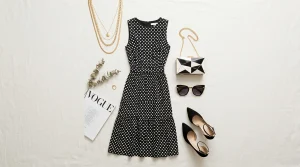
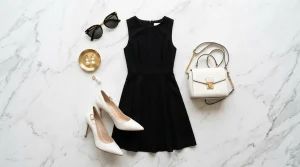
Incorporating statement alloy pieces can transform a simple outfit into something extraordinary. Whether it’s an oversized alloy cuff bracelet or bold chandelier earrings, these eye-catching items can act as focal points. To maintain a balanced look, consider pairing a statement piece with more understated garments. For instance, a sleek black dress provides the perfect backdrop for standout alloy jewellery, allowing your accessories to take center stage without overwhelming your overall appearance.
Don’t forget to consider the outfit’s color palette when accessorizing with alloy jewellery. Neutral tones can serve as a versatile canvas for more colorful or uniquely textured alloys, while bold patterns benefit from the grounding effect of simple, monochromatic pieces. By being mindful of how your jewellery complements your attire, you can create harmonious looks that reflect your style sensibility and confidence. Remember, the key to wearing alloy jewellery stylishly lies in experimentation and personalization-embrace your creativity and let your unique flair shine through!
DIY Projects: Creating Alloy Jewellery at Home
Creating your own alloy jewellery at home can be immensely rewarding, allowing you to express your creativity while crafting unique pieces tailored to your personal style. With the right materials and techniques, you’ll not only gain a new hobby but also enjoy pieces that reflect your individuality. Whether you’re a seasoned maker or a complete beginner, these DIY projects can be as simple or complex as you’d like, making them perfect for anyone looking to dive into alloy jewellery crafting.
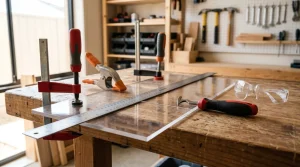
To get started, you’ll need a few essential materials. Choose your base metals wisely; common options for alloy jewellery include copper, brass, and silver. These metals blend well and offer a variety of desirable properties, such as luster and durability. Additionally, gather tools like wire cutters, pliers, and a soldering kit if you plan to join pieces together. Here’s a simple step-by-step guide to crafting a basic alloy ring:
Basic Alloy Ring Tutorial
- Materials Needed:
- Alloy metal sheet or wire (copper or brass)
- Jewellery saw or metal shears
- File for finishing edges
- Ring mandrel or dowel for shaping
- Sandpaper, polishing cloth
- Cut Your Metal: Using the saw or shears, cut a strip from the alloy metal sheet. The width and length will depend on the desired ring size-typically, a width of about 1/4 inch and a length that wraps comfortably around your finger.
- Shape the Ring: Gently wrap the cut metal around a ring mandrel or a dowel, ensuring it maintains a circular shape. Once formed, use a file to smooth any rough edges.
- Finish the Piece: Use sandpaper followed by a polishing cloth to achieve a smooth, shiny surface. If you wish to add texture, consider using a hammer or engraving tool to create patterns or designs.
- Seal and Protect: To enhance longevity, consider applying a protective sealant designed for metal. This will help prevent tarnishing, ensuring your piece stays beautiful over time.
This basic project illustrates how accessible and enjoyable alloy jewellery making can be. Moreover, you can experiment by adding stones, beads, or mixed metals to create even more dynamic pieces.
Additional Projects to Try
If you’re looking for further inspiration, consider trying these additional projects:
- Layered Necklaces: Create several simple alloy pendants and layer them for a bohemian look.
- Bracelets with Charms: Form a cuff bracelet and attach small alloy charms for personalization.
- Stackable Rings: Make multiple thin rings in different alloys to stack for a trendy effect.
As you develop your skills, you’ll find that the possibilities are practically endless. Whether making a gift for a loved one or treating yourself, crafting alloy jewellery at home invites both creativity and craftsmanship. Don’t hesitate to explore, experiment, and let your style shine through your handmade creations!
Choosing the Right Alloy for Your Style
Choosing the ideal alloy for your jewellery is a blend of personal style, intended use, and the properties of different metals. A captivating fact to consider is that the right alloy not only enhances the aesthetic appeal of your pieces but also contributes to their durability and comfort. When delving into alloy selection, think about how the metal complements your skin tone, fits your lifestyle, and aligns with the occasions you’ll wear it.
Alloys such as sterling silver, which is a blend of 92.5% silver with other metals like copper, offer a beautiful, lustrous finish that’s perfect for everyday wear or special occasions. If you prefer warmer tones, consider bronze, which combines copper with tin and can develop a unique patina over time. For a modern twist, brass-which is an amalgamation of copper and zinc-gives a striking golden tone and is often favored for its affordability and versatility. When selecting an alloy, take note of your lifestyle: if you’re active or work with your hands frequently, look for more durable options like titanium or stainless steel that can withstand daily wear while remaining stylish.
In addition to appearance and durability, it’s essential to consider hypoallergenic properties. If you have sensitive skin, opt for alloys specifically designed to minimize allergic reactions. For instance, surgical stainless steel is known for being skin-friendly and resistant to tarnish, making it a smart choice for those prone to reactions.
Finally, don’t hesitate to experiment. Mixing and matching different alloys can create a unique style that reflects your personality. For instance, layering gold-filled pieces with silver alloys can create a chic, contemporary look that’s both trendy and timeless. Ultimately, the right choice hinges on your aesthetic preferences, durability requirements, and how each piece makes you feel when you wear it.
Understanding Alloy Durability and Longevity
Alloy jewellery is celebrated not just for its beauty but also for its impressive durability, offering a practical choice for everyday wear and special occasions alike. One of the key advantages of alloys lies in their ability to enhance the properties of pure metals. For example, while pure silver is prone to scratching and tarnishing, sterling silver-an alloy that consists of 92.5% silver and 7.5% copper-boasts increased strength and wear resistance. This blend not only preserves the lustrous charm of silver but also ensures that your jewellery can withstand the rigors of daily activity.
The longevity of alloy jewellery is influenced by its composition. Different metals bring various characteristics to the table-some are more resistant to oxidation and corrosion, while others provide aesthetic appeal. When selecting an alloy, consider the following points:
- Corrosion Resistance: Metals like stainless steel are renowned for their resistance to rust and tarnish, making them excellent choices for rings, bracelets, and pendants that are worn frequently.
- Scratch Resistance: Harder alloys, such as titanium or some forms of bronze, can better withstand daily wear and tear, ensuring that your pieces remain beautiful over time.
- Weight and Comfort: It’s essential to choose an alloy that not only looks good but also feels comfortable to wear. Lightweight options like aluminum alloys can offer a modern twist without compromising on style.
To maximize the durability of your alloy jewellery, proper care is paramount. Regular cleaning with a soft cloth can prevent buildup and preserve shine, while storing items in a cool, dry place can help reduce oxidation. Adding anti-tarnish pouches or using anti-tarnish cloths can further extend the life of pieces, especially those crafted from silver or copper. Ultimately, with the right choice of alloys and diligent care, you can ensure that your jewellery remains a source of joy and style for years to come.
What to Look for When Buying Alloy Jewellery
When embarking on the journey to buy alloy jewellery, it’s essential to navigate through a plethora of options to find pieces that not only resonate with your style but also meet high standards of quality and durability. Keep in mind that alloy jewellery combines various metals, each contributing unique properties and aesthetic elements. Thus, understanding what to look for can significantly enhance your experience and satisfaction with your purchase.
First and foremost, consider the alloy’s composition. Alloys can vary greatly, and this impacts their suitability for daily wear. For instance, if you’re looking for something that stands up well against everyday life, you might want to opt for stainless steel, known for its exceptional corrosion resistance and strength. You can also explore gold alloys, such as 14K or 18K gold, which provide a beautiful finish while retaining durability due to their mixed metal structure. Verify the alloy type and its metal percentage-this information should ideally be stamped or provided by the retailer.
Physical Characteristics
Visual appeal is paramount when choosing alloy jewellery, so pay attention to factors like color, finish, and overall design. Alloys can exhibit a variety of hues, from the warm glow of rose gold to the cool elegance of white gold. It’s also important to check the finish-polished surfaces reflect light beautifully, while matte finishes can offer a contemporary vibe. Don’t hesitate to ask the seller about the specific alloys used and how they affect the jewellery’s appearance and durability.
Care Requirements
Different alloys have different maintenance needs. For instance, while some can withstand moisture without tarnishing, others might require regular polishing or special cleaning methods. Be sure to inquire about the best care practices for the specific alloy you’re considering. Having clear guidance on how to keep your pieces looking their best will ensure you enjoy them for years to come.
- Check for Authenticity: Look for stamps indicating the type of alloy (e.g., “925” for sterling silver) for assurance of quality.
- Know Your Needs: Consider your lifestyle. If you live an active life, choose alloys like titanium or stainless steel that offer both comfort and durability.
- Ask About Return Policies: In case your choice doesn’t meet your expectations after purchase, a favorable return policy can offer peace of mind.
Ultimately, by paying attention to the composition, aesthetics, care requirements, and authenticity, you will be more equipped to choose alloy jewellery that not only matches your style but also stands the test of time. Each piece can become a cherished part of your collection, combining beauty with the durability that modern lifestyle demands. Happy shopping!
Exploring Sustainable Alloy Options in Jewellery
In recent years, sustainability has emerged as a crucial factor in the jewellery industry, illuminating an exciting shift towards eco-friendly practices. By exploring sustainable alloy options, jewelry lovers can make a positive impact on the environment while still enjoying stunning pieces that are both beautiful and durable. Sustainable alloys are made from recycled materials or responsibly sourced metals with minimal environmental footprint, offering an ethical alternative to traditional mining practices.
One prominent sustainable option is recycled gold. This not only reduces the need for new mining but also involves a less energy-intensive process. Many reputable jewellers now offer pieces made from recycled gold alloys, ensuring that your accessories contribute to a more sustainable future. Silver alloys, similarly sourced from recycled materials, are increasingly popular. By choosing recycled silver, you can enjoy the sleek and lustrous qualities of sterling silver while supporting efforts to reduce waste and conserve natural resources.
When considering sustainable alloys, it’s beneficial to look for certifications or labels that signify ethical sourcing. Certifications from organizations such as the Responsible Jewelry Council or Fair Trade can provide assurance that the materials used adhere to strict environmental and social standards. Additionally, be on the lookout for brands that promote transparency regarding their sourcing practices. Often, jewellers who prioritize sustainability will share detailed information on their websites about how their materials are obtained.
Finally, don’t underestimate the allure of lab-grown diamonds and gemstones, which have gained popularity as ethical alternatives to mined stones. These gems not only have a significantly lower environmental impact but also offer a wider variety of choices and price points. Whether you’re creating your dream engagement ring or a statement piece, opting for sustainable alloys and ethical stones reflects a conscientious choice that resonates with your values. By choosing sustainable options in your jewellery collection, you can embrace style without compromising your commitment to protecting the planet.
Faq
Q: What makes alloy jewellery popular for everyday wear?
A: Alloy jewellery is favored for its combination of beauty and durability. Alloys can be crafted to achieve various colors and finishes while offering strength that prevents easy tarnishing and bending, making them ideal for everyday use. For more styling tips, check our section on “Stylish Ways to Wear Alloy Pieces.”
Q: How do I know if my alloy jewellery is of good quality?
A: To assess the quality of alloy jewellery, look for hallmarks indicating metal purity and reputable manufacturers. Checking for any discoloration or wearing after regular use can also indicate quality. Explore more on “What to Look for When Buying Alloy Jewellery” for detailed guidance.
Q: Can alloy jewellery cause skin reactions?
A: While many people wear alloy jewellery without issues, some alloys contain nickel, which can cause allergic reactions in sensitive individuals. Opting for hypoallergenic alloys or coatings can help to avoid discomfort. Read more in “Common Myths About Alloy Jewellery Debunked.”
Q: What are the best alloys for high-quality jewellery?
A: The best alloys for high-quality jewellery include sterling silver, white gold, and platinum alloys. These metals offer a great balance of beauty, durability, and hypoallergenic properties. For a detailed discussion on types of alloys, see “Types of Alloys Used in Jewellery.”
Q: How should I clean my alloy jewellery?
A: To clean alloy jewellery, use a soft cloth and mild soap mixed with water. Avoid harsh chemicals that can damage the alloy. Dry thoroughly and store in a cool, dry place. For additional care instructions, refer to “How to Care for Alloy Jewellery.”
Q: Can I melt down and reshape alloy jewellery?
A: Yes, most alloy jewellery can be melted down and reshaped. However, it’s best to consult a professional jeweler to ensure the metals are suitable for reworking and to avoid any unwanted reactions. More insights can be found in our DIY section.
Q: Is alloy jewellery a sustainable choice?
A: Alloy jewellery can be sustainable when made from recycled materials or responsibly sourced metals. Choosing brands that prioritize eco-friendly practices further enhances this aspect. For sustainable options, refer to “Exploring Sustainable Alloy Options in Jewellery.”
Q: How long does alloy jewellery typically last?
A: The lifespan of alloy jewellery varies based on alloy type, care, and wear patterns. Proper maintenance can prolong its life for many years. Understanding alloy durability is covered in “Understanding Alloy Durability and Longevity.”
Future Outlook
As we wrap up our exploration of alloy jewellery, remember that these beautifully crafted pieces blend both aesthetic appeal and exceptional durability, making them perfect for any occasion. If you’re looking to elevate your jewellery collection, now is the time to consider the unique benefits that alloy pieces offer. Explore our guides on jewellery care and cleaning tips to keep your treasures sparkling, or check out our DIY tutorials for creating your stunning pieces at home.
Ready to dive deeper? Discover our in-depth resources on various metals and materials used in jewellery making, or learn about starting your own jewellery business. Don’t forget to sign up for our newsletter to stay updated with the latest insights and trends. Your journey into the world of jewellery doesn’t end here-engage with us in the comments and share your thoughts! By continuing to explore, you’ll not only enhance your knowledge but also inspire your creativity in styling and caring for your jewellery.
Expert Guide & Insights: Jewellryalloyperfect
When exploring jewellryalloyperfect, consumers, collectors, and fashion enthusiasts frequently encounter conflicting advice regarding material composition, wearability, authenticity verification, and long-term maintenance. In this specialized guide section, we provide an expert breakdown of key considerations, care recommendations, and practical solutions.
| Key Consideration | Primary Mechanism / Feature | Recommended Action | Value / Durability Impact |
|---|---|---|---|
| Material Integrity & Alloys | Purity standards (925 silver, 14k/18k gold, titanium, acrylic polymers) | Check official hallmark stamps and certificates before purchase | ★★★★★ High durability & heirloom retention |
| Daily Wear & Environmental Factors | Exposure to moisture, sulfur, sweat, perfume, and abrasive friction | Remove accessories before swimming, heavy workouts, or applying cosmetics | ★★★★☆ Prevents tarnish, chipping, and fading |
| Long-Term Storage & Cleaning | Atmospheric oxidation and chemical exposure over time | Store in airtight zip pouches with silica desiccant; polish with soft cloth | ★★★★★ Restores original mirror luster |
Frequently Asked Questions: Jewellryalloyperfect
What should I know about jewellryalloyperfect?
Detailed examination reveals that addressing jewellryalloyperfect depends on proper handling, choosing hypoallergenic materials, and adhering to routine cleaning protocols.
How can I preserve the quality and appearance of my pieces?
Always store items individually to prevent scratch contact, avoid harsh chemical detergents or chlorine pools, and use specialized polishing cloths designed for precious metals and acrylics.
Get our latest guides, news, and insights highlighted in your Google Search & AI Overviews.