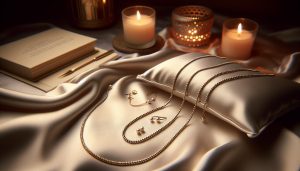
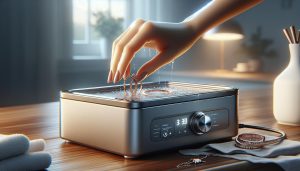
When shopping for jewellery, you often encounter the term “925,” signaling the presence of sterling silver-an alloy composed of 92.5% pure silver and 7.5% of other metals, typically copper. This combination not only enhances durability but also ensures a beautiful, lustrous finish that appeals to jewellery lovers. Understanding sterling silver and its markings is crucial for making informed purchases and preserving your pieces. Whether you’re a seasoned collector or just starting your journey, knowing what 925 signifies can help you navigate the world of jewellery with confidence. Dive in as we unveil the secrets of sterling silver, from its composition to care tips that will keep your treasures shining for years to come.
Understanding the 925 Mark on Jewelry

When examining jewelry, you might come across pieces stamped with the number 925. This mark serves as a guarantee of authenticity, indicating that the item is made from sterling silver, an alloy composed of 92.5% pure silver and 7.5% other metals, typically copper. This specific combination enhances silver’s durability while maintaining its appealing luster and shine, essential qualities for creating beautiful, long-lasting jewelry.
The 925 mark has become a universal standard in the jewelry industry. When you see this stamp, you can be confident that the piece adheres to internationally recognized quality standards. It’s essential to understand that not all silver jewelry carries this mark; pieces that do not might contain less silver content, which could affect their value and appearance. For instance, some items may be plated with silver but are not solid sterling silver. Thus, knowing to look for the 925 stamp is a crucial step in identifying genuine sterling silver jewelry.
In addition to the 925 stamp, authentic pieces may feature other markings that denote the manufacturer’s name or origin. Together, these details contribute to both the jewelry’s value and its story. For collectors and enthusiasts, understanding the significance of the 925 mark not only enhances appreciation for the craftsmanship involved in creating jewelry but also aids in making informed purchasing decisions. This knowledge empowers you to confidently select quality pieces that reflect both style and integrity.
What Does Sterling Silver Mean?

Sterling silver is not just a material; it’s a hallmark of quality and beauty in the world of jewelry. When you see the term “sterling silver,” it signifies an alloy that consists of 92.5% pure silver and 7.5% other elements, usually copper. This specific composition enhances the metal’s strength and durability, making it ideal for crafting intricate jewelry that can withstand the test of time while retaining an elegant shine. Collectors and jewelry enthusiasts alike appreciate sterling silver for its balance of luster, workability, and affordability compared to other precious metals.
Understanding sterling silver’s significance goes beyond its basic definition. The name “sterling” is believed to originate from the old English word “styrlyng,” which referred to a type of silver coin in Normandy, symbolizing purity and reliability. This historical context enhances sterling silver’s value, as it has been favored in jewelry making for centuries due to its resilience against tarnishing and scratching, compared to pure silver, which can be overly soft and easily damaged. When investing in or selecting jewelry, knowing that it meets the standard of 925 sterling silver assures you that you’re choosing a high-quality product that won’t easily tarnish or lose its brilliance.
For those new to purchasing sterling silver items, it’s beneficial to familiarize yourself with its uses and characteristics. From stunning necklaces and rings to intricately designed bracelets, the versatility of sterling silver allows for a range of styles, from classic and traditional to modern and edgy. This adaptability makes it a favorite among jewelry artisans and consumers alike. Thus, whether you are adding to your collection or gifting a loved one, the allure of sterling silver is undeniable, offering beauty, durability, and a timeless appeal.
The Composition of 925 Sterling Silver
The makeup of 925 sterling silver isn’t just a numerical mark; it reveals a fascinating blend of quality and versatility that appeals to jewelry makers and enthusiasts alike. Composed of 92.5% pure silver and 7.5% other metals, primarily copper, this alloy is specifically designed to enhance the properties of silver, making it more durable and suitable for everyday wear. The addition of copper increases its strength, ensuring that intricate designs can be crafted without compromising the piece’s structural integrity, all while maintaining the elegant luster that silver is known for.
When you see “925” stamped on a piece of jewelry, it signifies that you’re investing in a well-balanced alloy that combines luxury and practicality. Pure silver, or fine silver, can be too soft for daily use, easily denting and scratching. In contrast, sterling silver retains a shiny finish without being overly prone to damage. For artisans creating jewelry, this composition allows for a wide range of designs-from delicate filigree to bold statement pieces-while providing customers with a product that can withstand the rigors of wear.
To ensure you’re purchasing genuine sterling silver, look for the 925 stamp along with reputable brand markings or assay symbols. Understanding these composition nuances not only empowers your purchasing decisions but also helps in appreciating the artistry behind each piece. Whether you’re a casual buyer or a seasoned collector, recognizing the significance of the 92.5% silver content enriches your jewelry experience, allowing you to choose pieces that resonate with both your style and values.
In terms of maintenance, sterling silver’s composition also means that while it may tarnish over time due to exposure to air and moisture, it can be easily cleaned and restored to its original brilliance. This simple care routine helps ensure your jewelry pieces last a lifetime, making them not just accessories but cherished keepsakes that can be passed down through generations.
How to Identify Authentic Sterling Silver

Determining the authenticity of sterling silver can be a rewarding journey for any jewelry enthusiast. Knowing how to identify genuine pieces not only enhances your collection but also saves you from potential disappointments with inferior products. One of the first indicators of authenticity is the hallmark. Look for the “925” stamp, which signifies that the piece is made from 92.5% pure silver-an essential characteristic of sterling silver. Often, reputable manufacturers will also include their specific brand markings or assay symbols alongside the “925,” further confirming the authenticity of the jewelry.
Another effective method for verifying sterling silver is conducting a simple magnet test. Authentic sterling silver is not magnetic, meaning that if your jewelry attracts to a magnet, it is likely not genuine. Additionally, you can check the piece’s color and quality; real sterling silver has a bright, shiny finish and does not have a dull, gray appearance. Over time, genuine sterling silver will develop a natural patina, which can appear as tarnishing. However, keep an eye out for excessive dark spots or a blackened appearance, which could indicate a poor-quality alloy or imitation.
To further assess authenticity, consider the weight of the piece. As a denser metal, sterling silver will feel heavier than imitation silver or plated metals. A well-made sterling silver item should have a substantive feel in your hand. Finally, when in doubt, purchasing from reputable jewelers and established brands can offer peace of mind; they often provide certificates of authenticity and return policies that can protect your investment. By being informed and vigilant, you can confidently add genuine sterling silver pieces to your collection, ensuring they shine as bright as your unique style.
Common Misconceptions About Sterling Silver
Misunderstandings about sterling silver can lead to confusion, especially among new jewelry enthusiasts. One prevalent myth is that all silver jewelry is created equal; in reality, silver used in jewelry often has varying degrees of purity. For example, sterling silver specifically refers to an alloy containing 92.5% pure silver and 7.5% other metals, typically copper. This is where the “925” mark comes from. However, some consumers mistakenly believe that any item bearing the term “silver” is sterling, which is not the case. It’s crucial to check for the hallmark to ensure you’re getting genuine sterling silver.
Another common misconception is that sterling silver is not a valuable or durable metal. Because it contains other metals, some may assume it pales in comparison to pure silver. In fact, the addition of copper or other metals enhances its strength, making it more suitable for everyday wear. Authentic sterling silver can last a lifetime with proper care and can be a timeless addition to any jewelry collection. Those who think sterling silver items are too soft to last might be pleasantly surprised by their resilience and ability to withstand regular use while maintaining a beautiful sheen.
Furthermore, some people may believe that sterling silver will not tarnish at all. While it’s true that sterling silver jewelry is less likely to tarnish than lower-quality silver alloys, it can still develop a patina over time. This natural process results from exposure to air, moisture, and skin oils, and can actually be seen as adding character to the piece. Regular cleaning and proper storage can help mitigate tarnishing, allowing you to enjoy your sterling silver for years to come.
Lastly, a frequent misconception revolves around price points. Many assume that if a piece is marketed as sterling silver, it will automatically be affordable. Prices for sterling silver can vary widely based on design, craftsmanship, and brand reputation. Shoppers should be wary of prices that seem too good to be true; quality pieces will typically reflect a reasonable investment. By understanding these common misconceptions, buyers can make informed decisions and confidently enhance their jewelry collection.
Caring for Your Sterling Silver Jewelry
is essential to maintain its beauty and longevity. Did you know that proper care can significantly reduce the risk of tarnishing and help keep your pieces looking their best? Whether you’re a seasoned collector or just starting your journey into the world of sterling silver, implementing a few simple care practices can ensure your jewelry remains stunning over time.
To protect your sterling silver pieces, consider the following tips:
- Store Properly: Always store your sterling silver jewelry in a cool, dry place, preferably in a tarnish-resistant cloth or pouch. Avoid exposure to moisture and humidity, which can accelerate tarnishing.
- Limit Wear in Harsh Conditions: Remove your jewelry before engaging in activities that may expose it to chemicals, such as swimming in chlorinated pools or applying lotions and perfumes. These substances can speed up tarnishing and damage the metal.
- Regular Cleaning: Clean your sterling silver periodically using a soft cloth to remove dirt and oils that can lead to tarnish. For more thorough cleaning, a mild soap solution can be used, but avoid abrasive cleaners that could scratch the surface.
- Use Anti-Tarnish Products: Consider using anti-tarnish strips or bags when storing your jewelry. These can help absorb moisture and prevent tarnishing while your pieces are not being worn.
It’s also helpful to embrace the natural patina that develops on sterling silver over time, as it adds character to your pieces. However, if you prefer the original shine, using a specialized sterling silver polish can restore the luster. Remember, the key to is consistency. Regular maintenance and mindful wearing will allow you to enjoy your treasures for many years to come, keeping them not only a cherished part of your collection but also a symbol of lasting beauty.
Cleaning Tips for Sterling Silver
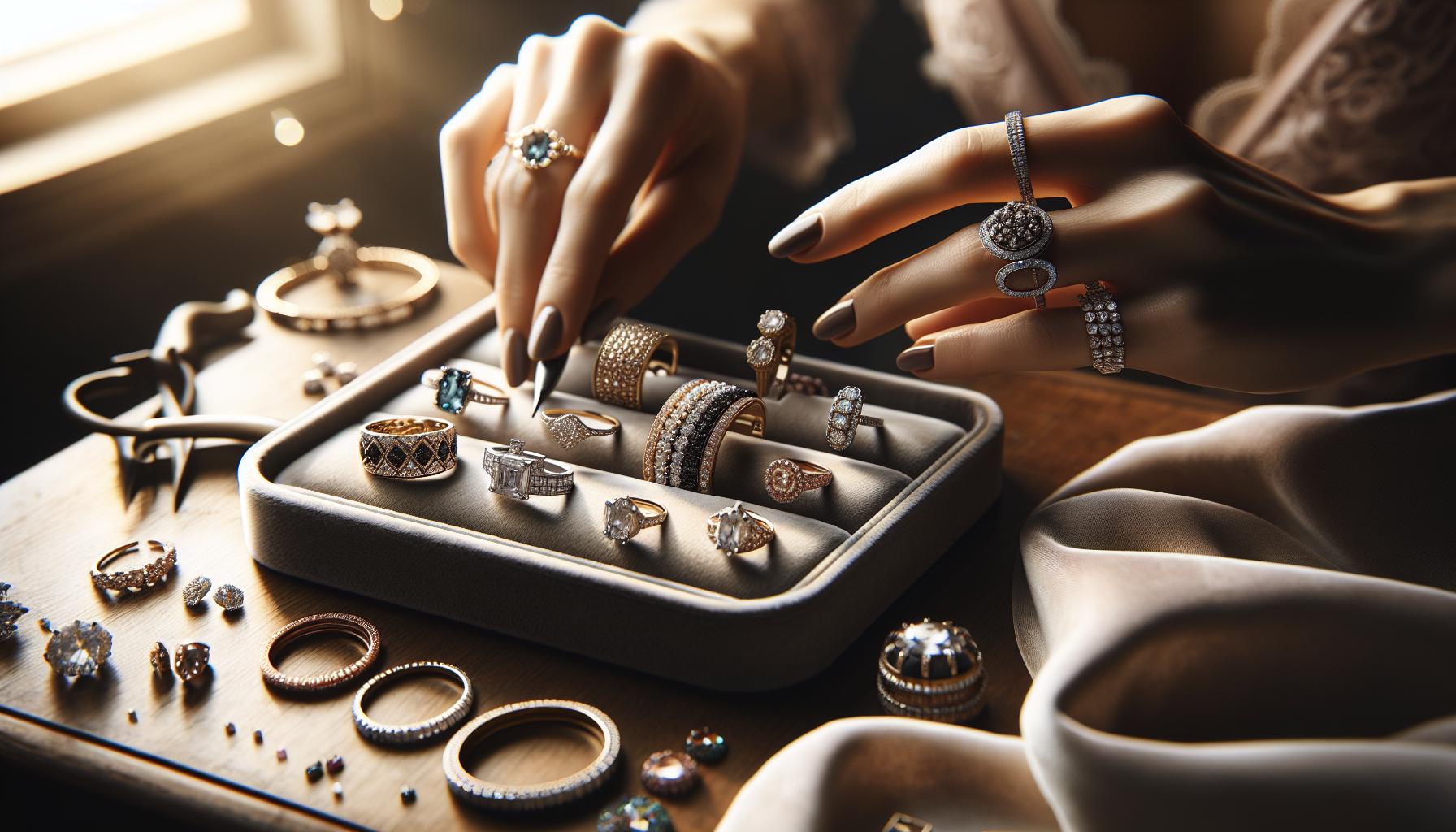
Cleaning your sterling silver jewelry properly can make a world of difference in maintaining its brilliance and preventing tarnish. The good news is that with a few simple techniques and household items, you can keep your 925 silver pieces shining like new. Regular cleaning not only enhances their appearance but also prolongs their life, making it a rewarding practice for every jewelry lover.
One highly effective method for cleaning tarnished sterling silver is to create a paste using baking soda and water. Mix two parts baking soda with one part water to form a thick paste. Using a soft cloth or a toothbrush, gently rub the paste onto the silver, targeting tarnished areas. Rinse thoroughly and dry with a clean cloth to reveal a restored shine. For added finesse, you can also use a specialized silver polish that helps bring back the luster without scratching the surface.
Another natural approach involves a simple solution of lemon juice and olive oil. Combine ½ cup of lemon juice with 1 teaspoon of olive oil, and dip a clean cloth into the mixture. Gently rub your silver item until it gleams, taking care to rinse afterward and dry well. This method not only cleans but also adds a protective layer that can impede future tarnishing. It’s fascinating how everyday ingredients can restore your cherished pieces, making it a practical choice for both seasoned collectors and those new to silver care.
In addition to these cleaning methods, consider incorporating regular care routines into your jewelry maintenance practice. After wearing your sterling silver, it’s beneficial to wipe it with a soft cloth to remove oils and dirt that could lead to tarnish over time. Remember, prevention is key! By adopting these simple habits, you can ensure that your sterling silver jewelry continues to sparkle brilliantly, serving as a bastion of elegance and style in your collection.
Sterling Silver vs. Other Precious Metals
Sterling silver is often celebrated for its beauty and affordability when compared to other precious metals like gold and platinum. However, understanding how it stacks up against its counterparts is crucial for anyone looking to invest in or adorn themselves with fine jewelry. Sterling silver’s distinctive qualities, including its bright luster and the ease of achieving intricate designs, make it a favorite among jewelers and consumers alike.
Comparing Sterling Silver to Gold and Platinum
When placed side by side with gold, sterling silver is far more accessible financially. Gold jewelry can carry a hefty price tag, especially when using higher karats like 18K or 24K. In contrast, sterling silver, marked as 925, contains 92.5% pure silver and remains relatively affordable, making it a great choice for those looking to enjoy quality without breaking the bank. Additionally, while gold is resistant to tarnish, sterling silver requires more upkeep to maintain its shine. This aspect can deter some who prefer the low-maintenance aspect of gold or platinum.
Platinum, on the other hand, is the heavyweight champion of precious metals, known for its density, durability, and natural hypoallergenic properties. It is significantly more expensive than both sterling silver and gold, often making it a luxury choice for wedding and engagement rings. While sterling silver offers a stunning aesthetic at a budget-friendly price, it doesn’t quite match platinum’s prestige and durability. The choice between these metals often comes down to personal preference, budgetary considerations, and the intended use of the jewelry piece.
Unique Advantages of Sterling Silver
One of sterling silver’s defining traits is its remarkable versatility. It can be beautifully crafted into complex designs, making it a favorite for artisanal work and trendy styles. Many jewelry lovers appreciate how it can capture both classic elegance and modern flair depending on the design. Furthermore, sterling silver can be a canvas for various embellishments, from gemstones to enameling, enhancing its appeal.
In terms of value, while sterling silver may not hold its worth as robustly as gold or platinum, it certainly maintains a respectable resale value, particularly for designer or antique pieces. For those looking to venture into jewelry making or collecting, starting with sterling silver provides an accessible entry point that allows for artistic expression and personal style without a significant financial commitment.
In conclusion, while sterling silver may have its rivals in gold and platinum, its affordability, versatility, and aesthetic charm make it a beloved choice in the jewelry world. Understanding these nuances equips you to make informed decisions when purchasing or caring for your precious metal pieces, ensuring you enjoy them for years to come. Whether you’re drawn to the radiant shine of sterling silver, the luxe appeal of gold, or the solid weight of platinum, each metal offers its own unique gifts to jewelry enthusiasts.
Popular Styles and Designs in Sterling Silver
Sterling silver is a beloved metal for jewelry enthusiasts, not only for its luster and affordability but also for its versatility in design. When it comes to popular styles, there is a vast array that caters to various tastes and occasions, making sterling silver a fantastic choice for both everyday wear and special occasions.
One standout style is the classic sterling silver chain, which can range from delicate and dainty to bold and chunky. These chains serve as perfect foundations for pendants or can be worn alone for a minimalist look. Additionally, stackable rings in sterling silver have gained immense popularity. These rings can be mixed and matched, allowing for personal expression and customization. Pairing simple bands with those featuring intricate designs or gemstones offers wearers the chance to create unique combinations that resonate with personal style.
Another favored design is statement earrings, which can add a touch of elegance to any outfit. From hoops to drop earrings, the variety in design allows sterling silver to shine beautifully. Silver also serves as an excellent base for mixed media jewelry, where artisans incorporate other materials such as leather, beads, or enamel, creating one-of-a-kind pieces that stand out.
Moreover, many designs embrace cultural and artisanal influences, merging traditional craftsmanship with contemporary aesthetics. Examples include intricate filigree work or designs inspired by nature, showcasing the metal’s adaptability and the creative possibilities it offers. With the rise of DIY jewelry making, many crafters are exploring popular styles such as charm bracelets or personalized pieces with engraved initials, further expanding the appeal of sterling silver.
In addition to aesthetic versatility, the wide range of available styles ensures that there is something for everyone, no matter personal preferences or current trends. Whether you are seeking understated elegance or a bold statement piece, sterling silver’s rich design possibilities make it a go-to option for jewelry lovers everywhere.
DIY Projects: Using Sterling Silver in Jewelry Making
Creating your own jewelry is an exciting way to express personal style while utilizing the timeless beauty of sterling silver. Whether you’re a seasoned artisan or a beginner looking to dabble in DIY projects, working with 925 sterling silver opens up a world of creative possibilities. This popular alloy, composed of 92.5% silver and 7.5% other metals (usually copper), not only offers durability but also allows for intricate designs, making it perfect for various jewelry pieces.
To get started, consider common projects that showcase your craftsmanship. A classic choice is crafting sterling silver rings. You can start with simple bands that can be adorned with gemstones or engraved designs, gradually progressing to more intricate forms. Using a basic metalworking kit, which may include tools like a solder, pliers, and files, you can create custom designs that reflect your personality. Explore resources like DIY jewelry tutorials or join online communities to share your work and gain inspiration from fellow creators.
Another popular project involves making chain necklaces or bracelets. The versatility of sterling silver chains offers endless design variations. You can create a basic link chain, add pendants, or mix in various beads to elevate the piece. For beginners, working with sterling silver wire to make unique charms or pendants can be an excellent introduction to the craft. Tutorials found on platforms like YouTube can guide you through various techniques, from basic wire wrapping to advanced designs.
When it comes to finishing your sterling silver pieces, incorporating polishing techniques can add a stunning luster. Protective coatings can also be applied to prevent tarnishing, ensuring that your creations stand the test of time. Embracing the art of DIY jewelry making not only yields unique pieces that you can treasure but also allows for a fulfilling creative outlet that connects you to the artistry of sterling silver.
The Value of Sterling Silver: Investment Insights
Investing in sterling silver can be a savvy move, not just for jewelry lovers but also for astute investors seeking to diversify their portfolios. The 925 mark signifies that you are dealing with high-quality sterling silver, composed of 92.5% silver and 7.5% other metals, usually copper, known for its durability and beautiful sheen. This reliable composition makes sterling silver a popular choice for a variety of jewelry pieces, enhancing its demand and market value.
When considering the value proposition of sterling silver, it’s essential to understand the factors that contribute to its appreciation as an investment. Fluctuation in silver prices is a significant element; historical trends show that silver can rise in value, particularly during economic downturns when investors often flock to precious metals for stability. Furthermore, the tangible nature of silver jewelry makes it a dual investment opportunity, as pieces can be worn and enjoyed while simultaneously appreciating over time.
For those looking to invest, it’s wise to purchase from reputable sources that provide authentication and guarantee the quality of the metal. Many new collectors start by acquiring unique handmade pieces or popular styles, as these often carry sentimental value and potential for an increased market demand. Regularly examining market trends and learning about the jewelry industry’s movements can ensure you buy at opportune moments.
Moreover, caring for your sterling silver not only preserves its aesthetic appeal but also its investment potential. Proper cleaning and maintenance can help prevent tarnishing, keeping the jewelry in pristine condition to maximize its resale value. Remember, well-kept sterling silver can be a priceless addition to your jewelry collection, bridging personal enjoyment with financial insight.
Where to Buy Quality Sterling Silver Jewelry
Finding high-quality sterling silver jewelry doesn’t have to be a daunting task. In fact, with the right knowledge and resources, you can confidently choose pieces that will enhance your collection, be it for personal enjoyment or investment purposes. When shopping for sterling silver, look for trusted sources that highlight their commitment to quality and authenticity.
Reputable Retailers
Many jewelry retailers specialize in sterling silver, whether online or in brick-and-mortar stores. Recommendations include:
- Established Jewelers: Look for shops with a longstanding history and positive customer reviews. They often offer a variety of styles and may provide certifications of authenticity.
- Online Marketplaces: Websites like Etsy feature many independent artisans and established designers who create unique, handmade sterling silver pieces. Pay attention to sellers with strong ratings and reviews.
- Specialty Silver Shops: Stores that focus exclusively on sterling silver jewelry typically offer a wider range of options. Their expertise can help guide your choices.
Authenticity Markings
To ensure the quality of your purchase, always look for the 925 stamp, which indicates the piece is made of 92.5% silver. Be cautious of sellers who do not provide this information, as it may signify lower-quality metals. Many reputable brands and artisans will also accompany their pieces with authenticity certificates or provide detailed descriptions of their materials.
Gem Shows and Artisan Markets
Visiting local gem shows or artisan markets can be a treasure trove for finding unique sterling silver jewelry. These events often showcase local craftsmen, giving you the opportunity to ask questions about the materials and workmanship directly. This personal connection can also lead to discovering one-of-a-kind items at competitive prices.
Whether you prefer the convenience of online shopping or the personalized experience of visiting a jewelry store, the key is to prioritize quality and authenticity. By keeping these tips in mind, you can confidently expand your sterling silver jewelry collection with enduring pieces that reflect your style and values.
Faq
Q: What does the “925” stamp mean on jewelry?
A: The “925” stamp indicates that the jewelry is made of sterling silver, which comprises 92.5% silver and 7.5% other metals, typically copper. This standard ensures the jewelry has a balance of quality and durability, making it ideal for everyday wear.
Q: How can I tell if my sterling silver jewelry is real?
A: Authentic sterling silver usually has a “925” stamp. Additionally, you can perform a magnet test; real silver is not magnetic. Moreover, if you see tarnishing, it’s a good sign, as pure silver tarnishes easily, unlike plated metals.
Q: Why does sterling silver tarnish, and how can I prevent it?
A: Sterling silver tarnishes due to exposure to oxygen and sulfur. To prevent tarnishing, store your jewelry in a cool, dry place, preferably in anti-tarnish pouches or cloths. Regular cleaning with a silver polish can also maintain its shine.
Q: Can I wear sterling silver jewelry every day?
A: Yes, sterling silver can be worn daily, but care is essential. To maintain its luster and avoid scratches, remove it before swimming, exercising, or applying lotions. Regular cleaning will also help preserve its beauty.
Q: What are common misconceptions about sterling silver?
A: A common misconception is that sterling silver is the same as pure silver; however, sterling is an alloy, making it more durable. Another myth is that sterling silver jewelry is not hypoallergenic, but high-quality pieces often are safe for sensitive skin.
Q: How should I clean my sterling silver jewelry?
A: Clean your sterling silver jewelry using a soft cloth and a mild dish soap solution. For deeper cleaning, use a silver polish or a specific cleaning formula to avoid scratches. Always dry the jewelry completely to prevent moisture damage.
Q: How does sterling silver compare to silver plating?
A: Sterling silver is solid silver, while silver plating involves a thin layer of silver over a base metal. As a result, sterling silver is generally more durable and valuable than plated jewelry, which can wear off over time.
Q: Where can I find quality sterling silver jewelry?
A: Quality sterling silver jewelry can be found at reputable jewelers, online stores specializing in silver, and artisan craft shows. Always look for the “925” stamp and check return policies to ensure you’re purchasing authentic pieces.
The Conclusion
Now that you understand what 925 means in jewellery and the secrets behind sterling silver, it’s time to put that knowledge to use! Explore our essential guides on jewellery care and cleaning techniques to keep your pieces shining brightly. Don’t forget to check out our DIY tutorials and styling tips to elevate your jewellery game and express your unique style.
Are you curious about the best ways to authenticate sterling silver or start your own jewellery shop? Dive into our related articles for insights that will empower you on your journey. If you found this article helpful, consider signing up for our newsletter for more expert tips and exclusive content.
Join the conversation! Share your thoughts in the comments below or connect with us on social media. Your next jewellery adventure awaits-let’s explore together and keep your collection fabulous!