Acrylic jewelry has surged in popularity, captivating fashion enthusiasts and casual wearers alike with its vibrant colors and versatility. But what exactly is acrylic? This synthetic material, known for its lightweight and durable qualities, opens the door to countless styling possibilities. Understanding acrylic not only helps you appreciate its unique charm but also empowers you to make informed choices when adding pieces to your collection. Whether you’re a seasoned collector or just starting your jewelry journey, exploring the world of acrylic jewelry enhances your ability to curate a wardrobe that reflects your personal style. Join us as we decode acrylic and delve into its characteristics, benefits, and care tips to elevate your accessory game.
What is Acrylic and Its Unique Properties?
Acrylic, a versatile synthetic polymer, is increasingly favored in the jewelry world for its unique properties that seamlessly blend functionality and aesthetics. One notable characteristic is its lightweight nature, which makes it comfortable to wear for extended periods. Additionally, acrylic can be easily molded into intricate shapes and vibrant colors, enabling designers to craft visually stunning pieces that appeal to a broad audience. Its clarity and ability to mimic natural materials like glass make it a popular choice among artisans seeking to create high-end looks at an accessible price point.
This material is also remarkably durable, providing resistance to shattering and scratching, which makes acrylic jewelry suitable for everyday wear. Unlike some traditional materials such as glass or ceramics that may chip or crack, acrylic pieces can withstand the rigors of daily use while retaining their luster over time. Moreover, acrylic is non-toxic and hypoallergenic, making it a safe alternative for individuals with sensitive skin.
In the realm of design, acrylic offers endless possibilities. It can be layered, combined with other materials, and treated with various textures and finishes to achieve a distinctive look. From bold statement pieces to delicate accents, the adaptability of acrylic means it can be used to cater to diverse styles and preferences. This combination of lightness, durability, and design versatility makes acrylic a compelling choice for jewelry makers and collectors alike.
The Origins and Composition of Acrylic
Acrylic, often hailed as a game-changer in the realm of jewelry materials, has its roots in the early 20th century. First synthesized in 1901, polymethyl methacrylate (PMMA) was initially used for industrial applications. By the 1930s, artists and designers began to recognize its potential for creating visually captivating works, paving the way for its rise in consumer products, including jewelry. This versatile polymer is derived from the polymerization of methyl methacrylate, resulting in a synthetic material that offers both aesthetic appeal and practicality.
The true magic of acrylic lies in its composition, allowing it to be produced in a multitude of colors and finishes. Acrylic can be transparent, translucent, or opaque, enabling designers to create pieces that mimic the appearance of natural materials like jade or was typically used before glass and crystal. With its ability to be easily molded into diverse shapes and forms, acrylic provides designers the freedom to explore intricate designs that might be too costly or heavy in traditional materials. Whether you desire bold statement earrings, simple pendants, or elaborate brooches, acrylic can accommodate various stylistic choices, making it a beloved option among jewelry makers.
Moreover, acrylic’s lightweight nature offers significant comfort for everyday wear. Unlike heavier materials that can pull on the earlobes or cause neck strain, acrylic pieces are featherlight, making them ideal for all-day wear. This property not only enhances the overall user experience but also expands the accessibility of stylish jewelry to a broader audience. Overall, reflect a material designed for creativity and functionality, changing how we think about jewelry in contemporary fashion.
In conclusion, choosing acrylic jewelry supports an exploration of color, shape, and comfort that resonates with different tastes. Its remarkable versatility means that whether you’re a designer looking to push the boundaries of your craft or a collector searching for unique pieces, acrylic can meet both needs beautifully.
Acrylic vs. Other Jewelry Materials: Key Differences
The choice of materials in jewelry design profoundly affects both aesthetics and functionality, making acrylic a fascinating contender against traditional materials. Acrylic stands out due to its vibrant color palette and adaptability, which sets it apart from metals like gold and silver, and natural stones like turquoise or amethyst. Unlike precious metals, acrylic is not only lighter but also allows for intricate shapes that would be challenging to achieve with heavier materials. This property enables jewelry makers to experiment with designs without the constraints posed by weight and density, resulting in unique forms and vibrant designs that capture attention.
Key Differences Between Acrylic and Other Materials
When comparing acrylic jewelry to options like wood, metal, and gemstones, several key differences emerge:
- Weight: Acrylic is significantly lighter than metal and stone counterparts, making it an excellent choice for statement pieces that won’t weigh down the wearer.
- Cost: Generally, acrylic is more affordable than precious metals and gemstones, making it accessible for those who wish to explore trendy looks without a hefty price tag.
- Durability: Acrylic is resistant to shattering and breaking compared to glass, which can crack easily. However, it may scratch more readily than metals, requiring careful handling.
- Versatility: The ability to mold and color acrylic opens up creative pathways not typically available with harder materials, allowing for designs that are bold and intricate.
- Maintenance: Acrylic jewelry can tarnish or discolor if not cared for properly, but it often requires less maintenance than metals, which may need polishing to retain their shine.
Understanding these differences helps jewelry enthusiasts make informed decisions based on their personal style, budget, and the type of wear they anticipate. Whether opting for the luxurious feel of metal or the vibrant world of acrylic, each material brings its own unique set of characteristics that enable diverse expressions within the jewelry realm.
How Acrylic Jewelry is Made: The Process Explained
Creating acrylic jewelry is a remarkable blend of art and science that captivates both designers and wearers alike. The bright colors and lightweight attributes of acrylic not only enhance style but also make it a preferred material among modern jewelry makers. The process of making acrylic jewelry begins with raw acrylic sheets, derived from a polymer called polymethyl methacrylate (PMMA). This versatile material can be manipulated into a variety of shapes and colors, offering endless possibilities for creativity.
Initially, the acrylic is cut into manageable pieces, which can then be further shaped using tools such as saws, lasers, or CNC machines. These advanced technologies allow artisans to create intricate designs that reflect their unique artistic vision. After cutting, the pieces undergo a sanding process to smooth any rough edges, ensuring comfort for the wearer. Next, depending on the desired finish, they may be polished to achieve a glossy surface, or left matte for a modern look.
To add vibrant colors, artists can use a range of techniques, including layering different colored sheets or applying special coatings. This aspect of acrylic jewelry allows for the creation of multi-dimensional and visually captivating pieces. In some cases, jewelry makers might incorporate techniques such as embedding small objects or patterns within clear acrylic for added intrigue. Once assembled, the pieces are often sealed with a protective finish to enhance durability and minimize scratches.
The final stage in creating acrylic jewelry involves quality control checks to ensure that every piece meets craftsmanship standards. By combining innovative techniques with careful attention to detail, artisans can produce jewelry that is not only stylish but also embodies the perfection of handmade artistry. This meticulous process results in stunning accessories that stand out in any collection, making acrylic jewelry a fantastic choice for fashion-forward individuals.
Common Uses of Acrylic in Jewelry Design
Acrylic has emerged as a go-to material in jewelry design, captivating both artisans and fashion enthusiasts with its remarkable versatility. One of the most striking features of acrylic jewelry is its ability to mimic the appearance of more expensive materials like gemstones and glass while remaining budget-friendly and lightweight. This quality makes it particularly appealing for those looking to make bold fashion statements without compromising on comfort.
Designers often utilize acrylic in a variety of forms, ranging from statement necklaces to elegant earrings, and even intricate bracelets. The material can be easily molded and colored, allowing for creative freedom. Here are some :
- Colorful Statement Pieces: Acrylic’s vibrant hues and the ability to create translucent effects are perfect for bold statement necklaces and earrings that catch the eye. Designers frequently layer different colored sheets or utilize transparent acrylic to add depth and dimension.
- Customized Jewelry: One of acrylic’s unique selling points is its suitability for customization. Artisans can engrave initials or designs into acrylic pieces, making them ideal for personalized gifts or bespoke items.
- Lightweight Dangles and Hoops: Acrylic is a favorite for making large dangle earrings or hoop designs, as it allows wearers to enjoy impressive styles without the heaviness that materials like metal or glass typically entail.
- Resin Combinations: Many contemporary designers blend acrylic with resin to create mixed-media jewelry. This combination can include embedded elements such as flowers, glitter, or shapes, resulting in one-of-a-kind pieces.
The adaptability of acrylic means it can be used across a wide spectrum of styles, from bohemian and whimsical to elegant and minimalist. Its unique properties allow for endless creativity, with designers continually experimenting to produce fresh and exciting designs that appeal to diverse tastes. Whether you are a seasoned collector or a budding fashionista, understanding the breadth of acrylic’s applications can inspire your next jewelry purchase or creation.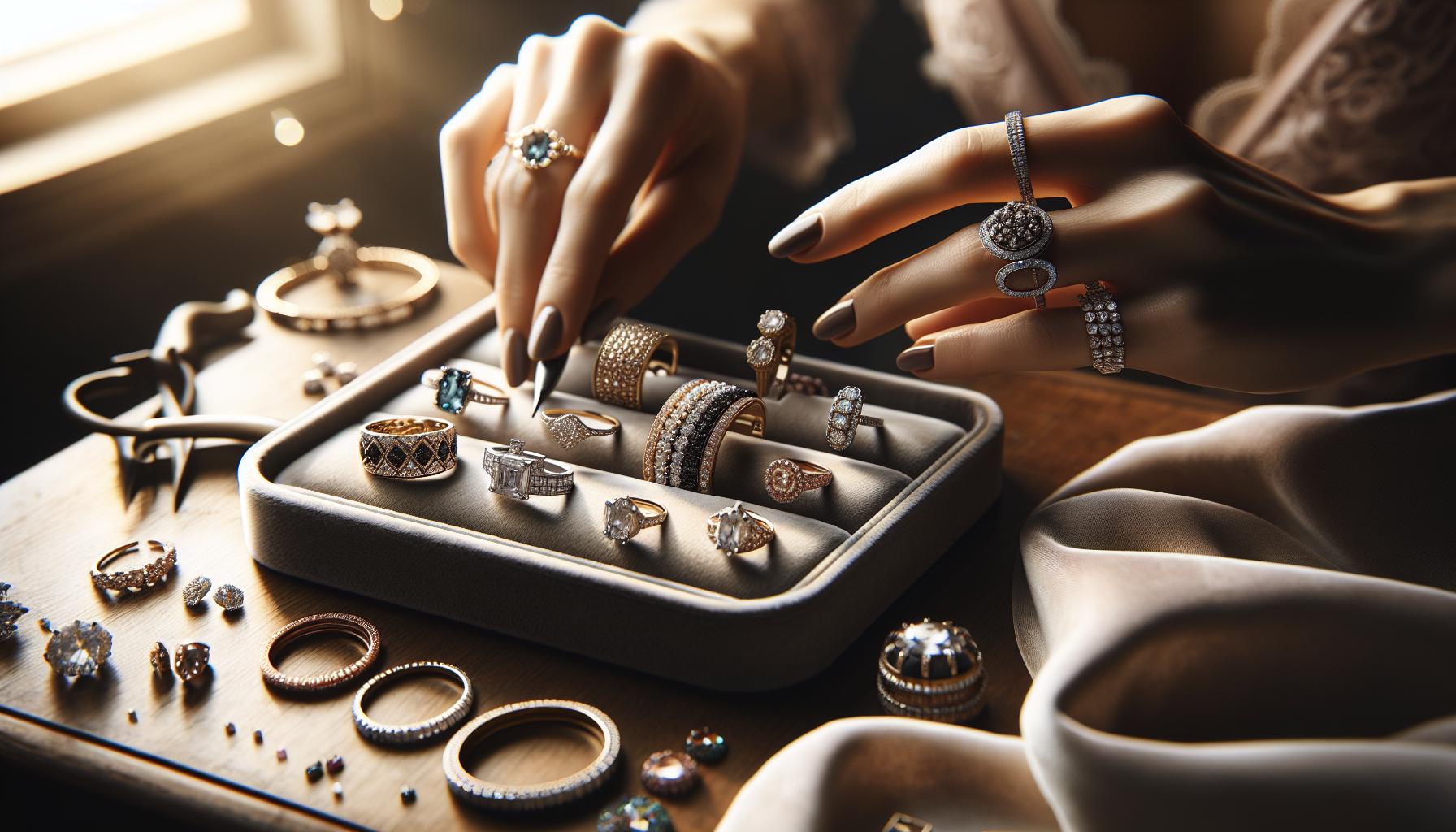
Benefits of Choosing Acrylic for Your Jewelry Collection
One of the most appealing facets of acrylic jewelry is its affordability, offering style and elegance without breaking the bank. Crafted from a lightweight thermoplastic, acrylic mimics the look of more expensive materials like glass or gemstones while remaining easy to wear for extended periods. This combination of affordability and aesthetic appeal makes acrylic an excellent choice for those looking to enhance their jewelry collection without extensive investment.
Acrylic’s versatility also plays a significant role in its attractiveness. It can be produced in a vast array of colors and patterns, ranging from vividly bright hues to soft pastels, enabling designers to create unique pieces that cater to diverse tastes and occasions. Its ease of molding allows for creative expressions that are often difficult to achieve with traditional metals or stones. Whether you prefer bold statement necklaces or delicate earrings, acrylic can be shaped to suit every personal style.
The material’s lightweight nature enhances the comfort factor, especially for those who may find heavier jewelry cumbersome. Large earrings that might typically weigh down the ear can be crafted from acrylic, allowing for dramatic looks without the discomfort. Additionally, because acrylic is less prone to shattering than glass, it’s a safer option for everyday wear, reducing the risk of breakage.
For jewelry enthusiasts who appreciate customization, acrylic offers significant potential. Artisans can engrave initials or designs onto acrylic pieces, adding a personal touch to each item. This ability to customize makes acrylic jewelry particularly appealing for gifts, allowing for meaningful and personalized expressions of style.
Finally, with an increasing focus on sustainability in fashion, many manufacturers now produce eco-friendly acrylic options that are recycled and less harmful to the environment. This shift not only caters to eco-conscious consumers but also adds another layer of appeal to acrylic as a material of choice in modern jewelry collections. By choosing acrylic, you embrace not just personal style and comfort but also a proactive step towards more sustainable fashion.
Caring for Acrylic Jewelry: Tips and Best Practices
Caring for acrylic jewelry is essential to maintaining its vibrant look and extending its lifespan. Although acrylic is a resilient material, proper care can help prevent scratches, discoloration, and other wear and tear. One key tip is to store your acrylic pieces in a cool, dry place, away from direct sunlight or extreme temperatures. This way, you’ll avoid fading and warping, keeping your pieces looking fresh and beautiful for years to come.
When it comes to cleaning, use a soft, lint-free cloth to gently wipe down your acrylic jewelry. If necessary, mild soap mixed with water can help remove stubborn dirt or fingerprints. However, it’s important to avoid using alcohol, solvents, or abrasive cleaners, as these can spoil the finish and clarity of the material. For a quick polish, a microfiber cloth is an excellent choice to restore shine without scratching the surface.
Another crucial point is to keep your acrylic jewelry away from water. Activities like showering, swimming, or washing dishes can damage your pieces over time. By removing your jewelry before engaging in these activities, you help maintain its integrity and longevity. Additionally, it’s wise to avoid exposing acrylic to lotions, perfumes, or hairsprays, as these substances can cloud or discolor the material.
Lastly, when traveling, consider using a dedicated jewelry case for your acrylic pieces. This not only keeps them organized but also protects them from accidental scratches or breakage. With these simple yet effective care practices, you can ensure your acrylic jewelry remains a stunning and cherished part of your collection.
Creative Ways to Style Acrylic Jewelry
Acrylic jewelry is a versatile and vibrant option that allows you to express your personal style in countless ways. One of the most captivating aspects of acrylic pieces is their ability to provide a pop of color and a playful charm that complements both casual and formal outfits. When styling acrylic jewelry, consider mixing and matching different pieces to create a bold statement. For instance, a chunky acrylic necklace can be paired with sleek, minimalistic clothing to draw attention to the vibrant colors and unique shapes of the jewelry.
Layering Techniques
Layering is a fantastic way to enhance your acrylic jewelry looks. Consider wearing several acrylic bangles stacked together or layering various pendants on a single chain for a trendy, bohemian vibe. To keep the focus on the acrylic pieces, choose clothing in solid colors that won’t compete with your accessories. This strategy not only highlights the vibrant hues of the acrylic but also adds dimension to your overall look.
Contrasting Materials
Another creative approach is to contrast acrylic with other materials. Pairing acrylic earrings with metal or wooden elements can create an interesting juxtaposition, enhancing the visual appeal of your outfit. For a chic look, you might wear an acrylic cuff bracelet alongside leather or denim, allowing the textures to complement each other beautifully. This combination of materials can add sophistication while keeping the playful essence of acrylic jewelry intact.
Occasion-specific Styling
Consider the occasion when styling your acrylic pieces. For daytime outings, opt for lighter, more playful pieces, like colorful acrylic studs or simple drop earrings. In contrast, for evening events, bold statement pieces, such as oversized acrylic hoop earrings or a dramatic necklace, can elevate your look effortlessly. Additionally, don’t shy away from mixing different styles-pair an intricate acrylic statement necklace with a classic little black dress to create a modern twist on the timeless outfit.
Embrace the creativity of acrylic by experimenting with different styles, layering techniques, and material combinations. You’ll find that acrylic jewelry not only reflects your personality but also enhances your wardrobe, making every outfit unique and vibrant.
DIY Projects: Making Your Own Acrylic Jewelry
Creating your own acrylic jewelry is not just a way to express your unique style; it’s also a fun and engaging project that can be both satisfying and cost-effective. Whether you’re a seasoned crafter or a beginner looking to try something new, crafting acrylic jewelry allows you to customize colors, shapes, and designs that speak to your personality. By utilizing the versatility of acrylic, you can create vibrant pieces that can light up any outfit.
To get started, gather a few basic supplies: acrylic sheets in various colors, a craft knife or acrylic cutter, jewelry findings (like earring hooks, chains, or jump rings), and tools such as pliers and a drill. Make sure to work in a well-ventilated area and wear protective eyewear, as working with acrylic can generate small plastic shards.
Once you have your materials, the design process begins. Consider sketching out your ideas on paper to visualize the final product. You can create simple geometric shapes like triangles or circles, or more intricate designs like floral patterns or abstract art. After selecting your designs, carefully cut the shapes from the acrylic sheets using your craft knife or acrylic cutter. If you wish to incorporate holes for hanging or connecting pieces, use a drill to create accurate openings.
Finishing Touches
After cutting and drilling, the real fun begins-assembling your pieces! Use jewelry findings to create earrings, necklaces, or bracelets. Experiment with layering different colors and shapes for a bolder statement. Don’t forget to consider mixing materials by pairing acrylic with metal or leather for added texture and contrast.
Finally, always remember to take care when handling your finished pieces. Although acrylic is durable, it can scratch easily. Store your jewelry in a soft pouch or jewelry box away from other accessories to keep them looking their best. By crafting your own acrylic jewelry, you not only get to showcase your creativity but also have unique pieces that no one else will own-making your style truly one-of-a-kind.
Sustainability Concerns: Is Acrylic Eco-Friendly?
While acrylic might be a popular choice for creating colorful and unique jewelry, its environmental impact is a significant concern for many conscious consumers. Acrylic, a synthetic polymer, is derived from petrochemicals, which means its production involves fossil fuels-this leads to greenhouse gas emissions and contributes to the depletion of natural resources. As a result, the sustainability of acrylic jewelry comes into question, particularly when considering broader environmental issues.
However, there are exciting developments aimed at making acrylic more eco-friendly. For instance, companies are exploring sustainable alternatives through initiatives like recycling and repurposing materials. A notable example is Sumitomo Chemical’s collaboration with Star Jewelry, which utilizes a sustainable acrylic material called Meguri, produced via chemical recycling technology. This innovation reflects a growing trend among manufacturers to minimize environmental impact by transforming waste into high-quality raw materials for new products, including jewelry [[3]](https://www.sumitomo-chem.co.jp/english/news/detail/20240412e.html).
Moreover, some jewelry designers are creatively addressing sustainability concerns by repurposing leftover materials. For example, Shanna M. Rogers designs eco-friendly earrings using leftover acrylic paint, demonstrating that sustainable practices can blend seamlessly with creativity [[2]](https://www.shannamrogers.com/shop-art/p/silver-acrylic-backed-green-earrings). This approach not only reduces waste but also encourages a circular economy, where materials are reused rather than discarded.
When considering acrylic for your jewelry collection, it’s essential to weigh these factors. Opting for pieces created by brands that prioritize sustainability, or engaging in DIY projects that use repurposed materials, allows you to enjoy beautiful jewelry while supporting environmentally responsible practices. As the landscape of sustainable fashion evolves, the choices you make as a consumer can make a positive impact on the future of acrylic and beyond.
Acrylic Jewelry Trends: What’s in Style Right Now?
The aesthetic appeal of acrylic jewelry continues to captivate the fashion world, showcasing an ever-evolving array of trends that combine artistry with modern design. One of the most striking movements in acrylic jewelry is the embrace of bold, vibrant colors. This trend features an explosion of *neon* and *marbled effects*, allowing wearers to express their personality through statement pieces. You’ll find chunky rings and oversized earrings that not only draw attention but also elevate any outfit to new heights of style.
Key Trends in Acrylic Jewelry
Among the latest trends dominating the scene are:
- Layered Necklaces: Layering is a key styling tactic this season, with acrylic necklaces featuring multiple strands in complementary colors and patterns.
- Sculptural Designs: Artists are pushing boundaries with sculptural cuffs that play with light and shadow, giving a unique visual texture that’s both contemporary and eye-catching.
- Personalization: Customizable pieces using acrylic allow for personal expression, whether through initials or favorite colors, making them thoughtful gifts as well.
- Eco-Friendly Innovations: As sustainability becomes vital, numerous designers incorporate recycled acrylic or create pieces that highlight environmental consciousness, making ethical fashion synonymous with style.
Over the coming seasons, expect to see more intricate designs incorporating elements like *translucent layers* and *geometric shapes*, which not only enhance the visual complexity but also mesh well with the minimalist trends in fashion. The flexibility in design that acrylic provides positions it as a versatile material that meets both the creative demands of designers and the style preferences of consumers.
As you curate your acrylic jewelry collection, consider incorporating these trendy items to stay ahead in the fashion curve. Embrace the playful and vibrant spirit of acrylic pieces, and don’t hesitate to mix and match different styles to create looks that truly represent you!
How to Identify Quality Acrylic Jewelry Pieces
When purchasing acrylic jewelry, distinguishing quality pieces from lesser ones can significantly enhance your collection. Quality acrylic jewelry should not only capture the eye but also promise durability and style. First and foremost, examine the clarity and color richness of the acrylic. High-quality acrylic should have a brilliant, vibrant appearance, with no cloudiness or bubbles that can indicate poor manufacturing. Look for pieces that display uniform coloration, whether it’s a solid hue or a gradient effect, as this often reflects a well-executed design process.
Additionally, pay attention to the craftsmanship of the piece. Quality acrylic jewelry should display smooth edges and a polished finish. Any rough spots or unfinished edges can detract from the overall aesthetic and lead to premature wear. It’s also beneficial to assess the weight of the jewelry; heavier pieces may signal denser, sturdier acrylic, which can be a mark of quality. Always check the details-like clasps and attachments-for sturdiness. They should feel secure and function smoothly, contributing to the overall integrity of the piece.
When sourcing acrylic jewelry, consider the brand’s reputation and the materials used. Brands synonymous with quality often provide insights into their acrylic sourcing and production processes, which can help ensure you’re purchasing ethically made products. Look for certifications or guarantees from sellers that underscore their commitment to quality craft, as these are often reliable indicators of the piece’s worth.
Furthermore, if you’re interested in DIY projects, remember that creating your own pieces allows you to choose quality materials that meet your standards. Engaging in hands-on creation not only enhances your understanding of acrylic but also empowers you to experiment with designs that resonate with your individual style. By being mindful of these factors, you can confidently build a collection of quality acrylic jewelry that stands the test of time.
Frequently Asked Questions
Q: What is acrylic jewelry made of?
A: Acrylic jewelry is primarily made from a synthetic polymer known as polymethyl methacrylate (PMMA). This versatile material is known for its clarity, durability, and ability to be crafted into various shapes and colors, making it popular in jewelry design.
Q: How does acrylic compare to plastic in jewelry?
A: While acrylic is a type of plastic, it stands out for its superior durability and optical clarity. Acrylic is less likely to yellow or become brittle over time compared to other plastics, making it a favored choice for quality jewelry pieces.
Q: Is acrylic jewelry safe to wear?
A: Yes, acrylic jewelry is generally safe to wear. However, individuals with sensitivity to certain plastics should check for any specific allergies. It is also advisable to avoid prolonged exposure to heat and direct sunlight, which can degrade the material.
Q: Can acrylic jewelry be customized?
A: Absolutely! Acrylic jewelry can be easily customized or personalized through various techniques such as laser engraving, dyeing, or shaping into unique designs. This versatility makes it a popular option for bespoke jewelry designers.
Q: What are the best ways to clean acrylic jewelry?
A: To clean acrylic jewelry, use a soft, lint-free cloth and a mild soap solution. Avoid harsh chemicals or abrasives to maintain the integrity of the acrylic. Regular gentle cleaning can help preserve its shine and clarity.
Q: How long does acrylic jewelry last?
A: With proper care, acrylic jewelry can last several years. It is more durable than many other plastic materials, but avoiding exposure to harsh conditions will prolong its lifespan and maintain its appearance.
Q: Are there any eco-friendly alternatives to acrylic in jewelry?
A: Yes, there are eco-friendly alternatives like bio-resins or recycled materials that can serve similar purposes. These options provide sustainable choices for conscious consumers while maintaining aesthetic appeal in jewelry design.
Q: How can I style acrylic jewelry for different occasions?
A: Acrylic jewelry is versatile and can be styled with casual outfits for daily wear or dressed up for formal occasions. Layering acrylic pieces or mixing them with metals and gemstones can create unique looks suitable for any event.
Concluding Remarks
Now that you’ve decoded the meaning of acrylic in jewelry, why not explore its versatile applications further? Discover how to pair acrylic with other materials, check out our guides on jewelry care, or dive into DIY tutorials that inspire creativity. Don’t miss your chance to elevate your personal style-consider browsing our collection of stunning acrylic pieces and props that can transform your look while also enhancing your jewelry display at home.
If you’re still curious about maintaining your favorite acrylic jewelry or want expert tips on starting your own jewelry business, check out our resources designed just for you. Remember, the world of acrylic jewelry is vast and full of possibilities-take the next step in your jewelry journey today! Share your thoughts in the comments, subscribe for updates, or explore more articles to keep fueling your passion. Your chic, unique jewelry collection is just a click away!