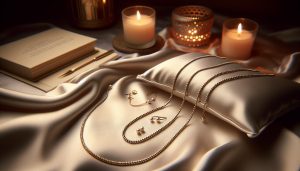
Jewellery is more than just an accessory; it tells a story and enhances your personal style. Yet, many find themselves grappling with tangled necklaces and misplaced earrings, turning what should be delightful into chaos. This guide on how to arrange jewellery will equip you with simple yet effective strategies to transform your collection into a stunning display. By understanding the importance of proper organisation, you can not only showcase your pieces beautifully but also protect them from damage. Dive in to discover expert tips, creative storage solutions, and styling inspiration that will elevate your jewellery game and help you make the most of your cherished items. Whether you’re a seasoned collector or just starting your jewellery journey, you’ll find valuable insights that cater to your needs and encourage you to embrace your unique style. Let’s unlock the potential of your jewellery collection together!
How to Organize Your Jewellery Collection Effectively
If you’ve ever found yourself digging through a box of tangled necklaces or mismatched earrings, you know the struggle of dealing with a chaotic jewelry collection. The key to transforming this frustration into an organized and beautiful display lies in implementing a few straightforward strategies. Start by categorizing your pieces based on type, occasion, or color. This not only makes it easier to find your favorite items but also allows you to see what you truly have, preventing unnecessary purchases.
Sorting and Categorizing
Begin with a deep dive into your collection. Sort items into groups such as necklaces, bracelets, earrings, and rings. You can take this further by organizing them by the occasion-everyday wear, formal events, or seasonal pieces-or by color for a visually appealing display. Use small containers or ziplock bags to keep smaller items, like rings and earrings, neatly stored. Consider labeling these containers to streamline the search process.
Storage Solutions
Invest in storage that suits your space and style. Wall-mounted displays, jewelry trees, or drawer organizers can help maximize area while showcasing your collection. For a chic and compact display, use a decorative tray or dish on your dresser; this easy access encourages you to wear your favorite pieces regularly. Repurpose everyday items like an old picture frame with mesh or lace to create a unique earring holder, combining functionality with aesthetic appeal.
By thoughtfully organizing and displaying your jewelry, you not only help to preserve its quality but also enhance your enjoyment of it. Remember, an organized collection serves not only as a functional storage solution but also a beautiful visual display that reflects your personal style.
Creative Storage Solutions for Small Spaces
Finding elegant ways to store your jewelry in small spaces can transform a cluttered collection into a stunning display. By being resourceful and intentional, you can create storage solutions that not only save space but also accentuate the beauty of your favorite pieces. Here are some creative strategies to consider for maximizing your jewelry organization in tight areas.
Utilizing Vertical Space
In small rooms, vertical space is often the most underutilized. Install a pegboard or a grid panel on a wall to create a chic display for necklaces and bracelets. You can personalize it by painting it to match your decor. Use hooks to hang items and tiny shelves for storing smaller pieces or decorative items. This not only showcases your jewelry beautifully but also keeps it easily accessible.
Repurposing Household Items
Old items can find new life as clever jewelry organizers. A vintage ladder can serve as a stunning display rack where you can hang necklaces, while small mason jars can be ideal for storing rings and earrings. Consider using a wooden tray or a decorative bowl on your dresser to keep frequently worn pieces organized but still visually appealing. A stackable shoe organizer can be repurposed as a compartmentalized jewelry box; just add some soft fabric to the bottom of each section to protect your pieces.
Collapsible and Multi-Functional Storage Solutions
Look for storage solutions that can fold down or double as furniture. For instance, a trunk or a decorative storage ottoman can hide your jewelry collection while also serving as a seat or footrest. Additionally, portable jewelry organizers with multiple compartments can be stored in a drawer and pulled out when needed. This flexibility ensures that your jewelry is both protected and accessible, all while maintaining a minimalist aesthetic.
Visual Appeal Meets Functionality
When space is at a premium, combining aesthetics with practicality is key. Consider investing in a wall-mounted jewelry organizer that doubles as a piece of art. These organizers often feature mirrors or decorative designs, making them a focal point in a room. Additionally, ornate boxes or cases can be placed on a shelf or nightstand, offering an elegant storage solution that complements your décor while showcasing your jewelry.
By thinking creatively, you can turn your jewelry organization into a stylish aspect of your space. Each piece in your collection deserves a place that honors its beauty and significance, all while ensuring that your limited space is optimized effectively.
Essential Jewellery Care: Cleaning and Maintenance Tips
Caring for your jewelry not only preserves its beauty but also extends its lifespan, ensuring your cherished pieces remain stunning for years to come. Understanding the right cleaning and maintenance techniques is essential for every jewelry lover, regardless of whether you’re showcasing family heirlooms or trendy costume pieces. With just a few simple steps and some household items, you can keep your collection looking its best.
Regular Cleaning
To maintain the sparkle of your jewelry, incorporate regular cleaning into your routine. For most metals and gemstones, a gentle cleaning solution made from lukewarm water and a few drops of dish soap works wonders. Simply soak your jewelry for a few minutes, then use a soft-bristle toothbrush to remove any grime, especially in intricate areas. Rinse thoroughly with clean water and pat dry with a soft cloth. This method is ideal for everyday wear pieces like rings and bracelets, ensuring they stay radiant.
Special Considerations for Different Materials
Certain materials require specific care to avoid damage. For example:
- Gold and Silver: Use a mild polishing cloth designed for metals to remove tarnish and restore shine.
- Pearls: Wipe them with a soft cloth after wearing to remove oils and dirt; avoid soaking in water as it can damage the string.
- Opals: Keep opals away from prolonged exposure to water and harsh chemicals, as they can lead to cracking.
For pieces with delicate gemstones or pearls, consider consulting a professional jeweler for deep cleaning.
Storage and Handling Tips
Proper storage plays a crucial role in maintaining your jewelry’s integrity. Store pieces separately to avoid scratching and tangling; use fabric-lined boxes, pouches, or individual compartments. Consider silica gel packets in your storage to absorb moisture and prevent tarnishing. Additionally, keep your jewelry away from direct sunlight and extreme temperatures to avoid fading and warping.
Emphasizing these simple yet effective care tips not only safeguards your jewelry but also reflects your style and affection for each piece. By integrating these practices into your routine, you’ll ensure your collection remains vibrant, captivating, and ready to wear every day.
DIY Projects: Transforming Everyday Items to Display Jewellery
A well-organized jewelry display not only enhances the beauty of your collection but can also transform your space into a chic and personalized showcase. Repurposing everyday items can lead to creative and functional jewelry displays that reflect your unique style. Consider items that you already own or that you can easily acquire, many of which can be customized to suit your aesthetic.
One of the simplest and most charming ways to display jewelry is by using a decorative tray. Trays can be found in various materials-such as wood, metal, or ceramic-and you can add a pop of color or a touch of vintage charm to your space. Place your rings, earrings, and bracelets neatly in the tray, arranging them by color or type for an appealing visual effect. To enhance the look, consider using a small potted plant or a few decorative stones to fill in any empty spaces, creating a cohesive and inviting display.
Another versatile option is to utilize an old frame to create a unique wall-mounted jewelry holder. Start with a decorative frame-a thrift-store find can work beautifully. Remove the glass and backing, then attach a piece of mesh or chicken wire to the back, ensuring it is taut and secure. You can now hang your earrings and bracelets through the openings, allowing them to be easily visible and accessible. For a touch of elegance, paint the frame in a color that complements your decor or embellish it with some decorative washi tape.
If you have extra mugs or teacups lying around, turn them into delightful and whimsical holders for your bangles or necklaces. Mugs can hold several pieces upright, while smaller cups work well for rings or dangling earrings. Arrange these cups on a shelving unit or dresser to add an unexpected yet charming element to your jewelry organization. For a more cohesive look, consider painting the cups a uniform color or using similarly styled designs across several pieces.
Lastly, old wooden ladders can serve as striking displays for longer necklaces and statement pieces. Lean the ladder against a wall and simply hang your necklaces on the rungs. You can decorate the ladder with small potted plants or photo frames to create an inspiring focal point in your room. This not only organizes your jewelry but also turns it into an art piece that enhances your decor while being easily accessible.
Through these easy and fun DIY projects, you can transform your jewelry chaos into stunning displays that reflect your personality and creativity. With a little imagination and resourcefulness, everyday items can serve as beautiful showcases for your treasured collection.
Understanding Different Materials: Metals and Gems
Jewelry is as much about materials as it is about aesthetics; understanding the various metals and gems that comprise your collection not only enhances your appreciation of each piece but also informs how to care for and display them effectively. Different metals and gems possess unique properties, appearances, and maintenance needs that can influence their arrangement, ensuring your collection remains organized and stunningly showcased.
Common Metals in Jewelry
When organizing your jewelry, consider the type of metal used, as each has distinct characteristics that can affect its display and care. Here are some common metals:
- Gold: Available in various karats, gold is prized for its beauty and durability. Yellow, white, and rose gold offer different aesthetic appeals. Keep gold pieces away from harsh chemicals to prevent tarnishing.
- Silver: Sterling silver is popular but can tarnish over time. Store silver jewelry in anti-tarnish pouches or cloths, and clean it regularly with a silver polish to maintain its luster.
- Platinum: This metal is highly durable and scratch-resistant, making it an excellent choice for fine jewelry. Its natural white sheen requires minimal maintenance, though occasional cleaning will keep it looking its best.
- Base Metals: Metals like brass and copper offer alternative aesthetics but may tarnish easily. Store them separately to prevent oxidation from mixed metals and maintain their original shine.
Understanding Gemstones
Gems offer a vast array of colors, shapes, and hardness levels, affecting both their beauty and durability. Here’s a closer look at popular gemstones:
- Diamonds: The hardest natural substance, diamonds require minimal care but should be stored separately to prevent scratches. A dedicated display case can highlight their brilliance.
- Colored Stones: Variants like sapphires, rubies, and emeralds are beautiful but may require special care. For instance, avoid exposing softer gems like opals to harsh cleaning agents.
- Natural vs. Synthetic: While natural gemstones are unique and often more valuable, synthetic gems can be stunning alternatives that require similar care.
Understanding the materials behind your jewelry collection empowers you to organize and care for it better. For instance, display softer stones in compartments with soft linings to prevent scratches, while ensuring that interchangeable metal components are organized by type. By investing time in understanding these materials, you not only enhance the arrangement of your collection but also maintain its aesthetic appeal for years to come.
Building a Stylish Jewellery Wardrobe: Tips and Trends
Creating a stylish jewelry wardrobe is about more than just owning beautiful pieces; it’s about curating a collection that reflects personal style while being versatile enough for any occasion. To achieve this, one must consider both current trends and the timeless appeal of classic designs, allowing for a wardrobe that can evolve with changing fashions while still standing the test of time.
Begin by defining the core pieces that will serve as the foundation of your jewelry collection. Consider staples like a simple pair of stud earrings, a classic pendant necklace, and a versatile bracelet that can be dressed up or down. These essentials not only work well together but can seamlessly integrate into a variety of outfits. For added flair, don’t shy away from experimenting with trending styles, such as statement earrings or layered necklaces, which can elevate even the most basic ensembles.
It’s also important to stay informed about seasonal trends that can inspire the addition of new items to your wardrobe. For instance, currently popular materials such as resin, beads, and mixed metals offer exciting options for incorporating color and texture. Watching fashion shows, following jewelry influencers, and browsing online platforms can provide insight into what’s trending and spark your creativity in building your collection.
Lastly, consider the emotional value and story behind each piece. Unique finds from local artisans, antique shops, or family heirlooms often carry a narrative that can enhance their sentimental worth. This personal touch not only makes your jewelry collection distinctive but also aligns more closely with your identity, ensuring that each item resonates with significance. By thoughtfully selecting and thoughtfully displaying your jewelry, you can balance aesthetics with personal meaning, transforming your collection into a true reflection of style and sentiment.
Maximizing Dwell Time: Engaging Displays for Home and Retail
Creating an inviting and engaging display for your jewelry collection can significantly enhance its aesthetic appeal and encourage both personal enjoyment and customer interest. Whether for personal use or retail, the design of your display can evoke emotions and curate an experience that resonates with viewers. One key aspect of successful jewelry displays is to tell a story. By thoughtfully arranging pieces that share a theme-such as color, material, or era-you engage visitors’ imaginations and invite them to explore your collection more deeply.
To optimize engagement, consider these practical strategies:
- Utilize Layering Techniques: Layering necklaces or stacking rings creates visual intrigue. Vary the lengths and styles to add depth. This not only enhances the overall presentation but also showcases how different pieces complement one another, inspiring customers or visitors to experiment with their own collections.
- Incorporate Lighting: Lighting plays a pivotal role in highlighting jewelry. Use soft spotlights or natural light to accentuate sparkle and detail. Displaying items under different light sources can also create varied moods-warm lighting for a cozy feel or cooler tones for a modern vibe.
- Employ Creative Backgrounds: The background of your display can greatly influence the perceived value of jewelry. Consider textured fabrics, natural materials like wood or stone, or even colored backdrops that contrast beautifully with your pieces, drawing attention to their unique characteristics.
- Interactive Displays: In a retail setting, incorporating interactive elements such as touchscreens or demos can enhance engagement. Allow customers to try items on or see them styled with different outfits, making the experience more personal and memorable.
The display’s arrangement should encourage movement and flow, guiding the viewer’s eye naturally through your collection. This can be achieved through strategic placement-consider grouping items by color or style while leaving some breathing space to avoid overwhelming the viewer. Seasonal elements can also play a part; changing displays regularly can keep your presentation fresh and inviting, enticing repeat visitors to discover what’s new.
Creating an engaging jewelry display is about more than just aesthetics; it’s about forging a connection, whether that’s with yourself or with potential customers. By harnessing the power of storytelling and thoughtful organization, you transform a simple jewelry arrangement into an engaging experience that draws people in.
Starting Your Own Jewellery Business: Key Considerations
Starting a jewelry business can be an exciting venture, but it requires careful planning and consideration to avoid becoming overwhelmed. Did you know that the global jewelry market was valued at approximately $228 billion in 2020 and is projected to grow significantly in the coming years? Such numbers highlight the thriving opportunities within the industry. Nevertheless, success hinges upon a well-organized approach, especially when it comes to displaying your jewelry, which can be as important as the pieces themselves.
First, consider your target audience and brand identity. Are you catering to luxury buyers, handmade enthusiasts, or a more budget-conscious demographic? Understanding these aspects will guide not only your purchasing decisions but also how you choose to display your items. For instance, a high-end collection might benefit from elegant, minimalist displays that emphasize exclusivity, while a youthful, casual line may call for fun, colorful arrangements and interactive setups. Think of your display as an extension of your brand; it should tell a story and provide an experience that resonates with your customers.
Next, invest in quality materials and fixtures. Displaying jewelry effectively can increase its perceived value. Use stands, cases, and backdrops that enhance the beauty of your pieces without overwhelming them. Reflective surfaces can draw attention to gemstones, while textured fabrics can add depth and interest to your arrangements. Consider incorporating elements like lighting to create specific moods or highlight features of the pieces. For example, soft, warm lighting might be perfect for a cozy boutique, while bright, stark lighting could work well in a modern retail space.
Moreover, staying organized is crucial. Implement a systematic inventory management system to track your products and understand what sells well. This will not only help you maintain inventory but also ensure you can easily access and rearrange items to refresh your display as trends shift. Use visual merchandising techniques to rotate pieces regularly, keeping your display engaging for return customers. Seasonal themes or promotional events can be effective hooks to draw in buyers repeatedly.
Lastly, think about marketing strategies that align with your display approach. Use social media as a platform to showcase your setups-stunning displays can be shared online to attract customers’ interest. Authenticity plays a pivotal role; telling the story behind each piece and highlighting how it fits within a larger collection can pave the way for stronger customer connections. By combining strategic planning, thoughtful display, and effective marketing, you’ll not only transform your jewelry into stunning displays but also lay a solid foundation for a successful business.
Jewellery Authentication: Ensuring Quality and Value
Ensuring the authenticity of your jewelry collection is crucial not only for maintaining its value but also for gaining the trust of your customers or personal peers. A staggering amount of counterfeit jewelry makes its way into the market, which emphasizes the importance of authentication. Whether you’re a collector who treasures unique pieces, a seller curating an exquisite collection, or simply someone with a passion for jewelry, understanding how to verify authenticity provides peace of mind and reinforces the integrity of your display.
When evaluating jewelry, there are multiple avenues to confirm its authenticity. Start by researching the brand or designer, as established companies often have specific markings or certifications. Look for hallmarks stamped on pieces, which can indicate metal quality and origin. For example, gold jewelry will typically be marked with a karat number (like 14K or 18K), while sterling silver may show a “925” stamp. You can delve deeper into your piece’s history through documentation, such as purchase receipts, original packaging, and certificates of authenticity, especially for high-value items like diamonds or rare gems.
Another effective strategy is to utilize third-party appraisal services. Appraisers can provide insights based on their expertise in assessing the quality and legitimacy of different types of jewelry. This professional assessment not only aids in gauging value but also accumulates important documentation for insurance purposes, should you ever need it. When displaying your jewelry, especially at exhibitions or to potential buyers, an appraisal certificate stands as notable proof of your items’ authenticity and can significantly enhance perceived value.
To further ensure your displays maintain credibility, consider including educational materials for your audience. Informative display cards that explain the authentication process, or even highlighting visible hallmark features, can engage your customers and illustrate your commitment to quality. This not only helps in building trust but also transforms a simple display into an interactive learning experience. By prioritizing authentication, you’re not just organizing your collection-you are elevating its status and potential value in an often overwhelming marketplace.
Styling Your Jewellery: Tips for Every Occasion
When it comes to showcasing your personal style, jewelry can make all the difference, transforming even the simplest outfits into eye-catching ensembles. To ensure your accessories elevate your look rather than overwhelm it, consider the following tips tailored for every occasion.
### Choosing the Right Pieces
Always start by selecting jewelry that complements your outfit and the event’s vibe. For casual outings, opt for subtle pieces like stud earrings or a delicate pendant. On the other hand, a formal gathering may call for statement jewelry-think bold necklaces or intricate chandeliers. A quick rule of thumb: if your outfit is patterned or heavily embellished, choose minimalistic jewelry to avoid clashing; conversely, simple outfits can handle more striking accessories.
### Layering Techniques
Layering jewelry can create unique and personalized styles, but it’s essential to balance the layers so they don’t compete for attention. For necklaces, try varying lengths-shorter chains can sit above longer ones, creating a visually appealing cascade. When layering bracelets or rings, mix textures and materials; for instance, pairing sleek metal with colorful beads adds dimension. Remember, the goal is harmony; if it feels overwhelming, simplify by reducing the number of layers.
### Color Coordination
Aligning your jewelry with your clothing’s color palette can enhance your overall look. Gold and silver tones typically work well with neutrals; however, colorful gemstones can breathe life into basic outfits. Identify the dominant colors in your attire and match jewelry accordingly, or choose complementary colors for a striking contrast. For example, a turquoise necklace can beautifully accentuate a coral dress.
### Occasion-Specific Styles
Tailor your jewelry choices to different occasions for maximum impact. Here are some go-to ideas:
- Work: Opt for classic stud earrings and a simple watch to maintain professionalism while adding a touch of personality.
- Cocktail Party: Select statement earrings paired with a matching bracelet to elevate your look without being overly extravagant.
- Wedding/Outdoor Event: Floral or nature-inspired jewelry can seamlessly blend with a romantic ensemble.
- Casual Outings: Don’t hesitate to mix and match playful charms or friendship bracelets for a fun, laid-back vibe.
Utilizing these strategies can help you confidently style your jewelry, ensuring that every piece reflects your personality and enhances your wardrobe, no matter the occasion.
The Art of Layering: Create Stunning Looks with Accessories
Layering accessories is an art that can elevate your jewelry game, allowing you to express your individuality while creating dimensions and visual interest. The key to mastering the layering technique is knowing how to mix various styles, lengths, and materials without overwhelming your overall look. For instance, a delicate gold chain can serve as the perfect base, harmoniously paired with a chunkier necklace or a colorful pendant to create an eye-catching arrangement. By strategically choosing pieces with contrasting textures or finishes, you can maintain a cohesive look that tells your unique style story.
When layering necklaces, consider varying the lengths to create a beautiful cascade that draws the eye. Start with a choker or collar-length piece, and gradually add chains that are longer, ensuring they don’t tangle. A popular combination is to layer a simple pendant with a statement necklace that features bold links or intricate designs. For bracelets, take a playful approach: mix bangles with softer chain bracelets, or stack your favorite cuffs alongside leather wristbands. This variety allows for an engaging interplay of looks that can adapt from day to night seamlessly.
Another vital aspect of layering is paying attention to color and theme. For a bohemian vibe, think about incorporating multiple textures like braided leather, woven strands, and stones. In contrast, a sleek, modern appearance might consist of minimal metals in monochromatic colors. Don’t shy away from incorporating a single standout piece-like a large statement ring or bold cuff-which can serve as a central focus in your layered ensemble. Balancing these elements is crucial; if you feel your look is busy, consider simplifying by reducing the number of layers or opting for more subtle pieces alongside your favorites.
Ultimately, the art of layering is about personal expression. Experiment with different combinations to discover what resonates with you, and remember, the best accessory is one that makes you feel confident and empowered. Whether you’re preparing for a casual brunch or an elegant evening out, layering your jewelry thoughtfully allows you to transition effortlessly, bringing a polished look to any occasion.
Q&A
Q: What are the best ways to display jewellery at home?
A: The best ways to display jewellery at home include using decorative trays, wall-mounted racks, or glass domes. Choose a location with good lighting to enhance the beauty of your pieces. For detailed organization, refer to the section on “Creative Storage Solutions for Small Spaces” in the main article.
Q: How can I organize jewellery to prevent tangles?
A: To prevent tangles, use individual compartments in a jewellery box or hang necklaces on hooks. Consider using a felt-lined tray for added protection. Implementing these methods ensures your collection remains accessible and tangle-free. For more tips, see “How to Organize Your Jewellery Collection Effectively.”
Q: What materials are best for jewellery displays?
A: Materials like wood, acrylic, and metal are excellent for jewellery displays, offering both durability and aesthetic appeal. Choose materials that complement your style while showcasing the jewellery. Check out the “Understanding Different Materials: Metals and Gems” section for further insights.
Q: How can I create a themed jewellery display?
A: To create a themed jewellery display, select pieces that share a common color, material, or style. Use matching trays and holders to maintain consistency. This approach not only enhances visual appeal but also tells a story. Explore DIY project ideas in the relevant section of the article.
Q: What are effective ways to clean and maintain jewellery displays?
A: Effective cleaning entails using a soft, lint-free cloth to wipe displays regularly, while mild soap and water can help maintain shine. Ensure to dry the pieces thoroughly after cleaning to prevent tarnishing. For care tips, refer to the “Essential Jewellery Care: Cleaning and Maintenance Tips.”
Q: Where can I find unique jewellery display ideas?
A: Unique jewellery display ideas can be found through DIY crafts websites, social media platforms like Pinterest, or home decor blogs. Experiment with everyday items to create personalized displays. For creative inspirations, check the DIY section in the main article.
Q: How to choose a location for my jewellery display?
A: Choose a location for your jewellery display that is visible yet safe from damage. Consider areas near natural light but avoid direct sunlight to prevent fading. Ideal spots include dressers or vanity tables. For further tips, explore “Maximizing Dwell Time: Engaging Displays for Home and Retail.”
Q: Is it necessary to use display cases for valuable jewellery?
A: Yes, using display cases for valuable jewellery is a good practice to protect pieces from dust, damage, and theft. Display cases also allow you to showcase your collection beautifully. For more information, see the “Jewellery Authentication: Ensuring Quality and Value” section.
Insights and Conclusions
Transforming your jewellery organization is just the beginning of your journey to stunning displays. By implementing the strategies discussed, you can create not only functional but beautiful arrangements that reflect your personality and style. Don’t wait-start organizing today to give your treasured pieces the showcase they deserve! For more insights, check out our guide on jewellery care and explore creative DIY storage solutions that will elevate your collection further.
Remember, the way you display your jewellery speaks volumes about your taste and attention to detail. Whether you’re a seasoned collector or just starting out, our resources are here to support you. If you found value in this guide, consider subscribing to our newsletter for exclusive tips and trends, and feel free to share your own organization success stories in the comments below! Your expertise could inspire fellow jewellery enthusiasts. Let’s keep the conversation going-explore our related articles to master your craft and style effortlessly.