Have you ever wondered about the origins of the word “jewellery”? Understanding the etymology of this cherished term not only reveals the rich history behind the adornments we wear but also connects us to centuries of artistry and culture. From ancient civilizations to modern designs, jewellery has always held a significant role in human expression and identity. By exploring where the word comes from, you can gain insight into its meanings and the diverse materials used throughout history. This journey will deepen your appreciation for the pieces you adore, encouraging you to make informed choices as you curate your unique collection. Join us as we uncover the secrets of jewellery’s name and its fascinating evolution, igniting curiosity about the adornments that enhance our lives.
The Etymology of “Jewellery”: A Deep Dive
The word “jewellery” possesses a rich etymological history that reflects the evolving nature of adornment through centuries. Originating from the Old French word jouel, meaning “a jewel” or “precious thing,” it can ultimately be traced back to the Latin jocale, which signifies “plaything.” This lineage highlights the dual nature of jewellery not only as an adornment but also as objects of beauty and enjoyment. The transformation of the term from its Latin roots to the present day encapsulates the shift in societal values about personal ornamentation and its significance in various cultures.
As jewellery began to gain prominence across different civilizations, so too did the words and terms associated with it. In medieval times, the term jewelry started to emerge in English, initially referring to precious stones and metals used in adornment. This period witnessed a significant evolution in both the craft of jewellery-making and the terminology used to describe these intricately designed pieces. The distinction in spelling between “jewellery” (used in British English) and “jewelry” (used in American English) reflects not only regional linguistic preferences but also cultural variations in the perception and significance of adornments.
Understanding the etymology of “jewellery” invites a deeper appreciation for the broader cultural and historical contexts in which jewellery has flourished. From ancient Egyptians adorning themselves with gold and gems to modern-day artisans creating bespoke pieces, the word encapsulates centuries of artistry and expression. As you explore the world of jewellery, reflect on how its name carries the weight of history and creativity, adding depth to your appreciation of these beautiful objects.
Historical Origins of the Word “Jewellery
The etymology of “jewellery” offers a fascinating glimpse into the traditions of adornment throughout history. The term traces back to the Old French word jouel, which signifies “a jewel” or “a precious item.” From there, we can track its roots to the Latin word jocale, meaning “plaything.” This evolution reflects how jewellery has always served not only as decorative art but also as objects of value and personal expression. The use of the term has shifted, symbolizing the changing societal values surrounding adornments and their significance in various cultures.
In the medieval period, the English language began adopting the term “jewelry,” which included a broader array of precious stones and metals. During this time, artisans honed their skills in crafting intricate designs that transcended mere functionality to become symbols of status and identity. Interestingly, the spelling divergence between “jewellery” (in British English) and “jewelry” (in American English) emphasizes both linguistic preferences and the cultural perceptions that continue to shape how adornments are viewed in different parts of the world.
One remarkable aspect of this linguistic journey is how certain terms within the jewellery lexicon reflect specific cultural practices and beliefs. For example, many traditional jewels carry names that tell stories of their origins and intended meanings. As such, embracing the ” enriches our understanding of these beautiful objects, allowing us to appreciate not only their aesthetic appeal but also the rich tapestry of history and culture woven into their very names. Whether you’re a collector or a casual admirer, acknowledging this lineage encourages a deeper connection to the artistry and significance of jewellery through the ages.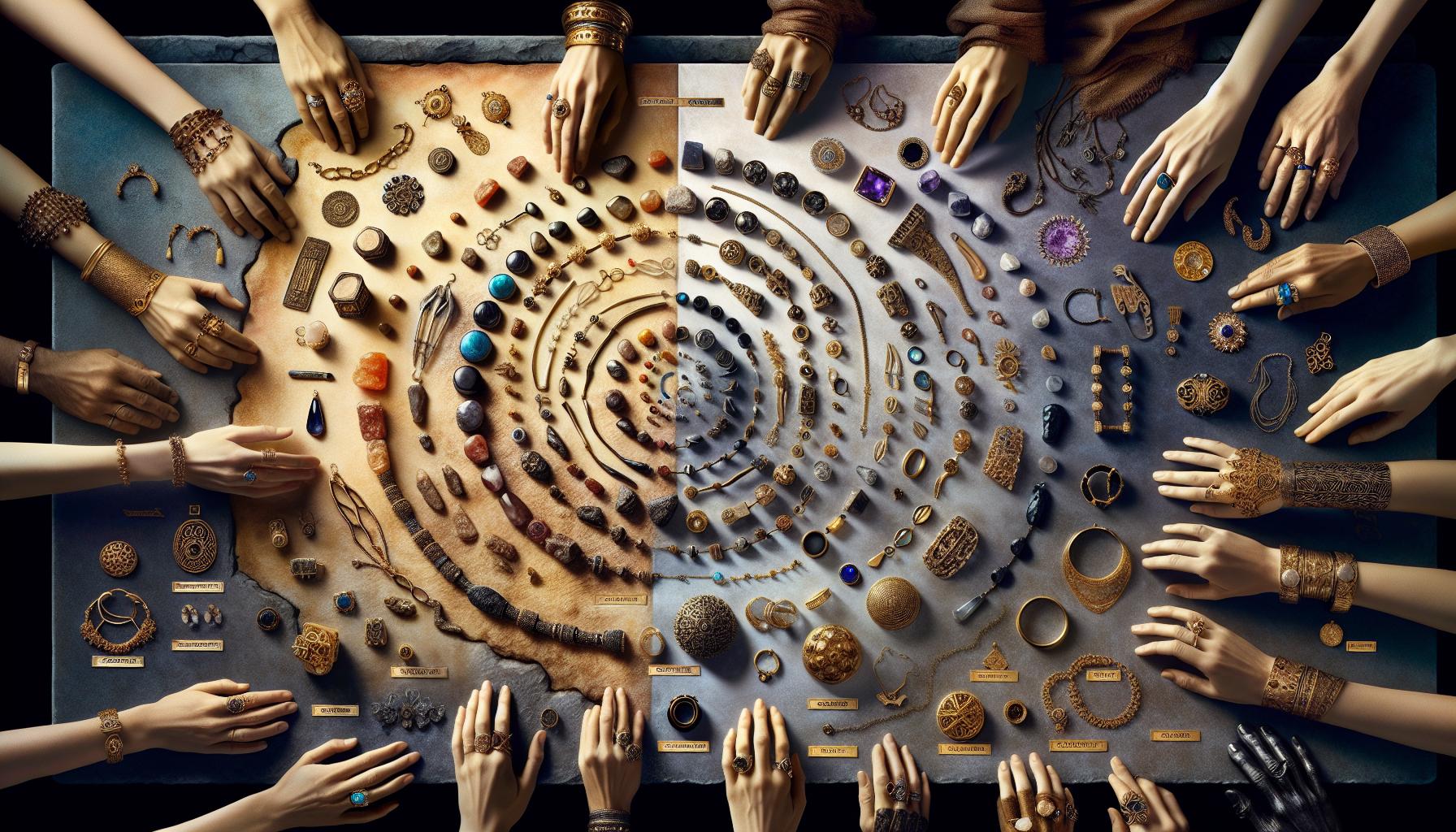
Evolution of Jewellery and Its Name Over Time
Jewellery has a rich tapestry of history that is intricately woven with the evolution of its name. The term itself is rooted in a legacy that transcends mere adornment; it embodies cultural significance and artistic expression throughout the ages. As we traced its origins to the Old French word jouel, meaning “a jewel,” and subsequently to the Latin jocale, meaning “plaything,” it reflects a fundamental evolution from precious decorative items to symbols of personal and social identity.
In ancient civilizations, jewellery served many purposes, from indicating status to signifying faith or allegiance. For instance, Egyptian pharaohs were often buried with elaborate jewellery that not only adorned their bodies but also accompanied them into the afterlife. As we progressed into the medieval period, the craftsmanship surrounding jewellery saw remarkable advancements. Artisans placed increasing value on the skills required to create intricate designs, leading to a notable expansion in the types of materials used and the complexity of creations. Terms associated with different styles and functions began to diversify, mirroring the evolution of societal norms and tastes.
The arrival of trade routes also played a significant role in the evolution of jewellery terminology. As cultures interacted, they exchanged not only goods but also languages and concepts related to adornment. This interaction spawned an influx of terms that enriched the vocabulary of jewellery-making. For contemporary collectors and enthusiasts, understanding these historical contexts is crucial. It enhances appreciation for modern pieces, which often carry echoes of ancient techniques and meanings.
As we continue to see the diversification of styles and the emergence of new materials in the jewellery market, it’s essential to consider how language shapes our understanding of these evolving forms. Familiarizing oneself with the historical underpinnings of terms can empower collectors and artisans alike, helping them create and curate pieces that resonate with personal significance and cultural heritage. Embracing this linguistic lineage not only fosters a deeper connection to jewellery but also equips individuals with the knowledge to appreciate and care for their collections thoughtfully.
Cultural Significance of Jewellery Terminology
The terminology surrounding jewellery is not merely a reflection of adornment; it encapsulates a wealth of cultural significance, historical narratives, and societal values. Each term used in the world of jewellery carries connotations that connect us to traditions, craftsmanship, and identity. For instance, the word “jewellery” itself offers us a glimpse into how different cultures perceive and value ornate decorations. Its journey from the Old French jouel to Latin jocale, meaning “plaything,” suggests a transition from frivolity to one of profound meaning, signifying everything from status and wealth to love and commitment.
Understanding the helps illuminate the social roles these items have played throughout history. In many cultures, specific pieces like wedding bands or ceremonial necklaces are imbued with deep symbolic meanings. A simple gold band can represent eternal love and commitment, while a tribal necklace may signify belonging and identity within a community. Therefore, when selecting jewellery, it is essential to consider not just its aesthetic value but also the narrative it carries. For collectors and enthusiasts alike, recognizing these dimensions encourages more thoughtful selections and a deeper appreciation for the pieces they own or create.
Moreover, the evolution of language surrounding jewellery is intertwined with the influence of trade and cultural exchanges. As the global market expands, so does the vocabulary we use to describe different styles, techniques, and materials. Terms borrowed from various languages can enrich the conversation about jewellery, making it a multi-faceted subject that appeals to diverse audiences. Engaging with these terms can enhance one’s understanding and proficiency in jewellery-making, whether that means mastering techniques or appreciating the cultural narratives behind specific styles.
To deepen your connection with jewellery and its terminology, consider exploring the following practices:
- Research Cultural Backgrounds: Investigate the origins of the jewellery types you own; knowing their histories can infuse personal significance into your collection.
- Keen Observation: Pay attention to the language and terminology used in different cultures to describe jewellery; this understanding can improve your stylistic choices.
- Join Communities: Participate in workshops or forums to learn from other jewellery enthusiasts, which can provide fresh perspectives and insights.
By embracing these approaches, you not only cultivate your appreciation for jewellery but also empower yourself to make informed decisions that reflect both personal style and cultural significance. This thoughtful engagement with jewellery terminology fosters a richer experience, ensuring that your selections resonate with meaning that goes far beyond mere aesthetics.
Comparative Analysis: “Jewellery” vs. “Jewelry
The distinction between “jewellery” and “jewelry” can often spark curiosity, especially among those who appreciate the art of adornment. While both terms refer to the same concept-items made to adorn the body-their usage varies based on geographical and cultural contexts. “Jewellery” is the preferred spelling in British English, reflecting its French influence from the word *jouel*, meaning a jewel or ornament. Conversely, “jewelry” is the American English version, which emerged as part of the broader simplification of language across the Atlantic.
In practice, the spelling difference does not alter the essence of the objects it describes. Whether it’s a sparkling diamond ring, a handcrafted gold necklace, or intricate silver earrings, the focus remains on the craftsmanship and cultural significance of these pieces. It’s fascinating how language can shape our perception of beauty and value; for instance, in British culture, the term “jewellery” often encompasses a broader range of decorative arts, while “jewelry” in the U.S. may lean more towards commercial connotations.
Understanding these nuances is particularly useful for collectors and enthusiasts who want to communicate effectively, whether in social media discussions, online marketplaces, or when visiting international trade shows. Adopting the appropriate term according to your audience not only demonstrates cultural awareness but also enhances your credibility within the jewellery community. This knowledge can also aid you in navigating global markets, ensuring that your jewelry business resonates with diverse consumers.
To maximize the significance of your terminology choice, consider the following tips:
- Know Your Audience: Tailor your language to match the preferences of your buyers or clients. If you’re marketing to an American audience, “jewelry” may be more relatable, whereas in the UK, “jewellery” would be more appropriate.
- Incorporate Regional Styles: Explore how different regions offer unique styles and terminologies for pieces. This can enrich your vocabulary and assist you in describing various designs accurately.
- Engage with Cultural Context: When discussing pieces, weave in stories or contexts that relate to the term you use. For example, reference British traditions when using “jewellery” and American fashion trends when discussing “jewelry.”
Embrace this linguistic diversity as a reflection of the rich tapestry of culture that jewellery represents. By navigating these terms thoughtfully, you empower yourself to engage more meaningfully with an audience that shares your passion for adornment.
Related Terms and Expressions in Jewellery
The world of jewellery is rich with terminology that reflects its intricate history and cultural significance. Understanding these related terms not only enhances your appreciation of jewellery but also empowers you to communicate more effectively about it. For instance, terms like “bijoux”, derived from the French word for “jewels,” usually refer to small pieces of jewellery or trinkets that are often delicate and artisanal. These items highlight the artistry behind jewellery-making, where personal touches and craftsmanship come to the forefront.
Another significant term is “ornamentation,” which encompasses the decorative aspects of jewellery beyond mere adornment. This word connects jewellery to its historical roots in expressing power, status, or spiritual beliefs. For example, ancient civilisations used specific ornaments to signify social rank or religious affiliation, emphasizing the vital role that jewellery has played in cultural identity over time.
Additionally, you may encounter “gemstone,” a term that references precious or semi-precious stones used in jewellery. Knowing the distinctions among various gemstones, such as diamonds, rubies, and sapphires, can deepen your understanding of the materials that enhance a piece’s beauty and value. Each gemstone carries its own history and symbolic meaning, adding layers of significance to the jewellery in which they are set.
To truly engage with jewellery and share this passion, consider incorporating these terms into your dialogue. Whether you are discussing pieces with friends, writing for a blog, or marketing your own jewellery line, using precise language not only enriches the conversation but also showcases your knowledge.
Here’s a practical guide to expand your vocabulary in the jewellery realm:
- Explore Cultural Terms: Look into regional expressions that describe unique jewellery styles, such as “trinkets” in the UK or “accessories” in the US.
- Learn about Materials: Familiarize yourself with terms related to the crafting of jewellery, such as “casting,” “filigree,” and “setting,” to enhance your descriptive capabilities.
- Engage with Symbolism: Incorporate understanding of symbols associated with different jewels-like the meaning of an emerald as a stone of rebirth-to add depth to your conversations.
By embracing this specialised vocabulary, you enrich not only your own knowledge but also contribute to a more meaningful dialogue within the vibrant community of jewellery enthusiasts.
Influence of Language on Jewellery Styles
The intricate relationship between language and jewellery styles reflects how linguistic shifts and cultural exchanges have shaped our understanding and appreciation of adornments over time. The word “jewellery,” derived from the Old French term *jewel*, shows how language not only communicates but also encapsulates the aesthetic values and meanings tied to jewellery within various cultures. As languages borrow and evolve, they transform the very nature of what we consider jewellery, expanding its definitions to reflect regional tastes, materials, and traditions.
Different cultures have distinct terms that influence how their jewellery is perceived and crafted. For instance, in Sanskrit, the term *mani*, meaning “jewel,” carries connotations of spiritual significance, which is reflected in the elaborate designs of traditional Indian jewellery. Similarly, the Japanese word *kanzashi*, which refers to ornamental hairpins, highlights the aesthetic importance of jewellery in capturing cultural identity. Understanding these terms can provide profound insights into the styles and craftsmanship inherent in various global traditions, allowing collectors and enthusiasts to appreciate the deeper significance behind each piece.
Moreover, the stylistic features in jewellery can be traced back to linguistic roots. A term like *choker*, derived from the action of “choking” due to its close fit around the neck, illustrates how language influences designs that become fashionable at different times. The resurgence of such styles often coincides with societal trends and language evolution, demonstrating how new terminology can reflect changing tastes. Local vocabularies indicating jewellery types, such as *bling* in popular American culture, signal a preference for flashy adornments, showcasing a flamboyant expression of wealth and identity.
As you explore the world of jewellery, consider how language not only describes but also enriches the understanding of styles and cultural expressions. To effectively incorporate this knowledge, start conversations about regional styles, ask about the history behind certain terms, and engage with local artisans to deepen your appreciation and connection with the jewel craft. By doing so, you not only celebrate the art of jewellery but also honor the diverse languages and cultures from which these expressions arise.
Etymology of Popular Jewels: Diamond, Ruby, and More
The allure of gemstones has captivated humanity for centuries, not just for their beauty but also for their rich etymological histories. Take the diamond, for instance, deriving from the ancient Greek word adamas, meaning “unbreakable” or “invincible.” This etymology reflects the diamond’s status not only as a resplendent gem but also as a symbol of strength and resilience. As a popular choice in engagement rings, diamonds often denote enduring love, echoing their etymological claims to durability.
Similarly, ruby comes from the Latin rubinus, which translates to “red.” This vivid etymology signifies not only the stone’s color but its cultural associations with passion and vitality. Rubies have been a favorite among royalty and are often linked to intense emotions; their etymological roots reinforce their historical reputation as “the king of gems.” Employing rubies in jewellery allows wearers to express deep sentiments, making them a coveted item in both personal collections and as gifts.
Understanding the etymology of other jewels can further enrich your appreciation for jewellery. Consider emeralds, which originate from the Greek smaragdus, meaning “green jewel.” This ties emeralds not only to their striking hue but also to prosperity and rebirth in various cultures. When selecting jewels, knowing these origins can enhance the emotional significance of a piece and guide collectors in curating their collections with intention.
Furthermore, grasping these definitions can inform how you care for and style your jewellery. A gemstone’s history and meaning can steer your choices in maintenance – knowing that a diamond symbolizes invincibility, for example, can inspire careful and respectful handling. Similarly, understanding that gemstones like rubies represent passion might encourage more elaborate or bold settings in your designs, enhancing their emotional appeal. By exploring the linguistic backgrounds of these beloved gemstones, you can weave richer narratives into your jewellery pieces, turning personal adornments into cherished heirlooms that reflect not just style, but meaningful legacy.
The Role of Mythology in Jewellery Terminology
Throughout history, mythology has intricately woven itself into the fabric of jewellery, not only influencing designs but also enriching the terminology associated with these beautiful adornments. Each precious gem and piece of jewellery often carries with it a narrative rooted in myths and legends, reflecting cultural beliefs and values. For instance, the ancient Greeks believed that amethysts held the power to ward off intoxication, deriving from the word “amethystos,” meaning “not intoxicated.” This connection adds a layer of meaning, transforming a mere gemstone into a symbol of clarity and sobriety.
Mythological Figures and Their Influence
Many gemstones are named after gods and heroes, reflecting their significance in different cultures. For example, the name “topaz” is thought to derive from the Sanskrit word “tapas,” which means fire, linking this gem to the divine and its fiery essence. In ancient Greece, topaz was associated with the sun god Helios, believed to bestow strength and protection. Such associations deepen the emotional connection individuals have with their jewellery, making the act of wearing a piece feel like donning a part of history.
Symbolism in Styles and Materials
The mythology surrounding jewellery extends beyond gemstones to the materials and styles themselves. In ancient Egypt, gold was revered not just for its beauty but also for its association with the sun god Ra, symbolizing immortality and divine favor. The use of gold in jewellery was not only an aesthetic choice but also a spiritual one, as these pieces were often buried with pharaohs to accompany them into the afterlife. Today, designers still draw inspiration from these rich mythological backgrounds, creating pieces that tell stories and resonate with personal experiences.
Understanding these mythological connections can empower collectors and jewellery enthusiasts to engage more profoundly with their pieces. When you choose jewellery, consider its etymological roots and the mythological narratives that enhance its allure. This approach not only elevates the significance of your collection but can also inform thoughtful decisions about care, styling, and even gifting. Each time you wear or admire jewellery infused with mythology, you’re not just adorning yourself; you’re connecting with centuries of history and cultural storytelling.
Modern Interpretations of Traditional Jewellery Names
Throughout history, traditional jewellery names have evolved, reflecting the dynamic cultural landscapes they arise from. Today, these names often carry modern interpretations that not only preserve their historical significance but also adapt to contemporary aesthetics and values. For instance, the term “findings,” which originally referred to the components that join jewellery pieces, has expanded in meaning to include unique, often artisanal elements. These findings are now celebrated for their individuality, allowing creators to express their styles while paying homage to traditional craftsmanship.
Many modern designers take creative liberties with the names of classic jewellery items. “Choker,” for example, dates back to the Victorian era but has been reimagined in recent years to signify a wide range of styles-from minimalist designs to ornate, embellished pieces. This reinvention reflects a broader trend in jewellery towards personalization and self-expression, allowing wearers to define traditional terms based on their own fashion narratives.
Linking traditional names to current trends can also enhance sales and engagement within the jewellery market. Retailers can creatively market pieces by emphasizing their historical roots while showcasing modern design features. For example, a piece described as a “modernised signet ring” connects the past with the present, potentially attracting consumers looking for both heritage and contemporary flair.
As cultures continue to interconnect through globalization, the interpretation of jewellery names is anticipated to broaden even further. Terms like “boho” or “vintage-inspired” evoke distinct design philosophies and aesthetics that resonate with diverse audiences. It’s essential for jewellery enthusiasts and creators alike to understand these evolving interpretations. Engaging with such terminology not only enriches the buying experience but also instills a deeper appreciation for the stories and meanings that lie within every piece of jewellery.
The Impact of Globalization on Jewellery Vocabulary
In our connected world, the vocabulary surrounding jewellery is experiencing a transformative shift largely due to globalization. As cultures intermingle, the terms we use to describe jewellery are evolving, reflecting a rich tapestry of influences from various traditions. This evolution not only enriches our understanding of jewellery but also enhances its appeal and accessibility across diverse markets.
One notable impact of globalization is the blending of terminology and styles. For example, words like “artisan” and “statement piece” have become mainstays, transcending geographical boundaries to describe jewellery that emphasizes craftsmanship and individuality. As consumers seek pieces that resonate with their personal identities, these terms have gained prominence in marketing and design, creating a global language of jewellery that celebrates both heritage and innovation.
Cultural exchange has also introduced unique materials and techniques into mainstream jewellery vocabulary. Terms such as “heishi” beads from Native American cultures or “shakudo,” a Japanese alloy used in traditional jewellery, now find their place in contemporary design discussions. This incorporation not only broadens the vocabulary but also invites jewellers and consumers alike to explore and appreciate the artistry behind these rich cultural traditions, fostering awareness and respect.
Moreover, the rise of digital platforms has further accelerated the globalization of jewellery terminology. Social media, e-commerce, and influencer culture enable instant sharing of styles and concepts, encouraging an ever-evolving lexicon. Consumers are now more familiar with terms like “boho-chic,” “minimalist,” and “vintage revival,” pushing jewellery manufacturers to adapt their offerings to match these trends. By understanding these linguistic shifts, both creators and collectors can navigate the contemporary jewellery landscape with greater insight.
In short, is profound, creating a fluid and evolving dialogue that reflects our increasingly interconnected world. As terminology continues to transform, jewellers can leverage this evolution to create pieces that resonate across cultures, while enthusiasts can embrace an expansive and enriched vocabulary that enhances their appreciation of jewellery.
Q&A
Q: What language does the word “jewellery” originate from?
A: The word “jewellery” originates from the Old French term “juelerie,” which means “jewels” or “adornments.” This term can be traced back to the Latin word “jocale,” meaning “plaything,” highlighting the decorative nature of jewellery throughout history.
Q: How has the spelling of “jewellery” evolved over time?
A: The spelling of “jewellery” has evolved from its Old French roots to its current form in British English. In American English, it is simplified to “jewelry.” This change reflects broader linguistic trends and cultural influences over time.
Q: Why do American and British English use different spellings for jewellery?
A: American and British English differ in the spelling of “jewellery” due to historical language evolution. While British English retains the “-llery” suffix, American English adopted a streamlined spelling, likely for simplicity and ease of pronunciation.
Q: What does the term “jewellery” encompass in modern usage?
A: In modern usage, “jewellery” encompasses a wide range of adornments including rings, necklaces, bracelets, and earrings, made from various materials such as gold, silver, and gemstones. It reflects personal style, cultural significance, and often, individual stories.
Q: How does the cultural significance of jewellery vary around the world?
A: The cultural significance of jewellery varies widely; in some cultures, it symbolizes status or wealth, while in others, it may represent identity or tradition. Understanding these differences can enhance appreciation for jewellery’s role in various societies.
Q: What role does jewellery play in mythology?
A: Jewellery often features prominently in mythology, symbolizing attributes such as beauty, power, or divine favor. Many myths attribute special meanings to specific pieces, influencing the designs and functions of jewellery throughout history.
Q: Are there common misconceptions about the term “jewellery”?
A: Yes, a common misconception is that “jewellery” exclusively refers to luxury items. In reality, jewellery can include handmade items and accessories that reflect personal expression, cultural significance, and artistry, regardless of their price.
Q: How can understanding the etymology of “jewellery” enhance appreciation for it?
A: Understanding the etymology of “jewellery” can enhance appreciation by revealing the historical and cultural layers behind each piece. It connects wearers to traditions and stories, enriching the significance of adornments as more than just decorative items.
Feel free to explore more about the historical origins or cultural significance of jewellery in our detailed sections!
Final Thoughts
As you uncover the fascinating origins of the word “jewellery,” remember that this beautiful craft blends history and artistry. Now that you’ve delved into its etymology, why not explore how to care for your treasured pieces? Check out our concise guide on jewellery care and cleaning techniques to keep your gems glittering.
Don’t stop here! Join our newsletter for exclusive tips on styling, DIY projects, and the latest trends, or navigate to our insightful articles about starting your own jewellery business or mastering authentication methods. With each click, deepen your understanding and passion for jewellery. Share your thoughts or questions in the comments – we’d love to hear from you! Your next jewel discovery awaits, so stick around and let’s cherish the magic of jewellery together.