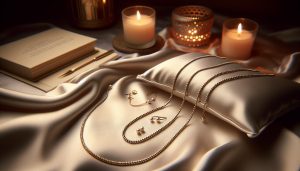
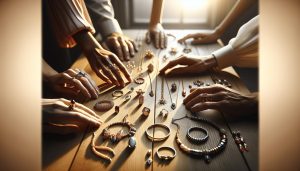
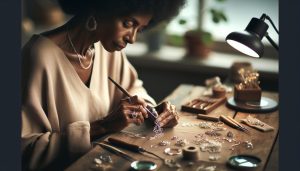
Did you know that the word “jewelry” has ancient origins that can reveal much about human culture and creativity? Understanding where the term originates not only enriches our appreciation of these beautiful adornments but also connects us to their intricate history. As you explore the fascinating evolution of jewelry-from simple decorative pieces to symbols of love and status-you’re sure to gain insights that enhance your own jewelry choices. This journey unveils how various cultures and eras have influenced the pieces we cherish today, inspiring you to think more deeply about your personal connection to jewelry. Join us as we delve into the captivating story behind this beloved art form, and discover how a simple term encompasses centuries of tradition and artistry.
The Origin of the Term “Jewellery”: Unveiling the Meaning
The word “jewellery” carries a rich tapestry of meaning and history that stretches back thousands of years. Originating from the Old French word juel, which translates to “plaything” or “gem,” the term evolved to describe decorative ornaments worn for personal adornment. This evolution signifies not only a transition from mere objects of beauty to symbols of prosperity and status but also reflects the cultural shifts in society’s perception of beauty and value over time.
The semantic journey of “jewellery” can be traced even further back to the Latin root jocale, meaning “plaything.” This etymological connection underscores the dual nature of jewellery as both decorative and functional. Historically, jewellery served practical purposes, such as fasteners or clasps, while simultaneously being imbued with symbolic meanings-signifying love, loyalty, and even religious affiliations. The relationship between personal adornment and identity is firmly embedded in various cultures, where jewellery has signified everything from marital status to social rank.
In modern usage, “jewellery” encompasses a diverse range of adornments, from rings and necklaces to bracelets and earrings, crafted from a wide array of materials including gold, silver, gemstones, and more. Each piece tells a story, reflecting the cultural and historical contexts from which it arose. As you delve deeper into the world of jewellery, consider how the term itself not only describes the items but also encapsulates the history, artistry, and emotional resonance behind personal adornment. Understanding this legacy can enhance your appreciation of jewellery, inspiring you to explore its rich heritage and your unique expressions of style.
Historical Timeline of Jewellery: Key Eras and Innovations
The journey of jewellery through the ages is a fascinating narrative marked by cultural influence, innovation, and artistry. From primitive adornments crafted from natural materials to the sophisticated designs of modern-day pieces, jewellery has mirrored the social and technological advancements of humanity. Understanding this timeline not only enriches one’s appreciation for the artwork itself but also offers insights into historical contexts and practices that shaped what we wear today.
In ancient times, especially during the Neolithic Era (around 4000-2500 BC), the first known types of jewellery were fashioned from materials like bones, stones, and shells, used primarily for decorative and ritualistic purposes. The Egyptians (circa 3000 BC) revolutionized jewellery making with gold and gemstones, signifying wealth and power. Iconic pieces such as the scarab amulets and the intricate collars demonstrate their masterful techniques, like enamel work and lapidary arts, which laid a foundation for future developments in the craft.
The Classical Era brought about significant innovations, particularly in Greece and Rome. Greek artisans excelled in the use of granulation and filigree, techniques that involved fusing tiny balls of gold or twisting fine wires to create intricate designs. Meanwhile, the Romans popularized the use of gemstones, enhancing their societal status symbols. In the Middle Ages, the emergence of Christianity influenced jewellery design heavily, with crosses and religious symbols being predominant. Innovative advances in metalwork during this era paved the way for the stunning Gothic styles of the period.
As we moved into the Renaissance era (14th-17th centuries), a renewed interest in art and beauty led to the creation of highly detailed pieces showcasing intricate designs and precious stones. The period also saw the establishment of jewellers’ guilds, which ensured quality and craftsmanship. This dedication to artistry continued into the Victorian Era, where jewellery varied widely, reflecting not only personal style but also sentiment, especially through mourning jewellery that incorporated locks of hair and portraits.
The 20th century heralded further transformations, driven by technological advancements and changing fashion trends. Art Deco introduced bold geometric patterns and vibrant color combinations, showcasing materials like platinum and diamonds. The latter half of the century shifted towards eclectic and individualized styles, giving rise to contemporary movements where sustainable practices and ethical sourcing became crucial.
Today, as we stand at the crossroads of tradition and innovation, the future of jewellery lies in merging artistry with sustainability, embracing new materials and technologies that reflect our ever-evolving cultural landscape. Whether for personal expression or lasting legacy, jewellery continues to evolve, inviting us to explore, celebrate, and preserve its rich heritage.
Cultural Significance of Jewellery Across Civilizations
Jewellery has long served as a mirror reflecting the cultural values, social hierarchies, and artistic expressions of civilizations across the globe. In ancient Egypt, for instance, jewellery was not merely decorative; it was intertwined with beliefs about the afterlife. The intricate designs of earrings and necklaces often featured symbols meant to protect the wearer in the next world, showcasing a deep spiritual connection to their culture. This dual purpose of beauty and meaning can also be seen in the elaborate tiaras and crowns worn by pharaohs, signifying their divine right to rule.
In contrast, indigenous cultures have used jewellery as a means of storytelling and identity. Native American tribes often incorporate natural materials like beads made from shells or stones, each carrying familial or tribal significance. These adornments are more than mere accessories; they encapsulate history, mythology, and personal achievement. For example, turquoise is considered a sacred stone, believed to bring protection and good fortune, making its use in jewellery pivotal to both artistry and faith.
Moreover, the significance of jewellery extends to social and political realms. During the Renaissance, for instance, jewellery not only represented wealth and social standing but also served as a means of political power. Precious gems were often exchanged as gifts among nobility, establishing alliances and affirming status. The delicate craftsmanship seen in pieces from this era highlighted both the artistic talents of jewellers and the desire of patrons to showcase their opulence and influence.
As we transition into modern times, the cultural significance of jewellery continues to evolve. While contemporary designs may reflect personal style and fashion trends, many still carry cultural weight. Ethically sourced pieces embrace a narrative of sustainability, echoing a growing awareness of societal responsibilities. Therefore, whether worn as a personal statement or a cultural artifact, jewellery remains a timeless emblem of human expression, connecting us to our heritage while adapting to contemporary values.
Materials Used in Jewellery: Evolution and Variety
Jewellery has a rich tapestry of materials woven throughout its history, reflecting both cultural significance and technological advancements. From the earliest days of civilization, humans have utilized what was available-be it natural items like shells, bones, and stones-to create adornments that conveyed beauty, status, or ritualistic meaning. This use of diverse materials has evolved significantly over millennia, leading to the sophisticated and varied forms of jewellery we celebrate today.
Throughout history, metals played a crucial role in jewellery-making. The transition from using simple, unrefined materials to the crafting of intricate pieces in gold, silver, and bronze marked a significant turning point. Ancient cultures began mining and smelting these metals, allowing artisans to create durable, beautiful works of art. Gold, in particular, has been revered not only for its lustrous appearance but also for its corrosion resistance, making it ideal for heirloom pieces. In modern jewellery, sterling silver has become a popular choice due to its affordability and versatility, while platinum symbolizes luxury and rarity.
Gems have also played a pivotal role in the evolution of jewellery. The fascination with stones dates back to ancient times, where “gemology” was born out of the belief that certain stones held powers or were imbued with spiritual significance. Early Egyptians prized lapis lazuli for its deep blue color, associating it with the heavens and the afterlife. Diamonds, once reserved for royalty, have now become a symbol of love and commitment, particularly in engagement rings. Meanwhile, advanced techniques in gem treatment and enhancement have made various stones more accessible to the general public, promoting creativity and expression in jewellery design.
As environmental awareness grows, many jewellers are now turning to sustainable materials. Recycled metals and lab-grown gems are becoming increasingly popular, offering consumers ethical choices. Using these materials not only protects fragile ecosystems but also reduces the environmental impact associated with mining. By understanding the materials involved in jewellery, consumers can make informed choices that align with their values.
To maintain and care for your jewellery, consider the following tips:
- Cleaning: Use a soft cloth for metals and a gentle jewelry cleaner for stones to avoid scratches.
- Storage: Store pieces separately to prevent tangling and scratching. Use a jewelry box or soft pouches.
- Repair: For damaged pieces, consult a professional jeweller to preserve their integrity.
The variety and evolution of materials used in jewellery not only shape its aesthetic appeal but also mirror the broader narratives of human civilization. Each piece tells a story-not just of artistry but of the cultural heritage and innovations that have defined the craft over the ages. Whether selecting a piece for personal enjoyment or considering a collection for a future jewellery shop, understanding these materials enhances appreciation and informs choices throughout the journey of jewellery ownership and creation.
Famous Historical Pieces of Jewellery and Their Stories
Throughout history, certain pieces of jewellery have become emblematic of the eras and cultures from which they originated, each with their unique stories and significance. One of the most iconic is the Crown Jewels of the United Kingdom, which includes the Crown Jewels housed in the Tower of London. This collection is not just about opulence; it features items minted and embellished for the coronation ceremonies of English monarchs, showcasing craftsmanship through the ages. The Imperial State Crown, adorned with over 3,000 diamonds, and the Koh-i-Noor diamond, which has a lineage of ownership that speaks to its tumultuous history, are prime examples of how jewellery can encapsulate national pride and historical narrative.
Another notable piece is the Nizam of Hyderabad’s Necklace, reputed to be one of the most valuable necklaces ever created, composed of exquisite diamonds and rubies. The story behind this piece demonstrates the influence of wealth and power in India during the late 19th century. It is said to embody the splendid luxury that characterized the Hyderabad state, reflecting the Nizam’s immense wealth and the artistry of its creators. The use of such lavish materials not only made it a symbol of the owner’s status but reaffirmed the significance of jewellery as an essential element of social identity.
In ancient times, the Tutankhamun’s Death Mask is a remarkable piece that represents the intersection of jewellery with ritual and belief. Crafted with gold and adorned with lapis lazuli, turquoise, and carnelian, it served more than an ornamental purpose; it was believed to protect the young pharaoh in the afterlife. This fusion of artistry with spiritual significance reveals how jewellery often transcends mere decoration to become a vessel of cultural meaning.
As we explore these historical treasures, it becomes clear that famous jewellery pieces are more than just luxuries. They are artifacts that tell stories of power, belief, and artistry, connecting generations and cultures across time. Whether they symbolize love, status, or heritage, the narratives behind these pieces enrich our understanding of not only jewellery but also the societies that created them.
Jewellery and Its Role in Ancient Rituals and Traditions
In ancient civilizations, jewellery was far more than mere adornment; it served as a profound symbol of power, belief, and identity. From the golden necklaces of ancient Egypt to the intricate beadwork of Indigenous cultures, the pieces created were often imbued with deep spiritual significance and intended for use in various rituals and traditions. For instance, jewellery was frequently worn during ceremonies, marking milestones such as birth, marriage, and death, reflecting the social and spiritual dimensions of human life.
Jewellery in Rituals
Jewellery was a crucial component of various religious and ceremonial practices. In Ancient Egypt, gold was not only valued for its beauty but also for its association with the divine and the afterlife. The famous Death Mask of Tutankhamun, made of gold supplemented with precious stones, symbolized immortality and was crafted to aid the pharaoh in his journey after death. Similarly, many societies adorned their sacred spaces with jewellery, creating connections between the physical and spiritual worlds.
In Mesoamerica, the use of turquoise and jade in jewellery was emblematic of status and spirituality. The Aztecs, for example, fashioned elaborate headdresses and necklaces for their priests and rulers, which denoted their connection to the gods. These decorative items were often used in rituals, believed to bestow favor or guidance from the deities.
Traditions and Identity
Jewellery also played a vital role in cultural identity, serving as a marker of heritage and belonging. In many African cultures, elaborate beadwork signifies tribal affiliation, while in India, bridal jewellery is intricately linked to region-specific customs and traditions. The Bharatnatyam dance, for instance, features traditional jewellery that enhances the performance and conveys stories.
Moreover, the significance of jewellery in ancient societies wasn’t just personal; it extended to communal identity. Pieces often depicted status or lineage, with family heirlooms passed down through generations as visual representations of connection to ancestral roots. This blend of artistry and meaning served to solidify social structures and foster communal bonds.
By understanding the multifaceted role of jewellery in ancient rituals and traditions, we can appreciate it not just as decorative art but as a powerful storyteller of human experience. Whether for protection, status, or spiritual connection, these historical pieces exemplify how jewellery weaves the fabric of human culture and tradition.
The Art of Jewellery Making: Techniques Through the Ages
The intricate art of jewellery making has evolved significantly over the centuries, showcasing a blend of craftsmanship, cultural context, and innovative techniques. From the earliest examples of simple adornments fashioned from natural materials to the elaborate creations of the modern age, the processes and skills involved have shaped the diverse landscape of jewellery design we see today. Whether you are an aspiring jeweller or simply an admirer, understanding these techniques can deepen your appreciation for this timeless craft.
Traditional Techniques
Throughout history, various traditional jewellery-making techniques have defined industries in different cultures. Techniques such as filigree, which involves the delicate twisting of fine wires to create intricate patterns, originated in ancient civilizations like the Greeks and later flourished in places like India. Techniques like granulation, where tiny granules of metal are fused onto a surface, reflect the meticulous artistry of ancient goldsmiths. In contrast, the lost wax casting method, which allows for intricate designs and details, has been used since the Bronze Age and remains popular among contemporary artisans.
Contemporary Innovations
As technology advances, so too do the methods of jewellery production. The introduction of 3D printing has revolutionized how designers create pieces, allowing for experimentation with complex geometries and customized designs that were once impossible with traditional methods. Techniques such as laser engraving now enable detailed personalization and intricate patterns, enhancing both beauty and emotional connection for wearers. Moreover, sustainable practices are on the rise, encouraging jewellers to explore eco-friendly materials and processes that meet contemporary consumer demands.
Essential Techniques for Beginners
For those looking to delve into jewellery making, starting with simple techniques can pave the way for creativity and invention. Here are a few techniques that beginners can explore:
- Bead Stringing: The simplest method, involving threading beads onto wire or string to create necklaces or bracelets.
- Soldering: Joining metal pieces together using a soldering iron, essential for creating more complex designs.
- Wire Wrapping: A technique for creating links or decorations using wire, ideal for setting stones without traditional prongs.
- Metal Stamping: Allows for the personalization of metal pieces by imprinting letters or designs.
Investing time in mastering these basic techniques can lead to more advanced skills and a deeper understanding of the artistry involved. Whether you’re looking to craft beautiful adornments for yourself or consider launching a jewellery business, a foundation in these practices will empower you to innovate and express your personal style confidently.
As you engage in jewellery making, remember that it’s as much about personal expression as it is about skill. The stories and emotions embedded in each piece can resonate across generations, making jewellery not merely an accessory but a cherished artifact of human connection and creativity.
Metals and Gems: A Guide to Historical Use in Jewellery
Throughout history, metals and gems have been much more than just adornments; they have held significant cultural, spiritual, and economic value across civilizations. From the glimmering allure of gold to the deep hues of sapphires, each material has its own story and significance, making them integral to the art of jewellery making. Understanding these historical contexts not only enriches the appreciation of each piece but also informs the choices we make as collectors or creators.
The use of gold can be traced back to ancient Egypt, where it was considered the flesh of the gods and often used in burial objects and decorations. Its malleability and resistance to tarnish made it the metal of choice for intricate designs, allowing jewellers to create detailed pieces that have survived for millennia. Silver, on the other hand, served both aesthetic and functional roles; it was often combined with copper to create alloys that crafted everything from coins to elaborate brooches. Furthermore, the allure of gemstones began in ancient times as well, with lapis lazuli prized for its vibrant blue and believed to possess protective qualities. Other stones, such as rubies and emeralds, symbolized power and wealth in various cultures, making them sought after not just for their beauty but for the status they conferred.
Care and Maintenance of Metals and Gems
Caring for jewellery crafted from these metals and gems requires knowledge of their specific properties to preserve their beauty. For instance, gold jewellery should be cleaned regularly with mild soap and water to maintain its luster, while silver tends to tarnish and may require specialized silver polish. Understanding the hardness of gemstones is also vital; softer stones like opals and pearls can scratch easily, so they should be stored separately to avoid damage.
DIY Projects with Metals and Gems
For those interested in starting their own jewellery journey, experimenting with simpler metals like copper or brass can yield beautiful results without the high cost of precious metals. Using wire for crafting bangles or creating minimalist earrings with beads can be an excellent way to begin. Many beginner tutorials focus on using readily available materials combined with basic techniques, allowing for creativity without overwhelming complexity.
The evolution and use of metals and gems in jewellery reflect the diverse narratives and craftsmanship of cultures worldwide. Each piece of jewellery tells a story, rooted in tradition, craftsmanship, and the unique characteristics of the materials used. By understanding these elements, you’re not just wearing a beautiful ornament but also connecting to a rich, artistic lineage that spans ages and civilizations.
Regional Styles of Jewellery: Diversity and Influence
The world of jewellery is a vibrant tapestry woven from diverse cultural influences, traditions, and craftsmanship that vary remarkably from region to region. Each area boasts its own unique styles and materials, reflecting the stories and values of its people. For instance, Indian jewellery is renowned for its elaborate designs and use of vibrant gemstones, often incorporating traditional techniques passed down through generations. Pieces such as the jhumka earrings and kadas are not merely accessories but symbols of cultural identity and heritage.
Exploring Global Styles
Jewellery styles can tell you a story about a region’s history and its artisans. In Africa, tribal jewellery often features bold colors and textures, utilizing materials like beads, bones, and metals, which hold deep cultural significance. For example, Maasai beadwork is not only decorative but serves to communicate social status and identity. Conversely, Scandinavian jewellery might emphasize minimalism, showcasing clean lines and natural materials, reflecting a deep connection to nature and functional artistry.
Influence of Historical Events
Historical events have also shaped jewellery styles across different geographies. The Victorian era in Europe saw a surge in sentimentality and the use of specific motifs such as lockets and cameos, inspired by mourning customs. In contrast, Art Deco brought geometric shapes and bold colors to jewellery design, heavily influencing styles in the United States and Europe in the early 20th century. The incorporation of materials like platinum along with diamonds and colorful gemstones illustrated the era’s fascination with innovation and luxury.
Regional Techniques and Materials
In terms of techniques, the craftsmanship behind jewellery varies greatly. For example, Japanese lacquer ware introduces unique layering and finishing techniques that reach back centuries, often blending with Western influences to create modern pieces that capture traditional aesthetics. Similarly, the intricate filigree work of Italian artisans showcases their exceptional attention to detail, allowing for airy, lace-like designs that are both lightweight and elegant.
The multitude of regional styles in jewellery reinforces its importance beyond mere decoration; it serves as a cultural marker that informs us about the values, beliefs, and historical contexts of civilizations. By exploring these diverse expressions, we not only appreciate the aesthetic beauty of jewellery but also the rich narratives that accompany each piece. Engaging with local artisans and understanding the significance behind their work can deepen your appreciation and inspire personal connections to the jewellery you choose to collect or wear.
The Impact of Fashion Trends on Jewellery Design
The dynamic world of jewellery design is profoundly influenced by shifting fashion trends, which continuously shape the aesthetics and functionalities of accessories. Pieces that once epitomized opulence may morph into understated elegance as societal tastes evolve. The cyclical nature of fashion means that styles often resurface, reimagined with contemporary flair. For instance, the resurgence of vintage-inspired pieces, such as chokers and oversized hoop earrings, reflects a nostalgic appreciation for the past while catering to modern sensibilities.
How Trends Shape Design
Fashion trends act as a barometer of cultural values, impacting jewellery design at multiple levels. During the 1920s, the Art Deco movement brought forth a fascination with geometric patterns and vibrant gemstones, aligning perfectly with the era’s new-found liberty and modernity. In contrast, the 1960s and 70s embraced bohemian styles, favoring natural stones and earthy materials that spoke to a desire for individuality and self-expression. Today, minimalist designs often dominate, appealing to those who value simplicity and versatility in their jewellery choices.
Materials and Techniques in Response to Trends
can also be seen in the materials and techniques used by artisans and brands. An increasing awareness of sustainability has led to the use of ethically sourced gemstones and recycled metals, reflecting a collective shift towards environmental consciousness. Additionally, innovations in technology, such as 3D printing, are opening up new avenues for creativity, enabling designers to experiment with complex forms that were previously unfeasible.
- Customization: With personalization becoming more popular, brands are now focusing on bespoke pieces that cater to individual preferences, allowing customers to express their unique identities through their jewellery.
- Social Media Influence: Platforms like Instagram and TikTok have democratized trends, allowing emerging designers to reach global audiences and cultivate new trends that can spread virally.
By staying attuned to the influences of fashion, jewellery enthusiasts can cultivate their collections in ways that resonate with current trends while honoring timeless craftsmanship. This awareness not only enhances personal style but also fosters an appreciation for the artistry behind each piece, bridging the gap between historical significance and contemporary relevance.
Modern Interpretation of Traditional Jewellery Styles
The reinterpretation of traditional jewellery styles in modern contexts reveals a fascinating interplay between heritage and innovation. Designers today draw from the intricate artistry of past eras, weaving in contemporary materials and techniques to breathe new life into classic forms. This blending of styles not only honors historical craftsmanship but also resonates with a new generation seeking both meaning and individuality in their accessories. For instance, traditional Indian kundan jewelry, known for its intricate handiwork and gemstones, is being reimagined in minimalist settings, catering to modern aesthetic sensibilities while preserving its cultural significance.
Revival of Techniques
Artisans are increasingly reviving age-old techniques such as filigree and cloisonné to produce pieces that celebrate the intricacies of bygone eras. For example, the resurgence of Art Deco motifs has led to contemporary interpretations that utilize modern materials like acrylic and resin, creating pieces that are vibrant and lightweight yet packed with historical references. Such adaptations not only make these designs more accessible to a broader audience but also demonstrate how traditional methods can be transformed to suit the tastes of today’s shoppers.
Emphasis on Personalization
Customization plays a pivotal role in how traditional styles are expressed. Consumers are drawn to unique pieces that reflect their personal stories and cultural backgrounds. Many contemporary brands now offer bespoke services that allow clients to collaborate on designs, incorporating elements from their heritage. This trend highlights a growing desire for jewellery that is not just decorative but also meaningful. For example, a modern engagement ring might feature a vintage-style setting paired with a lab-grown diamond, blending the past with ethical considerations.
Styling with a Twist
In the realm of fashion, the fusion of vintage and modern elements has become a go-to approach. Layering styles that include traditional earrings with contemporary necklaces can create a dynamic look that feels both fresh and familiar. Additionally, social media platforms are influencing how jewellery is styled, as individuals share their unique combinations of traditional and modern pieces, inspiring others to explore and express their identities through jewellery.
Embracing these modern interpretations allows jewellery lovers to celebrate their heritage while crafting a personal narrative that reflects contemporary life. Whether you’re investing in a unique heirloom piece or curating your own collection of traditional designs with a modern twist, there’s an enriching joy in connecting the past with the present.
Future Trends in Jewellery: Innovations and Sustainable Practices
As we look to the future of jewellery design, we find ourselves at a remarkable intersection of technology, sustainability, and artistry. Innovations are rapidly transforming how jewellery is made and perceived, with greater emphasis placed on responsible practices that appeal to environmentally conscious consumers. Today, ethical sourcing of materials is non-negotiable, as brands strive to create pieces that reflect not only beauty but also integrity. For example, the use of lab-grown diamonds-cultured in controlled environments-has surged, offering a sustainable alternative that minimizes the environmental impact associated with traditional diamond mining.
Technological Innovations
Advancements in technology have revolutionized jewellery-making processes. Tools such as 3D printing allow artisans to create intricate designs that were once impossible or too costly to achieve by hand. This technique not only promotes design innovation but also reduces waste, as it allows for more efficient use of materials. Furthermore, augmented reality (AR) applications are enhancing the shopping experience, enabling customers to virtually try on jewellery before making a purchase. This melding of technology with craftsmanship is paving the way for a more interactive and personalized consumer experience.
Sustainability Practices
Sustainability is becoming a key driver in the jewellery industry. Many brands are now adopting circular economy principles, focusing on recycling and upcycling materials to minimize waste. This includes repurposing old jewellery into new creations, which not only gives new life to forgotten pieces but also reduces the demand for new raw materials. Engaging in fair-trade practices is also essential; consumers are increasingly seeking brands that guarantee ethical treatment of workers and equitable trade. By prioritizing transparency in their supply chains, jewellery designers can cultivate trust and loyalty among their customers.
Ultimately, the future of jewellery is destined to be shaped by a commitment to innovation and sustainability. As consumers become more educated and selective about their purchases, they will drive these changes, encouraging brands to adopt practices that respect both the planet and their cultural heritage. Whether you are a collector, designer, or casual enthusiast, embracing these trends not only enriches your understanding of the contemporary jewellery landscape but also contributes to a more responsible and sustainable future.
Frequently Asked Questions
Q: What is the historical significance of the term ‘jewellery’?
A: The term ‘jewellery’ signifies adornment and ornamentation used across cultures, dating back to ancient civilizations. Its roots lie in the Latin word ‘jocale,’ meaning ‘plaything.’ Understanding its history enhances appreciation for cultural significance and artistic expression in contemporary pieces.
Q: How did ancient civilizations use jewellery?
A: Ancient civilizations, from Egyptians to Greeks, utilized jewellery for protection, status, and rituals. Often crafted from gold and gemstones, pieces served as both adornments and talismans, reflecting societal values and hierarchies, as explored in the section on “Jewellery and Its Role in Ancient Rituals and Traditions.”
Q: Why is jewellery considered a symbol of status?
A: Jewellery has historically been a symbol of wealth and power, especially in royal and elite circles. High-quality materials and intricate designs signal affluence. This symbolism can be traced back through various cultures, as detailed in the “Cultural Significance of Jewellery Across Civilizations” section.
Q: Where did the craftsmanship of jewellery originate?
A: The craftsmanship of jewellery likely originated in ancient Mesopotamia around 3000 BCE, with artisans crafting pieces that blended functionality and artistry. This legacy of craftsmanship is crucial in understanding modern jewellery design techniques.
Q: What materials were most commonly used in historical jewellery?
A: Historically, materials like gold, silver, bronze, and precious stones such as sapphire and emerald were favored for their beauty and durability. The “Materials Used in Jewellery: Evolution and Variety” section highlights how resource availability shaped design choices.
Q: How has the symbolism of jewellery changed over time?
A: The symbolism of jewellery has evolved from purely functional or protective uses in ancient times to modern expressions of personal style and emotion, such as engagement rings. This shift highlights changes in cultural values and social norms over centuries.
Q: What innovations have influenced modern jewellery making?
A: Innovations such as advanced gem-setting techniques and new materials, including synthetic gemstones, have transformed jewellery making. Recent trends towards sustainable practices are also shaping the future, as discussed in the “Future Trends in Jewellery: Innovations and Sustainable Practices” section.
Q: How can understanding jewellery history enhance personal style?
A: Understanding the history of jewellery enriches one’s personal style by informing choices that resonate with individual identity and heritage. Exploring traditional styles can inspire unique combinations that reflect both personal and cultural narratives.
The Way Forward
As we’ve explored the rich history and diverse origins of the term “jewellery,” it’s clear that this timeless art form has much more to offer than meets the eye. Whether you’re looking to understand different materials, enhance your jewellery care skills, or even start your own jewellery shop, our comprehensive guides are here to inspire and inform. Don’t miss out on our DIY tutorials and expert tips on styling and storage-your jewellery journey begins with the right knowledge!
Take action today: browse our extensive collection of jewellery care resources and join our newsletter for exclusive insights and updates. Have questions or want to share your jewellery stories? We invite you to comment below! Remember, exploring jewellery is like uncovering hidden treasures in your life. Discover more about popular styles or dive deeper into gemstone authenticity in our related articles. Your next adventure in the world of jewellery awaits!