When it comes to exquisite jewelry, the term “pavé” holds a special significance that can transform a simple piece into a magnificent display of brilliance. Pavé, pronounced pah-veh, refers to a setting style where numerous small diamonds are closely set together, creating a seamless, glittering surface that maximizes light and sparkle. This technique not only enhances the beauty of the main gemstone but also elevates the overall aesthetic of the piece, making it a popular choice for engagement rings and statement jewelry.
If you’re seeking to understand the allure of pavé settings, you’re not alone! Many jewelry enthusiasts wish to learn how these sparkling accents can complement their personal style or signify special moments. By exploring the secrets behind pavé, you empower yourself with knowledge that can enhance your appreciation for fine jewelry, guide future purchases, and allow you to express your unique vision. Join us as we delve into the world of pavé diamond settings and discover how they can add a touch of elegance and romance to your jewelry collection.
What is Pavé Setting in Jewellery?
The pavé setting is a breathtaking technique in jewellery design, characterized by the meticulous placement of small gemstones, usually diamonds, close together to create a continuous sparkle. This crafting method not only enhances the allure of the jewellery but also creates the illusion of greater surface area of diamonds, allowing for remarkable brilliance. The term “pavé,” derived from the French word for “paved,” aptly describes the way these stones are set, resembling a cobblestone path adorned with sparkling gems.
In a typical pavé setting, the stones are embedded in metal and held in place by tiny beads or prongs, which are discreetly blended with the overall design. This approach eliminates visible metal between the stones, resulting in an uninterrupted field of glimmering surfaces. The attention to detail required in crafting these pieces ensures that each stone is not only precisely aligned but also enhances the overall aesthetic of the jewellery, often making pavé settings a popular choice for engagement rings and elegant earrings.
Moreover, the charm of pavé designs extends beyond just diamonds. While diamonds are the most common stones used, designers often incorporate colored gemstones to create vibrant patterns and contrasts. This versatility allows for a wide range of styles, catering to various tastes and occasions. Whether you are drawn to the classic elegance of diamond pavé or the playful nature of mixed gemstones, there is a pavé piece that can elevate your collection.
The History and Evolution of Pavé Designs
The intricate history of pavé jewellery design is as captivating as the gleaming pieces themselves. Originating in France during the 18th century, the pavé setting technique became popular among artisans and jewelers who sought innovative ways to maximize the brilliance of their designs. The French term “pavé,” meaning “paved,” perfectly captures the essence of this technique, which involves setting small diamonds or gemstones extremely close together to create an unbroken surface of sparkle. This approach not only enhances the richness of the jewellery but also serves as a statement of luxury and craftsmanship.
Throughout the years, the pavé setting has evolved significantly. In the early days, setting stones required immense skill and patience. Artisans would use tiny beads of metal to hold each gem in place, ensuring alignment and creating a seamless appearance. This method was labor-intensive, which made pavé-set pieces a luxurious choice exclusive to the elite. As jewellery technology progressed into the 20th century, advancements in tools and techniques transformed the way pavé settings were created. Modern jewelers now use precision tools that allow for more intricate designs and faster production times, making pavé jewellery more accessible while still retaining its high-end appeal.
Pavé settings also reflect changes in design trends over the decades. While traditional configurations focused heavily on diamonds, contemporary pavé jewellery often embraces colored gemstones, offering a vibrant twist to classic pieces. This adaptation allows for personalization and creative expression, appealing to a broader audience. The versatility of pavé settings remains a fundamental aspect of their charm, allowing designers to explore and experiment with various styles-from vintage to modern interpretations.
As enthusiasts continue to appreciate the layering of history, craftsmanship, and artistic expression in pavé pieces, the technique remains a beloved choice for special occasions, symbolizing not only commitment and celebration but also a rich heritage of jewellery artistry that evolves yet retains its timeless allure.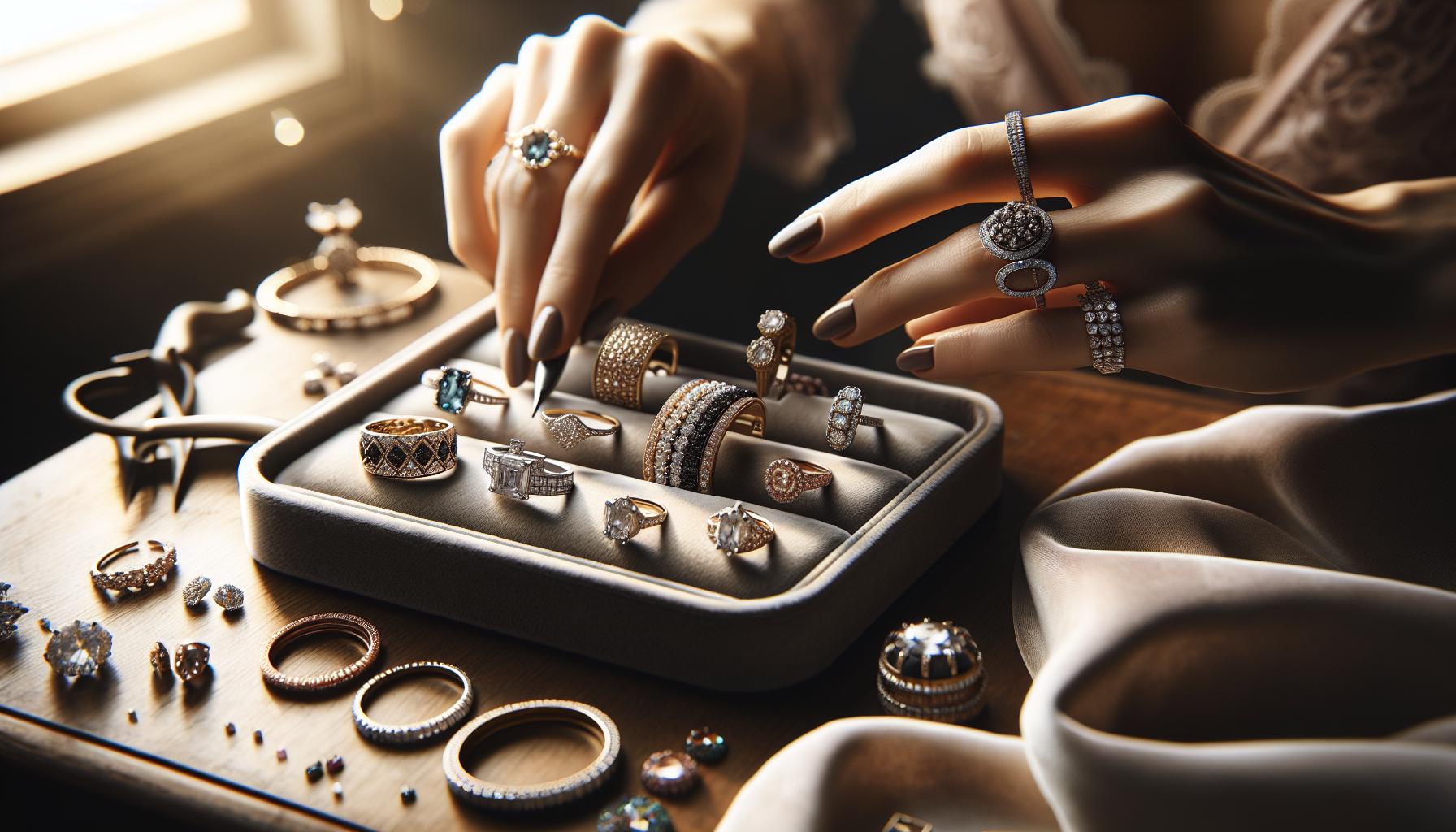
Types of Pavé Settings: Differentiating Styles
The world of pavé settings is as diverse as it is dazzling, offering a range of styles each with its unique charm and appeal. These intricate techniques not only maximize the brilliance of diamonds and other gemstones but also cater to various aesthetic preferences, ensuring that there is a pavé style suited for every jewelry lover. Understanding the differences among these styles can enhance your appreciation for pavé jewelry and assist you in making an informed decision on your own pieces.
Among the most popular types are cut-down pavé and micro pavé settings. Cut-down pavé is characterized by a slight indentation in the metal between the stones, allowing for a more discreet look that still showcases a seamless diamond surface. This style is particularly effective for enhancing the stones’ sparkle without overwhelming the wearer. On the other hand, micro pavé involves the use of much smaller diamonds set closely together, yielding an exceptionally detailed and precise appearance. This modern adaptation creates a striking finish that’s perfect for those who love intricate designs without a lot of metal showing.
Another notable style is the fishtail pavé, which features metal prongs that resemble a fish’s tail and encase the diamonds tightly. This method not only provides security for the stones but also adds an artistic flair to the overall design, making it a favorite for both engagement rings and statement pieces. Additionally, the v-cut pavé offers a unique alternative; in this design, the spaces between the stones form a ‘V’ shape, which can cleverly draw the eye toward the center stone and add depth to the piece.
As a fusion of classic and contemporary, mushroom pavé settings showcase a rounded profile, where the diamonds are slightly raised from the metal surface. This results in a luxurious look that appears to float, enhancing the diamonds’ light reflection. Each of these styles modifies how light interacts with the stones, thus affecting the overall sparkle and visual appeal. When selecting a pavé setting, consider not only aesthetics but also how the style aligns with your personal taste and lifestyle. Whether you prefer the sleek elegance of cut-down pavé or the extravagant display of micro pavé, there’s an option that resonates uniquely with you.
How Pavé Settings Enhance Diamond Sparkle
The brilliance of pavé settings lies in their unique ability to enhance the sparkle of diamonds, creating an almost mesmerizing effect that draws the eye. The technique involves setting numerous small diamonds closely together, which allows them to reflect and refract light in a way that maximizes their collective brilliance. This proximity means that instead of one center stone dominating the visual impact, a field of diamonds work harmoniously to create a continuous shimmer that captivates in any light.
One of the critical factors contributing to the striking sparkle of pavé settings is the absence of visible metal between the stones, particularly in styles like micro pavé. Here, tiny diamonds are set so closely that the metal is minimized, allowing light to pass through the diamonds unobstructed. This optimizes light performance, resulting in an eye-catching dazzle that can elevate even the simplest of designs. The strategic placement and alignment of these stones also play a significant role; when viewed from different angles, they reflect light dynamically, ensuring that the ring sparkles from every perspective.
Considerations When Choosing Pavé Settings
- Style: Choose a pavé style that complements both the overall design of the piece and your personal aesthetic.
- Size of Diamonds: Smaller diamonds in micro pavé offer a subtle, intricate look, while slightly larger stones create more presence.
- Settings and Security: Ensure that the setting style chosen balances sparkle with security, as densely packed stones can sometimes be more vulnerable to displacement.
Ultimately, pavé settings are designed not just for aesthetics but also to encourage an interplay between light and stone. When you wear a pavé piece, you’re not just showcasing a ring or necklace; you’re presenting a spectacle of light and brilliance that captivates and enchants those who see it. This captivating sparkle transforms jewelry into a narrative of radiance, making pavé settings a beloved choice for those seeking to make a lasting impression.
Materials Used in Pavé: Diamonds and Beyond
The choice of materials in pavé jewelry significantly influences both its aesthetics and durability, making it essential for those interested in this style to understand their options. At the forefront of pavé settings is, of course, diamonds. These small, brilliant stones are often set closely together, allowing for a sparkling display that captivates the eye. However, beyond traditional diamonds, various gemstones can also be utilized to create unique looks. For instance, colored sapphires, vibrant emeralds, and striking rubies can all bring a distinctive charm to a pavé piece, allowing wearers to express personal taste and style while achieving that sought-after shimmer.
Choosing the Right Diamonds
When selecting diamonds for pavé settings, it’s critical to consider the size and quality. Smaller diamonds, often used in micro pavé, offer a delicate appearance, while larger stones can create a bolder, more eye-catching effect. Additionally, the quality of the diamonds-measured by the 4 Cs (cut, color, clarity, and carat weight)-will impact the overall brilliance and sparkle of the piece. High-quality diamonds reflect light more effectively, enhancing the overall shimmering effect that makes pavé settings so desirable.
Exploring Alternative Gemstones
While diamonds are the classic choice, incorporating alternative gemstones can personalize pavé jewelry. For example, using lab-created gemstones can provide an ethical option that still boasts incredible beauty. Additionally, colored diamonds, like yellow or blue diamonds, add an element of rarity and uniqueness to the design.
- Lab-Created Diamonds: These stones offer a sustainable alternative without sacrificing quality.
- Colored Gemstones: Incorporating sapphires, rubies, or garnets can create a stunning contrast against the metal base.
- Alternative Materials: Some designers experiment with moissanite or cubic zirconia for budget-friendly options that still deliver sparkle.
Ultimately, the choice of materials in pavé jewelry not only reflects personal style but also defines the piece’s brilliance and longevity. By understanding the different options available, wearers can select jewelry that resonates with their individuality while ensuring that they are investing in quality pieces that will stand the test of time. Whether opting for classic diamonds or exploring the world of colored gemstones, the materials you choose will always play an essential role in the beauty and impact of your pavé jewelry.
The Art of Crafting Pavé Jewellery
Creating pavé jewelry is a meticulous art that combines precision, creativity, and an acute understanding of materials. The craft begins with a designer’s vision, often inspired by various elements of nature, architecture, or personal stories, which they translate into intricate designs. The hallmark of pavé setting is the use of tiny gemstones, often diamonds or other precious stones, set so closely together that the metal framework underneath seems nearly invisible, creating a continuous sparkle. Achieving this effect requires not only skill but also a variety of specialized tools and techniques used throughout the crafting process.
One key aspect is the initial setting of the stones. Craftsmen employ a technique known as bead setting, where tiny metal beads are raised around the stones to secure them without obscuring their brilliance. This involves drilling tiny holes into the metal base, setting the stones in place, and then carefully pushing metal over the edges of the stones to ensure they are securely anchored. The precision needed in this step is paramount; even a slight misalignment can disrupt the seamless look that pavé settings are known for. Many artisans also incorporate advanced techniques like laser engraving to achieve cleaner and more delicate designs.
Materials Matter
The materials used are just as critical as the techniques. While diamonds are a traditional choice, many crafters are now experimenting with alternative options such as moissanite or colored gemstones to create unique pieces. Each type of gemstone has its own character, brilliance, and hardness, which influences not only the aesthetic but also the durability of the jewelry. For instance, sapphires and rubies can introduce vibrant colors, while lab-created stones offer eco-friendly choices without compromising on visual appeal.
Final Touches
After setting, the jewelry undergoes a series of polishing and quality control steps to ensure every piece shines perfectly. This includes cleaning the settings to remove any fingerprints or debris and conducting inspections for durability. Craftsmen also often use different polishing compounds to give the piece a mirror-like finish, which highlights the brilliance of the stones. The culmination of this careful process not only results in eye-catching jewelry but also creates pieces that wear beautifully over time.
In essence, crafting pavé jewelry is a blend of artistry and technique, where each detail matters. From the selection of gemstones to the intricate setting process, every aspect plays a vital role in creating a stunning piece that captures light and hearts alike. As you explore the world of pavé, remember that understanding these elements can enhance your appreciation for the craftsmanship that goes into each unique design.
Caring for Pavé-Set Jewellery: Cleaning Tips
To keep your pavé-set jewellery sparkling and looking its best, regular cleaning is essential. The intricate setting, designed to create a seamless display of glamour, can attract dirt, oils, and other substances that dull its shine over time. Fortunately, caring for your pavé pieces doesn’t require a jeweller’s expertise; with the right techniques, you can maintain their brilliant appearance at home.
Regular Cleaning Routine
Establishing a regular cleaning routine is crucial for the longevity of your pavé-set jewellery. Here’s a simple step-by-step guide for effective cleaning:
- Gather Supplies: You will need a soft toothbrush, a mild dish soap, lukewarm water, and a soft, lint-free cloth.
- Soak and Brush: Mix a few drops of mild dish soap in lukewarm water. Soak your jewellery for about 15-20 minutes. After soaking, gently scrub the pavé settings with a soft toothbrush, ensuring you get into the crevices where dirt can accumulate.
- Rinse and Dry: Rinse the jewellery under lukewarm running water, making sure all soap is removed. Pat it dry with a lint-free cloth; avoid rubbing, as this can potentially loosen the stones.
- Final Polish: For an added shine, use a clean, dry cloth to buff the jewellery gently.
Storage Tips
How you store your pavé-set pieces significantly impacts their condition. Follow these tips to ensure they remain in pristine shape:
- Separate Storage: Store each piece separately to prevent scratching. Consider using soft pouches or individual compartments in a jewellery box.
- Avoid Humidity: Keep jewellery away from environments with high humidity that can promote tarnishing. A dehumidifier or silica gel packets can help.
- Regular Inspections: Periodically check your pavé settings for any looseness in the stones or signs of wear. Catching these issues early can prevent loss or damage.
By following these cleaning and care tips, you can ensure that your pavé-set jewellery maintains its stunning, eye-catching appearance and continues to dazzle for years to come. Treat your pieces with care, and they will reward you with lasting brilliance.
Common Mistakes When Choosing Pavé Settings
When it comes to selecting pavé-set jewelry, many enthusiasts and collectors often overlook key considerations that can significantly impact their satisfaction and the longevity of their pieces. One prevalent mistake is failing to comprehend the intricacies of the pavé setting itself. This setting style involves closely setting multiple small diamonds or gemstones, which can make it challenging to recognize quality differences. It’s essential to examine how securely the stones are held; a poorly crafted setting may lead to stones loosening over time, resulting in costly repairs or loss.
Another common misstep is not prioritizing the type of metal used in the setting. While pavé settings might typically shine with dazzling gemstones, the choice of metal can greatly influence the piece’s durability and overall look. Opting for base metals or plated options might save on initial costs, but they often don’t stand up to daily wear as well as solid gold or platinum. Choosing a more robust metal ensures your pavé jewelry can withstand the test of time while retaining its beauty.
Budget considerations can also lead to poor choices. Many buyers might think that all pavé jewelry is created equal, but the quality of the stones and craftsmanship can vastly differ. When investing in pavé jewelry, it’s important to understand that a lower price may often reflect inferior quality. Always seek out reputable jewelers who provide clear information about the materials used, including diamond quality and setting techniques. This knowledge will empower you to make informed choices that align with both your personal style and financial expectations.
Lastly, don’t underestimate the power of maintenance and care; many overlook that regular checks and cleaning can vastly improve the longevity and brilliance of pavé jewelry. Not considering these elements can result in dull pieces that lose their luster much quicker than those that are properly cared for. By avoiding these common pitfalls, you can ensure that your pavé-set treasures remain stunning and cherished for years to come.
DIY Pavé Jewellery: Beginner-Friendly Techniques
Creating pavé jewellery can be a rewarding venture for both beginners and seasoned crafters alike. This intricately beautiful setting involves the positioning of numerous small gemstones, typically diamonds, closely together to create a continuous sparkle effect. If you’re interested in exploring the enchanting world of DIY pavé jewellery, here are some tips and techniques to get you started.
To embark on your project, you’ll need to gather essential materials. Start with a sturdy metal base-gold or sterling silver works well-along with your choice of small gemstones. You’ll also require specific tools: a jeweller’s saw for shaping the metal, pliers for bending, a soldering kit for joining components, and a setting tool to secure the stones. For beginners, it’s wise to practice with less expensive materials before investing in high-quality gems.
Once your materials are ready, begin by designing your piece. Sketch out your intended layout of stones, allowing for their size and spacing to maintain that signature pavé style. When you’re ready to set the stones, create small holes or recesses in the metal base where each gemstone will sit, ensuring they fit snugly to minimize movement. Use your setting tool to press the metal over the stones, securing them in place. Take your time during this step; precision is key to achieving a professional look.
Finally, after setting the stones, polish your creation to enhance its shine. This final touch can transform your piece from good to exceptional, emphasizing the sparkle of the pavé setting. Don’t forget to practice care and cleaning methods, such as using a soft cloth and gentle jewellery cleaner, to maintain your work for years to come.
With practice and patience, creating your own pavé jewellery can not only ignite your creativity but also deepen your appreciation for this sophisticated art form. Happy crafting!
How to Style Pavé Jewellery for Any Occasion
Pavé jewellery radiates elegance and sparkle, making it a versatile choice for various occasions, from casual outings to formal events. By understanding how to style these stunning pieces, you can elevate your outfit effortlessly and ensure that your pavé jewellery shines in every scenario. Here are some practical tips to help you showcase your pavé pieces beautifully, no matter the occasion.
Start with the Layering Technique. Pavé rings and bracelets can be easily layered with other styles for a trendy, bohemian look. For instance, stacking pavé bands of different widths and metals can create depth and interest. Pairing a pavé ring with minimalist bands or mixing textures can lead to an eye-catching ensemble. Keep in mind that when layering, it’s best to vary the textures and shapes to avoid overwhelming the eye.
For Casual Gatherings, you can opt for a subtle pavé pendant or stud earrings. These delicate pieces add just the right amount of sparkle without feeling overdone. A simple white tee paired with a pavé necklace and comfortable jeans creates an effortless yet chic outfit. Alternatively, a pavé bracelet worn alongside a casual watch can enhance your everyday look while still showcasing the luxury of pavé settings.
When attending Formal Events, don’t hesitate to make a statement with bold pavé pieces. A stunning pavé cocktail ring or a pair of dramatic chandelier earrings can serve as the showstopper for your evening ensemble. Choose outfits that are relatively simple in design to let your jewellery stand out. For example, pairing a classic black dress with a pavé statement necklace not only draws attention but also complements the elegance of the attire.
Finally, consider the Color Palette of your attire. Pavé settings often feature diamonds or colorful gemstones, which can be highlighted through your clothing choices. Warm-toned pavé jewels pair beautifully with soft pastels or earth tones, while cool-toned pieces can be accented with deep blues or blacks. This thoughtful coordination ensures your pavé jewellery enhances your overall look instead of clashing with your outfit.
By implementing these styling techniques, you can confidently wear pavé jewellery for any occasion, celebrating its beauty and versatility while showcasing your unique sense of style.
Pavé vs. Other Settings: Pros and Cons
When it comes to choosing the perfect setting for your jewellery, understanding the distinct advantages and disadvantages of pavé compared to other styles can significantly influence your decision-making process. Pavé settings are renowned for their ability to create a dazzling field of sparkles, making them a popular choice in engagement rings, necklaces, and earrings. However, their unique aesthetic and craftsmanship come with both benefits and limitations that are worth considering.
One of the most appealing aspects of pavé settings is the visual impact they provide. The close arrangement of small diamonds creates a shimmering effect that enhances the overall brilliance of the piece. This aesthetic makes pavé jewellery especially effective for individuals looking to maximize sparkle without the size of a single large stone. On the flip side, while pavé settings lay an array of stones very close together, this can make the individual stones appear smaller, which some might find less appealing when compared to more traditional settings, like bezel or prong, where a single larger stone takes center stage.
In terms of durability, pavé settings can be somewhat delicate. The tiny gemstones are often set with minimal metal visible, meaning that the integrity of the setting relies heavily on precision. This can make pavé settings susceptible to damage if not handled with care, especially in pieces that endure daily wear. In contrast, traditional settings like prong settings typically offer more protection for each stone, securing larger gems firmly in place, which can enhance their longevity.
Additionally, when it comes to maintenance, pavé settings often require more attention than their counterparts. Dust and dirt can accumulate in the small crevices between the stones, necessitating regular cleaning to maintain their sparkle. Fortunately, cleaning can often be done easily with a soft brush and soapy water, though users should be cautious not to dislodge any of the small gemstones. Comparatively, other settings like channel settings may be easier to clean due to their more enclosed structure.
Overall, selecting between pavé and other types of settings ultimately depends on personal style preferences, lifestyle considerations, and the desired visual impact. Understanding these pros and cons can help guide your choice, ensuring that your jewellery not only looks beautiful but also aligns with your practical needs and everyday wear.
Authenticating Pavé-Set Pieces: What to Look For
To ensure the authenticity of pavé-set jewellery, it’s essential to familiarize yourself with specific details and features that can distinguish genuine pieces from imitations. The intricate nature of pavé settings-characterized by tiny stones nestled closely together-demands a careful inspection. A trained eye can determine quality by observing the craftsmanship and materials used.
First, examine the small diamonds or gemstones used in the pavé setting. Authentic pavé pieces typically feature high-quality diamonds that are well-matched in terms of clarity and color. Look for consistent sparkle and shine. If the stones appear dull, overly small, or inconsistent, this might indicate lower-quality or synthetic stones. Additionally, inspect the setting closely; the tiny stones should be secured securely with minimal metal visible, often achieved using small beads or prongs. A poorly executed setting might reveal sloppy workmanship, such as misaligned stones or visible glue.
Materials and Hallmarks
Another crucial factor in authenticating pavé-set jewellery is the quality of the metal used in the setting. Most genuine pieces are crafted from precious metals such as gold, platinum, or sterling silver. Look for hallmarks or stamps indicating the purity of the metal; for instance, you might see “18K” for 18-carat gold or “.925” for sterling silver. These marks provide confidence that the piece is made of high-quality materials that will last over time.
It’s equally important to purchase from reputable jewellers who provide certificates and appraisals. A certificate can detail the authenticity of the stones used, including their cut, clarity, and carat weight. Such documentation not only solidifies the piece’s value but also acts as a safeguard for your investment. If you’re acquiring vintage or antique pavé jewellery, consider having it appraised by a qualified gemologist who specializes in antique pieces to evaluate its authenticity and condition.
Remember, while the aesthetic appeal of pavé settings can be captivating, a discerning eye for detail will ensure that your jewellery collection proudly showcases truly genuine pieces, adding not just beauty but also lasting value.
FAQ
Q: What does pavé mean in jewelry?
A: Pavé refers to a setting style in jewelry where small gemstones, often diamonds, are set closely together to create a continuous, sparkling surface. This technique enhances the visual impact of the stones, making the piece appear more luxurious.
Q: How durable is pavé jewelry for daily wear?
A: Pavé jewelry can be worn daily as the protective cage-like settings secure the gemstones. However, it is important to avoid rough conditions to maintain its integrity [2].
Q: What is the best way to clean pavé jewelry?
A: To clean pavé jewelry, use a soft toothbrush and a gentle solution of warm water and mild soap. Gently scrub between the stones, then rinse and dry with a soft cloth. For detailed care tips, see our section on caring for pavé-set jewelry [6].
Q: Why is pavé setting considered delicate?
A: Pavé settings are delicate because they involve intricate placement of small stones, which can be prone to loosening over time. Proper care and regular checks can help maintain the security of the stones jNumzjF2sP9qoqo2m7PrzARpvSMX4ENX29oAkgtoXGsm”>[1].
Q: How do I know if my pavé jewelry is authentic?
A: To authenticate pavé jewelry, inspect the quality of the gemstones and the craftsmanship of the setting. Look for any loose stones or irregularities in the setting. For more detailed steps on authentication, refer to our section on this topic [6].
Q: Can I DIY pavé jewelry?
A: DIYing pavé jewelry is quite challenging due to the precision required. However, beginner-friendly techniques exist for simpler pavé-inspired designs. Explore our DIY section for project ideas and instructions to get started [6].
Q: What are the advantages of pavé settings compared to other styles?
A: The main advantage of pavé settings is their ability to create a continuous sparkle that enhances the brilliance of the piece. Unlike bezel or prong settings, pavé settings offer a more seamless diamond look, making them particularly desirable for rings and bracelets [1].
Feel free to explore more sections of our article for in-depth insights on pavé jewelry and related topics!
In Summary
Understanding pavé settings not only enhances your appreciation for intricate jewelry designs but also equips you with knowledge for your next purchase. If you’re inspired to explore more about jewelry care, check out our detailed guides on cleaning metals and gems or styling tips to elevate your collection. Don’t miss our article on custom diamond rings to discover how personalized pieces can reflect your unique style.
Ready to dive deeper into the world of jewelry? Subscribe to our newsletter for expert tips straight to your inbox and start your journey to becoming a jewelry connoisseur today! Share your thoughts or questions in the comments below; we’d love to hear from you and help you select the perfect piece. Embrace the magic of pavé and other diamond settings, and unlock the beauty that awaits you in every exquisite jewel!