Are you ready to unleash your creativity and dive into the enchanting world of jewelry making? Whether you’re inspired by the intricate designs of the pieces around you or simply want to create personalized gifts for loved ones, having the right tools is crucial for your journey. In this guide, we’ll explore essential jewelry making tools that every beginner needs to get started. From pliers to wire cutters, each tool serves a specific purpose that will help you craft beautiful pieces with ease. Understanding these tools not only enhances your skills but also boosts your confidence as a creator. As you embark on this rewarding hobby, each essential tool you gather brings you one step closer to bringing your unique vision to life. Curious about what you need? Let’s dive in!
Essential Beginner Tools for Jewellery Making
Starting your journey into jewellery making can be both exciting and overwhelming. The right tools are essential to not only create beautiful pieces but also to enjoy the craft itself. With a few basic supplies, you can unleash your creativity and turn your ideas into stunning, wearable art. Whether you’re crafting delicate earrings or statement necklaces, having the essential tools on hand will make the process smoother and more enjoyable.
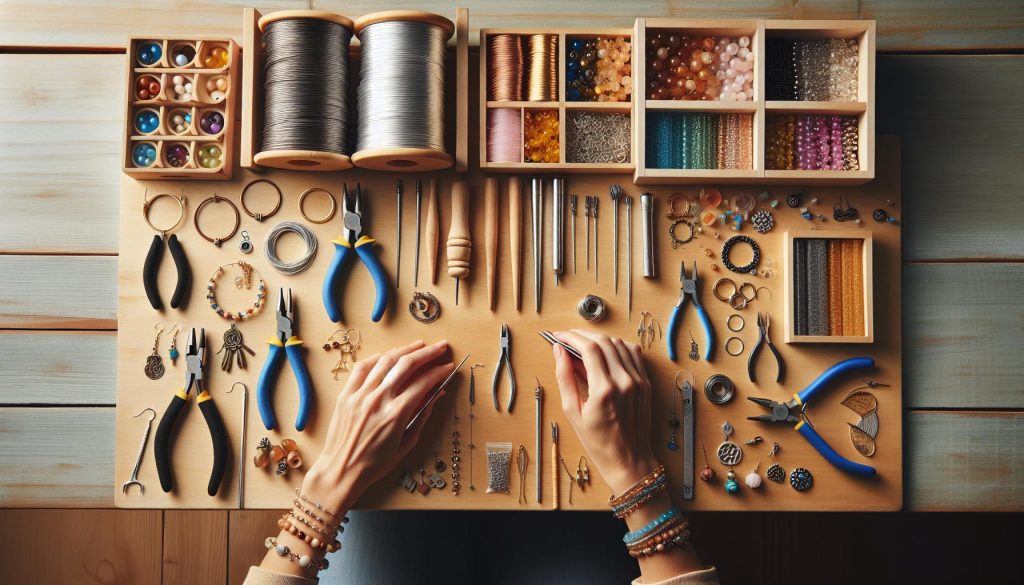
To begin, consider the core items every beginner should have in their toolkit. First and foremost, you will need a set of hand tools. These typically include needle-nose pliers for twisting and bending wires, round-nose pliers for creating loops, and wire cutters for trimming materials to size. A sturdy pair of scissors and a ruler or measuring tape will help ensure precision in your designs.
In addition to hand tools, a comfortable work surface is vital. A dedicated jewellery mat can prevent your materials from rolling away, making it easier to keep track of your beads and findings. Furthermore, investing in some storage solutions-like compartments or trays-will aid in organizing your supplies, allowing you to focus on the creative process rather than searching for tools.
As you get comfortable with basic designs, think about adding tools that suit your evolving style. For instance, if you enjoy beading, a bead board for layout planning can be extremely helpful. If you start to experiment with metals, a soldering iron and a small anvil may become important to your toolbox. Remember, the best way to build your collection is by starting simple and gradually upgrading as you hone your skills and discover your preferences. By investing in these essential tools from the start, you’ll set a solid foundation for a fulfilling jewellery-making journey.
Understanding Jewellery Making Tool Functions
The tools you choose to work with in jewellery making directly affect the quality of your craft and the enjoyment you derive from it. Understanding the functions of the essential tools can empower you to create more confidently and efficiently. Each tool serves a specific purpose that contributes to the overall process of crafting beautiful jewellery, allowing you to execute your designs with precision and skill.
One of the most crucial hand tools in your kit is the needle-nose pliers, which are indispensable for gripping, twisting, and looping wire, making them essential for various types of projects, from simple earrings to complex multi-strand necklaces. Equally important are round-nose pliers, which allow you to create uniform loops in wire, essential for connecting beads and components seamlessly. Wire cutters are vital for trimming wire to your desired lengths, ensuring clean cuts without damaging the ends. Additionally, having a reliable pair of scissors and a measuring tool such as a ruler or tape measure ensures that your designs are accurately sized.
When it comes to power tools, a small rotary tool with various attachments can revolutionize your crafting experience. This tool is perfect for drilling holes in metal or stone, polishing your work, and even cutting materials to size. Investing in a soldering iron becomes significant for those venturing into metalwork, enabling you to join pieces securely and create more intricate designs. Understanding how to use these tools not only enhances your capabilities but also helps you explore different crafting techniques, propelling your jewellery-making skills to new heights.
Lastly, as you explore the diverse world of jewellery making, consider tools that align with various techniques. For instance, a bead board can be extremely beneficial for organizing your beads and planning layouts before stringing them together, allowing for a clearer visualization of your project. This understanding of tool functions will streamline your workflow and bolster your creativity, transforming your jewellery-making journey from a hobby into an empowering form of expression.
Must-Have Hand Tools for Crafting
Creating beautiful jewelry is not just a delightful art; it’s also an engaging craft that can be accessible to anyone willing to learn. Having the right hand tools is essential, as they lay the foundation for every piece you create. Whether you’re crafting your first pair of earrings or designing intricate necklaces, these tools will enable you to bring your ideas to life with precision and ease.
A solid starter toolkit should include several key hand tools:
Essential Hand Tools
- Needle-Nose Pliers: These versatile pliers are perfect for gripping, twisting, and creating loops in wire. They are fundamental for shaping and securing projects, making them indispensable for any jewelry maker.
- Round-Nose Pliers: Ideal for creating uniform loops, these pliers help connect beads and components seamlessly, ensuring your designs maintain a polished look.
- Wire Cutters: Clean cuts are crucial for jewelry work. A good pair of wire cutters will allow you to trim wire without fraying, ensuring the integrity of your pieces.
- Scissors: These are invaluable for trimming threads, ribbons, and other materials you may incorporate with beads or metals.
- Tape Measure or Ruler: Accurate measurements are the backbone of successful jewelry design. Using a reliable measuring tool will help you maintain proportionality in your creations.
- Bead Board: Not just for organization, a bead board allows you to lay out your designs beforehand. This not only helps visualize your piece but also enables you to experiment with different arrangements.
- File Set: Having a small set of files can help you smooth edges of metal pieces and ensure that everything fits together neatly without sharp annoyances.
With these tools at your disposal, you’ll be well-equipped to tackle various jewelry-making projects. Each tool serves a distinct purpose, helping you perform specific tasks that contribute to your overall craftsmanship. Remember, investing in quality tools can greatly improve your crafting experience while enhancing the quality of your designs. So, gear up and start creating stunning pieces that express your unique style!
The Best Power Tools for Jewelry Makers
In the world of jewelry making, having the right power tools can elevate your craftsmanship and streamline your creative process. While hand tools are essential for precision work, power tools significantly enhance your efficiency and expand your capabilities. From cutting intricate designs to polishing and finishing, the right machines can turn hours of labor into mere minutes, allowing you to focus on your artistic vision.
One of the standout power tools for jewelry makers is the rotary tool, such as a Dremel. This versatile device can sand, polish, drill, and cut different materials, making it invaluable for both beginners and experienced artisans. It comes with a range of attachments and bits that allow you to tackle various tasks-from engraving intricate patterns to buffing your pieces to a high shine. When using a rotary tool, always remember to adjust the speed according to the material you are working with to achieve the best results.
Another tool that deserves attention is the bench grinder. This heavy-duty option is particularly useful for shaping and sharpening metal tools. The grinding wheels can be used to refine the edges and surfaces of your jewelry components, ensuring a professional finish. For added safety and precision, consider investing in a bench grinder with adjustable speeds and safety features. This will allow you to fine-tune your work and minimize the risk of accidents.
Finally, if you’re working with metal clay or enameling, a kiln or a torch may be necessary for your projects. A kiln provides controlled heat for firing metal clay, transforming it into solid metal, while a torch can be used for soldering metal pieces together. Both tools open up new avenues for creativity, enabling you to explore advanced techniques that can take your jewelry designs to the next level.
Incorporating these power tools into your toolkit not only enhances your efficiency but also empowers you to push boundaries in your jewelry-making endeavors. As you familiarize yourself with these devices, you’ll gain confidence and the ability to experiment with different techniques. Happy crafting!
Safety Equipment for Safe Jewellery Creation
Creating beautiful jewelry should be a safe and enjoyable experience. However, it’s crucial to prioritize safety while working with various tools and materials that could pose hazards. Investing in the right safety equipment can prevent accidents and promote a secure crafting environment.
Here are essential safety gear recommendations that every jewelry maker should consider:
- Safety Glasses: Protect your eyes from debris while cutting, sanding, or polishing materials. Safety glasses should fit well and meet standard safety ratings.
- Face Masks or Respirators: Breathing in dust and fumes from certain materials, such as when soldering or working with metal clay, can be harmful. A respirator designed for particulate matter or chemical vapors will help safeguard your lungs.
- Ear Protection: If you use loud power tools, earmuffs or earplugs can prevent hearing damage over time.
- Gloves: Wearing gloves protects your hands from sharp edges, chemical burns, and other potential injuries. It’s important to choose the right type; for instance, latex or nitrile gloves are excellent for handling chemicals, while thicker gloves are better for heavy lifting and sharp objects.
- Apron: A sturdy apron can protect your clothes and skin from splashes or spills, especially when working with substances that can cause irritation.
Creating a Safe Workspace
In addition to personal protective equipment (PPE), establishing a safe workspace is vital. Ensure your work area is well-lit and organized to minimize risks of tripping or damaging equipment. Regularly check that your tools are in good condition, as worn or broken tools can be particularly dangerous.
Having a first aid kit nearby is also advisable. It can address minor injuries like cuts and scrapes that may occur while working. Knowing basic first-aid procedures for emergencies can create additional peace of mind.
By integrating these safety practices and equipment into your jewelry-making routine, you not only protect yourself but also cultivate an environment where your creativity can flourish without unnecessary distractions. Prioritize safety, and let your artistic journey begin confidently!
Organizing Your Jewellery Tools Effectively
Establishing a well-organized workspace can significantly enhance your jewelry-making experience, allowing you to focus more on creativity and craftsmanship rather than searching for the tools you need. A structured setup not only saves time but also reduces frustration, especially for beginners navigating a myriad of tools. Consider implementing a system that prioritizes accessibility, efficiency, and safety, making your crafting sessions enjoyable and productive.
One effective method to categorize your tools is by function. Group similar tools together, such as cutting tools (like wire cutters and saws), shaping tools (including pliers and files), and finishing tools (like polishing cloths and soldering equipment). Use designated containers or trays for each category, labeling them clearly. This way, you’ll easily find what you need, and it reduces the risk of accidentally using a tool that isn’t suited for a specific task.
In addition to categorization, consider using a pegboard or wall-mounted storage system for your most frequently used tools. This creates an attractive, functional display while keeping essential items within arm’s reach. For smaller tools like beads and findings, utilize clear containers or drawer organizers to keep everything visible and prevent loss. Regularly evaluate your organization system, ensuring that it still meets your needs as your collection expands.
Lastly, don’t overlook the importance of maintaining a clean workspace. After each session, take a moment to put tools back in their designated places and clear away any debris. This not only promotes a safe working environment but also helps you begin each crafting session with a clear mind and a tidy area to inspire your creativity. By investing a little time into organizing your jewelry tools, you’re setting yourself up for a successful and enjoyable jewelry-making journey.
Jewellery Making Tools for Various Techniques
Creating beautiful jewelry requires more than just inspiration and creativity; it also demands a solid understanding of various techniques, each of which has its own set of necessary tools. Whether you’re threading beads onto a string or forging metal into delicate shapes, having the right tools makes all the difference. Let’s explore some essential tools tailored for various jewelry-making techniques to help you navigate this fascinating craft with confidence.
For beadwork, a technique popular among beginners for its simplicity and vast creative potential, you will need tools such as a pair of wire cutters, round-nose pliers, and flat-nose pliers. These tools allow you to create intricate designs by successfully attaching clasps, forming loops, and cutting threads or wires cleanly. Additionally, a bead mat can be invaluable to prevent beads from rolling away while you design your piece, and a variety of needle sizes specific to your chosen thread type will ensure smooth work.
When it comes to metalworking, a slightly more advanced avenue, tools such as a jeweler’s saw, soldering equipment, and files become indispensable. A jeweler’s saw is essential for cutting metal sheets or wire to your desired shape, while soldering tools, including a soldering iron and various solder types, allow you to create strong joins between metal pieces. Finishing tools like files, emery boards, and polishing wheels will ensure your pieces are smooth and visually appealing. Invest in a good quality bench block to provide a sturdy surface for hammering and shaping your metal.
For those interested in resin jewelry, the process introduces a unique set of tools. Safety equipment is paramount here, as working with resin chemicals requires gloves and masks to ensure safety. You will also need silicone molds for shaping your designs and mixing cups for preparing your resin. Crafting small details can be achieved through the use of precision tools such as toothpicks or small spatulas, which help in manipulating the resin for creative effects and layering.
Combining various techniques often leads to innovative designs, so as you progress, you may find that your toolkit needs to expand. Embrace the learning curve, experiment with new tools, and allow your personal style to emerge. Every piece you create will not only tell a story but also reflect your growth as a jewelry maker, one technique at a time.
Cost-Effective Alternatives for Beginners
Creating beautiful jewelry doesn’t have to break the bank, especially for beginners eager to explore their creativity. While high-quality tools can make a significant difference, there are numerous cost-effective alternatives that can help newcomers get started without overwhelming expenses. By being savvy about your choices, you can build a robust toolkit while keeping your budget intact.
One of the best strategies for beginners is to seek out multifunctional tools. For example, a set of pliers that includes round-nose, flat-nose, and wire cutters in one can save you money and space. Additionally, rather than investing in expensive specialty tools, consider repurposing common household items. A simple paperclip can serve as a makeshift clasp, and toothpicks can expertly handle small tasks like picking up beads or mixing resin. Look for items at local dollar stores or craft outlets, as they often carry basic tools at a fraction of the price.
Moreover, consider joining local jewelry-making groups or online communities. These platforms are rich with shared resources and knowledge, including advice on where to find affordable tools and materials. Often, members sell or trade items they no longer need, allowing you to acquire tools second-hand at a reduced cost. Likewise, inventory from hobby shops or craft shows can provide affordable, yet durable, tools and supplies.
Finally, as you develop your skills and confidence, keep an eye out for sales and discounts from reputable suppliers. Many online stores offer seasonal sales or promotional discounts, which can help you upgrade your tools without overspending. By being resourceful and connecting with the crafting community, you can successfully navigate your jewelry-making journey without sacrificing quality for cost.
Upgrading Your Toolset: When and How
As your skills and passion for jewellery making grow, so too will your understanding of the tools that can elevate your craft. Upgrading your toolset is not just about acquiring more equipment; it’s about enhancing your capabilities and improving the quality of your creations. Recognizing when to replace or augment your existing tools can make a significant difference in your work, allowing you to explore new techniques, achieve more precise finishes, and ultimately, express your creativity more freely.
One clear indicator that it’s time to upgrade is when your current tools begin to hinder your progress. For instance, if you find yourself struggling with dull pliers or an insufficiently powerful soldering iron, it may be time to invest in higher-quality replacements. Similarly, if you’re frequently tackling projects that require a level of detail your current tools can’t provide, consider adding specialized tools to your kit, such as a professional-grade jeweler’s saw or a precision drilling machine. These investments can instantly transform the quality of your work.
Another point to consider is technological advancements. As components and materials evolve, so too do the tools designed to work with them. For example, if you start using new types of metal or synthetic materials that require different handling, staying abreast of these changes allows you to select tools that optimize your techniques. Don’t hesitate to attend workshops or join online communities to gain insights into which tools are trending and are recommended for the latest jewellery-making methods.
Finally, budget wisely when planning to expand your toolset. Quality tools can be an investment, but they don’t always have to be expensive. Look for seasonal sales, consider buying second-hand tools in reputable forums, or invest in high-quality, multifunctional tools that serve multiple purposes. Building a robust toolkit doesn’t require an all-at-once approach; instead, it can be a gradual process where you thoughtfully acquire each piece as your needs evolve. By being strategic about your upgrades, you can enhance your workshop without straining your finances, ensuring each addition genuinely contributes to your developing artistry.
Care and Maintenance of Your Jewellery Tools
To ensure your jewelry-making tools serve you well for years to come, proper care and maintenance is essential. Just like a chef maintains their knives, a jewelry maker should take pride in keeping their tools in top condition. Not only does regular maintenance prolong the lifespan of your tools, it also enhances their performance, leading to better quality craftsmanship.
Start with simple cleaning routines to prevent rust and build-up. For metal tools like pliers and cutters, wipe them down after each use with a soft cloth to remove any oils or debris. For more stubborn grime, a gentle soap solution can be used. It’s essential to dry them thoroughly to avoid any moisture buildup, which can lead to corrosion over time. For precision tools, such as saw blades and drills, ensure they are not subjected to excessive force which may dull their cutting edges or break them altogether. If blades become dull, they can often be sharpened or replaced as needed.
Storage Solutions
A well-organized workspace can make maintenance easier. Store your tools in a dedicated toolbox or drawer, using dividers to keep them separate and accessible. Consider investing in a pegboard to hang frequently used tools; this not only keeps them visible but also prevents them from getting damaged or lost. Keeping your workspace tidy encourages you to maintain your tools regularly, ensuring they remain in optimal condition.
Routine Inspections
Regularly inspect your tools for any signs of wear or damage. Checking for loose screws or any structural issues can catch problems before they escalate into something more serious. Additionally, maintain a simple inventory of your tools so that you can keep track of what you have and what might need replacement. Scheduled maintenance days can also help solidify this practice, making it a part of your creative routine.
By treating your jewelry-making tools with the care they deserve, you foster an environment conducive to creativity and precision. A well-maintained toolset empowers you as a maker, allowing each creation to reflect your unique style and skill. Remember, investing time in the upkeep of your tools is investing in your artistry.
Building a Personalised Jewellery Workshop Space
Creating a personalized jewelry workshop space can significantly enhance your crafting experience, making it more enjoyable and productive. Imagine a space that reflects your creativity and meets your specific needs-this is not just a luxury but a necessity for any aspiring jeweler. To start, consider your available space and choose a location that feels permanent and private, whether it’s a spare room, a corner in your living room, or a dedicated garage space.
Begin by outfitting your workshop with essential pieces of furniture. A sturdy workbench is crucial, providing a solid surface for hammering, soldering, and assembling. If you’re short on space, consider a fold-down workbench that can be stowed away when not in use. Ensure your chair is comfortable and adjustable, as you’ll likely spend hours at your workbench. Additionally, proper lighting is vital; a combination of natural light and adjustable task lighting will help you see fine details without straining your eyes.
Essential Storage Solutions
An organized workspace not only enhances productivity but also keeps you safe as you craft. Here are a few storage solutions to consider:
- Toolboxes and Drawers: Use a toolbox with compartments to keep hand tools categorized, reducing clutter on your workbench.
- Wall Storage: Pegboards or magnetic strips can hold tools like pliers and scissors, keeping them within reach and visible.
- Storage Bins: For materials, employ clear bins or jars to easily see contents at a glance, ensuring you never run out of supplies unexpectedly.
Incorporate Personal Touches
Your workspace should feel inspiring and motivating. Personalize it with decor like inspirational quotes, photos of your favorite pieces, or even a vision board of designs you’d like to create. Surrounding yourself with elements that reflect your style will not only motivate you but also make your workspace feel more inviting.
Lastly, don’t forget to include a designated area for cleaning and maintaining your tools. Dust and grime can accumulate, so having a clear space with cleaning supplies will help you keep your tools in top condition. By thoughtfully creating a personalized workshop, you can set the stage for a fulfilling jewelry-making journey that inspires creativity and innovation.
Tips for Buying Tools: Online vs. Local Stores
When embarking on your jewelry-making journey, one of the first decisions you’ll encounter is where to purchase your tools. Both online and local stores offer unique advantages, making it essential to understand what each option brings to the table. Shopping locally allows for immediate gratification-no waiting for deliveries, and you can inspect the tools physically. You can also engage with knowledgeable staff who may provide invaluable advice or recommendations based on your specific needs. Plus, local stores often host workshops or community events, giving you opportunities to learn and network with fellow jewelry enthusiasts.
On the other hand, the online marketplace offers convenience and a wider selection of tools at your fingertips. Websites might provide detailed product reviews and comparisons, enabling you to make informed decisions. Additionally, online retailers often have competitive pricing due to lower overhead costs, and you may uncover deals that local shops can’t match. However, it’s crucial to check return policies and shipping fees, as these can affect the overall cost and flexibility of your purchases.
Considerations for Your Purchase
When deciding where to buy your tools, keep the following factors in mind:
- Price: Compare prices across multiple retailers to find the best deal, but be mindful of shipping costs when ordering online.
- Quality: Research brands known for reliable tools, whether you’re buying in-store or online. Reading reviews can be particularly helpful in assessing quality.
- Variety: Look for suppliers that offer a wide range of tools suited for different techniques and styles that interest you.
- Support and Service: Local shops might provide better customer service, while larger online retailers may have return services that make it easier to exchange items that don’t meet your expectations.
Final Thoughts
To maximize value, consider a hybrid approach by purchasing foundational tools locally to ensure quality and peel away the fear of exchanging later, while exploring online options for specialized items or more advanced tools as you progress. By doing so, you’ll build a reliable toolset tailored to your personal crafting style, ultimately enhancing your jewelry-making experience.
Q&A
Q: What are the basic jewelry making tools a beginner should have?
A: A beginner should have essential tools like pliers (round-nose and flat-nose), wire cutters, a measuring tape, mandrels, and a bead mat. These tools will help in crafting basic jewelry pieces effectively.
Q: Why is it important to use quality tools for jewelry making?
A: Using quality tools ensures precision and safety while crafting jewelry. They enhance your ability to work efficiently and produce professional-looking pieces, preventing frustration and mistakes during the process.
Q: How much should a beginner invest in jewelry making tools?
A: Beginners can start with an investment of $100 to $300 for a basic toolset. This range allows for purchasing essential tools without overwhelming costs, making it easier to dive into the craft.
Q: When should I upgrade my jewelry making tools?
A: You should consider upgrading your tools when you feel limited by your current ones or once your skills have improved. Investing in higher-quality tools can enhance your crafting experience and outcomes.
Q: Where can beginners find affordable jewelry making tools?
A: Affordable jewelry making tools can be found at local craft stores, online retailers, or hobby shops. Comparing prices and checking for sales will help you find cost-effective options.
Q: What safety equipment is necessary for jewelry making?
A: Essential safety equipment includes safety goggles, gloves, and a first aid kit. These items help protect you from injuries while working with sharp or hazardous materials.
Q: How can I organize my jewelry making tools effectively?
A: Using toolboxes, drawer organizers, or pegboards can help maintain an organized workspace. Labeling containers and grouping similar tools will make it easier to locate what you need during projects.
Q: Is it better to buy jewelry making tools online or in local stores?
A: Both have advantages; local stores allow you to examine tools before purchase, while online shopping offers a wider selection. Consider trying local shops first and then complementing with online purchases for specific items.
Concluding Remarks
Now that you have a solid understanding of the essential jewellery making tools every beginner needs, it’s time to take the next step in your creative journey. Remember, the right tools not only empower you to create beautiful pieces but also build your confidence as you explore the art of jewellery making. Don’t wait-dive into our guides on jewellery care and DIY tutorials to further enhance your skills!
If you’re looking to expand your toolkit or need inspiration for your next project, check out our in-depth articles on material overviews and crafting techniques. Plus, don’t forget to subscribe to our newsletter for exclusive tips and updates that will keep you motivated and informed. We’d love to hear about your experiences and any questions you might have, so please leave a comment below. Your journey into jewellery making is just beginning, and we’re here to support you every step of the way!