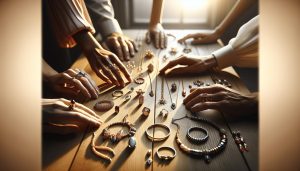
Every jewelry maker should be familiar with headpins, as they are vital tools in crafting beautiful and unique pieces. These simple yet versatile components allow you to create stunning earring dangles, secure beads and gemstones, and connect charms effortlessly. By mastering the use of headpins, you can elevate your designs and add personal flair to your creations. Whether you’re a beginner or a seasoned jewelry enthusiast, understanding how to effectively utilize headpins will unlock new possibilities in your DIY projects. Join us as we explore the various uses of headpins and uncover tips that will enhance your jewelry-making skills, ensuring your pieces not only look professional but truly reflect your style.
What Are Headpins and Their Benefits in Jewellery Making
Headpins are fundamental components in jewelry making, serving as versatile tools for creating unique designs. With a simple straight wire and a flattened end, headpins allow crafters to thread beads and other embellishments to form eye-catching pendants, dangles, and earrings. What makes headpins especially beneficial is their ability to offer both security and ease of use, making them perfect for beginners and seasoned jewelers alike.
When you utilize headpins, you can enhance your jewelry by incorporating various materials such as glass beads, gemstones, and even charms. This flexibility means that the same basic technique can yield countless styles, accommodating everything from elegant evening pieces to casual everyday accessories. Moreover, creating a simple loop at the end of a headpin is a straightforward process, enabling makers to finish their designs swiftly while achieving a polished look.
In terms of benefits, using headpins simplifies the construction of jewelry, allowing for greater creativity without the need for advanced skills or tools. They are available in a variety of lengths and materials, which further enables jewelry makers to select options that align with their specific project needs. The ease with which you can integrate headpins into your designs makes them an essential tool, sparking innovation in your jewelry creations while ensuring a secure hold for your components. By mastering the use of headpins, you can expand your jewelry-making repertoire dramatically and create pieces that express your unique style.
Essential Tools: What Every Jeweller Needs
To craft stunning jewelry pieces, a well-equipped jeweler needs more than just creativity; the right tools are essential for achieving professional results. Whether you’re a beginner or an experienced artisan, having a selection of reliable tools at your disposal can significantly enhance your crafting experience. From simple headpins to intricate machinery, every tool plays a pivotal role in the making of beautiful jewelry.
- Wire Cutters: Essential for cutting headpins and other wires to the desired lengths, making clean cuts prevents fraying and ensures precise measurements.
- Round-Nose Pliers: These pliers are perfect for creating loops at one or both ends of headpins, allowing for secure connections and polished looks in your designs.
- Chain-Nose Pliers: Ideal for gripping and bending wire, these pliers assist in manipulating your jewelry components without slipping or scratching.
- Flat-Nose Pliers: Useful for holding flat components and for making straight bends in wire, these pliers offer stability during assembly.
- Bead Mat or Tray: Keeping your workspace organized is crucial. A bead mat helps prevent beads from rolling away while also providing a non-slip surface for assembly.
- measuring Tools: Accurate measurements enhance your designs. A ruler or a caliper can help ensure that wires and components are precisely cut and aligned.
- Storage Solutions: Keeping your materials organized is key to efficiency. Use tackle boxes or compartmentalized containers to store various sizes of headpins, beads, and findings securely.
- Beading Needle: For projects requiring intricate beadwork, a beading needle can facilitate threading delicate materials onto headpins or string.
Equipping yourself with these basic tools not only streamlines the jewelry-making process but also inspires confidence in your craftsmanship. By mastering the use of these tools, you’ll find that creating intricate designs with headpins and other components becomes more manageable and enjoyable, leading to an expanded repertoire of styles and techniques. As you progress in your jewelry-making journey, consider adding advanced tools like a soldering iron or a metal stamping kit to elevate your creations even further.
Types of Headpins: Choosing the Right One for Your Project
When embarking on your jewelry-making journey, one of the first decisions you’ll encounter is selecting the right headpin for your project. Headpins come in a variety of materials, lengths, and designs, each suited for different types of jewelry pieces. Understanding these differences will help you choose the most effective headpin for creating beautiful earrings, necklaces, or bracelets that reflect your unique style.
One of the primary factors to consider is the material of the headpin. Common options include brass, sterling silver, stainless steel, and gold-filled. Brass is often less expensive and works well for beginners, while sterling silver and gold-filled options are great for higher-end pieces due to their durability and attractive finish. If you’re creating jewelry for sensitive skin, opt for stainless steel or sterling silver to avoid allergies.
The length of the headpin also plays a critical role in your design. Standard lengths typically range from 2 inches to 4 inches. Shorter pins are better for smaller beads and delicate projects, while longer pins allow for the incorporation of larger beads and more intricate designs. Choose a length that complements your beads; for instance, a longer headpin is ideal for showcasing a large center bead, allowing you to create cascading designs with multiple dangles.
Additionally, consider the style of the headpin. Some come with decorative ball ends or unique shapes that can add aesthetic appeal to your pieces without needing extra embellishment. The choice of style can influence the overall look of the jewelry; a minimalist design might benefit from a simple pin, while a more ornate piece could shine with a decorative ending.
By carefully selecting the type of headpin that aligns with your project’s needs and your personal creative vision, you set the foundation for crafting stunning jewelry that you’re proud to wear or gift. Embrace the variety available, and experiment with different headpins to discover which options inspire your designs the most.
How to Use Headpins: A Step-by-Step Guide
To craft stunning jewelry pieces, mastering the use of headpins is essential. Headpins are versatile components in jewelry making that allow you to create beautiful dangles and connections with beads, charms, and more. Here’s a step-by-step guide to utilizing headpins effectively in your designs, ensuring you maximize their potential.
Start with gathering your materials: you’ll need headpins, your chosen beads, wire cutters, round-nose pliers, and optionally, flat-nose pliers for securing loops. A common project is creating bead dangles, perfect for earrings or embellishing necklaces.
Step 1: Choosing the Right Headpin
Select a headpin that complements your beads both in length and style. Standard lengths range from 2 to 4 inches, so pick one that suits your bead sizes. If you’re using larger beads, longer headpins will give you room to create more intricate designs.
Step 2: Basic Bead Dangle Formation
- Thread the Bead: Slide your bead onto the headpin, leaving about half an inch of headpin above the bead.
- Create a Simple Loop: Using your round-nose pliers, grip the headpin above the bead and bend it at a right angle. Then, reposition the pliers so the tip of the wire is against the edge of the pliers and roll the wire around to form a loop. Make sure the loop is closed securely.
Step 3: Making a Wrapped Loop (for Added Security)
- After creating the simple loop, use your pliers to hold the loop firmly while you hold the wire with your other hand.
- Wrap the excess wire around the stem just above the loop. Aim for at least three tight wraps for stability.
- Trim any excess wire with wire cutters and use flat-nose pliers to press down any sharp edges.
Step 4: Attaching to Findings
After you’ve created your dangles, you can easily attach them to earring wires, chains, or other jewelry components. Just open the loop of your headpin dangle (like you would a jump ring), attach it to your chosen finding, and close it securely.
With practice, you’ll become confident in using headpins and can experiment with different types of beads, charms, and designs. These steps lay a solid foundation for your jewelry-making projects, enabling you to explore more complex techniques and unleash your creativity in crafting unique pieces.
Creative Techniques for Using Headpins in Designs
Exploring the creative possibilities with headpins opens up a world of design opportunities for jewelry makers. These versatile components not only serve as functional elements but also as artistic outlets for personal expression. With a little imagination, headpins can elevate your jewelry pieces from simple to stunning. Here are some innovative techniques for incorporating headpins into your designs.
Using headpins for cascading designs can create striking visuals. By layering multiple bead dangles of various lengths on a single headpin, you can craft earrings or pendants that mimic the look of cascading waterfalls. Start by preparing a series of dangles with different bead sizes and colors, then stack them thoughtfully on a single headpin, securing each bead with a wrapped loop for stability. This technique gives a dynamic flow to your design and captures light beautifully, making your piece eye-catching.
Another creative approach is to mix materials. Headpins can be paired with not just beads, but also charms, small metal components, or even found objects like textured washers or bits of colored wire. Experimenting with unexpected combinations can yield unique designs that reflect your personal style. For instance, try layering a bead on a headpin topped with a small charm; this playful interaction can add depth and interest to your jewelry.
Lastly, consider incorporating headpins in non-traditional ways, such as using them to create decorative elements on bracelets or necklaces. Instead of just dangling them, you can wire wrap a cluster of beads and attach it to a chain or leather cord, constructing a focal point in your piece. Or try using headpins to secure elements like fabric or leather strips, producing a mixed-media piece that stands out from typical jewelry designs.
By infusing these techniques into your creations, you not only showcase your skills but also establish a distinctive style that resonates with your audience. The beauty of headpins lies in their endless potential-embrace that creativity, and watch your jewelry making flourish.
Headpins vs. Other Jewellery Findings: Key Differences
Understanding the unique role of headpins in jewelry making is essential for anyone looking to create beautiful pieces. Unlike other findings like jump rings or clasps, headpins serve a specific purpose that combines both functionality and creativity. Headpins are primarily used for creating dangles with beads, charms, or other decorative elements, making them an integral part of earring and pendant designs. Their design features a flat “head” at one end, which prevents beads from sliding off, allowing for the easy creation of stunning jewelry pieces.
Compared to eye pins, which have a loop at one end, headpins offer more flexibility in design. Eye pins are perfect for connecting components or creating simple loops, but headpins shine in their ability to hold multiple beads in a single dangle. This distinction allows jewelry makers to experiment with layering and visual heights, creating more complex and eye-catching designs. Moreover, the variety of styles available, such as ball headpins or flat headpins, caters to different aesthetic needs, providing creators the ability to choose the right headpin for their project.
Additionally, headpins differ from other findings like crimp beads or bead caps, which serve more specialized roles in securing and finishing jewelry projects. While those components are crucial for structure and durability, headpins focus more on the ornamental aspect, allowing for individual artistic expression. Instead of being hidden or merely functional, headpins can be a focal point in a design, enhancing the overall aesthetic appeal of the jewelry piece.
Ultimately, embracing the unique characteristics of headpins can lead to innovative and personalized creations. Their ability to be reimagined in countless ways, combined with other findings and materials, allows artists and hobbyists alike to express their creativity and craft distinctive jewelry that stands out. Whether you’re a seasoned jeweler or a beginner, integrating headpins into your designs can unlock new possibilities and elevate your jewelry-making skills.
DIY Projects: Stunning Jewellery Ideas with Headpins
Creating beautiful jewelry is an exciting and fulfilling craft, and headpins play a pivotal role in making that happen. These versatile findings can transform simple beads into stunning, intricate designs, allowing crafters to express their creativity in countless ways. From elegant earrings to intricate necklaces, headpins can be your best ally in designing captivating pieces. Here are some inspiring DIY project ideas that showcase the versatility of headpins and offer practical guidance for jewelry making.
One popular project is to create dangle earrings. Start with a pair of headpins, then simply thread your chosen beads onto each pin. Form a loop at the top of the pin with round-nose pliers, ensuring your beads are secure. For added flair, consider using headpins with decorative elements, such as balls or spirals. Mixing colors and textures can elevate the design, turning simple dangles into statement pieces.
For those looking to make stunning pendant necklaces, headpins can be used to create elaborate layers. String multiple beads onto a longer headpin and create several loops of varying lengths to add depth to your piece. This layering technique not only creates visual interest but also allows you to customize the pendant to suit any outfit. Pair your pendant with a delicate chain, and you’ve got a truly mesmerizing accessory.
Furthermore, charm bracelets are an excellent way to incorporate headpins into your jewelry collection. Each bead or charm can be attached to a headpin, which can then be linked onto a bracelet chain. This method not only secures your charms but also enhances their visibility, allowing them to shine beautifully. Choose themes for your bracelets-like nature-inspired charms or favorite color schemes-to create cohesive jewelry that tells a story.
Lastly, consider experimenting with bead clusters. Use multiple headpins with beads in contrasting colors or sizes, and cluster them together on one loop. This technique creates a fun and textured look that’s perfect for statement earrings or bold necklaces. Don’t shy away from mixing materials-metal beads, ceramic, and glass can all be combined to craft unique and eye-catching designs.
By exploring these projects, you can unlock the creative potential of headpins, making them an essential part of your jewelry-making toolkit. Happy crafting!
Tips for Maintaining and Caring for Your Headpins
The longevity of your headpins greatly influences the quality of your jewelry making and the satisfaction you derive from your craft. By taking a few simple steps to care for and maintain your headpins, you ensure that they remain in optimal condition, ready for your next creative endeavor. Proper maintenance not only extends the lifespan of your findings but also enhances the overall aesthetic quality of your finished pieces.
To keep your headpins in great shape, avoid exposure to moisture and harsh chemicals. Store them in a cool, dry place, ideally in a dedicated jewelry box or a compartmentalized organizer. This will prevent tangling and protect them from corrosion. For metal headpins, it’s a good practice to occasionally wipe them down with a soft cloth to remove any oils or dirt that may accumulate from handling. If your headpins become tarnished, gently polish them with a specialized metal cleaner or a mild soap and water solution, ensuring they are thoroughly dried afterward to prevent rust.
- Keep headpins wrapped: Store them in their original packaging or in a small pouch to minimize exposure to air.
- Avoid mixing metals: When storing headpins, keep different metal types separate to prevent oxidation or scratches.
- Inspect regularly: Check your stock for any signs of damage, such as bends or rust, and replace as necessary.
In addition to regular cleaning and storage, be mindful of how you handle your headpins during the crafting process. Using the correct tools, such as round-nose pliers for looping, will minimize the risk of damage. When not in use, consider keeping a designated toolkit with all your essential jewelry-making tools, so they remain easily accessible and organized. By implementing these simple practices, you can maintain your headpins and enhance your jewelry-making experience, ensuring that each piece you create is both beautiful and durable.
Common Mistakes to Avoid When Using Headpins
Mistakes are an inherent part of the learning process, especially in jewelry making, and headpins are no exception. One common pitfall is misjudging the length of headpins. Choosing a headpin that’s either too short or excessively long can lead to frustration and limits creativity. When crafting earrings or pendants, it’s essential to select a headpin length that accommodates your design and allows for a secure finish. Opt for slightly longer pins when uncertain, as you can always trim them down but cannot add length once cut.
Another frequent error is neglecting to use the proper tools during the creation process. For instance, utilizing standard pliers instead of round-nose or chain-nose pliers can lead to bent pins and uneven loops. This can compromise not just the aesthetics but also the functionality of your jewelry. Using the right tools not only ensures a polished look but also enhances the durability of your designs. Aside from pliers, ensure that your work surface is suitable-using a flat, uncluttered area will prevent accidental spills of beads or findings that could disrupt your flow.
Storage practices also merit attention. Many artisans make the mistake of tossing headpins into a mixed container with other findings. This can lead to tangles, kinks, and corrosion over time. Instead, adopt a method of storing headpins in individual sections or containers. Preventing exposure to moisture and separating different metal types will minimize the risk of oxidation and scratching, maintaining their quality for future use. Regularly inspecting your supplies for signs of wear or damage also prolongs their usability.
Lastly, failing to practice basic care while working can turn a beautiful project into a disappointing task. Avoid applying excessive force when bending or looping headpins; doing so can create weak spots that may snap during wear. By cultivating a more mindful approach to handling your materials, you not only protect your headpins but can enjoy a more fulfilling crafting experience.
Inspiration: Showcasing Headpin Creations by Artists
Jewelry makers continually find innovative ways to incorporate headpins into their designs, showcasing both their practicality and artistic potential. For example, artists often use headpins to create elegant dangles in earrings, allowing beads to swing freely, which not only enhances movement but also catches the eye beautifully. A striking trend is using a combination of headpins and gemstones, where a single vibrant stone is strung on a headpin and finished with a carefully crafted loop, transforming a simple bead into a stunning focal point.
Different styles and materials of headpins can significantly alter the aesthetic of your creations. Artisan crafters are exploring various metal finishes-such as vintage brass or polished silver-to add character to their pieces. When combined with hand-painted or uniquely shaped beads, headpins become essential in crafting personalized jewelry that tells a story. Additionally, using contrasting headpin styles within a single piece can create a layered effect, providing depth and visual interest.
For those looking to draw inspiration, consider starting with simple projects such as charm bracelets. By stringing several charms on headpins and linking them to a chain, you can build a customized piece that represents personal milestones or interests. Or, take inspiration from nature by using headpins to assemble floral-themed earrings with beads mimicking petals. Each creation is an opportunity to experiment with color, form, and texture, allowing your individuality to shine through.
Artisans frequently share their works on platforms like Instagram and Pinterest, where using hashtags like #HeadpinJewelry allows others to discover unique creations and techniques. Engaging with this community provides countless ideas and fresh perspectives, ensuring that your jewelry journey remains vibrant and inspiring. By observing how others utilize headpins, you can ignite your creativity and elevate your designs from ordinary to extraordinary.
Where to Purchase Quality Headpins: Best Suppliers

When embarking on your jewelry-making journey, the quality of your materials can significantly impact the final outcome of your creations. Headpins, essential for crafting earrings, charms, and intricate link designs, are no exception. Sourcing high-quality headpins ensures that your jewelry not only looks stunning but also lasts over time, enhancing both its beauty and functionality. Fortunately, there are numerous reputable suppliers that cater to jewelry enthusiasts, whether you are a beginner or a seasoned artisan.
One of the most well-regarded sources for jewelry-making supplies is Artbeads, which offers an extensive selection of headpins in various materials, including sterling silver and gold-filled options. They provide detailed product descriptions and recommendations, ensuring that you can find the right type that suits your specific project needs. You can explore their range and shop conveniently online by visiting their website here [2].
Another excellent choice is Fire Mountain Gems, which offers a comprehensive inventory of jewelry supplies, including decorative and standard headpins. Their user-friendly website enables easy navigation and comparison of different types and styles, which is particularly helpful for beginners looking to understand the nuances between options. They also cater to bulk orders, making them ideal for crafters needing larger quantities for extensive projects. You can check out their offerings lHYtR6s1bju-0bn2BcNHBXjnNJmLn7G”>[2].
For those looking for a more affordable option, Amazon features a wide array of headpin supplies, where you can find everything from bulk packs of simple headpins to specialty decorative styles. While shopping on Amazon, be sure to check customer reviews and ratings to gauge quality before purchasing. Their marketplace gives vast choices, ideal for crafters of all levels, making it easier to source various types in one place. Discover their selection here [3].
Choosing the right supplier for your headpins not only streamlines your project but also enhances your overall crafting experience. By seeking out quality options, you will ensure that your unique jewelry pieces shine beautifully and hold up to wear, providing both you and your customers with pieces to cherish for years to come.
Q&A
Q: What are the main uses of headpins in jewelry making?
A: Headpins are primarily used to create dangles for earrings, links between beads, and connectors in various jewelry pieces. They allow for versatile designs by securing beads and attaching them easily to earring wires or chains.
Q: How do headpins differ from eyepins in jewelry making?
A: Unlike headpins, which have a flat or rounded end preventing beads from sliding off, eyepins feature a loop at one end, allowing for the creation of links or connectors. This makes eyepins ideal for connecting multiple components in a piece.
Q: Can I use headpins with different types of beads?
A: Yes, headpins can be used with various bead types, including glass, metal, and crystal. Ensure that the bead hole size is compatible with the diameter of the chosen headpin for optimal results.
Q: What is the best technique for making loops with headpins?
A: Making a simple loop with a headpin involves bending the end at a 90-degree angle and then using pliers to create a loop. For a wrapped loop, after creating the simple loop, wrap the wire around the base for additional security.
Q: How can I incorporate headpins into my jewelry designs creatively?
A: Explore using headpins to create unique visual elements, such as cascading bead dangles or combining multiple headpins to form a cluster effect. This adds dimension and interest to your pieces.
Q: Are there specific tools needed for using headpins in jewelry making?
A: Essential tools for working with headpins include round-nose pliers for looping, chain-nose pliers for gripping, and wire cutters for trimming. These tools help ensure precision in your designs.
Q: What tips can help avoid mistakes when using headpins?
A: To avoid common mistakes, always select the correct headpin size for your beads, double-check your loops for strength, and practice making loops on scrap materials before working on your final design to build confidence.
Q: Where can I find quality headpins for my jewelry projects?
A: Quality headpins can be found at craft supply stores, specialty jewelry shops, and online retailers. Consider checking out reputable websites like Artbeads for a variety of options and styles.
In Retrospect
Now that you’ve discovered the essential role headpins play in your jewelry-making toolkit, it’s time to put this knowledge into action! Whether you’re crafting stunning earrings or secure pendants, using headpins can elevate your designs and bring them to life. Don’t wait-explore our collection of headpins and other beading supplies to kickstart your next DIY project.
For more inspiration, check out our guides on jewelry care and cleaning techniques to keep your creations sparkling, or dive into our DIY tutorials for step-by-step projects. If you’re considering starting your own jewelry shop, explore our business insights for valuable tips.
Join our community and share your favorite jewelry-making tips in the comments below or sign up for our newsletter for exclusive offers and updates! With the right tools and techniques, there’s no limit to your creativity-let’s make something beautiful together!