When it comes to crafting your own unique jewelry pieces, understanding the materials you use is crucial for both safety and durability. One common question among DIY enthusiasts is whether acrylic paint is latex-based. This distinction is important, as it influences everything from the paint’s appearance to its longevity and safety for your skin. As you delve into the fascinating world of DIY jewelry crafting, you’ll encounter various paints that can enhance your creations. By exploring safe options and learning the differences between acrylic and latex paints, you can make informed choices that not only elevate your designs but also protect your well-being. Keep reading to uncover the essential facts that will help you create stunning, safe jewelry pieces you’ll love wearing and sharing!
Is Acrylic Paint Safe for Jewelry Crafting?
Acrylic paint has gained popularity among jewelry crafters due to its versatility and vibrant colors, but a common concern arises: is it safe for use in jewelry making? The good news is that acrylic paint is generally considered safe for crafting jewelry, especially when it is properly cured and sealed. Unlike some other paint options, acrylics are non-toxic when dried and are water-based. This means they emit low levels of volatile organic compounds (VOCs), making them a better choice for crafters who are sensitive to chemical exposure.
To ensure safety during your crafting endeavors, it is crucial to select high-quality acrylic paints that are labeled non-toxic. Many craft brands offer dedicated lines for jewelry or similar projects that ensure safety and adherence to various standards. However, keep in mind that although dried acrylic is non-toxic, it is not food-safe; thus, it should not be used on jewelry intended for consumption or directly in contact with the mouth.
For added durability, consider rigorous sealing methods post-application, such as using a clear acrylic sealer or resin, to protect your painted jewelry from wear and tear. This not only enhances the longevity of your pieces but also adds a beautiful finish that can elevate the overall aesthetic of your creations. Always practice good ventilation in your workspace while working with paints and sealers to maintain a healthy crafting environment, ensuring a safe and enjoyable experience while making unique jewelry pieces.
Understanding the Difference: Acrylic vs. Latex Paint
When embarking on a DIY jewelry crafting journey, understanding the different paint options available can significantly influence the outcome of your creations. Acrylic and latex paints are two common choices, each with unique properties that cater to specific crafting needs. While both types offer vibrant colors and various finishes, they are fundamentally different in composition and application, which can impact their suitability for jewelry projects.
Acrylic paint is a fast-drying, water-based medium made from synthetic polymers. It is known for its versatility, allowing for application on various surfaces, including metals, wood, and plastic. The quick drying time means that artists can layer colors and achieve complex designs without extended wait times. Acrylics are also celebrated for their durability once cured, making them ideal for jewelry that requires long-lasting finish. However, it’s essential to ensure the acrylic paint used is labeled as non-toxic to ensure safety during crafting.
On the other hand, latex paint, primarily used for larger surface areas (like walls and furniture), is made from acrylic resins but includes additional additives for improved durability and finish. While it is also water-based, latex paint tends to be thicker and may not adhere well to smaller, intricate jewelry designs. Moreover, the curing process for latex can take longer and might require specific ventilation due to the potential presence of harsher chemicals. Given these characteristics, latex is generally not recommended for detailed jewelry work where fine precision and aesthetic quality are paramount.
In summary, while both acrylic and latex paints have their merits, acrylic paints emerge as the superior choice for jewelry crafting. Their ease of use, ability to adhere to various surfaces, and quicker curing times make them ideal for crafters looking to create beautiful and durable jewelry pieces safely. Stick to high-quality, non-toxic acrylics for the best results, and you’ll find endless possibilities for your creative expressions.
Benefits of Using Acrylic Paint for DIY Jewelry

Acrylic paint is a transformative medium that offers an array of advantages, making it a top choice for DIY jewelry crafting. Its vibrant colors, ease of application, and impressive durability create endless possibilities for crafters looking to express their creativity through unique jewelry pieces. The ability of acrylics to adhere to various materials-including metal, wood, plastic, and even fabric-ensures that no matter the base of your jewelry, you can achieve stunning results that stand the test of time.
One of the most significant benefits of using acrylic paint is its quick drying time. This feature allows artists to layer colors and add intricate designs without the lengthy wait that other mediums might require. The ability to build up layers can lead to more complex and visually appealing creations, enabling artisans to transform simple components into eye-catching pieces. Furthermore, once cured, acrylics are resistant to fading and chipping, making them ideal for daily wear items.
For those concerned about safety, acrylic paint is typically water-based and non-toxic, especially when labeled as such. This quality makes it suitable for individuals who may have sensitivities or for projects meant for display rather than direct wear. Moreover, the vast selection of available colors and finishes-metallics, glosses, matte, and iridescent options-adds versatility, allowing crafters to customize their designs to align with personal aesthetics.
In addition to these practical aspects, the affordability of acrylic paints makes them accessible for everyone, from hobbyists to aspiring jewelry designers. Whether you’re looking to revamp older pieces or create entirely new designs, acrylic paint offers an economic yet quality solution that empowers you to unleash your artistic potential. So, gather your supplies and let your imagination flow-you’ll find that crafting with acrylic paint can lead to beautifully unique jewelry that truly reflects your style.
Top Recommended Acrylic Paint Brands for Jewelry Makers

When it comes to selecting the right acrylic paint for jewelry crafting, several brands stand out for their quality, ease of use, and vibrant color options. Choosing trusted manufacturers can enhance your creative projects and result in stunning pieces that catch the eye. Below are some top recommended acrylic paint brands that cater specifically to jewelry makers:
Top Acrylic Paint Brands
- Golden Artist Colors – Known for its professional-grade acrylics, Golden offers a range that includes a heavy body acrylic line with exceptional pigmentation and durability. This brand is perfect for artists looking to achieve a truly professional finish, even on small pieces of jewelry.
- Liquitex – Liquitex paints are widely used in both fine arts and crafts, with a polymer-based formula that dries to a durable finish. Their acrylics come in a variety of finishes, from matte to high gloss, making them a versatile choice for personalized jewelry.
- FolkArt – This brand is known for its affordability and wide color selection. FolkArt acrylics are easy to work with and adhere well to various surfaces, making them an excellent option for beginners as well as seasoned crafters.
- Arteza – Arteza’s acrylic paints are particularly praised for their smooth application and vibrant colors. The brand has gained popularity among crafters and artists alike for its quality at a budget-friendly price point.
- DecoArt – With a long history in the crafting community, DecoArt offers a wide array of acrylic paints suited for both decorative and functional uses. Their “Americana” line is known for its colorfastness and durability, ideal for creating pieces that last.
Choosing the right acrylic paint not only enhances the aesthetic of your jewelry but also ensures longevity and wearability. Consider what finish you desire and the material of your projects when selecting a brand. Happy crafting!
How to Choose the Right Acrylic Paint for Your Projects

To select the perfect acrylic paint for your jewelry crafting projects, it’s essential to consider several factors that can impact both the appearance and durability of your finished pieces. One of the first steps is to evaluate the surface you’ll be painting on, as different materials require specific formulations for optimal adhesion and finish. For instance, if you’re working with metal, you might look for paints designed for metal surfaces, ensuring that the color adheres well without chipping or fading.
Next, think about the type of finish you desire. Acrylic paints come in various finishes, such as matte, satin, and glossy. Each finish can significantly alter the look of your jewelry; a glossy finish may add shine and depth, while a matte finish can impart a more rustic or subdued appearance. Test samples of different finishes on spare materials to see which one complements your design aesthetic best.
It’s also wise to pay attention to the paint’s lightfastness, which refers to its resistance to fading when exposed to light. This is especially crucial for jewelry pieces that may be worn frequently and exposed to sunlight. Brands like Golden and Liquitex are known for their high-quality, lightfast options, making them ideal choices for lasting jewelry creations.
Lastly, consider your skill level and comfort with certain products. If you’re a beginner, selecting paints that are easy to use, such as those from FolkArt or Arteza, can reduce frustration and increase enjoyment during the crafting process. Always read product labels for specific guidelines on application and curing to ensure the best results for your jewelry items. By assessing these factors, you can confidently choose the right acrylic paint that not only enhances your designs but also stands the test of time. Happy crafting!
Essential Tips for Applying Acrylic Paint on Jewelry
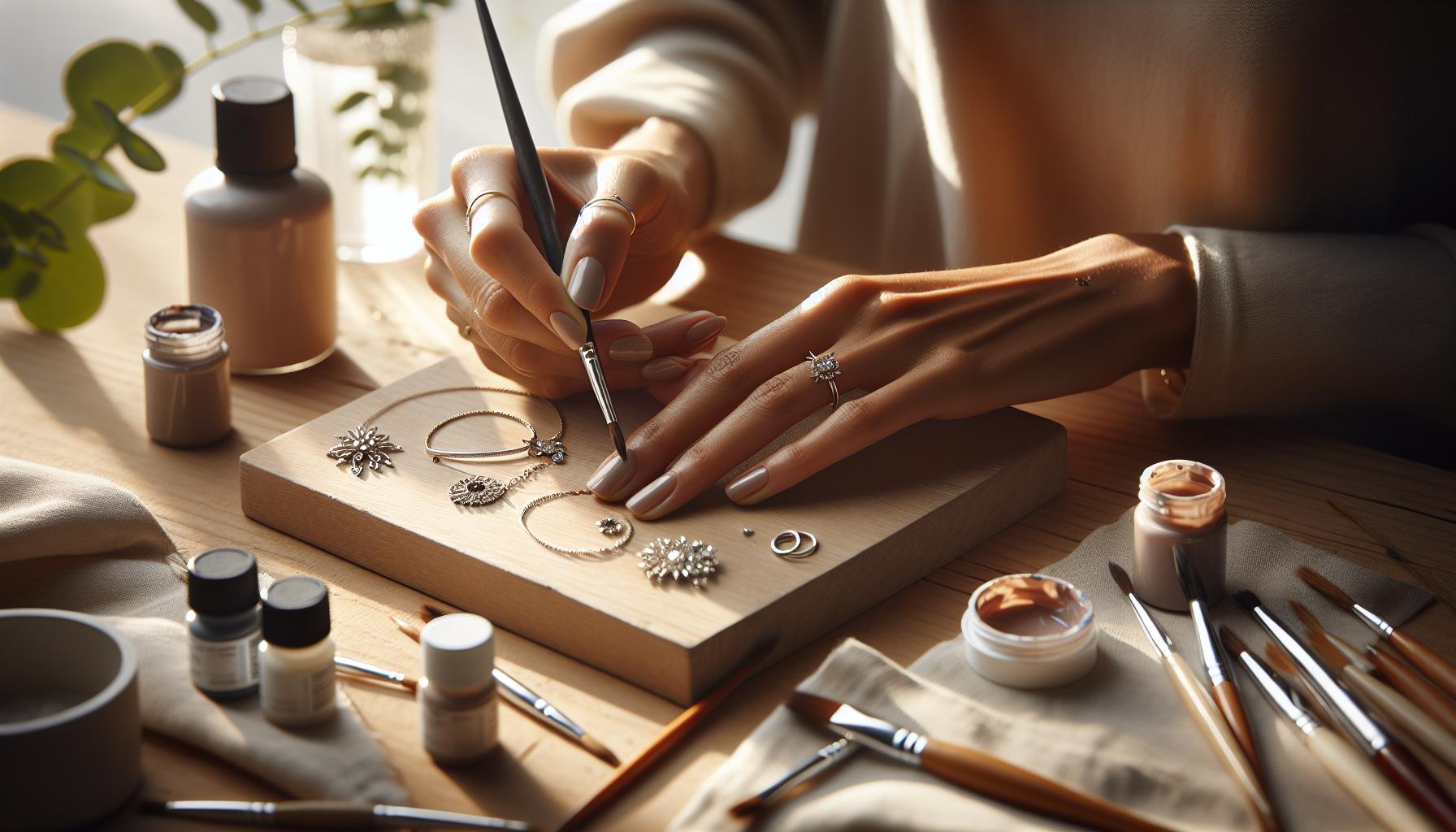
Applying acrylic paint to jewelry can transform ordinary pieces into stunning, personalized designs. To achieve the best results, it’s crucial to follow a few essential practices that will enhance the durability and appearance of your painted jewelry.
First, proper surface preparation is vital. Ensure that the surface of your jewelry is clean and free from oils or dirt. You can use rubbing alcohol on a cotton pad to wipe down surfaces before painting. For metal items, consider lightly sanding the area to create a texture that helps the paint adhere better. If you’re painting porous materials like wood or resin, applying a primer can further improve adhesion and color vibrancy.
When it comes to applying the paint, use high-quality brushes or sponge applicators suited for detail work. These tools allow for more control, especially in intricate designs. Apply thin layers of paint rather than one thick coat; this not only prevents drips but also allows the underlying material to show through, which can add depth to your piece. Allow each layer to dry completely before adding another; this can reduce the risk of peeling and ensure a more durable finish. As you paint, consider utilizing techniques such as stippling or dry brushing to create interesting textures and effects that can elevate your final piece.
Sealing and Curing
After painting, it’s crucial to allow sufficient curing time for the paint. Depending on the thickness and type of acrylic paint used, this can range from a few hours to several days. Once fully cured, consider applying a clear acrylic sealer to protect your design. This not only adds a glossy finish but also shields your artwork from scratches and water damage, extending its lifespan and keeping it looking vibrant.
By taking these tips into account, you can successfully apply acrylic paint on jewelry, ensuring that your creations not only look beautiful but are also built to last. Happy crafting!
Proven Techniques for Curing and Sealing Acrylic Paint
To achieve a long-lasting and vibrant finish when using acrylic paint on jewelry, mastering the techniques for curing and sealing is essential. Curing refers to the time required for the paint to fully harden and reach maximum durability. For most acrylic paints, this can take anywhere from a few hours to several days, depending on the type and thickness of the application. It’s vital to carve out this time, as rushing the process can compromise the integrity of your artwork, leading to chips or peeling.
After allowing the paint to cure, the next step is to seal the surface. A clear acrylic sealer not only enhances the glossiness of your designs but also provides a protective barrier against scratches, dirt, and moisture. When choosing a sealer, opt for a product that is compatible with acrylic paints. There are spray sealers, which provide an even coat and are easy to apply, and brush-on sealers, which give more control but can be tricky if not applied correctly to avoid brush marks. Whichever method you select, ensure you apply the sealer in thin layers, allowing each layer to dry completely before adding another. This layered application maximizes the protective benefits without obscuring the vibrant colors of your jewelry.
To maintain the best results, consider the following tips for curing and sealing acrylic paint:
- Environment: Work in a well-ventilated, dust-free area. Dust settling on freshly painted surfaces can mar your design.
- Temperature: Ensure the temperature is moderate, as extreme heat or cold can affect drying and curing times.
- Test Sealer: Always perform a spot test with your chosen sealer on a separate piece to ensure compatibility and prevent any unwanted reactions.
- Storage: After sealing, store your jewelry away from direct sunlight to prevent discoloration over time.
Following these techniques will not only improve the aesthetics of your painted pieces but also enhance their durability, ensuring that your creative endeavors shine brightly for years to come.
DIY Crafting Ideas for Jewelry with Acrylic Paint
Creating unique, vibrant jewelry with acrylic paint is not only a fun crafting endeavor but also a wonderful way to express your personal style. Whether you’re a seasoned maker or a curious beginner, there’s a world of DIY possibilities waiting for you. Acrylic paint is versatile, quick-drying, and, when sealed correctly, can provide a durable finish perfect for various jewelry items.
One great project idea is to use acrylic paint to customize wooden beads or pendants. Start by painting the beads in your favorite colors or designs, and once they’re dry, consider applying a sealing coat to enhance the colors and add protection. You can combine different sizes of painted beads to create unique necklaces or bracelets, ensuring each piece showcases your artistic flair. Another idea is to add intricate designs or patterns to plain metal or resin pieces using fine brushes or dotting tools. This technique allows you to create personalized statements that reflect your tastes.
For an engaging and interactive experience, consider making matching sets. Use acrylic paint to create a cohesive color palette across earrings, necklaces, and bracelets. This not only provides a harmonious look but also makes gifting these handmade jewels extra special. You might also explore layering techniques; paint designs on clear acrylic or resin shapes and layer them to create depth and texture, giving your jewelry an eye-catching allure.
Lastly, don’t underestimate the impact of mixed media! Combine acrylic paint with other materials like beads, chains, or natural elements such as wood or shells. Painting these mixed components can enhance their appearance, adding a personal touch. Remember, the only limit is your imagination; don’t hesitate to experiment with different styles, techniques, and finishes to design truly one-of-a-kind pieces. Enjoy the process, and happy crafting!
Acrylic Paint Storage and Maintenance Tips
Acrylic paint is a fantastic medium for adding color and creativity to your jewelry projects, but its longevity greatly depends on proper storage and maintenance. Did you know that the way you store your acrylic paint can drastically affect its shelf life and usability? By following a few simple guidelines, you can ensure your paints remain vibrant and ready for your next crafting session.
To achieve optimal storage conditions, first, keep your acrylic paint in a cool, dry, and well-ventilated space. Exposure to extreme temperatures can cause the paint to separate or dry out. Using airtight containers is critical; even the original paint tubes or jars should be tightly sealed after use to prevent any air from entering. For added peace of mind, you may consider organizing your paints in clear bins labeled by color or type. This not only makes them easily accessible but also allows you to monitor your stock regularly.
Regular maintenance of your acrylic paint will also make a significant difference. If you notice some separation, simply give the container a gentle shake or stir-never use a brush that has dried paint on it, as this can contaminate the entire batch. When painting, keep a damp cloth handy to wipe the rims of containers before sealing them, avoiding any sludge formation that can hinder closure. Moreover, if you’re working on multiple projects or using various colors, clean your brushes promptly. Acrylic paint can dry quickly, and leaving brushes unwashed may result in irreversible damages.
Lastly, consider checking your paint periodically, especially if stored for a long time. A quick visual inspection for consistency and color vibrancy can help you identify whether a paint is still good to use. If it appears excessively thick or has an off smell, it may be time to replace it. Taking these simple yet effective steps will not only improve the quality of your jewelry crafting but also save money in the long run by prolonging the life of your materials. Happy crafting!
Common Mistakes to Avoid with Acrylic Paint
Using acrylic paint for jewelry crafting can yield stunning results, but common missteps can hinder your creative process and lead to unsatisfactory outcomes. One prevalent mistake is not properly priming or preparing your jewelry pieces before painting. This step is crucial; an unprimed surface can lead to poor paint adhesion and uneven application. Always ensure surfaces are clean, sanded if necessary, and primed to promote a smooth finish.
Another common pitfall is applying too thick a layer of paint at once. Acrylic paint dries quickly, but applying overly thick layers can result in unsightly drips and uneven drying. Instead, opt for multiple thin coats, allowing each layer to dry completely before adding the next. This technique not only enhances the durability of your finished piece but also helps achieve a vibrant, even color.
It’s also vital to consider your workspace. Failing to use a proper drop cloth or work surface can lead to accidental splatter that could ruin your other materials or equipment. Always protect your work area with newspapers, plastic sheets, or designated craft mats. Additionally, remember to keep lids tightly sealed on your paint tubes or containers when not in use to prevent drying out. Overlooking this simple action can lead to wasted material and increased costs.
Lastly, do not underestimate the importance of ventilation. Acrylic paint is often less toxic than other paint types, but proper airflow reduces any lingering smells and helps the paint cure evenly. Ensure you work in a well-ventilated space-consider opening windows or running a fan. By avoiding these common mistakes, you can enhance your acrylic painting experience, ensuring your jewelry projects are vibrant and beautiful, while also supporting a safe crafting environment.
Exploring Alternative Paint Options for Jewelry Making
Crafting unique jewelry pieces is an exciting endeavor, and while acrylic paint is a popular choice, there are several alternative paint options to consider that can enhance your DIY projects. For instance, epoxy paint is highly durable and can give your jewelry a glossy finish that is resistant to scratches and wear. This makes it ideal for items that may experience rough handling, ensuring that your creations retain their vibrant color and sheen over time.
Another great alternative is enamel paint, which provides excellent coverage and a hard, glossy finish. Enamel is often used in jewelry making because it can be applied in thick layers without risking drips, which allows for bolder color applications. It’s particularly effective for metal jewelry, as it adheres well and offers a variety of colors that can withstand exposure to moisture. When using enamel paints, however, it’s crucial to follow the manufacturer’s guidelines for curing, as some require baking for optimal durability.
If you’re looking for something more specialized, consider using alcohol inks. These are ideal for adding translucent color to porous materials like wood or clay, creating stunning effects that are rich and vibrant. Alcohol inks can blend beautifully, allowing for creative layering and unique color combinations, perfect for creating one-of-a-kind pieces that stand out.
Additionally, there are fabric paints available that can also be used on polymer clay or lightweight materials. These paints are flexible when dry, ensuring your jewelry remains comfortable to wear without cracking. As always, ensure the paint you choose is non-toxic and safe for jewelry that comes in contact with skin.
In summary, while acrylic paint has its advantages, exploring these alternative options can elevate your jewelry-making experience. By experimenting with different types of paint, you can discover new techniques and finishes that perfectly match your artistic vision.
Q&A
Q: Is acrylic paint the same as latex paint for jewelry crafting?
A: No, acrylic paint is not the same as latex paint. Acrylic paints are water-based and versatile, making them suitable for various surfaces, including jewelry. In contrast, latex paints are primarily used for walls and aren’t ideal for detailed crafting projects. For jewelry, always choose high-quality acrylic paint for best results.
Q: Can I use regular acrylic paint on jewelry?
A: Yes, you can use regular acrylic paint on jewelry, but it’s best to select a paint designed for crafts. Ensure it’s labeled non-toxic and suitable for the material you’re working with. For optimal results, consider sealing the paint afterward, as detailed in our sealing techniques section.
Q: Are there non-toxic acrylic paint options for DIY jewelry?
A: Yes, many brands offer non-toxic acrylic paint options perfect for DIY jewelry. Look for paints labeled as safe for children’s use or craft-specific paints. Always check the product label to ensure it’s free from harmful chemicals.
Q: How do I seal acrylic paint on jewelry?
A: To seal acrylic paint on jewelry, apply a clear acrylic sealer or resin after the paint dries completely. This protects your artwork from scratches and water damage. For detailed sealing methods, refer to our proven sealing techniques section in the main article.
Q: What is the best way to apply acrylic paint on jewelry?
A: The best way to apply acrylic paint on jewelry is by using fine brushes or a sponge to achieve smooth coverage. Start with thin layers and allow each layer to dry before applying the next. For tips on application techniques, check our essential tips section.
Q: Can I mix different colors of acrylic paint for my jewelry projects?
A: Yes, mixing different colors of acrylic paint can create unique shades and effects for your jewelry projects. Use a palette or mixing tray and blend the colors until you achieve your desired hue. This flexibility allows for greater creativity in your designs!
Q: How do I clean acrylic paint off jewelry supplies?
A: To clean acrylic paint off jewelry supplies, use warm water and soap immediately after use. For stubborn paint, a small amount of rubbing alcohol on a cloth can help. Always clean supplies after each project to maintain their quality for future use.
Q: What materials pair well with acrylic paint in jewelry crafting?
A: Acrylic paint pairs well with materials like wood, metal, resin, and plastic in jewelry crafting. These surfaces allow for excellent adhesion and vibrant color retention. Explore our section on alternative materials for additional inspiration.
Feel free to explore our other sections for a deeper dive into safe crafting practices and more creative jewelry-making ideas!
In Retrospect
In conclusion, understanding whether acrylic paint is latex is essential for safe DIY jewelry crafting. By choosing the right materials, you can create beautiful pieces while ensuring safety and durability. Take the next step in your crafting journey by exploring our guides on jewelry care and cleaning, or check out our DIY tutorials for more inspiration. Don’t forget to join our newsletter for exclusive tips and the latest trends in crafting-your jewelry deserves the best!
If you have any questions or experiences to share, leave a comment below and connect with our community. Your insights can help fellow crafters make informed decisions. For more in-depth information on material safety and crafting best practices, visit our related articles on crafting tools and authenticating your jewelry creations. Keep creating with confidence and let your creativity shine!