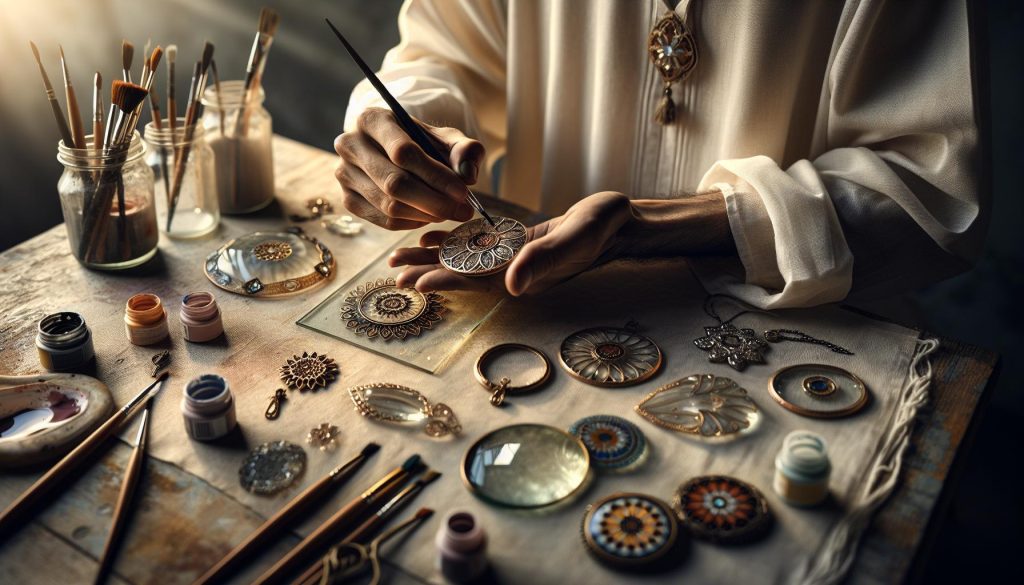
Did you know that acrylics can transform ordinary glass into stunning wearable art? This innovative material, known for its clarity and versatility, offers endless possibilities for jewelry making. In this guide, we’ll explore how to harness the beauty of acrylics to create unique pieces that reflect your style and personality. Whether you’re a seasoned artisan or just starting your crafting journey, understanding how to use acrylics can elevate your creations and captivate those around you. With approachable techniques and inspiring ideas, you’ll be empowered to turn simple materials into statement jewelry. Join us as we delve into the art of transforming glass with acrylics!
How Acrylic Paint Works on Glass Surfaces
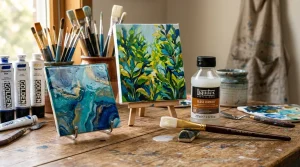
Acrylic paint offers a versatile and dynamic way to transform glass into stunning wearable art. Known for its excellent adhesion and vibrant color, acrylic paint not only adheres well to glass surfaces but also provides a translucent finish that captures light beautifully. This combination is perfect for creating unique jewelry pieces, as the paint can mimic the appearance of stained glass, in addition to being lightweight and durable.
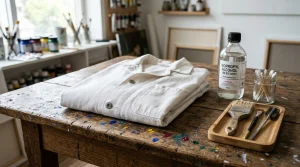
When applying acrylic paint to glass, it’s important to consider the preparation and treatment of the glass surface to achieve optimal results. Start by cleaning the glass thoroughly to remove any oils or residues using a mild detergent or rubbing alcohol. This step ensures that the paint adheres well and provides a clean canvas for your design. Once cleaned, you can use a primer specifically designed for glass or apply a thin coat of acrylic paint as a base layer to enhance adhesion.
To apply the paint effectively, consider using different techniques. You might experiment with a brush for detailed designs or a sponge for softer applications. Layering technique is essential; allow each layer to dry before adding the next to create depth and complexity in your artwork. Mixing colors and using stencils or stamps can also push the boundaries of creativity, enabling you to craft intricate patterns or bold abstracts that reflect your personal style.
Lastly, once your masterpiece is complete, sealing your artwork is crucial for longevity. A clear acrylic sealer can protect your painted design from scratches and fading, ensuring that your glass jewelry remains vibrant and beautiful through wear and tear. By understanding how to work with acrylic paint on glass, you can create jewelry that not only stands out but also tells a story through its unique design and craftsmanship.
Essential Materials for Acrylic Glass Art
Creating art with acrylic on glass is an exciting and rewarding endeavor that allows you to explore your creativity while producing stunning wearable pieces. To embark on your acrylic glass art journey, gathering the right materials is essential to ensure that your artwork not only looks beautiful but also withstands the test of time. Here are the key elements you should have on hand to successfully transform glass into wearable art.
First, select high-quality acrylic paints designed for use on glass surfaces. Look for options that are specifically labeled as suitable for glass, as these will offer better adhesion and durability. Popular brands often include pigments that provide excellent coverage and vibrant colors, which can help achieve the translucent and stained-glass effects that are so desirable in wearable art.
Next, glass surfaces should be chosen carefully. Clear, smooth glass pieces such as pendants, cabochons, or beads provide a perfect canvas for your artwork. Ensure that the glass is free from scratches and imperfections to give your designs a polished finish. It’s often beneficial to start with a few different shapes and sizes to experiment with various techniques.
Another critical material is a glass primer; while not always necessary, applying a primer can significantly enhance paint adhesion on slick surfaces. If you’re feeling adventurous, you can also include a range of texture additives or modeling pastes in your toolkit to add dimension to your designs.
Don’t forget essential tools for application. A variety of brushes in different sizes-flat, round, and fine-tipped-will allow for intricate details and broader strokes. Additionally, consider using sponges for soft effects and stencils for more controlled patterns. For precision, paint pens can be invaluable, enabling you to add fine details with ease. Lastly, make sure to have water containers for cleaning your brushes and palettes for mixing colors ready to go.
Finally, to protect your finished jewelry, invest in a clear acrylic sealer. This final touch will help protect your artwork from scratches, fading, and the elements, ensuring your pieces remain vibrant and beautiful.
By assembling these essential materials, you’ll be well-equipped to dive into the world of acrylic glass art, transforming ordinary glass into extraordinary wearable masterpieces that reflect your unique style and creativity.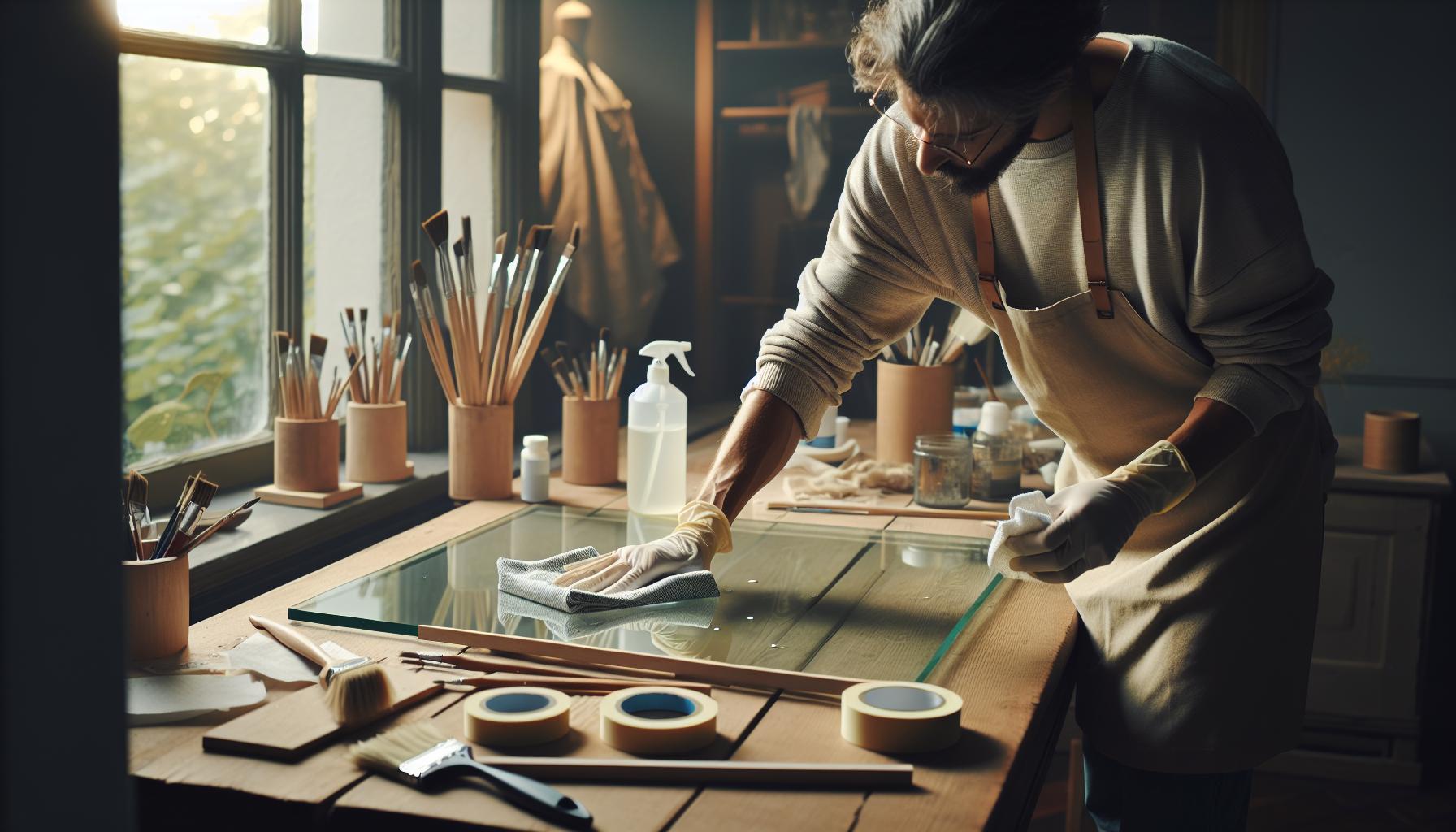
Step-by-Step Guide to Preparing Glass for Painting
Preparing glass surfaces for painting is a crucial step that ensures a long-lasting and vibrant finish for your acrylic creations. A well-prepared glass canvas enhances paint adhesion and provides a smooth, even backdrop for your artistic expression. Begin by selecting the right glass piece-smooth, clear surfaces are optimal, whether they are pendants, cabochons, or other forms. Prior to painting, it’s essential to thoroughly clean the glass to remove any dust, grease, or fingerprints that could obstruct the paint’s ability to adhere.
Start by washing the glass in warm, soapy water; a mild dish soap works wonders. Rinse well to eliminate any soap residue and then dry the surface using a lint-free cloth. For added assurance of a pristine surface, you might consider wiping down the glass with rubbing alcohol, which further removes any remaining oils and impurities. Allow the glass to air dry completely before proceeding to the next steps.
In cases where you’re working with particularly slick glass surfaces, such as those found in some decorative glass items, using a glass primer can be beneficial. The primer creates a textured surface that enhances paint adhesion and increases durability. Apply the primer following the manufacturer’s instructions, and ensure it dries fully-typically, this process takes about 30 minutes to an hour, depending on the product used.
Once your glass is clean and prepped, you can confidently move on to painting. This careful preparation not only enhances the paint’s longevity but also ensures that your acrylic art will remain beautiful and intact, turning your glass pieces into wearable treasures that showcase your creativity.
Techniques for Effective Acrylic Application
Applying acrylic paint to glass surfaces can be a transformative experience, turning ordinary materials into stunning works of wearable art. One of the key techniques for effective application lies in understanding the properties of acrylics. Unlike oils, acrylics dry quickly and become water-resistant once cured, which means that you can layer them to achieve vibrant effects without the long wait for drying times.
To start, choose the right brush for your design-soft bristles help create smooth lines, while stiffer brushes can produce interesting textures. Experimenting with various brush types can yield unique effects. Consider using a foam brush for a smoother application or a detail brush for intricate designs. Additionally, utilizing a palette knife can help you apply thicker layers or even create raised patterns by mixing your acrylics with a modeling paste.
When working on finer details, it’s beneficial to outline your design with a clear acrylic medium or to use ink pens specifically made for glass to secure your composition. This preliminary step ensures your outlines remain visible even after applying color. Once you’re ready to include colors, apply them in thin layers, gradually building up intensity. This method not only creates depth but also allows for easy adjustments if mistakes are made.
After achieving your desired look, it’s crucial to heat-set your artwork to lock in the colors. This can be done by placing your glass piece in an oven at a low temperature (around 350°F or 175°C) for about 30 minutes. This step enhances adhesion and durability, making your art suitable for wear. With these techniques, you can confidently embark on creating beautiful, customized glass jewelry pieces that reflect your personal style.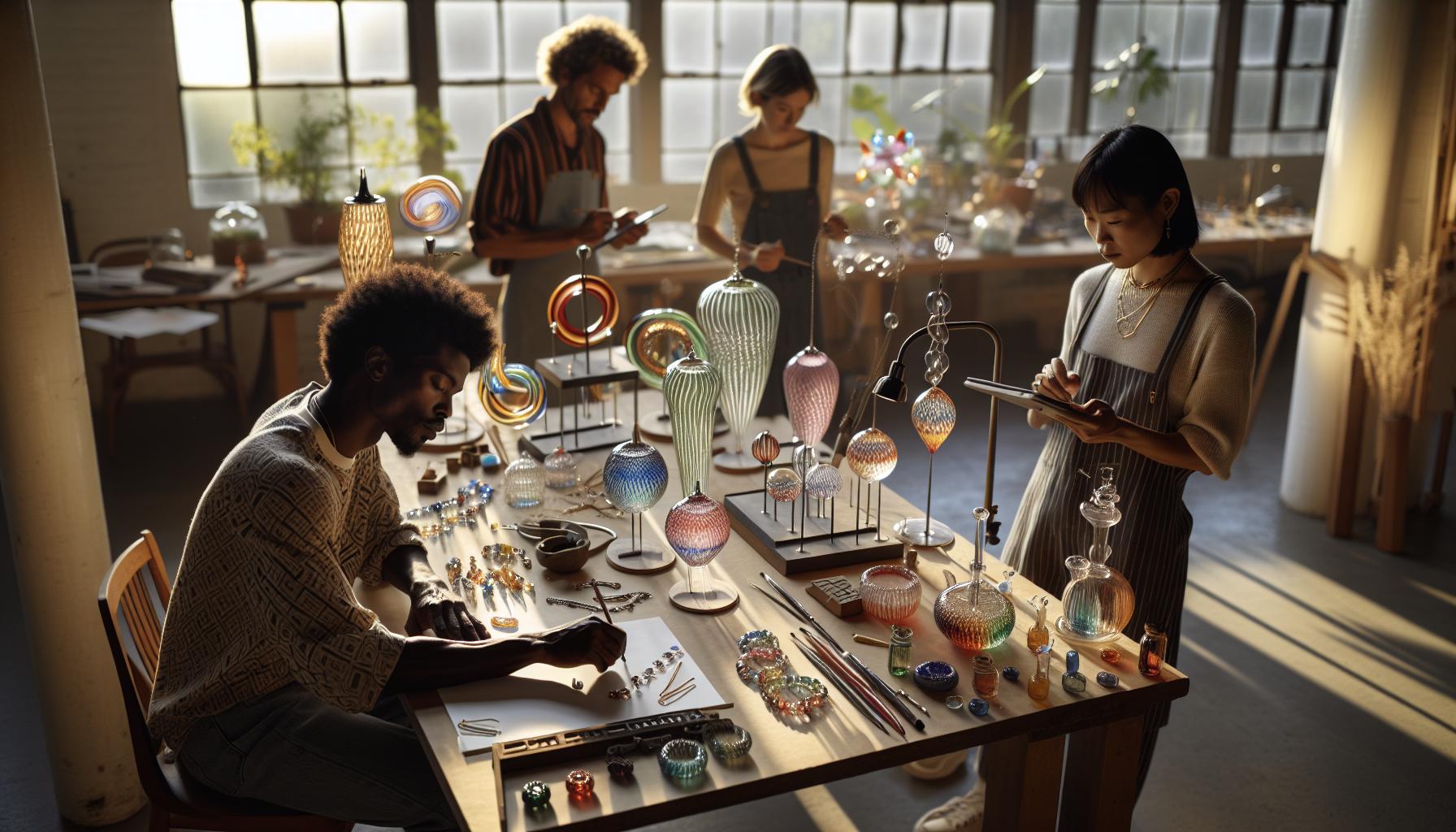
Creative Design Ideas for Wearable Glass Art
Creating wearable glass art using acrylics opens the door to an exciting realm of design possibilities! With its vibrant colors and versatility, acrylic paint can transform simple glass pieces into stunning jewelry that makes a bold statement. Here are some innovative ideas to spark your creativity:
- Layered Colors: Embrace the beauty of layering by applying various colors of acrylic paint to achieve depth and dimension in your designs. Start with a base coat and gradually add translucent layers to create a rich, multi-dimensional effect. This technique works particularly well on pendants and earrings.
- Geometric Patterns: Geometric designs are modern and stylish. Use adhesive tape to create clean lines and angles on the glass surface. Paint over the tape with your chosen colors, allow it to dry, and then carefully remove the tape to reveal sharp, professional-looking shapes. Consider mixing matte and glossy finishes for added visual contrast.
- Nature-Inspired Motifs: Capture the elegance of nature by painting floral or fauna designs. Consider using a fine brush to paint delicate flowers or leaves on the surface of a glass cuff or pendant. Adding metallic acrylics can give your artwork an extra touch of glamour, making it stand out.
- Mixed Media Approaches: Combine acrylic painting with other materials such as beads, charms, or wire. For instance, embellish your painted glass pieces with dangling elements to create movement and interest. This not only enhances the visual appeal but also adds texture to your jewelry.
- Personalized Initials: Add a personal touch by painting initials or meaningful symbols on your glass pieces. This custom aspect makes your jewelry truly unique and can be appreciated as a thoughtful gift for loved ones.
With these design ideas, you have the tools to transform ordinary glass into extraordinary wearable art that reflects your personal style and creativity. Embrace experimentation-each piece you create is an opportunity to express yourself and share your artistry with the world!
Finishing Touches: Sealing and Protecting Your Artwork
To ensure your acrylic-painted glass jewelry stands out and endures the test of time, sealing and protecting your artwork is essential. Not only does a good sealant enhance the vibrancy and lifespan of your colors, but it also provides a durable layer of protection against scratches, moisture, and everyday wear. For optimal results, consider using a clear acrylic spray or a sealant specifically formulated for use on glass surfaces. These products are designed to bond well with the acrylic paint while forming a protective barrier that’s less prone to chipping or peeling.
Before applying the sealant, make sure your painted piece is completely dry. Testing the sealant on a similar, unpainted glass surface can help ensure compatibility and give you a preview of the final finish. When ready, apply the sealant in a well-ventilated area, holding the spray can approximately 10-12 inches from the surface. Use smooth, sweeping motions to create an even coat without over-saturating any area, which can lead to drips or uneven texture. For pieces that will be worn frequently, like bracelets or pendants, consider applying multiple thin coats, allowing each to dry thoroughly between applications.
Once sealed, it’s important to care for your artwork correctly. Gently clean your glass jewelry with a soft, damp cloth and avoid abrasive cleaners that could damage the finish. Store your pieces separately or in soft pouches to minimize scratches when they’re not in use. With these finishing touches, your acrylic glass creations will not only look beautiful but also boast lasting durability, keeping your artistic expressions vibrant and eye-catching for years to come.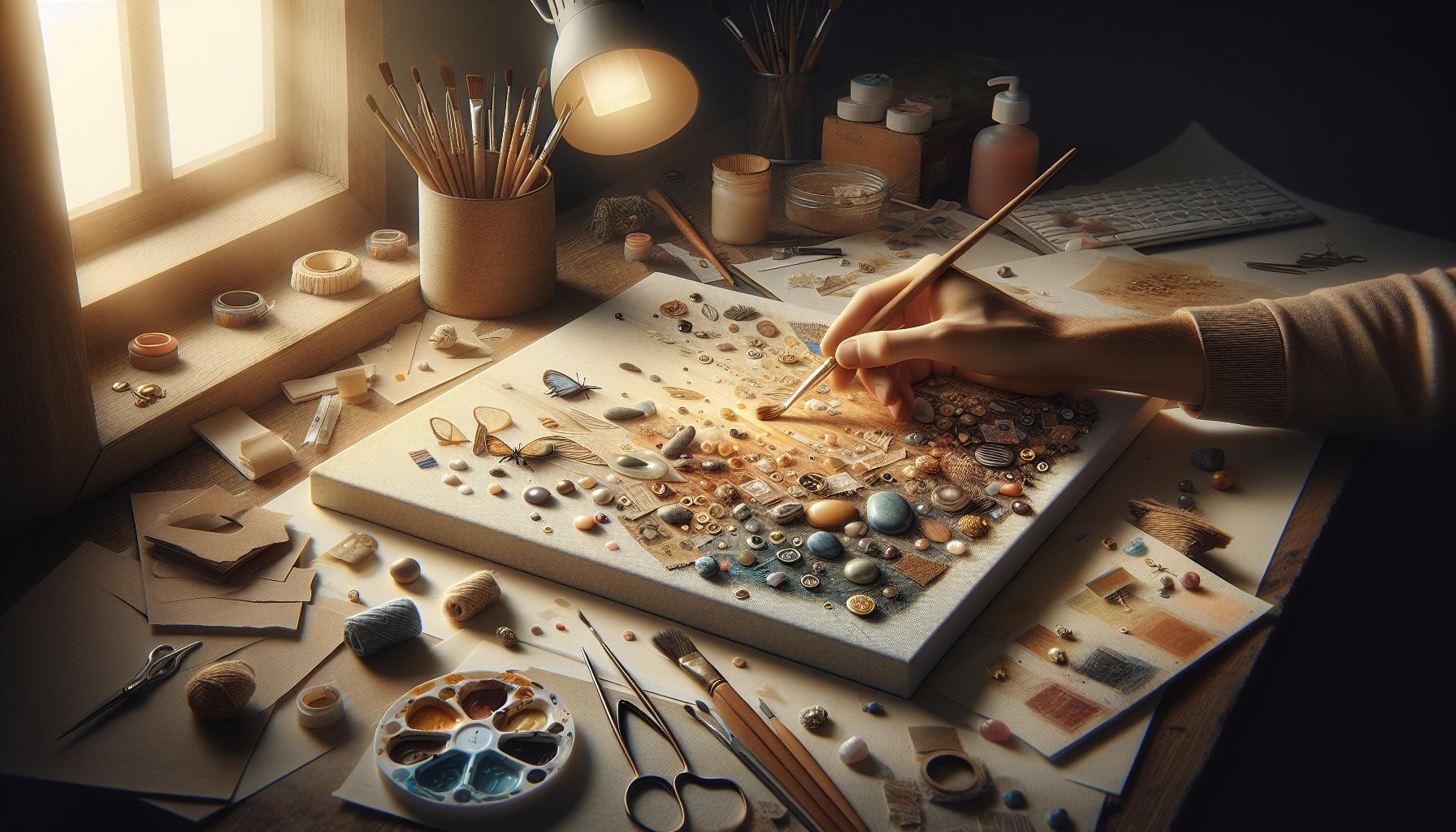
Incorporating Other Materials: Mixed Media Inspiration
Combining acrylics with other materials can elevate your glass art to extraordinary levels, creating pieces that are not only visually stunning but also rich in texture and meaning. The beauty of mixed media lies in the ability to layer, juxtapose, and contrast diverse materials, allowing each component to shine while contributing to a cohesive final product. For example, consider integrating metal findings, such as wire or chains, with your acrylic-painted glass to introduce a new element of strength and metallic luster that contrasts beautifully against the clear, glossy surface of the glass.
Explore Textural Elements
Adding natural materials such as wood beads, leather, or fabric can imbue your acrylic glass art with warmth and depth. These materials can be attached using strong adhesives specifically meant for combining unlike surfaces, ensuring durability while allowing your creativity to flow. Imagine creating a statement necklace, where shimmering acrylic-painted glass formations are interspersed with rustic wooden beads. This combination can invoke a sense of both elegance and earthy charm, appealing to a wide audience.
Innovate with Found Objects
Another exciting approach is to incorporate found objects into your designs. Consider elements like vintage buttons, charms, or even pieces of broken ceramic integrated with your acrylic work. These items tell a story and encourage a creative dialogue between different artistic expressions. For instance, a pendant that features a painted glass center highlighted by a delicate antique button can attract attention and spark conversation, making each piece uniquely yours.
- Color Harmony: Choose materials that complement the color palette of your acrylic art to create a unified look.
- Layering Techniques: Experiment with layering different materials to enhance dimension in your jewelry.
- Finish Variety: Mix smooth acrylic surfaces with the rough textures of natural materials for a compelling contrast.
By thinking outside the box and embracing mixed media, your wearable art can resonate on multiple levels. Not only will you showcase your talent for painting with acrylics on glass, but you’ll also establish a distinctive voice in the vibrant world of jewelry artistry. With creativity as your cornerstone, the possibilities for innovation are endless.
Troubleshooting Common Acrylic Glass Issues
When working with acrylics on glass, encountering issues is a common part of the creative process. However, understanding how to troubleshoot these challenges can transform setbacks into learning experiences and enhance your artistry. One frequent issue is paint adhesion; if your acrylic paint begins to peel or chip, it may be due to insufficient surface preparation. Ensure the glass surface is thoroughly cleaned and free from oils or residues before applying paint. A gentle wash with warm, soapy water followed by a rinse and wipe with rubbing alcohol can create a clean slate for better adhesion.
Another common concern is the occurrence of bubbles or streaks in your paint. This can happen when the paint is applied too thickly or if it’s not mixed adequately. To avoid this, use a fine brush for intricate details and apply the paint in thin layers, allowing each layer to dry completely before adding more. If bubbles do form, gently pop them with a pin or a fine brush before the paint dries to maintain your piece’s smooth finish.
Lastly, consider potential environmental factors such as temperature and humidity when working. Extreme conditions can affect drying times and the way paint adheres to glass surfaces. Ideally, work in a well-ventilated space with consistent temperature control, and avoid painting on humid days to ensure optimal conditions for your artwork.
By being aware of these common issues and employing simple strategies for resolution, you can enhance the quality and longevity of your acrylic glass art. Remember that every challenge presents an opportunity to refine your techniques and create even more remarkable pieces.
Caring for Your Wearable Art: Maintenance Tips
When you create stunning wearable art from acrylic paint on glass, it’s essential to care for your pieces properly to ensure they maintain their beauty and durability over time. Many artists might not realize that the way you store and clean your acrylic glass jewelry can vastly impact its appearance and longevity. Familiarizing yourself with effective maintenance tips can transform your creations from merely beautiful objects into cherished pieces that stay vibrant and fresh.
To keep your acrylic glass jewelry looking its best, start with proper cleaning. Use a soft, lint-free cloth to gently wipe down the surface. Avoid abrasive materials or harsh chemicals, as these can scratch the acrylic or damage the paint. A mild soapy solution or a cleaner specifically designed for acrylic is ideal. Furthermore, always wash your pieces with cool water; hot water can warp the acrylic over time. It’s best to avoid soaking your jewelry, as prolonged exposure to water can weaken the bond of the paint and the glass.
Storage is another critical factor in the maintenance of your wearable art. Always store your acrylic pieces in a cool, dry place away from direct sunlight, which can fade colors and weaken the integrity of the material. Consider using a soft pouch or a lined box to keep your jewelry from scratching against other items. If you have multiple pieces, try to separate them to avoid risk of chipping-small compartments can be incredibly useful for this purpose.
Additionally, if your wearable glass art features any embellishments such as beads or metal components, it’s wise to check them regularly for signs of wear or tarnishing. Cleaning metal parts with a dedicated jewelry cleaner can ensure they stay polished and shiny. Always allow your jewelry to dry fully before wearing it again to prevent moisture buildup, which can lead to issues over time.
By following these maintenance tips, you can help preserve the artistry and craftsmanship that goes into each piece of acrylic glass jewelry, keeping them as stunning as the day they were created. Your art deserves to be enjoyed for years to come, and with attentive care, you can keep your wearable pieces in excellent condition while proudly showcasing your artistic flair.
Where to Sell Your Handcrafted Glass Jewelry
Selling your handcrafted glass jewelry can be as exciting as creating it. With the right approach, your unique acrylic pieces can find their way to appreciative customers. To start, consider utilizing both online and offline platforms to maximize your reach and build a passionate customer base.
One effective avenue is to set up an online store through popular marketplaces such as Etsy or Shopify. These platforms cater specifically to handmade and unique items, allowing you to connect with a broad audience of potential buyers. Invest time in creating eye-catching photographs that showcase the beauty and craftsmanship of your pieces. Clear, well-lit images from different angles can make a significant difference in drawing customers in. Additionally, writing detailed descriptions that highlight the unique aspects of your jewelry, including materials used and the inspiration behind your designs, will help your items stand out.
Participating in Local Markets and Events
Local craft fairs, farmers’ markets, and art shows are fantastic opportunities for selling your jewelry face-to-face. Engaging directly with customers allows you to share the stories behind your pieces and receive immediate feedback. Setting up an inviting booth with attractive displays can draw people in and encourage them to explore your collection. Consider collaborating with other local artisans to create a shared space, which can attract more visitors and enhance the overall shopping experience.
Social Media and Marketing
Utilizing social media platforms like Instagram and Pinterest can also be a game-changer for promoting your acrylic glass jewelry. These visual platforms are perfect for showcasing your creations through engaging posts, stories, and reels. Build a community by interacting with your followers, sharing behind-the-scenes looks at your creative process, and announcing new collections or sales. Pair your social media efforts with a well-designed website where customers can learn more about you and shop easily.
Ultimately, the key to successfully selling your handcrafted glass jewelry lies in presenting your artistry authentically and connecting with your audience. By leveraging a mix of online and offline strategies, you can not only boost sales but also cultivate a loyal customer base that appreciates the unique beauty of your work.
Promoting Your Acrylic Glass Creations Online
Selling acrylic glass creations online can open up a vibrant world of opportunities to express your artistic vision while reaching potential customers globally. With the right strategies, you can effectively showcase your unique pieces and connect with an audience eager for one-of-a-kind jewelry. Start by focusing on building a visually appealing online presence that tells the story of your work, allowing customers to connect with both the artistry and the artist behind the creations.
Investing in high-quality photography is crucial. Capture your pieces in natural light, using backgrounds that complement the vibrant colors and intricate designs of your acrylic glass art. Consider multiple angles and close-ups to highlight details, as clear photographs can dramatically increase buyer interest. Additionally, provide context by showcasing your pieces in wear-models or styled settings can help customers envision how your art fits into their lives.
Utilizing Social Media for Promotion
Social media platforms like Instagram, Pinterest, and Facebook are vital tools for promoting your acrylic jewelry. Create a content calendar to post consistently, featuring not just finished products but also your creative process, behind-the-scenes insights, and customer testimonials. Engaging with your audience through comments and direct messages can promote loyalty and excitement about your brand. Run targeted ads to broaden your reach, focusing on users who have expressed interest in handmade or unique jewelry.
Creating a Dedicated Website
A well-structured website acts as the central hub for your online presence. Use a user-friendly platform to showcase your collections and include an e-commerce feature for straightforward purchases. Make sure your website reflects your brand’s essence-opt for clean, elegant designs that allow your art to shine. Important pages to consider include an ‘About’ section to share your story, a blog for updates and tutorials, and an FAQ page to address common customer questions about care and shipping details.
Incorporate email marketing by collecting emails from your website visitors. Sending newsletters featuring new collections, promotions, and showcasing customer stories can keep your audience engaged and encourage repeat purchases. By effectively promoting your acrylic glass creations, you can build a loyal customer base and see your artistic expressions translated into wearables enjoyed by many.
Inspiration from Successful Acrylic Artists
Artists transforming glass into wearable art using acrylics draw inspiration from both traditional and contemporary methods, creating stunning pieces that capture light and enhance personal style. One such innovative artist is Kathy Doughty, known for her ethereal designs that blend color and form. Kathy emphasizes the importance of experimenting with different layering techniques and tools, allowing each piece to develop a unique narrative. Her work often incorporates mixed media elements, combining acrylics with metal and beads, enriching the visual texture and depth of her pieces.
Another prominent figure is Chad McDaniel, who takes a minimalist approach to his acrylic glass jewelry. His key advice is to focus on simplicity and clarity; he often uses bold colors against clear glass to create striking contrasts. Chad highlights the potential of negative space in designs, encouraging artists to consider how the absence of material can be as impactful as its presence. This approach not only makes the jewelry lightweight but also enhances wearability.
For those seeking to ignite their creativity, looking at the styles of established acrylic artists can open up new ways of thinking about design. As Erin O’Neill illustrates with her intricate patterns, using stencils to create repetitive designs brings a rhythm to her work that resonates with collectors. She suggests that beginners start by experimenting with small pendants or earrings, allowing them to gain confidence while refining their skills.
A valuable tip for aspiring acrylic glass artists is to join online communities or attend workshops where they can share their work and receive feedback. Engaging with others not only fuels inspiration but also fosters a supportive environment where artists learn and grow together. Embracing the community aspect of art can lead to collaborations, further enhancing one’s craft while also providing motivation through shared experiences.
Frequently asked questions
Q: What types of acrylic paints are best for glass art?
A: For glass art, use high-quality acrylic paints labeled for glass use or acrylics that become water-resistant once dry. These options ensure durability and better adhesion. Look for brands that offer vibrant colors specifically designed for glass surfaces to enhance your artistic creations.
Q: Can I use acrylic markers on glass for wearable art?
A: Yes, acrylic markers work well on glass and provide precision for detailed designs. Choose markers that are compatible with glass and permanent once dried. This method allows for fine lines and intricate patterns, perfect for wearable pieces. Ensure you seal your artwork to protect it from moisture.
Q: How can I create a more textured effect on glass using acrylics?
A: To achieve texture on glass with acrylics, experiment with tools like sponges, brushes, or pallet knives during application. Alternatively, try mixing a texture medium into your acrylic paint. This enriches the surface finish, giving your wearable art a unique and tactile quality.
Q: How do I safely remove acrylic paint from glass if needed?
A: To remove acrylic paint from glass, use warm soapy water or a mixture of vinegar and baking soda. Soak the area, then gently scrape with a non-abrasive tool. For stubborn spots, try rubbing alcohol or a commercial paint remover. Always test in a small area first.
Q: What is the best way to seal acrylic glass art for longevity?
A: Use a clear acrylic sealer or spray varnish to protect your glass art. Ensure the paint is completely dry before applying. A sealant prevents chipping and maintains bright colors. For wearables, consider using a gloss finish for an eye-catching appearance and protection against moisture.
Q: Is it possible to incorporate gemstones with acrylic glass art?
A: Absolutely! You can combine gemstones with your acrylic glass art to enhance its aesthetic. Secure gemstones using an adhesive suitable for glass and ensure the integration complements your design. This mixed-media approach adds depth and visual interest to your handcrafted pieces.
Q: How can I improve adhesion of acrylic to glass surfaces?
A: To enhance adhesion of acrylic on glass, clean the surface thoroughly to remove oils and residue. Lightly sand the glass to create a textured surface, promoting better paint bonding. Additionally, consider applying a primer designed for glass before acrylic painting for optimal results.
Q: What are some common mistakes to avoid when painting glass with acrylics?
A: Common mistakes include using the wrong type of acrylic paint, painting on dirty glass, and not allowing adequate drying time between layers. Avoid overloading the brush, as this can lead to drips. Always test your techniques on scrap glass before moving to your project.
To Wrap It Up
Ready to transform your glass into stunning wearable art? With the acrylic techniques we’ve explored, you now have the skills to create unique, eye-catching pieces that are sure to impress. Don’t let your creativity sit idle-gather your materials and get started today! For more tips on jewelry care and maintenance, check out our guides on cleaning metals and gems, and access our DIY tutorials to further enhance your crafting abilities.
As you embark on this creative journey, we invite you to subscribe to our newsletter for the latest updates and exclusive content. Have questions or want to share your creations? Join the conversation in the comments below or connect with us on social media! Don’t forget to explore related topics like starting your own jewelry shop and authentication methods to elevate your craftsmanship even further. Let your imagination shine bright and keep crafting beautiful memories through your art!
Expert Guide & Insights: How To Get Into The Jewlery Stor In Jail Break
When exploring how to get into the jewlery stor in jail break, consumers, collectors, and fashion enthusiasts frequently encounter conflicting advice regarding material composition, wearability, authenticity verification, and long-term maintenance. In this specialized guide section, we provide an expert breakdown of key considerations, care recommendations, and practical solutions.
| Key Consideration | Primary Mechanism / Feature | Recommended Action | Value / Durability Impact |
|---|---|---|---|
| Material Integrity & Alloys | Purity standards (925 silver, 14k/18k gold, titanium, acrylic polymers) | Check official hallmark stamps and certificates before purchase | ★★★★★ High durability & heirloom retention |
| Daily Wear & Environmental Factors | Exposure to moisture, sulfur, sweat, perfume, and abrasive friction | Remove accessories before swimming, heavy workouts, or applying cosmetics | ★★★★☆ Prevents tarnish, chipping, and fading |
| Long-Term Storage & Cleaning | Atmospheric oxidation and chemical exposure over time | Store in airtight zip pouches with silica desiccant; polish with soft cloth | ★★★★★ Restores original mirror luster |
Frequently Asked Questions: How To Get Into The Jewlery Stor In Jail Break
What should I know about how to get into the jewlery stor in jail break?
Detailed examination reveals that addressing how to get into the jewlery stor in jail break depends on proper handling, choosing hypoallergenic materials, and adhering to routine cleaning protocols.
How can I preserve the quality and appearance of my pieces?
Always store items individually to prevent scratch contact, avoid harsh chemical detergents or chlorine pools, and use specialized polishing cloths designed for precious metals and acrylics.
Get our latest guides, news, and insights highlighted in your Google Search & AI Overviews.