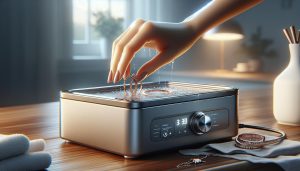
Removing acrylic nails at home can be a daunting task, but with the right knowledge and techniques, it becomes a manageable DIY project. Many people opt for acrylics for their longevity and stunning aesthetic, yet when it’s time to remove them, they often worry about damaging their natural nails. This guide will walk you through safe, effective methods to remove acrylics at home without the need for professional help, ensuring your nails stay healthy and strong. Understanding the process and using the right tools can make all the difference, giving you the confidence to take care of your nails. So, let’s explore the best practices that will not only save you time and money but also empower you to maintain your nail health while enjoying beautiful nails.
How to Assess if You Can Remove Acrylics Safely
When considering whether you can safely remove your acrylic nails at home, it’s essential to evaluate both your experience level and the condition of your nails. Assess your skill and comfort with nail care. If you’re inexperienced or unsure about the process, it may be wise to consult a professional. Additionally, reflect on how long you’ve had the acrylics; the longer they’ve been on, the more they might be fused to your natural nails, which can complicate the removal process.
Next, examine the health of your natural nails. Are they brittle or damaged? If your nails are prone to splitting or peeling, you should prioritize gentle methods to avoid exacerbating any existing issues. Check for signs of lifting at the base of the acrylic; this can indicate that it might be easier to remove. If the acrylic appears secured tightly and is structurally intact, it might require a more cautious approach, utilizing soaking methods rather than aggressive filing or scraping.
Consider your access to tools and solvents, especially acetone, which is typically essential for a safe removal. If you have these at hand, you can proceed with confidence, but remember that without the proper materials, attempting to remove acrylics can lead to nail damage or painful mishaps.
In summary, by evaluating your experience, the condition of your nails, and the availability of necessary tools, you’ll gain clarity on whether it’s wise to undertake this DIY project yourself or whether it would be safer to seek professional help. Taking these factors into account will empower you to make an informed decision that prioritizes your nail health.
Essential Tools for a DIY Acrylic Removal
When tackling the task of removing acrylic nails at home, having the right tools is crucial for ensuring a safe and effective process. Armed with proper supplies, you’ll not only make the removal easier but also protect your natural nails from potential damage. Here’s a rundown of essential tools that should be in your DIY acrylic removal kit.
Key Tools for Acrylic Removal
- Acetone: This solvent is a must-have for breaking down acrylic materials. Opt for pure acetone or acetone-based nail polish removers, which work faster than non-acetone options. If you’re concerned about skin drying, consider acetone-free removers, but be prepared for longer soak times.
- Nail Clippers: Before soaking, trim your acrylic nails as short as possible without hitting the natural nail. This reduces the amount of acrylic you need to remove and minimizes the risk of damage to your real nails.
- File or Buffer: A coarse nail file can help remove the top layer of the acrylic and allow the acetone to penetrate better. However, be gentle to avoid filing into the natural nail.
- Cotton Balls or Pads: Soak them in acetone and apply these directly to the acrylic nails. They help keep the acetone in contact with the acrylic, enhancing its effectiveness.
- Foil or Nail Wraps: Wrapping your fingers with foil after placing soaked cotton balls on your nails keeps the acetone from evaporating, ensuring a more effective soak session.
- Cuticle Pusher or Orangewood Stick: After soaking, gently push off the softened acrylic with a cuticle pusher. Be careful to avoid damaging the natural nail underneath.
- Moisturizing Cream or Oil: After the removal process, it’s essential to hydrate your nails and cuticles, as acetone can be quite drying.
Having these tools ready will streamline your acrylic removal process and minimize the risk of nail damage. Proper preparation not only leads to a smoother experience but also leaves your nails healthier for future applications. Remember, patience and care during removal are key to maintaining your nail health, so take your time and follow the recommended steps for the best results.
Step-by-Step Guide to Removing Acrylic Nails
Removing acrylic nails can seem daunting, but with the right approach, you can do it safely and effectively at home. It’s essential to follow a systematic method to avoid damaging your natural nails while ensuring that the acrylic comes off cleanly. Here’s a straightforward, step-by-step guide to help you through the process.
Start by preparing your workspace and gathering the necessary tools: pure acetone, cotton balls or pads, aluminum foil, nail clippers, a coarse nail file, a cuticle pusher, and moisturizing cream. Begin by trimming your acrylic nails as short as possible without cutting into your natural nail. This will reduce the bulk of the acrylic and make the removal process easier.
Next, file the top layer of the acrylic gently using a coarse nail file. This step is important as it helps the acetone penetrate the acrylic more effectively. Make sure to avoid filing too aggressively to prevent damage to your natural nails.
Now, soak the cotton balls in pure acetone and place them directly on your nails. To keep the acetone from evaporating and to enhance its effectiveness, wrap each fingertip with a small piece of aluminum foil. This creates a snug environment that allows the acetone to work its magic over time. Let your nails soak for about 20-30 minutes, checking occasionally to see if the acrylic is softening.
After soaking, gently use a cuticle pusher or an orangewood stick to push off the softened acrylic. If the acrylic isn’t coming off easily, you may need to soak for an additional 10-15 minutes. Avoid using excessive force, as this can damage your natural nails. Once all the acrylic is removed, give your nails a quick wash with soap and water to remove any residual acetone.
Finish up your nail care routine by applying a nourishing moisturizing cream or cuticle oil to hydrate your nails and cuticles, as acetone can be quite drying. Following these steps will help ensure that your acrylic removal process is efficient while minimizing any potential damage to your natural nails.
Tips for Soaking Off Acrylics Without Damage
Soaking off acrylic nails can be a delicate process, but with the right techniques, you can ensure that your natural nails remain healthy and intact. To begin, it’s important to use pure acetone, as it breaks down the acrylic material most effectively. Here are some practical tips to make your soaking process as damage-free as possible.
Start by preparing your nails: trim them down as much as possible without compromising your natural nail bed. This not only minimizes the thickness of the acrylic but also reduces soaking time. After filing the top layer of the acrylic lightly, soak a cotton ball in pure acetone and place it on top of your nail. Wrap each fingertip with aluminum foil to hold the cotton in place and prevent the acetone from evaporating. This creates a closed environment that enhances the soaking process. Aim to let your nails soak for about 20-30 minutes, periodically checking for softness.
Monitor and Gentle Removal
As the soak progresses, keep an eye on your nails. If the acrylic doesn’t start to lift easily after 20-30 minutes, reapply the acetone-soaked cotton and foil for another round of soaking. Once the acrylic becomes soft, use a cuticle pusher or orangewood stick to gently push off the acrylic. Take care to avoid any forceful scraping, as this can damage your natural nails. If pieces do not come off easily, return to soaking rather than forcing them off.
After all the acrylic is removed, wash your hands with soap and water to eliminate any acetone residue. Follow up with a high-quality moisturizing cream or cuticle oil. These products help rehydrate your nails and cuticles, which can feel dry after exposure to acetone. Remember, the key is to be patient and gentle throughout the process to maintain your nail health. Incorporating these tips into your acrylic removal routine can lead to a much safer and effective experience.
Dealing with Stubborn Acrylics: Effective Techniques
When it comes to removing stubborn acrylic nails, patience and the right techniques are key. If you’ve soaked your nails in acetone and the acrylic isn’t lifting as expected, there are several effective strategies to try. First, ensure you’re using pure acetone, as it’s the most effective solvent for breaking down acrylic. If your current method isn’t working, consider adjusting your approach rather than risking damage to your natural nails.
One effective technique is to re-soak the nails. If you find that the acrylic isn’t softening after the initial soak, reapply acetone-soaked cotton balls and aluminum foil. Letting the nails soak for an additional 15-20 minutes often loosens the stubborn acrylic. Additionally, try heating the acetone slightly before soaking or using a bowl of warm water under the acetone bowl to create a gentle warming effect. This can enhance the effectiveness of the acetone and help the acrylic dissolve more efficiently.
For particularly resilient acrylics, you can also gently file the top layer of the acrylic after soaking. Ensure you only file enough to remove the shiny top layer; this scratches the surface and allows the acetone to penetrate more deeply. However, be careful not to file too aggressively, as you don’t want to damage your natural nails underneath. If parts of the acrylic remain stubbornly stuck, using a wooden cuticle stick for gentle lifting can help, but exercise caution to avoid any force.
If, after several attempts, the acrylic still won’t budge, consider seeking professional help. It’s crucial to prioritize the health of your natural nails, and nail technicians have the tools and expertise to assist without causing damage. Remember, each nail situation is unique, and sometimes stubborn acrylics require a little extra care and attention to remove safely.
Post-Removal Nail Care and Repair Tips
After the meticulous process of removing acrylic nails, your natural nails might feel like they’ve been through the wringer. They may be fragile, dehydrated, or even exhibit some discoloration. To rejuvenate your nails and promote optimal recovery, incorporating effective care and repair strategies is essential.
Firstly, consider applying a nourishing cuticle oil or a rich hand cream immediately after removal. These products can provide essential hydration and help restore moisture to both your nails and the surrounding skin. Opt for oils rich in vitamins, such as vitamin E or jojoba oil, which can aid in strengthening and repairing your nails. Regular applications can also help to rehydrate and rejuvenate your skin, preventing dryness or cracking.
Strengthening Treatments
To reinforce your nails, introducing a strengthening treatment is advisable. Look for nail serums or polishes that contain ingredients such as keratin, biotin, or calcium. These components are renowned for boosting nail health, enhancing thickness, and reducing brittleness. Apply these treatments consistently for the best results, following the product instructions carefully.
Maintain a Healthy Diet
Your diet plays a critical role in the health of your nails. Consuming a balanced diet rich in vitamins, minerals, and proteins can encourage nail growth and strength. Incorporate foods like eggs, nuts, leafy greens, fish, and whole grains into your meals. Staying hydrated is equally important; drinking plenty of water helps keep your nails and skin well-hydrated.
Gentle Filing and Shape Maintenance
As your nails grow back, gentle filing can help prevent breaking and splitting. Use a fine-grit nail file and avoid aggressive filing, which can damage the nail bed. Maintain a rounded or oval shape, which is less prone to breakage compared to sharp edges. Also, refrain from using your nails as tools to open things or scrape surfaces, as this can lead to unnecessary stress and possible injury.
By following these post-removal care tips, you’re not only ensuring a smoother transition back to your natural nails but also enhancing their overall health and resilience. Embrace the opportunity to pamper and protect your nails, leading to strong and beautiful results.
Common Mistakes to Avoid When Removing Acrylics
When tackling the task of removing acrylic nails at home, many people inadvertently make the process more complicated and damaging than it needs to be. One of the biggest pitfalls is being overly aggressive during the removal process. Instead of carefully soaking and gently pressing on the acrylic, some may resort to forcibly prying them off, which can severely damage the natural nail bed underneath. This can lead to painful injuries and elongated recovery times.
Another common error is skimping on the soaking time. Rushing this critical step often results in insufficient breakdown of the acrylic, leading to more stubborn residue that can be difficult to remove. Always allow adequate time for the nails to soak; using pure acetone and cotton balls wrapped in aluminum foil can significantly enhance effectiveness. It’s equally important to avoid using non-acetone removers, as they are typically ineffective against professional-grade acrylics.
Using the wrong tools also presents a challenge. Many DIY removals suffer when individuals rely on makeshift implements such as sharp objects or household items to scrape the acrylic off. This not only risks tearing the natural nail but can also lead to infections if not done properly. Instead, utilizing a dedicated cuticle pusher or the softest tools possible is advisable for gentle removal.
Lastly, neglecting nail care post-removal is a critical mistake. After acrylics are removed, nails require nourishment and hydration. Failing to apply cuticle oil or a hydrating nail treatment can leave nails brittle and vulnerable. Taking time for proper aftercare not only restores the health of the nails but sets the stage for stronger growth in the future. Prioritizing these aspects can transform a daunting acrylic removal into a safe and effective process.
Alternatives to Removing Acrylics at Home
When considering how to manage acrylic nails that you no longer want, it’s essential to explore options that prioritize the health of your natural nails. While many individuals choose to remove acrylics at home, there are several alternatives that can simplify the process and minimize potential damage.
One viable option is to visit a professional nail technician. While this may seem like a more costly choice upfront, professional removal often ensures that your natural nails remain intact and healthy. Nail salons utilize effective products and techniques to dissolve the acrylic safely, and trained professionals can assess your nails’ condition, addressing any potential issues. If you have concerns about your natural nail health after removing acrylics, or if the acrylics are particularly stubborn, seeking expert help is a commendable route.
If you prefer a DIY approach but wish to avoid using acetone, consider using nourishing and gentle alternatives. For instance, a warm olive oil soak can help loosen the acrylic and condition your nails simultaneously. This method requires patience but can be less harsh than traditional removal techniques. Here’s how you can do it:
- Warm Olive Oil Method: Heat some olive oil until it is warm (not too hot to touch) and soak your fingers in it for about 15-20 minutes.
- Gentle Lifting: After soaking, gently attempt to lift the acrylic from the nail bed using a soft tool.
- Repeat if Necessary: If the acrylic isn’t lifting easily, re-soak and try again. This method may take longer, but it is considerably gentler on your natural nails.
Lastly, consider minimizing the need for removal altogether by scheduling regular fills or maintenance appointments. This allows you to keep your nails looking fresh while extending the time between full removals, reducing potential damage over time. By being proactive with regular upkeep, you can enjoy the aesthetic appeal of acrylics without the stressful removal process looming over you.
Embracing these alternatives not only preserves your natural nails but also empowers you to make informed choices about nail care. Whether choosing to go professional or adopting a nurturing DIY approach, your nails will thank you for the care and consideration!
When to Seek Professional Help for Acrylic Removal
Knowing when to enlist the help of a professional for acrylic nail removal can save you from potential damage to your natural nails and surrounding skin. If you’re experiencing any discomfort, such as pain or irritation, it’s advisable to stop what you’re doing and seek a trained nail technician’s assistance. Professional nail technicians have the expertise and tools necessary to safely and effectively remove acrylics without harming your natural nails.
Another key indicator that it’s time to seek professional help is if your acrylic nails are particularly thick or have been on for an extended period. While at-home removal methods can work, they often require a significant amount of time and patience-qualities that can be in short supply when facing stubborn acrylics. Professionals are equipped with specific products, such as high-grade acetone and various buffing tools, that can expedite the process while minimizing damage.
Additionally, if you notice signs of nail fungal infections, such as discoloration, brittleness, or unusual nail growth patterns after removing acrylics, consulting a professional is crucial. These issues may not only stem from acrylic nails but could also be exacerbated by improper removal techniques. Seeking help from a professional ensures you get a proper assessment and necessary treatment for your nails.
Ultimately, while attempting a DIY approach can be tempting, understanding your limits and recognizing when to go pro is essential. The health of your natural nails should always come first, and professionals are there to help you maintain that health while keeping your manicure on point.
Maintaining Healthy Nails After Acrylics
After removing acrylic nails, your natural nails may feel weak or sensitive. This transition period is crucial for restoring their health and strength, and simple practices can make a significant difference. To ensure that your nails recover well, consider adopting a multi-faceted approach that includes hydration, protection, and nourishment.
First and foremost, keep your nails moisturized. Frequent use of cuticle oil or a good hand moisturizer can help restore essential moisture lost during the acrylic process. Hydration is key! Look for products containing nourishing ingredients like jojoba oil, vitamin E, or almond oil. Apply these oils directly to your nails and cuticles before bedtime for deeper penetration. Additionally, a hand cream that deeply moisturizes can benefit not only your skin but also the underlying nail bed.
Strengthening Your Nails
To reinforce your nails post-acrylics, consider incorporating a nail strengthening treatment into your routine. Many over-the-counter options are available, which can help restore keratin levels in the nails and prevent future breakage. Products that contain ingredients such as biotin, keratin, or calcium can be particularly effective. Apply these treatments as directed, typically once or twice a week, to enjoy stronger, healthier nails.
Practicing Good Nail Hygiene
Maintaining good nail hygiene is an essential part of nurturing your nails back to health. This includes regularly trimming your nails to prevent them from snagging or breaking, as well as gently buffing them to smooth any ridges or imperfections. Avoid excessive filing, which may weaken the nails further. Instead, opt for a gentle nail file and go with the natural shape of your nails to avoid stress points that could lead to cracks.
Finally, be mindful of what you expose your nails to. While your nails are recovering, minimize exposure to harsh chemicals found in cleaning products or nail polishes. If you must use these products, consider wearing gloves to shield your hands. Slowly reintroducing nail polish and other cosmetics will help you monitor how your nails respond and ensure they remain healthy through the process.
By following these simple yet effective strategies, you can pave the way for beautifully healthy nails after acrylic removal. Remember that patience is key; allow your nails time to strengthen and recover, and they will thrive in the long run.
DIY Nail Care Products You Can Use at Home
Taking care of your nails after the removal of acrylics is essential for restoring their health and resilience. The good news is that you don’t need to search far and wide for effective nail care products; many DIY solutions can provide the nourishment and protection your nails need. By utilizing everyday ingredients, you can create nourishing treatments that are both simple and effective.
To start, consider making your own cuticle oil. A blend of natural oils, such as jojoba oil, coconut oil, and sweet almond oil, can work wonders in moisturizing your cuticles and promoting healthy nail growth. Simply mix equal parts of these oils in a small bottle and apply it to your nails and cuticles daily. The hydrating properties of these oils will help restore moisture after the acrylics have been removed.
Another great DIY option is a nail strengthener. You can create one by combining one part lemon juice with two parts olive oil. The lemon juice invigorates the nails while the olive oil provides deep hydration. Soak your nails in the mixture for about 10-15 minutes, or simply massage it into your nails and cuticles. Regular use can help strengthen your nails and reduce brittleness.
Don’t overlook the benefits of a homemade nourishing hand mask. Mix honey and yogurt for a moisture-rich treatment that can rejuvenate dry hands and nails. Apply the mixture, leave it on for 15-20 minutes, and rinse off. This can become a delightful self-care ritual while simultaneously caring for your nails.
Lastly, using a gentle exfoliant made from sugar and olive oil can promote circulation and remove dead skin around your nails. Simply combine equal parts of sugar and olive oil, massage it onto your hands and nails, and rinse off. This not only leaves your hands feeling soft but also prepares your nails for subsequent treatments.
Incorporating these simple DIY nail care products into your post-acrylic routine can significantly enhance the health of your nails, helping them bounce back more robustly. Remember, consistent maintenance is key to achieving beautiful, strong nails!
Expert Advice on Avoiding Acrylic Damage
To ensure that your nails remain healthy and robust throughout the process of removing acrylics, it’s crucial to follow certain expert guidelines aimed at minimizing damage. Many people opt to remove acrylic nails at home, but without the right approach, this can lead to weakened and brittle natural nails. Here’s how you can protect your nails during this process.
Start by assessing the condition of your nails. If you notice significant lifting or if the acrylic nails are coming off on their own, this could indicate that they’re easier to remove than others. However, if they are still securely attached, avoid the temptation to rip them off, which can lead to tearing your natural nail. Instead, gently file the surface of the acrylic to thin it out as much as possible. This step is essential since it reduces the length of time your nails will need to soak in acetone, consequently minimizing exposure.
When it comes to soaking, always opt for pure acetone, as this is the most effective solution for dissolving acrylic material. To protect the surrounding skin and cuticles from the harsh effects of acetone, consider applying a protective layer of petroleum jelly around your nails. Additionally, instead of direct soaking, saturate a cotton ball in acetone, place it on your nail, and wrap it in aluminum foil. This technique prevents excess acetone from evaporating and keeps the focus on breaking down the acrylic, all while allowing you to monitor progress more effectively.
After successfully removing your acrylics, the care you provide your nails is equally important. Use a gentle buffer to smooth out any rough patches but avoid over-buffing, which can lead to further thinning of your natural nails. Follow this with intensive hydration-think nourishing oils or creams-to restore moisture. Remember, taking a break before reapplying any enhancements is vital for recovery. This downtime allows your nails to regain strength, preventing future damage and promoting overall nail health.
By artfully combining preservation techniques and mindful post-care, you can enjoy the freedom of DIY acrylic removal without compromising your nail integrity. Keep these expert tips in mind to ensure your nails emerge stronger and healthier from the process.
Frequently asked questions
Q: How do I safely remove acrylic nails at home without damaging my natural nails?
A: To safely remove acrylic nails, soak them in acetone for 30-40 minutes. Use a wooden stick to gently pry them off after softening. For gentler alternatives, try soaking in warm soapy water. Apply cuticle oil afterward to nourish your natural nails. For detailed steps, refer to the “Step-by-Step Guide to Removing Acrylic Nails” section.
Q: What should I do if my acrylic nails are hard to remove?
A: If your acrylic nails are stubborn, apply a fresh coat of acetone and let it sit longer, up to 60 minutes. Gently file the top layer and repeat soaking if needed. Use a cuticle pusher to work under the acrylics softly. For additional techniques, check the “Dealing with Stubborn Acrylics” part of the guide.
Q: Can I use anything besides acetone to remove acrylic nails?
A: Yes, if you prefer a non-acetone method, you can try soaking your nails in warm, soapy water or using a nail file to thin the acrylic. However, these methods may take longer and require more effort. After removal, follow up with the “Post-Removal Nail Care Tips” for optimal recovery.
Q: How can I prevent damage to my natural nails during acrylic removal?
A: To prevent damage, avoid aggressive filing and soaking times longer than recommended. Always hydrate your nails with cuticle oil after removal and consider using a moisturizing cream. For full care strategies, refer to the “Post-Removal Nail Care and Repair Tips” section.
Q: What are the signs that I need to see a professional for acrylic removal?
A: If you experience significant pain, excessive cracking, or bleeding while removing acrylics, it’s best to seek professional help. Furthermore, if your nails seem brittle or damaged, a nail technician can provide proper care and restoration. Check the “When to Seek Professional Help for Acrylic Removal” section for more insights.
Q: Is it necessary to use a specific tool for removing acrylic nails?
A: Using a wooden stick or a specific acrylic nail remover tool is recommended for safe removal. These tools help you apply controlled pressure and minimize damage. For a complete list of essential tools, see the “Essential Tools for a DIY Acrylic Removal” section.
Q: How do I care for my nails after removing acrylics?
A: After acrylic removal, moisturize your nails with cuticle oil and avoid exposing them to harsh chemicals for at least a week. Nutrient-rich oils or creams can aid recovery. Check the “Post-Removal Nail Care and Repair Tips” for additional strategies on nurturing your nails back to health.
Q: Why is it important to remove acrylic nails properly?
A: Proper removal of acrylic nails is crucial to maintain nail health and prevent long-term damage. Incorrect methods can lead to nail trauma, thinning, and infections. For best practices, see the “Common Mistakes to Avoid When Removing Acrylics” section to ensure safe removal.
Concluding Remarks
As you wrap up your journey on safely removing acrylics at home, remember that proper nail care can rejuvenate your natural nails and leave them looking their best. It’s crucial to take your time and follow each step to avoid damage. If you’re interested in enhancing your nail care routine further, check out our guide on the Joy of DIY Nail Care at Home for more tips and techniques [[1]] or explore creative nail ideas for your next big event with our engagement nail ideas list [[2]].
Ready to dive deeper into DIY nail techniques? Subscribe to our newsletter for exclusive tips and updates, or visit our blog to explore more about nail health and care. Your nails deserve the best, and with the right tools and knowledge, you can achieve stunning results right at home. We encourage you to share your thoughts or experiences in the comments below-your insights can help others on their nail care journey, too!