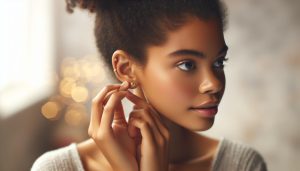
Did you know that custom jewelry pieces painted with floral designs can turn heads and flatter any outfit? Painting flowers with acrylic paint not only enhances the beauty of your jewelry but also allows for a personal touch that reflects your unique style. Whether you’re a seasoned artist looking to expand your repertoire or a DIY enthusiast eager to try something new, this guide will take you step-by-step through the process of creating stunning floral designs on various jewelry pieces. Dive in to discover essential tips, techniques, and materials that will empower you to transform ordinary jewelry into extraordinary wearable art. Your journey into the colorful world of custom-painted jewelry begins here!
Exploring the Benefits of Acrylic Paint for Flowers
Exploring the vibrancy and versatility of acrylic paint can significantly enhance your floral jewelry designs. Acrylic paints offer a unique combination of qualities that make them ideal for painting flowers on various jewelry materials, including wood, metal, and resin. Their quick-drying nature allows artists to layer colors efficiently, enabling the creation of intricate floral designs without the prolonged waiting time associated with oil paints. Additionally, acrylics maintain excellent color fastness, ensuring your floral artwork resists fading even with daily wear.
One of the standout benefits of using acrylic paint is its remarkable adaptability. It can be thinned with water for a watercolor-like effect or used in thicker applications for a more textured appearance. This feature provides artists with the flexibility to explore different techniques, whether you prefer a delicate wash of color or bold, textured blooms. Furthermore, acrylics can be easily blended on the palette or directly on the jewelry surface, allowing for seamless transitions and depth when creating flower petals and leaves.
For those concerned about the longevity of their artwork, acrylics are not only resilient but also water-resistant once fully cured. This quality is particularly important for jewelry that may come into contact with moisture. To further enhance durability, finishing techniques such as applying a clear sealant can protect the painted flowers from scratches and wear, ensuring your creations remain stunning over time. The sheer range of colors available in acrylic paints also invites creativity, making it easy to match your floral designs with a variety of jewelry styles and colors, ultimately allowing your personality to shine through in your handcrafted pieces.
Essential Supplies for Painting Flowers on Jewelry
To create stunning floral designs on jewelry with acrylic paint, having the right supplies at your fingertips is essential. Whether you’re a seasoned artist or a beginner eager to embark on your creative journey, the tools you choose can significantly impact your results. Utilizing high-quality materials not only enhances your artistic capabilities but also ensures that your floral jewelry turns out as beautifully as envisioned.
Start with acrylic paints, the heart of your project. Opt for a brand that offers a wide range of colors, as the variety will allow for more vibrant and dynamic flower designs. Soft-bodied paints are particularly recommended for detail work, while heavy-bodied acrylics work well for texture. Don’t forget to include a palette for mixing your colors-this can be a simple ceramic plate, a disposable palette, or a professional artist’s palette, depending on your budget.
Your brushes are also crucial; a selection of various sizes will help you achieve different effects, from fine lines for delicate petals to wider strokes for background washes. Look for brushes specifically designed for use with acrylics, as they hold moisture well and don’t shed bristles easily. Additionally, having water containers to rinse your brushes and keep your workspace tidy is essential.
Consider utilizing sealers as finishing touches to your artwork. Clear acrylic sealants can protect your designs from scratches and fading, allowing your painted flowers to withstand daily wear and tear. For those working with different surfaces, such as metal or wood, a good quality primer can help the paint adhere better and enhance the vibrancy of your colors.
Lastly, don’t underestimate the value of protective gear-an apron or smock will keep your clothing safe from paint splashes, and gloves can help you maintain a clean working environment. By equipping yourself with these essential supplies, you will set a strong foundation for creating beautiful, lasting floral jewelry that showcases your creativity and passion.
Step-by-Step Guide to Painting Flowers with Acrylics
To create beautiful floral designs on custom jewelry using acrylic paint, it’s essential to approach the process with a clear step-by-step method. Begin by selecting your jewelry piece, whether it’s metal, wood, or resin, and ensure it’s clean and free from dust or grease, as a well-prepped surface allows for better paint adhesion.
Start with a light sketch of your flower using a pencil or fine-tip marker. This guide will help you keep proportions in check and map out where you want your colors to go. Once you have the design laid out, choose your color palette. Acrylic paints are versatile and can be mixed to create custom shades, so don’t hesitate to experiment to achieve the perfect hue for your blooms.
Next, using your finest brush, begin with the base color of the petals. Apply the paint in smooth, even strokes, layering thin coats to build up the color gradually. It’s crucial to work in sections, allowing each area to dry slightly before adding the next color or detail. After the base coat has dried, switch to a smaller brush for the details like highlights or shadows. Adding depth is simple: just mix a little white or a darker shade with your petal color for highlights and shadows, respectively.
Lastly, seal your masterpiece once it’s completely dry. Apply a clear acrylic sealant to protect your painted jewelry from wear and tear. This finishing touch not only enhances color vibrancy but provides a glossy finish that elevates the overall look. Remember, practice makes perfect. Don’t be discouraged by initial attempts; each painting will help hone your skills and develop your unique style.
Tips for Custom Jewelry Designs Featuring Flowers
Creating stunning floral designs on custom jewelry is not only a creative endeavor but also a wonderful way to express your personal style. When designing jewelry that features flowers, consider incorporating various elements to enhance the overall aesthetic. A captivating piece often includes a thoughtful combination of color, shape, and texture. Here are some tips to help you craft unique floral jewelry that stands out.
To begin with, think about the type of flowers you want to represent. Each flower carries its own symbolism and can influence the design profoundly. For instance, roses can suggest romance, while daisies may convey cheerfulness. Use these meanings to guide your color choices and style. When selecting your acrylic paint, pick shades that complement each other and reflect the emotions or themes you want to convey. Mixing colors directly on your palette can yield beautiful, custom hues that elevate your designs.
Additionally, consider incorporating texture into your jewelry. You can achieve this by layering different styles of paint application, such as using sponges for a dappled effect or fine brushes for intricate petal details. Adding embellishments like beads or gems can create depth, making your floral designs more visually interesting. Using varying brush strokes will also enhance the illusion of petals catching the light, bringing your flowers to life.
Lastly, don’t forget about the overall form of the jewelry piece itself. Whether designing earrings, pendants, or bracelets, the shape and style can harmonize with your floral designs. For example, a curved bracelet could mimic the natural growth of a vine, while a geometric earring may serve as a modern backdrop for a bold floral statement. Experimenting with different materials for your base, like wood or metal, will also affect how your painted flowers appear, allowing you to create a cohesive look that brings your vision to fruition.
Common Mistakes to Avoid When Painting Flowers
When it comes to creating floral designs with acrylic paint on custom jewelry, even seasoned artists can stumble upon common pitfalls that can detract from their beautiful creations. One significant mistake is not properly preparing the surface of the jewelry piece. Whether you’re working on wood, metal, or resin, ensuring that the surface is clean and, if necessary, primed can make a world of difference. A smooth, well-prepared surface allows the paint to adhere better and results in a more vibrant finish. Neglecting this step may lead to peeling or fading, discouraging your creative endeavors.
Another frequent error is overloading the brush with paint. It may seem tempting to apply thick layers for a bold look, but acrylic paint dries relatively quickly, and excessive application can result in drips and uneven coverage. Instead, focus on building color gradually. Start with thin layers and allow each layer to dry before adding more. This technique not only helps in achieving a polished finish but also allows for blending and layering of colors, adding depth to your floral designs.
Color choice is crucial, yet many artists overlook the importance of selecting complementary hues. When mixing colors for flowers, it’s easy to create shades that clash rather than harmonize. To avoid this, refer to color theory basics-colors on opposite sides of the color wheel create vibrant contrasts, while similar shades can create a more subtle, cohesive look. Creating a color palette in advance and testing it on scrap material can help you visualize the final product before committing to your jewelry piece.
Lastly, one of the most detrimental mistakes is neglecting the final protective coat. After completing your painting, skipping this step can leave your artwork vulnerable to scratches and fading. A clear acrylic sealer will not only protect your designs but can enhance the colors and shine of your flowers. Just remember to choose a sealer compatible with acrylic paint and apply it according to the manufacturer’s instructions for the best results.
By being mindful of these common missteps, you can significantly improve the quality and durability of your floral painted jewelry. Embracing a measured approach to each step will ensure that your artistic vision comes to life beautifully and withstands the test of time.
Techniques for Adding Depth and Texture to Floral Designs
To bring your floral designs on jewelry to life, mastering techniques for adding depth and texture can elevate your artwork from flat to vibrant. One approach to achieve this is through layering colors. Start with a base coat, then, once dry, apply additional colors in thin layers, allowing each to dry between applications. This method not only intensifies the color but also creates a rich, textured effect reminiscent of real flower petals.
Incorporating different paint application methods can also enhance dimensionality. For instance, using a dry brushing technique-where you dip a dry brush into a small amount of paint and lightly drag it over the surface-adds a beautiful, subtle texture that mimics the natural surface of flowers. This technique works wonders for highlighting edges or adding a touch of light without overpowering the base colors.
Another effective way to create dimension is through the use of sponging. By dabbing a sponge into acrylic paint and pressing it onto the jewelry piece, you can achieve a mottled texture that adds depth to your floral designs. Experiment with varying pressures and angles to discover new effects. Additionally, using a palette knife for certain areas can introduce sharp, defined textures that contrast nicely with softer paint applications.
To further enrich your creations, consider incorporating mixed media elements. Tiny beads or glitter can be applied to wet paint for added sparkle and texture, creating an engaging visual experience. These techniques not only enhance the aesthetic appeal of your pieces but also provide a unique tactile quality that invites closer inspection.
By experimenting with these techniques, you’ll not only enhance the beauty of your floral jewelry but also develop a style that is distinctly your own. Embrace the process of trial and error, and allow your passion for artistry to shine through in each creation.
Finishing Touches: Protecting Your Acrylic Painted Jewelry
To ensure your stunning acrylic-painted jewelry not only looks beautiful but also withstands the test of time, taking steps to protect it is essential. Acrylic paint, while versatile and vibrant, can be susceptible to scratches, fading, and wear if not properly sealed and cared for. By leveraging a few protective measures, you can maintain the integrity and appearance of your floral designs, allowing your creativity to shine for years to come.
One of the most effective ways to safeguard your painted pieces is by applying a suitable sealant. Choose a clear acrylic sealer that’s compatible with your paint. You can opt for a spray sealant for even coverage or a brush-on variety for more detailed applications. When applying, ensure that the paint is completely dry, and work in thin layers to avoid drips. Typically, two to three coats will provide optimal protection, helping to shield against moisture, UV rays, and everyday wear.
Another key consideration is how you store your jewelry. Store your pieces in a cool, dry place, away from direct sunlight which can cause the colors to fade over time. Consider using soft pouches or jewelry boxes lined with fabric to prevent scratching. You can also separate pieces, especially if they have multiple layers of paint or embellishments, to avoid unintentional rubbing or chipping during storage.
Regular maintenance is also crucial. Clean your jewelry gently using a soft cloth to remove dust or dirt. Avoid harsh chemicals or abrasive cleaners, as these can damage the paint. Additionally, it’s wise to treat your painted jewelry with the same care as more traditional materials; putting on your acrylic-painted pieces after applying perfume or lotion can help prevent discoloration.
By incorporating these protective strategies, you not only preserve the beauty of your floral designs but also contribute to the longevity of your creations. Embrace the artistry of your work and take the necessary steps to protect it, ensuring that your jewelry continues to inspire and captivate.
Creative Ideas for Combining Colors in Floral Jewelry
Combining colors effectively in floral-themed jewelry can turn your pieces from simple to striking, making a memorable statement. When you choose the right color palette, your floral designs will resonate more with your personal style and catch the eye of potential admirers. Consider exploring a few dynamic combinations that can elevate the vibrant look of your acrylic-painted creations.
One popular approach is to utilize complementary colors, which sit opposite each other on the color wheel. For example, pairing a bright yellow flower with deep purple accents can create a bold and visually dramatic look. Alternatively, using analogous colors, which are next to each other on the wheel, can produce a more serene and harmonious effect. Soft pinks, corals, and peaches can create a lovely gradient when painted together, giving depth and a lush feel to your floral designs.
Layering Techniques
To add even more vibrancy, consider using layering techniques with your acrylic paints. Start with a base color for your flower petals and layer different shades on top to create dimension. Using a slightly lighter or darker shade of your base color can help define the edges of the petals and create a 3D effect. Metallic or glitter paints can also be introduced sparingly to add sparkle and draw attention to certain areas, impacting sunlight beautifully.
Textural Play
Adding textures can further enhance the visual impact of your floral jewelry. For instance, using a sponge to apply paint can give an impressionistic texture, while fine brushes can create delicate details and fine lines. Experiment with different application tools, such as brushes, sponges, or even your fingers, to discover unique patterns and textures. Integrating various finishes, like matte and glossy, can also highlight different elements of your design.
Experimentation is key to finding your signature style. Consider creating small test pieces or swatches to see how different combinations look together. Remember, your floral jewelry is an expression of your creativity-don’t be afraid to think outside the box and mix unexpected colors for a truly unique piece!
Showcasing Your Floral Jewelry: Styling Tips
When it comes to presenting your beautifully painted floral jewelry, styling plays a crucial role in enhancing their appeal and ensuring they catch the eye. The way you choose to wear or display your pieces can transform simple designs into standout statements. Consider your jewelry as an extension of your personality; the right presentation can amplify its beauty and create a memorable impression.
To seamlessly incorporate your floral jewelry into your everyday outfits, think about pairing it with complementary colors and styles. Floral earrings or pendants can add a touch of femininity to a casual outfit, while bold floral rings can serve as the focal point of more formal wear. When layering pieces, opt for varying lengths of necklaces or stack rings of different widths to create visual interest. Aim for a balanced look by mixing textures – for instance, pairing a shiny floral brooch with matte fabrics or rugged textures like denim can create an exciting contrast.
Displaying Your Jewelry
If you’re not wearing your floral creations, consider stylish ways to display them. Create a dedicated section in your home for showcasing your jewelry collection. Use decorative trays, stands, or shadow boxes to keep your painted pieces visible and protected from dust. A lighted display case not only highlights your jewelry but also adds an elegant touch to your space. This method allows admirers to appreciate your craftsmanship and will inspire you to wear them more often.
Be sure to also accessorize according to the seasons. In spring and summer, light, bright colors and floral patterns in clothing can beautifully accentuate your jewelry, while deeper hues in the fall and winter can set a rich backdrop for your pieces. Don’t shy away from juxtaposing your floral jewelry with graphic prints or even monochromatic outfits for a modern twist.
Ultimately, your floral jewelry is an expression of creativity and personal style. Whether worn or displayed, thoughtful styling can elevate your acrylic-painted pieces from mere accessories to stunning works of art. Embrace the versatility and let your unique vision shine through in every outfit and display!
Selling Your Floral Jewelry: Marketing Strategies
In a world saturated with generic jewelry, beautifully painted floral pieces stand out as a testament to creativity and craftsmanship. If you’re passionate about selling your acrylic-crafted floral jewelry, understanding how to effectively market your unique creations is essential. Your marketing strategies can transform your artistic hobby into a viable business venture, attracting customers who appreciate the beauty and personal touch of your work.
To begin, leverage social media platforms, as they are fantastic channels for showcasing visual art. Create an Instagram or Pinterest account dedicated to your floral jewelry collection, sharing high-quality images that highlight the vibrancy and details of your pieces. Use engaging captions to narrate your artistic journey, discuss your painting processes, and explain the inspiration behind each design. Engaging content, such as time-lapse videos of the painting process or behind-the-scenes glimpses of your studio, not only captivates followers but also creates a personal connection with potential buyers. Consider using relevant hashtags, like #FloralJewelry or #AcrylicArt, to increase your visibility and reach audiences seeking unique handcrafted items.
Another effective strategy is to participate in local craft fairs and artisan markets. These venues allow you to showcase your jewelry in person and interact directly with potential customers. Having a visually appealing booth with displayed pieces and attractive signage can draw people in and encourage them to explore your collection. Offering small business cards with your contact information and social media handles can also help maintain that new connection. Additionally, consider collaborating with local boutiques to carry your jewelry, providing a physical location for customers to view and purchase your work.
To create a loyal customer base, consider launching a newsletter where you can share exclusive updates, upcoming sales, or limited-time offers on your floral jewelry. This method not only keeps your audience informed but also helps build a community around your brand. Encourage feedback and engagement by asking customers to share their stories or pictures wearing your jewelry on social media, helping to promote your pieces organically while fostering a sense of connection and community.
Ultimately, the key to successfully selling your floral jewelry lies in merging artistic passion with savvy marketing. By employing a mix of engaging online presence, community participation, and direct customer interaction, you can create a flourishing market for your exquisite acrylic-painted creations. Whether it’s through social media storytelling or local events, the potential to share your art with the world is limitless.
Caring for Acrylic Painted Jewelry: Maintenance Tips
Maintaining the beauty of acrylic-painted jewelry requires a bit of care, but it’s manageable with the right approach. Acrylic paint is relatively durable, but it can be vulnerable to certain conditions. Keeping your creations looking vibrant and fresh begins with understanding the right maintenance techniques.
First and foremost, clean your acrylic-painted pieces regularly to remove dirt and oils that accumulate over time. Use a soft, lint-free cloth slightly dampened with water or a gentle soap solution. Avoid using harsh chemicals or abrasive materials, as they can damage the paint. After cleaning, gently pat the jewelry dry, ensuring no moisture is trapped in delicate areas that could lead to paint lifting or fading.
Storage Recommendations
Proper storage is essential to preserving the integrity of your painted jewelry. When not wearing your pieces, keep them in a cool, dry place away from direct sunlight, which can cause colors to fade. Consider using a jewelry box with separate compartments to prevent scratches and tangles. If your items are more delicate, wrapping them in soft fabric or placing them in individual pouches can offer extra protection.
To further extend their lifespan, avoid exposing your jewelry to extreme temperatures and humidity, which can cause the acrylic paint to expand or contract, potentially leading to cracks. When participating in activities that may involve contact with water, such as swimming or bathing, it’s best to remove your acrylic-painted pieces to prevent water damage.
Incorporating these straightforward maintenance tips can help you enjoy the beauty and creativity of your floral-painted jewelry for years to come. With a little bit of attention, you can ensure that each piece remains as vibrant and inspiring as the day you crafted it.
Inspirational Floral Painting Ideas for Jewelry
Creating floral designs on custom jewelry with acrylic paint not only adds a personal touch but also showcases your creativity in a vibrant way. Whether you’re a seasoned artist or a beginner experimenting with jewelry design, there’s a world of possibilities to inspire your floral painting endeavors.
One effective idea is to explore the concept of layering flowers for a more dynamic look. Start with a base of broad petals, like daisies or poppies, in soft pastel colors. Then, overlay more delicate flowers such as forget-me-nots or violets in vivid hues to create depth. This technique not only enhances the visual complexity of your jewelry but also allows you to practice blending colors seamlessly.
Another approach includes incorporating seasonal themes into your designs. For instance, if you’re painting for spring, think about using bright yellow sunflowers or gentle cherry blossoms. In contrast, autumn hues can feature warm oranges and reds symbolizing changing leaves. These seasonal motifs resonate well with wearers and can turn your pieces into conversation starters, reflecting the beauty of nature all year round.
If you’d like to elevate the artistic flair of your jewelry, consider experimenting with abstract floral patterns. Instead of depicting realistic flowers, focus on the shapes and colors that evoke the essence of nature. This method allows for greater freedom in your designs and can appeal to a broader audience. Use geometric shapes, splashes of color, and different paint techniques like splattering or dry brushing to create unique pieces that stand out.
Finally, think about personalizing your floral designs by incorporating meaningful symbols or initials within the floral patterns. This adds a unique narrative to your creations, allowing you to connect emotionally with the wearers. For example, intertwining a flower with a loved one’s initial entwined in the stems can make for a beautiful gift or keepsake.
By embracing these innovative ideas, you can transform basic pieces into striking floral jewelry that not only showcases your artistic skills but also resonates with those who appreciate handcrafted beauty. Let your imagination blossom, and watch your creations come to life!
Q&A
Q: What type of acrylic paint is best for painting flowers on jewelry?
A: For painting flowers on jewelry, use high-quality acrylic paint that is durable and has a glossy finish. Look for paint specifically labeled as suitable for crafts or jewelry, as these are formulated to adhere well and resist fading. Additionally, consider using waterproof acrylics for longevity.
Q: How can I ensure my painted flowers on jewelry won’t chip?
A: To prevent chipping, apply several thin layers of acrylic paint rather than one thick coat. Allow each layer to dry completely, and seal the painted jewelry with a clear acrylic sealer once finished. This creates a protective barrier against wear and tear.
Q: Can I use other mediums alongside acrylic paint on my jewelry?
A: Yes, you can creatively combine mediums. Mixing acrylic paint with techniques such as resin or using markers for details can enhance your floral designs. Just ensure that the materials are compatible and adhere properly to your jewelry base.
Q: How should I prepare my jewelry before painting flowers on it?
A: Preparation is key for painting success. First, clean the jewelry with a mild soap solution to remove any oils. Then, lightly sand the surface to help the paint adhere better. Finally, wipe it down with a cloth to ensure it’s dust-free before starting your design.
Q: What tips can help create more realistic flower designs on jewelry?
A: To create realistic floral designs, study real flowers for color and shape inspiration. Layer different shades to add depth, and use a fine brush for detailing. Incorporate techniques like dry brushing or stippling to achieve texture, enhancing the overall look of your painted flowers.
Q: Is it necessary to use a primer before painting on jewelry?
A: While not always necessary, using a primer can improve paint adhesion and vibrancy. A primer provides a better base for the acrylic paint, especially on slick surfaces, helping the colors to pop and ensuring a longer-lasting finish.
Q: How can I fix mistakes when painting flowers on my jewelry?
A: If you make a mistake, gently scrape or wipe away the wet paint with a damp cloth. For dried paint, use fine sandpaper to carefully remove the error, then repaint over the area. Always allow each layer to dry completely between corrections to maintain a clean finish.
Q: Are there specific tools I should use for painting flowers on jewelry?
A: Essential tools include fine-tipped brushes for detailing, a palette for mixing colors, and a small water container for rinsing brushes. Avoid synthetic brushes if you want fine detail, as they can create harsh lines. Experiment with different brush shapes for various effects.
For more tips and insights, check out sections on “Creative Ideas for Combining Colors in Floral Jewelry” and “Caring for Acrylic Painted Jewelry: Maintenance Tips” in our full article. Happy painting!
The Conclusion
Thank you for joining us in this creative journey of painting flowers on custom jewelry! Now that you’ve grasped the essentials of using acrylic paint to add vibrant floral designs, it’s time to let your imagination bloom. Remember, practice makes perfect, so don’t hesitate to experiment with different color combinations and techniques. For more tips on jewelry care, check out our guides on cleaning metals and gems, or explore DIY tutorials to further enhance your crafting skills.
Ready to showcase your masterpieces? Share your creations in the comments below or on social media-your beautiful work might inspire others! If you found this tutorial helpful, consider subscribing to our newsletter for more expert advice and exclusive content. Explore our shop for supplies and tools that will elevate your jewelry-making game. Embrace your creativity and keep crafting stunning pieces that tell your unique story!