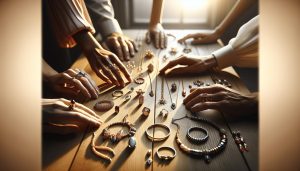
Jewelry-making is a creative outlet that not only allows you to express your unique style but also gives you the satisfaction of crafting something beautiful by hand. Wire earrings, in particular, are a fantastic starting point for beginners-offering endless possibilities for customization while requiring minimal tools and materials. Did you know that jewelry-making can also be a meditative practice, helping to reduce stress and promote mindfulness? In this easy-to-follow guide, you’ll learn step-by-step how to create your own wire earrings, complete with tips to personalize your designs. Whether you’re aiming to craft a stunning pair for yourself or create thoughtful gifts for loved ones, you’ll find that with just a little practice, you can unlock your creative potential and enjoy the rewarding journey of jewelry-making. Let’s dive in and start making your own one-of-a-kind wire earrings!
Beginner Tools and Materials for Wire Earrings
Crafting your own wire earrings is an exciting and accessible way to explore your creativity while indulging in the art of jewelry making. To embark on this rewarding journey, you’ll first need the right tools and materials, which can significantly enhance your crafting experience. With a few basics in hand, you can turn your ideas into beautiful pieces that reflect your unique style.
Start with essential tools such as wire cutters, round-nose pliers, and flat-nose pliers. Wire cutters will help you snip your wire to the desired length, while round-nose pliers are perfect for creating loops, necessary for connecting different components. Flat-nose pliers are useful for gripping wire securely and bending it into shape. Additionally, having a ruler or measuring tape is crucial to ensure precise measurements, especially if you’re making paired earrings that need to match.
When it comes to materials, a good quality jewelry wire is your foundation. Copper and sterling silver wires are popular choices for beginners, as they are both flexible and easy to manipulate. You will also need ear wires (hooks, posts, or hoops) to hang your earrings, along with any additional embellishments like beads or charms for unique flair. For those looking to experiment, incorporating colored wire can add a vibrant touch to your designs. To keep your workspace tidy and organized, consider investing in a small container for beads and other findings, ensuring that everything you need is within reach as you create your stunning wire earrings.
With these beginner tools and materials, you’re well-equipped to dive into the artistic world of wire earring making!
Essential Techniques for Crafting Wire Earrings
To master wire earring crafting, it’s crucial to embrace techniques that enhance your skill level and creativity. One foundational technique is the art of forming loops, which is essential for connecting wire pieces and beads securely. By using round-nose pliers, you can effortlessly create consistent, clean loops. Start with a piece of wire, make a right-angle bend about a quarter of an inch from one end, then use the pliers to wrap the wire around until you form a complete loop, leaving enough wire to attach to your earring design.
Another vital technique is the use of wire wrapping. This allows you to create intricate designs and securely attach beads and other embellishments. To wire wrap, hold the bead with flat-nose pliers, then use the end of your wire to create a spiral around the bead. This not only secures the bead in place but also adds texture and visual interest to the earring. Practice this technique with different beads to understand how variations in size and shape affect your wrapping style.
Creating a Secure Closure
While making earrings, ensuring a secure closure is paramount for wearability. The basic way to achieve this involves bending the end of your wire to form a “spiral” closure. This method involves twisting the wire back on itself to create a small loop which you then can hook onto the ear wire. Not only does this prevent your earring from falling off, but it also adds a unique design element.
Experimenting with Styles
Don’t be afraid to experiment with different earring styles! Start with simple hooks, then try your hand at creating hoops and dangles. Adjusting the length of the wire and the placement of beads can significantly change the look of your earrings. For example, longer dangles can create a dramatic effect, while smaller hoops can be chic and minimalist. Consider sketching your design beforehand to visualize the final product.
By practicing these essential techniques, you’ll gain confidence and skill in crafting wire earrings that are not only beautiful but also uniquely reflective of your personal style. Each piece you create is an opportunity to explore your creativity, so take your time, have fun, and let your imagination guide you!
Choosing the Right Wire: Gauges and Properties
Selecting the right wire for your earring designs is crucial, as it affects not only the durability of your creations but also their aesthetic appeal. Wire comes in various materials, gauges, and finishes, each offering unique properties that can enhance your craftsmanship. Understanding these elements will empower you to make informed choices that align with your creative vision and the specific requirements of your projects.
When it comes to wire gauges, it’s essential to recognize that a lower gauge number indicates thicker wire, while a higher number signifies a finer wire. For earring making, a range of 20 to 30 gauge is commonly used, with 20-24 gauge being suitable for structural components like hooks and hoops, while finer gauges (26-30) are perfect for delicate wrapping and bead attachments. Here’s a simple breakdown:
| Gauge | Common Use |
|---|---|
| 20-24 | Structural elements (hooks, clasps) |
| 26-30 | Wrapping, delicate designs |
The material of the wire also plays a significant role in the finished product. Copper is a popular choice for beginners due to its affordability and malleability, which makes it easy to work with. However, it oxidizes over time, which can turn your creations darker. If you are aiming for longevity and resistance to tarnish, consider using sterling silver or gold-filled wire. These metals not only enhance the overall quality of your earrings but also add a luxurious touch that can elevate your designs.
Wire Properties:
- Strength: Thicker wire offers more strength but may reduce flexibility for intricate designs.
- Stiffness: Stiffer wire is better for structural components, while softer wire is excellent for wrapping.
- Finish: Choose between shiny, matte, or colored wires based on your design preferences.
Ultimately, experimenting with different wire types, gauges, and finishes is part of the creative journey. As you progress, you’ll develop a preference for specific materials that suit your style and the kind of pieces you wish to create. Embrace the process of trial and error, and don’t hesitate to keep a journal of your findings; documenting what works best for your designs can be invaluable as you deepen your jewelry-making skills.
Step-by-Step Guide to Making Simple Wire Earrings
Creating wire earrings is a rewarding endeavor that allows you to express your creativity while making beautiful accessories. With just a few essential tools and some practice, you can craft your own unique designs. Here’s a straightforward process to help you make simple wire earrings that you can be proud of.
Begin by gathering your materials. You will need:
- Wire (20-30 gauge, as previously discussed)
- Wire cutters
- Round-nose pliers
- Flat-nose pliers
- Beads (optional)
- Ear hooks
Once you have your supplies ready, follow these steps:
- Cut the Wire: Start by cutting a piece of wire, about 2-3 inches long, depending on the length of the earring you desire. For beginners, starting with a longer piece can provide more flexibility as you shape it.
- Form the Earring Shape: Using your round-nose pliers, grasp one end of the wire and bend it into a loop. This will be the top of your earring where it connects to the ear hook. Ensure the loop is closed to avoid losing the earring.
- Create the Dangle: If you want to add beads or create a dangle, slide your chosen beads onto the wire after forming the loop. You can use one bead or several, depending on your design.
- Finishing Touches: Once your dangle is in place, use the round-nose pliers to create another loop at the end of the wire to secure the beads in place.
- Attaching the Ear Hooks: For the final step, take your flat-nose pliers to open the jump ring or loop on your ear hook slightly. Thread your earring through the hook and then gently close the loop to secure it.
By keeping the process simple and intuitive, you allow your creativity to shine through. Experiment with different shapes, wire gauges, and bead combinations to discover what styles you love most. This hands-on approach not only enhances your skills but also nurtures a connection to your handmade jewelry, making wearing your creations all the more special.
Incorporating Beads and Charms for Unique Designs
Adding beads and charms to your wire earrings is a fantastic way to personalize your creations and make them uniquely yours. Beads come in an array of colors, shapes, and sizes, allowing you to create a design that reflects your style. Whether you prefer the elegance of glass beads, the rustic charm of wooden ones, or the sparkling allure of gemstones, integrating them into your wire work opens up a world of creative possibilities.
To start incorporating beads into your designs, consider the overall look you want to achieve. Here are a few tips:
- Mix and Match: Don’t hesitate to combine different types of beads! Mixing materials such as metal, glass, and wood can create eye-catching contrast.
- Use a Focal Point: Select one or two larger beads as focal points to draw attention. Surround them with smaller beads to frame your design effectively.
- Experiment with Colors: Use color theory to your advantage. Complementary colors can create a vibrant, striking look, while analogous colors can provide a more unified and harmonious feel.
- Play with Shapes: Incorporate beads of various shapes (round, square, faceted) to add depth and interest to your earrings.
When it comes to charms, they not only enhance the aesthetic appeal but can also tell a story or represent something meaningful to you. Think about incorporating a charm that reflects your interests or a special memory. To attach a charm, simply thread it onto the wire before adding the beads, or create a wire loop that the charm can hang from.
Lastly, as you work with beads and charms, always keep a theme or inspiration in mind. This focus can guide your choices and help you create cohesive and attractive pieces. By integrating these elements into your wire earrings, you’ll not only showcase your personal style but also gain the satisfaction of wearing a piece of jewelry that is truly handmade and one-of-a-kind.
Creating Various Earring Styles: Hooks, Hoops, and Dangles
Crafting wire earrings offers a delightful opportunity to express personal style, and choosing the right earring shape can dramatically enhance their appeal. Among the most popular styles are hooks, hoops, and dangles, each providing unique aesthetic qualities and wearing experiences. Understanding how to create these various styles can elevate your jewelry-making skills and help you create pieces that stand out.
Hook Earrings
Hook earrings are characterized by their simplistic, yet elegant design, which allows them to swing gently with movement. To create a hook earring, start by cutting a piece of wire approximately 2-3 inches long. Use round-nose pliers to create a loop at one end, which will be the decorative part of your earring. The other end is bent into a hook shape, creating a simple yet functional piece. You can further embellish these hooks with beads or charms to add a personal touch and ensure that they complement your style.
Hoop Earrings
Hoop earrings are a timeless classic, known for their circular shape that can range from small, delicate rings to large, statement pieces. To make simple hoop earrings, cut two equal lengths of wire, usually between 2-4 inches. Use round-nose pliers to loop one end around the plier tip, forming a small circle. Then, carefully bend the wire to shape a complete hoop and secure the other end by wrapping it around the base. Feel free to thread beads or other decorative elements onto the wire before closing the hoop for added flair.
Dangle Earrings
Dangle earrings are perfect for making a bold statement and allowing for creative design possibilities. To create dangle earrings, begin with a wire length of about 3-5 inches. After threading beads or charms onto the wire, create a loop at the top using round-nose pliers. The length of the wire can dictate how far the beads hang, and you can experiment with different combinations of materials for varied textures and aesthetic effects. For a whimsical touch, consider adding multiple layers of chains or varying lengths of wire for an eye-catching look.
Each style of wire earring offers endless possibilities for customization. Whether you prefer the elegance of hooks, the classic nature of hoops, or the bold statements made by dangles, experimenting with these designs will not only hone your crafting skills but also allow you to create pieces that truly reflect your individuality. Remember that practice makes perfect, and each pair of earrings you create is an opportunity to explore new styles and techniques. Happy crafting!
How to Finish and Secure Your Wire Earrings Properly
To ensure your wire earrings are not only beautiful but also durable and secure, finishing techniques play a crucial role. The final touches you apply can prevent your hard work from unraveling and enhance the overall look of your creations. This section will guide you through essential steps to finish and secure your wire earrings effectively.
Start by trimming any excess wire with flush cutters. It’s vital to leave a small amount to avoid sharp ends that can snag on clothing or irritate the skin. After trimming, use chain-nose pliers to gently tuck in the end of the wire, making sure it lies flat against the other wire. This step is particularly important for hook and dangle styles to minimize any potential discomfort when worn.
To further reinforce the closure, consider securing it with a small bead or crimp bead at the joint. Here’s how:
- Insert a bead: After creating a loop at the end of your wire, string a smaller bead down to the looping area before inserting the end through the loop. This adds an appealing decorative element while also reinforcing the closure.
- Using crimp beads: If you’re working with multiple strands, use crimp beads to secure connections. Thread the wire through the crimp bead, then loop it back and flatten the crimp with pliers to lock everything in place.
Once the closure is secure, double-check that all components are tightly connected and that there are no loose ends. For additional security on hooks, you might want to use a drop of clear glue on the joint after finishing all adjustments. This extra measure can help keep the wire securely in place.
Finally, finish your earrings by ensuring they are aesthetically pleasing. Give the entire piece a gentle polish with a jewelry cloth to remove fingerprints and ensure a lovely shine. Your finished wire earrings should not only be vibrant but also safe to wear, allowing you to show off your craftsmanship with confidence.
Tips for Personalizing and Customizing Your Earrings
Crafting wire earrings offers a wonderful opportunity for self-expression, allowing you to showcase your personality and style through unique designs. Personalizing and customizing your creations not only enhances their aesthetic appeal but also makes them a reflection of who you are. One effective way to begin this journey is by selecting a color scheme that speaks to you, considering both the wire and any additional materials you choose. Think about the outfits you typically wear and select hues that complement your wardrobe for versatile pieces that can transition from casual to formal settings.
Adding beads, charms, or decorative elements is an excellent way to introduce your personal flair. Consider coordinating the shapes and sizes of the beads for a cohesive look, or mix and match for a playful, eclectic style. Experimentation is key-try layering different components or creating asymmetrical designs that break traditional molds while staying chic. For instance, if you have a love for nature, incorporating floral-themed charms or leaf-shaped beads can create a thematic connection that’s both visually stunning and meaningful.
Styling Techniques for Customization
Utilizing different techniques can greatly influence the overall feel of your earrings. Here’s how you can customize your wire earrings further:
- Wire Wrapping: This technique adds texture and can be used to create intricate designs. Wrap wire around beads or other elements to secure them while enhancing their visual interest.
- Hammering: Texturing your wire by gently hammering it can create a unique appearance while increasing durability. This technique also helps to catch the light beautifully.
- Mixing Materials: Incorporating different materials like leather, resin, or gemstones can elevate your design and add depth. Don’t be afraid to experiment with contrasts to find what resonates best with you.
Remember, personalization is about what feels right to you. Take inspiration from your surroundings, art, or culture, and let that influence your designs. Creating wire earrings should be a fun and liberating experience that invites you to explore your creativity. Whether you’re crafting a pair for yourself, gift-giving, or exploring the idea of starting a jewelry business, the sky’s the limit when it comes to the possibilities of customization.
Troubleshooting Common Problems in Wire Earring Making
Creating wire earrings is a rewarding craft, but it’s not unusual to encounter some common hurdles along the way. Whether you’re a seasoned artist or just starting, knowing how to troubleshoot issues effectively can save you time and frustration. Here are some frequent problems you might face and practical solutions to get you back on track.
One of the most common issues is wire tangling or kinking while working with it. Wire can easily become twisted, especially when you’re cutting or shaping it. To prevent this, ensure that your workspace is uncluttered, and keep your wire coiled neatly or in a holder when not in use. If your wire does become kinked, try gently using your fingers to smooth it out, or you can use a pair of nylon jaw pliers to reshape it without leaving marks.
Another prevalent challenge is making sure your earrings hang correctly. If your design looks lopsided or uneven, check the placement of your beads and components. A quick fix is to ensure that any added charms or beads are evenly distributed on both sides. You might also want to measure your wires before cutting them to ensure they’re the same length, as this can greatly affect the final appearance of your earrings.
Additionally, securing your wire ends properly can sometimes be problematic. If you find that your ends are sharp or stick out, leading to discomfort, consider using a pair of round nose pliers to tuck in the ends. You can also use crimp beads to secure ends neatly if you’re working with multiple strands or thicker wires.
When experimenting with different styles, such as hooks, hoops, or dangles, you might struggle to achieve the desired shape. For this, jigs or mandrels can be incredibly helpful tools, allowing you to replicate shapes accurately and consistently. Remember to practice patience-some designs may take a few tries before they come out just right.
Lastly, if you’re finding it hard to achieve the level of creativity you desire, take breaks or even seek inspiration from other jewelry designers. With time, practice, and a little troubleshooting know-how, you’ll be able to troubleshoot effectively and develop your own unique style of wire earrings with confidence.
Caring for and Maintaining Your Wire Earrings
To keep your wire earrings looking stunning and prolong their lifespan, the right care and maintenance are essential. Regular attention to your creations not only preserves their beauty but also ensures that they remain comfortable to wear. When you invest time in crafting a pair of earrings, maintaining them becomes an integral part of enjoying and showcasing your jewelry collection.
Start by storing your wire earrings properly. Use soft pouches or a dedicated jewelry box with compartments to prevent tangling and scratching. Keeping them in separate sections helps preserve the shape and avoids any damage caused by friction. Consider using a display stand if you want to showcase your earrings while keeping them safe; this can also add a decorative touch to your space.
Cleaning your wire earrings is another crucial step in maintenance. Use a soft, lint-free cloth to gently wipe your earrings after each wear; this removes oils and dirt that can build up over time. For more thorough cleaning, you can use a mild soap solution with warm water. Soak the earrings briefly, then gently brush them with a soft toothbrush to clean any intricate designs or crevices, ensuring you rinse thoroughly afterward to remove any soapy residue.
Be mindful of the materials you’re using when caring for your earrings. If your wire or components are made from materials susceptible to tarnishing, like silver or copper, consider applying a protective coating or storing them with anti-tarnish strips. Avoid harsh chemicals and excessive moisture, which can damage not only the wire but also any beads or charms you’ve incorporated into your designs.
Lastly, keep an eye on the wire and components for signs of wear, such as bends or frays. Address these issues promptly; using pliers, you can gently reshape bent wire, or replace damaged components as needed. By adopting a routine care practice, you can ensure that your handmade wire earrings remain a beautiful and cherished part of your jewelry collection for years to come.
Inspiration Sources: Designs and Trends in Wire Earrings
In the vibrant world of jewelry making, wire earrings stand out for their versatility and creativity. Exploring current designs and trends can spark inspiration and provide fresh ideas for your own crafting adventures. From minimalist styles to intricate, layered designs, wire earrings serve as a canvas for personal expression and innovation. As you dive into the realm of earring creation, let’s consider some exciting sources of inspiration that can guide you on your artistic journey.
A great place to gather ideas is social media platforms like Instagram and Pinterest. These platforms showcase countless wire earring designs, where artisans share their unique styles and techniques. Use hashtags like #WireEarrings, #JewelryDesign, or #HandmadeJewelry to explore various themes and get a glimpse of trending styles-whether it’s the bold use of color, the fusion of materials like beads and metal, or eco-friendly approaches incorporating recycled materials. By following popular jewelry makers, you’ll not only receive constant inspiration but also learn about emerging trends and techniques.
Additionally, consider visiting online marketplaces such as Etsy or local artisan fairs. Here, you can observe how different designers interpret wire earrings-do they favor geometric shapes, or do they lean towards organic, free-form styles? Pay attention to how they combine wire with different materials such as gemstones, leather, or fabric. Engaging with the artistic community through workshops or classes can also provide hands-on learning experiences, allowing you to experiment with various techniques, from basic loops to advanced weaving methods.
Style trends often shift with the seasons, so it’s essential to stay updated on color palettes and fashion influences. For instance, in recent seasons, earthy tones and nature-inspired designs have gained popularity, reflecting a broader movement towards sustainability and simplicity in fashion. Incorporate elements from current fashion trends into your designs-think about how colors like sage green, terracotta, or soft pastels can complement your wire creations.
Ultimately, let your unique voice shine through by mixing traditional techniques with modern aesthetics. Embrace the process of exploration, whether through research, hands-on experience, or simply experimenting with materials you love. This journey of inspiration and experimentation can lead to the creation of truly one-of-a-kind wire earrings that not only express your style but resonate with those who wear them.
Starting Your Own Wire Earring Business: Key Insights
Starting your own wire earring business is an exciting venture that combines creativity with entrepreneurship. With a low initial investment and the potential for high-profit margins, many crafters find this an appealing market to enter. However, it’s essential to approach your business with a clear strategy and an understanding of the jewelry market.
One of the first steps to building a successful business is defining your unique selling proposition (USP). This may relate to your design style, the materials you use (such as sustainable or ethically sourced items), or a specific target audience. Researching competitors can help you identify gaps in the market and inspire your own unique offerings. Attend craft fairs, visit online marketplaces like Etsy, and explore social media platforms to see what styles and trends resonate with customers.
Marketing and Branding
Your brand identity is crucial in distinguishing your earrings in a saturated market. Consider creating a cohesive look across branding materials such as your logo, packaging, and online presence. High-quality images of your earrings can attract buyers and effectively showcase your craftsmanship. Utilize social media platforms like Instagram and Pinterest to share your work and engage potential customers. Incorporate storytelling into your marketing by sharing your creative process or inspiration behind each collection, which can resonate with your audience on a personal level.
Sales Channels
When deciding where to sell your wire earrings, consider a mix of online and offline options. Online marketplaces can give you immediate access to a global audience, while local craft fairs allow for face-to-face interaction and immediate customer feedback. Setting up a professional website with e-commerce capabilities can also provide a reliable sales platform. Regardless of the channels you choose, ensure that your pricing reflects the quality and uniqueness of your pieces while also covering costs and desired profit margins.
Building Customer Relationships
Customer service can be a significant differentiator in the jewelry business. Prompt communication, easy returns, and personalized touches in packaging can foster loyalty and encourage repeat purchases. Consider building a mailing list to keep customers engaged with updates about new designs, promotions, and behind-the-scenes looks at your creation process.
Creating a wire earring business is not just about selling jewelry; it’s about building a brand and community around your art. With careful planning and dedication, you can transform your passion for wire earrings into a thriving business that resonates with customers and allows for creative expression.
FAQ
Q: What wire gauge is best for making earrings?
A: For beginners, a wire gauge between 20 and 24 is ideal for making earrings. This range offers the right balance of flexibility and strength, making it easier to shape and secure while still being durable for wear. For detailed guidance, check the section on “Choosing the Right Wire: Gauges and Properties.”
Q: How can I add more style to my wire earrings?
A: To enhance the style of your wire earrings, consider adding beads, charms, or experimenting with different shapes like spirals or loops. The article’s section on “Incorporating Beads and Charms for Unique Designs” provides insightful techniques to personalize your pieces.
Q: What tools do I need to start making wire earrings?
A: Essential tools include round-nose pliers, flat-nose pliers, wire cutters, and a work surface. These basic tools will help you shape, secure, and cut the wire effectively. Refer to the “Beginner Tools and Materials for Wire Earrings” section for a complete list.
Q: How do I make my wire earrings hypoallergenic?
A: To ensure your wire earrings are hypoallergenic, use materials like sterling silver, gold-filled, or surgical stainless steel. These materials minimize irritation and are safe for sensitive skin. More information can be found in the article’s discussions on materials.
Q: Can I use regular jewelry wire for my earrings?
A: Yes, you can use regular jewelry wire, but make sure it is appropriate for earrings in terms of gauge and material. Opt for wire that is tarnish-resistant and flexible for ease of use. For specifics on wire types, refer to “Choosing the Right Wire: Gauges and Properties.”
Q: What common mistakes should I avoid when making wire earrings?
A: Avoid over-twisting the wire, choosing inappropriate materials, or neglecting to secure the ends properly. These mistakes can lead to weak or unappealing designs. The article’s “Troubleshooting Common Problems in Wire Earring Making” offers further insights.
Q: How long does it take to make a pair of wire earrings?
A: Typically, making a pair of simple wire earrings takes about 30 minutes to an hour. The time may vary based on complexity and your skill level. For a thorough guide on creating earrings, see the “Step-by-Step Guide to Making Simple Wire Earrings.”
Q: What are some tips for storing handmade wire earrings?
A: Store your handmade wire earrings in a cool, dry place, preferably in a fabric-lined jewelry box or individual pouches to prevent tangling and tarnishing. Explore more in the “Caring for and Maintaining Your Wire Earrings” section for detailed care tips.
Final Thoughts
Congratulations on completing your first pair of wire earrings! Remember, this guide was just the beginning. As you explore more about DIY jewelry, you might find our tutorials on jewelry care and styling advice incredibly helpful to ensure your creations shine bright and last long. Don’t forget to check out our article on starting a jewelry shop if you’re considering turning your new passion into a business.
You’re now equipped with essential techniques, so why not try different designs and materials to express your individual style? If you loved this guide, please subscribe to our newsletter for more jewelry-making tips and inspiration. Share your creations in the comments below, and don’t hesitate to ask questions or seek advice-I’m here to help you on your jewelry journey! Keep crafting and exploring, and let’s connect again soon!