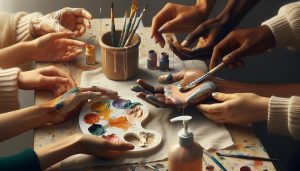
Creating lifelike skin tones with acrylic paint is a vital skill for jewelry model makers, enhancing the realism and appeal of your pieces. Have you ever struggled to achieve the perfect shade that reflects individuality and beauty? Understanding how to mix colors accurately not only brings your designs to life but also connects with your audience on an emotional level. In this guide, we’ll explore effective techniques for mixing acrylic paints to create a variety of skin tones, enabling you to elevate your jewelry models. Whether you’re a seasoned artist or a passionate beginner, mastering these techniques will empower you to express creativity like never before. So, let’s dive into the colorful world of skin tones and unlock new possibilities for your jewelry creations!
Understanding the Color Wheel for Skin Tones
Understanding the intricacies of the color wheel is vital for successfully mixing skin tones in acrylic paints, especially when crafting jewelry models. The color wheel serves as a foundation for understanding color relationships and combinations, and it can be particularly useful when aiming to replicate the diverse shades of human skin. Skin tones are not merely browns; they encompass a spectrum that includes pinks, yellows, reds, and even undertones of green and blue, which can all be harmonized through careful color mixing.
To effectively use the color wheel for skin tones, you need to identify the base colors that correspond to different undertones. For instance, warmer skin tones might be complemented with hues from the orange and red spectrum, while cooler tones can leverage blue and green undertones. Selecting a primary base, such as light beige or medium tan, and gradually incorporating adjacent colors from the color wheel allows for a more nuanced approach to skin tone creation. This method not only enhances your understanding of color relationships but also supports the development of more realistic and varied shades.
A practical exercise in this process involves using a limited palette to experiment with mixing. Start with a few basic colors-like white, yellow ochre, and burnt sienna-and mix them based on guidance from the color wheel. As you become more comfortable with the mixing process, introduce more complex colors to achieve a wider range of skin tones. Each added pigment should reflect an understanding of how colors interact; for example, adding a touch of blue can cool down warm skin tones, while a hint of red can add vitality to muted shades.
Incorporating these insights into your jewelry designs will not only enhance their aesthetic appeal but also create pieces that resonate with the wearer’s own skin tone, promoting a more personal connection to the art. By mastering the color wheel and its implications for skin tones, you can elevate your approach to making jewelry that truly reflects the beauty of human diversity.
Essential Acrylic Paints for Skin Color Mixing

Using the right acrylic paints is crucial to achieving realistic skin tones for your jewelry models, as they can often be nuanced and complex, reflecting the diversity of human skin. While there are countless colors available, focusing on a selection that allows for blending and layering will give you greater control over your work.
To start crafting authentic skin tones, consider investing in a core palette of paints that includes the following colors:
- Titanium White: Essential for lightening shades and creating highlights.
- Yellow Ochre: A warm, muted yellow that serves as a great base for both light and medium skin tones.
- Burnt Sienna: Provides a rich brown hue that’s perfect for creating depth and shadow.
- Raw Umber: A dark, cool brown that’s excellent for shadowing and darker skin tones.
- Cadmium Red or Alizarin Crimson: These reds can warm up mixes, making them perfect for rosy undertones.
- Burnt Umber: Ideal for adding depth without overpowering other skin tone mixes.
- Yellow Cadmium: Bright and sunny, this color can help to achieve warmer undertones.
When combined, these colors allow for a vast array of skin tones to be achieved. Start with a mixture of Yellow Ochre and Burnt Sienna for a base and then adjust with white or brown to lighten or darken, respectively. Remember, the key to realistic skin tones lies not just in the colors themselves, but in how they are mixed. A practical tip is to create swatches as you blend to keep track of combinations that resonate well.
Also, consider the addition of slight tints, like a hint of blue for cooler undertones or a bit of green for olive tones. Experimenting with ratios and layering can yield stunning results that mimic the vibrancy and complexity of real skin. By using a foundational set of colors and understanding how to manipulate them, you’ll empower yourself not just to create beautiful jewelry, but pieces that tell a story of diversity and identity through color.
Step-by-Step Guide to Mixing Skin Tones
Mixing skin tones with acrylic paint is both an art and a science, allowing artists to create depth and realism in their jewelry models. To start, gather your essential colors: Titanium White, Yellow Ochre, Burnt Sienna, Raw Umber, Cadmium Red or Alizarin Crimson, Burnt Umber, and Yellow Cadmium. Each color plays a crucial role depending on the skin tone you’re aiming to achieve.
Begin by choosing a base color. For lighter skin tones, mix Yellow Ochre with a touch of Titanium White to lighten it gradually. For medium skin tones, try a combination of Yellow Ochre and Burnt Sienna. If you’re working on darker skin tones, start with Burnt Sienna and add Raw Umber to create the depth necessary to replicate realistic shadows and undertones. It’s essential to mix in small increments to find the perfect hue, and remember that you can always darken or lighten a mix but can’t easily reverse the process without starting over.
As you mix, keep an eye out for nuances that can bring your painted skin tones to life. Incorporate small amounts of Cadmium Red for rosy undertones or Burnt Umber for richness. Utilizing a palette knife can aid in achieving thorough blending to avoid streaks, while a brush can help apply the color more delicately onto your jewelry models. Consider layering your mixes; a lighter base can be enhanced with slight washes of a darker tone to create depth, mimicking the way light interacts with skin naturally. Always test your mixes on a palette and observe them in different lighting conditions to ensure they meet your vision.
A practical tip is to document your color blends by creating a swatch guide, jotting down your ratios and outcomes. This not only helps in easily replicating your success in future projects but also assists in maintaining consistency across your work. By honing your skills in mixing skin tones, you empower yourself to create beautiful jewelry pieces that celebrate the diversity of human skin and tell impactful stories through color.
Tips for Achieving Realistic Skin Textures

Achieving realistic skin textures in your acrylic-painted jewelry models can elevate your work from ordinary to extraordinary. The textural nuances of human skin-such as subtle variations, light reflections, and imperfections-play a crucial role in creating lifelike representations. A few well-considered techniques can make a significant impact on the overall effect.
One effective method is layering. Start with a base layer of your chosen skin tone mix and allow it to dry completely. Then, using a dry brush technique, lightly sweep a slightly diluted darker color across the surface. This approach not only creates depth but also mimics the natural variations found in real skin textures. Incorporate a range of hues; adding subtle glazes of ochres, siennas, or even purples can simulate the natural undertones found in skin. The goal is to build complexity through transparent layers that reflect the way real skin catches the light.
Additionally, you can enhance texture by incorporating mediums into your acrylics. For example, a gel medium can create a thicker layer that can be manipulated with brushes or tools to mimic scars, freckles, and other skin imperfections. Experimenting with different brush techniques, such as stippling or sponging, can also contribute to a more dynamic surface. When painting, remember to consider the lighting; areas that catch light tend to be smoother, whereas shadows can reveal more texture, so adjust your paints accordingly.
Finally, after completing your painting, the use of a matte varnish can help unify the colors while maintaining a realistic appearance. This approach removes any overly shiny spots, creating a more authentic skin-like finish. Document your results to refine your techniques over time. Engaging in this process transforms not just your painting but brings every piece of jewelry to life with the beauty and complexity of human skin textures.
Using a Color Palette for Jewelry Styles

Using a strategic color palette is essential when creating skin tones for acrylic-painted jewelry models. Sweetly nuanced, skin tones have the power to engage and draw attention, transforming a simple piece into an eye-catching artwork. Choosing the right colors not only enhances your piece aesthetically but also reflects your artistic vision and sensitivity to diversity.
To build an effective color palette, start with a range of base colors that mimic natural skin tones. Consider incorporating a selection of:
- Light beige and ivory: for very light skin tones.
- Peach and light tan: for fair to medium complexions.
- Olive and golden hues: suitable for tanned or olive skin tones.
- Cocoa and deep browns: for darker skin shades.
These foundational colors can act as starting points, but blending them will yield even more realistic results. Experimenting with subtle undertones like pinks, blues, or yellows can add depth and richness. As you mix, remember to keep track of your color combinations and their ratios; this documentation can be invaluable for replicating successful blends in future projects.
It’s also vital to understand how lighting and material affect color perception. Different finishes, be it matte or glossy, can alter how colors appear. Thus, testing your colors on an actual piece, similar in surface to the final product, can help you visualize the outcome. Utilize a small palette or mixing sheet to experiment before applying directly on your jewelry items.
By thoughtfully selecting and mixing colors, you will be better equipped to create stunning skin tones that resonate with wearers. Whether you’re adding subtle accents to a charm, creating lifelike faces in doll jewelry, or crafting pieces that represent cultural diversity, a well-curated palette can significantly elevate your work.
Incorporating Variations for Diverse Skin Shades
Diversity in skin tones is not only beautiful but also essential for creating authentic and engaging jewelry designs. When incorporating variations for different skin shades in acrylic-painted jewelry models, it’s important to embrace a broader spectrum beyond the standard colors. This approach not only enhances the visual appeal of each piece but also acknowledges and celebrates the variety of skin tones in our world.
Start by expanding your color palette to include subtle yet impactful variations. For instance, consider developing a mixture that combines elements from multiple skin tones to create a more personalized effect. You might use:
- Variations of peach: Blending peach with hints of ochre can yield deeper undertones suited for sun-kissed skin.
- Light taupe: This shade can be an excellent base for Mediterranean complexions, providing depth and warmth.
- Mauve or lavender: Adding these colors can introduce a unique softness for lighter skin tones, evoking a radiant glow.
- Rich chestnut: A mix of cocoa and reddish hues can beautifully represent deeper tones, adding richness and dimension.
Experimenting with these colors not only provides a range of skin tones but also highlights individual uniqueness, making each jewelry piece feel distinctive. Remember that our choices can reflect the world’s diversity.
When applying these variations, focus on layering techniques to achieve realistic depths and highlights. For example, apply a lighter base and then add darker shades around key areas, such as cheekbones or joints, to create dimension. This layering technique will help you avoid flat appearances and ensure that your color choices resonate more authentically with wearers.
Don’t shy away from testing your mixes on scrap materials first to observe how the colors react under different lighting. Lighting can significantly alter how colors are perceived, and this step can save you from potential mistakes on your final pieces. Ultimately, embracing a variety of skin tones leads to jewelry that not only represents the wearer but also celebrates the unity in diversity.
Common Mistakes to Avoid in Color Mixing
Mixing skin tones with acrylic paints can be an incredibly rewarding but also tricky process, especially for jewelry makers aiming to achieve realistic and appealing effects. One of the most critical aspects to consider is avoiding common pitfalls that can lead to unsatisfactory results.
A frequent mistake is overlooking the importance of color theory. Many artists assume that creating a flesh tone simply involves combining red, yellow, and white. However, neglecting to incorporate other colors can lead to lifeless or overly flat results. Instead, be sure to explore a range of components by adding subtle undertones such as blues, greens, or browns to enrich your mixtures. For instance, a tiny touch of blue can cool down a too-warm mixture, while green can create a more pastel-like effect.
It’s also essential to test your mixtures before applying them to your project. Failing to test can result in surprises after you have painted your piece, as colors often look different when dry than they do when wet. Create swatches on scrap materials first, which allows for adjustments to be made without the risk of ruining your final piece. This practice not only saves time but enhances your understanding of how colors interact with one another under various lighting conditions.
Another common oversight is ignoring the impact of layering. Many beginners apply one flat coat of paint and expect to achieve depth and dimension. Instead, consider using layering techniques, applying a light base color first and then building up darker shades around the areas you wish to emphasize, like contours. This method helps in achieving a more lifelike appearance and prevents the final piece from appearing flat or dull.
By steering clear of these mistakes, you can elevate your acrylic color mixing skills and produce stunning, realistic skin tones for your jewelry models that truly resonate with wearers and celebrate the beauty of diversity.
Advanced Techniques for Layering Skin Colors
Creating realistic skin tones through layering can transform your jewelry pieces, making them not just visually appealing but also lifelike. The essential technique lies in understanding how to layer colors effectively to build depth and dimension. Each layer plays a crucial role in achieving the desired outcome, allowing you to showcase subtleties that mimic the natural variation found in human skin.
To start, choose a light base color that reflects the undertone of the skin you wish to create. This might involve selecting a creamy beige or a pale peach as your foundation. Once your base is dry, begin to apply a slightly darker shade around the edges of your piece, focusing on areas where contours naturally occur, such as cheekbones and the jawline. This practice adds dimension and helps to sculpt the look of your jewelry piece. Always blend well between shades; use a clean brush or a damp sponge to soften any harsh lines for a smooth transition from light to dark.
Building Layers and Adding Texture
As you layer, consider introducing additional subtle tones to add complexity. For instance, incorporating a touch of warm brown or golden yellow can contribute to the realism of the skin tone. This step is particularly effective when mixing various hues to replicate the unique characteristics of diverse skin tones. It’s important to work in thin layers-allow each to dry fully before applying the next. This method not only prevents the colors from muddling but also allows for adjustments as you go.
To further enhance realism, experiment with texturing techniques. Using a dry brush technique can create the illusion of skin’s natural texture and imperfections, making it visually interesting. You can also consider using a gloss medium over certain layers to simulate the natural shine of skin, particularly in areas where light would naturally reflect, such as the forehead or bridge of the nose.
Incorporating these advanced layering techniques not only adds depth to your pieces but also invites creativity into your process. By understanding and manipulating color in this way, you can truly celebrate the diversity of skin tones in your jewelry and create striking designs that resonate with a wider audience.
Creative Ideas for Using Skin Colors in Jewelry
Using skin colors in jewelry design can create stunning pieces that resonate with individual beauty and diversity. Not only is it an opportunity to experiment with color mixing techniques, but it also allows you to personalize your creations in a way that tells a story. By incorporating hues that reflect various skin tones, you can emphasize the connection between jewelry and the wearer’s identity, making each piece uniquely meaningful.
To creatively apply skin tones in your jewelry, consider blending them into layered designs. For instance, when crafting pendants or earrings, start with a base color that mimics a natural skin tone, then layer on additional shades to create depth. This approach can be especially effective in pieces resembling human figures or abstract representations. For added impact, consider using metallic or pearl finishes to highlight certain areas, which will bring a dynamic quality to the design.
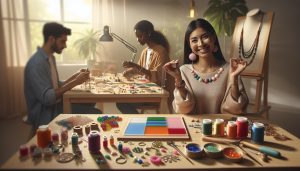
Additionally, think outside the box by integrating skin colors into patterns or mosaics. Utilizing a variety of skin tones, you can create intricate designs that celebrate diversity, such as an interlocking circle pattern symbolizing unity. Think of creating bracelets where each section reflects a different shade, representing the beauty of humanity’s diverse skin tones. This not only gives a modern twist to traditional designs but also encourages conversations about inclusivity and representation.
Harness your creativity by pushing boundaries. Explore unique forms such as textured beads, delicately painted details, or even nuanced marbling techniques that combine several skin tones into a single piece. By doing so, you’re not just enhancing the aesthetic appeal of your jewelry; you’re also elevating the emotional resonance of your work, inviting wearers to connect more deeply with your art. With careful planning and an adventurous spirit, the possibilities for using skin colors in jewelry are endless, empowering you to create pieces that inspire and evoke pride in personal identity.
Maintenance and Care for Painted Jewelry
Taking proper care of your painted jewelry is essential to preserve its beauty and longevity, especially when you’ve intricately mixed skin tones with acrylic paint. Painted jewelry can be a stunning artistic expression; however, these pieces require specific maintenance to retain their vibrancy and prevent damage. Regular care will not only enhance the aesthetics but also ensure that your personal creations remain a cherished part of your collection for years to come.
Start by keeping your painted jewelry away from direct sunlight and extreme temperatures, as these factors can cause the paint to fade or crack. When it comes to cleaning, gently wipe your pieces with a soft, lint-free cloth after each wear. Avoid using abrasive materials or harsh chemicals, as these can scratch or damage the paint. If your jewelry has accumulated dirt, use a damp cloth with mild soap to cleanse it, but be careful to avoid soaking the piece, which can lead to paint degradation.
When storing your painted jewelry, choose a cool and dry space. It’s wise to keep pieces in individual pouches or box compartments to prevent scratches and chipping. For added protection, you might wrap the jewelry in soft tissue or cloth to further absorb shocks and moisture. If your painted piece includes gemstones or metal accents, ensure those areas are also well cared for by cleaning them separately and avoiding exposure to abrasive substances.
Lastly, consider periodic touch-ups for areas that show wear or fading. Having a small set of the original acrylic paints used for the design can be beneficial for quick fixes, and applying a sealant can enhance durability. By following these maintenance tips, you can keep your painted jewelry vibrant and beautiful, celebrating the unique skin tones you’ve crafted for years to come.
Inspiration from Nature: Skin Tones Around the World
Creating skin tones for your jewelry pieces can be an inspiring journey that pays homage to the beautiful diversity found in nature. Just as human skin is a tapestry of hues influenced by various environmental and genetic factors, so too can your acrylic paint palette reflect this rich spectrum. Take a moment to observe the world around you-from the deep caramel browns of sun-kissed earth to the warm peachy tones found in delicate flower petals-each color speaks volumes about the beauty of different skin tones represented across cultures.
To capture these nuances in your jewelry creations, consider drawing inspiration from various natural elements. For example, seashells exhibit a myriad of soft, luminous shades that can help you develop pastel skin tones for your painted pieces. Similarly, observing the colors found in tree bark or the variations seen in stone can provide valuable insight into how to balance earthy, muted tones with vibrant bursts of color. Here’s how you can recreate these shades:
- Study Natural Textures: Look at the smoothness of a white sand beach compared to the rich, dark surfaces of volcanic rock. Mimicking these textures in your epoxy or paint can add depth to your jewelry.
- Mix Paints Mindfully: Start with primary colors and gradually blend in small amounts of complementary colors. For instance, mixing yellow with a touch of red and blue can help you achieve various skin tones effectively.
- Experiment with Layers: Implementing thin layers of paint can help achieve a more realistic appearance. Just as in nature, where light interacts with surface textures, layering can provide dimension to your painted skin tones.
By observing and applying these principles, you can create truly unique pieces that celebrate the diversity of skin tones around the world. It’s also beneficial to remember that each skin tone carries its own significance and interpretation in different cultures. Embracing this knowledge will not only enrich your artistry but also resonate with those who wear your creations, turning each piece into a story of beauty, culture, and the natural world.
Let your jewelry not just be an accessory; let it reflect the rich and varied tapestry of humanity through carefully chosen colors that are influenced by nature itself.
Exploring Cultural Significance of Skin Color in Art
The colors we choose to represent skin tones in art and jewelry carry deep cultural meanings that reflect the diversity and complexities of human identity. Throughout history, different cultures have utilized color to express a range of emotions, social statuses, and spiritual beliefs. In your jewelry creations, understanding this cultural significance can elevate your work, allowing each piece to resonate on a deeper level with its wearer.
Art has long been a powerful medium for exploring and celebrating the variations in skin tones, often influenced by geography, race, and tradition. For instance, in many African cultures, earth tones are predominant, symbolizing a connection to the land and heritage. Incorporating these hues can imbue your pieces with a sense of grounding and belonging. Similarly, in Indigenous cultures of North America, colors such as turquoise and deep reds can convey not only beauty but also stories of resilience and community.
When pursuing the creation of skin tones with acrylics, consider the symbolic meanings behind particular shades. For example, the use of warm peachy tones might evoke feelings of warmth and nurturing, while richer browns could speak to strength and resilience. By intentionally selecting colors that reflect these significances, your jewelry can tell a richer story, connecting the artwork to the cultural values it represents.
A practical approach to this is to research various cultural practices involving color in art. Document how different communities use color in their traditional clothing, makeup, and crafts. This research can then inform your color choices, leading to the development of a color palette that not only mimics skin tones but also honors the stories and meanings behind them. Additionally, sharing these insights with your customers can deepen their appreciation for your pieces and create a meaningful connection between the artisan and the wearer. This thoughtful approach to color can transform your jewelry from mere accessories into artifacts of cultural expression.
Frequently asked questions
Q: How do you create a base color for skin tones using acrylic paint?
A: To create a base color for skin tones, mix equal parts white and red to achieve a light peach hue. Gradually add a small amount of yellow for warmth. Adjust the mixture with touches of brown or burnt sienna to match the specific skin tone you desire.
Q: What mixing ratios are best for different skin tones in acrylic paint?
A: For darker skin tones, start with a higher ratio of brown and red, adding white to lighten as needed. For lighter tones, use more white and a hint of yellow. Experimenting with various ratios can help you achieve the perfect shade for your jewelry models.
Q: What tips can improve the realism of skin colors on jewelry models?
A: To improve realism, layer your colors using thin, transparent washes instead of opaque paint. Incorporate shadows and highlights with darker and lighter shades respectively. Additionally, refer to real skin tones for inspiration and adjust based on natural light.
Q: How can you preserve the vibrancy of acrylic skin colors on jewelry?
A: To preserve color vibrancy, apply a clear acrylic sealant after the paint dries. Choose a matte or glossy finish based on your preference. Additionally, store painted jewelry away from direct sunlight to avoid fading over time.
Q: Why is understanding skin color variations important in jewelry design?
A: Understanding skin color variations is crucial to create inclusive and diverse jewelry pieces. Incorporating a range of skin tones allows your designs to appeal to a broader audience and appropriately represent individual beauty and identity in your creations.
Q: When should you layer skin colors in acrylic painting?
A: Layer skin colors in acrylic painting after the base coat has dried. This technique allows you to add depth and realism by gradually building hues. Start with lighter shades and progressively add darker tones for volume, ensuring each layer is dry before proceeding.
Q: Where can I find inspiration for skin tone palettes?
A: Inspiration for skin tone palettes can be found in nature, photographs, or online art communities. Reference diverse images of people to understand color variations and their combinations. Additionally, art supply stores may have skin tone mixing guides or color swatches.
Q: What common mistakes should be avoided when mixing skin colors?
A: Common mistakes include using too much white, which can wash out the color, or failing to test shades on a scrap surface. Avoid underestimating the impact of small color adjustments, as even a tiny amount of a contrasting hue can dramatically change the result.
In Retrospect
You’ve now mastered the art of creating skin tones with acrylic paint for your jewelry models! With these techniques, you can elevate your craftsmanship and make your creations stand out. Ready to take your skills further? Check out our guide on color mixing techniques for even more vibrant results or explore our acrylic paint care tips to ensure your tools last longer.
Don’t forget to sign up for our newsletter for exclusive insights and updates on the latest jewelry-making trends. If you have any questions or want to share your progress, leave a comment below – we love hearing from you! Dive deeper into our resources, and let’s continue this creative journey together. Keep experimenting and expressing yourself through your jewelry creations!