Have you ever admired a piece of jewelry and thought, “I could make that”? Jewelry-making at home is not just a creative outlet; it’s a way to express your individuality while saving money on unique accessories. In this guide, we’ll explore DIY projects that anyone can master, empowering you to craft beautiful pieces from the comfort of your home. Whether you’re a beginner or someone looking to refine your skills, you’ll find invaluable tips on materials, techniques, and styling to bring your vision to life. Plus, learn how to care for your creations, keeping them stunning for years to come. So gather your supplies and let’s dive into the inspiring world of homemade jewelry!
How to Choose the Right Materials for DIY Jewellery
Choosing the right materials is essential for crafting beautiful DIY jewellery that reflects your unique style and vision. With a myriad of options available, it’s crucial to understand the characteristics of different materials to ensure your creations not only look great but also stand the test of time. Factors like durability, weight, color, and cost play a significant role in material selection. For instance, while plastic and resin are budget-friendly and come in vibrant colors, metals like sterling silver or gold provide a timeless elegance and long-lasting quality.
When selecting materials, consider the type of jewellery you wish to create. For lightweight earrings, beads made of glass or acrylic can be fantastic options, while earrings or necklaces designed for everyday wear may benefit from more durable options like stainless steel or brass. Additionally, don’t shy away from incorporating natural elements such as wood, leather, or gemstones, which can add a unique touch to your pieces.
Common Jewellery Materials
- Metals: Options include gold, silver, copper, and stainless steel. They offer different finishes and levels of durability.
- Beads: Available in glass, plastic, wood, or gemstones; beads can provide color and texture.
- Strings and Wires: Nylon thread, leather cord, or metal wire can be used depending on the style.
- Findings: These are essential components, such as clasps and earring backs, which need to match the quality of your main materials.
Before purchasing, it’s also wise to think about the intended use of your jewellery. If you plan to sell your creations, be mindful of selecting hypoallergenic materials, especially for earrings, to cater to a wider audience. Conversely, if you’re making pieces for yourself or as gifts, comfort and personal preference should guide your choices. Ultimately, the best materials for your DIY jewellery are those that resonate with your aesthetic vision while ensuring functionality and durability.
Essential Tools for Home Jewellery Making
Having the right tools is essential for crafting beautiful jewellery from the comfort of your home. Whether you are a complete beginner or an experienced crafter, having a well-stocked toolkit empowers you to bring your creative visions to life. Let’s explore some indispensable tools that can simplify your jewellery-making process and enhance your designs.
Start with the basics: pliers are your best friends in jewellery making. A set of needle-nose, round-nose, and flat-nose pliers will allow you to bend, shape, and manipulate wires and findings efficiently. Wire cutters are essential for trimming excess wire cleanly and neatly, ensuring your pieces look polished and professional. Additionally, consider investing in a crimping tool for securing bead stringing and finishes.
Essential Tools List
- Cutters: A good pair of wire cutters to snip metal wire and string.
- Pliers: Needle-nose, round-nose, and flat-nose varieties for shaping and bending.
- Bead Mat: A non-slip mat to keep beads from rolling away, making your workspace more efficient.
- Ruler and Calipers: For precise measurements and ensuring consistent sizes in your jewellery.
- Glue: A strong adhesive for fixing embellishments or stringing components.
- Storage Boxes: Organizers to keep your materials sorted, preventing clutter and saving time.
For those interested in more intricate designs, a beading loom can open up new avenues for creativity, allowing you to weave intricate patterns with beads. Additionally, an assortment of findings, like clasps, eye pins, and jump rings, is crucial as these components not only finish your pieces but also add functionality and style.
Arm yourself with these essential tools, and you will be well on your way to creating fabulous jewellery pieces. As you grow more comfortable, you may even want to explore specialized tools like a dapping block for creating textures or a jewellery saw for more advanced projects. The right tools, combined with your creativity, will ensure that your jewellery-making journey is both enjoyable and successful.
Step-by-Step Guide: Simple DIY Jewellery Projects
Creating beautiful jewellery at home doesn’t have to be a daunting task; in fact, starting with simple projects can lead to a fulfilling and creative hobby. Whether you’re crafting gifts for loved ones or designing pieces to express your unique style, these straightforward DIY jewellery projects are perfect for beginners and experienced crafters alike. With a few basic materials and tools at your disposal, you can easily embark on your jewellery-making journey.
One of the simplest projects to start with is a beaded bracelet. For this, you’ll need some elastic cord, a selection of beads that you love, and scissors. First, cut a length of elastic cord that’s about twice the size of your wrist. Then, thread your chosen beads onto the cord, arranging them in a pattern that appeals to you. Once you’re satisfied with the design, tie the ends of the cord securely and trim any excess elastic. This project not only helps you practice your skills but also results in a custom piece you can wear or gift.
Another delightful project is creating a pair of earrings using earring hooks and beads. Begin with headpins, which are short metal wires with a flat end, then thread beads of your choice onto the headpin. Once you have your desired bead arrangement, use round-nose pliers to bend the wire into a loop at the top and attach it to the earring hook. Repeat this process for the second earring, and you’ll have a matching set that’s completely unique!
Lastly, consider making a charm necklace, which is a wonderful way to showcase personal interests. Gather several charms (these could be anything from tiny pendants to intricate shapes), some decorative chain, and a clasp. Cut the chain to your preferred length and attach the charms by threading them onto jump rings, then linking those to the chain. Finally, secure the clasp to finish your one-of-a-kind necklace.
These simple projects not only allow you to explore your creativity but also provide a great foundation for more advanced jewellery-making techniques as you gain confidence. Enjoy the process, and remember-the best part of DIY jewellery is the personal touch you bring to each piece!
Creative Techniques for Unique Jewellery Designs
Creating jewellery at home offers an exciting canvas for creativity, allowing you to express your individuality and transform simple materials into exquisite pieces. Utilizing unique techniques can elevate your designs, making each item distinct and personally meaningful. One fascinating approach is incorporating mixed materials-combining metal, leather, wood, or fabric can lead to unexpected and appealing contrasts. For instance, a metal pendant can be paired with leather cords for a more edgy look, while wooden beads can soften an otherwise bold chain.
Another creative technique is customizing the finish of your materials. Don’t hesitate to alter the appearance of metals with beads, which can be achieved through patinas or oxidation for an antiqued effect. For a fresh twist, consider using resin to encapsulate flowers or other decorative elements, allowing you to create pieces that highlight personal memories or seasonal inspirations. This not only adds depth but also serves as a conversation starter.
Experimenting with asymmetry can also yield stunning results; asymmetrical earrings or necklaces can present a modern flair that draws the eye. You can achieve this through varying shapes, sizes, and arrangements of beads or charms. For example, try using longer chains on one side of a necklace paired with shorter pieces on the other or mix up bead sizes to create visual interest.
Lastly, don’t underestimate the power of layering in jewellery design. Create stackable bracelets or layered necklaces, allowing wearers to combine various textures and colours. This technique not only expands styling options but also caters to personal style preferences, as each person can adjust their combinations based on mood or occasion.
By intertwining these creative techniques into your jewellery-making practice, you can forge a path filled with innovative designs that speak to your craftsmanship and personal flair. Enjoy the process of discovery, and let your imagination lead the way!
Understanding Different Types of Jewellery Styles
Understanding the diverse styles of jewellery not only enhances your creativity but also informs your choices as you embark on your DIY jewellery-making journey. Each jewellery style carries its own characteristics and aesthetic, providing endless inspiration for creating personalized pieces that reflect your unique taste. From the delicate intricacies of vintage designs to the bold statements of modern aesthetics, knowing these styles can guide your material selection, design techniques, and ultimately, your finished product.
Popular Jewellery Styles
- Bohemian: Emphasizing a free-spirited vibe, Bohemian jewellery often incorporates natural materials, colorful beads, and intricate metals. Layers of necklaces or bracelets and the use of tassels are common features, making it perfect for a relaxed, artistic look.
- Minimalist: This style is defined by simplicity and elegance. Minimalist jewellery typically uses clean lines, geometric shapes, and a muted color palette, focusing on the beauty of basic forms. It’s an excellent choice for those who appreciate an understated yet sophisticated aesthetic.
- Vintage: Drawing inspiration from the past, vintage pieces often showcase detailed craftsmanship, ornate designs, and intricate settings. Using antique materials or replicating old-world techniques can lead to stunning pieces that tell a story.
- Statement: Statement jewellery is designed to stand out. This style often features large gemstones, bold colors, or unique shapes, making it a great choice for those looking to express their personality or make a fashion statement.
- Art Deco: Recognized for its geometric patterns, bold colors, and luxurious materials, Art Deco jewellery reflects the glamour of the 1920s and 30s. Incorporating these elements can add a touch of historical elegance to your designs.
Each of these styles offers a different approach to creativity and self-expression, allowing you to explore various design techniques and materials. For instance, if you lean towards Bohemian jewellery, consider mixing a variety of textures and colors, while a minimalist approach would encourage you to focus on fewer elements that are beautifully crafted and thoughtfully paired.
Remember, the beauty of DIY is that you can take inspiration from these styles while adding your own twist. Whether you select classic colours, experiment with unconventional materials, or draw from multiple influences, your craftsmanship will translate your vision into wearable art.
Tips for Properly Caring for Your Handmade Jewellery
Taking pride in your handmade jewellery means not only creating beautiful pieces but also ensuring they remain in pristine condition. Proper care can prolong the life of your creations and keep them looking stunning for years to come. To safeguard your jewellery, remember that elements like moisture, heat, and chemicals can be detrimental. Therefore, it’s crucial to develop a routine for care and maintenance that suits your specific pieces.
Daily Care Tips
Keeping your jewellery safe starts with simple daily habits. Here are some effective strategies:
- Remove Before Activities: Always take off your jewellery before engaging in physical activities, such as exercise, swimming, or household chores. This prevents physical damage and exposure to harsh chemicals.
- Avoid Contact with Chemicals: Perfumes, lotions, and cleaning products can tarnish metals and dull stones. Apply these products before putting on your jewellery, allowing them to dry completely.
- Store Wisely: Store pieces separately to avoid tangling and scratching. Use soft pouches, jewellery boxes with compartments, or hooks to keep your jewellery organized and safe.
Cleaning Your Jewellery
Regular cleaning helps maintain the shine and vibrancy of your pieces. The approach varies depending on the materials used:
- Metal Pieces: Use a soft cloth to polish metals regularly. For deeper cleaning, a mixture of mild soap and water can be used, but ensure to rinse and dry thoroughly afterward.
- Gemstones: Depending on the stone, a gentle brush with a soft toothbrush may be useful; however, always check the cleaning requirements specific to the type of gemstone.
- Beaded Jewellery: If your jewellery has beads, be cautious with water exposure. Instead, opt for a dry cloth or gentle rubbing to clean.
Incorporating these care routines will not only enhance the overall appearance of your jewellery but also preserve the memories and sentiments attached to each piece. Engaging in regular maintenance transforms your jewellery into heirlooms that can be cherished and passed down through generations.
Effective Ways to Clean and Store Your Jewellery
Jewellery, often crafted with love and creativity, deserves special attention to ensure it remains as stunning as the day it was made. Effective cleaning and storage routines not only enhance the appearance of your creations but also help preserve their value over time. The right practices can turn your handmade pieces into treasured heirlooms, exquisitely maintained for future generations.
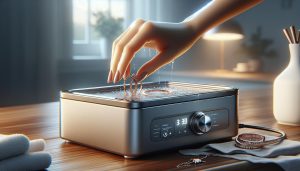
To keep your jewellery pristine, it’s essential to establish a cleaning regimen tailored to the materials used. For metal pieces, a simple polish with a soft, lint-free cloth can work wonders. When a deeper clean is necessary, mix a few drops of mild soap with warm water and gently wipe the pieces, ensuring you rinse and dry them thoroughly afterward. Gemstones present a unique challenge; they require careful handling. For many stones, a gentle touch with a soft brush can revive their brilliance, but always consult specific cleaning guidelines to avoid damage. For beaded jewellery, minimize water exposure, as moisture can weaken thread or glue. Instead, a dry cloth or gentle rubbing can restore shine without compromising integrity.
Proper storage is equally vital in maintaining your jewellery’s beauty. Avoid tossing pieces into a single drawer; instead, use compartmentalized jewellery boxes or soft pouches to prevent scratching and tangling. Hang necklaces on hooks or in designated holders to maintain their shape and avoid knots. The environment also plays a crucial role; store your jewellery in a cool, dry place, away from direct sunlight. Consider using silica gel packets in your jewellery box to absorb moisture and safeguard against tarnishing.
By following these thoughtful cleaning and storage strategies, you can ensure that your handmade jewellery remains vibrant and beautiful. Not only will your pieces shine brightly, but they will also carry the heartfelt stories and memories attached to them, ready to be shared for years to come.
Inspiring Ideas for Customizing Your Designs
Crafting personalized jewellery is more than just a hobby; it’s an expressive art form that allows you to channel your creativity and individuality. Whether you’re working with beads, metal, or clay, there are countless ways to customize your pieces and make them truly unique. One captivating technique is mixing materials. Combining different textures, like leather with metal or resin with gemstones, can lead to striking contrasts that capture attention and express your personal style.
Utilizing Color and Pattern
Adding vibrant colors or bold patterns can dramatically alter the aesthetics of your jewellery. Consider integrating techniques such as sublimation printing on metal or using colored wire to create dynamic designs. If you’re working with beads, play with patterns by alternating colors and shapes to craft eye-catching sequences. You could also experiment with gradient designs, where colors blend seamlessly into one another, creating a beautiful transition that speaks to your artistic flair.
Incorporating Symbols and Personal Touches
Another inspiring idea is to include symbols that resonate with you, such as initials, meaningful charms, or stones that represent specific traits or birth months. Personal engraving, whether on metal or wood, can add a heartfelt touch. Think about incorporating elements from nature, like leaves or flowers, by using natural materials or designing moulds that capture their shapes. This not only personalizes your creation but also keeps you connected to nature.
Transforming Traditional Styles
Don’t shy away from reinventing traditional jewellery styles. For instance, remixing vintage designs with modern materials can lead to stunning results. Explore layering techniques-stacking rings, layering necklaces of varying lengths, or hanging multiple ear charms can create a look that feels fresh and contemporary. By getting adventurous with traditional styles, you allow your creations to tell a story of evolution and personal interpretation.
Embrace these ideas and let your imagination guide you. Each piece crafted is a reflection of who you are, making the journey of DIY jewellery making not only about aesthetics but also about self-discovery and artistic expression.
Crafting a Business Plan for Your Jewellery Shop
Starting a jewellery business can be a fulfilling journey that combines your creative passion with entrepreneurial spirit. To ensure a successful launch and growth of your jewellery shop, crafting a thorough business plan is essential. Your business plan serves as a roadmap, guiding you through various stages of your venture while also showcasing your vision to potential investors or partners.
Begin by outlining your business objectives and defining your unique selling proposition (USP). What makes your jewellery stand out in a competitive market? Perhaps it’s your focus on sustainable materials, custom designs, or a blend of traditional techniques with modern aesthetics. Once you have clarified your USPs, conduct market research to understand your target audience’s preferences, demographic characteristics, and purchasing behaviors. This data will inform your marketing strategies and product offerings.
Next, you should detail your operational plan, which includes your production process, supplier relationships, and inventory management. Will you make jewellery to order, or maintain inventory? Consider the tools and materials you need, the workspace required, and how you will manage quality control. A clear timeline for production can help ensure that you meet customer demands efficiently.
When it comes to marketing, create a strategy that leverages both online and offline channels. Develop a website showcasing your designs, complete with high-quality images and an easy-to-navigate e-commerce platform. Utilize social media platforms to build your brand presence, share behind-the-scenes content, and engage with your audience. Remember, word-of-mouth can be a powerful marketing tool in the jewellery industry, so consider incentivizing referrals or offering first-time customer discounts.
Finally, outline your financial projections. Include startup costs, pricing strategies, expected revenue streams, and a break-even analysis. Determine whether you need funding, and if so, identify potential sources, such as loans, crowdfunding, or personal investments. With a comprehensive business plan, you’re not only preparing yourself for the challenges of entrepreneurship; you’re also setting a strong foundation for a successful jewellery shop that reflects your artistry and vision.
Authenticating and Valuing Vintage Jewellery Pieces
Determining the authenticity and value of vintage jewellery pieces can be an exciting yet daunting task. Vintage jewellery often carries with it a rich history and unique craftsmanship, making it essential to discern what truly makes a piece valuable. Start by examining the materials used-common precious metals like gold, silver, and platinum will typically be stamped with a hallmark indicating their purity. Additionally, familiarizing yourself with specific characteristics from various eras, such as Art Deco or Victorian styles, can help identify genuine pieces versus reproductions.
When evaluating a vintage piece, one should consider its condition and any potential repairs made over the years. The presence of original materials, such as old-cut diamonds or specific types of enamel, can significantly enhance value. It’s helpful to consult reputable jewellers or appraisers who specialize in vintage pieces; their insights can provide clarity on a piece’s market value. Furthermore, using online resources or auction results can give you a general idea of what similar items are selling for, enabling you to make informed assessments about your vintage jewellery.
One practical tip is to document your findings meticulously. Taking clear photographs, noting any markings or signatures, and recording your research can not only bolster your understanding of the piece but also serve as a reference for future transactions. Keep in mind that vintage jewellery is not just about its monetary value; many pieces hold sentimental value as well, reflecting styles and stories from the past that can resonate deeply with collectors and wearers alike.
Styling Tips: How to Wear Your Handmade Creations
Wearing handmade jewellery can be a delightful way to express your individuality and style. Each piece tells a story, reflecting your creativity and effort. To ensure your handmade creations shine, here are some practical styling tips that can elevate your outfit while showcasing your unique pieces.
Start by considering the occasion and your outfit’s color palette. Handmade jewellery can be both bold and delicate, so think about how each piece fits into your overall style. For a casual look, pair simple earrings or a dainty necklace with a solid colored top to let your jewellery stand out without overwhelming your outfit. Layering can also add visual interest-try wearing multiple necklaces of varying lengths or stacking bracelets for a bohemian vibe.
Mixing Materials and Styles
Don’t hesitate to mix different materials and styles. Combining wood, metals, and beads can create an eclectic look that highlights the diversity of your jewellery collection. For example, wearing a chunky statement necklace alongside a minimalist outfit can add a pop of creativity. Similarly, consider the proportions of your jewellery. A bold cuff bracelet can be paired with a simple dress or shirt, creating a striking contrast that draws the eye.
Accessorizing Thoughtfully
While it’s tempting to wear every piece you own, sometimes less is more. Choose one or two standout pieces for an outfit, allowing them to be the focal point. Balance is key-if you opt for an elaborate necklace, keep your earrings minimal. Additionally, consider the neckline of your clothing when choosing necklaces; for instance, a V-neck top pairs beautifully with a pendant that mimics that shape, creating a harmonious look.
Incorporating handmade jewellery into your style not only boosts your confidence but also encourages sustainable fashion. Each piece you wear not only reflects your personal taste but also supports artisan craftsmanship. By applying these styling tips, you can showcase your unique handmade creations while feeling fabulous in your own skin.
Common Mistakes to Avoid in DIY Jewellery Making
Creating beautiful DIY jewellery can be a rewarding pastime, but it’s easy to make mistakes that can impact your projects. Many aspiring jewellery makers fall into common traps that can hinder their creativity and the quality of their work. By being aware of these pitfalls, you can elevate your crafting experience and create pieces that truly shine.
A prevalent mistake is not investing enough time in planning your designs. Jumping straight into crafting without a clear vision can lead to disjointed pieces that lack cohesion. Take a moment to sketch out your ideas, choose a colour palette, and select complementary materials. This upfront planning can save you time and frustration later on, ensuring that your final product reflects your initial intention.
Another frequent oversight is underestimating the importance of using the right tools and materials. Beginners might attempt to work with subpar supplies to save money, but this often results in lower-quality pieces that break easily or fail to shine. Invest in essential tools like quality pliers, cutters, and wire, and choose materials that suit the aesthetic and durability you desire. While it might cost more initially, using the right tools and materials will pay off in the long run as your jewellery will be more professional-looking and enduring.
Many DIY jewellery makers also overlook proper measurements. Failing to accurately size components like chains, wires, and beads can result in items that don’t fit or function as intended. Always measure twice before cutting, and consider using a ruler or caliper to ensure precision. With precise measurements, you can create perfectly tailored pieces that fit comfortably and enhance the wearer’s style.
Lastly, don’t ignore the importance of finishing touches. Skipping details like polishing, adding clasps, or securing knots can detract from the overall look of your jewellery. Take the time to refine your pieces; the right finishing details can transform a good project into a great one. Not only does it improve the aesthetic appeal, but it also ensures durability, making your creations worthy of showcasing and wearing.
By avoiding these common mistakes, you can enhance your DIY jewellery making experience, leading to beautifully crafted pieces that reflect your personal style and skill as a creator. Happy crafting!
Faq
Q: What are some easy DIY jewellery ideas for beginners?
A: Some easy DIY jewellery ideas for beginners include making beaded bracelets, simple pendant necklaces, and charm earrings. Start with a basic kit of beads, wire, and pliers, and follow step-by-step tutorials for your chosen projects. These can often be found in the “Step-by-Step Guide: Simple DIY Jewellery Projects” section of our article.
Q: How can I create unique jewellery designs at home?
A: You can create unique jewellery designs at home by experimenting with different materials, such as resin, leather, or fabric, and integrating mixed media elements. Use creative techniques like wire wrapping or stamping to personalize your pieces. Refer to the “Creative Techniques for Unique Jewellery Designs” section for inspiration.
Q: What are the most common mistakes in DIY jewellery making?
A: Common mistakes in DIY jewellery making include not measuring materials properly, using the wrong tools, and neglecting to safeguard your finished pieces from damage. For more detailed guidance, check out the “Common Mistakes to Avoid in DIY Jewellery Making” section of our article.
Q: How can I effectively clean my handmade jewellery?
A: To clean your handmade jewellery, use a soft cloth and mild soap mixed with water. Avoid harsh chemicals that can damage the materials. Store your jewellery in a dry, cool place to prevent tarnishing. Refer to our “Effective Ways to Clean and Store Your Jewellery” for more tips.
Q: When is the best time to sell homemade jewellery?
A: The best time to sell homemade jewellery often coincides with holiday seasons, craft fairs, or special events where custom gifts are sought. Research local markets or online platforms to optimize your selling opportunities. For business insights, visit the “Crafting a Business Plan for Your Jewellery Shop” section.
Q: What materials are best for making jewellery at home?
A: The best materials for making jewellery at home include beads, metals (like copper or brass), cords, and natural elements (such as stones or wood). Choosing materials that match your design style is crucial. See the “How to Choose the Right Materials for DIY Jewellery” section for detailed recommendations.
Q: How do I store my DIY jewellery to prevent damage?
A: Store your DIY jewellery in a cool, dry environment, using separate compartments for each piece to avoid scratching. Use soft pouches or trays with dividers. For comprehensive storage solutions, refer to the “Effective Ways to Clean and Store Your Jewellery” section.
Q: What tools do I need to start making jewellery at home?
A: Essential tools needed for home jewellery making include pliers, wire cutters, a flat surface for crafting, and possibly tools for specific techniques (like a soldering iron for metalwork). Check the “Essential Tools for Home Jewellery Making” section for a complete list to get started.
These FAQs are designed to enhance user engagement and can be easily integrated into your website for better search engine visibility. For more valuable tips and insights on DIY jewellery making, explore the full article!
Concluding Remarks
As you embark on your journey of crafting sparkling jewellery at home, remember that every piece you create is a reflection of your unique style and creativity. Whether you’re exploring DIY techniques or mastering jewellery care, this guide equips you with the essential knowledge to craft with confidence. Don’t wait-start your crafting adventure today and turn your ideas into stunning wearable art!
For more tips, check out our detailed guides on cleaning metals and gems, browse our tutorial section for new project ideas, and discover techniques for styling your creations. We’d love to hear about your DIY experiences-share your projects in the comments or connect with us on social media! And don’t forget to subscribe to our newsletter for exclusive insights and updates to enhance your jewellery-making skills. Your next masterpiece awaits!