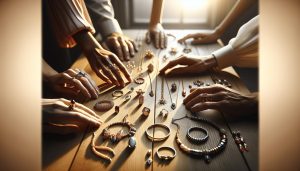
Did you know that beaded earrings can transform any outfit, adding a touch of personality and style? Whether you’re a seasoned jewelry maker or just starting your crafting journey, creating your own beaded earrings is a fulfilling and creative endeavor. This step-by-step tutorial will guide you through the process, helping you explore different techniques and materials while encouraging your artistic flair. You’ll learn not only how to assemble beautiful earrings but also how to customize designs to reflect your unique taste. As you immerse yourself in this DIY project, you’ll gain confidence in your crafting skills and create handmade treasures that you can proudly wear or gift to loved ones. Let’s dive into the exciting world of beaded earrings and uncover the joy of turning simple beads into something truly special!
Essential Tools for Beaded Earring Making
Creating beautiful beaded earrings requires not only creativity but also the right tools. Proper tools enhance your efficiency and enable you to bring your artistic vision to life. Here’s a closer look at the essential tools every beaded earring maker should have in their toolkit.
- Round Nose Pliers: These are vital for forming loops at the ends of wire, making it easy to attach beads securely. Look for a pair with a comfortable grip for prolonged use.
- Chain Nose Pliers: Used for gripping and bending wire, these pliers help you manipulate findings without damaging them. A flat nose design is best for achieving a firm hold.
- Cutter Tool: A good wire cutter is essential for trimming excess wire. Opt for a flush cutter, as it provides a clean cut and minimizes sharp edges.
- Beading Mat: A soft surface keeps beads from rolling away while you work and provides a designated area to organize your materials.
- Measuring Tools: Tools such as a ruler or digital caliper are great for precisely measuring wire lengths and bead sizes, ensuring your pieces come together perfectly.
- Storage Containers: Investing in clear storage boxes with compartments will help you keep your beads and findings organized and easily accessible, making your crafting process smoother.
In addition to these basics, specialized tools like crimping pliers for securing crimp beads and a bead spinner for facilitating quicker stringing may be beneficial as you advance in your skills. Remember, the right tools not only enhance your crafting experience but also positively impact the quality and longevity of your handmade earrings.
Choosing the Right Beads for Your Project
When embarking on the journey of making beaded earrings, one of the most important decisions you’ll face is . The vast array of beads available can be both exciting and overwhelming, but understanding what to look for can significantly enhance your creative process and final output. The right beads can elevate your design, whether you’re aiming for a casual, understated look or a bold statement piece.
Start by considering the type of materials that will best convey your vision. Glass beads are popular for their vibrant colors and versatility, while wooden beads offer a natural, earthy aesthetic. Metal beads can add a touch of sophistication and shine, whereas ceramic and stone beads bring unique textures and patterns. Think about the weight and durability of the beads as well; lightweight options are ideal for earrings that will be worn for extended periods, ensuring comfort without sacrificing style.
Another essential factor is the size and shape of the beads. This choice can influence not just the aesthetic, but also the balance of the earring. Larger beads can serve as focal points, while smaller ones can be used to fill gaps or create patterns. Mixing shapes-like combining round beads with angular ones-can add visual interest. And don’t forget about color! Utilizing complementary colors can create striking contrasts, while a monochromatic palette can result in a more cohesive look.
Lastly, consider the purpose of your earrings. Are they for daily wear, a special occasion, or for gifting? This will guide your bead selection and design approach. Experimenting with various combinations and arrangements will help you discover what resonates with your style and intentions, allowing you to create beaded earrings that are not only beautiful but also uniquely yours.
With these tips in mind, you’re well on your way to crafting stunning earrings that reflect your creative flair!
Step-by-Step Guide: Creating Simple Beaded Earrings

Creating your own pair of beaded earrings can be an incredibly rewarding craft experience. Not only do you get to express your creativity, but you also end up with a unique accessory that showcases your personal style. Follow this simple step-by-step guide to turn your ideas into beautiful beaded earrings.
Gather Your Supplies
Before you begin, ensure you have all the necessary materials at hand. You will need:
- Beads: Choose your favorite beads. This could be glass, wooden, or any other type that you like.
- Earring Hooks: These are what will attach your earrings to your ears.
- Wire or String: This is essential for threading your beads together.
- Cutter and Pliers: Use these tools for trimming the wire and securing your earrings.
Design Your Earrings
Next, let your creativity shine by planning your earring design. You can sketch it out or simply lay the beads out on a flat surface to observe how they look together. Think about the order and combination of colors, sizes, and shapes. Feeling adventurous? Mix different types of beads to create texture!
Assemble the Earrings
Once you’re happy with your layout, it’s time to start stringing the beads.
1. Begin by cutting a piece of wire or string to a length that gives you enough room to work with. A good rule of thumb is to make it at least twice the length of your desired earring.
2. Thread your beads in the chosen order, leaving a small amount of wire at both ends for securing.
3. Once all the beads are on, grasp the wire ends and twist them together to form a loop. This will create a secure base for your earrings.
Finish Up
To finish off your earrings, attach the hooks:
1. Open the loop at the end of the earring hook using your pliers.
2. Thread the loop of your beaded section onto the hook, then close it tightly with your pliers.
3. Repeat the same process for the second earring to create a matching pair.
With these steps completed, you now have a stunning pair of handmade beaded earrings to wear or share! Remember, practice makes perfect, so don’t hesitate to experiment with different designs and techniques as you become more comfortable with the process. Enjoy your creative journey!
Advanced Techniques for Unique Earring Designs
Creating intricate, unique earrings is one of the most satisfying aspects of jewelry making. By integrating advanced techniques into your beadwork, you can elevate your designs from simple to stunning. Whether you’re looking to incorporate different materials, use complex patterns, or embrace mixed media approaches, these techniques will expand your creative repertoire.
One brilliant method is incorporating wirework into your designs. This can include techniques like wrapping, coiling, and weaving. For instance, by combining beads with wire-wrapped elements, you can create striking focal points in your earrings. Start by using a thicker gauge wire to create sculptural shapes, then add beads at various intervals to create visual interest. Learn to make ‘spiral’ or ‘cage’ designs, which not only provide a dramatic effect but also allow for added movement in the earrings, making them eye-catching when worn.
Another option is to experiment with layering techniques. You can create dimension by attaching multiple elements together, either by using jump rings or by threading beads onto multiple strands. This allows for a cascading effect that can make the earrings feel more dynamic. Consider incorporating different bead shapes and sizes for contrast-such as pairing larger statement beads with smaller seed beads. This can transform your jewelry into a piece of art, where each layer tells a part of the story.
Don’t overlook the potential of bead embroidery for intricate designs. This technique allows you to secure beads onto a fabric backing, resulting in richly textured and colorful patterns. Bead embroidery not only adds depth but also provides a completely different aesthetic from traditional stringing methods. After creating a fabric base, you can embellish with sequins, crystals, or additional beads, allowing your creativity to flow freely.
Lastly, embracing color theory can significantly enhance your designs. Understanding how colors complement one another can help you choose beads that evoke a certain mood or theme. Play with contrasting colors for bold statements, or choose analogous colors for a harmonious look. Tools like color wheels can guide you to pick optimal palettes, enhancing the overall impact of your pieces.
By applying these advanced techniques, you can take your beaded earrings to new heights, creating pieces that not only reflect your personal style but also stand out in any jewelry collection. Experiment, practice, and most importantly, enjoy the creative process!
Tips for Stringing and Crimping Beads Effectively
When it comes to making beaded earrings, the way you string your beads and secure them with crimping can make all the difference between a delicate, professionally finished piece and a frustrating mess. Mastering these techniques is essential, as it not only ensures the durability of your earrings but also showcases your craftsmanship. Here are some practical tips to help you achieve a polished look.
Begin by selecting the appropriate stringing material based on the beads and design you’re using. For heavier beads, consider using jewelry wire, while lighter options may work well with nylon threads or elastic cord. Before you start stringing, it’s a good practice to lay out your design to visualize how it will look; this can prevent errors during assembly.
Once you’re ready to string the beads, ensure you use a bead stopper or tape at the end of your wire or thread to prevent items from slipping off. This simple step can save you a lot of frustration. As you string, keep the tension consistent-don’t pull too tight, as this can cause your piece to warp or break over time. An effective method for crimping is to use a crimping tool that has two notches; the first notch secures the crimp bead onto the wire, while the second notch closes it completely for a secure hold.
After crimping, consider adding crimp covers for a seamless appearance. These tiny beads fit around the crimp and can enhance the final look of your earrings, giving them a more polished feel. Take care to check that all beads are seated properly before finalizing. If they are too loose or tight, it can affect the earring’s overall structure, potentially causing it to break when worn.
By integrating these techniques into your beading process, you’ll not only create beautiful earrings but also ensure they withstand the test of time. Happy crafting!
Understanding Earring Findings and Their Uses
Earring findings are the unsung heroes in the world of jewelry making, providing the essential components that transform your creative designs into wearable art. Whether you’re a beginner or a seasoned jewelry artist, understanding the various types of earring findings and their uses can elevate your creations from simple to stunning. These findings serve as the foundation of your earrings, ensuring both functionality and style, allowing you to customize each piece to match your vision.
When selecting your findings, consider the different styles available, including:
- French Hooks: These are classic and widely used, featuring a curved shape that hangs elegantly from the earlobe. They’re ideal for lightweight designs and can easily be embellished with beads or charms.
- Leverbacks: These provide added security as they lock in place when closed, making them perfect for heavier earrings. They can also come in decorative styles, providing both function and flair.
- Posts and Backs: Post earrings consist of a small stud that goes through the ear, often used for more minimalist designs. Ensure the backs fit snugly to prevent the earring from slipping off.
- Hoops: These come in various sizes and can be adorned with beads or charms. They offer a bold statement and can transition seamlessly from casual to formal occasions.
- Clip-ons: Ideal for those without piercings, these findings use a spring mechanism to hold onto the earlobe comfortably.
Understanding the specific needs of your design will inform your choice of findings. For instance, opting for gold-filled leverbacks can provide both elegance and durability, especially for earrings intended for special occasions. On the other hand, plastic or hypoallergenic options might be more suitable for casual, everyday wear.
As you explore the different findings, remember to consider elements such as weight, style, and personal comfort. Certain materials and finishes can dramatically affect the overall look and feel of your earrings, so don’t hesitate to experiment. By thoughtfully integrating various findings into your designs, you’ll not only enhance the visual appeal but also ensure the longevity and wearability of your handmade pieces. With every earring you create, you’re not just assembling components but telling a unique story that reflects your personal style.
Color Theory: Enhancing Your Earring Designs

The visual impact of your beaded earrings hinges significantly on the colors you choose. Understanding color theory can enhance your designs, making them more appealing and cohesive. At its core, color theory involves the relationships between colors and how they interact with each other on the color wheel. By mastering this concept, you can create stunning pieces that draw the eye and express your personal style.
When selecting your color palette, consider using the three primary colors: red, blue, and yellow. These colors can be mixed to create secondary colors-green, orange, and purple-which provide a broad spectrum for your designs. For instance, combining blue and yellow creates a vibrant green, perfect for natural or earthy-themed earrings. To add depth and complexity, experiment with complementary colors, which sit directly opposite each other on the color wheel. For example, pairing the warmth of orange with the coolness of blue can result in a striking visual contrast that catches the eye.
Practical Color Application
To further refine your color choices, consider the following tips:
- Monochromatic Color Schemes: Stick to different shades and tints of a single color. This creates a harmonious and elegant look, ideal for formal occasions.
- Analogous Colors: Choose colors that are next to each other on the color wheel, like yellow, yellow-green, and green, to create a serene and cohesive palette.
- Warm vs. Cool Tones: Warm colors (reds, oranges, yellows) evoke energy and passion, while cool colors (blues, greens, purples) convey calmness and tranquility. Choose based on the mood you wish to express.
- Seasonal Inspirations: Draw inspiration from nature by observing seasonal color trends. For example, autumn shades like deep reds, browns, and golds can evoke a warm, cozy feeling perfect for the fall months.
By incorporating color theory into your bead selection, you’ll not only enhance the beauty of your earrings but also engage with your audience on an emotional level. Well-chosen colors can evoke memories, feelings, and even boost confidence when worn. Whether you’re crafting a single pair for yourself or designing for a larger market, understanding how to manipulate color can elevate your jewelry-making skills to new heights.
Care and Maintenance: Keeping Your Earrings Pristine
Caring for your handmade beaded earrings is essential to maintain their beauty and longevity. Just like any treasured accessory, they require a bit of attention to keep them pristine. Knowing the right techniques for cleaning, storing, and handling can make all the difference, ensuring you can enjoy wearing your creations for years to come.
To begin, it’s vital to clean your earrings regularly. Use a soft, lint-free cloth to wipe away any dust, oils, or residue that may accumulate from wear. For beaded earrings, avoid harsh chemicals or cleaning solutions; instead, a gentle soap diluted in warm water can be effective. Dip the cloth in the solution, wring it out, and gently wipe the beads. Be cautious around metal findings and any delicate components. After cleaning, air-dry your earrings completely before storing them to prevent moisture buildup, which can lead to tarnishing or mold.
Storage is another crucial aspect of care. To protect your beaded earrings from damage, store them in a dedicated jewelry box or pouch-preferably one lined with soft fabric. Avoid placing them in areas where they may become tangled with other jewelry, and keep them away from direct sunlight or humidity. If you have multiple pairs, consider using individual compartments or small zip bags to keep each design separate. This not only prevents physical damage but also makes it easier to find the pair you’re looking for!
Lastly, be mindful when wearing your earrings. Remove them before engaging in activities that could cause snagging, such as exercising or sleeping. If your earrings feature delicate beads or embellishments, consider wearing them on special occasions rather than daily to prolong their life. By incorporating these practices into your routine, you’ll ensure that your beaded earrings remain as stunning and vibrant as the day you made them.
Styling Tips: How to Wear Beaded Earrings
Wearing beaded earrings can instantly elevate your outfit, but knowing how to style them effectively is key to maximizing their impact. The right pair can add a splash of color, texture, or a touch of elegance to any look. Whether you’re aiming for a casual vibe or something more polished, a few thoughtful styling tips can help you showcase your handmade creations beautifully.
Harmonizing with Outfits
Consider the overall color scheme and style of your outfit. If you’re wearing neutral tones, opt for bold, colorful beaded earrings to create a striking contrast. For a more cohesive appearance, match your earrings to similar hues in your attire. For instance, if you’re dressed in vibrant shades, select earrings that complement those colors without overwhelming the look. This approach not only enhances visual appeal but also gives the impression of careful consideration in your styling choices.
Mixing Jewelry Wisely
Another effective technique is to mix your beaded earrings with other jewelry elements. Handmade beadwork, especially if it features similar colors or motifs, works well with matching necklaces or bracelets. Consider layering different lengths of necklaces to create depth, and let your earrings take center stage. For instance, if you’re sporting a pair of intricate beaded hoops, a simple beaded choker can frame your face beautifully without competing for attention.
Occasion and Style
Lastly, don’t forget to factor in the occasion. Stunning beaded chandelier earrings can be a fantastic addition to a formal outfit, providing movement and elegance with every turn of your head. The same pair might overwhelm a casual setting, where simpler styles or stud designs might be more appropriate. Assess the venue and dress code to guide your choices-this will not only ensure your earrings shine but also keep your overall look well-balanced.
By considering these aspects-color harmony, jewelry layering, and occasion appropriateness-you can confidently wear your beaded earrings in a way that enhances your personal style and showcases your creativity. Whether you are attending a simple gathering or a grand celebration, the right pair of earrings will always add a touch of flair to your ensemble.
Troubleshooting Common Beading Problems
Creating beaded earrings can be a fun and fulfilling process, but even seasoned jewelry makers encounter challenges along the way. Issues like tangled threads, misplaced beads, and inadequate string tension can turn an enjoyable project into a frustrating experience. By identifying common problems and implementing simple solutions, you can prevent headaches and achieve beautiful results.
One frequent issue is tangled threads, especially when using a continuous thread for stringing. To minimize tangling, keep your workspace organized. Use small containers or trays to separate different bead types, and lay out your thread neatly. What’s more, consider cutting slightly longer pieces of thread than you think you need; this gives you flexibility while working and reduces the likelihood of knots. If tangling does occur, gently work it out from the ends rather than pulling, which may cause snags or breaks.
Another common challenge is cluster beads or a design that isn’t holding its shape. If your beads are slipping or the pattern appears unbalanced, you may need to evaluate the tension of your stringing material. Too much slack can cause your earrings to sag, while excessive tightness may break the thread. The solution is to be mindful as you work: regularly check the fit and make adjustments by restringing if necessary. If you find certain beads don’t hold in place, consider utilizing crimp beads or knotting techniques to secure them.
Finally, color mismatches or design imbalances can arise, especially if you’re mixing various bead types. Ensure a harmonious design by sticking to a color palette or theme. If a bead doesn’t fit within your chosen aesthetic, trust your instincts and swap it out for something that aligns better. Working in stages can help too; create sections of your earrings at a time to ensure consistent color and style throughout. Remember, it’s perfectly acceptable to step back, reassess, and make changes until you’re satisfied with the overall look.
By keeping these troubleshooting tips in mind, you can navigate the common pitfalls of beaded earring creation with confidence. Embrace the creative process, stay patient, and enjoy the rewarding journey of bringing your unique jewelry designs to life!
Selling Your Handmade Beaded Earrings Online
To turn your passion for making beaded earrings into a successful online venture, understanding the nuances of selling handmade jewelry is essential. With a plethora of platforms available, from Etsy to Instagram, getting your creations in front of the right audience involves strategic planning and creativity. Start by curating a captivating shop or profile that reflects your unique style and the essence of your jewelry. High-quality photographs are crucial; showcase your earrings against appealing backdrops and include multiple angles to highlight details. Consider using lifestyle images where models wear your pieces, helping potential buyers envision how the earrings would look in real life.
Marketing Strategies
Effective marketing can significantly boost your visibility. Utilize social media platforms to connect with your audience. Regularly post updates, behind-the-scenes content, and tutorials on how you create your earrings. Engage with your followers through stories and interactive posts to build a loyal community. Collaborating with influencers or bloggers in the jewelry niche can also expand your reach. Offer promotions or bundle deals to encourage bulk purchases or repeat customers.
Setting the Right Price
Determining the right price for your earrings is critical for profitability while still being attractive to buyers. Consider all factors including material costs, time spent creating each piece, and comparable market prices. A straightforward way to calculate your price is to use the formula: (Material Costs + Labor) x 2 = Selling Price. This ensures you cover expenses while making a profit. Don’t forget to factor in transaction fees from the platforms you choose to sell.
Ensuring Quality and Authenticity
As you build your brand, focus on ensuring that every piece reflects quality craftsmanship. Use durable materials and finish your earrings thoughtfully to enhance their longevity. To validate your authenticity, consider creating a unique mark or logo that you can use on packaging or tags. This not only adds a professional touch but also allows customers to recognize your brand easily.
Shipping and Customer Care
Lastly, handle shipping conveniently and professionally. Offer a variety of shipping options and consider providing tracking information to customers. Pay attention to packaging; invest in attractive, safe packaging that can withstand transit and showcase your artistic style. Prioritize customer service by responding promptly to inquiries and feedback to cultivate a loyal customer base that champions your handmade creations.
By implementing these strategies, you can successfully navigate the online marketplace, creating a fulfilling and profitable venture with your handmade beaded earrings.
Sourcing Quality Materials for Beaded Jewelry
When embarking on the journey of making beaded jewelry, sourcing quality materials is pivotal to creating stunning pieces that will captivate and endure. The right choice of beads can transform your earring designs from ordinary to extraordinary, giving you the canvas to express your creativity. Start by exploring reputable suppliers, whether local craft stores or trustworthy online retailers, that offer a wide variety of materials, including beads, earring findings, and tools necessary for assembly. Websites like Beadaholique and Artbeads provide excellent selections, ensuring you can find everything from elegant PRESTIGE crystal beads to durable earring hooks and clasps [[1]](https://beadaholique.com/collections/earring-findings) [[2]](https://artbeads.com/?srsltid=AfmBOoqIGv5-uB2IrHiLGk1_jMFX2fG710-0KG75P2fu7BFpZciSaWyS).
Types of Materials to Consider
When sourcing materials, consider the following components that will influence both the aesthetics and functionality of your earrings:
- Beads: Choose high-quality beads made from glass, crystal, wood, or polymer clay. Each material has unique properties and finishes that can enhance your design.
- Earring Findings: These components, such as hooks, hoops, and posts, come in different metals and styles. Select findings that match your intended look and ensure they are sturdy and hypoallergenic if necessary.
- Stringing Materials: Use durable materials like nylon thread, wire, or fishing line for stringing beads. These choices will impact the strength and flexibility of your designs.
Where to Find Quality Supplies
The jewelry-making community thrives on a rich array of sources for quality supplies. Establish relationships with local bead shops, where you can often find unique combinations and get expert advice. online platforms also offer extensive selections. Ensure to read reviews and seek recommendations to ensure you’re purchasing from reliable sellers. Many artisans also share insights on blogs and social media, showcasing their go-to sources and favorite materials.
Creating beautiful beaded earrings begins with sourcing materials that inspire your designs. By selecting quality components and leveraging the right suppliers, you set the stage for crafting pieces that not only look fantastic but also showcase your artistry and craftsmanship.
Faq
Q: What is the best type of wire for making beaded earrings?
A: The best type of wire for making beaded earrings is either 20 or 22-gauge wire, as they provide a balance of strength and flexibility. Choose wire that is tarnish-resistant, such as sterling silver or gold-filled, to ensure longevity and maintain the beauty of your earrings. For a more detailed overview, refer to the “Essential Tools for Beaded Earring Making” section of our article.
Q: How do I choose the right size beads for my earrings?
A: To choose the right size beads for your earrings, consider both the design and your earlobe size. Generally, 4mm to 12mm beads work well for standard designs. Mixing sizes can add interest-larger beads can be the focal point, while smaller beads fill in gaps. For more tips, check out the “Choosing the Right Beads for Your Project” section.
Q: When should I use crimp beads in my designs?
A: Use crimp beads whenever you want to secure the ends of your beading wire or thread, especially when creating multi-strand designs or finishing off earrings. Crimp beads ensure that your beads stay in place for a polished finish. For effective techniques, refer to our “Tips for Stringing and Crimping Beads Effectively” section.
Q: What tools do I need for making beaded earrings?
A: Essential tools for making beaded earrings include round-nose pliers, chain-nose pliers, wire cutters, and a mat to keep everything organized. A bead loom or tray can also help with larger projects. Find a complete list in the “Essential Tools for Beaded Earring Making” section.
Q: How can I prevent my beaded earrings from breaking?
A: To prevent your beaded earrings from breaking, ensure correct stringing techniques, such as using the right type of wire or thread, and double-checking your crimping. Regularly inspect for wear and tear during maintenance. For troubleshooting tips, see our “Troubleshooting Common Beading Problems” section.
Q: Are there specific techniques for creating unique patterns in my earrings?
A: Yes, you can create unique patterns in your earrings by experimenting with color, shape, and size of your beads. Try using different bead weaving techniques or incorporating spacers to enhance your designs. For advanced techniques, refer to the “Advanced Techniques for Unique Earring Designs” section.
Q: What is the best way to clean my handmade beaded earrings?
A: The best way to clean your handmade beaded earrings is to gently wipe them with a soft, dry cloth. For deeper cleaning, consider using mild soap and water, avoiding harsh chemicals. Store them properly to maintain their shine. Check the “Care and Maintenance: Keeping Your Earrings Pristine” section for more tips.
Q: How do I market my handmade beaded earrings online?
A: To market your handmade beaded earrings online, utilize social media platforms like Instagram and Pinterest to showcase your designs. Creating a website or using e-commerce platforms such as Etsy can also help. For detailed insights, see our “Selling Your Handmade Beaded Earrings Online” section.
Closing Remarks
Thank you for joining us on this creative journey to make beautiful beaded earrings! You’ve now learned the key techniques to craft your unique pieces, emphasizing creativity and personalization.
Ready to explore more? Check out our detailed guides on jewelry care and cleaning metals and gems to keep your creations looking pristine. Don’t forget to visit our DIY tutorials section for fresh ideas and inspiration on other unique jewelry projects. Your next masterpiece is just a click away!
And if you enjoyed this tutorial, consider signing up for our newsletter for exclusive tips and resources that will empower your jewelry-making skills. Share your creations in the comments below, and let us know what you’d like to create next! Your feedback fuels our creativity and helps us grow this amazing community. Happy crafting!