Jewelry-making is not just a craft; it’s a journey of self-expression and creativity that can yield stunning, personalized pieces. As a beginner, you might feel overwhelmed by the many techniques and materials available, but every great designer started with a single creation. This guide aims to demystify the process, offering clear and engaging steps to help you craft beautiful jewelry while also providing valuable tips for caring for your creations. Whether you’re dreaming of designing unique gifts or launching your own jewelry line, understanding the fundamentals will empower you to enhance your skills and explore your artistic potential. Let’s unlock the door to your jewelry-making adventure and discover the joy of creating something truly special!
How to Choose the Right Jewellery Making Tools
Choosing the right jewellery making tools is a fundamental step in your crafting journey, significantly influencing both the process and the outcome of your creations. Just as a painter selects brushes that suit their style, a jeweller must carefully pick tools that not only feel comfortable but also align with their specific projects. Beginners often face the daunting task of navigating a vast array of tools and equipment, but starting with a few essential items can simplify the process and enhance creativity.
First, consider the primary tools that every jewellery maker will find invaluable. These include:
- Wire Cutters: Perfect for trimming wire and chains, they ensure clean cuts, which are essential for professional-looking finishes.
- Needle Nose Pliers: These are ideal for bending and shaping wire, allowing for intricate designs and secure loops.
- Round Nose Pliers: Key for creating curves and loops in wire, they add versatility to your toolkit.
- Crimping Pliers: Essential for finishing off beaded necklaces and bracelets, ensuring strength and durability.
- Jeweller’s Saw: If you plan on working with metal sheet, a jeweller’s saw is indispensable for making intricate cuts.
- File Set: Files help smooth edges and surfaces, giving your pieces a polished look.
Once you have these basics, think about how other tools can complement your crafting style. For example, if you enjoy beading, consider investing in bead mats and storage solutions to keep your workspace organized. A good mat prevents beads from rolling away and helps lay out your designs with ease. Additionally, a variety of adhesives, such as two-part epoxy or super glue, can be useful for attaching components securely.
With the right tools in hand, the next step is understanding how to use them effectively. Many jewellers start with DIY tutorials that demonstrate various techniques, such as wire wrapping, link making, and bead stringing. These tutorials not only guide beginners through specific projects but also help build confidence in utilising tools properly. Combining this knowledge with a toolbox customized to your preferences will create a rewarding experience as you make beautiful jewellery, reflecting your personal style and creativity.
Essential Materials for Beginners in Jewellery Making
Getting started in jewellery making can be an exciting venture, but selecting the right materials is crucial for a successful and enjoyable crafting experience. As a beginner, it’s important to focus on accessible and versatile materials that can help you create a wide range of beautiful pieces without overwhelming complexity. By choosing the right essentials, you will not only simplify your crafting process but also inspire confidence as you experiment with designs.
To begin with, consider investing in a variety of beads that come in different shapes, sizes, and materials. Glass beads, wooden beads, and metal beads are not only budget-friendly but also provide an array of aesthetics for your projects. For instance, glass beads can add shimmering accents to your designs, while wooden beads offer a rustic charm. Additionally, acquiring a selection of elastic cord and wire is essential; elastic cord is perfect for making quick and easy bracelets, while wire work opens doors to more intricate creations.
Another fundamental material is findings, which are the components that help string, connect, and finish your jewellery items. Invest in basic findings, including jump rings, clasps, and ear wires. These will serve as crucial connectors in your projects, allowing you to create finished pieces that can be worn or gifted. Stringing materials like nylon or durable thread are also important, especially when working with heavier beads that require strong support.
Tools and Additional Essentials
While materials are at the forefront, having the right tools will elevate your creation process. A simple beading mat will keep your beads organized and prevent them from rolling away, making it easier to work on designs without interruptions. Glue is another indispensable item, especially for securing knots or attaching embellishments that require extra strength.
In summary, starting with a few versatile beads, essential findings, and reliable tools allows you to explore your creativity easily. As you gain confidence, feel free to expand your material selection to include more advanced components and unique embellishments. This foundational approach will set you up on a path to creating stunning jewellery pieces that reflect your personal style.
Step-by-Step Guide to Basic Jewellery Techniques

Creating your own jewellery can be a rewarding and artistic journey, allowing you to express your style and creativity. Mastering basic jewellery techniques lays the foundation for more advanced skills, enabling you to craft stunning pieces that can be worn or gifted. Here’s a step-by-step guide to some essential techniques that every beginner should know.
Start with the fundamentals of stringing beads, which is one of the simplest methods to create necklaces and bracelets. Begin by cutting a piece of stringing material-such as nylon or wire-about 5-10 inches longer than your desired finished length. Secure one end with a crimp bead to prevent the beads from slipping off. Add your beads, arranging them in your preferred pattern. Once all beads are strung, finish by stringing on a crimp bead and your chosen clasp, securing it by flattening the crimp bead with pliers.
Next, become familiar with using jump rings for connecting components in your designs. Open a jump ring by twisting it sideways rather than pulling it apart, which helps maintain its round shape. Slide the desired charms or findings onto the ring along with your jewellery piece, and then close the jump ring by twisting it back into place. This technique is especially useful for creating charm bracelets or connecting strands in multi-strand necklaces.
Another key technique involves wire wrapping, which allows you to create decorative loops and secure beads in your designs. Cut a piece of wire (approximately 6 inches), thread a bead onto it, and use round-nose pliers to create a loop by bending the wire at a 90-degree angle above the bead. Hold the bead with chain-nose pliers and wrap the wire around the base of the loop several times before cutting off any excess wire. Wire wrapping opens up creative possibilities for earrings, pendants, and more intricate designs.
Lastly, don’t overlook the value of finishing techniques. Tying secure knots is essential for longevity. If you’re using elastic cord for stretch bracelets, employ a surgeon’s knot for extra strength: tie a simple overhand knot, then tie it again, and finish with a dab of glue to ensure it remains secure. If you’re working with metal pieces, consider incorporating clasps that can easily be opened and closed yet remain sturdy during wear.
By practicing these techniques, you’ll gain confidence and the skills needed to explore more complex jewellery projects. Remember, like any craft, mastery comes with practice and time; start small, experiment, and soon you’ll be able to create stunning pieces that reflect your personal style and creativity.
Creative Ideas for Stunning Beginners’ Jewellery Projects
Creating your own jewellery offers a delightful opportunity to explore your creativity while crafting unique pieces. Beginners can dive into this rewarding craft with some simple yet stunning projects that not only hone your skills but also result in beautiful handmade items that are perfect for personal wear or gifting. Below are some creative ideas you can try out.
1. Beaded Bracelets
Beaded bracelets are an excellent starting point. Gather a selection of beads in various colors, shapes, and sizes. Using elastic cord, string the beads in your desired pattern. Finish your bracelet with a knot, ensuring it’s secure. This technique allows customization; you can create themed bracelets for friends by selecting colors that match their personalities or styles.
2. Charm Necklaces
Making a charm necklace is an engaging project that gives a personal touch. Start with a simple chain and select a few charms that resonate with you or the intended recipient. Use jump rings to attach the charms to the chain. This type of project not only incorporates your choice of materials but also tells a story, reflecting personal interests or memories.
3. Wire-Wrapped Earrings
Try your hand at creating elegant wire-wrapped earrings. Choose your favorite beads and a length of jewelry wire. Secure a bead at the bottom of the wire, then loop it around the bead several times, creating a decorative wrap before forming a hook for the ear. These earrings can be customized endlessly based on color and bead shape, making them a perfect starter project for showcasing your creativity.
4. Fabric and Bead Keychains
For a fun twist, consider making fabric and bead keychains. Cut your choice of fabric into strips, then braid or twist the fabric together to create a colorful rope. Secure it with a knot, attach a few beads, and finally, connect it to a keyring. This project is not only practical but also allows for personalization; you can use fabric that represents your favorite colors or patterns.
Experimenting with these projects will not only build your skills but also inspire you to explore more complex techniques in jewellery making. Remember to enjoy the process, as each effort contributes to your growth and style as a jewellery creator.
Understanding Different Types of Jewellery: A Beginner’s Perspective

Every piece of jewellery has a story to tell, making it a delightful medium for self-expression. As a beginner, understanding the various types of jewellery not only enhances your appreciation of this craft but can also inspire your creations. From the classic elegance of earrings to the whimsical charm of brooches, exploring different styles can help you identify what resonates with your unique taste.
Jewellery can be broadly categorized into several types, each with its distinct characteristics. Necklaces are one of the most versatile forms, ranging from delicate chains to statement pieces adorned with intricate pendants. These can be crafted using various materials, including beads, metals, or even fabric, allowing for endless creativity. Earrings, whether studs, hoops, or dangling designs, are another essential jewellery type, often reflecting personal style and can be tailored to suit any occasion. Bracelets come in various designs as well, from simple bangles to intricate charm bracelets, providing opportunities for storytelling through charms that represent personal memories or passions.
Additionally, rings hold a special place in jewellery, often symbolizing commitments or milestones. While classic gold and silver styles remain timeless, more adventurous takes on rings can incorporate unusual materials or elaborate designs that challenge traditional aesthetics. Brooches, once a staple of vintage fashion, are making a comeback, often transformed into modern art pieces that add personality to clothing or accessories. By experimenting with these different types of jewellery, beginners can develop their styles while honing their skills and techniques.
As you dip into the world of jewellery making, consider experimenting with your own pieces that blend elements from various categories. Don’t hesitate to mix and match-create a pair of earrings that accentuate your favorite necklace or design a bracelet that tells your story through charms. Remember, the beauty of handmade jewellery lies in its ability to reflect who you are, so let your imagination guide you!
Tips for Caring and Cleaning Your Handmade Jewellery
Taking care of your handmade jewellery is crucial for preserving its beauty and durability. With the right practices, you can ensure that your creations sparkle as brightly as they did on the day you made them. Regular cleaning and proper storage can significantly extend the life of your pieces, keeping them looking exquisite for years to come.
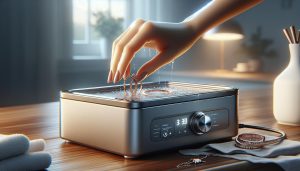
Start by cleaning your jewellery regularly, especially after wearing it. Sweating, perfumes, cosmetics, and environmental pollutants can all dull its shine. A gentle cleaning routine can make a big difference. Use a soft, lint-free cloth to wipe down metals such as silver or gold, removing any oils or residues. For pieces featuring gemstones or pearls, avoid harsh chemicals or ultrasonic cleaners. Instead, create a mild soap solution with warm water and a few drops of dish soap. Dip a soft brush into the mixture and gently scrub the surfaces, then rinse well with cool water and pat dry.
Storage is just as important as cleaning. To prevent scratches and tangling, always store your handmade jewellery in a cool, dry place, away from direct sunlight. Use separate compartments in a jewellery box or small pouches to keep pieces from rubbing against each other. Consider using anti-tarnish strips or cloths in your storage to reduce oxidation for silver jewellery. If you’re working with beads or more delicate materials, opt for plastic containers with dividers to keep everything organized and safe from damage.
In addition to cleaning and storage, be mindful of how and when you wear your jewellery. Avoid exposing your pieces to chlorine, saltwater, or abrasive materials, which can cause irreversible damage. Always remove your jewellery before engaging in activities like swimming, exercising, or chores. By incorporating these simple care tips into your routine, you can maintain the integrity and beauty of your handmade jewellery, ensuring it remains a treasured part of your collection.
Styling Your Handmade Jewellery for Maximum Impact
When it comes to showcasing your handmade jewellery, the right styling can elevate your pieces from simple accessories to standout statements. A thoughtfully styled look not only enhances the beauty of your creations but also reflects your unique personal style. Whether you’re dressing for a casual day out or a formal event, there are numerous strategic ways to incorporate your jewellery for maximum impact.
Begin by considering the overall aesthetic you want to achieve. Jewelry is most effective when it complements your outfit rather than competing with it. For instance, if you’re wearing a bold patterned dress, opt for understated pieces-such as delicate earrings or a simple bracelet-that harmonize with the outfit. Conversely, if your outfit is more minimalist, consider layering multiple necklaces or stacking rings to add visual interest. Color coordination also plays a crucial role; choose jewellery that either matches or contrasts with your clothing colors to create a balanced look.
Layering Techniques
Layering is an excellent way to personalize your style and create depth. Consider the following tips when layering your jewellery:
- Necklaces: Mix different lengths and styles. A choker paired with a longer pendant can create an eye-catching look.
- Bracelets: Stack bangles and cuffs of varying widths and materials for a textured effect.
- Earrings: Experiment with mismatched earrings or wear multiple piercings for an eclectic vibe.
Accessorizing with Purpose
When preparing for specific occasions, tailor your jewellery selection accordingly. For daytime outings, you might choose lighter, more playful pieces that still shine without overwhelming your overall look. In contrast, evening events or formal gatherings are perfect for showcasing your statement pieces. A bold necklace can transform a simple black dress into something extraordinary. Moreover, showcasing handmade elements in your design can serve as conversation starters, adding a personal touch to your ensemble.
Finally, remember the power of negative space. Sometimes, less is more. Allow your handmade jewellery to be the focal point by keeping your outfit clean and allowing it to shine. This approach not only emphasizes your craftsmanship but also exudes confidence in wearing your creations. Consider capturing these moments with thoughtful photos, as sharing your styled looks on social media can inspire others and cultivate a community around your artistry.
By implementing these strategies, you can maximize the impact of your handmade jewellery. This enables you to express your individuality while ensuring your creations receive the admiration they deserve.
The Business of Jewellery: Starting Your Own Brand
Starting a jewellery brand can be an exhilarating journey, filled with creativity and entrepreneurial spirit. To transform your passion for jewellery making into a successful business, you must first understand the essential steps involved. It begins with discovering your unique niche. Consider what inspires you-be it specific materials, styles, or themes. This will help define your brand identity and attract a loyal customer base who resonate with your artistic vision.
Next, it’s crucial to cultivate a solid business plan. This roadmap should outline your goals, target market, pricing strategy, and sales channels. Are you planning to sell online, at local markets, or through retail partnerships? Each avenue requires different approaches; for instance, e-commerce platforms can widen your reach, while local markets offer personal connections with clients. Also, research your competition to identify what they do well and where you can differentiate yourself.
Once you have a business framework, focus on the production side. Ensure you have the right tools and a conducive workspace. As a beginner, you may want to start with simpler designs that can later evolve into more intricate pieces. Consider adopting sustainable practices in sourcing materials, as ethical consumerism is increasingly important to buyers. Showcase the story behind your creations, as transparency can significantly enhance customer trust and loyalty.
Marketing your jewellery effectively is an ongoing task. Utilize social media platforms like Instagram and Pinterest where visual appeal plays a vital role. Here, you can not only showcase your pieces but also share your design process, engage with followers, and build a community around your brand. Collaborations with influencers and participation in local events can also enhance visibility.
Finally, always be prepared to adapt. The jewellery market trends can shift rapidly, so staying attuned to consumer preferences and expanding your skills will keep your brand relevant. Setting clear goals, maintaining quality craftsmanship, and engaging with your audience can help foster a business that reflects your passion and brings joy to others. Embrace this journey of creativity and entrepreneurship-your unique pieces could be the next big thing in the jewellery world!
Authenticating Vintage and Antique Jewellery
Unearthing vintage and antique jewellery can feel like stepping into a treasure trove of history and artistry. However, differentiating genuine pieces from replicas or imitations can be quite the challenge, particularly for beginners. By adopting a keen eye and employing specific techniques, you can develop the ability to authenticate these timeless items with confidence.
Firstly, familiarize yourself with the characteristics of the period from which the jewellery originates. Researching various styles-from Art Deco to Victorian-will help you identify design elements and craftsmanship typical of those eras. Pay attention to materials used, as genuine vintage pieces often feature materials less common in modern designs, such as certain alloys of gold or silver, and unique gemstones. Additionally, check for quality marks or stamps, which can indicate authenticity. For instance, fine jewellery might be marked with “14K” or “925” for sterling silver.
Moreover, consider the wear and patina of the piece. Genuine vintage jewellery may show signs of age, such as slight scratches, tarnishing, or even a warm, aged patina that cannot be replicated. By contrast, newer pieces will often look too pristine. Another useful method is to consult with professionals or experienced collectors. Engaging with local jewellers or attending antique fairs can provide valuable insights and potentially even assistance in your authentication journey.
Ultimately, the process of is not just about value; it’s about understanding the stories and artistry behind each piece, which is a rewarding endeavor for any jewellery enthusiast.
Innovative Storage Solutions for Your Jewellery Collection
Jewellery can quickly become a tangled mess if not stored properly, which not only makes it hard to find what you’re looking for but can also lead to damage. Fortunately, employing innovative storage solutions can keep your collection organized, accessible, and in pristine condition. Whether you’re a budding jewellery maker or a seasoned collector, creating a dedicated space for your pieces is essential for their longevity and your enjoyment.
Practical Storage Solutions
Consider investing in a jewellery box with compartments or a multi-tiered organiser. These boxes help separate different types of jewellery-rings, necklaces, and earrings-avoiding tangling and scratches. Alternatively, using acrylic drawer organisers can allow you to see your collection at a glance. For smaller pieces like earrings or charms, consider bead storage containers with individual compartments, which are often stackable and can make it easy to manage materials efficiently.
If you prefer a more decorative approach, a display solution can serve dual purposes of storage and aesthetics. Wall-mounted racks or hooks can beautifully showcase necklaces and bracelets, turning your wall into a stylish display. Similarly, using a tiered stand for rings or bracelets allows easy access while adding elegance to your space. This approach not only keeps items untangled but also enhances your room’s décor.
DIY Storage Ideas
For the creative among you, DIY storage options can be both fun and functional. Transform a wooden frame into a chic earring holder using chicken wire or lace. This takes minimal effort and provides an eye-catching way to display your pieces. Another idea is to use small glass jars to store collections of beads or loose gemstones. Labeling each jar can keep your materials organised and easy to access, further streamlining your crafting process.
Regardless of your chosen method, ensure that the environment where you store your jewellery is dry, cool, and away from direct sunlight to prevent damage from humidity and UV exposure. With these practical and creative storage solutions, you can maintain the beauty and integrity of your jewellery while enjoying the process of creating stunning pieces.
Exploring Advanced Techniques: From Beading to Metalwork
The world of jewellery making opens up an exciting range of advanced techniques that can elevate your creations from simple to stunning. Whether you’re delving into the art of beading, experimenting with metalwork, or exploring mixed media approaches, understanding these methods will empower you to create unique pieces that reflect your personal style and craftsmanship.
Beading Techniques
Beading is one of the most accessible and versatile techniques for both beginners and advanced makers. From simple stringing to intricate bead weaving, the possibilities are endless. Start with basic stringing to create bracelets and necklaces using beads of various shapes, sizes, and colors. As you gain confidence, explore more complex designs such as:
- Seed Beading: Utilizes tiny beads to create patterns and textures through techniques like peyote stitch and brick stitch.
- Wirework: Involves using wire to create shapes and secure beads. Mastering wire wrapping can allow you to create stunning pendants and earrings.
- bead embroidery: Combines fabrics and beads to create intricate designs, often seen in statement pieces.
Tools such as beading needles, crimping tools, and various types of threads are essential components of successful beading projects. Experiment with different materials to find your signature style.
Metalworking Essentials
For those ready to venture into metalworking, this technique allows for deeper exploration of 3D design and structural integrity in jewellery. Basic metalworking techniques include:
- Sawing: Precise cutting of metal sheets to create unique shapes.
- Filing and Sanding: Smoothens edges and surfaces for a professional finish.
- Texturing: Adds visual interest through hammers or other stamping tools.
- Soldering: Joins metal pieces together, essential for creating intricate designs.
Investing in a basic metalworking toolkit that includes a jeweller’s saw, pliers, hammers, and soldering equipment can significantly enhance your capabilities. Safety equipment such as goggles and ventilation masks should also be a priority.
Experimenting with Mixed Media
In today’s jewellery scene, mixed media techniques are on the rise. Incorporating unconventional materials like leather, resin, or fabric can result in one-of-a-kind jewellery pieces that showcase your creativity. Try pairing traditional materials with:
- Natural Elements: Use dried flowers or stones in resin to create stunning pendants.
- Reclaimed Materials: Transform old jewellery or found objects into fresh designs.
- 3D Printing: Experiment with software to design unique shapes that can be produced with modern printing technology.
While exploring advanced techniques, it’s essential to always protect your creativity. Keeping a sketchbook for ideas, testing different combinations of materials and methods, and being open to learning from mistakes will pave the way for growth in your jewellery-making journey. Dive into these techniques, and soon you’ll be crafting jewellery that not only tells a story but also showcases your unique artistic vision.
Inspiration Sources: Where to Find Your Next Jewellery Design
Finding inspiration for your next jewellery design can transform your crafting experience. Whether you’re a novice or have some experience under your belt, exploring diverse sources can spark creativity and help you formulate unique ideas. One of the most effective ways to gather inspiration is to immerse yourself in the world around you. Everyday objects, nature, and architecture can all provide fresh perspectives. For instance, consider the intricate patterns found on plant leaves, the vibrant colors of flowers, or even the textures of bark-each can inspire your choice of materials and design elements.
Social media platforms like Pinterest and Instagram serve as treasure troves of visual inspiration. You can follow renowned jewellery designers, join crafting groups, and explore various hashtags related to jewellery making. This community not only showcases innovative techniques but also allows you to interact with fellow artisans to share ideas and gain valuable feedback. Additionally, visiting local art galleries or craft fairs offers the opportunity to see bespoke pieces up close, which can influence your personal style and encourage experimentation with new methods or materials.
Books and magazines dedicated to jewellery design can be extremely helpful as well. They often feature interviews with established artisans, detailed tutorials, and trend forecasts. These resources not only provide foundational techniques but also stimulate creativity with historical context and thematic explorations. Similarly, taking a basic art class can refine your skills and broaden your aesthetic sensibilities, making it easier to channel your personal experiences into one-of-a-kind jewellery pieces.
Lastly, don’t underestimate the power of keeping a sketchbook. Document your thoughts, observations, and snippets of the world around you-whether it’s a striking color combination in a sunset or a compelling piece of fabric. This practice not only improves your ability to generate ideas but also serves as a valuable reference as you begin to develop your designs into tangible creations. By integrating these diverse sources of inspiration, you can cultivate a unique design ethos that truly represents your individual style.
FAQ
Q: What materials do I need to start making jewellery?
A: To begin making jewellery, you’ll need essential materials such as beads, wires, pliers, clasps, and strings. You can learn more about these in the “Essential Materials for Beginners in Jewellery Making” section of our guide for detailed insights and recommendations.
Q: How can I improve my jewellery making skills?
A: Improving your jewellery making skills involves practice and experimenting with different techniques. Try following online tutorials, joining workshops, or participating in online communities. Check “Exploring Advanced Techniques: From Beading to Metalwork” for advanced tips to elevate your skills.
Q: What are some common mistakes beginners make in jewellery making?
A: Common mistakes include using poor-quality materials, rushing projects, and ignoring safety precautions such as proper tool handling. Reviewing our “Step-by-Step Guide to Basic Jewellery Techniques” can help you avoid these pitfalls and enhance your creations.
Q: How can I make my handmade jewellery more attractive?
A: To enhance the appeal of your handmade jewellery, focus on design balance, color coordination, and unique materials. Explore the “Creative Ideas for Stunning Beginners’ Jewellery Projects” section for inspiration that can make your pieces stand out.
Q: Where can I find inspiration for my jewellery designs?
A: You can find inspiration from nature, fashion trends, art, and online platforms like Pinterest and Instagram. Our “Inspiration Sources: Where to Find Your Next Jewellery Design” section provides further ideas to spark your creativity.
Q: How do I clean and care for my handmade jewellery?
A: Regular cleaning with a soft cloth, storing pieces in a cool, dry place, and avoiding exposure to chemicals will keep your jewellery looking its best. For detailed care tips, refer to our “Tips for Caring and Cleaning Your Handmade Jewellery” section.
Q: What tools are essential for beginners in jewellery making?
A: Essential tools include round-nose pliers, flat-nose pliers, wire cutters, and a bead mat. These tools enable you to work efficiently. You can dive deeper into selecting the right tools in our “How to Choose the Right Jewellery Making Tools” section.
Q: How do I start selling my jewellery creations?
A: To start selling your jewellery, create an online shop, engage on social media, and participate in local craft fairs. The “The Business of Jewellery: Starting Your Own Brand” section provides further insights for budding jewellery entrepreneurs.
In Summary
Now that you’ve grasped the essentials of making stunning jewelry, it’s time to put your creativity to work! Remember, practice makes perfect; don’t hesitate to experiment with different materials and designs. For more insights, check out our guides on jewelry care, including cleaning metals and gems, and explore DIY tutorials tailored for beginners. Dive deeper into our resources on starting your own jewelry business or tips on authentication methods, ensuring that you stand out as a creator.
Don’t miss out on joining our community! Subscribe to our newsletter for exclusive tips and inspiration straight to your inbox. Your journey in the world of jewelry making is just beginning-each piece you create can be a unique expression of your style. If you have questions or want to share your creations, leave a comment below. We love hearing from fellow enthusiasts! Let’s keep innovating together, because your next stunning piece is just a design away!