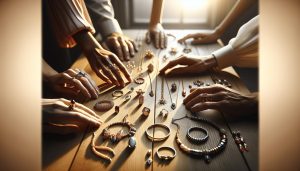
Did you know that making your own earrings can be a fun and rewarding way to express your personal style? Whether you want to create simple studs or elaborate statement pieces, DIY earrings not only save you money but also allow you to showcase your individuality. In this beginner’s guide to DIY jewelry, we’ll delve into easy techniques, materials you’ll need, and creative ideas that will inspire you to start crafting. Whether you’re a seasoned crafter or just starting out, understanding the basics of earring making will empower you to design unique accessories that perfectly match any outfit. As you journey through the world of DIY earrings, you’ll discover practical tips and tricks that make the process enjoyable and accessible. Ready to dive in? Let’s explore the art of creating your own earrings and unlock your creative potential!
Choosing the Right Materials for DIY Earrings
When embarking on your journey to create beautiful earrings, choosing the right materials is crucial in achieving the desired look and style. Many DIY enthusiasts may feel overwhelmed by the variety of options available, but understanding the essential components will empower you to make informed decisions. The foundation of any earring project typically includes metals, beads, and findings. Each material has its unique properties and aesthetics, affecting both the final design and wearability.
For starters, consider the metal you want to use. If you’re looking for lightweight options, aluminum and copper are great choices, while those with metal allergies might prefer stainless steel or sterling silver for their hypoallergenic properties. Think about the finish as well; you can opt for a shiny or matte effect, or go for more intricate textures to enhance your earring designs. In addition, beads come in a stunning array of colors, materials, and shapes. From glass and ceramic to natural stones and acrylics, the options are virtually limitless, allowing you to personalize your earrings fully.
Next, do not overlook the importance of earring findings, such as hooks, posts, and ear cuffs. These components not only contribute to the earring’s overall functionality and comfort but also add decorative value. For instance, lever-back hooks can provide added security, while decorative posts can turn simple studs into eye-catching statement pieces. As you explore different materials, consider how these elements can work together harmoniously to create cohesive designs.
Lastly, consider environmental sustainability in your material choices. Many artisans now gravitate towards recycled or ethically sourced materials, not just for aesthetic purposes but also to support eco-friendly practices. By selecting sustainable materials, you not only nurture your creative spirit but also contribute positively to the environment. Whatever path you choose, the right materials will set the foundation for your unique DIY earrings, paving the way for creativity and personal expression to shine through in your designs.
Essential Tools for Making Earrings
Creating your own earrings can be a fulfilling and creative endeavor, but it’s essential to have the right tools on hand to bring your designs to life. A well-stocked jewelry-making toolkit not only makes the process smoother but also enhances your ability to experiment with different styles and techniques. Starting with the basics, consider these essential tools to ensure your DIY earring projects are both enjoyable and successful.
Wire Cutters are a must-have for trimming metal wires and headpins to the desired length, ensuring clean cuts and avoiding jagged edges. Pair these with needle-nose pliers, which allow you to grasp and bend wire precisely, a critical aspect of forming loops and manipulating findings. To make your job even easier, invest in round-nose pliers specifically designed for creating loops in wire, which are commonly used in earring designs.
Another important addition to your toolkit is a jewelry file. This handy tool can smooth out any rough edges left after cutting, providing a polished finish to your earrings and ensuring comfort in wear. Don’t forget to include a bead mat; its cushioned surface keeps beads from rolling away, preventing the frustration that can derail a crafting session.
For those eager to add additional flair to their creations, consider tools for embellishment; a beading needle can help with threading delicate materials, while a beading awl assists in opening and adjusting bead holes. Lastly, keep a ruler or measuring tape handy to keep your projects consistent in size. By equipping yourself with these essential tools, you’ll not only enhance your crafting experience but also empower your creativity to flourish.
Step-by-Step Guide to Basic Earring Designs

Whether you’re looking to create something simple for everyday wear or an eye-catching piece for a special occasion, the process of designing earrings can be both empowering and enjoyable. Starting from basic techniques allows you to layer complexity as you build confidence in your skills. Here’s a straightforward approach to get you crafting beautiful DIY earrings.
Start with a foundation design, such as a basic drop earring. For this, gather your materials: earring hooks, headpins, and beads of your choice. Here’s a simple step-by-step guide to creating a classic drop earring:
Step-by-Step Instructions
- Choose Your Beads: Select beads that resonate with your style. You can mix sizes, colors, and textures to add interest to your design.
- Prepare the Headpin: Cut the headpin to a length that suits your bead selection, leaving about half an inch above the top bead for making a loop.
- String the Beads: Thread the beads onto the headpin, arranging them in your desired order.
- Create a Loop: Using round-nose pliers, grasp the end of the headpin above the top bead and bend it at a right angle. Then, wrap the end of the headpin around the nose of the pliers to create a loop. Ensure it’s tight and secure.
- Attach the Earring Hook: Open the loop slightly using your pliers, insert the earring hook, and then close the loop firmly to secure the hook in place.
- Repeat the Process: Create a matching earring following the same steps to ensure symmetry.
This basic template can be customized infinitely. Experiment with different bead combinations or try using different styles of earring hooks to change the look entirely.
Tips for Success
- Practice Makes Perfect: Don’t hesitate to redo steps if the earring doesn’t come out as expected.
- Experiment with Lengths: Try varying the lengths of your headpins to create different styles and dangle effects.
- Layer and Combine: You can also explore combining multiple beads on one headpin for a more intricate design.
By following these vital steps, you’ll find yourself on the path to creating unique, polished earrings that reflect your personal style. Don’t hesitate to explore beyond this basic structure-each pair you craft can tell a story and showcase your creativity!
Creative Techniques for Unique Earring Styles

Crafting unique earrings can transform an outfit and express personal style, allowing you to stand out in any crowd. By exploring creative techniques, you can elevate your jewelry-making skills and create pieces that are not only beautiful but also entirely one-of-a-kind. Whether you’re aiming for intricate designs, playful themes, or experimental styles, tapping into various methods can yield striking results.
One popular technique is wire wrapping, which involves using thin wire to create intricate designs around beads or stones. This allows for customization and adds a unique flair to your earrings. You can experiment with different gauges of wire, and colors to enhance or contrast with your chosen beads. For those interested in mixed media, consider incorporating faux leather or fabric into your designs. Cutting shapes from materials like leather can create stunning statement earrings that are lightweight yet bold. Pairing these materials with metal findings can elevate your overall aesthetic.
Another exciting avenue is resin casting; this technique involves pouring resin into molds to create shapes that can include dried flowers, glitter, or pigments. The result is a pair of earrings that catch the light beautifully, making them perfect for special occasions. For a more playful approach, upcycled materials like old jewelry, buttons, or even parts of broken electronics can be reimagined into new earring designs. This method not only contributes to sustainability but also offers a treasure hunt experience in searching for materials that inspire your creative process.
Incorporating these techniques into your earring-making routine can lead to an exciting exploration of personal artistry. Embrace experimentation and confidence, allowing your creativity to shine through in each piece. With limitless possibilities, from wire-wrapped elegance to whimsical resin designs, your earrings can tell a story that reflects your unique journey and style.
Adding Color: Using Beads and Gems
When it comes to adding color to your DIY earrings, beads and gems are the vibrant heart of your creations. Selecting the right materials can breathe life into your designs, transforming simple pieces into striking showstoppers. Whether you prefer the classic allure of gemstones or the playful charm of colorful beads, understanding how to effectively incorporate these elements will not only enhance your earring designs but also reflect your unique style.
Choosing Your Materials
Exploring the world of beads and gems offers an exhilarating opportunity to play with textures, shapes, and hues. Here are some popular options:
- Glass Beads: These are available in countless colors and finishes, from glossy to matte, making them a staple for vibrant designs.
- Gemstones: Incorporating natural stones like amethyst, turquoise, or lapis lazuli adds an organic touch and can ground your creations with their natural beauty.
- Wooden Beads: For a bohemian or rustic feel, wooden beads provide a lightweight and textured option, available in various finishes.
- Clay Beads: Often handmade, these beads bring a unique artisanal quality and are customizable in both color and design.
Color Theory in Design
Utilizing color theory can significantly elevate your earring designs. Complementary colors (those opposite each other on the color wheel) can create eye-catching contrasts, while analogous colors (next to each other) provide a more harmonious look. For instance, pairing a deep blue gemstone with a light blue or teal bead can create a soothing yet impactful design. Think about seasonal themes as well; warm colors in fall or pastel shades in spring can evoke specific emotions and resonate with current trends.
Techniques for Incorporating Color
Experimenting with different techniques can yield captivating results. For instance, try mixing various bead sizes and shapes to create depth and interest. Layering beads with chains or attaching charms can add a playful dimension to your earrings. Using wire wrapping can also provide an artistic flair by framing beads and gems in unique ways while allowing for the interplay of their natural colors.
Maintenance Tips
To keep your colorful creations looking fresh, consider the materials used. Natural gemstones may require occasional cleaning with a soft cloth to maintain their luster, while synthetic beads can often handle a gentle wash with soap and water. Remember to store your jewelry in a cool, dry place to prevent any fading or damage.
By thoughtfully selecting and combining vibrant beads and gemstones, you can craft earrings that not only express your unique creativity but also add a dash of color to any outfit. The key is to experiment, trust your instincts, and have fun as you explore the endless possibilities in DIY jewelry making!
Understanding Earring Hooks and Findings
Selecting the right earring hooks and findings is essential for creating beautiful, functional jewelry. These components not only impact the style and presentation of your earrings but also determine how they feel when worn. There are various types of hooks and findings available, allowing crafters to customize their designs based on personal preference and comfort. By understanding these elements, you can take your DIY earrings to the next level, ensuring they are both stunning and wearable.
Types of Earring Hooks
Earring hooks come in several styles, each presenting unique advantages and aesthetic qualities. Here are some popular options:
- French Hooks: These are classic and simple, often used for their elegant drop design. They consist of a curved wire that goes through the ear lobe and typically requires a small bead or decoration for a finished look.
- Leverback Hooks: Known for their secure closure, leverback hooks are ideal for those who want added security. They swing shut after inserting the ear wire, preventing accidental loss.
- Post Earrings: Perfect for stud designs, these feature a flat base that sits directly on the earlobe. They often use a butterfly or clutch back to secure them in place.
- Ear Cuffs: A trendy and modern option, ear cuffs sit snugly on the outer ear without the need for a piercing. They can be adorned with various embellishments for added flair.
Understanding Findings
Findings are the hardware elements that help in assembling your earrings, and they come in many forms. The most common findings include:
- Jump Rings: These circular links are used to connect various parts of earrings, like attaching a charm or bead to a hook.
- Spacer Beads: Used to create visual gaps and enhance the aesthetic of the earring design, these beads can add a touch of elegance.
- Connectors: Useful for linking two sections together in an earring design, connectors can range from simple rings to ornate metal designs.
Choosing the right hooks and findings can be the difference between a pair of earrings that feels secure and one that might come undone unexpectedly. When crafting, consider the weight of your beads or embellishments to ensure the hooks are durable enough to support them. Also, try mixing and matching different colors and materials for the findings to complement your overall design.
By taking the time to select quality hooks and findings that suit your style and needs, you can create earrings that are not only beautiful but also a joy to wear. Don’t shy away from experimenting with different types and combinations; making unique, handcrafted jewelry should be a fun and rewarding experience!
Crafting Statement Earrings for Any Occasion
Crafting eye-catching statement earrings can elevate any outfit and express your unique style. Whether you’re attending a formal event or just want to stand out on a casual day out, bold earrings provide the perfect opportunity to showcase your creativity. From oversized hoops to intricate beadwork, the options are limitless. The key to crafting statement earrings lies in selecting the right materials and design elements that harmonize with your personal aesthetic.
To start, consider the materials that will make your statement earrings pop. Beads in vibrant colors, oversized gemstones, or metal elements such as feathers or chains can serve as fantastic focal points. When working with larger pieces, it’s essential to balance the weight with sturdy hooks and findings to ensure comfort and durability. For instance, using lightweight materials like acrylic or wood for the main earring design can help prevent any discomfort from the weight of embellishments.
Experimentation is vital in creating statement pieces. Don’t hesitate to mix and match different styles and textures. One unique approach is to combine geometric shapes with organic elements: think triangular wooden studs adorned with cascading pearl chains. This juxtaposition not only creates visual interest but also allows you to express dual facets of your personality. Start with a basic shape, such as a simple hoop, and then embellish it with dangling chains or colorful beads to transform it into a true statement piece.
Finally, consider how to style your statement earrings for different occasions. For a night out, pair bold tassel earrings with a sleek updo to draw attention to your face. Conversely, for daytime, oversized stud earrings can add a touch of flair without overwhelming your look. Remember, your handmade jewelry is not just an accessory; it’s an extension of yourself. By designing and crafting your statement pieces, you’re not only engaging in a fun and creative pastime, but you’re also cultivating a wardrobe that truly reflects who you are.
Caring for Your Handmade Jewelry
Taking care of your handmade jewelry is essential to maintaining its beauty and longevity, especially when it comes to the intricate designs and delicate materials often used in DIY earrings. With just a few mindful practices, you can ensure that your creations remain as vibrant and stunning as the day you made them.
To start, always store your handmade earrings properly. Consider using a dedicated jewelry box lined with soft fabric to prevent scratches and tangling. For added protection, you might use individual small bags or an organizer with compartmentalized slots. This simple action will guard against the wear and tear that can occur when earrings come into contact with each other or other items in your collection.
Cleaning your earrings is another vital aspect of care. Natural materials like wood can absorb moisture and oils, while metals like copper or brass may tarnish over time. A gentle approach is best: use a soft, dry cloth to wipe down your earrings after each use. For deeper cleanings, especially for pieces with beads or stones, a slightly damp cloth and mild soap can be used, but ensure that you avoid soaking the items to prevent damage to glues or materials. Always let them dry completely before storing them away to avoid moisture buildup.
When it comes to wearing your earrings, consider the environments to which you expose them. Taking off your handmade jewelry before swimming, showering, or applying lotions and perfumes can go a long way in preserving their condition. Also, be mindful of the chemicals present in various hair and skin products, as these can react negatively with certain materials.
In keeping your jewelry pristine, you not only enjoy wearing your creations longer but also enhance their resale value should you decide to sell them in the future. By developing a good care routine, you can ensure that every piece remains a beautiful reflection of your personal style, ready to shine for any occasion.
Storage Solutions for Safe Jewelry Organization

To keep your handmade earrings in excellent condition and easily accessible, investing time in proper storage solutions is essential. Did you know that the way you store your jewelry can significantly prolong its life and preserve its beauty? Avoiding the common pitfalls of tangled chains or scratched surfaces is simpler than you might think when you implement a few organized strategies.
A dedicated jewelry box is a fantastic investment. Opt for one that has compartments to hold your earrings securely and prevent them from knocking against one another. Lining the compartments with soft fabric can add an extra layer of protection against scratches. You can also use small velvet or silk pouches for individual pieces. This method works particularly well for more delicate earrings, allowing for easy transport without the risk of damage.
Creative Organization Ideas
Consider these innovative storage solutions to keep your earrings visible and organized:
- Wall-mounted holders: These can double as decorative pieces. Install a pegboard or a decorative frame with hooks to display your earrings. This option allows you to showcase your collection while keeping it organized.
- Drawer organizers: Clear organizers with separate sections can fit neatly in your dresser drawers. This makes finding the perfect pair quick and easy, all while preventing the items from getting tangled.
- DIY earring stands: Easily create your own earring stands using craft supplies, such as wood or sturdy cardboard. Not only does this keep your earrings organized, but it also allows for some creative expression in your decor.
By implementing these storage strategies, you increase the longevity of your handmade jewelry. Proper organization mitigates damage while making your earrings easy to access, allowing you to effortlessly pair them with your outfits for any occasion. Whether you’re a beginner or a seasoned jewelry maker, establishing a thoughtful storage routine will enhance your enjoyment and care for your beautiful creations.
Selling Your Handmade Earrings Online
Selling handmade earrings online can be incredibly rewarding, not only financially but also creatively. A well-executed online shop allows you to share your unique designs with a global audience. However, success in the online jewelry market requires thoughtful preparation and an understanding of key selling strategies.
One of the first steps in establishing your online presence is selecting the right platform. Websites like Etsy, Shopify, and even social media platforms such as Instagram and Facebook Marketplace can be great starting points. Each platform offers unique features that cater to different needs; for example, Etsy is excellent for handmade creations, while Shopify provides extensive customization options to build brand identity. Regardless of the choice, ensure that your store reflects your artistic vision and appeals to your target audience.
When showcasing your earrings, high-quality images are crucial. Consider the following tips for success:
- Lighting: Use natural or soft artificial light to highlight the details and colors of your earrings.
- Background: Choose simple, uncluttered backgrounds to keep the focus on your products.
- Multiple Angles: Offer pictures from different angles and include close-ups to give customers a comprehensive view of the items.
Furthermore, compelling product descriptions can enhance the customer experience. Be sure to include:
- Materials Used: Specify the types of metals, beads, or gems used, particularly if they are hypoallergenic or vintage.
- Size and Fit: Provide detailed measurements and styling suggestions to help customers envision how the earrings will look.
- Care Instructions: Educate potential buyers on how to maintain the earrings for longevity.
Once your store is set up and product listings are created, focus on marketing strategies to reach your ideal customers. Utilize social media for promotion, engage your audience with behind-the-scenes content, or start a blog that shares tips on styling earrings or DIY techniques. Consider collaborating with influencers to amplify your reach and credibility.
Lastly, stay adaptable. Keep an eye on jewelry trends and be ready to modify your designs or marketing strategies accordingly. Engaging with customer feedback and analyzing sales data can provide insights into what works and what doesn’t, ensuring the continuous growth of your handmade earring business.
Trends in DIY Earring Design for Beginners
In the vibrant world of DIY jewelry, earring design is constantly evolving, making it an exciting realm for beginners to explore. One of the key trends gaining traction is the use of unconventional materials. From dried flowers encased in resin to repurposed components like old jewelry pieces, crafters are pushing the boundaries of traditional earring design. This approach not only showcases creativity but also promotes sustainability, as makers look to reduce waste by transforming everyday items into beautiful accessories.
Another prevalent trend is minimalism, characterized by simple shapes and subtle colors. Many beginners are gravitating towards ear threads, geometric designs, and dainty studs that combine elegance with a modern twist. This style allows novice artisans to focus on clean lines and precision, making it easier to create striking pieces without overwhelming complexity. Pairing minimalistic designs with mixed materials-like wood, metal, and clay-can also introduce unique textures while keeping the overall aesthetic light and airy.
For those looking to add a splash of color, vibrant beadwork is making a noteworthy comeback. The playful combination of colorful beads with diverse patterns can transform a simple design into a statement piece. Think of using bright glass beads, semi-precious stones, or even polymer clay, which is especially popular for its versatility in creating custom designs. Beginners can take advantage of numerous tutorials available online, including quick techniques on threading and knotting, to master the art of bead placement and color coordination.
Lastly, as we navigate through the realms of DIY, layering is another trend that is captivating enthusiasts. Wearing multiple earrings in a single ear, with a mix of studs, hoops, and drops, creates a personalized aesthetic that reflects individuality. This trend encourages beginners to experiment with various styles, sizes, and arrangements, leading to a distinct look that is uniquely their own. With these current trends, beginners are equipped with both inspiration and practical techniques that empower them to embark on their jewelry-making journey with confidence and creativity.
Common Mistakes to Avoid in Earring Making
Creating your own earrings can be a delightful and fulfilling experience, but even seasoned crafters can stumble into common pitfalls. Awareness of these mistakes can save time, resources, and frustration, allowing you to focus on the creative aspects of your jewelry-making journey.
One of the most frequent errors beginners make is neglecting to test the durability of their designs. It might be tempting to skip quality checks during the initial stages, but ensuring that components are secure-especially where hooks meet beads or other elements-is crucial. A delicate earring that falls apart could lead to disappointment or even injury if sharp ends are involved. To prevent this, make it a habit to gently tug on different parts of your earrings and double-check connections.
Another common mistake involves overlooking the importance of choosing the right materials. Not all materials are created equal; using lightweight materials for larger designs ensures comfort when worn. For instance, if you’re creating long dangle earrings, consider using lightweight metals or acrylic rather than heavier beads or metal components. Furthermore, check for hypoallergenic options if your ears are sensitive; using the right materials enhances not only the aesthetic but also the comfort of your creations.
In the realm of design, beginners might often overcomplicate their initial projects. Simpler does not mean less beautiful! Striking a balance between complexity and wearability is key. It can be beneficial to start with classic designs and gradually introduce intricate elements as your confidence and skills grow. Varying textures and colors can still create visual interest without overwhelming the design. Incorporate just a few bold components instead of filling every space, which can lead to a cluttered look.
Lastly, understanding the right size and scale plays a crucial role in your earring success. Before finalizing your designs, visualize how they would look when worn. Are they too large for everyday wear? Conversely, are smaller pieces overshadowed by your outfit? A handy tip is to use a pair of earring templates or even try on similar existing earrings to assess size and proportion before committing to your creation.
By staying mindful of these common mistakes, you can refine your earring-making process, boost your confidence, and ultimately, create beautiful, wearable art. Remember, every misstep is an opportunity to learn, so embrace the journey and let your creativity shine!
Q&A
Q: What materials do I need to make earrings at home?
A: To make earrings at home, you’ll need beads, earring hooks, wires, and tools such as pliers and wire cutters. Consider using additional decorative elements like charms or gemstones for a unique touch. Check the “Choosing the Right Materials for DIY Earrings” section for more detailed advice.
Q: How long does it take to make a pair of earrings?
A: Making a basic pair of earrings typically takes between 30 minutes to an hour, depending on your design complexity and skill level. As you gain experience, you’ll become faster!
Q: What are some beginner-friendly earring designs?
A: Beginner-friendly designs include simple bead dangles, hoop earrings, or stud earrings with resin. These styles require minimal tools and techniques, making them accessible for newcomers.
Q: How can I add personal flair to my DIY earrings?
A: You can add personal flair by incorporating unique materials, such as fabric, leather, or personalized charms. Experimenting with colors and textures will help your earrings stand out!
Q: What mistakes should beginners avoid when making earrings?
A: Common mistakes include using low-quality materials, not securing findings properly, and overlooking the comfort of the earring design. Refer to the “Common Mistakes to Avoid in Earring Making” section for more insights.
Q: Where can I find inspiration for earring design ideas?
A: Inspiration can be found in jewelry-making tutorials online, social media platforms like Pinterest and Instagram, and local craft shops. Browse “Trends in DIY Earring Design for Beginners” for a wealth of design ideas.
Q: Can I sell the earrings I make?
A: Yes, you can sell your handmade earrings! Consider setting up an online shop on platforms like Etsy or at local craft fairs. Check the “Selling Your Handmade Earrings Online” section for detailed tips.
Q: How should I store my handmade earrings to avoid damage?
A: Store your handmade earrings in a cool, dry place, preferably in a jewelry box with compartments. Using anti-tarnish strips can help keep metal findings in top condition. Explore “Storage Solutions for Safe Jewelry Organization” for effective strategies.
In Retrospect
Now that you’ve taken your first steps into the enchanting world of DIY jewelry making with our guide on how to make earrings, it’s time to unleash your creativity! Remember, this journey is not just about crafting beautiful accessories but also about expressing your unique style. Don’t hesitate to explore our additional resources, like our articles on jewelry care and styling tips, to elevate your newfound skills even further.
Start designing your first pair of earrings today and discover the joy of wearing something you made yourself. If you have questions or want to share your creations, please leave a comment below – we love hearing from you! For more DIY tutorials and tips, consider signing up for our newsletter and stay inspired. Your next masterpiece awaits!