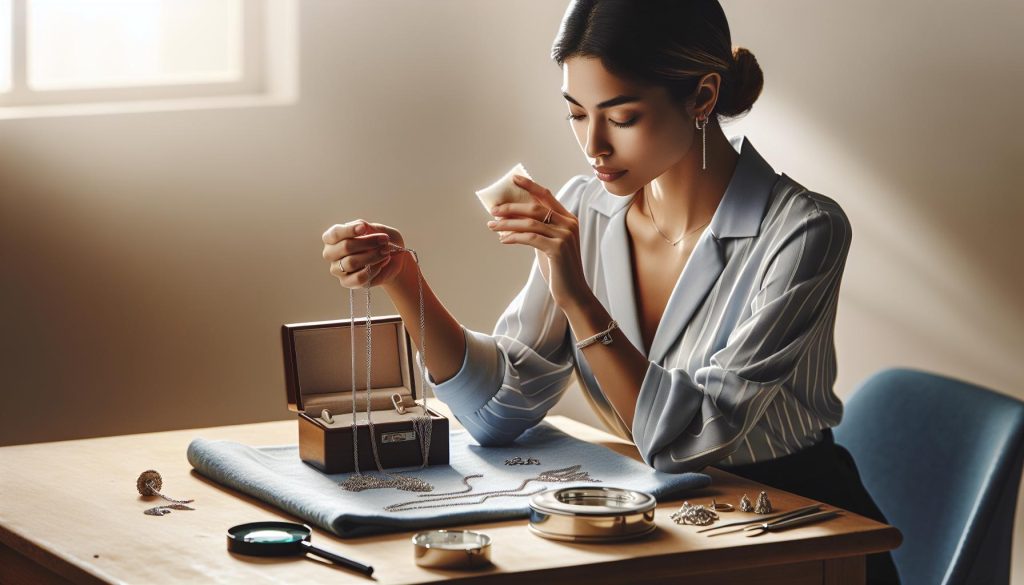
Did you know that regular maintenance can extend the life and luster of your chain jewelry? Whether you’re a seasoned collector or a casual wearer, understanding how to care for your gold and silver chains is essential. Polish chain jewelry not only enhances your personal style but also represents an investment. Over time, exposure to elements like air and sweat can dull the shine and integrity of your pieces. By implementing simple maintenance tips, you can keep your chains looking pristine and vibrant. In this article, we’ll explore essential polishing techniques, cleaning methods, and storage advice that will empower you to maintain the beauty of your jewelry collection, ensuring it’s always ready to shine. Embrace the knowledge and unlock the full potential of your cherished pieces!
Why Regularly Polish Your Jewellery: Benefits Unveiled
Regular polishing of your jewellery might seem like an extra chore, but it’s an essential practice that pays off in numerous ways. Over time, even the most treasured pieces can lose their luster due to environmental factors, skin oils, and everyday wear. By making polishing a regular part of your jewellery maintenance, you can significantly extend its life and maintain its beauty. Not only does this routine care help keep your pieces looking brand new, but it can also enhance their shine and overall appeal, making them more enjoyable to wear and show off.
One of the most notable benefits of regular polishing is the prevention of tarnish. Many metals, particularly silver and gold, can tarnish over time, developing a dull or discolored appearance. Polishing your jewellery removes surface blemishes and restores its original gleam, allowing you to enjoy its full beauty. This ritual also allows you to inspect your pieces for any potential damage, such as loose stones or broken clasps, which can be addressed before escalating into significant issues. Thus, polishing serves dual purposes: aesthetic enhancement and practical maintenance.
Moreover, polished jewellery can enhance your personal style. A shining chain or necklace can draw attention and elevate even the simplest of outfits. Regular polishing encourages a mindful approach to how you care for your jewellery, fostering a deeper appreciation for each piece. When your jewellery looks its best, you’re more likely to wear it, making it a staple in your collection.
To get the most out of your polishing routine, consider investing in quality polishing cloths and solutions specifically designed for the materials of your jewellery. This will help you create a habit that is both effective and gentle on your beloved pieces, ensuring they remain a source of joy for years to come.
Common Materials: Understanding Your Chain Jewellery
Understanding the materials used in chain jewellery can significantly enhance your appreciation and maintenance of these beautiful pieces. Chains can be made from a variety of different metals and materials, each requiring specific care and polishing techniques to maintain their beauty and longevity. Knowing the characteristics of these common materials will empower you to keep your jewellery in pristine condition.
Common Materials Used in Chain Jewellery
- Gold: A classic choice, gold is available in various karats and hues, including yellow, white, and rose gold. Higher karats (like 18K) signify more gold content, making them softer and more prone to scratches. Regular polishing with a suitable cloth can prevent dullness and maintain its shine.
- Silver: Sterling silver (92.5% silver) is beloved for its lustrous finish but is especially susceptible to tarnishing due to oxidation. To combat tarnish, regular cleaning with a silver polishing cloth or a gentle dip in silver cleaner is recommended.
- Stainless Steel: This durable metal is resistant to tarnish and scratching, making it a popular choice for contemporary designs. While it requires less frequent polishing, using a soft cloth can help keep it looking polished and new.
- Platinum: Known for its strength and durability, platinum is naturally hypoallergenic and less reactive than other metals. It can develop scratches with time, so regular polishing is beneficial to keep its surface smooth and shiny.
- Fashion Metals: Many chains are made from mixed metals or plated options (like gold-plated or silver-plated). These require gentle care, as the plating can wear off over time. Avoid exposing them to moisture and clean them lightly to extend their life.
Choosing the right cleaning method based on the material of your chain jewellery is essential. For example, while gold and platinum can withstand gentle scrubbing, softer materials like silver demand a more delicate touch to avoid damaging the surface. Regularly assessing your jewellery collection allows you to cater your maintenance practices to the specific needs of each piece, ensuring they continue to dazzle and complement your style for years to come.
Effective Techniques for Cleaning Chain Jewellery
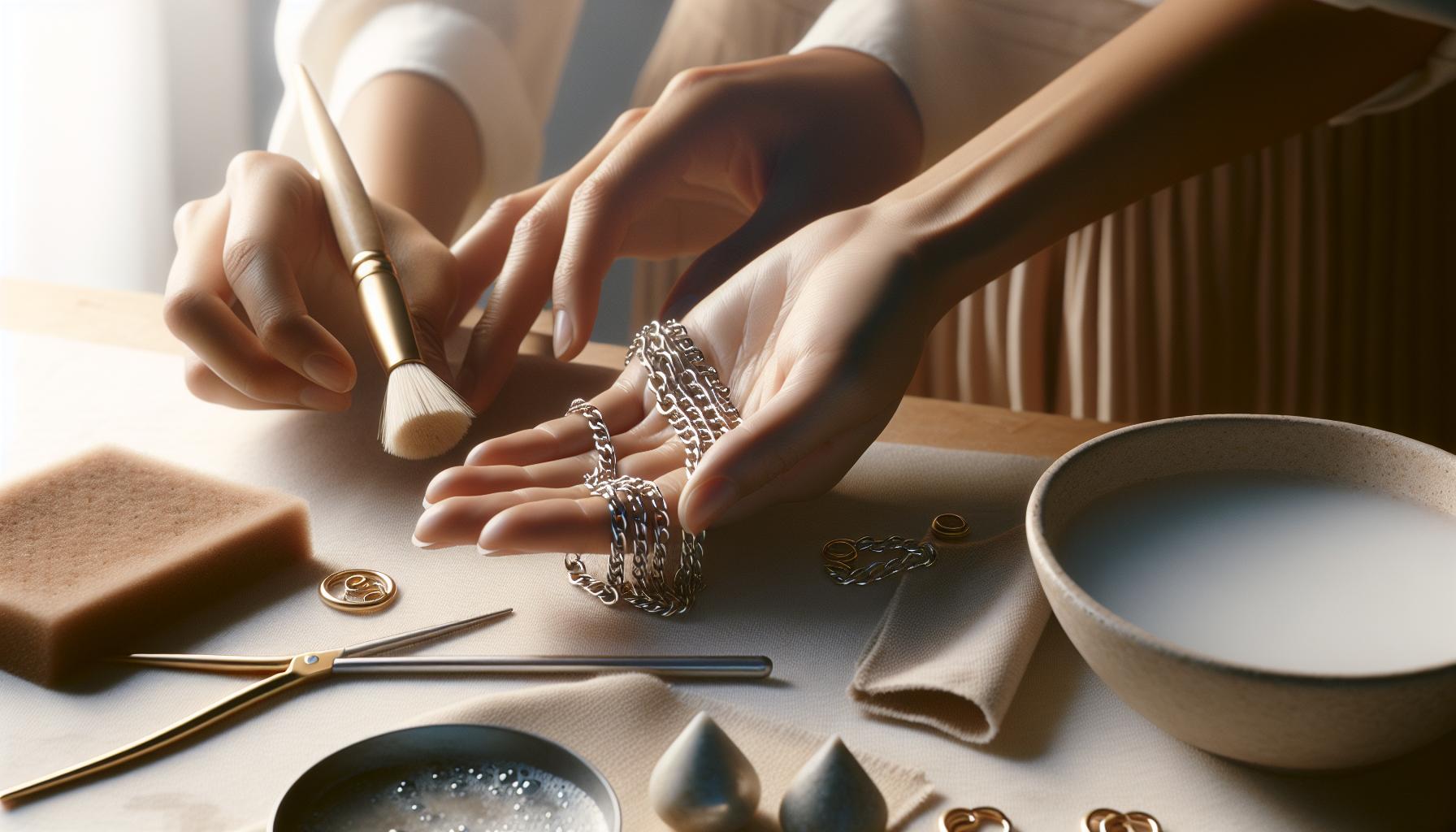
Cleaning chain jewellery is essential not just for maintaining its visual appeal but also for extending its lifespan. Over time, dirt, oils from your skin, and environmental factors can dull the shine of your beloved pieces. Fortunately, employing the right cleaning techniques can easily restore their luster and keep them looking brand new. Here are effective methods tailored for various materials, ensuring that your jewellery shines bright.
To start, gentle soaking is a universal technique suitable for many metal types, especially gold and platinum. Mix warm water with a few drops of mild dish soap, and let your jewellery soak for about 15 to 30 minutes. After soaking, use a soft-bristled toothbrush to gently scrub hard-to-reach areas like crevices and clasps. This method is safe for chains but be cautious with delicate gemstones; if your chain features intricate settings, ensuring that no stone is loose before soaking is advised.
For silver jewellery, which is prone to tarnishing, consider a more targeted approach. A silver polishing cloth can swiftly wipe away tarnish, while a dip in silver cleaner can rejuvenate heavily tarnished pieces. Additionally, rinsing your jewellery in warm water after using cleaning solutions can eliminate residue and prevent future tarnishing. Remember to dry your silver thoroughly with a lint-free cloth afterward.
For stainless steel, a quick clean with soap and water should suffice. Because of its resistance to tarnishing, you can afford to be a bit less delicate. Simply use warm soapy water, scrub with a soft cloth, rinse, and dry. This straightforward technique will keep your stainless steel chains gleaming without fear of damage.
When it comes to fashion metals, such as gold- or silver-plated items, extra caution is necessary because the plating can wear off. Use a soft cloth to wipe them down, avoiding excessive moisture and harsh chemicals. Regular light cleaning offers the best way to maintain their appearance, as soaking or scrubbing can cause the plating to diminish prematurely.
Ultimately, finding the right cleaning method depends on the specific material of your chain jewellery. Prioritizing gentle care will not only preserve their beauty but also enhance your overall wearing experience. With these effective techniques, your jewellery will continue to sparkle, allowing you to cherish them for years to come.
Essential Tools for DIY Jewellery Maintenance
For anyone who cherishes their chain jewellery, having the right tools for maintenance is crucial in keeping those pieces looking pristine. Each piece tells a story, and maintaining its sparkle involves more than just occasional polishing; it requires a toolkit that enables you to perform regular care effectively and easily.
Start with a soft-bristled toothbrush, which is an indispensable tool for cleaning. This gently removes grime from intricate parts of your chain without scratching, ensuring that each link is cared for. Combine this with microfiber cloths that safely buff away tarnish and restore shine. These cloths are particularly effective because they leave no lint behind, crucial for maintaining the clarity of polished surfaces.
In addition, having a reliable jewellery cleaner solution designed for the specific materials of your pieces is essential. For example, a gentle liquid cleaner will work wonders on gold and platinum chains, while a silver polish can help lift tarnish from sterling silver. Always ensure that the solution is compatible with your jewellery’s materials to avoid damage. For those with more delicate components, consider dish soap and warm water as a gentle alternative that is just as effective for routine cleanings.
For thorough maintenance, a jewellery organizer or box can protect your pieces and prevent tangling. Choosing a compartmentalized storage solution not only keeps your chains safe but also allows for easy access when you’re ready to wear them. Lastly, investing in a jewellery polishing cloth with a built-in cleaning compound can allow for quick touch-ups when your chain needs a little extra love.
Equipping yourself with these essential tools empowers you to maintain your chain jewellery effectively, allowing each piece to shine and tell its story for years to come. By integrating regular care into your routine, you’ll ensure that your treasured items always look their best, ready to shine at any occasion.
How Often Should You Polish Your Chain Jewellery?
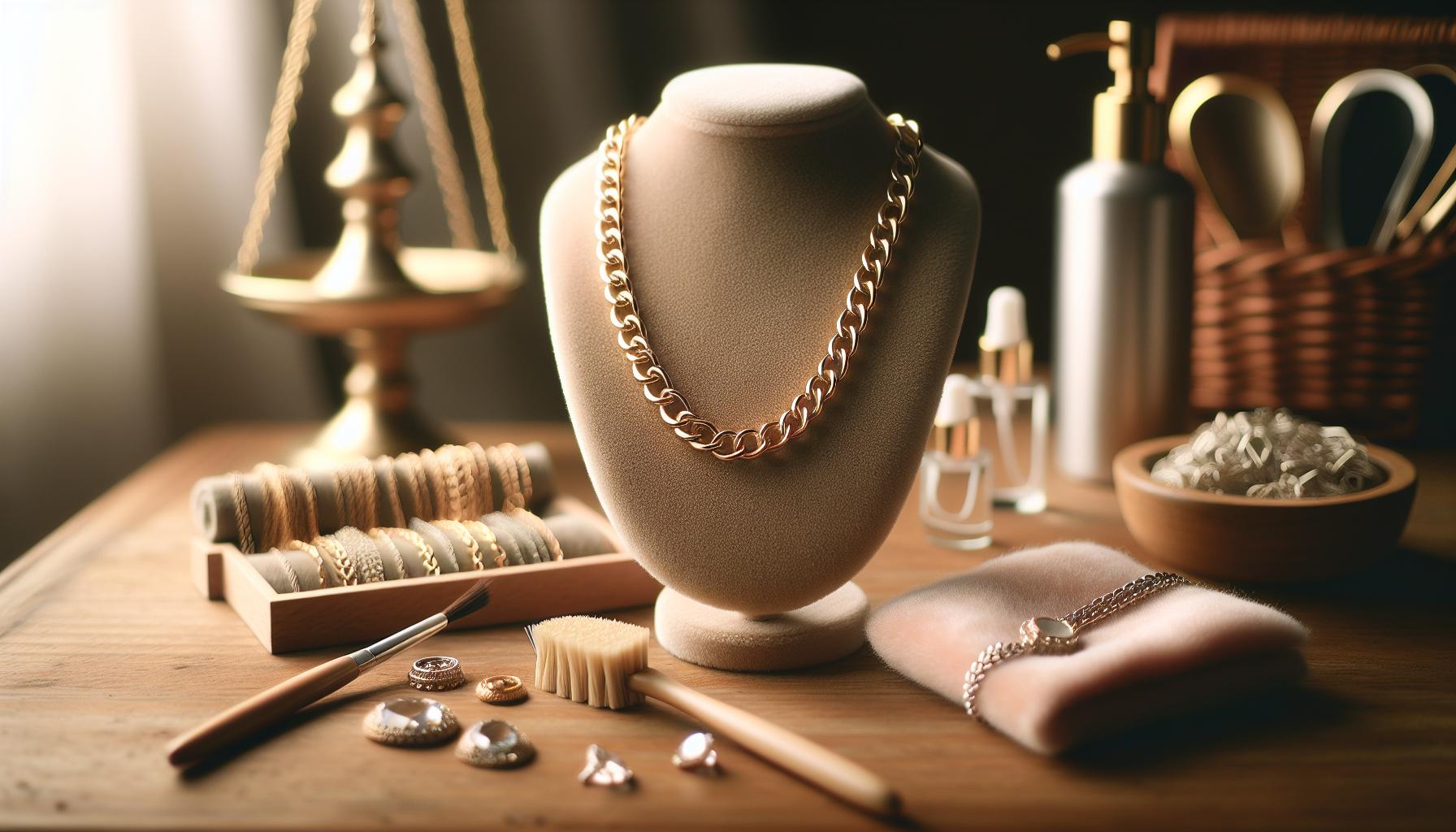
Maintaining the dazzling appearance of your chain jewellery is not just about the occasional shine; it involves regular attention to keep those cherished pieces looking their best. The frequency with which you polish your chain jewellery can significantly impact its longevity and brilliance. A good rule of thumb is to give your chains a polishing treatment every few months, but this can vary based on usage and the environmental conditions they are exposed to.
For everyday wearers, it’s advisable to polish your chain jewellery every 4 to 8 weeks. Regular polishing helps to remove any surface tarnish and restore the luster that can dull over time from exposure to skin oils, sweat, or environmental pollutants. If you wear your jewellery less frequently or only for special occasions, you might find that every 3 to 6 months is sufficient. However, it’s important to evaluate the condition of your jewellery regularly; if it appears dull or tarnished, don’t hesitate to give it a quick polish regardless of the timeline.
When polishing delicate chain pieces, especially those with intricate designs or gemstones, extra caution is warranted. Using a soft cloth designed for polishing and a gentle cleaning solution appropriate for the material can prevent scratching and extend the life of your jewellery. Always ensure you inspect your pieces before polishing, looking for any signs of damage or wear that may need professional attention.
Ultimately, developing a routine that considers your wearing habits, the types of materials in your jewellery, and your environmental conditions will allow you to maintain the beauty and integrity of your chain jewellery effectively. Remember, a little love regularly goes a long way in preserving those sparkling treasures for many years to come.
Preventative Care: Protecting Your Jewellery from Damage
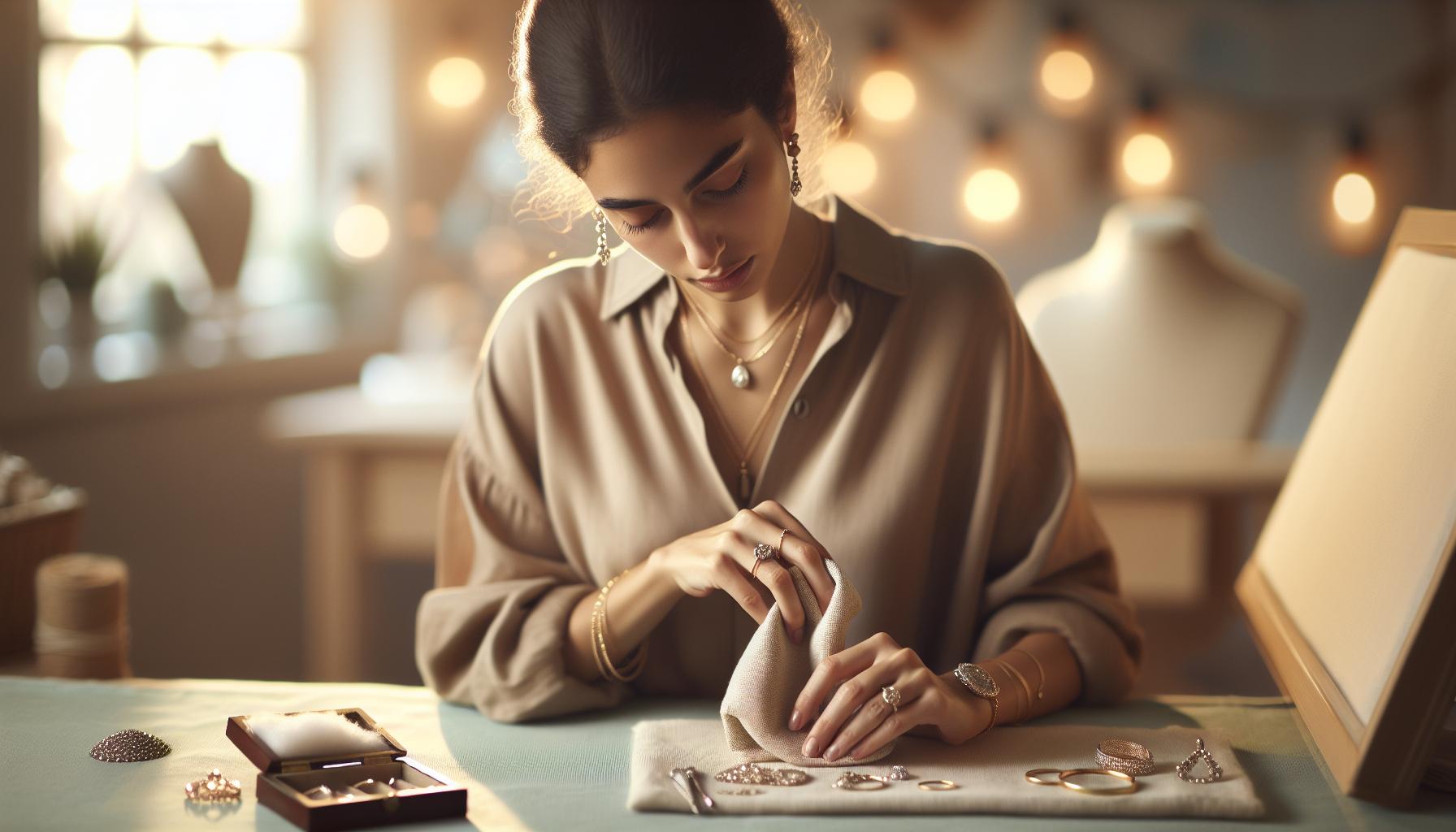
Taking preventive measures to care for your jewellery is essential for preserving its beauty and longevity. Did you know that many common practices can lead to unintentional damage? Understanding how to protect your cherished pieces begins with awareness and a few simple adjustments to your routine.
First, consider the environments in which you wear your chain jewellery. Exposure to household cleaners, perfumes, and even chlorine from swimming pools can tarnish or degrade metals and stones over time. To safeguard your jewels, it’s advisable to remove them before engaging in activities such as cleaning or swimming. Additionally, when applying lotions or sprays, allow them to dry completely before introducing your jewellery back into the mix.
Storage is another crucial aspect of preventative care. Chain jewellery can easily tangle or get scratched if stored improperly. Invest in a dedicated jewellery box with individual compartments or use soft pouches for each piece. Consider hanging your chains on a specialized rack to avoid friction with other items. This small adjustment can prevent unnecessary wear and tear, ensuring that your jewellery remains in pristine condition.
Finally, regularly inspect your jewellery for signs of wear; this includes checking for loose stones, bent chains, or discolored metal. Address these issues promptly, as small problems can escalate into significant damage if left unattended. If you’re unsure about any damage, consult with a professional jeweler who can provide expert guidance and care. By adopting these protective habits, you can enjoy your beautiful chain jewellery for many years to come.
The Impact of Environment on Jewellery Longevity
Wearing your cherished chain jewellery often means exposing it to a variety of environmental factors that can impact its longevity. From the humidity in summer air to the harsh chemicals found in household cleaners, the environments we inhabit play a substantial role in the wear and tear of our beloved pieces. Did you know that even everyday activities can significantly shorten the lifespan of your jewellery? Understanding and mitigating these environmental impacts is key to preserving the beauty and integrity of your accessories.
Before embarking on that morning routine, consider the effects of lotions, perfumes, and hair sprays. These substances can cause build-up or discoloration. As such, it’s wise to apply these products and allow them to fully dry before putting on your jewellery. This simple, preventative measure can save your chains from unsightly tarnishing and ensure that your pieces remain vibrant and appealing. Additionally, when engaging in cleaning or swimming, always remove your jewellery, as chlorinated water or abrasive cleaning agents can lead to irreversible damage.
Another significant environmental factor is the storage method. Many individuals overlook the importance of how their jewellery is stored, but improper storage can result in tangling, scratching, or even breakage. Investing in a jewelry box that allows for individual compartments or using soft pouches can drastically reduce the risk of damage. Chains should ideally hang freely without the chance of touching other pieces, as friction against metals can lead to scratches and dullness over time.
Lastly, climate plays a crucial role in jewellery care. In humid conditions, certain metals are more prone to oxidation and tarnishing. If your environment tends to be particularly humid, consider using silica gel packets in your jewellery box to reduce moisture levels. Conversely, dry air can lead to brittleness, especially in materials like leather or plastic components often found in costume jewellery. Regularly assessing the condition of your jewellery and making simple adjustments to how and where you wear and store your pieces will extend their life significantly, allowing you to treasure each piece for years to come.
Creative Storage Solutions for Chain Jewellery
Storing your chain jewellery properly is essential for maintaining its beauty and preventing damage over time. A well-thought-out storage solution not only keeps your pieces organized but also protects them from tangling, scratching, and other wear-and-tear. With a few creative approaches, you can ensure your chains remain polished and pristine, ready to wear or showcase whenever you desire.
One of the most effective solutions is to use a dedicated jewellery box that features compartments specifically designed for chains. Look for boxes with individual slots or padded areas that allow each piece to hang freely. This prevents the chains from competing for space, reducing the chances of tangling or scratching each other. If you prefer a visual display, consider wall-mounted or freestanding jewellery organizers. These can feature hooks or racks where chains can hang without touching other pieces, making it easy to see and access your favourites while keeping them safe.
Another imaginative storage idea involves repurposing items around the house. A simple pegboard can be customized with hooks to create an eye-catching display for your chains. Alternatively, a decorative bowl or tray can serve as a unique catch-all that not only holds your jewellery but also doubles as a stylish accent piece for your dresser or vanity. This approach allows for easy accessibility, inviting you to rotate and showcase different pieces regularly.
When it comes to travel, protecting your chain jewellery requires a touch of ingenuity. Small, soft pouches made from fabric or felt can be ideal for preventing scratches and tangles while on the go. For more delicate chains, consider investing in a travel jewellery organizer that features slots and compartments, ensuring your pieces remain secure throughout your journey.
By implementing these creative storage solutions, you not only enhance the longevity of your chain jewellery but also elevate your collection’s overall aesthetic appeal. Remember, a well-maintained environment is key to enjoying your cherished pieces for years to come.
Style Tips for Showcasing Your Polished Pieces
To truly make your polished chain jewellery shine, consider how you display these beautiful pieces. A striking visual presentation not only highlights their elegance but also showcases your personal style. One effective way to achieve this is by curating a display that incorporates varying heights, textures, and colors. For example, utilize a tiered jewelry stand, where shorter chains can be placed at the front and longer ones in the back, allowing each piece to be easily seen while preventing tangles.
Incorporating elements of your personal style adds a unique flair to your jewellery display. Think about integrating decorative objects that complement your chain jewellery-such as small sculptures, vintage trays, or even natural elements like crystal geodes or potted plants. These can create an intriguing backdrop that makes your chains pop. Additionally, consider seasonal themes or color coordination for an added touch. For instance, pastel-colored chains could be paired with soft-hued decor during spring, while bold, jewel-toned pieces can stand out against rich autumn displays.
When it’s time to wear your chain jewellery, mastering the art of layering is key. Mixing different lengths and styles can create an eye-catching effect. Start with a statement piece, such as a chunky chain or a pendant, and build around it with more delicate chains of varying lengths. This not only draws attention but also allows for the interplay of metals and textures. Remember to consider the neckline of your outfit-paired with a simple blouse or dress, layered chains can add dimension without overwhelming your look.
Lastly, don’t underestimate the power of proper lighting. Whether you’re showcasing your collection at home or preparing for a night out, good lighting can dramatically affect how your jewellery appears. Consider placing your jewellery display near natural light sources or using soft, warm lighting to create an inviting ambiance. When it comes to wearing your polished pieces, strategic positioning in well-lit settings can truly amplify their brilliance, making your jewellery not just an accessory, but the centerpiece of your outfit.
Repairing Common Issues in Chain Jewellery
When it comes to chain jewellery, wear and tear can happen surprisingly quickly. Whether it’s a broken link, tarnishing due to oxidation, or an unexpected knot that seems impossible to untangle, understanding how to tackle these common issues will help extend the life of your cherished pieces. Thankfully, many repairs are straightforward and can be done at home with the right approach.
Common Chain Issues and Their Solutions
Tarnishing is a common problem, especially for silver and other plated metals. To restore shine, a gentle cleaning with a solution of mild dish soap and warm water can work wonders. For heavily tarnished pieces, consider using a silver polishing cloth specifically designed for jewellery. This not only cleans the surface but also helps maintain a protective layer against future tarnishing.
Broken Links or Clasps can be easily remedied if you have the right tools. For minor repairs, you’ll need:
- A pair of needle-nose pliers
- Jump rings if a link needs to be replaced
- A sturdy work surface with good lighting
If a link is broken, gently open any adjacent links with the pliers, replace the broken link with a jump ring, and then securely close everything back up. For clasp failures, sometimes a simple replacement with a new clasp found at craft stores can be a lifesaver.
Tangled Chains can be frustrating, but patience is key. Lay the chain flat on a surface and carefully work on the knot from both sides, using a fine tool like a pin or a needle to gently loosen the knot without applying too much pressure. If this fails, soaking the tangled chain in warm, soapy water for a few minutes can help relax the knots.
Prevention is Key
To minimize these issues, regular polishing and maintenance are essential. Incorporate polishing into your routine every few months-this not only removes tarnish but also provides an opportunity to inspect your pieces for any loose links or other issues that may need addressing. Store your jewellery in a dry, cool place, ideally in a anti-tarnish cloth or container, to further reduce the risks of damage.
By taking these proactive steps, you’ll enjoy your beautiful chain jewellery for many years to come while preventing small problems from evolving into costly repairs.
Starting Your Own Jewellery Maintenance Business
can be an exciting venture and a rewarding way to share your passion for preserving beautiful pieces. The jewellery care industry is growing, as more people are becoming aware of the importance of maintaining their treasured accessories. Whether it’s polishing chain jewellery or conducting minor repairs, there’s a strong demand for services that help extend the life of items often laden with sentiment.
To launch successfully, first, identify your niche within jewellery maintenance. You might specialize in specific materials, such as silver and gold, or focus on certain types of jewellery like chains, bracelets, or even gemstone rings. Understanding your unique offering can define your brand and attract your target audience. Craft a business plan that outlines your services, pricing, marketing strategies, and expected expenses. Utilize your knowledge of effective cleaning techniques and preventative care that you’ve learned, ensuring that your approach is reliable and trusted by your clients.
Promoting your business can be managed through social media, local advertising, or even community events. Consider hosting workshops that teach customers how to care for their jewellery, demonstrating your expertise while engaging directly with potential clients. Offering consultations or free assessments can entice customers to try your services, and once they experience the value of professional care, they’ll likely return for more.
Finally, consider investing in the essential tools and supplies that your services will require. A basic toolkit might include ultrasonic cleaners, polishing cloths, and cleaning solutions tailored for specific materials. By prioritizing high-quality products and tools, you can ensure that the maintenance you provide meets the expectations of discerning clients. With dedication, creativity, and a customer-first attitude, your jewellery maintenance business can thrive, keeping people’s cherished possessions looking their best for years to come.
Authenticating Quality in Chain Jewellery
To ensure that you are getting the most value out of your chain jewellery, it’s essential to know how to authenticate its quality. Authenticity not only provides peace of mind regarding your investment but also enhances your understanding of the materials and craftsmanship involved. The ability to distinguish between genuine pieces and imitations can be crucial, especially when considering precious metals like gold and silver.
A reliable way to authenticate chain jewellery starts with examining the hallmark or manufacturer’s mark. Authentic pieces typically feature stamps indicating the metal’s purity, such as “925” for sterling silver or “585” for 14k gold. If your jewellery lacks these markings, it might be worth verifying with a jeweller or conducting a simple test at home. For instance, a magnet test can help identify non-precious metals, as genuine gold and silver will not be magnetized.
Another vital method is to understand the craftsmanship and construction of the jewellery: quality chain pieces often show immaculate finish and attention to detail, with smooth links that do not snag or catch. Compare two pieces-one you suspect is authentic and the other a cheaper imitation. You may notice that the authentic piece feels more substantial and has a better weight and shine.
Involving Professionals
When in doubt, consulting a professional jeweller is the best approach. They can provide a comprehensive evaluation and even appraisal if you’re looking to insure or sell the piece. Many jewellers offer services to verify authenticity and can educate you on the specifics of what high-quality jewellery should feature.
By arming yourself with knowledge about hallmarking, craftsmanship, and seeking professional opinions, you empower yourself to make informed decisions regarding your chain jewellery. This not only preserves your investment but also enhances your overall experience as a jewellery enthusiast, allowing you to appreciate the quality and artistry behind each piece.
Q&A
Q: Why is it essential to polish chain jewellery regularly?
A: Regularly polishing chain jewellery helps maintain its shine and luster, removing tarnish and dirt that can accumulate over time. This not only enhances aesthetics but also prolongs the life of the piece by preventing corrosion. For more benefits, see “Why Regularly Polish Your Jewellery: Benefits Unveiled.”
Q: What are the best materials for polishing chain jewellery?
A: The best materials for polishing chain jewellery include microfiber cloths for gentle cleaning and specialized jewellery polish solutions for deeper shine. Avoid harsh chemicals that can damage delicate chains. Refer to “Common Materials: Understanding Your Chain Jewellery” for more insights.
Q: How can I effectively clean my chain jewellery at home?
A: To clean chain jewellery at home, mix mild soap with warm water, soak your jewellery for 10 minutes, then gently scrub with a soft brush. Rinse and dry with a microfiber cloth. For thorough techniques, explore “Effective Techniques for Cleaning Chain Jewellery.”
Q: What tools do I need for DIY jewellery maintenance?
A: Essential tools for DIY jewellery maintenance include a microfiber cloth, soft-bristled brush, polishing cloth, and jewelry cleaning solution. These tools help ensure your pieces remain in tip-top condition. Check out “Essential Tools for DIY Jewellery Maintenance” for a full list.
Q: How often should I polish my chain jewellery?
A: You should polish your chain jewellery every few weeks or whenever you notice tarnishing or dullness. Regular inspection is key to maintaining its appearance. For detailed recommendations, consult “How Often Should You Polish Your Chain Jewellery?”
Q: What precautions should I take to protect my jewellery from damage?
A: To protect your jewellery, store it in a dry, cool place, avoid exposure to harsh chemicals, and take it off during rigorous activities. Preventative measures can greatly enhance durability, which is further discussed in “Preventative Care: Protecting Your Jewellery from Damage.”
Q: How does the environment affect jewellery longevity?
A: Environmental factors like humidity, temperature, and exposure to chemicals can affect jewellery longevity by causing tarnishing or corrosion. Regular maintenance, including polishing and appropriate storage, can mitigate these effects. Learn more in “The Impact of Environment on Jewellery Longevity.”
Q: Are there specific storage solutions for chain jewellery?
A: Yes, using soft pouches, jewellery boxes with compartments, or even designated hooks can help prevent tangling and damage. Proper storage keeps your jewellery organized and accessible. Discover more in “Creative Storage Solutions for Chain Jewellery.”
Key Takeaways
Maintaining the brilliance of your chain jewellery through regular polishing is essential not only for its appearance but also for its longevity. The care you invest today will ensure your pieces shine brilliantly for years to come. Don’t wait-start implementing these essential maintenance tips and see the difference! If you’re eager to dive deeper, explore our articles on DIY Jewellery Care and Essential Tips for Cleaning Metals and Gems for more insightful advice.
Remember, regularly cleaning and maintaining your jewellery not only enhances its beauty but also preserves its value. If you have any questions or need personalized guidance, feel free to drop a comment below or sign up for our newsletter to receive exclusive tips and updates straight to your inbox. Join our community of jewellery enthusiasts and elevate your jewellery care game today!