Have you ever wondered why your beloved silver jewellery seems to lose its shine over time? It’s a common concern for many jewellery lovers, as silver tarnishing is not only an aesthetic issue but also a natural chemical reaction involving elements in the environment. Understanding the science behind tarnishing can empower you to better care for your pieces and keep them looking their best. In this article, we’ll explore the reasons silver tarnishes and uncover practical tips to prevent and treat tarnish, ensuring your jewellery remains a stunning accessory for years to come. Dive in to discover ways to protect your treasures and maintain their brilliance!
Understanding Silver Jewellery Tarnish
Tarnish on silver jewellery is an inevitable part of its chemistry, characterized by a dull, dark layer that can detract from its shining beauty. This discoloration occurs primarily due to a chemical reaction between silver and sulfur compounds in the air, particularly when silver is exposed to moisture and pollutants. The tarnishing process forms silver sulfide, a darker oxide that can develop rapidly depending on environmental conditions. For example, wearing silver jewellery while using lotions or perfumes can accelerate tarnishing since these products often contain sulphur compounds that are reactive with silver.
Understanding the specific environmental factors that contribute to tarnish can empower you to take better care of your silver pieces. Factors such as exposure to air, humidity, and even the acidity of your skin can exacerbate tarnishing. When silver interacts with these elements, the reaction becomes increasingly pronounced, sometimes even when the jewellery is not in use. For instance, leaving silver jewellery out in an open space where air pollutants are present can lead to faster oxidation, making it important to consider where and how you store your valuable items.
To mitigate tarnish, preventive measures can be highly effective. Keeping silver jewellery in anti-tarnish pouches or in a sealed container away from air can significantly slow down the oxidation process. Additionally, regular cleaning with a soft cloth after each wear can help maintain its luster and prevent tarnish from accumulating. Understanding these elements not only preserves the aesthetic appeal of your silver jewellery but also enhances your appreciation of this timeless material.
What Causes Silver to Tarnish?
Tarnishing is a natural process that occurs when silver jewelry interacts with various environmental elements, leading to a chemical reaction that transforms its shiny surface. At the heart of this phenomenon is the reaction between silver and sulfur compounds-common in the air we breathe. When silver, particularly sterling silver, is exposed to air, moisture, and pollutants, it undergoes oxidation, forming silver sulfide, a dull and darkened layer that can significantly alter its appearance. Understanding this process can empower you to take proactive measures in care and maintenance, preserving the beauty of your treasured pieces.
Several factors contribute to tarnishing, with exposure to sulfur and moisture being the primary culprits. When silver jewelry comes into contact with skin oils, lotions, and perfumes-many of which contain sulfur-the tarnishing process accelerates. Additionally, dietary choices can influence this reaction as well. Consuming certain foods, like eggs and onions, releases sulfur compounds that can interact with your silver jewelry, especially if you’re wearing it during mealtime. This interaction showcases how everyday activities can play a significant role in tarnish formation.
Environmental conditions also have a critical impact on how quickly silver will tarnish. High humidity levels can increase the rate of oxidation, while exposure to air pollutants like chlorine in pools or household cleaners can hasten the tarnishing process. To mitigate these effects, consider practical steps such as limiting exposure by removing jewelry during activities that may expose it to harsh chemicals or moisture. Familiarizing yourself with these factors provides a comprehensive understanding of why your silver may tarnish and empowers you to take effective preventive actions.
By being aware of how tarnishing occurs, you can implement best practices in your jewelry care routine, ensuring that your pieces not only retain their shine but also continue to hold their sentimental value over time.
The Science of Silver Oxidation

Tarnishing may seem like a mere nuisance, but delving into reveals a fascinating interplay of chemistry and environmental factors. At its core, the tarnishing process is an oxidation reaction where silver reacts with sulfur-containing compounds in the air, such as hydrogen sulfide. This reaction forms silver sulfide, the dark and dull coating that plagues many beloved pieces of silver jewelry. Understanding this oxidation process helps illustrate why silver is more susceptible to tarnishing than other metals.
Silver doesn’t tarnish uniformly; its rate of oxidation can be influenced by various elements. When exposed to moisture, oxygen, and sulfur compounds, silver ions in the metal begin to lose electrons, a hallmark of oxidation. During this process, silver becomes oxidized, leading to the formation of a tarnish layer. Among the most common triggers for this reaction are household products like rubber, certain papers, and even some types of clothing which can contain sulfur or chlorine compounds. Recognizing these sources is essential for protecting your jewelry.
Furthermore, the chemistry of your environment plays a significant role. Humidity accelerates the oxidation process; locations with higher moisture levels can experience increased tarnishing rates. This is particularly noteworthy for individuals living in coastal regions where salty air and higher humidity levels contribute to faster tarnish formation. By taking these factors into account, you can make informed choices about when and where to wear your silver, allowing you to enjoy its beauty for longer.
Incorporating best practices for care and storage can dramatically reduce the impact of oxidation. Regularly polishing silver with a soft cloth removes tarnish before it builds up, while proper storage in anti-tarnish pouches or cloths keeps exposure to corrosive elements at bay. By understanding the science behind silver oxidation and taking proactive measures, you can maintain the luster and charm of your silver pieces, ensuring they remain cherished for years to come.
Environmental Factors Accelerating Tarnish

Exposure to specific environmental factors can significantly accelerate the tarnishing process of silver jewelry. One of the primary culprits is the presence of sulfur in the air, often found in common household items and materials. For instance, products containing rubber, certain types of paper, and even some textiles can release sulfur compounds that react with silver, leading to a faster buildup of tarnish. This reaction is particularly pronounced in urban areas where pollution levels are higher, as these locations often have elevated sulfur levels in the atmosphere.
Another vital element contributing to tarnish is humidity. High humidity can create a more conducive environment for oxidation, facilitating the chemical reactions that lead to tarnish. Individuals living in coastal regions, where salty air combines with moisture, may notice their silver jewelry dulling more quickly due to the combined effects of salt and humidity. In contrast, dryer climates may slow down this process but not eliminate it entirely.
Consider also the impact of chemicals in your environment. Exposure to cleaning products, perfumes, and even some lotions can leave residues that react with silver. For instance, when perfume particles settle on jewelry, they can contribute to tarnishing. Additionally, daily activities that involve cooking or exercising can increase the likelihood of your silver pieces coming into contact with sweat and oils, which can tarnish silver over time.
To mitigate these environmental influences, it’s helpful to be mindful of where you wear and store your silver jewelry. Keeping your pieces in a climate-controlled environment, using anti-tarnish pouches, and avoiding prolonged exposure to harsh chemicals can help protect your jewelry from tarnishing. By understanding these factors, you can take proactive steps to maintain the beauty of your silver pieces and enjoy their luster longer.
How to Prevent Silver Tarnishing
To keep silver jewelry gleaming for years to come, proactive care is essential. Effective prevention of tarnishing relies on a combination of proper storage, environmental control, and mindful wear habits. By employing these strategies, you can significantly reduce the chances of tarnish build-up, ensuring that your silver pieces maintain their beauty.
One of the simplest yet most effective methods to prevent tarnish is to store your silver jewelry in airtight containers or anti-tarnish pouches. These specialized bags contain materials that absorb moisture and gases that can lead to tarnishing. For even more protection, consider placing a piece of chalk in your storage area. Chalk is known to absorb moisture and can help maintain a dry environment, reducing oxidation reactions on your silver pieces [[1]](https://www.southernliving.com/home/organization/how-to-prevent-silver-from-tarnishing?srsltid=AfmBOornwhseIn5N99cpFFZ0gvtnvGQsW9WOCbbS448d1q9qCtUTX7tD).
Furthermore, limit exposure to sulfur-rich items and harsh chemicals. Everyday products such as rubber bands, certain papers, and even some fabrics release sulfur compounds which can accelerate tarnishing. Avoid wearing silver when using cleaning products, applying lotions, or engaging in activities where sweat can easily come into contact with your jewelry [[3]](https://www.joyalukkas.in/our-blogs-details/how-to-prevent-silver-from-tarnishing.html?srsltid=AfmBOopG3084CR81E4qv0ur9xx-uUAR4c0h2XKGrFd7C7uv8YYF5B14r).
Lastly, regular maintenance is key. Clean your silver jewelry with a mild soap and water solution after each wear to remove residues that could promote tarnishing. For those looking to take extra care, using a silver polish cloth designed to eliminate tarnish while safeguarding the metal’s finish can be a valuable addition to your routine [[2]](https://www.quora.com/How-can-I-store-silver-plates-after-cleaning-to-prevent-them-from-tarnishing). When you store your pieces properly, control their environment, and handle them with care, you’ll keep your silver jewelry looking stunning for many years.
Best Practices for Cleaning Silver Jewellery
To keep silver jewelry looking radiant and enduring its charm, understanding how to clean and maintain it is crucial. Silver tarnishes primarily due to a chemical reaction with sulfur compounds in the air or on the skin, but with the right cleaning practices, you can significantly reduce this effect. The key is to be proactive with cleaning routines, using appropriate materials and techniques that preserve the metal’s beauty while effectively removing tarnish.
Effective Cleaning Techniques
Start by utilizing a simple method: a warm, soapy water solution. Mix a few drops of mild dish soap with warm water and gently immerse your silver pieces. Use a soft cloth or sponge to scrub away any residue, being cautious not to apply too much pressure, which could scratch the surface. After cleaning, rinse your jewelry thoroughly under warm running water to eliminate any soap residue, and dry it immediately with a soft, lint-free cloth. This method works well for everyday pieces that may have accumulated light tarnish or dirt.
For more stubborn tarnish, consider employing a commercial silver polish or using a silver polishing cloth. These cloths are infused with cleaning agents designed to lift tarnish while protecting the metal’s finish. Before using any chemical polish, it’s essential to read the manufacturer’s instructions to avoid damage. Remember, dips or heavy abrasives are generally not recommended, as they can strip the silver of its natural sheen and may cause pitting over time [[3]](https://www.tiffany.com/client-services/care-and-repair/sterling-silver-jewelry-care.html).
DIY Tarnish Removal Solutions
If you prefer natural methods, numerous household items can serve as effective tarnish removers. Create a paste using baking soda and water, applying it gently to tarnished areas with a soft cloth or your fingertips. Allow the paste to sit for a few minutes before rinsing well and drying. Alternatively, you can soak your silver jewelry in a mixture of vinegar and baking soda (about a cup of vinegar and two tablespoons of baking soda) for 2-3 hours, ensuring to rinse thoroughly afterward. This method takes advantage of the chemical reaction between the ingredients to lift tarnish without harsh chemicals.
Incorporating these cleaning practices into your jewelry care routine will not only help maintain the luminous appearance of your silver pieces but also prolong their longevity. Regular cleaning and mindful maintenance can prevent tarnishing and keep your treasured items shining brightly for years to come.
DIY Solutions to Remove Tarnish
Cleaning silver jewelry doesn’t have to be a chore, thanks to a bounty of easy, effective DIY solutions right in your kitchen. These natural methods not only preserve your silver’s shine but also work wonders in combating tarnish caused by environmental factors. Among your essential allies in this battle against tarnish are everyday items like baking soda, vinegar, and aluminum foil, which can be transformed into powerful cleaning agents with just a little creativity.
Begin with a simple paste of baking soda and water. Combine three parts baking soda to one part water until it reaches a thick consistency. With a soft cloth, gently apply the paste to the tarnished areas of your silver jewelry in a circular motion. Allow it to sit for a few minutes to work its magic before rinsing thoroughly under warm water and drying immediately with a lint-free cloth. This method not only lifts tarnish but also brightens your jewelry without introducing harsh chemicals.
Another popular and effective method involves the use of vinegar and baking soda. Soak your silver pieces in a solution of one cup of vinegar and two tablespoons of baking soda for about two to three hours. This mixture will bubble and fizz, providing a gentle yet effective reaction that helps lift tarnish from the surface. After soaking, rinse your jewelry under cool water and pat it dry. This natural approach is not only simple but is also suitable for pieces that require a bit more attention due to extensive tarnish buildup.
For those tricky spots or intricate details, consider creating an aluminum foil bath. Line a bowl with aluminum foil, shiny side up, and fill it with hot water. Add a scoop of baking soda, which will react with the aluminum and create a mild non-toxic cleaning solution. Place your silver items in this bath for a few minutes; the tarnish will transfer to the foil, leaving your jewelry looking revitalized. A gentle rinse and dry afterwards will ensure a radiant finish without scratching delicate surfaces.
Incorporating these straightforward, homemade solutions into your jewelry care routine not only simplifies the cleaning process but also enhances your appreciation for the materials you use. Your silver jewelry will shine brilliantly, reflecting not just its beauty but also the care you provide, ensuring your treasured pieces remain timeless and cherished.
Storing Silver Jewellery to Avoid Tarnish
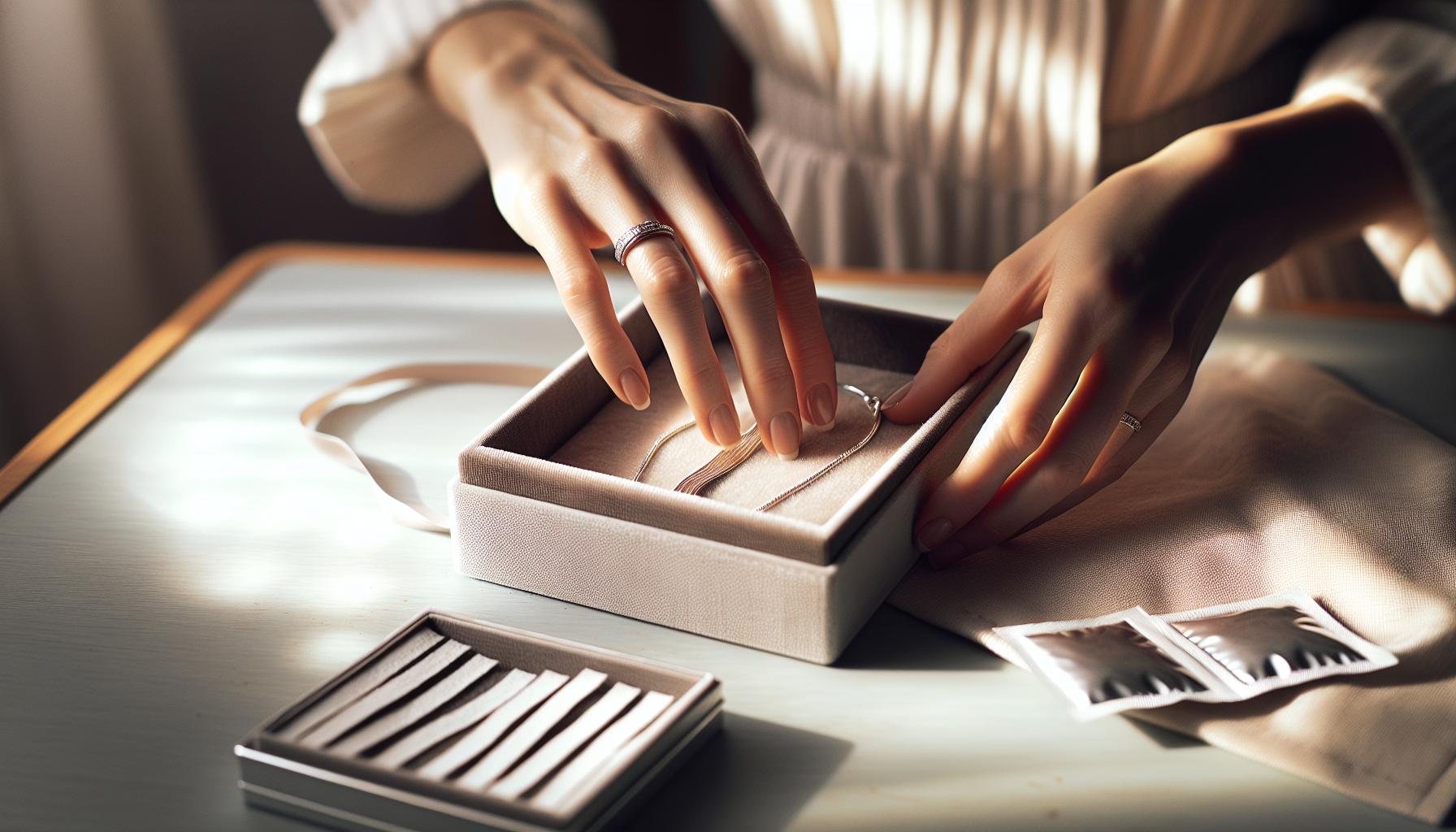
To maintain the brilliance of your silver jewelry and prevent the inevitable tarnish that can detract from its beauty, proper storage is essential. Did you know that tarnishing occurs due to the reaction between silver and sulfur-containing substances found in the air? Thus, where and how you store your pieces can significantly impact the rate of tarnish. By implementing effective storage strategies, you can safeguard your treasured items for years to come.
One of the best methods for storing silver jewelry is to keep it away from moisture and humidity, which accelerate tarnishing. Consider using airtight containers, such as ziplock bags or jewelry boxes lined with anti-tarnish cloth. These protective measures create a barrier against moisture and air, drastically reducing the chances of tarnishing. An additional option is to include anti-tarnish strips in your storage containers, as they effectively absorb sulfur and moisture from the surrounding environment, providing enhanced protection for your silver.
It’s also advisable to store each piece separately to avoid scratches and entanglement, which can lead to damage. Use soft pouches for individual items or a compartmentalized jewelry organizer to keep them well-separated. When wrapping your silver pieces, opt for materials that won’t scratch or react with the metal, such as cotton or specially designed anti-tarnish cloths. Avoid plastic bags that can trap moisture and create a breeding ground for tarnish.
Furthermore, regularly cleaning your silver jewelry before storing it will eliminate any contaminants that might cause tarnish. A simple wipe with a soft cloth can keep your pieces gleaming and ready to wear the moment you reach for them. By following these thoughtful storage tips, you can ensure your silver jewelry remains a radiant symbol of elegance, ready to complement your style at a moment’s notice.
Choosing Tarnish-Resistant Silver Options
One effective strategy in preserving the beauty of your silver jewelry is by selecting tarnish-resistant options. Traditional sterling silver, though beautiful, is notorious for tarnishing due to its reaction with sulfur and other environmental elements. However, advancements in metallurgy have led to the development of various tarnish-resistant silver alternatives that can significantly reduce the frequency and intensity of tarnishing.
One popular option is to choose sterling silver that has been treated with a protective coating. These coatings, which can range from rhodium plating to patented anti-tarnish processes, provide a barrier against the elements that cause tarnish. A common example is rhodium-plated silver, which not only enhances the shine of the metal but also shields it from oxidation. Despite the increased initial cost, pieces like these can save you both time and effort in maintenance, as they require far less frequent cleaning and polishing.
Another intriguing option is “argentium silver,” an alloy that includes germanium in addition to copper. This innovative mixture offers greater resistance to tarnishing compared to traditional sterling silver. Argentium silver retains its brightness longer and even self-cleans under certain conditions, making it an ideal choice for those who value both aesthetics and low maintenance. When shopping for silver jewelry, look for items that specify being made from argentium or other tarnish-resistant formulations.
Additionally, consider investing in jewelry that integrates materials known for their resistance to tarnishing. For instance, pieces that combine silver with gold or gemstones can offer a striking appearance while reducing the overall exposure of silver to the elements that lead to tarnishing. Therefore, if you choose to mix metals or incorporate colorful gems, not only do you enhance your personal style, but you also create a more durable piece that is less prone to tarnish.
In conclusion, by opting for tarnish-resistant silver options, you can maintain the beauty and longevity of your cherished pieces. As you select items for your collection, pay attention to the materials and coatings used in their construction. This mindful approach will not only elevate your wardrobe but also simplify your jewelry care routine, allowing you to enjoy your silver pieces without the constant worry of tarnish.
Understanding the Impact of Skin Chemistry

Wearing silver jewelry is a beloved practice for many, but the reality of tarnishing often comes as an unpleasant surprise. One less-discussed factor contributing to this issue is the unique chemistry of our skin, which can play a pivotal role in how silver interacts with the body. The natural oils, sweat, and pH levels of an individual’s skin can catalyze a chain reaction leading to tarnish, creating a greenish hue on the metal’s surface or even staining the skin itself.
When sterling silver comes into contact with the skin, especially in individuals with slightly more acidic skin, a chemical reaction can occur. This reaction typically involves the copper content in sterling silver, which can oxidize and lead to tarnishing. For example, people with high acidity in their sweat may find that their silver jewelry tarnishes more quickly than that of others. Likewise, certain health conditions, medications, or dietary choices can influence skin chemistry, further amplifying this phenomenon. It’s fascinating to note how personal body chemistry can significantly vary from person to person, which is why some individuals might experience tarnishing while others do not.
To combat the effects of skin chemistry on silver, consider implementing these simple strategies:
- Regular Cleaning: Wipe down your silver jewelry after wearing it to remove any oils or perspiration that could contribute to tarnishing.
- Barrier Techniques: Apply a clear coat nail polish on the inner surface of rings to create a barrier between the skin and the metal.
- Know Your Body: Be aware of your skin’s chemistry and how it reacts with silver. Adjusting your jewelry routine based on your body’s response can help minimize tarnishing.
not only aids in preserving the beauty of silver jewelry but also empowers individuals to enjoy their pieces without the worry of frequent tarnishing. As you navigate your jewelry collection, consider these insights to keep your beloved items looking lustrous and vibrant while expressing your unique style.
Trends in Silver Jewellery Care and Maintenance
As the appreciation for silver jewelry continues to grow, so does the importance of understanding how to care for it properly. One trend in silver jewelry care focuses on preventive measures that help maintain the shine and integrity of your pieces, making preventative maintenance an essential aspect of modern jewelry ownership. Consumers are increasingly recognizing that regular care can significantly extend the life of their favorite items.
Innovative Storage Solutions
Today’s jewelry enthusiasts are turning to innovative storage solutions that not only protect their silver but also make care easier. Anti-tarnish pouches and storage boxes lined with anti-tarnish fabric are gaining popularity, as they offer a dedicated space that minimizes exposure to harmful elements. Additionally, moisture-absorbing products, such as silica gel packets or activated charcoal bags, are often included in jewelry storage to combat humidity-one of silver’s worst enemies.
Incorporating Technology
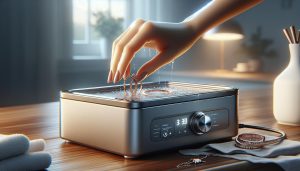
The rise of smart jewelry care devices is another notable trend. Certain products, such as ultrasonic cleaners, are becoming accessible for home use and promise deep cleaning of tarnished silver effortlessly. These devices utilize high-frequency sound waves to create tiny bubbles that gently scrub dirt and tarnish from intricate designs without damaging the metal. Likewise, apps that remind users when to clean or polish their jewelry based on wear patterns are making jewelry maintenance smarter and more systematic.
Eco-Friendly Cleaning Practices
With rising awareness about environmental sustainability, many are shifting towards eco-friendly cleaning methods. Natural solutions, such as lemon juice and baking soda paste, or vinegar and olive oil mixtures, are favored choices that resonate with eco-conscious consumers. These methods not only reduce reliance on harsh chemicals but also promote a more thoughtful approach towards jewelry maintenance.
By embracing these modern trends in silver care, jewelry lovers can not only enhance the longevity and appearance of their beloved pieces but also cultivate a deeper connection to their collections. This proactive approach to care empowers individuals to express their style confidently, knowing their jewelry is safeguarded against the ravages of time and tarnish.
When to Seek Professional Help for Tarnished Silver
When your beloved silver jewelry starts to show signs of tarnishing, it can be disheartening. While there are many DIY cleaning methods available, some situations call for the expertise of professionals. Recognizing when to seek professional help can mean the difference between preserving the integrity of your jewelry and causing irreversible damage.
If your silver items exhibit severe tarnishing that DIY methods fail to remediate, or if you notice pitting, discoloration, or other damage beyond mere surface tarnish, it’s time to consult an expert. Professionals have access to specialized tools and techniques that can safely restore your jewelry without risking further harm. This is especially crucial for antique or heirloom pieces, as their value often lies in their original condition.
Additionally, if your silver jewelry has intricate details, settings with gemstones, or is made with delicate craftsmanship, it is advisable to avoid home cleaning methods altogether. The risk of damaging these features during cleaning is significant. A jeweler can provide a deep cleaning using ultrasonic cleaners or steam methods, which can efficiently remove tarnish and debris without damaging the piece.
Lastly, if you’re uncertain about the best care practices for your specific pieces, a professional jeweler can offer tailored advice on maintenance and cleaning. They can assess any unique needs based on your jewelry’s composition and your lifestyle factors, ensuring that your treasures are not only cleaned but cared for in a way that supports their longevity and beauty. Remember, when in doubt, seeking professional guidance can provide peace of mind and protect your valuable jewelry for years to come.
Faq
Q: What is the main chemical reaction that causes silver jewelry to tarnish?
A: Silver tarnishes primarily due to a chemical reaction between silver and sulfur compounds in the air, forming silver sulfide. This reaction occurs more rapidly in humid environments, where moisture can accelerate the oxidation process.
Q: How do environmental conditions affect the tarnishing of silver jewelry?
A: Environmental factors such as humidity, air pollution, and exposure to chemicals can significantly increase the rate of tarnishing. Storing silver jewelry in a dry, cool place can help minimize these effects and prolong its shine.
Q: Is it possible for skin chemistry to contribute to silver jewelry tarnishing?
A: Yes, individual skin chemistry can influence how quickly silver tarnishes. Factors like pH levels, sweat composition, and certain cosmetics can lead to faster tarnishing on some wearers compared to others.
Q: What are some common household items that can help prevent silver tarnishing?
A: Common household items like silica gel packs, anti-tarnish cloths, and even stored newspapers can help absorb moisture and slow down tarnishing. Regularly cleaning your silver can also reduce buildup and maintain its luster.
Q: When is the best time to clean silver jewelry to prevent tarnish buildup?
A: It’s advisable to clean frequently worn silver jewelry at least once a month. For pieces worn occasionally, clean them after each wear to prevent tarnish buildup and preserve their shine.
Q: Can silver jewelry become permanently tarnished?
A: While tarnish can often be removed, prolonged exposure to tarnishing agents without cleaning can lead to the formation of deeper discolorations that may require professional cleaning to restore the silver’s original appearance.
Q: Are there specific storage methods to avoid silver jewelry tarnishing?
A: To prevent tarnishing, store silver jewelry in anti-tarnish pouches or cloths, utilize airtight containers with silica gel, and keep pieces away from humidity and direct sunlight.
Q: What products can I use to clean tarnished silver jewelry at home?
A: Home cleaning options include a mixture of baking soda and water to make a paste, or using white vinegar and baking soda for a deeper clean. Always rinse thoroughly and dry afterwards to prevent moisture from causing further tarnishing.
Final Thoughts
Understanding why silver jewellery tarnishes empowers you to take proactive steps in preserving its beauty and shine. By incorporating effective care practices, you can dramatically reduce tarnishing and enjoy your pieces longer. Don’t forget to explore our comprehensive guides on jewellery cleaning and storage tips for further insights that will elevate your jewellery care regimen.
As you embark on your journey to maintain and protect your silver jewellery, consider subscribing to our newsletter for exclusive tips and updates, or check out our expert DIY tutorials that help you create stunning pieces at home. Join the conversation in the comments section below-share your experiences or ask questions! Your engagement not only enriches our community but also helps others facing similar challenges. Remember, every piece tells a story, and with the right care, yours will shine brightly for years to come.