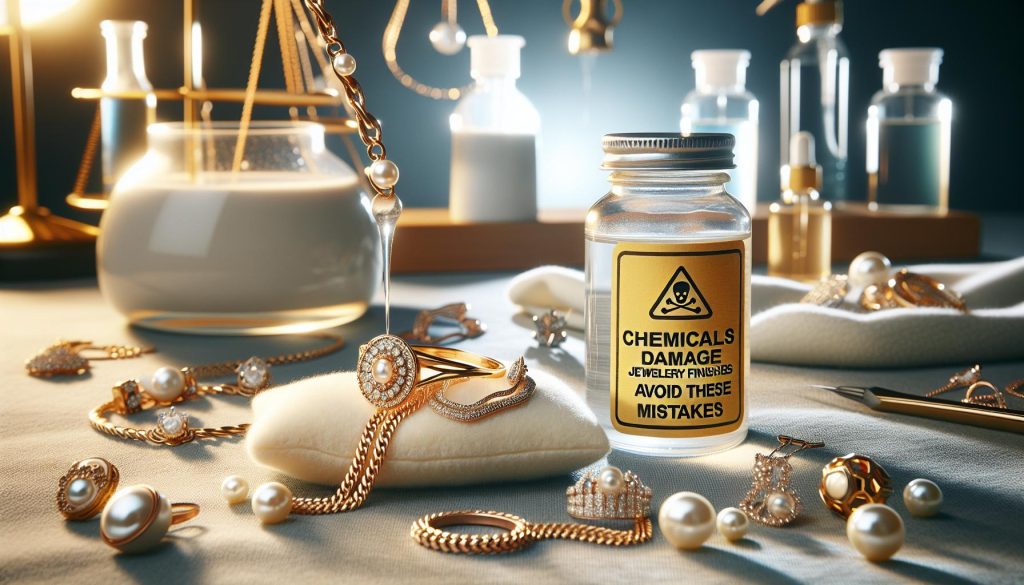
Jewelry is an investment that should shine brightly through the years, but everyday chemicals can tarnish those delicate finishes and diminish their beauty. Did you know that common household products, like cleaning supplies and cosmetics, can harm your favorite pieces? Understanding which chemicals to avoid is crucial for preserving your jewelry’s allure and longevity. In this guide, we’ll explore the top culprits that can damage your treasures and provide actionable tips to safeguard them. Whether you’re a seasoned collector or just starting your jewelry journey, this knowledge will empower you to make informed choices and keep your accessories looking pristine. Keep reading to uncover the secrets to protecting your jewelry from unseen foes!
Understanding Chemical Damage to Jewellery Finishes
Understanding how chemicals affect your jewellery finishes is crucial for maintaining their beauty and longevity. Jewelry often undergoes exposure to various elements that can lead to chemical damage, which can dull or degrade the finish of metals and gemstones. For instance, items like chlorine and certain acids can lead to tarnishing or corrosion, while household cleaners or skin care products may contain ingredients that negatively impact your treasured pieces.
To prevent chemical damage, it’s essential to recognize common corrosive substances around your home. Everyday cleaners, bleach, and even certain lotions can harm the protective coatings on rings, necklaces, and bracelets. Additionally, sweat and saltwater can tarnish materials such as silver and gold-plated items. Understanding these threats allows you to take proactive measures, such as removing jewelry before cleaning or exposure to harsh environments.
Implementing safe practices is vital in preserving the integrity of your jewellery. Consider investing in pH-balanced cleaners designed specifically for metal and gemstone care, and always store your pieces in a dry, clean environment to minimize exposure to harmful elements. By adopting a cautious approach in your daily routines, you can significantly extend the life of your favourite accessories and enjoy their sparkle for years to come.
Common Household Chemicals That Harm Jewellery
Jewellery’s brilliance can be compromised by seemingly innocent household products, often containing harsh chemicals that dull, tarnish, or even corrode precious metals and gems. Understanding which common substances pose a risk is crucial for preserving the beauty and longevity of your cherished pieces. For instance, chlorine, commonly found in pool water and various cleaning supplies, is notorious for degrading metals like gold and silver. This chemical reaction can lead to a discolored finish and weaken the material over time.
Another contender in the harm-doing arena is ammonia, prevalent in glass cleaners and disinfectants. While excellent for cutting through grime, ammonia can damage certain gemstones and the delicate finishes of many jewellery pieces. Similarly, the harsh acids found in some bathroom cleaners can leave behind permanent marks on ring settings or the surface of stones, as they react unfavorably with metals and coatings.
Household Products to Beware Of:
- Chlorine (found in pool water and cleaning agents)
- Ammonia (commonly in glass cleaners)
- Acids (present in bathroom and kitchen cleaners)
- Bleach (often used in laundry and surface cleaning)
- Alcohol (in high concentrations, found in some disinfectants)
It’s vital to recognize that personal care products can also wreak havoc. Lotions, perfumes, and hair products may contain alcohol and oils that can leave residues on jewellery, leading to tarnishing or dulling. Even perspiration can trigger chemical reactions, particularly with silver, causing it to tarnish more quickly. Those who regularly engage in physical activities should take extra care by removing their jewellery beforehand to avoid unnecessary exposure.
With this knowledge, you can actively protect your treasures. Always read labels and store your jewellery away from cleaning supplies. When cleaning your home, consider using jewellery-safe alternatives and remove your jewellery before engaging in any cleaning process that involves chemicals-your pieces will thank you for the attention!
Protecting Your Jewellery: Safe Cleaning Methods
Caring for your jewellery doesn’t have to be complicated, but using the right cleaning methods is crucial to maintain its brilliance and integrity. An array of harmless household solutions and DIY techniques can help you keep your precious pieces sparkling without the adverse effects of harsh chemicals. From gentle soaps to specific fabric care, a well-planned cleaning routine can mean the difference between preserving your jewellery for years to come and watching it lose its luster.
Using warm soap and water is often the simplest and safest approach for most jewellery types, especially for metals like gold and platinum. Start with a few drops of mild dish soap mixed in warm water. Soak your jewellery for a few minutes, then gently scrub with a soft-bristled toothbrush to remove dirt and grime without scratching the surface. For gemstones, be sure to confirm that they are not porous or sensitive to water. Rinse the jewellery under clean water to remove any soap residue, and pat dry with a soft, lint-free cloth.
Natural Cleaning Alternatives
For those looking for more natural cleaning methods, consider solutions like vinegar and baking soda, which can be effective allies in jewellery care. A pasty mixture of baking soda and water can help remove tarnish from silver without damaging the metal. Simply apply the paste to the jewellery, let it sit for a few minutes, then gently polish with a soft cloth. Keep in mind that vinegar can be too acidic for some stones, so always check which materials are suitable for this type of cleaning.
Gold jewellery often responds well to a solution made of equal parts symbiotic proportions of vinegar and water, providing a gentle soak that can refresh its shine. After soaking, rinse thoroughly and dry it off to reveal a beautiful finish. Avoid using any cotton or fuzzy materials when drying, as they can leave tiny fibers that might cling to metal surfaces.
Ultimately, the goal is to create a cleaning routine that prioritizes safety and ease. Regularly doing simple maintenance, such as wiping pieces after wearing them and storing them properly, can significantly reduce the need for deep cleaning while prolonging the life of your jewellery. This ensures that each piece remains not only visually stunning but also in excellent structural condition, allowing you to wear them confidently through time and trends.
Identifying Corrosive Elements in Environments
Understanding the surrounding environment is crucial for preserving the integrity of your jewelry. Various elements can cause chemical reactions that diminish the shine and quality of your precious pieces. For instance, exposure to humidity and temperature fluctuations can accelerate tarnishing in silver and corrosion in metals like copper. To protect your jewelry, it’s essential to be aware of everyday corrosive elements that might be lurking in your home or workplace.
Household cleaners, for example, often contain acids or harsh chemicals that can strip finishes from gold, silver, and gemstones. Products like bleach, ammonia, or vinegar can react with certain metals, leading to discoloration or even pitting over time. When cleaning your home, it’s wise to remove any jewelry beforehand, especially if you’re using chemical cleaners. Additionally, skin care products such as lotions, perfumes, and hair sprays can leave residues that tarnish jewelry if they come in contact repeatedly.
Consider making a list of potential hazards in everyday life:
- Household Cleaners: Bleach, ammonia, and strong acids found in bathroom or kitchen cleaners.
- Personal Care Products: Lotions, perfumes, and hair styling products that can contain alcohol or chemicals.
- Environmental Factors: Humidity, saltwater, and chlorinated water can all accelerate wear and tear.
- Everyday Activities: Activities such as cooking or exercising, where sweat and food can come into contact with jewelry.
To mitigate risks, adopt habits that minimize exposure. Store your jewelry in a cool, dry place away from direct sunlight, and consider using anti-tarnish pouches or cloths. Regularly clean your jewelry to prevent residue buildup, and when wearing pieces, try to put them on after applying lotions or perfumes. By being mindful of these elements, you’ll not only maintain the visual appeal of your jewelry but also extend its lifespan.
Preventing Chemical Damage in Everyday Life
To preserve the beauty and integrity of your jewelry, being aware of the common threats around you is essential. Everyday chemicals can cause irreversible damage to your precious pieces, turning a once beautiful finish into a dull or tarnished exterior. The good news is that by implementing a few strategic habits and practices, you can significantly reduce the risk of chemical damage and keep your jewelry looking stunning for years to come.
Start by establishing a clear line of defense against harmful substances. Store your jewelry in a dedicated space away from potential hazards. For instance, use a jewelry box with compartments that shield individual pieces from one another, reducing the risk of scratches. Additionally, consider investing in anti-tarnish cloths or pouches that absorb moisture and prevent tarnishing, especially for silver items. Always remove jewelry when engaging in household chores, particularly when using cleaners that contain bleach or ammonia, substances notorious for their destructive effects on metals and finishes.
It’s also crucial to be mindful of the personal care products you use. Apply lotions, perfumes, and hair products well before adorning yourself with jewelry. This simple change in routine helps minimize the chance of residues accumulating on your precious items, which can accelerate tarnishing and damage. Furthermore, rinse off your jewelry gently after engaging in activities that expose it to sweat, saltwater, or chlorine, such as swimming or exercising. By doing this, you create an extra layer of protection that keeps your jewelry in top condition.
Finally, cultivate a habit of regular maintenance. Schedule periodic cleanings, utilizing mild soap and water for a gentle cleanse, and avoid using harsh chemicals that may strip away finishes. Remember, jewelry care is not just about cleaning; it’s also about awareness and prevention. By integrating these proactive measures into your daily life, you can enjoy your jewelry without the worry of chemical damage impacting its beauty and longevity.
Restoring Damaged Finishes: DIY Solutions
Restoring tarnished or damaged finishes on your jewelry can feel daunting, but with the right techniques and a bit of patience, you can breathe new life into your cherished pieces. For instance, many people are surprised to learn that household items can effectively help restore the luster of silver, gold, and even costume jewelry. When dealing with tarnished silver, a simple mixture of baking soda and water can work wonders. Create a paste, gently rub it onto the tarnished areas with a soft cloth, and rinse thoroughly. This method not only is economical but also harnesses the power of natural ingredients to bring back shine without the use of harsh chemicals.
For gold jewelry, particularly those with intricate designs, using a mixture of warm water and mild dish soap can help eliminate dirt and restore finish without causing damage. Soak the pieces for a short time-no more than 10 minutes-then use a soft toothbrush to remove any residue from tiny crevices. Rinse again under warm water, then dry with a soft towel for a sparkling finish.
Polishing and Buffing Techniques
If you’re looking to address scratches or dull spots, consider using a specialized polishing cloth. Many jewelry stores provide these soft, treated cloths designed to safely buff your jewelry without stripping away finishes. Regularly using such a cloth can maintain the shine and help prevent future tarnishing by removing oils and dirt that accumulate over time.
For costume jewelry, where metals may be plated, be cautious with any abrasive materials. Instead, utilize a cotton ball soaked in a mixture of equal parts water and white vinegar to gently wipe away grime. This solution can restore some of the original brilliance without risking the base metal underneath being exposed.
In more advanced DIY restoration, consider using clear nail polish to touch up worn areas. This technique is often employed for costume jewelry to prevent further tarnishing; simply apply a thin layer to areas that show wear. However, be mindful to avoid contact with gems and intricate details, as this can lead to cloudiness affecting their appearance. Restoring jewelry finishes can be a fulfilling project, allowing you to extend the life of your pieces and keep them beautiful for years to come.
Jewellery Storage Tips to Avoid Chemical Exposure
Protecting your jewelry from chemical damage begins with proper storage practices that minimize exposure to harmful substances. Many household items-often found in everyday life-can inadvertently lead to tarnishing, discoloration, or other forms of deterioration. For instance, jewelry stored in areas where cleaning products, perfumes, or lotions are kept is at higher risk due to chemical vapors or spills. To keep your treasured pieces safe, consider the following strategies.
- Designated Storage Space: Use dedicated jewelry boxes or organizers that keep your pieces separated. This approach not only avoids tangling but also reduces the chance of exposure to chemicals found in cosmetics or household products.
- Airtight Containers: For longer-term storage, especially with delicate metals or costume jewelry, utilize airtight containers to limit moisture and vapor exposure. This can significantly reduce tarnishing and corrosion risks.
- Choose the Right Material: Opt for soft, anti-tarnish fabric-lined boxes, or add anti-tarnish strips or pouches in your storage to absorb harmful fumes. Metals like silver can tarnish rapidly when in contact with sulfur-based products, so insulation from harmful air is crucial.
- Climate Control: Store your jewelry in a climate-controlled area, maintaining consistent temperature and humidity levels. Consider using a dehumidifier if you live in a humid environment to further protect your pieces.
By implementing these straightforward storage solutions, you create an environment that helps preserve the beauty and integrity of your jewelry, keeping them shining brightly for years to come. Taking the time to organize your collection thoughtfully not only enhances its longevity but also elevates your experience whenever you adorn yourself with your favorite pieces. Remember, the fewer chemicals your jewelry is exposed to, the lesser the risk of damage.
Choosing Safe Products for Jewellery Care
Choosing the right products for jewelry care is essential to maintain the beauty and longevity of your pieces. Not all cleaning agents are safe for all types of jewelry; in fact, many common household products can inadvertently cause damage, leading to tarnishing or scratching. Instead of guessing which products to use, opt for those specifically formulated for jewelry cleaning. These solutions are designed to be gentle on metals and stones while effectively removing dirt and grime.
When selecting safe products, consider purchasing commercial jewelry cleaners that are pH-balanced and free from harsh chemicals such as ammonia and bleach. These cleaners often come with instructions tailored to specific types of metal and gemstone, allowing for effective yet safe cleaning. Additionally, look for tools like microfiber cloths and soft brushes made for jewelry, which can help eliminate residue without scratching delicate surfaces.
DIY Options to Consider
For those who prefer a more hands-on approach, several DIY cleaning solutions can be made using everyday household items that are safe for your jewelry. For instance, a mixture of warm water and mild dish soap can be a gentle yet effective cleaner for most metal types. Soak your pieces for a few minutes, then gently scrub with a soft brush to remove any buildup. Baking soda, when mixed with water to form a paste, can work wonders on tarnished silver; simply apply, let it sit, and rinse thoroughly afterward.
- White vinegar: A great option for cleaning gold and silver, just ensure it’s diluted.
- Olive oil mixed with lemon juice: This combination can help restore shine to stainless steel.
Always remember to rinse your jewelry thoroughly with water after using any cleaning solution, and dry it completely before storing it away. This step is crucial to ensure that no residue from cleaning agents remains on your precious pieces, which could lead to further damage in the future.
By being intentional about the products you use and opting for safe alternatives, you can preserve your jewelry’s finish, keeping it radiant and beautiful for years to come. With the right care and attention, your cherished pieces can continue to tell their stories without falling victim to unnecessary wear.
Professional Treatments for Damaged Finishes
Investing in professional treatments for damaged jewellery finishes can significantly extend the lifespan of your treasured pieces. If your jewellery has fallen victim to chemical exposure, scratches, or tarnishing, professional jewelers possess the expertise and tools to restore its original beauty. They can assess the extent of the damage and recommend the most appropriate treatment options, ensuring that the intricate details of your piece are revived without compromising its integrity.
Many jewelers offer specialized cleaning services that include ultrasonic cleaning, which uses high-frequency sound waves to safely remove dirt and grime from hard-to-reach areas. This method is particularly effective for intricate designs and settings, making it a favorite among professionals. Additionally, for pieces that have become dulled or tarnished, a jeweler may apply solutions tailored to the specific metal or finish, effectively restoring shine without harmful abrasives.
For more severe cases of damage, such as deep scratches or lost plating, professional refinishing may be necessary. This process often involves polishing, re-plating, or re-setting stones to their original specifications. Re-plating with precious metals like rhodium or gold can rejuvenate a piece’s appearance and provide an added layer of protection against future wear. Always inquire about the materials and techniques being used, as reputable jewelers will transparently discuss which methods will enhance your jewellery without introducing further risks.
Taking the proactive step of seeking professional care can save you both time and money in the long run. Regular visits to a jeweler for maintenance can help catch potential issues before they escalate, allowing for minimal repairs. By investing in your jewellery’s care and restoration, you cherish not just the piece itself, but also the memories and significance it holds.
Spotting Fake Jewellery: Signs of Poor Quality
Recognizing the difference between genuine jewelry and counterfeit pieces is crucial for both collectors and casual buyers, particularly in today’s market where the line between authentic and fake can often be blurred. Several key indicators can help you determine the quality of jewelry, especially when considering how chemicals may affect its finish and overall appearance. In your quest for beautiful pieces, vigilance is essential to avoid the pitfalls of poor-quality jewelry.
One primary aspect to examine is the material composition. Authentic jewelry is typically crafted from precious metals like gold, silver, or platinum, and these metals are often stamped with a quality mark (like “925” for sterling silver or “18K” for gold). If the jewelry has no such markings or is instead labeled with vague terms like “gold-tone” or “silver-plated,” it may signify lower quality materials susceptible to damage from everyday chemicals. Over time, exposure to common substances like perfumes, lotions, or cleaning agents can wear down these plated finishes, revealing lower-quality base metals underneath.
Another aspect to consider is the craftsmanship. Poor-quality pieces often showcase imperfections in the design, including uneven settings, rough edges, or clasp malfunctions. Authentic jewelry typically exhibits smooth craftsmanship. When inspecting a piece, pay close attention to details, such as how the stones are set. If they seem loose or if there are visible gaps, it’s a telltale sign of inferior quality. Moreover, a genuine piece is less likely to tarnish or change color because good-quality metals resist corrosion from environmental exposure.
Finally, price can be a significant indicator of quality. If you’re encountering a piece that seems extraordinarily low in price compared to similar jewelry, exercise caution. Genuine jewelry, particularly items made with real gemstones or high-quality metals, often carries a price commensurate with its materials and craftsmanship. Always do your research on a brand’s reputation and consult trusted sources or jewelers when in doubt-an informed buyer is your best defense against purchasing counterfeit or low-quality items.
By being vigilant and knowledgeable about the signs of poor quality, you can make informed purchasing decisions that not only preserve your investment but also protect you from the damaging effects that chemicals can have on subpar jewelry.
Creating a Jewellery Care Routine for Longevity
Establishing a routine for caring for your jewelry is essential to ensure its longevity and maintain its beauty. With the right steps in place, you can protect your cherished pieces from the damaging effects of everyday chemicals and environmental factors. Taking a proactive approach in your jewelry care routine not only preserves its sheen but also elevates your overall styling experience by ensuring that each piece remains in superb condition.
Daily Care Practices
Incorporate simple daily habits that shield your jewelry from harmful substances. Start by making it a point to remove your jewelry before engaging in activities such as showering or cleaning, where exposure to soaps, detergents, and harsh chemicals is inevitable. When putting on skincare products like lotions or perfumes, allow them to dry completely before adorning yourself with your jewelry, as these substances can cause tarnishing or discoloration.
Regular Cleaning
Cleaning your jewelry on a regular basis is crucial in preventing the buildup of dirt and oils that can dull its finish. Use a soft microfiber cloth to gently wipe your jewelry after each wear, focusing on areas where skin contact occurs. For deeper cleaning sessions, create a solution of mild soap and warm water. Soak your pieces for a few minutes, then gently scrub with a soft brush or cloth. Always dry thoroughly afterward to prevent moisture retention, which can lead to tarnishing.
Safe Storage Techniques
Proper storage plays a significant role in protecting your jewelry from accidental damage. Store your pieces in a cool, dry place, away from direct sunlight. Use a jewelry box with individual compartments or a soft pouch to prevent pieces from scratching against one another. Consider using anti-tarnish strips or cloths within your storage solutions to absorb moisture and reduce the chances of tarnishing.
Periodic Professional Check-ups
Just like any cherished item, it’s beneficial to have your jewelry periodically assessed by a professional. Having your pieces checked for loose stones, worn clasps, or significant scratches can save you from potential loss or costly repairs in the future. Jewelers can also provide advice tailored to the specific materials of your jewelry, ensuring you have a comprehensive care plan.
By committing to these straightforward yet effective practices, you’ll foster a healthy relationship with your jewelry that not only enhances its lifespan but allows you to cherish and enjoy it for years to come.
Top Mistakes That Damage Your Precious Pieces
It’s a common misconception that jewelry is invulnerable to the everyday substances we encounter, but in reality, certain household products can wreak havoc on precious finishes. For example, did you know that chlorine can severely damage not just gold, but also the intricate coatings on costume jewelry? By being aware of the mistakes that lead to chemical damage, you can take steps to protect your favorite pieces.
One major blunder is exposure to abrasive or reactive cleaners. Products containing harsh chemicals, such as bleach or ammonia, not only dull the surface but can also compromise the integrity of your jewelry. Instead of reaching for a bottle of disinfectant, opt for a soft cloth dampened with mild soapy water. If you do use a cleaner, always check its ingredients against the type of metal or stone in your jewelry.
Neglecting to remove jewelry during activities like washing dishes or exercising can also lead to unwanted tarnishing and wear. Water combined with the soaps and detergents can cause significant discoloration over time. Similarly, wearing jewelry while applying lotions, perfumes, or even hair products can introduce chemicals that hasten deterioration. A good rule of thumb is to put on your jewelry last, ensuring that any products used have fully absorbed before making your adornments a part of your ensemble.
Lastly, poor storage practices can create an environment ripe for damage. Allowing pieces to tangle or rub against each other can lead to scratches and permanent imperfections. Use separate compartments or soft pouches to keep pieces isolated and safe. By being conscious of these common pitfalls, you can significantly extend the life of your treasured items.
Faq
Q: What household chemicals should I avoid using on my jewellery?
A: Avoid using bleach, ammonia, acetone, or any strong solvents on your jewellery, as these can damage the finishes and cause discoloration. Instead, use gentle soap and water or a pH-balanced jewellery cleaner for safe cleaning. For more cleaning tips, check our section on Safe Cleaning Methods.
Q: How can I identify chemicals that might harm my jewellery?
A: Look for harsh chemical labels on cleaning products or personal care items. Ingredients like alcohol, sulfates, and parabens can be damaging. Stick to natural or specially formulated jewellery care products to protect your pieces from corrosive effects.
Q: Why is it important to protect my jewellery from chemical exposure?
A: Protecting your jewellery from chemicals helps maintain its appearance and longevity. Chemicals can erode finishes, dull shine, and even lead to structural damage. Regular care and caution when using household products can prevent costly repairs.
Q: What are the signs that my jewellery has been damaged by chemicals?
A: Signs include dullness, discoloration, pitting, or visible corrosion on the metal or stones. If you notice these changes, consult our DIY Solutions section for tips on restoring your jewellery’s finish.
Q: How should I store my jewellery to prevent chemical damage?
A: Store jewellery in a clean, dry place, away from household cleaners and personal care items. Use individual pouches or soft cloths to prevent scratches and minimize exposure to harmful elements, ensuring their longevity.
Q: What cleaning products are safe for maintaining jewellery finishes?
A: Use pH-balanced cleaners designed specifically for jewellery care. Microfiber cloths for polishing and gentle soap solutions for cleaning are ideal. Avoid harsh chemicals to keep your jewellery pristine. For details, see our Choosing Safe Products for Jewellery Care section.
Q: When should I consult a professional for jewellery repair?
A: If your jewellery shows significant signs of chemical damage or if you are unsure how to restore it, consult a professional jeweller. Services like cleaning and re-plating can revive damaged finishes effectively.
Q: Can everyday activities cause chemical damage to my jewellery?
A: Yes, activities like cleaning with harsh chemicals, swimming in chlorinated pools, or applying perfumes can lead to chemical damage. To prevent this, always remove jewellery before such activities or wear protective coverings when necessary.
Final Thoughts
Now that you’re equipped with the knowledge to protect your jewelry from damaging chemicals, it’s time to take action. Remember, preserving the beauty and longevity of your favorite pieces goes beyond just cleaning-it’s about understanding what to avoid. Check out our comprehensive guides on jewelry care and cleaning silver and gemstones here and delve into our DIY tutorials for personalized jewelry maintenance here. Join our newsletter for exclusive tips and expert advice straight to your inbox!
Don’t let improper care diminish your treasures; start implementing these strategies today. Whether you’re a seasoned collector or just beginning your jewelry journey, empowering yourself with knowledge will enhance your experience. If you have questions or stories to share about protecting your jewelry, drop them in the comments below. Explore our collection of styling advice and essential tools here, and elevate your skills while ensuring your jewelry remains stunning for years to come!