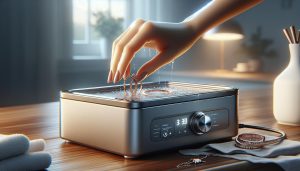
Removing acrylic nails can feel daunting, but it doesn’t have to be a painful or damaging experience. Many people dread the thought of taking off acrylics, fearing potential harm to their natural nails. However, knowing the right technique and having the right tools can transform this task into a simple and safe routine. In this guide, we’ll walk you through the essential steps for pain-free acrylic nail removal, ensuring that you protect your natural nails and leave your hands looking healthy. Whether you’re looking to change your style or give your nails a break, understanding how to properly remove acrylics is crucial. So, let’s dive into this easy-to-follow process that will empower you to care for your nails confidently and maintain their health.
Choosing the Right Tools for Acrylic Nail Removal
When it comes to successfully removing acrylic nails at home, having the right tools is crucial for a damage-free experience. Using appropriate items ensures that you protect your natural nails while efficiently taking off the acrylics. Here’s a breakdown of essential tools you’ll need for this process.
Start with acetone-based nail polish remover, which is widely regarded as the most effective solvent for removing acrylics. It penetrates the acrylic material, working to dissolve the bond between the acrylic and your natural nail. Non-acetone removers can be gentler but are typically less effective and may require extended soaking times.
You’ll also need cotton balls or pads. Soak them in acetone and place them on your nails, covering the cotton with aluminum foil to keep the solution from evaporating. This combination creates a mini-soak effect, enhancing the effectiveness of the acetone. Additionally, having a nail file (preferably a coarse one) can help you gently file down the top layer of acrylic, making it easier for the acetone to penetrate.
For added convenience, consider using a buffer to smooth your natural nails once the acrylic is removed and some cuticle oil to nourish and hydrate your nails afterward. Remember to opt for gentle tools, avoiding sharp implements that could damage your natural nail bed. Finally, a small bowl specifically for soaking your nails can be helpful if you prefer not to use the foil method.
By gathering these essential tools, you can ensure a smoother, less painful acrylic nail removal process, preserving the health and integrity of your natural nails.
Step-by-Step Guide: Pain-Free Acrylic Removal
To achieve a pain-free experience while removing acrylic nails, following a methodical and gentle approach can make all the difference. Many people dread this process due to the potential for damage to their natural nails, but with the right techniques, you can ensure a smooth removal.
Start by preparing your workspace and gathering all necessary tools: acetone, cotton balls or pads, aluminum foil, a nail file, and a small bowl for soaking. The first step is to file the top layer of the acrylic nails lightly. This helps the acetone penetrate better, speeding up the removal process. You don’t want to file too aggressively; just remove the shine from the surface.
Next, soak a cotton ball in acetone and place it directly on your nail, ensuring it covers the entire area. Wrap the finger in aluminum foil to keep the cotton in place and prevent acetone from evaporating. Allow the nails to soak for about 20-30 minutes. During this time, the acetone will dissolve the acrylic, making it lift away from your natural nails.
After soaking, gently wiggle and lift the acrylic nails using an orangewood stick or a similar tool. Be careful at this stage; if you encounter resistance, don’t force it. Instead, reapply the acetone-soaked cotton and let it soak for a few more minutes. Once the acrylic comes off easily, you can use a buffer to smooth your natural nails and remove any residual acrylic.
Lastly, remember to hydrate your nails post-removal. Applying cuticle oil or a nourishing nail treatment will help restore moisture and strength to your natural nails, which might feel dry or sensitive after the process. By taking your time and using this systematic approach, you can safely and effectively remove acrylic nails without painful or damaging consequences.
Essential Safety Tips for Removing Acrylic Nails
When you’re ready to remove acrylic nails at home, prioritizing safety can make all the difference in ensuring a smooth and damage-free experience. Acrylic nails can be quite stubborn, and using the wrong methods may lead to painful mishaps or nail damage. Here are some essential safety tips to keep in mind during the removal process.
First and foremost, always choose a well-ventilated area for your nail removal. Acetone, commonly used to dissolve acrylics, releases strong fumes that can cause respiratory irritations. Consider using a fan or working outdoors if possible. To further protect yourself, don’t forget to wear gloves. This not only shields your skin from acetone but also helps avoid dryness and irritation.
Additionally, take the time to prepare your natural nails before the removal process. Lightly buff the top layer of the acrylic with a gentle file; this helps the acetone to penetrate effectively while reducing the time your nails are exposed to the solvent. However, it’s crucial to avoid over-filing, as this can damage the natural nail underneath. It’s all about balance-aim for a slight surface disturbance without compromising your nail’s integrity.
Be mindful of the amount of time you soak your nails in the acetone. While soaking for 20-30 minutes is typically recommended, it’s vital not to exceed this duration. Prolonged exposure can cause your natural nails to become fragile and dehydrated. After soaking, if you encounter resistance while prying off the acrylic, resist the urge to force it. Instead, reapply the acetone and allow more soaking time. This gentler approach will help preserve the health of your nails.
Finally, incorporate aftercare into your routine. After you’ve successfully removed your acrylics, hydrate your natural nails and cuticles with nourishing oils or creams. This step is often overlooked but is essential to help restore moisture and vitality to your nails, which can become dry and brittle after removal.
By following these safety tips, you can confidently tackle acrylic nail removal at home, minimizing risks and ensuring your natural nails remain healthy and strong.
How to Soften Acrylics Before Removal
Soften your acrylic nails before removal to make the process smoother and less damaging to your natural nails. One effective method is using acetone, the most common solvent for acrylics. Acetone works by breaking down the acrylic material, allowing it to lift away from the natural nail. Remember, the secret to effective softening lies in technique and timing.
Start by preparing your tools and environment. Gather a bottle of 100% pure acetone, cotton balls, aluminum foil, and a nail file. To soften the acrylic effectively, follow these steps:
- Buff the Surface: Lightly buff the top layer of your acrylics with a nail file. This will help the acetone penetrate more efficiently. Just be careful not to file too deep, as over-filing can damage your natural nails underneath.
- Soak Cotton Balls: Saturate cotton balls with acetone; ensure they are fully soaked but not dripping.
- Wrap Your Nails: Place the soaked cotton balls on each acrylic nail, and wrap them in aluminum foil to keep the cotton in place and create a warm environment. This can enhance the softening process.
- Wait for the Magic: Let the acetone soak for about 20-30 minutes. The heat and moisture will work together to break down the acrylic.
- Check the Progress: After soaking, check one nail to see if the acrylic has softened. If it does not easily come away, reapply the acetone and allow for additional soaking time.
Following these steps will ensure that your acrylics are softened adequately, making it easier to remove them without damaging your natural nails. Patience is key here; rushing the process may cause unnecessary discomfort or nail damage.
Effective Techniques for Removal at Home
To effortlessly remove acrylic nails at home, employing the right techniques is essential for a pain-free experience and to protect your natural nails. One highly effective method is the soak-off technique, which involves using acetone to break down the acrylic material. While it may sound daunting, the process can be simple when followed step by step.
Start by preparing your workspace with all the necessary supplies: 100% pure acetone, cotton balls, aluminum foil, and a nail file. The first step is to buff the surface of your acrylics gently. This action helps the acetone penetrate better into the layers of the acrylic, enhancing the overall effectiveness of the soak. Once you’ve lightly buffed the nails, soak cotton balls in acetone until they are saturated but not dripping, then place these on top of each acrylic nail.
The next key step is to wrap each finger in aluminum foil. This will keep the soaked cotton balls in place and create a warm, moist environment, which is ideal for the acetone to work its magic. Allow the nails to sit wrapped for approximately 20 to 30 minutes. During this time, it’s a good idea to relax and perhaps enjoy a good book or a movie. After the allotted time, remove the foil and cotton, and check if the acrylic has softened. If it hasn’t loosened easily, re-soak the cotton balls, reapply them, and give it another 10 to 15 minutes.
Once you see that the acrylic is pliable, it’s time to carefully slide it off gently using an orangewood stick. Always be cautious of your natural nails beneath; if the acrylic doesn’t come off easily, it’s better to soak for a bit longer rather than force it. If done properly, this technique not only simplifies the removal process but also keeps your natural nails intact and healthy.
Remember, patience is vital in this process. Taking your time ensures that you achieve a successful removal without the harshness that can come from rushing or using the wrong tools. Additionally, if you feel discomfort at any point, pause and reassess; your comfort and nail health should always come first.
Managing Pain and Discomfort During Removal
When removing acrylic nails at home, managing comfort and minimizing discomfort is crucial for an effective and enjoyable experience. Studies reveal that the use of acetone can sometimes irritate the skin or nails, leading to dryness or sensitivity. To counteract potential discomfort, consider a few practical strategies that can make the process smoother and more pleasant.
Firstly, ensure that your workspace is set up comfortably. Position yourself in a well-lit area with everything you need at hand. This reduces the urge to rush through the process, which can lead to mistakes and discomfort. Take breaks if you start to feel anxious or uncomfortable. Relaxation techniques, such as deep breathing or gentle stretching, can help alleviate tension and promote a calm atmosphere as you work through the removal process.
Incorporating a gentle approach can also make a significant difference. When applying acetone-soaked cotton balls, be careful not to saturate your nails excessively. Too much acetone can heighten skin irritation. Instead, focus on using just enough to dampen the cotton, and consider wrapping them snugly but not tightly with aluminum foil. This will help create a warm environment for the acetone to work without overwhelming your skin.
To manage potential discomfort associated with the application of acetone, you can apply a barrier cream or oil around your nails to protect the sensitive skin. Natural oils like coconut or olive oil can act as a soothing barrier, providing relief from dryness and irritation. Additionally, after completing the removal process, treat your nails and cuticles with a nourishing oil or cream, promoting healing and restoring moisture to the area.
In summary, taking the time to prepare both your workspace and your nails, along with gentle techniques and protective measures, can greatly enhance your experience. By prioritizing comfort, you can ensure that acrylic removal is not only pain-free but also a mindful ritual that leaves your natural nails healthy and ready for their next chapter.
Aftercare Tips for Healthy Natural Nails
After the meticulous process of removing acrylic nails, it’s essential to nurture your natural nails back to health. Just like caring for fine jewelry after wearing it, your nails deserve attention and care to restore their strength and appearance. Neglecting post-removal care can lead to damage, brittleness, and slow recovery. Here’s how to ensure your nails flourish after acrylics.
Start by deeply nourishing your nails and cuticles with high-quality oils or creams. Ingredients such as jojoba oil, vitamin E oil, or even coconut oil can work wonders. Apply these oils daily to reinforce hydration, help repair any damage, and promote shiny, healthy nails. It’s also beneficial to gently massage the oil into your cuticles; this increases blood flow and encourages growth.
Hydration is Key
Keeping your nails hydrated is crucial. Aside from oils, drinking plenty of water is vital for your overall nail health. A well-hydrated body supports stronger nails and prevents them from becoming dry and brittle. Consider incorporating foods rich in biotin, such as eggs, nuts, and whole grains, into your diet. Biotin has been linked to improved nail strength and resilience.
Gentle Care Routine
While your nails are recovering, it’s wise to adopt a gentle care routine. Avoid using harsh detergents and chemicals that can exacerbate dryness. When washing dishes or cleaning, wear gloves to protect your nails. Additionally, minimize the use of nail polish and harsh removers for at least a few weeks to allow your nails to breathe and recover naturally.
Regular Trimming and Filing
Keep your nails at a manageable length by trimming them regularly. This prevents breakage and gives them a chance to strengthen. Use a fine-grit file to shape your nails gently, avoiding the use of metal files that can cause splits. A dedicated nail file can help you maintain the integrity of your nails as they grow.
Monitor for Any Issues
Pay close attention to any signs of lingering damage or infection, such as redness, swelling, or pain around the nail beds. If you notice any concerning symptoms, consult a professional nail technician or dermatologist for advice tailored to your situation.
By following these aftercare tips, you ensure that your natural nails not only recover but also flourish into strong, beautiful assets. This commitment to care will make returning to acrylics-or trying new styles-much safer and healthier in the future.
Common Mistakes to Avoid When Removing Acrylics
Removing acrylic nails can feel daunting, and many people make common mistakes that can lead to unnecessary pain or damage to their natural nails. One prevalent error is rushing the process. It’s essential to take your time, as hasty removal can tear the nail or cause irritation. Don’t force the acrylics off; they should gradually loosen, and patience is key to ensuring a safe removal process.
Another frequent mistake is the inadequate use of acetone. While acetone is effective, it should be used properly. Pouring it directly onto the nails can lead to wastage and excessive drying of the surrounding skin. Instead, soak cotton balls in acetone and place them on the nails, wrapping them in foil to keep the moisture in and enhance effectiveness. This method not only helps the acrylics dissolve more easily but also protects the natural nail beneath.
Additionally, many individuals fail to soften their acrylics before attempting to remove them. Using a nail file to gently buff the surface and applying a softening solution can make a significant difference. This step reduces resistance during removal and promotes a more seamless process. Conversely, using sharp tools or trying to pry off the nails can result in painful injuries or damage.
Finally, neglecting aftercare is a mistake that can impact long-term nail health. After removing acrylics, it’s crucial to nourish and hydrate your natural nails and cuticles. Applying oils and keeping nails trimmed can prevent brittleness and encourage recovery. By avoiding these common pitfalls and implementing proper techniques, you can make sure that your acrylic nail removal experience is as pain-free and gentle as possible.
Alternatives to Removing Acrylics Yourself
When faced with the challenge of removing acrylic nails, you may wonder if there are better alternatives to doing it yourself. Professional nail technicians have the training and tools necessary to ensure a safe and effective removal process, which can prevent damage to your natural nails and minimize discomfort. Here are some options to consider if you prefer to skip the DIY route:
- Visit a Nail Salon: Professional nail salons typically have the right environment and expertise to remove acrylics safely. Technicians use specialized products and techniques that can be less harsh than home methods, making the process quicker and more comfortable.
- Seek a Mobile Nail Technician: If convenience is a priority, consider hiring a mobile nail technician. They can come to your home with the appropriate tools and solutions for a professional removal experience, saving you time and ensuring a safe procedure.
- Consult a Dermatologist: If you have specific concerns about nail health or have encountered issues with previous acrylic use (such as allergic reactions or severe damage), consulting with a dermatologist may be beneficial. They can provide professional insights and recommendations tailored to your needs.
- Explore Nail Removal Kits: Some companies offer salon-quality nail removal kits that you can purchase online. These kits can include professional-grade products like soak-off solutions and specific tools designed to minimize damage. Using one of these kits can provide a middle ground between professional help and doing it all yourself.
While removing acrylic nails at home can be cost-effective and straightforward, opting for professional assistance or the right tools can greatly enhance your experience, leaving you with healthier, well-cared-for nails.
Signs You Should See a Professional Nail Technician
When considering whether to tackle acrylic nail removal at home, it’s crucial to recognize your limits. While some may feel empowered to manage the process themselves, certain situations clearly indicate the need for professional intervention. One of the most significant signs is the presence of discomfort or pain during the removal process. If you experience sharp pain, burning sensations, or excessive sensitivity, it’s best to consult a professional nail technician who can safely navigate the removal without further harming your nails or fingers.
Additionally, if you notice that your acrylic nails are lifting or have become damaged, seeking professional help is advised. Lifting can trap moisture underneath the acrylic, leading to bacterial growth, which can compromise your natural nails and surrounding skin. A nail technician has the expertise to assess the situation and apply the best removal techniques, ensuring your natural nails remain healthy.
Health Concerns
If you have a history of skin or nail conditions, such as eczema or fungal infections, this could complicate the removal process. A nail technician can provide tailored advice and may recommend alternative methods that are safer for your condition. Moreover, if you suspect an allergic reaction to the acrylic materials previously used, it is essential to consult with a professional to avoid exacerbating the issue.
Time and Convenience
Finally, if you’re simply pressed for time or want to eliminate the hassle of a DIY removal, professional services can be a great time-saver. Nail technicians are equipped with specialized tools and solutions, which means they can remove your acrylics effectively and quickly, allowing you to enjoy healthy natural nails without the stress of managing it yourself.
In summary, listen to your body and gauge the condition of your nails. If anything feels amiss during the removal process, don’t hesitate to enlist the help of a skilled professional who can ensure a smooth and safe transition back to your natural nails.
Maintaining Nail Health Post-Removal
After the painstaking process of removing acrylic nails, your natural nails may need extra care to restore their health and vitality. Just like any other part of your body, your nails require attention to recover from the potential stress of acrylic application and removal. This is the perfect time to revitalize your nails and promote overall nail health.
Start by giving your nails a break. Allow them some time to breathe and rejuvenate without further artificial applications. During this period, keep your nails trimmed and shaped to prevent any snags or breaks. Nutrition also plays a crucial role in nail health. Incorporate foods rich in biotin, zinc, and protein into your diet; these nutrients are vital for nail strength and growth. You might even consider a biotin supplement to enhance nail regeneration.
Hygiene is another important aspect to consider. After acrylic removal, clean your nails thoroughly, ensuring there is no residual glue or product. Moisturizing is key-apply a nourishing cuticle oil or a thick hand cream regularly to help hydrate both your nails and surrounding skin. This not only improves the appearance of your nails but also strengthens them against daily wear and tear. Additionally, avoid exposing your natural nails to harsh chemicals, like those found in cleaning products or nail polish removers, which can exacerbate dryness.
Instead of jumping back into acrylics or gel nails, explore options like strengthening base coats or breathable nail polishes designed to promote the health of your natural nails. These products can provide a touch of color while allowing your nails to heal.
Remember, patience is essential. Your nails will not return to their healthiest state overnight. Prioritize care routines that promote natural growth, and soon you’ll relish in healthy, beautiful nails once again. By nurturing your nails post-removal, you set the foundation for a robust and resilient nail future.
Frequently Asked Questions About Acrylic Nail Removal
The process of removing acrylic nails can raise many questions, especially for newcomers to nail care. Understanding the common concerns surrounding the removal process can ease anxiety and ensure a smooth experience. Here are some frequently asked questions that often come up regarding acrylic nail removal.
What is the safest way to remove acrylic nails at home?
Many people wonder about the safest methods for removing acrylics without damaging their natural nails. The most recommended technique involves soaking the nails in acetone, which dissolves the acrylic. It’s essential to use pure acetone, as it works more effectively than regular nail polish removers. To further protect your skin, consider applying a barrier cream around the nails before soaking. Always remember to clip the tips of the acrylics to minimize soak time.
Can I remove acrylic nails without acetone?
Removing acrylic nails without acetone is possible, but it may take longer and can be less effective. Some alternatives include using dental floss to lift the acrylics gently or soaking your nails in warm, soapy water, combined with oil. However, these methods require patience, and the risk of damaging your natural nails increases. Acetone remains the most efficient method, so if you can tolerate it, it’s the best option.
How can I prevent pain or discomfort during the removal process?
To minimize discomfort while removing acrylics, ensure you take your time. Rushing the removal can lead to painful tearing of the natural nails. Start by gently filing the top layer of the acrylic to allow the acetone to penetrate more effectively. Soak your nails adequately and avoid prying them off forcefully. If you experience any pain, stop and give your nails a break.
What should I do if I notice my natural nails are damaged post-removal?
If your natural nails appear damaged after removing acrylics, there are several steps you can take to help them recover. First, avoid using any artificial nail products for at least a few weeks to allow your nails to breathe. Incorporate a nail-strengthening treatment, and apply cuticle oil regularly to keep the nails hydrated. Additionally, consider giving your nails a break from nail polish and focusing on a nutrient-rich diet that supports nail health.
By addressing these common concerns, you empower yourself to handle acrylic nail removal confidently and effectively, thus laying the groundwork for healthy nail maintenance moving forward.
FAQ
Q: How long does it take to remove acrylic nails at home?
A: Removing acrylic nails at home typically takes about 30 to 60 minutes, depending on the method used. Soaking in acetone is the most common technique. Ensure you allocate enough time to avoid rushing and risking damage to your natural nails.
Q: Can I remove acrylic nails without acetone?
A: Yes, you can remove acrylic nails without acetone by using oils like olive or coconut oil to soak the nails, which can help soften the acrylic. This method is gentler on your nails but may take longer than acetone. Refer to the section on “Effective Techniques for Removal at Home” for more options.
Q: What should I do if my acrylic nails are lifting?
A: If your acrylic nails are lifting, it’s essential to address it promptly to prevent damage to your natural nails. Gently file the lifted part and apply some nail glue if you can’t remove them immediately. Follow up with safe removal procedures to avoid further risk.
Q: How can I prevent pain during acrylic nail removal?
A: To prevent pain during acrylic nail removal, make sure to soak them adequately in acetone for 15-20 minutes. You can also use a buffer to gently file the surface, which helps minimize discomfort. Always follow techniques outlined in “Managing Pain and Discomfort During Removal.”
Q: What are the best aftercare practices for nails post-acrylic removal?
A: After removing acrylics, keep your natural nails moisturized with cuticle oil or hand cream. Avoid nail polish for a few days to let them breathe. For optimal recovery, check out the section on “Aftercare Tips for Healthy Natural Nails” in the main article.
Q: How do I know if I need a professional to remove my acrylics?
A: If you’re unsure about removing your acrylics safely or experience extreme pain or damage, it’s best to seek a professional. Signs like excessive lifting or discomfort can indicate that professional intervention may be needed. Refer to “Signs You Should See a Professional Nail Technician” for more guidance.
Q: What tools do I need for pain-free acrylic nail removal?
A: For pain-free acrylic nail removal, you’ll need acetone, cotton balls, foil, a nail file, and a buffer. These tools help in safely and effectively removing acrylics. Make sure to read the “Choosing the Right Tools for Acrylic Nail Removal” section for detailed information.
Q: Can I reuse my acrylic nails after removal?
A: Reusing acrylic nails is generally not recommended, as they can become brittle and lose their shape after removal. It’s better to invest in a new set. For more on nail maintenance, visit the section about “Common Mistakes to Avoid When Removing Acrylics.”
Concluding Remarks
Now that you’ve learned how to take off your acrylics pain-free, it’s time to put this knowledge into action! Remember, proper removal is essential for maintaining healthy nails and avoiding damage. If you have any lingering questions or wish to share your experience, we’d love to hear from you in the comments below.
For more tips on nail care and DIY beauty treatments, check out our guides on “Essential Nail Care Tips” and “5 Ways to Strengthen Weak Nails.” Don’t forget to subscribe to our newsletter for exclusive content and offers that can enhance your nail care journey! With your newfound technique, you’re well on your way to perfectly manicured nails. Keep exploring, and empower yourself with our comprehensive resources on beauty and jewelry care!