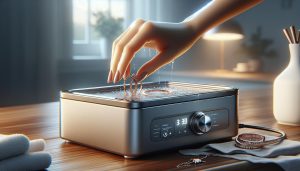
Removing acrylics at home can be a daunting task, especially for those who want to avoid the damage often associated with salon removal. Did you know that with the right techniques and household items, you can achieve professional results yourself? Whether you’re looking to give your nails a break or simply switch up your look, knowing how to safely get acrylics off is essential for maintaining healthy nails and saving money. In this guide, we’ll walk you through effective DIY methods to remove acrylics without compromising your nail health. By empowering yourself with the right knowledge, you can confidently tackle this task, ensuring your nails remain beautiful and vibrant. Ready to uncover the secrets to flawless removal? Let’s dive in!
How Acrylic Nails Work: Understanding the Basics
Acrylic nails are a popular choice for those looking to enhance their manicure with durable and flexible extensions. These artificial nails are created using a mixture of polymer powder and liquid monomer, forming a strong bond when applied over natural nails. This combination allows for a wide variety of shapes, colors, and designs, making acrylics a versatile option for nail art enthusiasts.
The application process typically begins with the preparation of the natural nail, where the surface is lightly buffed to ensure better adhesion. Following this, the acrylic mixture is sculpted onto the nail, either directly on the natural nail bed or with the use of nail forms. Once the acrylic sets, it can be shaped and painted with nail polish or gel for a polished look. The resulting nails are both resilient and capable of withstanding daily wear and tear, contributing to their popularity among users seeking long-lasting manicures.
To maintain the appearance of acrylic nails, regular fills are necessary every two to three weeks, as the natural nails grow and a gap appears at the cuticle area. Understanding the fundamentals of how acrylic nails work is crucial for anyone considering DIY removal, as knowing their structure and application process will aid in safely and effectively removing them at home without damaging the natural nails beneath.
Essential Tools for DIY Acrylic Removal
Removing acrylic nails at home can be a manageable task with the right tools at your disposal. Whether you’re aiming for a DIY approach or simply looking to save on salon costs, having a well-equipped nail removal kit will make your experience not only easier but also safer for your natural nails. Here’s a rundown of essential tools you’ll need to achieve professional results in your own home.
Start with the basics: acetone is your best friend when it comes to removing acrylics. This solvent is highly effective at breaking down the acrylic material, allowing it to lift off the natural nail. Preferably, use pure acetone for the best results, as it works faster than nail polish removers that contain other ingredients. Additionally, cotton balls or pads are crucial for applying the acetone effectively. Make sure they’re well-saturated without being dripping wet to avoid wastage.
Next, consider investing in nail clippers and a nail file. Before soaking your nails, trim the acrylic as short as possible using nail clippers. Then, gently file the surface to break the seal of the top coat. This step not only speeds up the soaking process but also minimizes the quantity of acetone you’ll need, thereby reducing potential damage to your natural nails. A cuticle pusher is also helpful for gently removing any remaining acrylic after soaking.
Lastly, prepare for aftercare by having moisturizer or cuticle oil on hand. Acetone can be very drying on your skin and nails, so replenishing hydration post-removal is essential. With these tools, you’ll set yourself up for a successful and smooth DIY acrylic removal experience, allowing you to rejuvenate your natural nails confidently.
Step-by-Step Guide: Safely Removing Acrylics
When it comes to removing acrylic nails at home, a step-by-step method can ensure you achieve professional-looking results while protecting your natural nails. With the right approach, you can enjoy a successful removal process that leaves your nails healthy and rejuvenated. Here’s how to do it safely and effectively:
Start by gathering all your essential tools. You’ll need pure acetone, cotton balls or pads, nail clippers, a nail file, and a cuticle pusher. First, trim your acrylic nails as short as possible with nail clippers. This minimizes the amount of acrylic that needs to be removed and speeds up the soaking process.
Next, gently file the surface of the acrylics. This step is crucial as it helps break the seal of the top coat. Be careful not to file too deeply to avoid damaging your natural nails. Once the tops are filed, soak cotton balls or pads in pure acetone and apply them directly to each nail. Wrap your fingers in aluminum foil to keep the cotton in place and to prevent the acetone from evaporating. Allow the nails to soak for about 20 to 30 minutes. This will soften the acrylic, making it easier to remove.
After soaking, check one nail to see if the acrylic lifts away easily. If it does, use a cuticle pusher to gently push the softened acrylic off. If not, reapply the acetone-soaked cotton and soak for a little longer. Be patient and avoid using excessive force, as this can lead to injury or damage. Once all acrylic has been removed, wash your hands thoroughly to remove any acetone residue, and follow up with moisturizing cream or cuticle oil to hydrate your nails and skin. This will help in the healing process and restore your nails to their natural beauty.
Natural Methods for Acrylic Nail Removal

While many may turn to acetone as the go-to method for removing acrylic nails, there are several natural alternatives that can be surprisingly effective. These methods not only help to mitigate possible damage to your natural nails but also incorporate ingredients that are often kinder to your skin and overall health. Below are some natural solutions that you might consider when it’s time to bid farewell to your acrylics.
Soaking in Warm Soapy Water
One of the simplest alternatives is soaking your nails in warm soapy water. Use a few drops of dish soap in a bowl of warm water and submerge your fingers for around 20-30 minutes. This process softens the acrylic, making it easier to gently pry off the materials. For added effectiveness, consider using a gentle exfoliating scrub on your nails after soaking to further help lift the acrylic.
Olive Oil and Lemon Juice
Another natural method involves a blend of olive oil and lemon juice. The olive oil acts as a moisturizer while the acidity of the lemon juice can help break down the adhesive used in acrylic nails. Mix equal parts of each and soak your nails for about 15-20 minutes. After soaking, use a wooden cuticle stick or soft cloth to gently push off the softened acrylic. This method not only aids in removal but also nourishes your nails and cuticles, promoting healthier growth after the acrylics are gone.
Dental Floss
In situations where some acrylic remains stubbornly attached, dental floss can be an ingenious tool. After softening the acrylic with any of the soaking methods above, take a piece of dental floss and gently slide it underneath the edge of the acrylic. Move it back and forth carefully to help lift the acrylic away from the natural nail without causing damage. This method provides a manual but gentle way to remove residues without additional harsh chemicals.
Essential Oils
Lastly, essential oils like tea tree or eucalyptus can also be applied. These oils not only help in promoting a better removal experience due to their natural soothing properties but also provide antibacterial benefits, protecting your nails and skin. Mix a few drops of essential oil with a carrier oil (like coconut oil), massage it into your nails, and allow it to sit for a few minutes before attempting to gently scrape off the acrylic.
Through these natural methods, you can gently and effectively remove your acrylic nails without the harsh effects of acetone. Keep in mind that patience is key; rushing the process can lead to damage. Nourishing your nails afterward with a strengthening treatment can also help ensure they are in great shape for your next manicure adventure.
Using Acetone: Tips for Effective Results

Using acetone is one of the most commonly recommended methods for removing acrylic nails, and for good reason. This solvent works by breaking down the acrylic material, allowing it to soften and be easily peeled away from your natural nails. However, for optimal results, it’s important to use acetone correctly. Here’s how to ensure effective removal while minimizing the potential for damage.
First and foremost, preparation is key. Before you start, gather your supplies: pure acetone, a small bowl, cotton balls or pads, aluminum foil, and a wooden cuticle stick. Pour enough acetone into the bowl to soak the cotton pads, ensuring that you have enough for each nail. Soak the cotton pads in acetone and place them directly on your nails. Cover each pad with a small piece of aluminum foil to keep the acetone in contact with the acrylic, which enhances the removal process by trapping heat.
Application Tips
- Soak Time: Allow the acetone to work its magic for at least 20-30 minutes. This may vary based on the thickness of your acrylic nails, so be patient and check periodically. If the acrylic is not lifting, re-soak the cotton pads.
- Gentle Removal: After soaking, gently push the softened acrylic off using a wooden cuticle stick. Avoid prying too aggressively, as this can lead to damage to your natural nails.
- Reuse Acetone: If there’s still residue left, you can continue using the soaked cotton pads to focus on the stubborn areas.
Post-Removal Care
Once all the acrylics are removed, it’s crucial to care for your natural nails. Acetone can be drying, so be sure to wash your hands thoroughly to remove any residual solvent. Follow up with a good quality moisturizer or nail oil to restore hydration to both your nails and cuticles.
Using acetone effectively requires not just the right method, but also care for your nails afterward. By following these steps, you can achieve professional results at home while keeping your natural nails healthy and strong for your next manicure. Always prioritize your nail health, as well-executed removal sets the foundation for beautiful, growing nails.
Alternative Solutions: When Acetone Isn’t Enough

When traditional acetone methods fall short, there are alternative strategies to safely and effectively remove acrylic nails without causing damage to your natural nails. While acetone is the go-to solution for most, various circumstances-such as difficulty in access or personal sensitivity to strong chemicals-might prompt you to explore other options. Knowing these alternatives can empower you to achieve a successful home removal.
One noteworthy method involves using rubbing alcohol or hand sanitizer. While not as potent as acetone, both can soften the acrylic material sufficiently when applied generously. Soak cotton balls in the alcohol and place them on your nails, wrapping them with aluminum foil to enhance the effect. Allow it to sit for about 30-40 minutes, then gently push off the acrylic with a cuticle stick. This method often requires more patience, as the process might take longer than acetone, but it can be a less harsh option for those with sensitive skin.
Another viable approach is utilizing nail polish remover that contains a lower concentration of acetone along with beneficial moisturizers. While this option may sometimes take longer and be less effective on especially thick applications, it can be a gentler alternative that reduces the risk of severe dryness or irritation. Similar to the traditional method, soak the cotton balls in the remover, apply them to your nails, cover with foil, and wait patiently.
For those who prefer a more holistic approach, products that feature natural oils can serve as effective removers. Oils such as coconut oil or olive oil can help weaken the acrylic bonds, especially when combined with gentle heat. Simply heat a small amount of oil, soak your nails, and then wrap them in a warm towel. After 30-45 minutes, the acrylics should soften enough to be gently scraped away.
Maintaining proper care remains essential regardless of the method chosen. Always wash your hands thoroughly post-removal to eliminate any residues and hydrate your nails and cuticles with rich moisturizers or oils. This preparatory and aftercare process not only helps with the removal but also encourages the long-term health of your natural nails as they recover from the acrylic.
Aftercare for Nails: Healing Post-Removal
After removing acrylic nails, your natural nails may feel weak or thin, making aftercare crucial for their recovery and health. It’s essential to treat your nails carefully and provide the nourishment they need to bounce back. Start by thoroughly washing your hands to eliminate any remaining chemicals or residues from the removal process.
Once clean, consider applying a rich moisturizer or cuticle oil to your nails and cuticles. Products containing vitamin E or jojoba oil can be particularly beneficial, as they deeply hydrate and promote healing. Regularly massaging these oils into your nails can stimulate blood flow, encouraging healthier growth. Aim to moisturize your nails at least twice a day, especially after washing your hands.
Strengthening Treatments
To further support your nails post-removal, look into using nail strengtheners or treatments specifically designed for weakened nails. These products often contain proteins or vitamins that help restore the structure of your nails. Apply these treatments as directed, generally allowing them to dry completely before using additional products.
It’s also advisable to give your nails a break from further nail enhancements for at least a couple of weeks. This pause allows your nails to regain their strength and prevents further damage. During this time, avoid using harsh products or engaging in activities that may stress your nails, such as excessive typing or gardening without gloves.
Long-Term Care
Educate yourself on proper nail care to maintain healthy nails in the future. Regular trimming and filing can help prevent snagging, while wearing gloves during household chores protects your nails from exposure to harsh chemicals. Additionally, consider a balanced diet rich in biotin, zinc, and iron to promote healthy nail growth from within.
By implementing these aftercare practices, you can ensure that your nails recover effectively from acrylic removal and maintain their health for years to come. Enjoy the journey of nurturing your natural nails back to vibrant health!
Preventing Damage: Keeping Your Natural Nails Healthy
Taking care of your natural nails after removing acrylics is essential for maintaining their health and beauty. Even though acrylic nails offer a wide array of designs and durability, the process of removal can leave your natural nails vulnerable if not handled properly. To keep your natural nails in top shape and prevent damage, start by prioritizing hydration and nourishment. This can be achieved by regularly applying cuticle oil or a moisturizing cream rich in vitamins, which aids in restoring moisture and promoting strong growth.
Another critical aspect of nail care is protecting your nails from harsh chemicals and physical damage. Simple practices such as wearing gloves while cleaning or doing dishes can make a significant difference. Additionally, avoid using your nails as tools for opening packages or scraping surfaces; this can lead to breakage or splitting. Regular trimming and gentle filing can help keep your nails in shape and prevent them from becoming jagged or prone to snags.
Consider incorporating nail-strengthening treatments into your routine. Products enriched with keratin or biotin can reinforce your nails’ structure, enhancing their resilience after acrylic wear. Alongside these treatments, maintaining a balanced diet rich in nutrients like zinc, iron, and protein can also support nail health from the inside out. Foods such as almonds, spinach, and fish can contribute to stronger nails and faster growth.
Lastly, be attentive to any signs of damage or infection post-removal. If you notice persistent pain, discoloration, or peeling, consult with a professional. By being proactive in your nail care, you can ensure your natural nails remain healthy and beautiful long after your acrylics are gone.
Mistakes to Avoid When Removing Acrylics
Removing acrylic nails can be a straightforward process if done correctly, but many people make common mistakes that can lead to damage or ineffective results. One of the biggest missteps is rushing the removal process. Trying to peel or force acrylics off can not only harm your natural nails but also lead to painful breakage. It’s essential to allow adequate time for the acrylics to dissolve, especially if you’re using acetone.
Another common error is neglecting to prepare the nails before starting the removal. Failing to file down the surface of the acrylic nails can create a barrier that prevents the acetone from effectively penetrating and softening the material. Always start by using a nail file to gently buff the top layer of the acrylic to facilitate better absorption of the solvent.
It’s also critical to pay attention to the type of acetone used; opting for regular nail polish remover instead of pure acetone can significantly prolong the removal process. Pure acetone is more effective at breaking down acrylics, thus ensuring a smoother removal experience. Additionally, soaking your nails in acetone without protecting the surrounding skin can lead to dryness and irritation. Using a barrier cream or applying Vaseline around your nails can help to safeguard your skin against harsh chemicals.
Finally, aftercare is often overlooked. Even after successful removal, nails can be delicate and require nurturing. Skipping the post-removal care can lead to brittleness and health issues with your natural nails. Be sure to hydrate and strengthen your nails post-removal with nourishing oils or treatments to promote healing and prevent future damage. By avoiding these pitfalls and approaching the removal process correctly, you can enjoy the artistic flair of acrylics without sacrificing the integrity of your natural nails.
Professional vs. DIY: Knowing When to Seek Help
When it comes to removing acrylic nails at home, the choice between DIY techniques and seeking professional help can often be a daunting one. Many individuals hope to achieve salon-like results without the extra expense, but it’s crucial to be realistic about your skills and the condition of your nails. A fascinating fact to consider is that improper removal can lead to long-term damage, such as nail thinning, breakage, or infections, making the decision to seek professional assistance even more significant.
A key indicator for when to consult a professional is the condition of your nails. If you notice excessive lifting, damage to your natural nails, or if the acrylics have been on for an extended period-around three weeks or more-it’s wise to schedule an appointment with a nail technician. Professionals not only have the right tools and skills but also understand the nuances of different nail types and the correct techniques needed to remove acrylics safely. This can prevent unnecessary damage and ensure that your nails remain healthy post-removal.
On the other hand, if you consider yourself to be somewhat handy and are armed with the right tools and products, DIY might be suitable for you. Ensure you follow proper techniques, use acetone, and pay close attention to the condition of your skin and nails throughout the process. However, should you encounter any pain, prolonged difficulties in removal, or if bleeding occurs, it’s essential to stop immediately and seek professional help. Remember, your nails’ health should always take precedence over aesthetics.
In summary, weighing the pros and cons of DIY versus professional services is vital. If you feel uncertain about your ability to remove acrylics without causing damage, don’t hesitate to invest in professional assistance. Ultimately, your nails’ well-being is worth it, and a salon visit not only provides a safe removal experience but also can lead to beneficial nail care recommendations tailored just for you.
Trending Techniques: Innovations in Nail Care
The nail care industry is continuously evolving, with new techniques and products emerging that promise to enhance the health and appearance of nails while easing the removal of acrylics. Among the most trending innovations are UV and LED light-assisted removal systems, which allow for faster breakdown of acrylic materials. These devices work by using controlled light frequencies to accelerate the chemical reactions in removal solutions, reducing the time required for safe and effective acrylic removal significantly.
Another noteworthy trend is the development of botanic-based and less harsh solvents designed for those who prioritize nail health. These eco-friendlier options contain natural oils and botanical extracts that not only aid in removing acrylics but also nourish the nails and surrounding skin. When opting for these solutions, users can benefit from the dual effect of effective removal and enhanced hydration, which is particularly valuable for those with sensitive skin or pre-existing nail conditions.
Additionally, there has been a surge in DIY kits that come equipped with comprehensive guides and professional-grade tools. These kits often include innovative tools like electric nail drills with adjustable speeds, which can safely file down acrylic layers before soaking to expedite the removal process. Such comprehensive kits ensure that even beginners can achieve salon-like results at home, making nail care more accessible than ever.
Lastly, social media platforms have played a critical role in sharing techniques and tips among enthusiasts. Influence from beauty gurus has led to trends such as using silk wraps for additional nail protection during acrylic removal. This technique involves applying a protective layer over the acrylic during the removal process to minimize potential damage to the underlying natural nails. Thus, the amalgamation of technology, new formulations, and community-shared knowledge continues to push the envelope in nail care innovations, making professional results more achievable for DIY enthusiasts.
Cost Comparison: DIY vs. Salon Acrylic Removal
The choice between DIY acrylic nail removal and opting for a professional salon service can significantly affect your wallet, but it also depends on your desired results and comfort level. For those who frequently wear acrylics, understanding the cost implications of both methods is crucial for budgeting effectively.
Removing acrylic nails at home can be cost-effective. If you invest in a DIY kit, which typically includes acetone, nail files, and other necessary tools, you’re looking at an initial cost of around $15 to $30. Given that most kits can facilitate multiple removals, the per-use expense is relatively low. However, keep in mind that the success of DIY removal largely depends on following thorough steps, such as soaking and using the correct technique to minimize damage to your natural nails.
Conversely, professional acrylic nail removal at a salon usually ranges from $20 to $50, depending on the salon’s location and reputation. This option often comes with the benefit of expertly trained technicians who can ensure that the removal process is safe and effective, minimizing the risk of damage to your natural nails. Moreover, salons may offer additional services, such as nail treatments post-removal, which can be appealing to many clients concerned about nail health.
Understanding the Long-Term Costs
While a one-time visit to a salon may seem more expensive than a DIY approach, it’s important to consider long-term impacts. If frequenting a salon, costs can add up. For individuals who tend to maintain acrylic nails continuously, salon visits every few weeks can quickly lead to a substantial total spend over a year. On the other hand, mastering DIY techniques and tools not only saves money but also empowers you with skills to manage your nail care at home.
Ultimately, the choice between DIY and salon removal will depend on your priorities-whether you value cost savings and the satisfaction of performing at-home nail care, or professional handling and potential added services that come with salon visits.
Frequently Asked Questions
Q: How long does it take to remove acrylic nails at home?
A: Removing acrylic nails at home can take between 30 minutes to 1 hour, depending on the method used. Using acetone is the quickest method, while natural methods may take longer. For detailed step-by-step tips, refer to the “Step-by-Step Guide: Safely Removing Acrylics” section.
Q: Can I remove acrylic nails without acetone?
A: Yes, acrylic nails can be removed without acetone by using natural methods such as soaking in warm soapy water or using oils. These methods are gentler but may require more time and effort. Check the “Natural Methods for Acrylic Nail Removal” section for guidance.
Q: What are the signs that I need professional help to remove acrylics?
A: If you experience excessive pain, lifting of the natural nail, or if you cannot successfully remove the acrylics with DIY methods, it’s advisable to seek professional help. Refer to “Professional vs. DIY: Knowing When to Seek Help” for more insights.
Q: Are there any risks to removing acrylic nails at home?
A: Yes, risks include damaging the natural nail, irritation from acetone, or incomplete removal, which may lead to infections. Always follow safety tips from the “Mistakes to Avoid When Removing Acrylics” section to minimize risks.
Q: How do I care for my nails after removing acrylics?
A: Post-removal, you should moisturize your nails and cuticles regularly, avoid harsh chemicals, and allow your natural nails to recover for a few weeks. Check the “Aftercare for Nails: Healing Post-Removal” section for detailed care tips.
Q: What tools do I need for DIY acrylic nail removal?
A: Essential tools include acetone or a natural remover, cotton balls, a nail file, and possibly a bowl for soaking. For a more comprehensive list, see the “Essential Tools for DIY Acrylic Removal” section.
Q: How can I prevent damage to my natural nails during removal?
A: To prevent damage, avoid ripping off the acrylics, use gentle methods, and hydrate your nails afterward. Refer to “Preventing Damage: Keeping Your Natural Nails Healthy” for more strategies.
Q: What is the best method to remove acrylic nails at home?
A: The best method for removing acrylic nails at home is soaking them in acetone, which effectively dissolves the acrylic. For a complete process, you can consult the “Using Acetone: Tips for Effective Results” section.
In Summary
Now that you’ve discovered how to safely and effectively remove acrylics at home with professional results, it’s time to put your newfound knowledge into action! Remember, patience is key, and following the steps carefully will ensure the best outcome for your nails. If you have any lingering questions, don’t hesitate to check out our comprehensive guide on nail care to maintain that beautiful finish.
For more DIY beauty tips, explore our articles on essential techniques for nail maintenance and find out how you can enhance your look with expert advice from our community. Don’t forget to subscribe to our newsletter for the latest updates and exclusive tips that empower your beauty journey!
Ready to tackle the next nail project? Dive deeper into our resources on nail health and styling techniques to keep your nails looking fabulous. Share your experiences in the comments below and let us know how these tips worked for you-your feedback helps us grow and support each other in our beauty adventures!