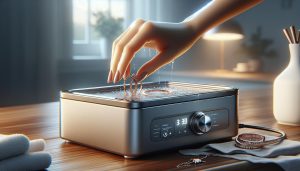
Did you know that your favorite jewelry pieces can harbor germs and bacteria just like other surfaces in your home? With many people wearing jewelry daily, keeping these items clean is not just about aesthetics; it’s essential for hygiene and prolonging their lifespan. Properly disinfecting your jewelry not only protects your health but also ensures your treasured pieces shine brilliantly for years to come. In this guide, we’ll reveal safe and effective sanitizing secrets that everyone can apply, whether you’re a seasoned collector or new to jewelry care. You’ll discover simple, actionable tips that address common concerns and empower you to maintain your jewelry with confidence. So, let’s dive in and unlock the secrets to sparkling, sanitized jewelry!
How Disinfection Works: The Science Behind It

Understanding how disinfection works is essential to maintaining the beauty and integrity of your jewelry. At a fundamental level, disinfection relies on the use of chemicals or physical processes to eliminate or reduce harmful pathogens to safe levels. This process often involves disrupting the cellular processes of bacteria, viruses, and fungi, rendering them unable to survive or reproduce. For jewelry, the most common disinfecting agents include alcohol, hydrogen peroxide, and specialized cleaning solutions that are safe for various materials.
When you apply these disinfectants, they penetrate the outer membrane of microorganisms and can denature proteins and nucleic acids, ultimately leading to the destruction of the organism. This action explains why items that have regular and direct contact with skin, such as rings, earrings, and necklaces, are particularly prone to carrying bacteria and should be disinfected regularly. Understanding this science not only informs you of why these practices are necessary but also reassures that the steps you take in caring for your jewelry actively contribute to its longevity.
Another key element in disinfection is the method used. For instance, ultrasonic cleaners utilize sound waves to create microscopic bubbles in liquids which implode, generating powerful cleaning effects on intricate jewelry designs, removing grime from hard-to-reach spaces. On the other hand, non-invasive methods such as using UV light technology are becoming increasingly popular for disinfecting items without direct chemical contact, thus preserving delicate finishes while ensuring thorough sanitation. By grasping these basic scientific principles, you empower yourself to make informed decisions about the best jewelry disinfection methods suited for your collection.
Essential Tools for Jewelry Disinfection

Maintaining the hygienic integrity of your jewelry is vital not just for its appearance but also for your health. To effectively disinfect your beloved pieces, it’s essential to gather the right tools tailored to different materials and types of dirt. Here’s a look at some must-have equipment that can make the process efficient and safe.
First and foremost, disinfectants are critical. Common options include isopropyl alcohol and hydrogen peroxide, which are effective against a variety of pathogens while being gentle on most jewelry materials. Always opt for concentrations of at least 70% for alcohol, as this is most effective for disinfection. Alongside these, specialized jewelry cleaning solutions can be particularly useful, especially those designed for specific materials like pearls or porous stones.
Another essential tool is an ultrasonic cleaner. This device uses high-frequency sound waves to create tiny bubbles in a cleaning solution, which gently penetrate crevices and remove dirt without damaging delicate settings. Ensure the cleaning solution is appropriate for your jewelry; some ultrasonic cleaners come with specific settings for different materials.
Other Helpful Tools
- Soft brushes: Use fine-bristled brushes to gently scrub areas that are hard to reach. A toothbrush can be perfect for intricate designs or settings.
- Microfiber cloths: These are excellent for drying and polishing your jewelry after disinfection, ensuring no lint or scratches are left behind.
- Bowls and trays: Non-abrasive bowls keep your pieces secure during cleaning, preventing scratching or damage while rinsing.
Incorporating these tools into your jewelry care routine will enable you to not only disinfect effectively but also maintain the overall beauty and integrity of your collection. Whether you’re a collector or just someone who appreciates fine jewelry, understanding which tools to use will empower you in your cleaning endeavors, ensuring your treasures remain as stunning as the day you first wore them.
Step-by-Step Guide to Safely Disinfect Jewelry
Maintaining the cleanliness of your jewelry not only enhances its beauty but also ensures your health by reducing the risk of germs and irritants. To effectively disinfect your beloved pieces, follow this step-by-step guide that combines safety and efficacy, ensuring your jewelry looks pristine while remaining well-cared-for.
Start by preparing a safe workspace. Lay down a soft cloth or microfiber towel to catch any drops of cleaning solutions or small parts that may fall during the process. Gather your essential tools: a soft brush, bowls for rinsing, microfiber cloths, and your chosen disinfectant, such as isopropyl alcohol or a professional jewelry cleaner. If you are using an ultrasonic cleaner, fill the tank with the appropriate cleaning solution.
Next, inspect your jewelry for any loose stones or delicate settings. It’s crucial to ensure everything is secure before cleaning, as moving parts might become loose during the disinfection process. For pieces with intricate designs, gently brush away dust and debris with a soft brush, taking care not to scratch or damage the finish.
Submerge your jewelry in the disinfectant solution or place it in the ultrasonic cleaner. If using a soak, allow it to sit for about 10-15 minutes, making sure to follow the manufacturer’s guidance on soaking times to avoid damaging certain materials. After soaking, rinse your jewelry under warm water in a non-abrasive bowl, then dry it thoroughly with a microfiber cloth. For an added touch, you might lightly buff the piece to restore its shine and brilliance.
Finally, check for any remaining dirt or grime, particularly in harder-to-reach areas. Repeat any of the cleaning methods as necessary, ensuring that your jewelry is not just sanitized but also visually appealing. By following this careful process, you guarantee that your cherished accessories remain both beautiful and hygienic, ready to wear or store safely.
Disinfecting Different Materials: Metals and Gems
Maintaining the integrity and shine of your jewelry isn’t just about aesthetics-it’s also essential for hygiene, especially as we navigate a world where cleanliness is paramount. Different materials require specific approaches for disinfection, particularly when considering various metals and gemstones, each with unique properties. Understanding how to properly disinfect these materials ensures that your cherished pieces remain both beautiful and safe to wear.
Metals
When it comes to disinfecting metal jewelry, such as gold, silver, and platinum, the focus should be on gentle yet effective methods to avoid scratching or damaging the surface. Most metals can tolerate a mild soap solution or a mix of lukewarm water with isopropyl alcohol. Simply soak your metal pieces in the solution for 10-15 minutes, then gently scrub with a soft brush to dislodge any debris. Always rinse thoroughly with warm water and dry with a microfiber cloth to prevent water spots.
For more tarnished pieces, especially silver, consider a specialized silver cleaner or a paste made from baking soda and water. Apply the paste with a soft cloth, rubbing in a circular motion. Rinse well and buff with a clean cloth to restore the metal’s shine and luster. Remember, avoid harsh chemicals like bleach or ammonia, which can tarnish and corrode metal finishes.
Gems
Gems require careful consideration, as their chemical composition can vary drastically, affecting how they respond to different disinfecting agents. For most durable gemstones-like diamonds, rubies, and sapphires-a gentle cleaning solution of warm water with mild soap is typically safe. Use a soft brush to clean the surface gently, and rinse well to remove any residue.
However, softer stones such as opals, pearls, or emeralds can be more sensitive. For these, it’s best to avoid soaking entirely. Instead, lightly dampen a microfiber cloth with a bit of soapy water and gently wipe the stone, taking care not to immerse it. Dry with a clean cloth promptly, as lingering moisture can damage these delicate gems.
In summary, disinfecting your jewelry is manageable and effective when tailored to the specific materials involved. By adhering to these guidelines, you not only prolong the life of your jewelry but also maintain its beauty and integrity, ensuring it’s both a fashion statement and a hygienic accessory.
Common Mistakes to Avoid While Disinfecting
Maintaining the beauty and integrity of your jewelry is essential, but many collectors and enthusiasts unknowingly make common mistakes while disinfecting their prized pieces. One of the most prevalent errors is using the wrong cleaning agents. It’s crucial to recognize that not all disinfectants are safe for every material. For instance, harsh chemicals such as bleach or ammonia can corrode and tarnish metals, while some cleaning solutions may damage sensitive gemstones. Always research the appropriate disinfecting methods for your specific jewelry type to avoid irreversible damage.
Another frequent mistake involves over-soaking jewelry. Prolonged exposure to water and cleaning solutions can adversely affect both metal and gems. Softer stones like opals and pearls are particularly vulnerable, as soaking can lead to cracks or loss of luster. Instead of soaking, opt for damp wipes with a gentle solution for delicate items. This minimal approach helps preserve their quality while still achieving effective disinfection.
Users often underestimate the importance of thorough rinsing. Residual cleaning agents can lead to buildup that damages jewelry over time. After disinfecting, always make sure to rinse your pieces well with clean water to remove any leftover solution. Following this step with a gentle drying method-a soft cloth or air drying-ensures that no moisture is left that could tarnish or cause corrosion.
Lastly, proper storage after disinfecting is a vital yet overlooked aspect of jewelry care. Many people neglect to store their freshly cleaned jewelry properly, which can expose it to dust and contaminants again. Using individual pouches or boxes for each piece and ensuring they are stored in a dry, clean environment can significantly prolong the lifespan of your jewelry. By avoiding these common missteps and employing thoughtful techniques, you can keep your collection sparkling and safe for many years to come.
DIY Jewelry Disinfecting Solutions: Home Remedies
Simple yet effective home remedies can provide an excellent solution for disinfecting your jewelry without the need for harsh chemicals. Many household items offer powerful cleaning properties that can sanitize metals and gems while preserving their beauty. For instance, a solution of warm water mixed with a few drops of mild dish soap is an excellent starting point. This gentle, non-abrasive mixture can clean most types of jewelry safely. Use a soft-bristle toothbrush to scrub away dirt in hard-to-reach places, ensuring you are careful not to harm delicate settings or stones.
Another effective method involves using white vinegar, a natural disinfectant. Soaking your jewelry in a cup of vinegar for about 15-20 minutes can help eliminate bacteria and odor. After soaking, rinse your pieces thoroughly with water to remove any vinegar residue, which can be slightly acidic and affect the finish over time. For more stubborn tarnish on silver jewelry, baking soda can come to the rescue. Create a paste by mixing baking soda with a small amount of water, apply it gently with a cloth, and rinse thoroughly to reveal a fresh shine.
If you are looking for a way to sanitize jewelry featuring gemstones, consider using rubbing alcohol. Dampen a microfiber cloth with rubbing alcohol and gently wipe down your pieces. This method effectively removes oils and grime without damaging most gemstones. However, avoid using this solution on porous stones like opals or pearls, which require more gentle care.
Lastly, do not underestimate the power of steam. If you own a steam cleaner at home, it can work wonders for disinfecting jewelry. The high temperature effectively kills bacteria while being gentle enough on most gemstones. Always remember to check the specific needs of each jewelry type, as different materials may require tailored approaches to disinfecting.
By utilizing these straightforward DIY solutions, you can ensure your jewelry remains both pristine and sanitized, enhancing its wearability and longevity. Keeping your collection clean not only elevates your style but also protects your investment in precious items.
Professional Jewelry Disinfection Methods
To ensure the cleanliness and longevity of your cherished pieces, offer a level of effectiveness that DIY solutions might not achieve. Jewelers often utilize advanced tools and techniques that are both safe and reliable. These methods not only sanitize but also help maintain the lustrous appearance of your jewelry over time.
One common professional method involves the use of ultrasonic cleaners, which use high-frequency sound waves to create millions of tiny bubbles in a cleaning solution. These bubbles implode through a process called cavitation, creating shock waves that gently yet effectively remove dirt, grease, and bacteria from intricate designs and hard-to-reach areas. This is especially beneficial for pieces with delicate settings or intricate details, as the ultrasonic waves can penetrate crevices that manual cleaning might miss. Nevertheless, it’s crucial to ensure that your jewelry is made of materials that can withstand ultrasonic cleaning, as not all stones and metals are suitable.
Another popular technique is steam cleaning. Jewelry steamers work by forcing pressurized steam onto the surface of the jewelry, instantly removing dirt and grime without the need for any chemicals. This method is highly effective for a range of materials, including diamonds and other gemstones, as it refreshes their sparkle without risking damage to the metal or stones. Here, the combination of high temperature and steam ensures sanitization, making it a preferred choice for professional jewelers who prioritize both cleanliness and preservation.
For those seeking a professional touch at home, visiting a qualified jeweler for periodic maintenance can enhance the overall care of your pieces. Certified jewelers can provide in-depth inspections, identifying any potential issues like loose stones or damaged settings while thoroughly cleaning your jewelry using the above methods. Incorporating these professional practices into your jewelry maintenance routine not only extends the life of your items but also keeps them looking their absolute best, affirming that investing in professional care is an investment in your treasures.
In conclusion, leveraging professional disinfection methods ensures your jewelry remains pristine and safe from harmful contaminants. When paired with regular checks from experienced jewelers, it provides a comprehensive care routine that balances sanitary practices with the art of maintaining jewelry’s beauty.
Caring for Antique and Delicate Jewelry
Antique and delicate jewelry often carries sentimental and historical values, making their care essential for preservation. These pieces can be particularly sensitive to the various cleaning methods we might typically use for more modern jewelry. Because of this sensitivity, understanding how to properly disinfect and maintain antique and delicate items ensures that their beauty and integrity remain intact for generations to come.
To start, always conduct a gentle assessment of the jewelry. Examine the craftsmanship, materials, and any gemstones involved. If your piece includes fragile stones like pearls or opals, keep in mind that these can be particularly susceptible to damage from harsh chemicals or abrasive cleaning methods. It’s crucial to avoid any aggressive scrubbing or high-pressure cleaning techniques that could harm intricate designs. Instead, opt for soft cleaning methods, such as using a microfiber cloth dampened with warm water. Gently wipe the piece, focusing on any heavily soiled areas where bacteria might accumulate.
Best Practices for Cleaning
When it comes to disinfecting delicate pieces, there are several effective strategies that won’t compromise their condition:
- Soap and Water Solution: Mix a few drops of mild dish soap in lukewarm water. Soak your jewelry for a few minutes, then gently brush with a soft-bristled toothbrush or cloth.
- Alcohol Swabs: For items that might encounter skin contact often, using 70% isopropyl alcohol on a cotton swab can effectively disinfect without the harshness of industrial cleaners.
- Avoid Ultrasonic Cleaners: While ultrasonic cleaning is excellent for tough dirt, it can be harmful to delicate or antique jewelry due to vibrations that might loosen stones or damage settings.
Storage and Maintenance
Proper storage is as critical as cleaning when it comes to caring for antique jewelry. Always store pieces in a dry, cool environment, ideally in a fabric-lined jewelry box or wrapped in acid-free tissue paper. Avoid using plastic bags that may trap moisture, leading to tarnish or degradation of stones. Regularly inspect pieces for signs of wear, checking for loose settings or tarnish, and consider having high-value items professionally cleaned and inspected by a qualified jeweler.
The attention you give to will greatly enhance its longevity and beauty, allowing you to enjoy these treasured pieces without worry. Empower yourself with knowledge and embrace a gentle approach to preserving your artful history, ensuring that each piece remains a shining testament to the past.
How Often Should You Disinfect Your Jewelry?
To keep your jewelry in pristine condition and ensure it remains a safe adornment, regular disinfection is essential. If you’re someone who wears jewelry daily, especially items that come into frequent contact with your skin, consider incorporating a disinfection routine into your weekly cleaning schedule. This is not only to maintain the jewelry’s aesthetic appeal but also to help prevent the buildup of bacteria and allergens that can lead to skin irritations.
For jewelry that is worn less frequently, like statement pieces or heirlooms, a thorough cleaning every month may suffice. However, after special occasions or events where sweat, makeup, or perfumes may have come into contact with your pieces, it’s wise to disinfect before storing them away. In the case of antique or delicate jewelry, a gentle approach is crucial. You might only need to disinfect these items a few times a year, ensuring that you analyze each piece’s condition and cleanliness before deciding.
In addition, consider the materials of your jewelry; certain metals and gemstones may require different frequencies for cleaning depending on how resilient they are. For example, sterling silver may tarnish faster and require more frequent cleaning compared to gold or platinum alternatives. Always tailor your care routine to the unique properties of your pieces to keep them looking their best while ensuring they remain safe for wear.
Storing Disinfected Jewelry: Best Practices
To ensure that your freshly disinfected jewelry remains in optimal condition, proper storage is key. Many people underestimate the importance of how jewelry is stored after cleaning. Storing jewelry correctly not only extends its lifespan but also maintains its beauty and prevents damage from environmental factors.
First, consider the materials and types of jewelry you own. Use a separate compartment or storage box for different types of metals, such as silver, gold, and platinum, as they can scratch or tarnish each other when in contact. A soft jewelry pouch or lined box is ideal for delicate pieces, preventing scratches and minimizing exposure to dust. For rings and earrings, consider using individual slots in an organizer to keep them safe and easily accessible.
Key Storage Tips:
- Humidity Control: Use silica gel packets in your jewelry box to absorb moisture, which can help prevent tarnishing, especially for silver jewelry.
- Darkness Matters: Store your jewelry in a dark place; exposure to light can fade colored gemstones and weaken certain materials over time.
- Temperature Regulation: Choose a cool, dry location for storage as extreme temperatures can damage gemstones and affect joint integrity.
- Regular Checks: Schedule a regular review of your jewelry collection to check for any signs of damage or tarnish and address them immediately.
It’s also important to avoid storing jewelry in the bathroom, where moisture levels can fluctuate dramatically, leading to potential damage. By following these simple yet effective storage practices, you’ll not only keep your jewelry looking its best but also ensure that it remains a cherished accessory for years to come.
The Importance of Regular Jewelry Maintenance
Regular maintenance of your jewelry is essential for preserving its beauty and longevity. Just as you would care for a treasured piece of art or a fine piece of furniture, your jewelry deserves the same level of attention. Over time, everyday wear can result in the buildup of dirt, oils, and even bacteria, which can easily tarnish your precious metals and dull the brilliance of your gemstones. By implementing a routine cleaning regimen, you not only keep your pieces looking radiant but also prevent costly repairs or replacements down the line.
Jewelry maintenance goes beyond mere cleaning; it encompasses inspection and care tailored to the specific characteristics of each item. For instance, delicate pieces adorned with intricate designs or set with soft gemstones may require gentler cleaning methods and more careful handling. Inspecting your jewelry regularly can help identify loose stones or damaged clasps before they become significant issues. This proactive approach ensures that your jewelry continues to be a source of joy rather than a source of worry.
To ensure your jewelry receives the best treatment, consider these key maintenance tips:
- Regular Cleaning: Aim to clean your jewelry every few weeks, especially if worn frequently. A simple warm water and mild soap solution can work wonders.
- Inspection: Check for loose settings or worn clasps. If something feels off, consult a professional jeweler to address potential problems before they worsen.
- Proper Storage: After disinfection, store your jewelry in a dry, safe place, ideally in boxes or pouches that prevent scratching.
- Time for Professional Care: Schedule an annual inspection and cleaning with a jeweler who can deep clean and professionally maintain your pieces.
By adopting a routine maintenance schedule, you reinforce your commitment to ensuring that your jewelry remains a cherished aspect of your wardrobe for many years to come. Making these simple yet effective measures a habit can empower you to enjoy your jewelry to its fullest capacity, enhancing both its aesthetic appeal and emotional value.
Quick Fixes for Diamond and Gemstone Care
Diamonds and gemstones are not just stunning pieces of jewelry; they also require a little extra care to maintain their brilliance and beauty. Neglecting proper care can lead to dullness and loss of shine, often due to the accumulation of dirt, oils, and residue. Some quick fixes can easily restore their sparkle without the need for extensive cleaning routines.
One of the simplest methods involves using a solution of warm water and mild dish soap. Soak your jewelry in this mixture for about 15-20 minutes, then gently scrub with a soft toothbrush to remove any buildup. Rinse thoroughly under warm running water and dry with a soft, lint-free cloth. This method is safe for most diamond and durable gemstone settings but should be avoided for softer gems like opals or pearls.
For a quick refresh, a commercial jewelry cleaner can provide excellent results. These cleaners are specifically formulated to tackle the unique needs of various stones and settings. Always read the instructions carefully and ensure the cleaner is suitable for your specific type of gemstone. After cleaning, make it a habit to inspect your pieces for any loose stones, as proactive checks can prevent potential damage and keep your treasures intact.
In addition to cleaning, handling your jewelry correctly can contribute immensely to its longevity. Always remove rings before washing your hands or applying lotions, as these substances can lead to residue buildup. When you’re not wearing your jewelry, store it individually in a soft pouch or a separate section of a jewelry box to avoid scratches. By implementing these quick and easy practices, you’ll ensure your diamonds and gemstones continue to dazzle for years to come.
Q&A
Q: How often should I disinfect my jewelry?
A: You should disinfect your jewelry regularly, especially during flu season or after wearing it frequently. Aim for at least once a month to maintain hygiene, particularly for items like rings and bracelets that come into contact with skin oils and dirt. For detailed guidelines, refer to the section on “How Often Should You Disinfect Your Jewelry.”
Q: Can I use bleach to disinfect my jewelry?
A: No, bleach can damage metals and gemstones, leading to discoloration and deterioration. Instead, opt for gentle soaps or dedicated jewelry disinfectants. See our “DIY Jewelry Disinfecting Solutions” section for safer alternatives.
Q: What is the best way to disinfect handmade jewelry?
A: For handmade jewelry, use a soft cloth and a gentle soap solution to clean. Rinse thoroughly with water and dry completely. Avoid harsh chemicals that can compromise the craftsmanship and materials. Refer to “Disinfecting Different Materials: Metals and Gems” for more specific guidance.
Q: How do I disinfect jewelry with delicate stones?
A: For delicate stones, avoid soaking and use a soft brush with mild soap and water for cleaning. Rinse and dry gently using a lint-free cloth to prevent scratching. More tips are found in “Caring for Antique and Delicate Jewelry.”
Q: Is it safe to use alcohol for disinfecting jewelry?
A: Yes, using isopropyl alcohol (at least 70% concentration) is effective for disinfecting non-porous jewelry materials. Soak a cloth in alcohol and gently wipe the surfaces. Learn more in our “Essential Tools for Jewelry Disinfection” section.
Q: Can I boil my jewelry to disinfect it?
A: Boiling can be safe for certain metals, like stainless steel. However, avoid boiling jewelry with soft stones or organic materials, as this may cause damage. For a detailed approach, refer to “Professional Jewelry Disinfection Methods.”
Q: What should I avoid when disinfecting my jewelry?
A: Avoid using harsh chemicals, abrasive cleaners, and boiling water for delicate items. These can lead to material damage. Check our “Common Mistakes to Avoid While Disinfecting” section for a comprehensive list.
Q: Why is regular disinfection of jewelry important?
A: Regular disinfection helps prevent the accumulation of bacteria, dirt, and oils that can lead to skin irritations and infections. It also maintains the jewelry’s aesthetic and structural integrity. For more on this, explore “The Importance of Regular Jewelry Maintenance.”
To Conclude
Thank you for learning how to effectively disinfect your jewellery with our safe sanitizing secrets! Remember, maintaining the hygiene and shine of your pieces not only keeps them looking beautiful but also extends their lifespan. If you’re eager to dive deeper into jewellery care, don’t miss our guides on cleaning metals and gems or explore DIY tutorials to elevate your style.
Act now to ensure your cherished items are as safe as they are stunning! We invite you to subscribe to our newsletter for exclusive tips, or check out our resource section for tools that simplify jewellery care. Your journey toward sparkling, well-maintained jewellery starts here-share your thoughts in the comments below, and be sure to explore more valuable content on our site to continue enhancing your jewellery knowledge and skills!