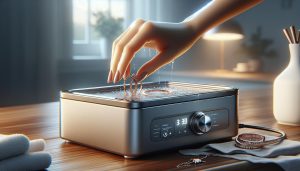
When you’ve just adorned your ears with freshly pierced earrings, the excitement is palpable, but so are the concerns about aftercare. Did you know that proper cleaning is essential not only to avoid infections but also to ensure your earrings remain beautiful and comfortable? This guide to cleaning newly pierced earrings will simplify your aftercare routine, addressing common worries and equipping you with practical tips. Whether you’re a first-timer or simply looking to enhance your jewelry care knowledge, understanding how to clean and maintain your earrings is vital for long-lasting wear and style. Dive in to uncover straightforward methods and expert insights that will keep those new accessories sparkling beautifully!
How to Properly Clean Your New Earrings
Cleaning your newly pierced earrings is a crucial step in ensuring both your safety and the longevity of your jewelry. It’s essential to keep them clean to prevent infection and promote healing, especially in the early days after getting your ears pierced. Regular cleaning will also maintain the aesthetic appeal of your earrings, allowing you to enjoy them without worry.
Start by gathering the right materials for cleaning, which include a clean bowl, saline solution or a mild soap mixed with water, and a soft cloth. Avoid using alcohol or hydrogen peroxide as they can be too harsh and may irritate your skin. Once you have everything ready, follow these simple steps:
- Wash Your Hands: Always start by washing your hands thoroughly to prevent the transfer of bacteria to your earrings.
- Soak Your Earrings: Submerge your earrings in a saline solution for a few minutes, or gently wipe them with a clean cloth dampened with a mild soap solution. This helps remove any dirt or grime.
- Rinse and Dry: After soaking, rinse your earrings with clean water to remove any soap residue. Then, pat them dry with a soft cloth, ensuring there’s no moisture left in the holes of the earrings or around the metal.
- Check the Condition: While cleaning, take the opportunity to inspect your earrings for any signs of damage or wear, as early detection can prevent more significant issues.
These steps not only ensure that your earrings remain clean but also play a vital role in your overall ear piercing care routine, contributing to faster healing and preventing complications.
Essential Aftercare for New Piercings
Maintaining the health of your newly pierced ears is paramount, not just to savor the beauty of your new earrings but also to ensure your ears remain free from irritation and infection. The first few weeks post-piercing are crucial, as this is when your body is actively healing the fresh punctures. A consistent aftercare routine can minimize risks and maximize comfort, allowing you to embrace your new look confidently.
Start with gentle cleaning practices at least twice a day, ideally when you wash your face or shower. Use a saline solution-commercially available or homemade by mixing 1/4 teaspoon of non-iodized sea salt in a cup of warm distilled water. This mixture helps to cleanse the area without introducing harsh chemicals that could aggravate your sensitivity. Apply a small amount of the solution to a cotton ball or a soft cloth, and dab around your earlobes without twisting or pulling the earrings. Avoid interacting too much with the earrings themselves; let them be until the healing is more complete.
Keep an eye on how your skin reacts. If you notice excessive redness, swelling, or discomfort lasting more than a few days, it might indicate an allergic reaction or infection. In such cases, consulting a healthcare professional is essential. Always remember that your body is unique, and what might be suitable for one person may not be for another.
Additionally, stay away from potential irritants during the healing phase. This includes hair products, makeup, and even fragrances that might come into contact with your earrings. Opt for hypoallergenic earrings-made of surgical steel, titanium, or 14K gold-that cater to sensitive skin.
Lastly, support your healing with a balanced diet rich in vitamins, especially those promoting skin health, such as vitamins C and E. Staying hydrated and getting adequate sleep also plays a significant role in your overall healing process. By adopting these aftercare tips, you not only ensure a successful healing journey but also prolong the life of your beautiful earrings, turning the piercing experience into a celebrated transition in your personal style.
Best Cleaning Solutions for Different Earring Materials
Cleaning your earrings properly is essential, especially after getting newly pierced. Different materials require specific cleaning solutions to maintain their shine and prevent irritation. Knowing how to care for your earrings based on their material not only helps in preserving their beauty but also ensures that your skin stays healthy during the healing process.
Metal Earrings
For earrings made from common metals such as sterling silver or gold, a gentle cleaning solution is best. You can create a simple mixture of warm water and mild dish soap. Use a soft cloth to dip into the solution and wipe the earrings gently to remove any buildup. Rinse thoroughly under lukewarm water and dry with a clean, soft towel. Always avoid harsh chemicals, as they can lead to tarnishing or damage.
Gemstone Earrings
Gemstones are often more delicate and can be damaged by aggressive cleaning solutions. It’s advisable to use a soft, damp cloth to wipe them down after wearing. If you need a deeper clean, consider a solution of 50% vinegar and 50% water to soak for about 10 minutes. Rinse with cool water and dry thoroughly. Be cautious with porous stones like opals or pearls, as they should never be submerged in liquid.
Plastic and Acrylic Earrings
For colorful plastic or acrylic earrings, a gentle wipe with a microfiber cloth is usually sufficient. If they require more intensive cleaning, use a mix of water and a mild detergent. Avoid soaking these earrings, as prolonged exposure to water can cause warping. Instead, dampen your cloth with the solution and carefully clean the surface.
Allergic Reactions and Hypoallergenic Options
If you have sensitive skin, it’s crucial to choose hypoallergenic materials such as surgical steel, titanium, or nickel-free options. These materials are less likely to cause allergic reactions and can usually be cleaned with the same mild soap and water solution mentioned earlier. After cleaning, make sure to dry them completely before wearing.
By recognizing the specific needs of different earring materials and employing these tailored cleaning methods, you can keep your earrings looking pristine while ensuring your ears remain comfortable and irritation-free during the healing process. Regular care not only enhances the visual appeal of your jewelry but also extends its lifespan, allowing you to enjoy your new pieces for years to come.
Step-by-Step Guide to Cleaning Your Earrings
When you invest in a stunning pair of earrings, whether they’re for daily wear or special occasions, knowing how to clean them properly is essential for maintaining their beauty and ensuring your comfort. The process of cleaning your earrings doesn’t have to be a complex affair; with just a bit of effort, you can keep your jewelry looking radiant and your skin irritation-free. Follow this straightforward guide to effectively care for your earrings after piercing.
Begin by gathering your supplies. For most earring types, you’ll need a soft microfiber cloth, a bowl of warm water, and a mild dish soap. If your earrings are particularly delicate, like gemstones or pearls, consider using a 50/50 mixture of vinegar and water instead. Once your tools are ready, it’s time to proceed:
Step-by-Step Cleaning Process
- Preparation: Start by washing your hands thoroughly to avoid introducing any bacteria to your earrings during the cleaning process.
- Initial Wipe: Use a soft microfiber cloth to gently wipe away any visible dirt or oils from your earrings. This step is crucial for preventing scratching, especially in sensitive materials.
- Water Solution: If using mild dish soap, mix a few drops with warm water in a bowl. If you’re cleaning more delicate items, soak them briefly in the vinegar solution.
- Soak (if applicable): For earrings that can withstand soaking, allow them to sit in the solution for about 5-10 minutes. This will help break down any buildup of grime.
- Rinse and Dry: After soaking, rinse your earrings thoroughly under lukewarm water to remove any soap residue. Make sure to dry them completely with a clean, soft towel to prevent water spots.
It’s also beneficial to regularly check your earrings for any signs of wear or damage. Regular cleaning not only extends the life of your jewelry but also keeps your ears healthy, especially after new piercings. Incorporate this simple cleaning routine into your jewelry care for a lasting beautiful shine while ensuring your comfort and confidence every time you wear your earrings.
DIY Cleaning Methods for Home Care
The care you give your earrings goes a long way in preserving their beauty and ensuring comfort, especially after the excitement of new piercings. While commercial cleaning solutions are available, you can easily create effective DIY cleaning methods right at home using common household items. These methods not only save money but also provide a gentle touch that’s often needed for your delicate jewelry.
One effective approach is to use a simple solution of warm water and mild dish soap. Just mix a few drops of soap in a bowl of warm water and immerse your earrings for a brief soak. This method is perfect for everyday earrings and can gently remove dirt and oils that accumulate from regular wear. After soaking for about 5 to 10 minutes, a soft toothbrush can be utilized to scrub any intricate designs or hard-to-reach areas. Be sure to rinse thoroughly with lukewarm water and dry with a soft cloth to eliminate moisture, which can cause tarnishing or damage over time.
For those with more delicate pieces, such as pearl or gemstone earrings, a vinegar and water solution can be particularly beneficial. Mix equal parts of white distilled vinegar and water in a bowl and soak the earrings for several minutes. This not only cleans but also enhances their natural shine. Just remember to rinse with water afterward to remove any lingering acidity.
In addition to these liquid solutions, using baking soda can be a handy cleaning agent for metal components. Create a paste by mixing baking soda with a small amount of water. Apply this paste to tarnished areas and gently scrub using a soft cloth or cotton swab. Rinse well and dry properly. With these DIY methods, you can ensure your earrings remain sparkling and free of grime, helping you to enjoy their beauty and comfort day in and day out.
Signs Your Earrings Need Extra Attention
Noticing early signs that your earrings need extra attention is key to maintaining their beauty and ensuring your comfort. When your earrings start to show signs of wear or discomfort, it might be time to step up your care routine or make some adjustments. Here are a few crucial indications that you should take a closer look at your earrings:
- Discoloration: If your earrings begin to lose their luster or you notice dark spots or tarnishing, it’s a strong sign that they need cleaning. Regular cleaning can prevent further degradation and keep them looking new.
- Unpleasant Odor: A foul smell coming from your earrings can indicate a buildup of oils, dirt, or bacteria. This is especially common with new piercings. Clean them promptly to avoid irritation.
- Skin Reactions: If you start to notice redness, itching, or swelling around the earlobe, it could be a sign of an allergic reaction or infection. Make sure to clean the area thoroughly and consider switching to hypoallergenic materials.
- Loose Settings: If a stone appears to be shaky or you hear a rattling noise, it’s essential to examine your earring. Loose settings can lead to loss of jewelry, so secure or repair them immediately.
Observing these signs early can not only save your favorite pieces from permanent damage but also ensure that your ear health is not compromised. Don’t hesitate to schedule a cleaning or consult with a professional jeweler if you notice persistent issues. Taking proactive measures will help maintain your earrings’ beauty and your overall comfort.
Avoiding Common Aftercare Mistakes
To ensure the longevity and beauty of your newly pierced earrings, it’s crucial to avoid common mistakes that many make during the aftercare process. The path to keeping your earrings in prime condition is paved with mindful practices that can help prevent complications, as improper care can lead to infections and irritation. Here are some key areas to focus on for effective aftercare.
One prevalent mistake is neglecting the cleaning routine. New piercings require gentle but consistent cleaning to prevent bacteria buildup. Use a saline solution or a recommended non-alcoholic cleanser, and avoid using harsh chemicals that can irritate the piercing. Another common error is over-cleaning; while maintaining cleanliness is important, doing it too frequently can disrupt the healing process. Aim for thorough yet moderate cleaning-typically, twice a day is sufficient.
A vital yet overlooked aspect is the choice of earrings initially worn after piercing. Opting for cheap, non-hypoallergenic materials can cause allergic reactions or infections. Always choose high-quality earrings made of surgical stainless steel, titanium, or gold, which are less likely to irritate sensitive skin. It’s also essential to avoid touching or fiddling with your earrings excessively. This habit can transfer dirt and germs and increase the risk of infection. Make a conscious effort to resist adjusting your earrings frequently during the healing phase.
Moreover, improper storage of earrings can lead to damage, especially for new piercings. Keep your earrings in a clean, dry place and avoid overcrowding them in a jewelry box to prevent stabbings and tangling. Using a dedicated travel case or a soft pouch ensures your earrings stay pristine when you’re on the go.
By steering clear of these common missteps-such as improper cleaning, choosing the wrong materials, excessive touching, and careless storage-you can help your newly pierced earrings thrive. This thoughtful attention not only preserves your jewelry but also promotes healthy ear lobe healing.
Safe Storage Tips for Newly Pierced Earrings
Keeping your newly pierced earrings safe is crucial not just for the jewelry itself but for maintaining optimal ear health. Proper storage protects against damage and minimizes the risk of infection, as rough handling or exposure to unsanitary conditions can lead to complications. With the right storage techniques, you can ensure that your earrings remain in pristine condition while your ears heal.
One of the most effective ways to safeguard your earrings is to use dedicated storage solutions. Consider utilizing a padded jewelry box or a specialized earring holder that keeps them separated and secure. A box with compartments can help prevent tangling and rubbing against each other, which can sometimes compromise their finish or cause irritation when worn. For those frequently on the go, a soft pouch or a travel case with individual slots can be a great investment; this keeps your earrings safe from scratches and dust, making it easy to carry them without worry.
Tips for Safe Storage
- Keep it clean: Ensure the storage area is clean and dry. Dust and moisture can lead to tarnishing and other damage, especially with metals like silver.
- Avoid overcrowding: Whether you’re using a jewelry box or a pouch, make sure there’s enough space for each pair. Overcrowded storage can lead to tangling and damage.
- Limit exposure to heat: Store your earrings away from direct sunlight and heat sources, as these can affect certain materials and finishes.
- Regularly inspect: Periodically check on your stored earrings for signs of wear or damage. This will help catch any issues early, allowing for timely repairs or cleaning.
By implementing these safe storage practices, you not only enhance the longevity of your freshly pierced earrings but also contribute positively to your overall aftercare routine. Safe and thoughtful storage reflects a commitment to maintaining both the aesthetic and health of your earrings.
Understanding Healing Time and Aftercare
The journey of healing after getting new piercings is a pivotal part of ensuring your earrings not only look good but also support your ear health. Generally, earlobe piercings take about 6 to 8 weeks to heal, while cartilage piercings may require 3 to 6 months or longer due to the lower blood supply in that area. During this crucial time, appropriate aftercare practices are vital to avoiding infections and promoting successful healing.
Daily maintenance includes a gentle cleaning routine. It’s important to clean the piercings with a saline solution or an antiseptic recommended by your piercer, ideally once or twice a day. Avoid twisting or removing the earrings during the healing period, as disturbing the area can cause irritation or introduce bacteria. Be mindful of using non-irritating earrings such as titanium or surgical stainless steel, especially in the initial healing phase. These materials are less likely to trigger allergic reactions and are better for sensitive skin.
In addition to cleaning, consider your lifestyle. Activities such as swimming, using saunas, or heavy exercise can pose risks during the healing phase. Always ensure that your hair and other accessories don’t come into contact with your new earrings while they heal. Also, sleeping on newly pierced ears can be uncomfortable; using a travel pillow or adjusting your sleep position can help minimize pressure on the area.
Listening to your body is just as crucial. If you notice persistent pain, increased redness, or discharge that looks unusual, it’s essential to consult a healthcare professional. These could be early warning signs of an infection. Remember, taking proactive measures in your healing process will not only enhance the longevity of your earrings but also contribute to a safe and healthy experience.
Signs of Infection: When to Seek Help
The process of healing after obtaining new piercings can be delicate, and understanding the signs of infection is crucial to ensure both your health and the longevity of your jewelry. Infections can arise despite your best aftercare efforts, and being vigilant can help identify potential issues early on. Noticing symptoms such as increased redness, persistent swelling, or unusual discharge should prompt immediate attention. A small amount of redness and swelling is normal at the site of a new piercing, but if these symptoms worsen or do not subside after a few days, it might be a signal that an infection is developing.
Another warning sign is pain that intensifies rather than gradually decreases over time. While some discomfort is anticipated shortly after the piercing, escalating pain is a cause for concern. You should also be aware of itching that becomes pronounced and unpleasant, which, although it can sometimes indicate that your body is healing, can also signal an allergic reaction or infection, especially if combined with other symptoms.
It’s essential to monitor your overall health as well. If you encounter systemic symptoms such as fever, chills, or general malaise, these could indicate that an infection has spread beyond the immediate area. At this juncture, seeking help from a healthcare professional is imperative. Early intervention can not only nip potential complications in the bud but also prevent more serious health issues down the road.
In summary, maintaining open communication with your body during the healing process empowers you to make informed decisions about your aftercare. Always err on the side of caution; it’s better to seek advice and reassurance than to overlook symptoms that could lead to complications.
Enhancing Your Aftercare Routine with Natural Products
Incorporating natural products into your aftercare routine not only provides gentle care for your new earrings but also enhances the healing process with nourishing properties. Many people are turning to natural solutions for their effectiveness and reduced risk of irritation, making them particularly suitable for sensitive skin and newly pierced ears.
One of the simplest and most effective natural remedies is a saline solution made from sea salt. To prepare your own, dissolve about half a teaspoon of non-iodized sea salt in a cup of warm distilled water. Use a clean cotton ball or pad to gently clean around the piercing site. This solution not only helps to keep the area clean but also promotes healing due to its antibacterial properties.
Another beneficial option is aloe vera gel, renowned for its soothing and anti-inflammatory qualities. Applying a small amount directly to the pierced area can alleviate discomfort and redness, while also hydrating the skin. Ensure the aloe vera is pure and free from added fragrances to avoid irritation.
For added antiseptic benefits, consider using tea tree oil, which is known for its antimicrobial properties. Dilute a few drops of tea tree oil in a carrier oil, such as coconut or grapeseed oil, before applying it around the piercing. This will help keep the area free of bacteria while supporting the healing process. Always perform a patch test first to ensure there is no adverse reaction.
Combining Nature with Care
It’s essential to remember that while natural products can significantly support your aftercare routine, they should not replace diligent cleaning practices. Stick to your regular cleaning schedule, using natural product methods as supplementary care. Listen to your body, and if you notice any increase in irritation or allergic reactions, discontinue use and consult a professional.
Integrating these natural options not only elevates your aftercare routine but also aligns with a holistic approach to health and wellness. By selecting gentle, nourishing products, you can ensure your new earrings are cared for in a way that promotes healing, comfort, and lasting beauty.
Choosing the Right Earrings for Sensitive Skin
Choosing earrings for sensitive skin can make a significant difference in your comfort and overall experience with newly pierced ears. Since many people with sensitive skin find traditional metal earrings irritating, it’s essential to select materials that are hypoallergenic and gentle on the skin. For instance, earrings crafted from surgical stainless steel, titanium, or gold with a high purity (14k or higher) are excellent choices, as they minimize the risk of allergic reactions.
When shopping for earrings, consider these options to ensure comfort and safety:
- Nickel-Free Metals: Look for earrings specifically labeled as nickel-free, as nickel is a common allergen that can cause irritation and rashes.
- Natural Materials: Consider earrings made from natural materials like wood, bamboo, or glass, which can be lightweight and produce minimal irritation.
- Graduated Styles: Start with small studs that won’t tug or put pressure on the newly pierced hole; larger or heavier earrings can increase discomfort as you heal.
- Check for Coatings: Ensure any plated earrings don’t wear off quickly, as the base metals underneath might cause allergic reactions once exposed.
Real-World Examples
Wearing earrings made from titanium or surgical stainless steel is often recommended by professionals because they are durable and highly resistant to oxidation and corrosion. Brands that specialize in body jewelry typically offer these materials, ensuring a safer option for sensitive skin. Additionally, many artisan jewelers now create beautiful pieces from pure or high-karat gold that not only look good but also support healthy skin.
By focusing on these key considerations, you can select earrings that enhance your style while keeping your sensitive skin happy. Always keep an eye on how your skin reacts over time, and if you notice any discomfort, be ready to switch to a more appropriate material to maintain your ear health.
FAQ
Q: How often should I clean my newly pierced earrings?
A: Clean your newly pierced earrings daily for the first few weeks to prevent infection. After the initial healing period, you can reduce cleaning frequency to 1-2 times a week while ensuring your ears remain irritation-free. Regular maintenance is crucial for optimal aftercare.
Q: What is the best way to disinfect earrings after getting pierced?
A: To disinfect your newly pierced earrings, use a saline solution or isopropyl alcohol. Soak a cotton ball in the solution, gently wipe the earrings, and ensure they are completely dry before reinserting them. This practice minimizes the risk of bacterial growth.
Q: Can I use essential oils to clean my earrings?
A: While essential oils can have antimicrobial properties, it’s not recommended to use them on newly pierced earrings. Instead, stick to saline solutions or alcohol for effective cleaning. Essential oils may cause irritation or allergic reactions on freshly pierced skin.
Q: What should I avoid when cleaning my new earrings?
A: Avoid using harsh chemicals, excessive scrubbing, or alcohol-based wipes directly on your earrings, especially if they are made of sensitive materials. These can irritate your skin and slow the healing process. Stick to gentler cleaning solutions instead.
Q: How do I know if my earrings are causing an allergic reaction?
A: Signs of an allergic reaction include redness, swelling, warmth, itching, or pus around the piercing site. If you notice these symptoms, remove the earrings and consult a healthcare professional for appropriate advice and treatment.
Q: Are there specific cleaning solutions for different earring materials?
A: Yes, different materials require specific cleaning solutions. For example, gold and silver can be cleaned with mild soap and warm water, while costume jewelry may need a gentle, non-alcoholic cleaner. Always test a small area before full application to avoid damage.
Q: How long does it take for newly pierced ears to heal?
A: Healing time for newly pierced ears typically ranges from 6 to 8 weeks, but it can vary depending on individual factors and aftercare routines. Keep your earrings clean and avoid changing them too soon to promote a successful healing process.
Q: Should I remove my earrings to clean them?
A: It’s advisable to leave your earrings in while cleaning your ears and the surrounding area to avoid disrupting the healing process. Only remove them for cleaning if necessary, and ensure your hands are thoroughly clean before doing so.
Key Takeaways
Congratulations on taking the first steps to properly care for your newly pierced earrings! Remember, consistent aftercare not only boosts healing but enhances the longevity of your jewelry. If you’re eager to dive deeper into jewelry care, check out our guides on cleaning metals and gems as well as essential DIY tips for every jewelry lover.
Don’t forget to subscribe to our newsletter for more tips on styling and maintaining your favorite pieces, and visit our informative section on starting your own jewelry shop if you’re feeling inspired. By staying proactive and informed, you will protect your investment and enjoy beautiful jewelry for years to come.
Have any questions or want to share your aftercare journey? Join the conversation in the comments below! Your experience and insights could help others in their jewelry care journey. Happy styling!