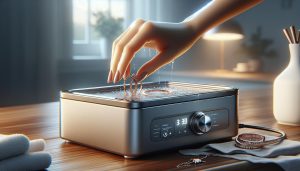
Did you know that regularly cleaning your jewelry can significantly extend its lifespan? Just like our favorite outfits, jewelry needs TLC to maintain its sparkle and integrity. Whether you own fine pieces from trusted brands or charming costume jewelry, understanding the best cleaning techniques for each material is essential. This guide shares professional secrets for cleaning everything from delicate pearls to sturdy silver, ensuring your pieces retain their beauty and luster. We will empower you with DIY tips and expert advice, addressing common concerns about tarnish, dirt, and dullness. Dive in to discover practical solutions that will breathe new life into your treasured collections, making them shine like new-because your jewelry deserves to dazzle!
How to Clean Different Types of Jewellery
Maintaining the brilliance of your jewellery is essential not only for aesthetic appeal but also for its longevity. Different types of jewellery require specific cleaning methods to ensure they remain in pristine condition. Understanding the materials of your pieces-from gold and platinum to delicate gemstones-can help you apply the appropriate care techniques, ensuring that your cherished items retain their original sparkle for years to come.
For metals like gold and platinum, a gentle cleaning solution of soapy water and a soft brush can work wonders. Simply mix a few drops of mild dish soap in warm water, soak the jewellery briefly, and use a soft-bristled toothbrush to gently scrub the surfaces. Rinse thoroughly with warm water and dry with a lint-free cloth. It’s crucial to avoid harsh chemicals that can tarnish or damage these precious metals.
When it comes to softer metals like silver, preventing tarnish is key. Store your silver pieces in a cool, dry place and consider using anti-tarnish strips or cloths. For cleaning silver, a simple paste of baking soda and water can effectively remove tarnish: apply the paste, let it sit for a few minutes, then rinse and dry completely. Additionally, pay special attention to gemstones, as some can be more sensitive to cleaning agents. For example, pearls should simply be wiped with a damp cloth, while diamonds can be cleaned with a mild soap solution, but always avoid abrasive materials.
For costume jewellery, a soft cloth or a damp cotton swab can help remove dirt and grime without damaging the piece. Avoid submerging these items in water, as the glue that holds them together may weaken. Finally, always check for any signs of wear or loose components before cleaning, as this can prevent further damage during the process. By understanding the unique needs of each type of jewellery, you can keep your collection looking as stunning as the day you bought it.
Essential Tools for Effective Jewellery Cleaning
To maintain the beauty and longevity of your jewelry, having the right tools for cleaning is essential. Using the proper equipment not only enhances the effectiveness of your cleaning routine but also minimizes the risk of damaging your cherished pieces. A well-prepared jewelry care kit can transform the way you maintain your collection, making it easier to keep everything sparkling and in perfect condition.
For a successful jewelry cleaning regimen, consider including the following essential tools:
- Soft-Bristled Brush: A fine, soft-bristled toothbrush or a specialized jewelry brush is vital for gently scrubbing intricate designs or hard-to-reach areas without causing scratches.
- Mild Soap: A gentle dish soap or a dedicated jewelry cleaning solution should be the go-to for cleaning most metals and stones. Avoid harsh chemicals that can cause damage.
- Microfiber Cloth: To avoid lint and scratches, use a microfiber cloth for both drying and polishing your jewelry after cleaning. This will help restore shine and remove any remaining moisture.
- Ultrasonic Cleaners (Optional): For deep cleaning, an ultrasonic cleaner can work wonders on diamonds and other durable stones. However, ensure that your items are safe for this method, as some softer stones may be damaged.
- Storage Containers: Having a soft-lined jewelry box or pouches to store your items will protect them from scratches and tarnish when not in use.
Investing in these tools helps create a simple routine that anyone can follow. Remember, maintaining your jewelry goes beyond cleaning; it involves careful handling and proper storage techniques that safeguard each piece’s integrity.
Step-by-Step Guide to Cleaning Gold and Platinum
Cleaning gold and platinum jewelry not only preserves their brilliance but also extends their lifespan, making them look as stunning as the day you first wore them. These metals are favored for their durability and resistance to tarnish, but they can still accumulate dirt and oils from everyday wear. A regular cleaning routine will keep your pieces sparkling and maintain their allure.
To begin, gather your materials: a soft-bristled brush, mild soap, and a bowl of warm water. Here’s a simple step-by-step guide to effectively clean your gold and platinum jewelry:
- Prepare the Solution: In a small bowl, mix a few drops of mild dish soap with warm water. Ensure the water is not too hot, as extreme temperatures can damage certain gemstones set in the jewelry.
- Soak the Jewelry: Submerge your gold or platinum pieces in the soapy water for about 15-20 minutes. This will loosen up any dirt and grime.
- Gently Brush: Using a soft-bristled toothbrush, gently scrub the jewelry, paying close attention to intricate designs or settings. This helps to remove stubborn residues without scratching the surface.
- Rinse Thoroughly: After brushing, rinse the jewelry under lukewarm water to remove soap residue. It’s best to do this over a bowl or sink lined with a towel to prevent any loss.
- Dry and Polish: Pat the jewelry dry with a microfiber cloth. Avoid using paper towels, as they can scratch your pieces. To add extra shine, use a clean part of the cloth to polish the surface gently.
For those who are particularly meticulous, consider using an ultrasonic cleaner for deeper cleaning, especially for pieces with intricate designs or gemstones that are securely set. Just remember to avoid using this method on softer gems that could be damaged. Regular cleaning, combined with proper storage when not in use, will keep your gold and platinum jewelry looking radiant for years to come.
Care Tips for Silver Jewellery: Avoiding Tarnish
Silver jewellery is cherished for its stunning sheen, but it can quickly lose its luster due to tarnish-a natural reaction that occurs when silver interacts with sulfur compounds in the air and various substances on our skin. The good news is that with the right care practices, you can keep your silver pieces gleaming and prevent tarnish from setting in.
To minimize tarnishing, first ensure that your silver jewellery is stored properly. Use airtight containers or anti-tarnish bags to reduce exposure to air. Consider lining your storage box with anti-tarnish cloths or pouches designed to absorb moisture. Additionally, avoid storing your silver alongside other metals, as friction can create micro-abrasions that promote tarnishing.
Regular cleaning is crucial for maintaining your silver’s shine. After wearing your silver jewellery, gently wipe it with a soft, lint-free cloth to remove oils or residues before placing it back in storage. If tarnish does develop, a mild cleaning solution made from warm water and a bit of dish soap can effectively restore its natural shine. Simply soak your pieces for a few minutes, gently scrub with a soft brush, rinse thoroughly, and dry promptly to avoid water spots.
Moreover, certain lifestyle choices can help mitigate tarnishing. Limit exposure to harsh chemicals found in household products, as well as personal care items like lotions or perfumes, which can accelerate tarnishing. If planning to wear silver jewellery, try to put it on after applying makeup and fragrances, allowing it to shine without interference. By adopting these simple care tips, you can enjoy your silver jewellery’s lustrous beauty for years to come.
How to Safely Clean Precious Gemstones
When it comes to precious gemstones, proper cleaning is essential to preserve their brilliance and integrity. Different stones require varied cleaning techniques based on their hardness, porosity, and treatment. For instance, while diamonds are highly resilient, softer stones like opals and pearls can be more sensitive and require special handling. Understanding how to clean these gems not only enhances their shine but also ensures longevity, making your treasured pieces last for generations.
To safely clean your precious gemstones, begin by assessing the type of stone you have. For tougher gems like diamonds, rubies, and sapphires, a gentle solution of warm water mixed with mild dish soap will suffice. Soak your jewelry for a few minutes, then use a soft toothbrush to gently scrub the stone, paying close attention to the settings to remove any accumulated dirt and oils. Rinse thoroughly with warm water and dry with a soft cloth to avoid leaving any moisture that could cause damage over time.
Cleaning Delicate Stones
For softer gemstones such as emeralds, pearls, and turquoise, avoid harsh chemicals and ultrasonic cleaners that could affect their surface. Instead, opt for a damp microfiber cloth to wipe away any dirt. If deeper cleaning is necessary, use a mixture of 50% distilled water and 50% white vinegar, applying it gently with a cloth and ensuring you don’t let it soak. Rinse these delicate stones with clean water and dry them completely before storage.
Post-Cleaning Care
After cleaning, it’s crucial to store your jewelry properly to maintain its condition. Keep each piece in a separate compartment or a soft pouch to prevent scratching. Ideally, use a jewelry box lined with fabric that can absorb moisture and keep gemstones safe from environmental factors. Remember, frequent handling can lead to build-up on stones, so consider cleaning your jewelry every few months or after wearing it during events where it may be exposed to dirt, oils, or harsh chemicals.
By following these steps, you can keep your precious gemstones looking radiant and cherished. Regular care not only enhances their beauty but also strengthens your attachment to these magnificent pieces.
Cleaning Costume and Fashion Jewellery: Best Methods
Costume and fashion jewelry are beloved for their versatility and style but often require distinct cleaning methods due to their varied materials. Many pieces may be crafted from metals like brass, copper, or aluminum, and adorned with synthetic stones, beads, or treated glass that lack the robustness of precious gemstones. Therefore, taking a gentle approach to cleaning is key to maintaining their appearance and prolonging their lifespan.
One of the best practices for cleaning costume jewelry is to utilize a soft, damp cloth for regular maintenance. This allows you to wipe off dirt and oils accumulated from wear without damaging the finish. If your pieces require a deeper clean, consider a solution of warm water mixed with a few drops of mild dish soap. Soak the jewelry briefly, then use a soft-bristled toothbrush to carefully scrub intricate designs and crevices. Rinse thoroughly under lukewarm water to ensure all soap is removed, then dry immediately with a soft cloth. Avoid submerging pieces that have glued components or delicate embellishments, as this can weaken adhesives over time.
Special Considerations for Different Materials
Costume jewelry often contains a range of fabrics and finishes, each requiring specific care. Here’s a quick guide to help you through:
- Metal Components: For metals prone to tarnish, like brass or copper, ensure all moisture is removed after cleaning to avoid oxidation.
- Beaded Jewelry: Use a slightly damp cloth to clean strands; soaking can weaken the thread and cause beads to loosen.
- Rhinestones and Faux Pearls: These elements can be sensitive to harsh chemicals, so stick with a gentle soap solution and a careful touch when cleaning.
Being proactive with your cleaning routine can make a significant difference. Regularly inspect your fashion jewelry for any signs of damage or wear, addressing small issues before they become larger problems. Store pieces separately to prevent scratching and tangling, ideally in a padded jewelry box or pouches designed specifically for such items. With these simple yet effective methods, you can keep your costume jewelry vibrant, sparkling, and ready to accessorize your outfits for any occasion.
DIY Jewellery Cleaning Solutions from Home
Cleaning your jewelry at home can be an economical way to keep your treasures looking pristine and sparkling without frequent trips to a jeweler. Many effective cleaning solutions can be made with common household items, allowing you to nurture your collection with minimal effort and cost. Understanding the materials your jewelry is made from is key to selecting the right DIY cleaning method.
For a simple yet effective solution, a mixture of warm water and a few drops of mild dish soap works wonders across various metals. This gentle solution can cleanse without damaging delicate finishes. Soak your jewelry briefly, then scrub with a soft-bristled toothbrush to reach intricate details. Rinse under lukewarm water to remove any soap residue, and dry immediately with a soft cloth to prevent water spots.
For more stubborn tarnish, particularly on silver jewelry, you can create a paste with baking soda and water. Mix three parts baking soda to one part water, apply it to the tarnished areas, and gently rub using a soft cloth or toothbrush. Rinse thoroughly, as any residue can lead to dullness over time. Another option for silver is to use white vinegar-soaking your silver jewelry for two to three hours can help remove tarnish effectively. Rinse and dry as with the soap method.
When it comes to gemstones, a solution of vinegar and water is often safe for quartz and similar stones, but always check for specific care recommendations based on gemstone type. A mixture of equal parts water and isopropyl alcohol can also be beneficial for gemstones susceptible to oil and grime. Soak for a few minutes and wipe gently with a soft cloth.
Lastly, for fashion jewelry, which may include plastic or synthetic components, a simple wipe-down with a damp microfiber cloth can maintain its luster without risk of harm. Regular maintenance using these straightforward DIY solutions will keep your jewelry looking beautiful and ready for any occasion.
Post-Cleaning Care: How to Store Your Jewellery
Storing your jewelry correctly is just as crucial as cleaning it. Improper storage can lead to scratches, tangles, and tarnishing, ultimately diminishing the beauty of your treasured pieces. One simple yet effective strategy is to keep jewelry dry and free from humidity, which can exacerbate tarnishing and damage delicate materials. Consider using a jewelry box or pouches made from soft fabric; these not only provide protection from dust but also minimize friction.
Choosing the Right Storage Solutions
When selecting storage options, think about the types of jewelry you own. Here are some suggestions for effective storage:
- Separate Compartmentalized Boxes: Ideal for necklaces and bracelets, these boxes prevent tangling. Look for those with cushioned linings to protect delicate pieces.
- Soft Pouches: Perfect for earrings and rings; these can prevent scratches and can be easily tucked into larger boxes or travel pouches.
- Anti-Tarnish Strips: Incorporating these strips into your storage solutions can actively absorb moisture and help maintain the luster of silver and other susceptible metals.
- Magnetic Jewelry Holders: For those with a collection of often-worn items, magnetic displays can serve both as organizers and decorative accents.
Environmental Considerations
Environmental factors play a significant role in jewelry care. Storing pieces in a bathroom, where humidity is higher, can accelerate tarnishing and degradation. Instead, opt for a cool, dry, and dark place such as a bedroom drawer or a closet. Consider arranging your jewelry by type and occasion, making it easier to access while ensuring that rings, necklaces, and earrings are stored separately to prevent them from scratching against each other.
By taking these proactive steps to store your jewelry mindfully, you not only preserve its beauty but also extend its life, ensuring that every piece retains its shine and significance for years to come.
Expert Tips for Maintaining Watch Hygiene
Maintaining the hygiene of your watch is essential not only for its functionality but also for preserving its appearance and longevity. Whether you own a luxury timepiece or a more casual model, dirt, sweat, and oils from your skin can accumulate, potentially impacting both the watch’s accuracy and aesthetics. To keep your watch in pristine condition, here are some expert tips.
Start by gently wiping down the watch with a soft, lint-free cloth daily. This simple act removes surface dirt and oils that can build up over time. For stainless steel models, consider using a microfiber cloth dampened slightly with water. Avoid harsh chemicals; they can damage the finish and the gaskets, which are crucial for water resistance.
Deep Cleaning Your Watch
For a more thorough cleaning, especially if your watch is water-resistant, you can submerge it in lukewarm, soapy water for a few minutes. Use a gentle soap and a soft brush, like a toothbrush, to clean the crevices around the casing and between the links of the band. Rinse it under clean water and dry it immediately with a soft cloth to prevent water spots and corrosion.
Another important aspect is to check the seals and gaskets regularly, especially if you often expose your watch to water. If you notice any signs of wear or if the watch has been opened for battery replacement, it may be wise to have it serviced by a professional to ensure that the water resistance remains intact.
Storage and Care
When not in use, store your watch in a dry, cool place away from direct sunlight. Consider using a watch box with individual slots to prevent scratches and keep them organized. For mechanical watches, wearing them regularly helps maintain their accuracy and keeps the lubrication inside the movement from settling.
Finally, if your watch has sentimental or significant financial value, consider professional cleaning and servicing every few years. This will not only clean but also assess the internal mechanisms, ensuring everything runs smoothly for years to come. By following these expert tips, you can maintain your watch’s hygiene and charm, ensuring it remains a treasured accessory.
Avoiding Common Jewellery Cleaning Mistakes
When it comes to caring for your precious jewelry, avoiding common cleaning mistakes can save you time, money, and heartbreak. Many enthusiasts unknowingly commit errors that can damage their cherished pieces, leading to reduced shine or even irreversible harm. Understanding these pitfalls is essential for maintaining the beauty and longevity of your jewelry collection.
One major mistake is using the wrong cleaning products. Harsh chemicals found in household cleaners can be too abrasive, stripping away protective coatings or damaging sensitive stones. Always opt for products specifically designed for jewelry cleaning, or explore natural alternatives such as mild soap and warm water. Additionally, relying solely on ultrasonic cleaners without knowing your materials can be risky. They may be suitable for some items, but can cause loosened settings or even breakage in more fragile pieces.
Another prevalent issue is neglecting to clean items after heavy wear. After taking off your jewelry, especially after exercising or wearing perfumes, it’s crucial to remove any residue or oils that may have built up. Simply wiping items down with a soft cloth can prevent the accumulation of dirt that dulls shine over time. Moreover, storing jewelry improperly, such as in direct sunlight or unlined drawers, can lead to scratches and tarnishing. Each piece deserves a dedicated space, preferably lined with fabric to protect it from scratches.
Lastly, avoid assuming all materials are interchangeable. For example, gold-filled and gold-plated jewelry requires different care than solid gold. Be mindful of this when selecting cleaning techniques and materials. When in doubt, consult an expert or refer to care guides tailored to each type of jewelry.
By steering clear of these common errors, you can ensure your jewelry remains as beautiful and vibrant as the day you acquired it. Always prioritize knowledge and proper technique in your cleaning routine to preserve the allure of your treasured pieces for years to come.
When to Seek Professional Jewellery Cleaning Services
Knowing can be the difference between extending the lifespan of your treasured pieces and enduring irreversible damage. Professional cleaning is not just about aesthetics; it ensures that your jewelry maintains its structural integrity and retains its value over time. If you’re noticing signs of dullness or buildup that regular home cleaning can’t tackle, it’s time to consult an expert.
Signs You Need Professional Cleaning
The following indicators suggest that your jewelry would benefit from professional attention:
- Visible Tarnish or Discoloration: If your silver or gold jewellery appears significantly tarnished or discolored, a jeweler can restore its original shine.
- Loose Stones: If you see any movement in the settings of your gemstones, professional cleaning often includes tightening and securing stones, which can prevent potential loss.
- Complex Designs: Intricate pieces, such as those with multiple settings or fine chains, can collect debris in hard-to-reach areas. Professionals have the right tools to clean these thoroughly.
- Heavily Worn Pieces: Items that you wear frequently, such as engagement rings, often require deeper cleanings periodically to address the daily grime and wear.
Benefits of Professional Services
Engaging a professional jeweler for cleaning not only rejuvenates your jewelry but also offers additional services that can enhance its condition:
- Expert Assessment: Jewelers can provide valuable insights on the condition of your jewelry and the best types of care to maintain its quality.
- Specialized Equipment: From ultrasonic cleaners to steam cleaning machines, professionals use tools that penetrate deeper than household solutions without damaging your items.
- Preventive Maintenance: A professional cleaning can include services such as replating or polishing where necessary, ensuring your pieces remain in premium condition.
Don’t avoid seeking professional help out of concern for cost; an investment in professional cleaning can prevent costly repairs or replacements. Regular visits to a jeweler can keep your collection sparkling, safe, and always ready to shine on any occasion.
Q&A
Q: How often should I clean my jewellery?
A: You should clean your jewellery regularly, ideally every few months, to maintain its shine and prevent buildup of dirt and oil. Frequent wear, particularly for rings and bracelets, may require more regular cleaning. Refer to our guide on “How to Clean Different Types of Jewellery” for specific recommendations.
Q: What is the best way to clean antique jewellery safely?
A: To clean antique jewellery, avoid harsh chemicals. Use a gentle solution of mild dish soap and lukewarm water with a soft cloth or brush. Always test on a small area first, and refer to our section on “Care Tips for Silver Jewellery” for more insights on maintaining delicate pieces.
Q: Can I use baking soda to clean my jewellery?
A: Yes, baking soda can be used as a gentle cleaning agent for certain jewellery types. Create a paste with water, apply it to the jewellery with a soft cloth, and rinse thoroughly. This method is effective for gold and silver items. For detailed instructions, check our “DIY Jewellery Cleaning Solutions from Home.”
Q: What should I avoid when cleaning my jewellery?
A: Avoid using abrasive cleaners, scrub brushes, and high heat, as they can damage delicate materials. Additionally, steer clear of chemicals like bleach, which can tarnish metals. For a comprehensive list, see “Avoiding Common Jewellery Cleaning Mistakes.”
Q: Is it safe to clean costume jewellery at home?
A: Yes, it is generally safe to clean costume jewellery at home. Use a damp cloth and mild soap. Avoid soaking it, as water can damage glue and coatings. For detailed techniques, refer to our guide on “Cleaning Costume and Fashion Jewellery: Best Methods.”
Q: How can I tell if my gemstone jewellery needs cleaning?
A: Your gemstone jewellery likely needs cleaning if it looks dull or has visible fingerprints. Touch it gently to see if it feels greasy. For specific cleaning tips, refer to “How to Safely Clean Precious Gemstones” for the best practices tailored to different stones.
Q: What is the best storage method for clean jewellery?
A: Store clean jewellery in a cool, dry place. Use soft pouches or anti-tarnish cloths to protect it from scratching and tarnishing. For more storage tips, explore our section on “Post-Cleaning Care: How to Store Your Jewellery.”
Q: When should I consider professional jewellery cleaning services?
A: Consider professional cleaning if your jewellery is heavily tarnished, has intricate settings, or is made of fragile materials. Professional services can provide deep cleaning without risk of damage. For details on evaluating needs, see “When to Seek Professional Jewellery Cleaning Services.”
In Retrospect
Now that you’re equipped with professional secrets for cleaning your jewelry, it’s time to put your newfound knowledge into action! Regular maintenance can dramatically enhance the beauty and longevity of your treasured pieces, so don’t wait-start your cleaning routine today! If you’re keen on exploring more about jewelry care, make sure to check out our guides on DIY jewelry storage tips and common mistake to avoid when cleaning.
Feeling inspired? Join our community by signing up for our newsletter, where you’ll receive exclusive tips on styling jewelry and insights into starting your own jewelry shop. Remember, maintaining the brilliance of your pieces not only reflects your style but also preserves their value. Got questions or thoughts? We’d love to hear from you in the comments below. Let’s keep the conversation going and help each other shine!