Acrylic paint is a favorite among artists and DIY enthusiasts for its vibrant colors and versatility, but one question many ask is: how long does it really take to dry? Understanding the drying times of acrylic paint is crucial, whether you’re a beginner looking to complete a project efficiently or a seasoned artist aiming for precision in layering. Factors such as environmental conditions, paint thickness, and the surface used can significantly impact drying times. Navigating this aspect of your creative process not only helps avoid unwanted smudges but also enhances your ability to effectively plan your artwork. In this guide, we’ll break down everything you need to know about acrylic paint drying times-from quick-drying techniques to tips on achieving the best results in your projects. Let’s dive in and discover how to optimize your painting experience!
Understanding Acrylic Paint Drying Times
Acrylic paint is a favorite among artists for its versatility and vibrant colors, but navigating its drying times can be a bit perplexing. Unlike oil paints that take days to dry, acrylics can dry quickly, often within minutes. However, understanding the nuances of acrylic paint drying times can help you manage your creative process more efficiently and avoid unwanted surprises during your projects.
The drying time of acrylic paint is influenced by various factors, including the thickness of the application, environmental conditions, and the specific brand of paint. Thinner layers will dry significantly faster than thick applications, which can remain wet for a longer period. Additionally, warmer temperatures and low humidity levels can accelerate drying, while cooler, more humid environments tend to extend the drying time. This variability means that what works in one setting may not apply in another, making it crucial to experiment and observe how your acrylics behave under different conditions.
To effectively gauge drying times, it’s helpful to consider the different stages of drying: the initial drying stage, where the surface dries to the touch, and the curing stage, where the paint fully hardens. Generally, acrylic paint can feel dry within 20 to 30 minutes, but it can take up to several days for complete curing, depending on the thickness of the paint and ambient conditions. Familiarizing yourself with these stages will aid in planning your layering techniques and timing for subsequent work on a piece.
Understanding the drying characteristics of acrylic paint empowers you to optimize your painting techniques and achieve your desired results without the frustration of tacky surfaces or smeared work. By monitoring these factors and practicing with your materials, you can confidently create with acrylics, fully aware of how to adapt your methods based on the specific conditions you encounter.
Factors Influencing Drying Speed
Understanding the factors that influence the drying speed of acrylic paint is crucial for any artist seeking optimal results. The variability in drying times can be surprisingly significant and depends on a combination of environmental conditions, paint characteristics, and application techniques. For instance, thinner layers of paint will dry much faster than thick applications. A smooth, even application allows for quicker drying, whereas a blob of paint can remain wet for an extended period, delaying your work.
The environmental conditions under which you paint play a pivotal role as well. Warm temperatures and low humidity levels tend to accelerate the drying process, making them ideal for acrylic painting. Conversely, cooler temperatures and high humidity can significantly hinder drying, possibly extending it from minutes to hours. Understanding the typical climate in your workspace can help you plan your sessions effectively. For instance, if you know you’re painting on a humid day, consider using a fan to enhance air circulation.
Additionally, the specific brand and formulation of acrylic paint can affect drying times. Some brands offer fast-drying formulas, while others may take a bit longer to dry. It’s beneficial to read the packaging and conduct tests with different brands to familiarize yourself with their unique drying behaviors. Moreover, additives such as retarders can be mixed with acrylics to slow down drying time, providing additional flexibility for detailed work and blending.
Lastly, don’t overlook the surface you’re working on. Different substrates, like canvas, paper, or wood, absorb moisture differently, which affects drying times. For instance, a highly absorbent surface can draw moisture away from the paint, speeding up the drying process, while non-porous surfaces might keep the paint wetter longer. Understanding these nuances will help you adapt your approach, ensuring you achieve the beautiful, vibrant results you desire while maintaining your workflow.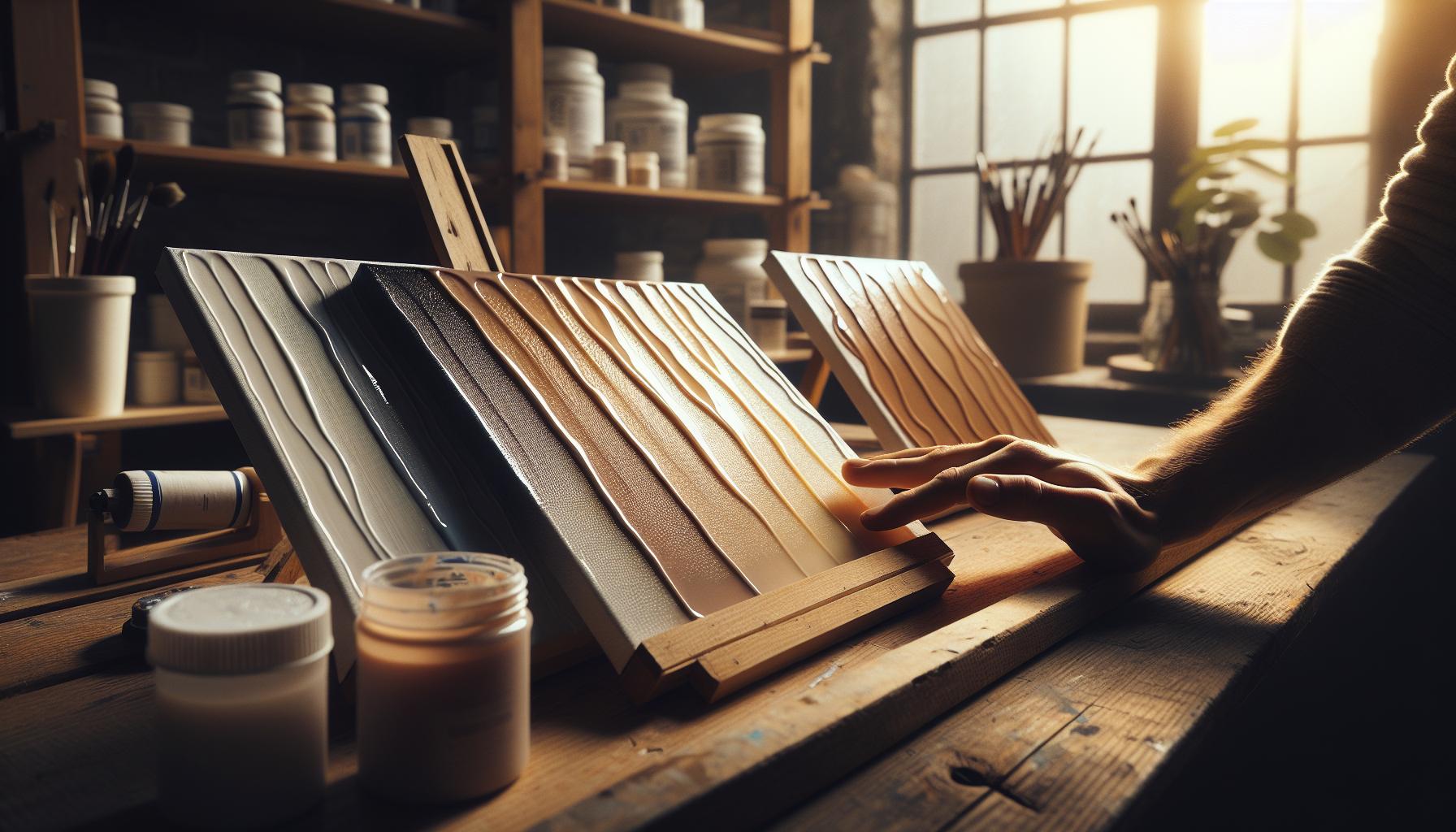
Acrylic Paint Drying Stages Explained
Acrylic paint undergoes several stages during the drying process, each important for artists to understand to achieve the desired results. Typically, drying can be categorized into three main stages: drying to touch, drying to handle, and curing.
In the first stage, drying to touch, the surface of the paint becomes dry enough to touch lightly without smudging. This typically occurs within minutes. However, it’s essential to note that while the outer layer may feel dry, the paint underneath may still be wet. This stage is crucial for artists who wish to layer or glaze work without disturbing the previous layer.
The second stage, drying to handle, happens when the paint is dry enough to handle the artwork without risking damage. Depending on factors such as the thickness of the paint layer and environmental conditions, this can take anywhere from a few hours to a day. During this time, the paint forms a more stable bond with the surface, moving towards its final state.
Finally, the paint enters the curing stage, which can take days or even weeks. Curing refers to the process where paint achieves its full hardness and adhesion, resulting in improved durability and flexibility. It’s crucial for artists to refrain from exposing their artwork to moisture or extreme conditions during this time, as the paint is still settling.
Understanding these stages helps you manage your painting process more effectively, allowing for better planning of your artistic endeavors. For instance, knowing that thicker layers will require more time can influence how you approach layering techniques, ensuring that you achieve optimal results while working.
How Humidity Affects Drying Time
Humidity can significantly impact the drying time of acrylic paint, often leading to surprising results for artists. When the air is humid, moisture in the environment can slow down the evaporation of water in the paint, prolonging the drying process. This is particularly noticeable in environments with humidity levels above 60%. In such conditions, the paint may remain tacky for a longer time than expected, affecting how layers interact with each other.
In contrast, low humidity can speed up drying, accelerating the overall process. While this might seem ideal, extremely low humidity can also lead to issues. For instance, paint may dry too quickly, leading to cracking or uneven layers, especially in thick applications. This fast drying can hinder blending techniques, which are often crucial for achieving the desired effects in an artwork.
To effectively manage drying times in varying humidity levels, artists can employ several strategies. Using a humidifier in dry conditions can maintain moisture in the air, reducing the chances of rapid drying. Conversely, in high humidity situations, working in a well-ventilated area or using a dehumidifier can help control moisture levels and promote more predictable drying times.
Being aware of the relative humidity and adjusting your workspace can greatly enhance your painting experience, ensuring that your artworks dry appropriately and maintain the quality you aim to achieve. Observing local weather conditions can guide you in planning your painting sessions and making any necessary adjustments for optimal results.
Drying Times for Different Surfaces
The surface you paint on can dramatically influence the drying times of acrylic paint, making it crucial for artists to understand these variations. When acrylic paint is applied to different surfaces, the absorption and texture impact not just how quickly the paint dries, but also the finished look of the artwork.
For example, porous surfaces such as canvas and watercolor paper tend to absorb moisture, allowing the paint to dry faster-usually within 20 to 30 minutes for thin layers. However, these surfaces can also lead to uneven drying if the application is inconsistent, as thicker areas may remain tacky for hours. In contrast, a non-porous surface like glass or plastic will result in longer drying times, sometimes exceeding an hour, as the paint sits on top without absorption. This can be particularly useful for techniques like glazing, where a slower drying time allows for greater blending and manipulation.
Here are some common surfaces and their typical drying times:
| Surface Type | Approximate Drying Time |
|---|---|
| Canvas | 20-30 minutes |
| Watercolor Paper | 20-30 minutes |
| Wood | 30-60 minutes |
| Metal | 30-60 minutes |
| Glass | 1-2 hours |
| Plastic | 1-2 hours |
When selecting a surface, consider how its properties will work with your desired technique. For instance, if you aim to create a smooth gradient, a non-absorbent surface might be preferable. Conversely, if you want quick layering and don’t mind a bit of texture, the absorbent nature of canvas is ideal. Understanding these relationships empowers you to manipulate drying times effectively and achieve the artistic results you desire.
Tips to Speed Up Drying Process
Accelerating the drying process of acrylic paint can significantly enhance your painting experience, allowing you to achieve quicker layers and a smoother workflow. Here are some effective strategies to hasten the drying time without compromising the integrity of your artwork.
First, consider the environment where you’re painting. Increasing the temperature of the room can speed up drying, as warmer air encourages moisture to evaporate more rapidly. If you’re working in a cool space, try turning on a heater or positioning your artwork near a heat source. Additionally, improving airflow by using a fan can help circulate air around your canvas and further facilitate drying.
Using a palette knife instead of a brush can also be beneficial. This method minimizes excess moisture from the paint and spreads it in thinner layers, which dry more quickly. If you’re working on a large canvas, apply paint with broad strokes rather than heavy coverage, allowing for even and faster drying across the surface.
For artists in a hurry, the application of a drying medium can be a game-changer. These products, available at craft stores, can be added to acrylic paint to enhance its drying speed significantly. Always be cautious with the amount you use; a little goes a long way, and too much can alter the paint’s finish or texture.
Lastly, while hair dryers are often suggested as a quick fix for drying paint, they carry both pros and cons. On the plus side, a hair dryer set to a cool or low heat can help speed up drying. However, avoid high heat as it may cause the paint to bubble or crack. Test this method on a small section of your work to see how it interacts with your chosen paint consistency.
By applying these tips, you can effectively manage drying times, allowing for greater flexibility in your creative process.
Using a Hair Dryer: Pros and Cons
Using a hair dryer can seem like an appealing solution for artists eager to hasten the drying of their acrylic paintings. While this method may prove effective, it’s essential to weigh both its benefits and potential drawbacks before reaching for the appliance. Notably, a hair dryer can expedite drying by blowing warm air across the paint, helping to evaporate moisture quickly. This can be particularly useful in humid conditions or if you’re on a tight timeframe and need to build up layers rapidly without smudging previous work.
However, applying heat from a hair dryer comes with its caveats. Excessive heat can cause issues such as bubbling, cracking, or even warping the canvas, potentially compromising your artistic vision. It’s crucial to set the dryer to a low or cool setting to minimize these risks. Keeping the hair dryer at a distance is also advisable; too close can alter the paint’s texture or cause uneven drying. Testing this method on a small area of your artwork can provide insights into how your specific paint responds before committing to the entire piece.
Additionally, using a hair dryer can shift drying from merely superficial to a deeper level that may lead to uneven drying times for thicker applications of paint. While it can be beneficial for quick touch-ups or layering, the careful artist will want to consider whether a more controlled environment or airflow method might yield better results in the long run. Utilizing a fan and ensuring a well-ventilated workspace can often promote a more stable drying process without the risks associated with direct heat.
Ultimately, the choice to use a hair dryer boils down to personal preference and the specific needs of your project. If time is of the essence and you proceed with caution, it can be a handy tool in your painting arsenal. However, balancing expedience with the integrity of your artwork is key to achieving optimal results, ensuring your creative output remains true to your artistic intent.
What to Do If Paint Isn’t Drying
If you’re finding that your acrylic paint isn’t drying as expected, it’s crucial to assess the underlying factors at play. Acrylics are known for their quick drying times, so prolonged wetness can be frustrating. Various environmental and application factors could be contributing to this issue. For instance, high humidity levels in the air can significantly slow down the evaporation process, keeping your paint workable for longer periods. Similarly, applying thick layers or using a slower-drying medium can extend drying times dramatically.
Here are some practical steps you can take to encourage drying:
- Increase Air Circulation: Use a fan or open windows to improve airflow in your workspace. This can help evaporate moisture more quickly.
- Adjust Room Temperature: If possible, raise the room temperature slightly. Warmer air can help paint dry faster. However, avoid extreme heat, as too much can cause cracking.
- Thin Layers: In future projects, try to apply paint in thinner layers. This allows moisture to escape more efficiently, speeding up the drying process.
- Check Paint Compatibility: Ensure that your acrylic paint is compatible with any additives or mediums you might be using, as certain thickening agents can retain moisture.
If you notice that the paint remains tacky after applying these adjustments, you may want to consider using a hair dryer on a low setting to help facilitate the drying process. However, keep it at a safe distance and avoid prolonged exposure to minimize the risk of damaging your artwork. Testing this technique on a small area first can help gauge the effect on your specific brand of paint.
In the unfortunate event that your acrylic paint has become severely compromised and refuses to dry even after these efforts, it may be necessary to scrape off the thick layers and start anew. Remember that painting is a learning process, and sometimes unexpected challenges can lead to creative solutions in your art practice. Keep experimenting and adjusting your techniques, and you’ll find the best methods that work for you!
Common Mistakes That Delay Drying
Mistakes during the painting process can become the undoing of even the best-laid plans, particularly when it comes to drying times with acrylic paints. One common misstep is applying the paint too thickly, which can create a surface layer that dries while trapping moist paint underneath. This not only extends the drying time but can lead to unwanted results, such as cracking. Instead, consider using multiple thin layers to build up your color steadily. This will allow for quicker drying and a smoother finish.
Another prevalent mistake is neglecting the environmental conditions of your workspace. High humidity levels can significantly slow down the drying process. Artists often overlook the impact of their surroundings, opting to work in closed-off spaces lacking airflow. To avoid this, ensure you paint in a well-ventilated area, possibly taking advantage of a dehumidifier if you’re in a particularly damp environment. Additionally, avoiding any direct air from heaters or fans aimed directly at your painting is crucial, as it can warp the surface.
Using incompatible additives or mediums is another pitfall that can delay drying times. Some mediums can extend working times for blending but can also trap moisture and slow drying. Always check compatibility; it might save you from unnecessary waiting. If you’re experimenting with new products, do a small test before committing to a larger piece.
Lastly, failing to test the surface before applying layers can lead to problems. Different surfaces, from canvas to wood or paper, can react differently with acrylics, affecting drying times. If you’re not sure how a new surface will react, applying a small test patch can help determine the best approach, saving you from frustration later on when your paint doesn’t dry as quickly as expected. By avoiding these common mistakes, you can enhance your acrylic painting experience and achieve the timely results you seek.
How to Test if Acrylic Paint is Dry
To determine if your acrylic paint has dried properly, it’s crucial to understand some reliable testing methods. Simply waiting isn’t always effective, especially if you have a deadline to meet. One of the most straightforward techniques is the “touch test.” Gently touch a small, inconspicuous area of your painting with your fingertip. If it feels cool or sticky, it’s likely still wet-the paint should feel dry or slightly tacky but not wet.
Another effective method is to use a soft tool, like a brush or a sponge, to lightly scrape along the edge of the painted area. This test helps gauge the paint’s consistency; if you see smears or the paint lifts, it’s a sign that it hasn’t dried completely. For larger areas or where thick paint has been applied, a visual inspection can also be informative. Look for any areas that appear glossy or reflective; these often indicate moisture that hasn’t evaporated.
Visual Indicators of Dryness
Several visual cues can indicate whether your acrylic paint is dry:
- Color change: Acrylics tend to dry darker when wet and lighten as they dry.
- Texture: A matte finish usually signifies that the paint is dry.
- Lifting: If you can easily scratch or lift the paint with your fingernail without leaving a mark, it likely has dried well.
Environmental Considerations
Keep in mind that environmental conditions play a vital role in drying times. High humidity can prolong the drying process, so it’s wise to consider the climate of your workspace. If you’re in a humid area, using a fan or a dehumidifier may help speed things up, while also improving air circulation around your paint.
By combining tests like the touch test and visual inspection, you can significantly enhance your chances of accurately determining the dryness of your acrylic paint. These methods not only allow you to ensure your artwork is ready for additional layers but also help prevent common issues like smudging or lifting, leading to a smoother painting experience.
Acrylic Paint Drying vs. Curing: What’s the Difference?
Understanding the distinction between drying and curing is crucial for artists working with acrylic paint. While many assume these processes are synonymous, they represent different stages in the life cycle of acrylics. Initially, when you apply acrylic paint to a surface, it undergoes a drying phase, which typically takes between 15 minutes to an hour depending on various factors such as thickness, humidity, and airflow. During this time, the paint loses moisture and achieves a touch-dry state, meaning it can be handled lightly but isn’t fully stable.
Curing, on the other hand, is a longer process that can take days or even weeks. This stage involves the paint undergoing a chemical transformation as the polymers within the paint continue to bond and solidify after drying. Cured acrylic paint is not only fully hardened but also more resistant to water and regular wear and tear. It’s essential for artists to recognize that while a painting may feel dry to the touch, it isn’t fully cured and can be susceptible to damage if manipulated too soon.
For those interested in best practices, it’s beneficial to allow acrylic paintings to cure fully before applying varnishes or protective coatings. Rushing this process can lead to issues such as bubbling or peeling, which can ruin your work. If you’re planning to work in multiple layers, await the initial drying time before applying another coat; however, remember that each layer may take time to cure fully. By fostering an understanding of these two distinct processes, artists can ensure their works are robust and last over time, enhancing the longevity and vibrancy of their artwork.
Best Practices for Storing Acrylic Paint
Storing acrylic paint properly can dramatically extend its shelf life, ensuring that it remains usable and fresh for future projects. Unlike oils or watercolors, acrylic paints are water-based and can dry out quickly if not secured in an ideal environment. Proper storage is crucial not just for the longevity of the paint itself, but also for maintaining the quality and consistency of your work.
Begin by ensuring that all paint containers are tightly sealed. If you’re using tubes, make sure to squeeze out the air before capping them. For paint in jars, use plastic wrap or a piece of plastic over the opening before securing the lid. This prevents air from drying out the paint and keeps it workable. Additionally, consider the temperature of your storage location; acrylic paint should be kept in a cool, dry place. Extreme temperatures can alter the viscosity and overall performance of the paint.
Another important aspect to consider is light exposure. Acrylic paints can degrade if left in direct sunlight or even strong artificial light. Consider placing your supplies in a drawer or a storage box that shields them from light. An opaque container can also help if you want to keep your paints on display but still want to protect them from UV rays.
To keep your workspace organized, you might consider categorizing paint by color or type. An easily accessible and organized system not only saves you time when looking for specific colors but also helps prevent the accidental mixing or contamination of hues. Regularly check your paints for signs of drying or separating, and if you encounter any unusable supplies, it’s best to dispose of them responsibly to make room for new materials. By following these straightforward practices, you can ensure your acrylic paints remain in top condition, ready to help you unleash your creativity whenever inspiration strikes.
Faq
Q: How long does acrylic paint take to dry on wood?
A: Acrylic paint typically takes about 30 minutes to an hour to dry on wooden surfaces, depending on thickness and environmental conditions. For the best results, let it dry completely before applying a second coat or sealing it. To understand more about drying times on different surfaces, refer to our section on drying times for different surfaces.
Q: What factors affect the drying time of acrylic paint?
A: Several factors influence acrylic paint drying time, including humidity, temperature, paint thickness, and airflow. Warmer and drier conditions usually speed up drying, while high humidity or cold temperatures can significantly prolong it. Check out our section on factors influencing drying speed for more in-depth information.
Q: Can you speed up the drying time of acrylic paint?
A: Yes, you can speed up the drying time of acrylic paint by using a hair dryer on a low setting, increasing airflow around the painted area, or applying thinner layers of paint. For more detailed tips, refer to our section on tips to speed up the drying process.
Q: How long does it take for acrylic paint to cure fully?
A: Acrylic paint generally cures fully in about 2 weeks, although it dries to the touch much quicker, typically within an hour. Understanding the difference between drying and curing can help in planning your projects. Check our section on acrylic paint drying vs. curing for further insights.
Q: What should I do if my acrylic paint isn’t drying?
A: If your acrylic paint isn’t drying, ensure the environment has adequate airflow and lower humidity. Additionally, double-check that the paint was applied at a suitable thickness. For more advice, visit our section on what to do if paint isn’t drying.
Q: How can I tell if acrylic paint is completely dry?
A: To determine if acrylic paint is fully dry, touch a corner lightly; if it feels tacky, it needs more time. You can also test an inconspicuous area by gently rubbing it with a soft cloth. More information can be found in our section on how to test if acrylic paint is dry.
Q: Why does high humidity affect acrylic paint drying time?
A: High humidity slows down the evaporation of water in acrylic paint, extending the drying time significantly. To reduce this effect, consider painting in a controlled climate or using dehumidifiers when working indoors. Our article covers how humidity affects drying time.
Q: At what temperature should I paint with acrylics for optimal drying?
A: For optimal drying, it’s best to use acrylics in temperatures between 65°F and 75°F (18°C to 24°C). These conditions facilitate even drying and better adhesion. Check our section on factors influencing drying speed to learn more about temperature effects.
The Conclusion
Now that you’re equipped with a complete understanding of how long acrylic paint takes to dry, you can confidently embark on your next creative project! Remember, factors like layer thickness, humidity, and ventilation all play a role in drying times, so be mindful as you paint. If you have specific questions, don’t hesitate to explore our guides on enhancing your painting techniques or tips for selecting the right surfaces.
For more detailed insights, check out our articles on the best practices for managing paint drying times and preserving your artwork. Join our community by signing up for our newsletter to stay updated on all things art-related. Your next masterpiece is just a brushstroke away-let’s get painting and share your creations with us! Don’t forget to comment below with your experiences or any lingering questions you may have. We’re here to support your artistic journey!