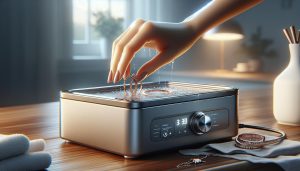
Did you know that improper jewellery care routines can inadvertently cause more harm than good? Many people overlook how certain cleaning methods or storage practices can damage stone settings, leading to costly repairs or even loss of gemstones. Understanding the nuances of jewellery care is essential for anyone looking to preserve the beauty and integrity of their treasured pieces. Join us as we explore common pitfalls in jewellery maintenance and provide you with effective strategies to avoid damaging your beloved items. With the right knowledge, you can confidently care for your jewellery, ensuring it sparkles beautifully for years to come.
Understanding Different Stone Settings in Jewellery
Jewellery is not just about aesthetics; the way stones are set can significantly affect their longevity and sparkle. Understanding the various stone settings can empower you to make informed choices when caring for your pieces, ultimately preserving their beauty. The choice of setting impacts not only the style but also how vulnerable stones are to damage. Common settings include prong, bezel, and tension, each providing a different level of protection and visibility.
In a prong setting, the stone is held in place by small metal claws that allow light to shine through, enhancing the stone’s brilliance. However, these settings can catch on clothing or furniture, potentially loosening the stone if not checked regularly. On the other hand, bezel settings encase the stone in a metal rim, providing robust protection against impacts. These are excellent for softer stones like opals, which are more prone to chipping. For a unique twist, tension settings hold the stone in place through the tension of the metal band itself, showcasing it in a seemingly floating position. While this makes for a stunning visual, it can be more susceptible to damage if the piece is dropped or knocked against hard surfaces.
Choosing the right setting for your favourite gemstones is crucial. For instance, if you often engage in activities that require hand use or if you have an active lifestyle, opting for a bezel set stone can reduce the risk of damage. Regular inspections can help identify any issues early, ensuring that your jewellery remains not only beautiful but also safe to wear. By understanding the intricacies of stone settings, you can cultivate a routine that nurtures your jewellery and keeps it sparkling for years to come.
Common Mistakes in Jewellery Care Routines
Taking proper care of your jewellery is essential for maintaining its beauty and longevity, yet many enthusiasts unknowingly engage in routines that can actually cause more harm than good. One of the most common pitfalls is using the wrong cleaning agents. Many off-the-shelf cleaning products contain harsh chemicals that can tarnish metal settings or dull the brilliance of your gemstones. For example, ammonia can weaken certain settings over time and should be avoided, especially for softer stones. Instead, using gentle soap and water or specialized jewellery cleaners can preserve your pieces without compromising their integrity.
Another frequent mistake is neglecting to remove jewellery during everyday activities. Wearing rings, earrings, or bracelets while cooking, exercising, or cleaning can expose them to damage. Chemicals in cleaning products, chlorine in pools, and even everyday environmental wear can lead to scratches or loosening of stones. Always make it a habit to take off your jewellery before engaging in such activities to ensure it remains in pristine condition. Additionally, failing to conduct regular inspections is a missed opportunity to catch potential issues before they escalate. A loose stone can often be tightened during a quick check, saving you from costly repairs later.
Proper storage is often underestimated. Storing jewellery haphazardly can lead to scratches from pieces rubbing against each other, or worse, cause clasps to break or stones to chip. Use separate, lined compartments or specialised boxes for different pieces to ensure they remain protected from any harm. A simple addition to your care routine is investing in anti-tarnish pouches or cloths for silver jewellery, which can help keep tarnish at bay and prolong the life of your pieces.
Lastly, many people overlook the importance of professional maintenance. While routine care is vital, having your jewellery assessed by a professional jeweller on occasion can identify underlying issues that might not be visible at first glance. They can clean, repair, and even re-secure stones in their settings with expertise that ensures everything shines bright for years to come.
Impact of Cleaning Products on Stone Settings
Avoiding the wrong cleaning products is vital for preserving the beauty and durability of your jewelry. Many commonly used cleaners on the market contain strong chemicals that can be detrimental to both metal settings and gemstones. For instance, products containing ammonia or bleach might seem effective for general cleaning but can cause long-term damage to jewelry settings, particularly those made from softer metals or housing fragile stones. Over time, harsh chemicals may weaken the metal structure, leading to loose or fallen stones, not to mention the dulling of a gemstone’s natural luster.
To protect your cherished pieces, it’s essential to opt for gentler alternatives when it comes to cleaning solutions. Basic mild soap mixed with warm water can effectively remove dirt and oils without posing a threat to your jewelry’s integrity. When using this solution, gently scrub your pieces with a soft brush, such as a baby toothbrush, paying attention to any crevices where dirt tends to accumulate. Rinse thoroughly with clean water and dry carefully with a lint-free cloth. This simple method not only cleans your jewelry but also ensures that the stone settings remain intact and secure.
Moreover, always read labels and avoid products that are not specifically designed for jewelry care. For example, if cleaning products are advertised for household use, they likely contain ingredients unsuitable for delicate gemstones. Always prioritize products labeled as safe for jewelry, and if unsure, test on a small, inconspicuous area before cleaning the entire piece. By taking these proactive steps, you ensure your jewelry not only stays beautiful but also retains its structural integrity for generations.
In conclusion, understanding the can save you from costly repairs and loss of precious stones over time. By adopting gentler cleaning practices and making informed choices, you can maintain the sparkle and longevity of your treasured jewelry.
Safe Cleaning Techniques for Your Jewellery
When it comes to caring for your jewelry, employing safe cleaning techniques is crucial to maintaining the integrity of both the settings and the stones. Many individuals underestimate the impact of their cleaning methods, leading to unintended damage. The key lies in understanding what your jewelry can handle-a delicate balance of gentle yet effective cleaning is essential.
To start, a simple solution of mild soap and warm water is often your best bet for an effective clean. This mixture safely breaks down oils and dirt without the harsh effects of commercial cleaners, which may contain chemicals harmful to both metal and gemstones. Here’s a step-by-step approach to this cleaning method:
- Mix the Solution: Combine a few drops of mild dish soap with lukewarm water in a small bowl.
- Soak and Scrub: Allow your jewelry to soak for about 10-15 minutes, then gently scrub it with a soft-bristled toothbrush. Pay special attention to areas where dirt tends to accumulate, such as under the stones.
- Rinse Thoroughly: Rinse each piece under cool, running water to remove any soap residue.
- Dry Carefully: Use a lint-free cloth to gently pat dry your jewelry, ensuring that no lint is left on the metal or stones.
Special Considerations for Various Stones
Different gemstones have different sensitivities to cleaning methods. For example, softer stones like opal or pearl may require additional precaution. Instead, consider using a damp microfiber cloth to carefully wipe these stones instead of submerging them in water. This method helps prevent scratching or dulling without compromising cleanliness.
Staying Informed
Educating yourself about which cleaning products are safe for specific types of jewelry sets you up for success. Always look for labels indicating suitability for jewelry care, and when in doubt, conducting a patch test on an inconspicuous area can prevent potential disasters. Avoid abrasive cleaners and scrubbing pads, as these can scratch both metals and stones, turning your cleaning spree into a costly mistake.
By reforming your jewelry care routine to incorporate these safe cleaning techniques, you not only cleanse your pieces but also extend their lifespan, keeping them looking as magnificent as the day you acquired them. Remember, the goal is to preserve your jewelry’s beauty while ensuring that each piece continues to be a cherished part of your collection.
DIY: How to Clean Various Gemstones
When it comes to preserving the beauty and integrity of your gemstones, understanding specific cleaning methods tailored to each type of stone can make all the difference. Many individuals accidentally inflict damage on their favorite jewelry pieces by employing inappropriate cleaning techniques. Each gemstone possesses unique properties that require distinct care approaches; knowing these nuances is essential for maintaining their luster and durability.
For example, diamonds, known for their hardness, can typically withstand a gentle cleaning with a solution of warm water and mild soap. However, it’s important to avoid using any abrasive materials or harsh chemicals. Simply soak the diamond jewelry for about 10-15 minutes, then scrub with a soft toothbrush, ensuring to clean around the setting as well, where dust tends to accumulate.
Conversely, softer stones such as amethyst or turquoise are more delicate and require a more gentle touch. For these stones, you can use a damp microfiber cloth to wipe them clean. Avoid soaking them in water, as prolonged exposure can dull their finish or loosen their settings. As a rule, always dry the gemstones thoroughly after wiping them to prevent any moisture accumulation which might lead to damage over time.
Finally, pearls are exceptionally sensitive and should never be submerged in water. Instead, clean them by gently rubbing with a soft, damp cloth, specifically designed for delicate fabrics. This method helps remove oils and dirt without affecting their natural sheen or the integrity of their stringing.
By adopting tailored cleaning techniques for each gemstone type, you can avoid common pitfalls that damage stone settings and substrate materials. This proactive approach not only extends the life of your jewelry but also ensures that each piece continues to dazzle with the brilliance that initially captivated you.
Best Practices for Storing Your Jewellery
Keeping your jewelry in pristine condition starts long before you wear it; how you store your pieces can significantly impact their longevity and beauty. Many people overlook the importance of proper storage, and improper methods can scratch delicate stones, tarnish metals, or even lead to breakage. The key is to strike a balance between accessibility and protection, ensuring that each piece is not just kept safe but also organized for easy access and enjoyment.
Opt for Dedicated Jewelry Storage
Using a designated jewelry box or organizer tailored specifically for storing jewelry can make a world of difference. Look for options with individual compartments for each piece; cushioned spaces will protect delicate items from scratches and keep them from tangling. If you have several necklaces, storing them on hooks or in a compartmentalized drawer can help maintain their form and prevent knots.
Beware of Humidity
Humidity is the nemesis of many stones and metals. A damp environment can lead to tarnishing or clouding of gemstones. To combat this, consider investing in silica gel packets or dehumidifiers for your storage area. Always store your jewelry in a cool, dry place-avoid bathroom shelves where steam can penetrate the air.
Separate Your Pieces
When storing your jewelry, mixing different types can lead to damage. Soft stones like pearls or opals should be kept away from harder gemstones to prevent scratches. Additionally, separate pieces made from different metals to avoid reactions that can result in tarnishing or discoloration. For example, storing silver jewelry in anti-tarnish pouches can help keep it shiny while preventing it from coming into contact with harsher materials.
Consider UV Exposure
Many gemstones can fade or change color with prolonged exposure to direct sunlight. Keep your jewelry in drawers or boxes that shield them from light, especially for colored stones like amethyst or aquamarine. By taking these precautions, you can ensure that your treasures remain vibrant and visually stunning for years to come.
By implementing these storage strategies, you not only protect your jewelry from daily wear but also create a curated collection that reflects your style and commitment to care. Embracing these best practices will allow you to enjoy the beauty of your pieces while preserving their integrity for generations.
Recognizing Signs of Damage in Settings
Detecting damage in your jewelry settings can be a subtle yet crucial aspect of maintenance and care. Often, the signs of wear and tear are not glaringly obvious, making it important for jewelry owners to practice vigilance. A tiny problem left unchecked can escalate into a significant repair issue. Here are some common indicators to keep an eye out for, ensuring you provide your precious pieces with the attention they deserve.
One of the most telling signs of damage is the presence of loose stones. If you notice that a gemstone appears to wiggle or is not seated securely within its setting, this is a clear indication that it may have become compromised. Gently press on the stone with your finger; if it moves, refrain from wearing the piece until a professional can evaluate and repair it. Additionally, inspect the surrounding metal for any signs of bending or distortion, as this can further betray underlying issues with the setting.
Another critical aspect to monitor is the condition of the prongs holding the stones in place. Over time, prongs can thin out or even break, posing a risk of losing your gemstone entirely. If you can see that any prongs have become misshapen or if there are visible gaps, it’s time to consult an expert. Look for any signs of discoloration or corrosion in metal components; these can indicate exposure to damaging substances, which if left unaddressed, can lead to further degradation.
Regular inspections should also include checking for scratches or dullness on the metal itself. This is particularly important for softer metals like gold, which can lose their luster with daily wear. If you notice these changes, they may not only affect aesthetics but could also signal a weakening of the jewelry that requires attention. Staying informed about these subtle changes goes a long way in prolonging the life of your jewelry.
By being proactive in recognizing these signs of damage, you empower yourself to maintain and cherish your pieces longer. Investing in regular professional checks can help safeguard your collection and ensure that minor issues do not develop into major concerns.
Professional Maintenance: When to Seek Help
Keeping your jewelry in pristine condition is essential, especially when it comes to the integrity of stone settings. While regular cleaning and maintenance can prolong the life of your cherished pieces, there are times when a professional touch is necessary. Experts have training and tools that can address issues beyond the scope of typical at-home care. Neglecting to seek help when needed can lead to costly repairs or even the loss of stones.
Visit a jeweler if you notice any of the following conditions:
- Loose Stones: If you feel even slight movement in your gemstones, schedule a professional inspection immediately. The solution may be as simple as resetting the stone, but delaying action can lead to a complete loss.
- Damaged Prongs: A visual check will often reveal wobbling or misshapen prongs. If these seem compromised, it’s vital to consult a jeweler who can either repair or replace them before it results in stone loss.
- Scratches and Dullness: Over time, even the hardiest metals can acquire scratches and lose their shine. A professional service can restore this luster, ensuring your piece looks its best.
- Signs of Corrosion: If the metal shows discoloration or rough patches, these are indicators that it has sustained damage possibly due to harsh cleaning products or environmental factors. A jeweler can assess the extent of the damage and offer safe cleaning options.
The process of professional maintenance generally includes thorough cleaning, careful inspection of settings, and repairs as needed. Jewelers can address intricate details that might be too delicate or complex for DIY efforts. Moreover, regular check-ups every six months can help catch issues early, preventing future complications. Seeking professional maintenance not only protects your investment but also enhances the visual appeal of your jewelry, giving you confidence in wearing those treasured pieces.
The Importance of Regular Inspections
Regular inspections are the cornerstone of maintaining the beauty and longevity of your jewelry, particularly when it comes to the stone settings. Just as a car requires regular check-ups to function optimally, your jewelry pieces need a dedicated approach to ensure their settings remain secure and undamaged. A professional jeweler can help identify issues before they escalate, offering a level of expertise and insight that is invaluable for both antique treasures and modern designs alike.
One significant aspect of regular inspections is checking for loose stones. Over time, even the most secure settings can weaken, leaving stones vulnerable to falling out. This is especially true for rings, where daily wear and tear can exacerbate the issue. An expert can not only detect these concerns but can also skillfully reset stones as needed, preserving the integrity of your cherished pieces. Additionally, inspecting the prongs that hold the gemstones in place can prevent larger problems; damaged or worn prongs can lead to the outright loss of stones if not addressed promptly.
Moreover, inspections allow for the identification of material wear. Scratches, dullness, or corrosion can diminish the aesthetic appeal of your jewelry but are often fixable with the right professional techniques. Regular cleaning and polishing during these inspections not only restore shine but also help maintain the durability of the metal itself, mitigating the impact of external elements. A jeweler can provide tailored advice based on the specific materials of your jewelry, addressing wear from cleaning products or environmental factors that might otherwise go unnoticed in a casual at-home care routine.
In essence, prioritizing regular inspections fosters a proactive approach to jewelry care that can save both time and money in the long run. With a commitment to maintaining the health of your jewelry through these professional evaluations, you not only protect your investment but also ensure that your favorite pieces continue to sparkle and shine with each wear. Taking this step not only enhances your confidence when wearing your jewelry but also deepens your connection to each piece, knowing you’ve actively contributed to its enduring beauty.
Protecting Your Stones from Daily Wear
Wear and tear on jewelry can feel inevitable, especially for pieces that are worn daily. However, there are effective strategies to safeguard your stones from the common hazards of everyday life. One of the primary ways to protect your gemstones is to be mindful of when and where you wear your jewelry. For instance, activities such as exercising, gardening, or doing household chores can expose stones to abrasion, chemicals, or impacts that can weaken their settings. A simple habit to adopt is removing your jewelry during these high-tension activities, allowing you to enjoy your pieces without the worry of damage.
Additionally, understanding the materials of your jewelry can significantly influence care routines. Different stones have varying hardness levels and vulnerabilities. For example, softer stones like opals and pearls require gentler handling and should be kept away from harsher environments or cleaning products. The Mohs scale of mineral hardness is a great reference guide for determining how resilient each gemstone is. By categorizing your jewelry according to its durability, you can make more informed decisions on how to care for each piece-keeping softer stones in protective pouches and storing harder, more resilient stones in shared spaces away from scratching.
Another important aspect is cleaning and maintaining the integrity of your jewelry settings. Over time, dirt and grime can accumulate, potentially leading to loose stones. Instead of using abrasive cleaning methods, which might scratch metals or stones, opt for gentle, soap-free solutions and soft cloths. A microfiber cloth is an excellent tool for regularly buffing your jewelry, preventing the buildup of oils and dirt without the need for chemical cleaners. Remember to consult a jeweler when dealing with intricate settings or when deep cleaning is needed; they can provide specialized services that cater to the delicate nature of certain gemstones.
Finally, proper storage practices play a huge role in . Using a dedicated jewelry box with individual compartments prevents pieces from tangling, which can lead to scratches and unintentional damage. For added protection, consider storing higher-value items in soft pouches or wrapped in cloth. Keeping your precious jewels organized not only preserves their beauty but also streamlines your routine, making it easier to assess the condition of each piece before you wear it. By incorporating these practical steps into your daily life, you’ll enhance the longevity and brilliance of your treasured stones.
Choosing the Right Tools for Jewellery Care
The right tools are essential for maintaining the beauty and longevity of your jewelry. Just as a painter wouldn’t use a rusty brush, jewelry care requires specific implements that offer protection and gentle handling of delicate stones and metals. The tools you choose can make a significant difference in how effectively you clean and maintain your pieces, safeguarding them from scratches, looseness, or other damage that could arise from improper techniques.
Start with the basics: invest in a few key items that form the foundation of your jewelry care arsenal. A high-quality microfiber cloth is a must-have; its soft texture effectively removes smudges and dirt without scratching surfaces. Likewise, a soft-bristle brush can reach those tricky spots in intricate settings where dust and oils tend to accumulate, particularly around prongs or between stones. Remember to use it with care, applying gentle pressure to avoid disturbing the security of your gems.
Cleaning Solutions and Tools
When it comes to cleaning solutions, opt for gentle, soap-free cleansers specifically designed for jewelry. Harsh chemicals can erode the settings of delicate stones, so always check labels.
- Soap-free cleansing solutions: Ideal for regular maintenance without adhering to abrasive agents.
- Ultrasonic cleaners: These are great for deeper cleaning but should only be used with more durable stones and settings; avoid them with soft or porous gems.
- Gemstone-specific kits: Many brands produce cleaning kits tailored for various types of stones, ensuring optimal care.
Storage and Organization Tools
Proper storage tools are equally important, as how you store your pieces can prevent potential damage. Using a jewelry box with padded compartments helps prevent scratching and tangling. For higher-value items, consider storing them in individual soft pouches or wrapped in cloth to provide added protection against impacts and dust.
Lastly, consider investing in a magnifying glass or jeweler’s loupe. This tool not only helps you inspect your jewelry closely for any signs of wear but also fosters a greater appreciation for the craftsmanship involved. Keeping your tools organized and accessible will aid in building a consistent care routine, making it easier to maintain your collection over time. With the right approach and toolkit, you can enjoy your jewelry’s beauty while ensuring that your precious stones remain securely set for years to come.
Tips for Maintaining Antique and Vintage Pieces
Antique and vintage jewelry pieces often carry a rich history and unique craftsmanship that can be easily diminished through improper care. When handling these delicate treasures, it’s essential to adopt a meticulous approach that respects their integrity while ensuring their continued beauty. Given their age, many antique pieces may have vulnerable stone settings or fragile materials, making them particularly sensitive to common cleaning practices.
To maintain the charm of these exquisite items, start by always handling them with clean hands. Oils and residues from your skin can transfer to the jewelry, causing buildup over time. Instead of using abrasive polishes or commercial cleaners, opt for a gentle touch with a microfiber cloth to remove dust and smudges. This soft approach minimizes the risk of scratching the surface or disturbing the delicate settings. Additionally, a soft-bristle brush can be effective for intricacies, particularly around ornate prongs where dust may accumulate.
When it comes to cleaning solutions, it’s crucial to choose products designed specifically for antique jewelry. Avoid harsh chemicals or ultrasonic cleaners, which may loosen stones or damage fragile settings. Opt for a lukewarm solution of mild soap and water, and use it sparingly. A damp cloth should suffice for most cleanings, while for deeper cleans, consider seeking professional help to ensure that the integrity of the piece is preserved.
Storage plays an indispensable role in prolonging the life of vintage jewelry. Keeping pieces in a padded jewelry box or individual cloth bags can help prevent them from rubbing against each other, which can lead to scratches and structural damage. Be mindful of the materials as well; storing in a damp environment can promote tarnishing, so aim for a cool, dry place with low humidity. Regular inspections are beneficial too-every few months, closely examine settings for any signs of wear or looseness, and don’t hesitate to consult a professional jeweler if you detect any issues.
By adopting a considerate and informed care routine, you can enjoy your antique and vintage jewelry pieces beautifully and proudly for years to come, preserving both their aesthetic value and their irreplaceable stories.
Q&A
Q: How can I tell if my jewelry cleaning routine is damaging stone settings?
A: Signs of damage include loose stones, visible scratches, or discoloration around the settings. If you notice these changes after cleaning, it’s likely your routine is too harsh. Review your methods, focusing on safe cleaning techniques as detailed in our article on jewelry care.
Q: What cleaning products can harm stone settings in jewelry?
A: Harsh chemicals, such as bleach and ammonia, can compromise the integrity of gemstones and metals. It’s best to avoid abrasive cleansers and opt for gentle solutions. Refer to our section on the impact of cleaning products for safe alternatives.
Q: Why is it important to use the right tools for jewelry care?
A: Using the right tools prevents accidental damage to your jewelry. For instance, soft cloths and soft brushes are ideal for cleaning softer stones. Check our article on choosing the right tools for detailed recommendations.
Q: How often should I inspect my jewelry for damage?
A: Regular inspections every 3-6 months are recommended to catch any signs of wear or damage early. This helps maintain the integrity of stone settings and prolongs the lifespan of your jewelry, as discussed in the importance of regular inspections section.
Q: Can excessive polishing damage stone settings?
A: Yes, excessive polishing can thin the metal and loosen stone settings. Always use polishing cloths specifically designed for jewelry and limit the frequency of polishing. For safe cleaning techniques, refer to our article’s section on that topic.
Q: What is the best way to store jewelry to avoid damage?
A: Store jewelry in separate compartments to prevent scratching or tangling. Use soft pouches or lined boxes for stones with settings to reduce exposure to environmental factors. More storage tips can be found in our best practices section.
Q: Are there safe DIY methods for cleaning different types of gemstones?
A: Yes, many gemstones can be safely cleaned at home using mild soap and water. However, some require specific methods. Refer to our DIY cleaning guide to find tailored solutions for various gemstones.
Q: When should I seek professional maintenance for my jewelry?
A: If you notice recurring issues like loose stones or persistent tarnish that regular cleaning doesn’t fix, it’s time for professional maintenance. Regularly scheduled professional checks are crucial for antique pieces as outlined in our article on recognizing signs of damage.
Key Takeaways
Protecting your beautiful jewelry starts with understanding how common care routines can inadvertently damage stone settings. By avoiding harsh chemicals and taking the time to educate yourself on proper care techniques, you can preserve the brilliance of your cherished pieces for years to come. Don’t wait until it’s too late-explore our guides on effective jewelry cleaning methods and discover the best storage practices to keep your collection in pristine condition.
Ready to elevate your jewelry knowledge? Check out our detailed DIY tutorials and expert articles on how to style your pieces like a pro. Plus, subscribe to our newsletter for the latest tips, exclusive offers, and updates that empower you to care for and create stunning jewelry effortlessly. Remember, investing in the right information today can save your precious gems tomorrow! Join the conversation in the comments below and share your experiences, or reach out if you have any questions-your jewelry deserves the best care!