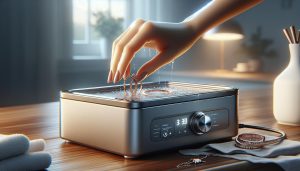
Did you know that silver-plated jewelry can lose its luster over time due to tarnishing? Understanding how to care for your silver-plated pieces is essential for maintaining their beauty and shine. This guide delves into the causes of tarnish and offers practical tips to help you keep your jewelry looking new. Whether you’re a seasoned collector or just starting out, knowing how to protect your treasured items will enhance your jewelry-wearing experience. Continue reading to discover effective methods that empower you to preserve the brilliance of your silver-plated pieces, ensuring they remain a stunning addition to your collection for years to come.
Does Silver Plated Jewellery Tarnish? Understanding the Basics of Tarnish
Tarnish is a common concern for anyone who owns silver plated jewellery, and understanding what it is can help you better appreciate and care for your pieces. At its core, tarnish is a chemical reaction that occurs when silver, even in its plated form, comes into contact with moisture and sulfur compounds in the air. This reaction results in a dull, discolored layer on the surface of the metal that can diminish its shine and beauty. The key characteristic of silver plated jewellery is that it consists of a thin layer of silver overlaying a base metal, often copper or brass. While this affords the pieces a beautiful finish, it also means that they are susceptible to tarnishing, particularly as the silver layer wears down over time.
When considering your silver plated jewellery, remember that tarnish can appear in various hues-from creamy yellow to dark gray-depending on the specific conditions in which the item is stored and the interactions it has had. Individual lifestyle factors, such as skin acidity, body chemistry, and even how often the item is worn, can play a significant role in accelerating tarnish formation. Emphasizing proper care and storage can significantly extend the life and beauty of your treasured items. By staying informed about tarnish, its causes, and prevention methods, you can keep your silver plating looking sparkling and new for years to come.
Additionally, it’s helpful to know that while tarnishing is a natural process, there are effective strategies to minimize its appearance. Regular cleaning and proper storage can not only preserve the aesthetic appeal of your jewellery but also enhance its durability. For a more detailed exploration of how to care for and protect silver plated items, one can delve into techniques that address cleaning, storage, and everyday practices to maintain their lustrous finish.
Why Does Silver Plated Jewellery Tarnish? The Science Behind It
The enchanting glow of silver plated jewellery is undeniable, but its beauty can be marred by an unwelcomed guest: tarnish. Understanding why tarnishing occurs is vital to ensuring your cherished pieces remain as radiant as the day you acquired them. At the core of this phenomenon lies a chemical reaction involving silver, the base metal beneath it, and environmental factors-most notably moisture and sulfur compounds found in the air.
When silver-like that in your plated jewellery-interacts with these elements, a series of reactions takes place, resulting in the formation of silver sulfide. This process dulls the surface of the jewellery, producing a tarnished layer that can range from pale yellow to dark gray. The speed and extent of tarnishing can vary greatly depending on a variety of factors, including humidity, exposure to air, and the individual chemistry of the wearer, such as skin acidity and perspiration.
To keep the tarnish at bay, consider these factors that influence the tarnishing process:
- Moisture Levels: High humidity can accelerate the reaction, while dry conditions are less conducive to tarnishing.
- Skin Chemistry: The natural oils and acids in your skin can promote tarnishing, particularly if the jewellery is worn regularly.
- Storage Conditions: Pieces left in damp or poorly ventilated spaces are more prone to tarnishing. Keeping jewellery in airtight containers can minimize exposure to air and humidity.
- Exposure to Chemicals: Everyday products like perfumes, lotions, and cleaning agents can also trigger tarnishing. It’s best to apply these products before putting on your jewellery.
By grasping the science behind tarnishing, you can take proactive steps to protect your silver plated jewellery, ensuring it retains its beauty for years to come. Regular maintenance, careful usage, and appropriate storage will help keep your pieces shining brightly, allowing you to flaunt your style confidently.
Signs Your Silver Plated Jewellery is Tarnishing
Recognizing the early signs of tarnishing can save your silver plated jewellery from irreversible damage and ensure its enduring beauty. If you’ve noticed changes in your pieces, it may be time to investigate further. One of the most common indicators that your silver plated jewellery is tarnishing is a dull or muted appearance compared to its original shine. This alteration can manifest as a graying or yellowish tint on the surface, which is the result of silver sulfide forming as the silver interacts with environmental pollutants and moisture.
Another noticeable sign is the presence of spots or discoloration over the surface of the jewellery. These may appear as patches that differ in color from the rest of the piece, often signaling that tarnish is setting in. Additionally, if touching the jewellery leaves black or dark smudges on your skin, this can indicate that the outer layer of silver is breaking down. This occurs when the tarnish layer flakes off, leaving exposed areas beneath that can affect your skin and the integrity of the piece itself.
Maintaining an observer’s eye for these changes can be crucial. To mitigate tarnishing, routinely check your jewellery and clean it with a soft cloth to restore some shine before tarnish develops extensively. Keeping your silver plated jewellery safe from moisture and air-such as in a lined jewellery box or sealed bag-can also extend its life and luster. By being vigilant and proactive in your care routine, you can keep your silver plated jewellery crafted in beautiful condition for years to come.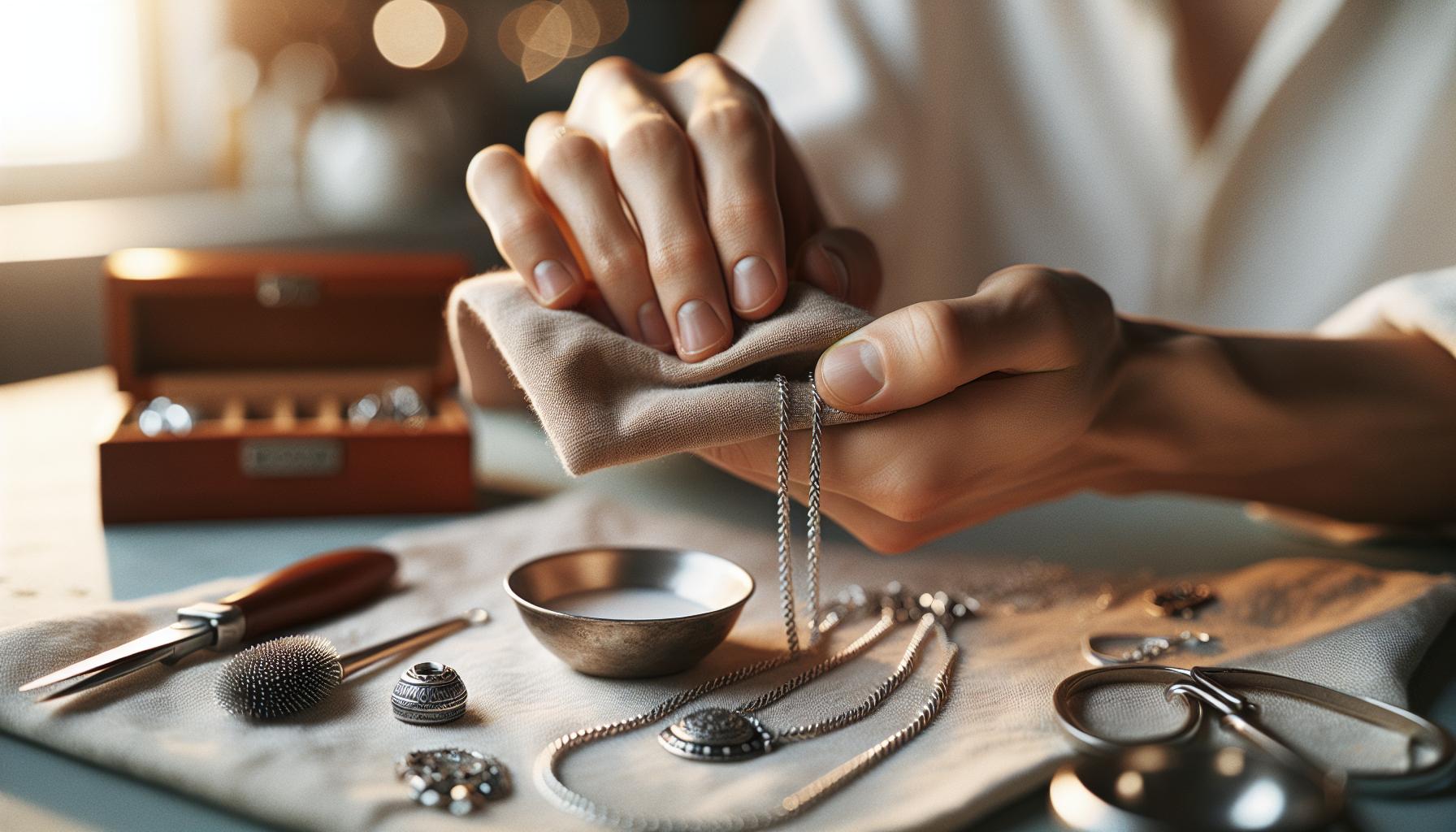
Effective Cleaning Methods for Silver Plated Jewellery
Maintaining the gleam of your silver plated jewellery can feel like a daunting task, but it doesn’t have to be! With the right cleaning methods, you can easily restore their luster and keep them looking fabulous. The secret to effective cleaning lies in using gentle, non-abrasive materials and solutions that won’t strip the precious silver layer.
To start with, always use a soft, lint-free cloth to gently wipe away dirt and sweat after wearing your jewellery. This simple habit can significantly reduce the buildup of tarnish over time. For deeper cleaning, consider making a mild soap solution by mixing a few drops of dish soap with warm water. Dip your cloth into the solution, wringing it out until it’s damp-not soaking-and gently rub the surface of the jewellery. Rinse thoroughly with clean water and dry immediately to prevent moisture from causing more tarnish.
- Baking Soda Paste: For tougher tarnish, create a paste by mixing baking soda with water until it forms a thick consistency. Apply it with a soft cloth or a cotton swab, gently rubbing in circular motions. Rinse well and dry with a soft cloth.
- Toothpaste Trick: A non-gel, non-whitening toothpaste can also work wonders. Apply a small amount to a cloth, scrub gently, and rinse thoroughly before drying.
Always avoid using abrasive cleaners or scrubbers, as they can scratch the surface and damage the silver plating. Additionally, steer clear of chemical cleaners that are not specifically designed for silver or plated jewellery. These harsh substances can break down the silver layer faster than natural tarnishing processes.
For regular maintenance, consider investing in a silver polishing cloth, which is specially treated to clean silver without damaging it. Using it periodically can help maintain that brilliant shine and extend the life of your cherished pieces. With these effective cleaning methods in your toolkit, you can enjoy your silver plated jewellery, keeping it vibrant and beautiful for all occasions.
Preventing Tarnish: Tips for Long-lasting Shine
Keeping your silver plated jewellery looking stunning requires a proactive approach. One captivating fact about silver is that tarnish forms a layer of silver sulfide, which can dull its shine and even affect its beauty over time. Fortunately, there are several effective strategies you can implement to prevent tarnish and maintain a long-lasting gleam.
First, always store your silver plated items in a cool, dry place. Exposure to humidity accelerates tarnishing, so consider using anti-tarnish pouches or cloths when storing your jewellery. This will create a protective barrier against moisture and pollutants. Additionally, avoid letting your silver plated jewellery come into contact with perfumes, hair products, or lotions; these substances contain chemicals that can hasten tarnish.
Another practical step is to regularly wear your silver plated jewellery. It may seem counterintuitive, but the oils from your skin can actually help keep the surface of your pieces polished and shiny. If you’re not wearing them, make a habit of wiping your jewellery gently with a soft, lint-free cloth to remove any dirt or sweat after each use. This simple action greatly reduces the likelihood of tarnish buildup.
Lastly, consider using silica gel packets in your jewellery box to absorb moisture. These small packets help maintain optimal storage conditions, further preventing tarnish formation. By combining these preventive measures, you can enhance the longevity and aesthetic appeal of your silver plated jewellery, ensuring they remain a beautiful part of your collection for years to come.
Best Storage Practices for Silver Plated Items
Storing silver plated jewellery correctly is crucial for preserving its shine and preventing tarnish. Silver tarnishes when it reacts with sulfur compounds in the air, which can be exacerbated by moisture and pollutants. To combat this, it’s essential to create an environment that limits exposure to these damaging factors. A well-organized storage solution can significantly prolong the life of your jewellery while keeps it looking its best.
To start, keep your silver plated items in a cool, dry place. Avoid areas prone to humidity, such as bathrooms or near windows, where moisture can accumulate. Consider utilizing airtight containers or anti-tarnish pouches designed specifically for jewellery storage. These pouches often contain special materials that absorb moisture and prevent tarnishing, allowing you to securely store your pieces without fear of discoloration.
When placing your jewellery in storage, try to separate each piece. For instance, wrapping individual items in soft cloths or using compartmentalized jewellery boxes can help prevent scratches and friction that may lead to wear. It’s also wise to avoid metallic surfaces, which can react with your silver plated items. Instead, opt for fabric-lined boxes or drawers, ensuring that the pieces are cushioned and protected from potential damage.
Lastly, don’t underestimate the effectiveness of silica gel packets. These tiny moisture absorbers can be easily placed within your jewellery box to maintain low humidity levels. Keeping a few packets in your storage area is a simple yet effective way to further protect your jewellery from tarnish. By implementing these storage practices, you can enjoy the beauty of your silver plated jewellery for years without the concern of tarnish diminishing its allure.
DIY Silver Plating Repair: Restoring Your Jewellery
Restoring silver plated jewellery can seem daunting, but with the right techniques, you can revive its original shine and beauty right at home. Silver plating involves a thin layer of silver on another metal, which can wear off over time, especially if the piece is frequently exposed to air, moisture, and chemicals. However, don’t despair! With some basic tools and materials, you can perform effective repairs and maintain your cherished pieces.
To start your DIY repair, gather a few essential supplies: a silver plating solution, a clean microfiber cloth, cotton swabs, and a small brush or sponge. You’ll want to carefully clean the piece before beginning any repair. Use the microfiber cloth to remove dirt and oils, then dip a cotton swab in a mild soap solution to tackle any tarnish spots. After cleaning, rinse the item with water and dry it thoroughly.
Once your jewellery is clean and dry, it’s time to apply the silver plating solution. Read the instructions on the product carefully, as different solutions may have various application methods. Generally, you will use the brush or sponge to apply a thin, even layer of the solution onto the worn areas. Allow it to dry as per the product guidelines, which could range from a few minutes to several hours. If necessary, applying multiple coats can help achieve a more uniform finish. Be patient through this process – restoration takes time, but the results will be worth it.
Lastly, once the plating has dried, gently polish the jewellery with the microfiber cloth. This will help to enhance the shine and remove any excess solution. Regular maintenance post-restoration is essential; store your jewellery properly and clean it frequenly to prevent further tarnishing. By following these steps, not only will you restore your silver plated jewellery, but you will also develop the skills to keep it looking beautiful for years to come!
Choosing Quality Silver Plated Jewellery: What to Look For
Investing in silver plated jewellery can be a delightful experience, but knowing what to look for when selecting quality pieces is crucial to ensure longevity and maintain their elegant appearance. Silver plating involves a thin layer of silver over a base metal, which can lead to tarnishing and wear over time. To maximize your investment and enjoy your jewellery for years to come, consider these essential factors when making a purchase.
First and foremost, pay attention to the thickness of the silver plating. A higher silver content, often denoted as “heavy silver plated” or “silver overlay,” typically means a more durable product. While there is no universal standard for what qualifies as “heavy,” look for pieces that specify a thickness of at least 10 microns for better resistance against tarnishing and wear. Additionally, always check for markings or stamps that indicate the quality of the plating-terms like “Sterling Silver” or “925” suggest a higher quality base metal, which can contribute to the overall durability of the piece.
Another critical aspect to consider is the craftsmanship and design of the jewellery. Well-made items tend to have a more polished look, with even finishes and secure settings for any stones or embellishments. Inspect the soldering and connections for sturdiness and pay attention to the overall aesthetic appeal. If possible, try pieces on to assess comfort and wearability. Quality silver plated jewellery should feel substantial without being overly heavy.
Finally, research the reputation of the brand or maker before buying. Established jewellers often provide transparent information about their materials and craftsmanship, giving you confidence in your purchase. Customer reviews and testimonials can also provide insights into the longevity and overall satisfaction with the jewellery. By prioritizing these aspects, you can make informed choices and select beautiful silver plated pieces that will shine brightly in your collection for many years.
Popular Myths About Silver Plated Jewellery Debunked
Many enthusiasts of silver plated jewellery might find themselves navigating a sea of misconceptions. For instance, one prevalent belief is that all silver plated items are of poor quality compared to solid silver. This is far from the truth; quality silver plated jewellery can hold its own when it comes to beauty and durability, especially if crafted with care and attention to detail. The key lies in the thickness of the plating and the metal composition underneath. High-quality pieces may be more expensive but often exhibit better resistance to tarnishing and wear.
Another common myth suggests that silver plated jewellery cannot be cleaned or maintained like sterling silver. In reality, these pieces can be effectively cleaned with gentle methods to restore their shine. Using a microfiber cloth or a specialized silver polish can help eliminate tarnish without damaging the thin layer of silver. Importantly, avoiding harsh chemicals or abrasive cloths is crucial, as they can wear down the plating over time.
Yet another fallacy is the assumption that silver plated jewellery will tarnish immediately after purchase. While tarnishing is a natural process that can happen over time due to exposure to air, moisture, and skin oils, it doesn’t mean that silver plated jewellery is of subpar quality. Factors such as environmental conditions, usage frequency, and care can significantly influence the rate at which tarnishing occurs. With proper storage and care, such as keeping pieces in a dry, airtight container, you can prolong their shiny appeal and minimize tarnishing significantly.
In essence, dispelling these myths empowers you to appreciate and care for silver plated jewellery more responsibly. Embracing the craftsmanship behind these pieces can enhance your collection and encourage thoughtful investing in your jewellery wardrobe.
Styling Tips for Silver Plated Jewellery: Elevate Your Look
Silver plated jewellery can be a stunning addition to any wardrobe, capable of elevating even the simplest outfit with its lustrous shine. To make the most of these beautiful pieces, it’s essential to know how to style them effectively while also minimizing any potential tarnish. Here are some practical tips to help you showcase your silver plated jewellery to its fullest potential.
Layering is an excellent way to add depth and personality to your look. Combine different lengths of necklaces to create a chic, cascading effect; mixing silver plated necklaces with those made of other materials-like beads or leather-can create an interesting contrast. When layering bracelets, opt for a mix of textures and widths to create a unique stack that highlights the elegance of your silver pieces.
Additionally, don’t shy away from statement pieces. A bold silver plated cuff or oversized earrings can transform a casual outfit into something special. Pair these statement items with simple clothing, such as a classic white tee or a solid color dress, to let your accessories shine. Consider the occasion as well-creating a balance between your jewellery and the outfit ensures that your look remains harmonious.
To maintain the vibrant shine of your silver plated jewellery, it’s also wise to adopt smart wearing habits. For example, avoid wearing your jewellery in environments where it may be exposed to harsh chemicals, such as while cleaning or exercising, as these can accelerate tarnishing. After wearing your pieces, gently wipe them with a soft cloth to remove any oils or sweat that could contribute to tarnish.
Lastly, keep in mind that aesthetics can vary based on personal style, and the right choice of colour palette can complement your jewellery beautifully. Earthy tones and pastels can create a soft, romantic look, while bold hues can make your silver jewellery pop. Emphasizing the versatility of silver plated pieces will allow you to mix and match based on your personal style and the occasion, allowing you to wear your favourite pieces with confidence at any time.
Caring for Other Types of Plated Jewellery: A Comparative Guide
To understand how to care for various types of plated jewellery, it’s essential to recognize the composition and characteristics of each material. Different plating materials, such as gold, rhodium, and silver, each have unique reactions to wear and environmental factors. This knowledge can help you tailor your care approach for longevity and shine.
When it comes to gold-plated jewellery, the base metal is often brass or copper, and the gold layer can wear off over time. To maintain its beauty, avoid exposing your gold-plated pieces to chemicals, like perfumes or cleaning agents. Instead, gently clean them with a soft, lint-free cloth after each wear and store them in a dry, cool place, ideally in a fabric-lined box to prevent scratches.
Rhodium-Plated Jewellery
Rhodium is known for its reflective surface and high durability, often used to enhance the appearance of white gold or silver jewellery. While rhodium-plated items are less prone to tarnishing, they can still scratch. Use a soft cloth for cleaning, and avoid abrasive materials. Because of the hardness of rhodium, this type of jewellery can often last longer than gold or silver plating, but if you notice dullness, a professional re-plating may be in order.
Comparative Care Tips
- Gold-Plated: Wipe with a soft cloth, avoid chemicals, store separately.
- Rhodium-Plated: Clean gently, avoid abrasives, re-plate as needed.
- Silver-Plated: Apply anti-tarnish cloths, store in anti-tarnish pouches.
Always remember, the key to maintaining the beauty of your plated jewellery lies in consistent and mindful care. Each type of plating may require adjustments in cleaning methods and how you handle them on a daily basis. By understanding these differences, you can not only prolong the life of your pieces but also ensure they continue to sparkle and complement your style effortlessly.
When to Seek Professional Help for Tarnished Silver Plated Jewellery
Recognizing is crucial for preserving its beauty and integrity. While some tarnish can be addressed with timely cleaning and basic maintenance, there are certain situations where an expert touch is essential. For instance, if you notice significant discoloration or corrosion that regular cleaning methods fail to remedy, it’s time to consult a professional. Silver plating is a thin layer, and aggressive scrubbing or commercial cleaning solutions can damage the underlying metal, making expert intervention crucial for restoration without further harm.
Additionally, if your silver plated items have intricate designs or settings, self-cleaning can often lead to accidental damage. Delicate components like stones or enamel can be dislodged or ruined with improper handling. A jeweller specializing in silver plating can not only clean but also expertly assess the jewellery for repairs or re-plating, ensuring that your pieces are restored to their former glory without compromising any of their details.
It’s also advisable to seek assistance after an event such as exposure to harsh chemicals, which can drastically accelerate tarnishing. If your jewellery has come into contact with these agents, professional cleaning can help identify and mitigate any damage that has occurred. Moreover, if the piece holds significant sentimental or monetary value, investing in professional care can safeguard its future.
By knowing when to involve a professional, you not only protect your investment but also extend the life of your cherished silver plated jewellery, keeping its shine intact for years to come.
Q&A
Q: How long does silver-plated jewelry last before tarnishing?
A: Silver-plated jewelry can last several years without tarnishing if properly cared for. However, factors like humidity, exposure to chemicals, and how often it’s worn can affect its longevity. Regular cleaning and proper storage can significantly extend its shine.
Q: What is the best way to clean tarnished silver-plated jewelry at home?
A: The best way to clean tarnished silver-plated jewelry is by using a mild soap solution. Mix warm water with a few drops of dish soap, gently scrub with a soft cloth, rinse, and dry thoroughly. Avoid abrasive cleaners to prevent damaging the plating.
Q: Can you restore heavily tarnished silver-plated jewelry?
A: Yes, heavily tarnished silver-plated jewelry can often be restored. Use a polishing cloth specifically designed for silver or mix baking soda with water to create a paste. Apply gently, then rinse and dry. If tarnish persists, a professional may be needed.
Q: Is it safe to wear silver-plated jewelry in water?
A: It’s not advisable to wear silver-plated jewelry in water, as moisture can accelerate tarnishing. Remove it before showering or swimming, and remember to dry it thoroughly after exposure to humidity for better longevity.
Q: How can I protect my silver-plated jewelry from tarnishing?
A: To protect silver-plated jewelry from tarnishing, store it in a cool, dry place, preferably in anti-tarnish pouches. Clean it frequently, avoid exposure to perfumes and chemicals, and consider applying a thin layer of clear nail polish to lessen contact with elements.
Q: What are common misconceptions about silver-plated jewelry care?
A: Common misconceptions include that silver plating is the same as solid silver and that it can’t be cleaned. Unlike solid silver, silver plating can wear off, but it can be cleaned safely if done carefully.
Q: Why does silver-plated jewelry tarnish faster in humid environments?
A: Silver-plated jewelry tarnishes faster in humid environments due to increased moisture in the air, which fosters oxidation reactions. Keeping jewelry in airtight bags or boxes can help reduce moisture exposure and slow tarnishing.
Q: Can I use toothpaste to clean silver-plated jewelry?
A: It’s not recommended to use toothpaste on silver-plated jewelry as it can contain abrasives that may scratch the plating. Instead, use a gentle soap solution or dedicated silver cleaner to preserve its finish.
The Conclusion
To keep your silver-plated jewellery sparkling and tarnish-free, always invest a few moments in proper care and storage. Remember, the right maintenance will not only enhance the beauty of your pieces but also extend their lifespan, ensuring they stay a cherished part of your collection. Explore our guides on jewellery care for more tips on cleaning metals and gems, or check out our DIY tutorials for making your own jewellery cleaning solutions.
Feeling overwhelmed with tarnish concerns? Don’t hesitate to reach out for personalized advice or visit our product pages for specific cleaning tools tailored to your needs. Join our newsletter for expert insights and exclusive tips directly to your inbox, making sure you never miss out on enhancing your jewellery knowledge. For continued inspiration, consider diving into related topics like styling advice or storage techniques, which can transform how you showcase your beautiful pieces. Remember, your jewellery deserves the best care, so let’s keep it beautiful together!