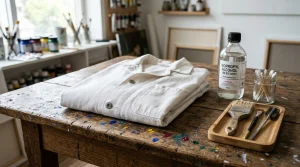
Accidentally splattering acrylic paint on your favorite clothes can feel like a nightmare, especially for artists and DIY enthusiasts. Understanding whether acrylic paint can be removed from fabric is essential for maintaining your wardrobe while indulging in creative projects. In this guide, we’ll explore effective methods for removing acrylic paint stains, addressing common concerns and giving you actionable tips to rescue your garments. Whether you’re seeking to refresh an old outfit or salvage a new purchase, knowing how to tackle these paint stains will not only alleviate your worries but enhance your crafty endeavors. Continue reading to uncover the reality of acrylic paint removal and equip yourself with the knowledge to prevent or fix those spills!
Understanding Acrylic Paint on Fabric
Acrylic paint has become a favorite among artists and DIY enthusiasts for its vibrant colors and versatility. However, when it comes to fabric, understanding how this medium interacts with fibers is essential. Acrylic paint can bond to fabric quickly due to its water-based formula, which initially allows for easy application and adjustment. Once dried, it forms a durable, flexible coat that can withstand mild washing, making it difficult to remove. This intrinsic adhesive quality is what poses challenges when accidents happen.
When determining the likelihood of removing acrylic paint from clothes, it’s important to consider factors such as the type of fabric, the paint’s thickness, and the duration since the spill occurred. Natural fibers like cotton may absorb the paint more quickly than synthetic fibers like polyester, which can make the removal process different. Furthermore, if the paint has been allowed to dry and cure, it can adhere more firmly, posing a greater challenge during removal efforts.
While prevention is always the best strategy, understanding how acrylic paint interacts with fabrics can help you respond swiftly to potential stains, ensuring that they do not set permanently.
How Acrylic Paint Bonds with Clothes
Acrylic paint is renowned for its quick-drying properties and strong adhesion, making it a popular choice among artists and DIY enthusiasts. When applied to fabric, the bonding process occurs almost immediately due to the paint’s water-based formula. This feature allows for detailed application and blending but also means that the fabric fibers absorb the paint rapidly, leading to a more permanent stain if not addressed promptly.
The interaction between acrylic paint and various fabrics can significantly influence the ease of removal. Natural fibers, such as cotton and linen, tend to absorb paint deeply, which can make stains more challenging to remove once dried. In contrast, synthetic fibers like polyester may permit easier cleaning because the paint is less likely to penetrate the fabric. However, once the paint dries, it forms a flexible layer that can withstand regular washing, complicating any removal effort.
To effectively manage a possible spill, it’s crucial to understand the type of fabric being treated, as different materials may require tailored approaches. For instance, using heat on dried acrylic paint can further set the stain, while moisture can sometimes aid in loosening the adhesive bond if tackled quickly. Knowledge of these interactions empowers you to take swift action, ensuring that potential stains do not become permanent fixtures on your beloved clothing.
Immediate Steps to Take After a Spill
When a spill occurs, it can feel like a painter’s worst nightmare-especially with acrylic paint, known for its quick-drying properties and tenacity on fabric. However, the immediate steps you take can make all the difference in reversing potential damage and maintaining your favorite garments. The first crucial action is to act swiftly. The longer the paint sits, the more it bonds with the fabric fibers, making removal increasingly difficult.
Begin by gently blotting the paint with a clean, dry cloth or paper towel to absorb as much excess paint as possible. Avoid rubbing, as this can push the paint deeper into the fibers. Next, rinse the affected area with cold water from the back of the fabric to help force the paint out without spreading the stain. This is particularly effective if you can do it immediately. If cold water is unavailable, using a damp cloth can also help.
Once the initial blotting and rinsing have been done, assess the fabric type. For tougher fabrics, consider creating a solution of dish soap and water, which can help lift the paint. Apply this mixture to the stained area with a soft brush or cloth, using circular motions to coax the paint out gently. Always test on a small, inconspicuous area first to ensure that the solution does not damage or discolor the fabric.
In all cases, it’s essential to avoid heat sources, which could set the stain permanently. By taking these immediate steps, you empower yourself to tackle the acrylic paint spill effectively and preserve the integrity of your clothing.
DIY Solutions for Paint Removal
Acrylic paint is a versatile medium beloved by many artists for its bright colors and ability to adhere to various surfaces. However, when it spills onto fabric, it can feel like an uphill battle to remove it. Fortunately, there are several effective and straightforward DIY solutions you can employ to tackle those stubborn paint stains and save your favorite garments.
Soapy Water Solution
One of the simplest and most accessible methods involves using a basic soap and water solution. Start by mixing a few drops of dish soap with cool water in a bowl. Once combined, dip a clean cloth or sponge into the solution and gently blot the stained area. This method is especially effective on fresh spills, as the soap can help break down the paint, making it easier to lift from the fabric. Remember to rinse the area with cold water afterward to remove any soap residue.
Alcohol or Hairspray
For more stubborn acrylic paint stains, rubbing alcohol or hairspray can work wonders. These products contain solvents that break down the paint’s composition. Dab a small amount of rubbing alcohol onto a clean cloth and apply it to the stained area. Blot rather than rub, and you should start to see the paint lift away from the fabric. If using hairspray, spray it directly on the stain, let it sit for a couple of minutes, then blot gently. Always test a small, inconspicuous area first to ensure that your fabric can handle these chemicals without damage.
Vinegar and Baking Soda Paste
If you prefer a more natural approach, a paste of vinegar and baking soda can be an effective paint remover. Combine equal parts of both ingredients to form a thick paste. Apply the mixture to the stained area and allow it to sit for about 30 minutes. The natural acidity of the vinegar combined with the abrasive action of baking soda will help lift the paint from the fabric. Afterward, gently scrub the area with a soft-bristled brush and rinse with cold water.
Each of these DIY solutions can make a significant difference in your battle against acrylic paint stains. The key to successful removal lies in acting quickly and selecting the right method based on the fabric type and the size of the stain. With a bit of patience and the right approach, those unwanted splatters can be a thing of the past, allowing your garments to look fresh and clean once more.
Commercial Products That Work Wonders
When tackling acrylic paint stains on fabric, sometimes the DIY approach isn’t enough, especially for larger or more stubborn stains. That’s where commercial products designed specifically for paint removal come into play. These products can offer powerful solutions that save you time and effort, often yielding impressive results.
Many stain removers on the market are formulated with specific ingredients that target acrylic paint effectively. For instance, products like Goof Off and Krud Kutter are popular choices among consumers for their ability to break down tough stains. Goof Off, in particular, contains solvents that can dissolve paint, making it easier to lift from the fabric. Just apply a small amount on a cloth, dab it on the stain, and then rinse the area with cold water after a few minutes.
Another effective option is OxiClean MaxForce. This laundry additive works well on a variety of stains, including paint. Simply treat the stain with the product prior to washing, following the instructions on the packaging for best results. It’s particularly useful if you’ve already machine-washed your fabric, as it can often help restore areas that were previously thought to be permanently stained.
For those looking for a more environmentally friendly solution, Biokleen Bac-Out Stain Remover is an excellent choice. This product utilizes plant-based ingredients and has enzymes that can effectively break down acrylic paint, making it easier to remove without harsh chemicals. Apply it to the stain, allow it to sit for a few minutes, then rinse or wash as usual.
Ultimately, when selecting a commercial paint remover, always remember to check the fabric care label and test the product on a hidden area first. This ensures that the product won’t cause any damage or discoloration, giving you peace of mind as you tackle those pesky paint stains. By incorporating these powerful commercial options into your cleaning arsenal, you can restore your favorite garments to their former glory with minimal stress.
Stain Removal Techniques for Different Fabrics
When dealing with acrylic paint stains, knowing how to treat different fabrics is crucial for effective removal. Acrylic paint bonds to textiles and can be particularly stubborn, but the approach to removing it can vary significantly based on the material. Here’s a guide to help you navigate stain removal effectively, tailored for various common fabrics.
Cotton and Cotton Blends
Cotton is generally more forgiving when it comes to paint stains. Start by rinsing the stained area with cold water, which can help to lift some of the paint. If that doesn’t do the trick, create a paste of baking soda and water. Apply it to the stain and gently scrub with a toothbrush. Rinse with cold water, and repeat if necessary. Alternatively, you can use rubbing alcohol, applying it with a cotton ball to lift the paint from the fiber.
Denim
For denim, which is a sturdy fabric, begin by scraping off any excess paint with a blunt object. Use a cloth soaked in warm soapy water to dab at the stain, working from the outside in to prevent spreading. If the paint persists, consider using mineral spirits on a cotton ball. Always follow up with a wash in the hottest water safe for the fabric, according to the care label.
Polyester and Synthetic Fabrics
Synthetic fabrics like polyester can be trickier due to their tendency to hold onto stains. Immediately blot the area with a clean, dry cloth to absorb excess paint. Then, apply a stain remover specifically formulated for synthetic fabrics or use a small amount of dish soap mixed with water. Gently rub the affected area, rinse with cold water, and repeat if necessary, as these materials may require a few treatments.
Silk and Delicate Fabrics
When it comes to silk or delicate fabrics, caution is paramount. Avoid scrubbing, which can damage the fibers. Instead, dab the stain with white vinegar using a cotton swab, then rinse very gently with cold water. If needed, bring the item to a professional cleaner if the paint doesn’t come out easily, as they have specialized techniques for delicate materials.
General Tips
Regardless of the fabric type, remember these essential tactics:
- Always test any cleaning solution on an inconspicuous area first.
- Act quickly! The sooner you address a paint stain, the better the chance of successful removal.
- Avoid heat until the stain is completely gone, as heat can set the paint.
In summary, using the correct methods for various fabrics not only increases the chances of removing acrylic paint effectively but also preserves the integrity of the material. With these tailored techniques, you can tackle even the toughest paint stains with confidence.
Preventing Acrylic Paint Stains in the Future
To enjoy your artistic endeavors without the worry of pesky paint stains, a proactive approach to fabric care can make all the difference. Incorporating a few simple habits can significantly reduce the risk of acrylic paint mishaps. One effective strategy is to designate specific clothing for painting activities. Wearing old shirts or smocks that you wouldn’t mind getting stained can be a game changer. Consider using protective plastic aprons or drop cloths to safeguard surfaces and clothes while you work on your projects.
Additionally, understanding your workspace is crucial. Setting up a dedicated area away from your best clothing and using protective materials can help minimize accidental splatters. Investing in a good-quality work surface cover-like an old tablecloth or a dedicated craft mat-can absorb spills and protect your clothes from direct contact with paint. Moreover, before diving into creative projects, it’s wise to evaluate the type of fabric you’re wearing. Natural fibers like cotton are generally easier to clean than synthetics, which tend to absorb acrylic paint more stubbornly.
Another key preventive measure involves being prepared. Keep cleaning supplies handy and within reach, such as paper towels, wet wipes, and even a small spray bottle filled with water or a mild cleaning solution. An immediate response to any paint spill-blotting instead of rubbing-can significantly affect the ease of cleanup later. Additionally, experimenting with acrylic paint on swatches of fabric before starting on the actual project can give you insights into how various materials react to paint, aiding in making informed choices when selecting your attire for painting tasks.
Finally, having a clear understanding of the materials you are working with and their cleaning properties can go a long way. Educate yourself about safe and effective ways to handle fabrics, whether they are washable or delicate. By embracing these strategies, you can focus on your creative pursuits while keeping your wardrobe intact, making acrylic painting a more enjoyable and stress-free experience.
Can Acrylic Paint Be Removed Completely?
While the immediate reaction to an acrylic paint mishap may be panic, it’s entirely possible to remove acrylic paint from fabric, though complete removal depends on several factors including the type of fabric, the age of the stain, and the paint’s formulation. Acrylic paint, when wet, is water-soluble, which means it can be washed out with soap and water if addressed promptly. However, once it has dried, the situation becomes a bit more complicated.
To improve the chances of complete removal, acting quickly is essential. If you find yourself in the unfortunate situation of a paint spill, your first move should be to gently dab the wet paint with a cloth or paper towel to absorb as much as possible without rubbing, which can spread the paint or push it deeper into the fibers. After dabbing, rinse the fabric under cold water, allowing the paint to wash away. If the stain persists, applying a mixture of mild soap and water can help.
There are also several effective DIY solutions for more stubborn stains. For instance, rubbing alcohol or acetone can be used for synthetic fabrics, as these solvents can help break down the paint. Apply it to a cotton ball and dab on the paint stain. Always test on a hidden area first to ensure the fabric won’t be damaged. If home remedies fail, commercial stain removers specifically designed for acrylic paint can be a worthwhile investment. Look for products containing enzymes or solvents that target paint stains specifically.
Keep in mind that some types of fabric, especially delicate or patterned materials, may not respond well to aggressive treatments. In these cases, a professional cleaner might be your best bet, as they have access to specialized cleaning agents and techniques that can preserve the fabric while effectively removing the paint. In summary, while complete removal isn’t always guaranteed, quick actions, proper techniques, and a little patience can lead you a long way in salvaging your favorite clothes after an acrylic painting session.
Expert Tips for Tough Stains
While some paint stains may seem impossible to remove, there are several expert strategies that can turn the tide in your favor. One crucial factor is the temperature of the water you use during the cleaning process. When dealing with acrylic paint, always start with cold water, as hot water can set the stain into the fabric. Rinse the stained area under cold running water as soon as possible, allowing the water to push the paint out of the fibers instead of forcing it deeper.
Another valuable tip is to apply a pre-treatment solution before laundering. Stain removers that contain enzymes are particularly effective, as they break down the paint’s components. Gently apply the solution directly onto the stain, and let it sit for about ten minutes before rinsing it off. If you don’t have a commercial remover handy, you can make a DIY solution by mixing equal parts dish soap and white vinegar. This combination not only helps in breaking down the acrylic paint but also acts as a deodorizer.
For particularly stubborn stains on fabrics like denim or cotton, using a soft brush can work wonders. Lightly scrub the stained area with a toothbrush or a cloth dipped in your cleaning solution. Be cautious with delicate fabrics, though; always test any cleaner on an inconspicuous area first to ensure there’s no adverse reaction. If you find yourself dealing with older stains, soaking the item in a mix of cold water and a stain remover before scrubbing can help loosen the paint.
Finally, if at first you don’t succeed, don’t give up! Sometimes, multiple applications of your chosen cleaning method are necessary. Patience is key-allow the fabric to air dry completely between attempts, as drying can make the stain less obvious, but it also might reduce the effectiveness of the next treatment. With perseverance and the right tools, you can reclaim your favorite garments from even the toughest acrylic paint stains.
How to Test Fabric Before Treatment
Testing fabric before treating it for acrylic paint stains is crucial to prevent further damage and ensure the removal process is effective. Improper cleaning methods can lead to discoloration or deterioration, particularly in delicate fabrics. To start, identify the type of fabric you are dealing with; common types include cotton, polyester, silk, and wool, each requiring different approaches.
Begin with a small, inconspicuous area of the fabric. Dampen a cotton swab or a soft cloth with your intended cleaning solution-this could be a simple mixture of water and dish soap or a commercial stain remover. Gently dab the swab onto the fabric and observe the reaction. If the color transfers onto the swab, or if the fabric appears to fade or change in any way, it’s a clear indication that the fabric may be sensitive to the chosen treatment. In such cases, consider switching to a milder solution or consulting the care label for specific cleaning instructions.
Another method for testing fabric is known as the “water spot test.” Lightly apply a few drops of water to the fabric-if the water beads up, the fabric is likely treated with a water-resistant finish, potentially changing how paint and solvents interact with it. This test can guide you in selecting appropriate cleaning agents. For fabrics that absorb water quickly, it’s best to opt for gentler, less aggressive cleaning solutions to avoid further staining.
Lastly, always check for any specific wash or care instructions associated with the fabric type. Fabrics like silk and wool may require dry cleaning, while cotton and polyester can often withstand home cleaning methods. Noting these factors will help you make informed decisions about proceeding with stain removal, ensuring the preservation of your garments while effectively tackling those challenging acrylic paint stains.
When to Consult a Professional Cleaner
When faced with stubborn acrylic paint stains that seem resistant to your best DIY efforts, it may be time to consider the help of a professional cleaner. Recognizing when to seek expert assistance can save you from further damaging your fabric and provide you with the peace of mind that comes from knowing the right hands are handling your cherished items.
Professional cleaners possess advanced knowledge, specialized tools, and industry-grade solvents that are often not available to the average consumer. For instance, if you are attempting to remove acrylic paint from a delicate fabric like silk or a vintage piece with intricate detailing, the risks associated with DIY solutions could far outweigh the potential benefits. Professionals can evaluate the fabric composition and the nature of the stain to select the most effective cleaning method that minimizes the risk of discoloration and fabric damage.
Moreover, if the paint has dried and set, the chance of complete removal without professional intervention decreases significantly. Attempting rigorous cleaning procedures could lead to further embedding the paint into the fabric fibers, making it even more challenging to remove. Professionals use techniques such as spot cleaning, steam extraction, or dry cleaning methods that target the stain more effectively than at-home methods. If you notice that the stain is not budging after a couple of attempts or if the fabric is prone to fading, consulting a cleaner is a wise choice.
Ultimately, trusting your garments to professionals can prolong their life and maintain their integrity. Ask for recommendations or look for cleaners that specialize in fabric care. Always inquire about their experience in dealing with acrylic paint stains and the methods they employ. This proactive step can ensure you receive the quality of care that your items deserve, allowing you to keep them looking their best for years to come.
Long-Term Effects of Paint on Fabric
The presence of acrylic paint on fabric can lead to a variety of long-term effects, particularly if the paint is not handled immediately and properly. Acrylic paint is not water-soluble once dried, which means it can create a permanent bond with the fibers of the fabric. As the paint hardens, it can cause stiffness and a loss of softness in the material, making the garment uncomfortable to wear. In addition, the color may fade over time if exposed to sunlight or harsh cleaning methods, leading to discoloration that can mar the overall aesthetic of the item.
For those who attempt DIY removal methods, the repercussions can often be just as significant. Using harsh chemicals or aggressive scrubbing techniques can harm delicate fabrics, potentially resulting in fraying, discoloration, or even tearing. This is particularly true for garments made of natural fibers such as cotton, silk, or wool, which may react poorly to certain solvents. Gaining an understanding of how the paint interacts with different materials can help mitigate these risks. Choosing a gentle, fabric-appropriate approach is crucial.
Moreover, any residual paint that remains embedded in the fabric can trap dirt and grime over time, leading to a localized area that appears dirty, even after multiple washes. This can progressively degrade the fabric’s quality, causing further staining or deterioration. As soon as acrylic paint spills occur, tackling them promptly is essential to minimize these long-term damages. Regular maintenance and cautious cleaning methods can help maintain the integrity of the fabric, but in cases where the damage is extensive, consulting a professional may be the best course of action to restore the fabric’s original state.
In conclusion, while some situations may allow for effective removal of acrylic paint, the potential long-term implications highlight the importance of preventative care and prompt action. Being mindful of these factors can help preserve the longevity and appearance of your beloved textiles.
Faq
Q: Does acrylic paint stain clothes permanently?
A: Acrylic paint can stain clothes if not treated promptly. However, with the right techniques, many stains can be removed effectively. Addressing a spill quickly increases the chance of full removal. For detailed removal steps, refer to the “Immediate Steps to Take After a Spill” section in the article.
Q: What are the best methods to remove dried acrylic paint from fabric?
A: To remove dried acrylic paint, try soaking the fabric in warm soapy water before gently scraping off the paint. You can also use rubbing alcohol or specific commercial paint removers designed for fabric. For thorough approaches, see the “DIY Solutions for Paint Removal” section.
Q: Will vinegar help in getting acrylic paint out of clothes?
A: Yes, vinegar often helps loosen acrylic paint from fabric. Apply a mixture of equal parts vinegar and water to the stain and let it sit for a few minutes before blotting with a cloth. For more removal tips, check the “Commercial Products That Work Wonders” section of the article.
Q: Can you wash clothes with acrylic paint stains?
A: Washing clothes with fresh acrylic paint stains may set the stain, making it harder to remove. It’s best to treat the stain with appropriate methods before washing. Refer to the “Stain Removal Techniques for Different Fabrics” for effective strategies.
Q: Are there specific fabrics that are more resistant to acrylic paint stains?
A: Synthetic fabrics like polyester tend to be more resistant to acrylic paint stains than natural fibers like cotton. However, all fabrics can be stained, so timely treatment is crucial. For fabric care tips, see the “Preventing Acrylic Paint Stains in the Future” section.
Q: How can I prevent acrylic paint stains on my clothes while painting?
A: To prevent acrylic paint stains, wear an apron or old clothes and cover nearby surfaces. Using drop cloths can also help protect your work area. For more preventive measures, check the “Preventing Acrylic Paint Stains in the Future” section in the article.
Q: When should I consult a professional cleaner for acrylic paint stains?
A: If a paint stain persists despite your best attempts or if the fabric is delicate, consulting a professional cleaner might be best. They have specialized tools and products for tough stains. Refer to the “When to Consult a Professional Cleaner” section for more guidelines.
Q: Is it safe to use bleach on acrylic paint stains?
A: No, bleach is not recommended for acrylic paint stains as it can damage the fabric and may not effectively remove the stain. Instead, opt for gentler cleaning solutions mentioned in the article, especially in the “Expert Tips for Tough Stains” section.
Concluding Remarks
Now that you’ve gained clarity on whether acrylic paint comes out of clothes, it’s time to put your newfound knowledge into action! Remember, acting quickly with appropriate stain removal techniques can make all the difference. For more tips on tackling common household stains, check out our guides on tackling ink and oil stains effectively, and discover the best washing practices to keep your fabrics looking brand new.
If you’re still concerned about stubborn paint stains, consider exploring our recommended stain removal products that can help with all types of fabric. Don’t forget to subscribe to our newsletter for exclusive tips and tricks delivered straight to your inbox, ensuring you stay ahead in your cleaning game.
We love hearing from you! Share your own stain removal experiences or ask any lingering questions in the comments below. Your engagement not only enriches our community but also helps others tackle similar challenges. Here’s to a cleaner, more vibrant wardrobe!
Get our latest guides, news, and insights highlighted in your Google Search & AI Overviews.