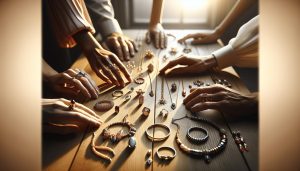
Have you ever admired a piece of jewelry and wondered about the creativity and passion behind its design? Becoming a jewelry designer is a fulfilling journey that marries artistic expression with entrepreneurial spirit. In “A Jewellery Designer: Career Path & Success Secrets,” we will explore the vital steps to carve out a successful career in this captivating field. From mastering design techniques to understanding market trends, this guide will empower you with insider knowledge and practical tips. Whether you’re dreaming of launching your own brand or simply curious about the industry, you’ll uncover valuable insights that can propel your passion into a thriving profession. Join us as we dive into the art and business of jewelry design, inspiring you to create, connect, and excel in a world where beauty meets craftsmanship.
Career Overview: What Does a Jewellery Designer Do?

To craft stunning pieces that resonate with personal stories and aesthetics, jewellery designers merge artistry with technical expertise. These creative professionals do not merely create adornments; they breathe life into materials, translating emotions and concepts into wearable art. From engagement rings that symbolize commitment to custom pieces that reflect individual styles, their work spans a wide spectrum of design possibilities. A jewellery designer must possess a keen eye for detail, a strong understanding of gemstones and metals, and the skills to manipulate various materials into cohesive designs that not only captivate but also endure.
The role often begins with concept development, where designers brainstorm and sketch ideas before selecting appropriate materials. Following this, they utilize tools ranging from traditional hand tools to advanced software for 3D modelling, ensuring every piece is meticulously crafted. Designers must also be adept at staying updated on industry trends, as consumer preferences can shift rapidly. Collaboration with gemologists, metalworkers, and marketing teams is crucial, fostering an environment where creativity meets functionality.
As most jewellery designers are also entrepreneurs, they must understand the business side of their craft-pricing their creations accurately, marketing their brand, and building a loyal customer base. This balance of creativity and commerce is essential for achieving success in a competitive landscape while remaining true to their unique artistic vision. Ultimately, a career in jewellery design is a fusion of passion, skill, and perseverance, making it a compelling journey for those drawn to the art of adornment.
Essential Skills for Ambitious Jewellery Designers
To thrive in the vibrant world of jewellery design, certain skills are non-negotiable. A successful jewellery designer harmonizes creativity with technical prowess, but that’s just the beginning. Artistic vision plays a central role, driving designers to craft pieces that not only capture beauty but also convey a story. Whether it’s designing a minimalist necklace or an extravagant statement piece, the ability to envision the final product is crucial.
Equally important is a solid foundation in technical skills. This includes proficiency in drawing and sketching to create detailed designs and concepts. As digital tools become increasingly prevalent, knowledge of 3D modelling software has become essential for visualizing and refining designs before production. Moreover, an understanding of the properties and characteristics of different materials-including metals, gemstones, and innovative materials-enables designers to select the right combination to achieve both aesthetic appeal and durability.
Lastly, a jewellery designer should possess strong business acumen. From understanding market trends to effectively marketing their creations, the ability to navigate the commercial side of jewellery design is critical. This includes setting appropriate pricing that reflects the craftsmanship and value of the work while ensuring profitability. Networking skills are also paramount; establishing relationships with suppliers, gemologists, and fellow designers can lead to collaborative opportunities and resource-sharing, enriching the designer’s craft and business.
In summary, aspiring jewellery designers should strive to cultivate a robust blend of creativity, technical expertise, and business savvy. This holistic skill set not only prepares them for the challenges of the industry but also enhances their potential for success and personal satisfaction in their craft.
Educational Pathways: Degrees and Certifications

To embark on a fulfilling career in jewellery design, it’s essential to consider the various educational pathways that can provide you with the skills and knowledge necessary to excel. While talent is undeniably important, formal education can enhance your understanding of design principles, materials, and industry practices. Many prestigious institutions offer specialized programs tailored to future jewellery designers, combining artistic training with technical skills to prepare you for the complexities of the craft.
Formal Education Options
A bachelor’s degree in jewellery design, fine arts, or fashion design is an excellent foundation for those serious about entering the field. Many universities provide dedicated courses that cover essential topics such as metalworking, gemology, and CAD (computer-aided design) software. In addition to degrees, shorter programs and workshops are available at community colleges and specialized schools, allowing aspiring designers to hone specific skills without a lengthy commitment.
- Bachelor’s Degree: Programs often include comprehensive coursework on manufacturing processes, aesthetics, and marketing.
- Associate Degrees: These typically focus on hands-on skills and may provide quicker entry into the workforce.
- Certificates: Short-term programs can offer targeted education in specific techniques or tools, perfect for skill enhancement.
Online Courses and Resources
For those who prefer flexibility or cannot commit to full-time study, numerous online platforms offer courses designed by industry professionals. Websites like Skillshare and Coursera provide the opportunity to learn from the comfort of your home, often at a lower cost. Emphasizing practical skills, these courses can enable you to experiment with design software, explore various jewellery-making techniques, or even delve into business strategies crucial for launching your own line.
Internships and Apprenticeships
Complementing formal education, gaining hands-on experience through internships or apprenticeships is invaluable. Working under experienced jewellers can provide insights into the daily operations of the jewellery business, from design conception to customer interactions. This real-world experience not only enriches your resume but also helps build a network of industry contacts, which is a significant advantage in a competitive field.
In summary, while various educational routes exist for aspiring jewellery designers, combining formal education, practical experience, and continuous learning is crucial for crafting a successful career. Whether pursuing a degree, taking online courses, or finding an apprenticeship, every step you take will enhance your capabilities and confidence as a designer.
Building Your Portfolio: Tips for Aspiring Designers

A meticulously curated portfolio is a jewellery designer’s passport to success, showcasing not only their technical skills but also their unique creative vision. For aspiring designers, building a compelling portfolio is essential for attracting clients, securing internships, and ultimately establishing a thriving career in jewellery design. The key is to create a portfolio that tells your story-highlighting your journey, inspirations, and the evolution of your design style.
One effective strategy is to start with a diverse range of work that illustrates your versatility. Include pieces that demonstrate various techniques, materials, and styles, from detailed sketches and CAD renderings to completed projects that embody your craftsmanship. Quality over quantity is vital; select your best works that reflect your individual aesthetic and design philosophy. Build each piece’s narrative by explaining your design process, inspiration, and any challenges faced during creation, which not only adds depth to your portfolio but also allows potential clients or employers a glimpse into your thought process.
Consider incorporating different formats into your portfolio. A combination of physical and digital presentations can be highly effective. Create a well-organized digital portfolio-perhaps on a professional website or social media-a platform where potential clients can easily view and share your work. Additionally, having a high-quality printed portfolio can be beneficial during interviews or client meetings. Pay attention to the presentation; use professional photography to capture your pieces, accompanied by concise descriptions that emphasize your key achievements and your personal artistic journey.
To ensure your portfolio remains relevant and dynamic, seek out constructive feedback from mentors or peers in the jewellery industry. Regularly update your portfolio with new projects and experiments, allowing it to evolve alongside your skills and style. Networking also plays a critical role; participating in design shows or community workshops can provide exposure and lead to collaborative opportunities, further enhancing your portfolio. A well-rounded, thoughtfully constructed portfolio will not only attract attention but also provide a solid foundation for your future as a jewellery designer.
Materials and Tools Every Jewellery Designer Needs
To create beautiful and innovative jewellery, designers need a range of materials and tools that not only enable their craftsmanship but also inspire their creativity. From selecting the right metals to mastering essential tools, understanding these components is key to elevating one’s designs from concept to reality. Whether you’re forming delicate earrings or bold statement pieces, the quality and functionality of your materials and tools can significantly influence the outcome of your creations.
Essential Materials
Firstly, choosing the correct materials is fundamental. Here are some staples every jewellery designer should consider:
- Metals: Gold, silver, and platinum are traditional choices, beloved for their malleability and luster. Brass and copper offer affordability and unique coloring, while stainless steel provides durability.
- Stones and Gemstones: Understanding the properties of different stones-from diamonds to semi-precious stones-affects not only the design but also the pricing and marketability of your pieces.
- Beads and Findings: These include clasps, ear wires, and jump rings, integral for assembling jewellery. A variety of finishes and materials can enhance the aesthetic of your designs.
- Enamels and Resins: These can add color and unique textures, allowing for innovative techniques like cloisonné or resin casting.
Essential Tools
Equipping yourself with the right tools is equally as important. Below is a list of must-have tools for both beginners and seasoned designers:
- Wire Cutters and Pliers: Essential for shaping, bending, and cutting wire to create various forms in your pieces.
- Soldering Iron: For joining metal parts together, mastering soldering is crucial for more complex designs.
- Beading Needle and Thread: These provide the ability to craft intricate beadwork, essential for many designs.
- Files and Sandpaper: To smooth and finish your pieces, ensuring they are comfortable for wear and visually flawless.
- Bench Pins and an Anvil: Help stabilize your work while soldering, sawing, or filing, promoting precision in your processes.
- Laser Cutters and 3D Printers (for advanced designers): These modern tools allow for innovative designs that would be difficult to create by hand.
By familiarizing yourself with these materials and tools, you can enhance your craftsmanship and open up new avenues for creativity in your jewellery design journey. Remember, quality tools and materials not only yield better results but also contribute to your growth and success as a jewellery designer.
Understanding Gemstones: A Designer’s Guide
Understanding gemstones is essential for any jewellery designer who wants to create pieces that are not only beautiful but also meaningful and marketable. Each gemstone carries its own unique properties, symbolism, and appeal, making it crucial to have a foundational knowledge of its characteristics. For instance, while diamonds are deemed the ultimate symbol of luxury and durability, colored gemstones like sapphires, emeralds, and rubies can express individuality and creativity in design.
When selecting gemstones, always consider their hardness, color, clarity, cut, and carat weight-the fundamental “Four Cs” along with color saturation can influence both aesthetic appeal and market value. For example, an emerald’s rich green hue enhances its desirability, but its clarity can also make or break its value. Knowing how to assess these qualities not only informs your design choices but also allows you to articulate the value of your work to potential clients.
Additionally, understanding the different types of gemstones can help you pair them effectively in your designs. Precious stones like diamonds, rubies, sapphires, and emeralds are often sought after for high-end creations, while semi-precious stones like amethyst, garnet, and topaz can add diversity and affordability to your collection. Experimenting with a combination of both can yield unique designs that appeal to a wider audience.
Lastly, don’t shy away from exploring alternative gemstones and synthetic options. Lab-created diamonds, for instance, offer similar aesthetics to natural stones at a lower cost and with ethical advantages. As a designer, being knowledgeable about your materials-including their source and creation process-can deepen your narrative and resonate with today’s ethically minded consumers.
By immersing yourself in the world of gemstones, you will not only enhance your craft but also empower your designs to tell compelling stories that captivate customers. This understanding is an investment in your growth as a jewellery designer and sets the groundwork for a successful career in this vibrant field.
Pricing Your Work: How to Value Your Jewellery
Determining the right price for your jewellery can be a daunting yet crucial aspect of your career as a jewellery designer. Striking a balance between profitability and market demand is key to sustaining your business while ensuring that your natural talent is rightly compensated. Many designers struggle with pricing their pieces, often undervaluing their work due to self-doubt or a lack of knowledge about the market.
To set a fair price, start by calculating the direct costs associated with creating your jewellery. This includes the price of raw materials such as metals and gemstones, as well as any tools or equipment you might need. Be sure to factor in other costs like packaging, shipping, and marketing. Once you’ve established your total costs, consider the time you invest in each piece. A standard formula many designers use is to multiply the cost of materials by three to cover overhead and labor costs effectively.
Consider Your Target Market
Understanding your target audience is fundamental in the pricing strategy. Are you creating high-end luxury pieces or affordable, everyday jewellery? Research what similar designers are charging and observe the market trends. This will help you position your work adequately. If your designs cater to a niche market, you might be able to charge a premium, especially if the piece tells a story or possesses unique features that set it apart.
Build Value Through Storytelling
Another effective strategy for pricing your jewellery is to amplify its perceived value. Tell the story behind your pieces, whether it’s the inspiration drawn from nature, a cultural symbol, or a personal meaning. Additionally, providing details about the materials used-such as the origin of gemstones or the method of production-can evoke emotional connections and justify higher price points.
Lastly, don’t forget to leave room for flexibility. Sometimes, customers are willing to negotiate, and offering multiple pricing tiers can cater to a broader audience. Options like custom designs or limited-edition collections can also command higher prices and foster exclusivity. In a competitive market, remember that pricing is not just a number-it’s an essential part of your brand identity and storytelling, resonating with buyers who appreciate the value of artisanal craftsmanship.
Starting Your Own Jewellery Business: A Step-by-Step Guide
Starting a jewellery business can be a thrilling adventure, brimming with opportunities to showcase your creativity and craftsmanship. However, transforming a passion for jewellery design into a successful business requires careful planning, execution, and dedication. Begin with a clear vision; consider the style of jewellery you specialize in, your target market, and how you’ll differentiate your brand from competitors.
Define Your Brand and Market
Establishing a strong brand identity is key to standing out in a crowded marketplace. Ask yourself:
- What type of jewellery do I want to create (e.g., fine, costume, artisanal)?
- Who is my target audience (e.g., young professionals, brides-to-be, eco-conscious consumers)?
- What makes my designs unique or special?
Conducting market research will help you understand current trends, pricing strategies, and what resonates with potential customers. This clarity will guide your marketing efforts and product offerings.
Set Up Your Business Structure
Once you’ve defined your brand, choose a business structure that fits your needs, whether it’s a sole proprietorship, LLC, or corporation. This decision will affect taxes, liability, and the way you operate your business. Afterward, you’ll need to register your business name and obtain any necessary licenses or permits depending on your location. Don’t forget to set up a dedicated business bank account to keep your finances organized.
Create a Business Plan
A well-thought-out business plan serves as your blueprint for success. Consider including:
- Executive summary: A brief overview of your business and goals.
- Market analysis: Information about your industry and competitor landscape.
- Sales and marketing strategies: How you plan to reach and engage your audience.
- Financial projections: Estimated startup costs, revenue expectations, and break-even analysis.
This plan will not only help you stay focused but may also be necessary when seeking funding from investors or banks.
Develop Your Product Line and Pricing Strategy
Start designing your initial collection, ensuring each piece reflects your brand’s unique story and aesthetic. It’s essential to establish a pricing strategy that takes into account your costs, desired profit margins, and market positioning. Consider creating various product tiers or limited editions to appeal to different customer segments. Ensure you communicate the value and craftsmanship behind your pieces to justify your pricing.
Market Your Brand
Utilize a mix of online and offline strategies to attract customers. Build a professional website showcasing your designs, and create engaging content through social media platforms to highlight your artistry. Consider collaborating with influencers or attending craft fairs and exhibitions to increase visibility. Networking with other jewellery designers and local businesses can also foster growth and encourage collaboration opportunities.
Transitioning from a hobbyist to a professional jewellery designer is a significant leap that requires thoughtful preparation and execution. Embrace this process, remain open to learning, and enjoy the journey as you create beautiful pieces that resonate with your audience.
Marketing Strategies for Jewellery Designers
In the vibrant and competitive world of jewellery design, effective marketing strategies can make all the difference in transforming your passion into a profitable business. A compelling marketing approach is not just about selling products; it’s about crafting a narrative that resonates with your audience and showcases the artistry of your creations. With digital platforms dominating today’s landscape, leveraging social media and online marketplaces is crucial. Utilize platforms like Instagram and Pinterest, which are visually driven, to present your designs in a way that captivates potential customers. High-quality images and engaging storytelling about your pieces can significantly enhance customer connection and loyalty.
Utilizing Social Media
Social media serves as an essential tool for jewellery designers to cultivate their brand and engage with their audience. Regularly share behind-the-scenes content of your design process, as this not only humanizes your brand but also allows customers to appreciate the craftsmanship involved. Engage with your followers through polls, Q&A sessions, or contests, encouraging them to share your work within their networks. Consider collaborating with influencers who align with your brand values; their endorsements can introduce your work to broader audiences.
Building a Professional Website
Investing in a well-designed website is equally critical. It serves as a central hub where potential customers can learn about your brand story, browse your collections, and make purchases. Ensure your website is user-friendly and optimized for mobile devices, as many customers shop via smartphones. Incorporate an e-commerce platform to facilitate smooth transactions and provide detailed product descriptions, material information, and care instructions. This transparency fosters trust and enhances customer satisfaction.
Email Marketing
Email marketing remains a powerful way to maintain communication with customers. Create a subscription list and offer incentives like exclusive discounts or early access to new collections to encourage sign-ups. Regular newsletters can keep your audience updated on upcoming launches, personal stories behind your creations, or educational content about jewellery care. This keeps your brand fresh in their minds and builds a loyal customer base.
Effective marketing strategies require an authentic connection with your audience, compelling storytelling, and consistent engagement across platforms. By blending creativity with strategic planning, you can successfully establish your jewellery brand and thrive in the industry.
Crafting a Unique Brand Identity in Jewellery
In a world overflowing with jewellery options, establishing a distinctive brand identity is paramount for any jewellery designer aspiring to stand out. Your brand is not just a logo or a name; it encapsulates the essence of your creations, your personal story, and the values you stand for. Successfully crafting a unique brand identity involves a blend of authenticity, storytelling, and strategic design choices that resonate with your target audience.
Define Your Unique Selling Proposition (USP)
Start by identifying what sets your jewellery apart. Is it the materials you use, your design philosophy, or perhaps a commitment to sustainability? Clearly articulating your unique selling proposition (USP) allows you to communicate why customers should choose your pieces over others. Consider developing a brand narrative that weaves in your inspirations, the craftsmanship behind your pieces, or the specific themes you explore in your work. This narrative will not only guide your design process but also serve as a powerful marketing tool.
Visual Identity: Logo, Colors, and Packaging
A strong visual identity is crucial for brand recognition. Your logo, color palette, and even the packaging should reflect the aesthetic and values of your jewellery. For instance, if you create intricate, vintage-inspired pieces, a more ornate logo and classic color scheme might resonate well. Conversely, if your designs are modern and minimalistic, opt for clean lines and neutral colors. Thoughtful packaging can amplify the unboxing experience, leaving a lasting impression on your customers. Use eco-friendly materials if sustainability is part of your brand ethos; this further communicates your values.
Community Engagement and Authenticity
Building a community around your brand fosters loyalty and can elevate your identity in the marketplace. Engage with your audience through storytelling-share your journey, struggles, and successes to establish a connection. Use social media platforms to showcase behind-the-scenes processes, such as sketching, sourcing materials, or crafting. This transparency not only humanizes your brand but also helps potential customers relate to your values and artistry. Consider featuring customer stories or user-generated content that highlights how your jewellery fits into their lives.
By weaving together these elements, you can create a cohesive and appealing brand identity that attracts and retains customers. Your unique identity will facilitate connections and enable your creations to find their rightful place in the hearts of jewellery lovers.
Networking and Collaboration: Finding the Right Connections
Building a strong network is crucial for any jewellery designer looking to establish themselves in a competitive landscape. Connections can lead to opportunities not just for collaboration but also for learning, mentorship, and market insights. Engaging with fellow designers, suppliers, and industry professionals creates a supportive community that can be invaluable on your journey. By sharing experiences and resources, you enhance your own growth while fostering a collaborative environment in the industry.
Utilizing Social Media and Online Platforms
In today’s digital age, social media platforms like Instagram, Pinterest, and LinkedIn have become essential tools for networking. Share your work regularly and engage with other designers or potential customers through comments and direct messages. Joining online communities, such as Facebook groups for jewellery makers, can also provide support and valuable feedback. Regular participation in these spaces can position you as an active member of the jewellery community, making it easier to find collaboration opportunities and new contacts.
Attending Trade Shows and Exhibitions
Participating in trade shows, craft fairs, and other jewellery exhibitions can significantly expand your network. These events offer a chance to meet suppliers, retailers, and potential customers face-to-face. Prepare by researching exhibitors and attendees ahead of time so you can approach conversations with a clear intent. Consider setting up your booth to showcase your work, which can also draw attention and facilitate connections. Networking at these events can lead to fruitful collaborations and partnerships that elevate your brand.
Collaborative Projects and Cross-Promotion
Look for opportunities to collaborate with other artists, designers, or brands. This could be through joint projects, co-hosted events, or mutual promotions on social media. Collaborative work not only broadens your audience but also introduces you to new techniques and design philosophies. When crossing promoting, ensure that both parties align in values and aesthetics, which can create a more authentic appeal to both your audiences.
Networking is not just about the number of contacts you have; it’s about building genuine relationships that can support your career. By actively seeking connections, collaborating with others, and engaging within industry circles, you can create a robust foundation that propels your jewellery design career forward.
Success Secrets from Industry Experts: Insights and Inspiration
The journey to becoming a successful jewellery designer is often marked by unique experiences, humility, and a willingness to constantly learn. Industry experts emphasize the importance of resilience and adaptability as core virtues in this ever-evolving field. Many seasoned designers suggest that aspiring creators should not shy away from beginning with small projects, as these can lead to significant opportunities. For instance, participating in local craft fairs or exhibitions can help establish your presence and allow for valuable feedback. Taking these incremental steps prepares you for larger audiences and business ventures while building confidence.
Understanding Your Niche is crucial for anyone looking to stand out in the competitive jewellery market. Experts advise designers to explore different styles and techniques to discover what truly resonates with them. Whether you lean towards sustainable materials, heritage techniques, or modern aesthetics, embracing a niche can create a loyal customer base that shares your passion. Celebrated jewellery designer Jennifer Fisher exemplifies this approach, as her commitment to personalized designs has garnered a dedicated following among celebrities and influencers alike.
Establishing a robust brand identity is essential in conveying your story and values to customers. Many designers stress the importance of authentic storytelling, whether through your website, social media presence, or even the design elements themselves. A well-defined brand can communicate quality and craftsmanship-elements that customers gravitate toward. Coupling this with a strong online presence allows you to reach a wider audience. Leverage social media to showcase your process, engage with followers, and build a community around your work. Regular posts and captivating visuals not only highlight your designs but also instill a sense of connection with your audience.
Furthermore, diversifying your skillset beyond design can be a game-changer. Experts highlight that understanding business management, marketing, and customer service can elevate your career significantly. Engage in workshops or online courses to stay abreast of market trends, pricing strategies, and sales techniques. Networking with peers and mentors in these areas can provide valuable insights that shape your career path. By blending creativity with sound business practices, you can transform your passion for jewellery into a sustainable and thriving profession.
Frequently Asked Questions
Q: What qualifications do you need to become a jewellery designer?
A: Typically, aspiring jewellery designers should have a degree in jewellery design, fine arts, or a related field. Additionally, gaining certifications in gemology or metalworking can enhance your credentials and marketability in the industry.
Q: How can I gain experience as a jewellery designer?
A: To gain experience, consider internships with established jewellery brands, taking design workshops, or volunteering for local artisans. Building a portfolio through personal projects can also showcase your skills and creativity to potential employers.
Q: What tools are essential for beginning jewellery designers?
A: Essential tools include pliers, wire cutters, a soldering iron, and a jeweller’s saw. Understanding how to use these tools proficiently is crucial for crafting designs and can be explored further in sections covering materials and tools every jewellery designer needs.
Q: How do I promote my jewellery designs effectively?
A: Promoting your jewellery designs can be effectively achieved through social media platforms, creating a professional website, and participating in local craft fairs. Building an online presence through consistent branding and engaging content is key.
Q: What are common mistakes to avoid as a new jewellery designer?
A: Common mistakes include undervaluing your work, neglecting proper branding, and not keeping up with industry trends. Learning to price your work appropriately and continuously evolving your designs are critical to long-term success.
Q: How important is networking in the jewellery industry?
A: Networking is essential in the jewellery industry as it opens doors to collaborations, mentorships, and potential clients. Engaging in industry events or online communities can significantly enhance your professional connections.
Q: What are the best ways to establish a unique brand identity in jewellery design?
A: Establishing a unique brand identity involves defining your style, understanding your target market, and consistently showcasing your designs across platforms. Incorporate personal stories and values in your branding to create deeper connections with customers.
Q: How can jewellery designers learn about gemstones?
A: Jewellery designers can learn about gemstones through courses in gemology, attending workshops, or consulting with experts. Books and online resources can also provide valuable insights into gemstone properties and their significance in design.
The Way Forward
Thank you for exploring “A Jewellery Designer: Career Path & Success Secrets.” By now, you should have a clearer picture of what it takes to thrive in the world of jewelry design. Remember, the journey is just beginning. Whether you’re refining your skills or thinking about starting your own jewelry business, our resources on jewelry care, DIY tutorials, and styling advice are here to support you. Don’t miss out on our guides on cleaning metals and gems and tips on authenticating jewelry – they can empower your creativity and expertise.
Ready to take the next step? Subscribe to our newsletter for the latest insights and trends, or dive deeper into our articles on building a successful jewelry shop. Your passion for jewelry creation can lead to remarkable success, and we’re here to guide you every step of the way. Share your thoughts or questions in the comments below, and let’s keep the conversation going. Discover your potential today!