Have you ever noticed a green tinge on your skin after wearing earrings? This common phenomenon can be both alarming and puzzling for many jewelry lovers. When earrings turn your skin green, it often signifies a reaction between your skin and the metals used in the jewelry, particularly copper. Understanding this phenomenon is essential not only for your comfort but also for making informed choices when selecting jewelry. By delving into the materials used in earrings and learning how to care for your pieces, you can prevent these skin reactions and enjoy wearing your favorite accessories without worry. Join us as we explore the causes behind this intriguing occurrence, ensuring you can wear your jewelry confidently and stylishly.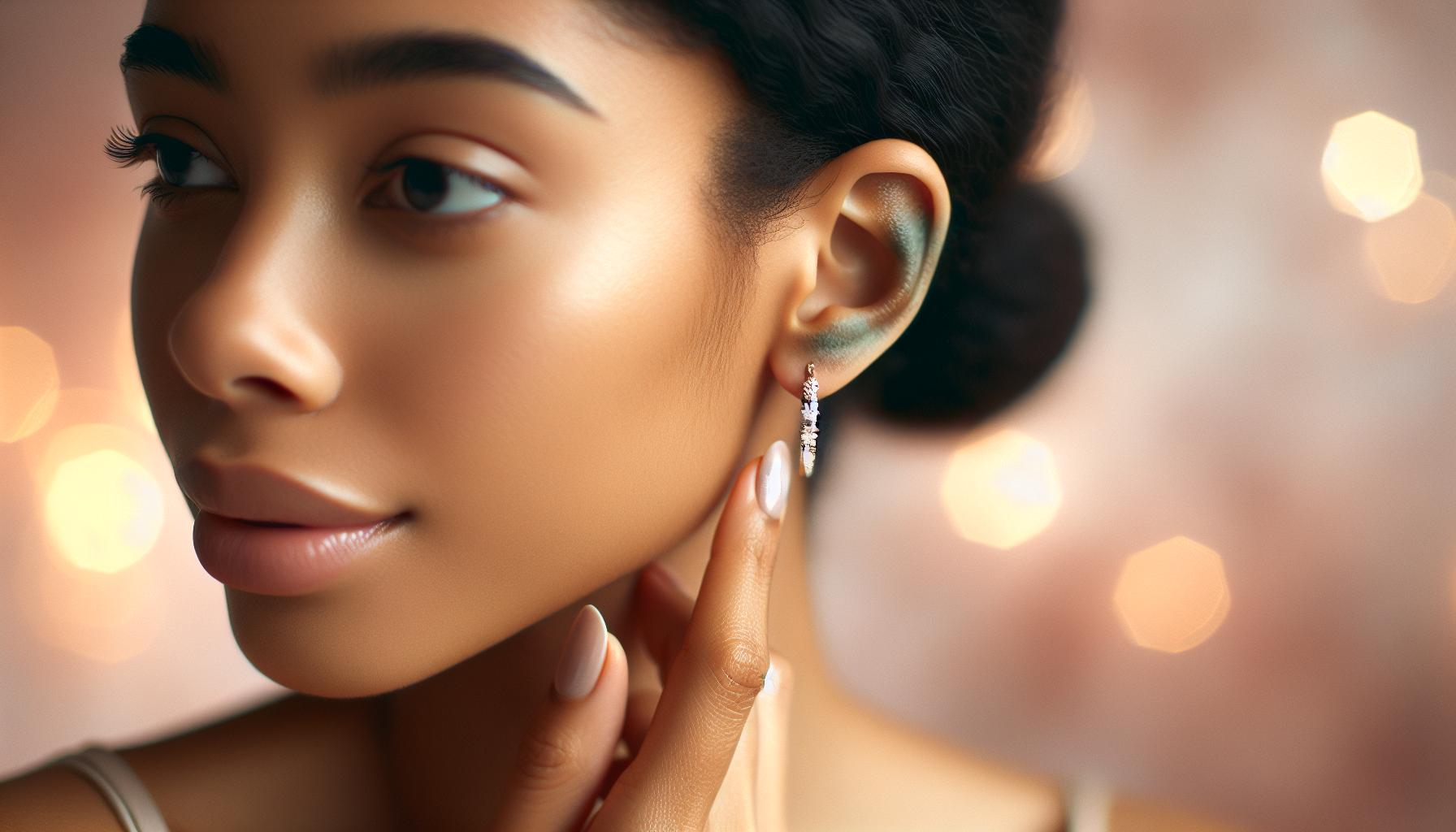
What Causes Earrings to Turn Your Skin Green?
Earrings turning your skin green can be quite a puzzling experience, and it typically stems from the materials they are made of. Many jewelry pieces, especially those that are more affordable, contain copper and other metals that can react with moisture, sweat, and even the natural oils from your skin. When these metals come into contact with these elements, they can oxidize and create copper salts, which are what stain the skin green. This reaction is not harmful for most people but can be an annoying side effect of wearing certain earrings.
Understanding why this occurs is essential for anyone who loves jewelry but wants to avoid the unwanted marks on their skin. Jewelry made from lower-quality metals or alloys often lacks a protective coating, making the metal susceptible to oxidation. Additionally, certain skin types may be more prone to reaction due to pH levels or heightened sensitivity to metal alloys. For many, it’s a simple matter of switching to higher-quality materials.
To prevent earrings from causing skin discoloration, consider choosing pieces made of stainless steel, sterling silver, or gold-materials known for their durability and hypoallergenic properties. Using clear nail polish to coat the metal that touches your skin can also act as a barrier, reducing the likelihood of skin staining. Regular cleaning of your earrings can help minimize the buildup of moisture and oils, therefore lessening the chance of a reaction. Understanding these factors can empower you to choose jewelry with confidence, ensuring your style remains both stunning and comfortable.
The Role of Copper and Other Alloys
Many earrings that turn your skin green owe their color-changing properties to copper, a metal commonly used in inexpensive alloys. When copper-based alloys contact moisture, sweat, or even your skin’s natural oils, they oxidize, forming copper salts that stain the skin. This reaction not only reveals the potential drawbacks of budget jewelry but also highlights the importance of understanding materials in your accessories.
in jewelry production is significant. While copper is prized for its malleability and affordability, it can often be mixed with other metals, such as nickel, to enhance strength and durability. However, these combinations can lead to adverse reactions, particularly for those with sensitive skin. For instance, a lower-quality earring made with a mix of copper, nickel, and zinc might be a stylish choice but could provoke irritation or discoloration.
To steer clear of green skin stains while still enjoying fashionable earrings, consider these practical tips:
- Opt for reputable materials: Choose earrings made from sterling silver, stainless steel, or even pure gold, all of which are less likely to cause reactions.
- Invest in quality: Higher-priced pieces often come with a protective coating, reducing the risk of oxidation.
- Research brands: Look for jewelers who specialize in hypoallergenic materials or who can provide detailed information on their jewelry’s composition.
- Regular maintenance: Clean your earrings frequently to remove moisture and oils, which can trigger oxidation.
Ultimately, understanding the role of copper and its alloys in earrings can empower you to make informed choices. By selecting quality materials and caring for your jewelry, you not only protect your skin but also ensure that your accessories remain a source of joy, not irritation.
Understanding Skin Reactions to Jewelry Materials
Certain materials used in jewelry can significantly influence your skin’s reaction to wearing earrings, impacting comfort and aesthetics. Understanding these reactions is crucial, especially if you frequently experience skin discoloration or irritation. When earrings contain metals that can oxidize or react with skin oils, they may lead to unsightly green stains. This phenomenon is primarily linked to the presence of metals like copper in cheaper alloys. As these alloys oxidize, they form copper salts, which can easily transfer onto your skin.
Moreover, individual sensitivities to specific metals play a considerable role in skin reactions. For instance, nickel is a common allergen that can cause contact dermatitis, leading to redness, itching, or swelling around the earring site. Those with sensitive skin should be particularly cautious when selecting jewelry. It’s important to remember that high-quality pieces, often made from sterling silver, gold, or hypoallergenic materials, are less likely to elicit adverse reactions.
To mitigate skin reactions, take the time to familiarize yourself with the materials in your jewelry. Reading labels or asking sellers about composition can help ensure you’re not using pieces that will harm your skin. Regularly cleaning earrings can also help remove any accumulated moisture and oils, minimizing the chance of oxidation and discoloration. By being mindful of the materials your earrings are made from and their potential skin effects, you can enjoy your jewelry without worry.
How to Prevent Green Skin Stains from Earrings
Understanding is essential for maintaining both the health of your skin and the integrity of your jewelry. The key lies in the materials used in earrings, particularly those that react with moisture and body chemistry. Here’s a practical guide to help you minimize the risk of unsightly discoloration.
One of the most effective strategies is to choose high-quality materials for your earrings. Opting for jewelry made from sterling silver, gold, or hypoallergenic metals greatly reduces the chances of skin reactions. While cheaper options might be tempting, they’re often made with alloys that contain reactive metals like copper. Whenever possible, examine the product descriptions and ask sellers about the metal composition, ensuring there are no allergenic metals involved.
Another preventive measure is to keep your earrings clean and dry. Over time, oils, sweat, and moisture can accumulate on your earrings, making them more prone to tarnishing and oxidation. Regular cleaning using a soft cloth can help remove these residues. Additionally, consider applying a clear nail polish or jewelry sealant on the parts of the earrings that touch your skin. This creates a barrier that minimizes direct contact with reactive materials, effectively reducing the risk of green stains.
To further protect your skin, avoid wearing earrings while engaging in activities that may lead to excessive sweating, such as exercise or swimming. It’s wise to remove your earrings before showering as well. Adopting these simple habits can not only prolong the life of your earrings but also keep your skin feeling comfortable and stain-free. By remaining mindful about the earrings you wear and practicing good care habits, you can enjoy your favorite pieces without the worry of discoloration.
Cleaning and Caring for Earrings to Avoid Discoloration
To keep your earrings looking pristine and to prevent your skin from turning green, regular cleaning and maintenance are essential. Earrings can accumulate dirt, oil, and moisture over time, which not only dull their shine but can also lead to unsightly skin reactions. Establishing a consistent cleaning routine will not only extend the life of your jewelry but also keep your skin healthy and free from irritation.
Start by using a gentle cleaning solution specifically designed for jewelry. You can create a simple mixture at home with warm water and a few drops of mild soap. Soak your earrings for a few minutes to loosen any buildup. After soaking, use a soft cloth or a cotton swab to carefully scrub the earrings, paying special attention to areas that come into contact with your skin. Rinse them thoroughly under lukewarm water and dry them completely with a soft towel. This process helps remove not only debris but also tarnish that could contribute to skin discoloration.
It’s also wise to apply a protective barrier to your earrings. Consider coating the parts that touch your skin with clear nail polish or a specialized jewelry sealant. This layer minimizes direct contact between your skin and reactive metals in the earring, significantly reducing the chance of green stains. Remember to reapply the sealant periodically as it can wear off over time.
Lastly, store your earrings properly. Exposure to air, moisture, and other metals can lead to tarnishing. Use a clean, dry jewelry box or pouches, ideally lined with anti-tarnish fabric, to keep your earrings secure and in great condition. By taking these proactive steps in cleaning and caring for your earrings, you can enjoy their beauty without the worry of skin reactions.
The Impact of Moisture and Sweat on Earrings
Moisture and sweat play significant roles in how earrings and other jewelry interact with your skin, often contributing to the dreaded green stains. When our bodies heat up or when we perspire, the moisture can create a conducive environment for chemical reactions between the metals in the earrings and the secretions produced by our skin. This is notably true for earrings that contain copper or brass, as these metals are particularly prone to oxidation, which results in the formation of copper salts. When these salts react with water (from sweat or moisture), they can transfer to your skin and cause those unsightly green markings.
To mitigate this effect, it’s essential to maintain dry skin and keep your earrings away from excessive moisture. After exercising or showering, you might consider removing your earrings entirely, especially if they are made from reactive metals. If you must wear them, be sure to wipe your skin and the earrings with a dry cloth afterward to remove any base moisture, preventing further reaction. Furthermore, opting for earrings that are crafted from non-reactive materials like stainless steel, titanium, or gold can significantly reduce the chance of discoloration on your skin.
Another effective strategy to protect your earrings from moisture is to apply a protective coating, such as a specialized jewelry sealant or clear nail polish on the parts that touch your skin. This thin barrier can help keep moisture away from the metal, reducing oxidation and minimizing skin reactions. Regularly cleaning your earrings is also crucial. Removing any sweat, body oils, or moisture can help keep the metal in good condition while safeguarding your skin.
In summary, being proactive about managing sweat and moisture can help prevent your earrings from causing skin discoloration. Adopting simple habits such as removal during vigorous activities, choosing the right materials, and applying protective coatings are all effective strategies to enjoy your favorite jewelry without worrying about green stains.
Choosing Hypoallergenic Earrings: What to Know
Choosing earrings that won’t irritate your skin is essential, especially for those prone to allergic reactions or discoloration. Hypoallergenic earrings are designed to minimize these risks by using materials that are less likely to cause allergic responses. This choice can significantly reduce the chances of green skin stains, which often occur due to metals reacting with moisture and natural skin oils.
When selecting hypoallergenic earrings, it’s important to consider the materials involved. Generally, earrings made from surgical-grade stainless steel, titanium, or gold (especially 14k or higher) are excellent options. These materials are not only durable and stylish but also exhibit minimal to no reactions with skin, thus protecting you from both irritation and discoloration. Here are a few key points to help you make informed choices:
- Surgical-Grade Stainless Steel: Often used in medical applications, this metal is highly resistant to tarnishing, rust, and corrosion. It’s a top choice for those with sensitive skin.
- Titanium: This lightweight metal is incredibly strong and highly biocompatible, making it suitable for even the most sensitive skin types.
- Gold: While some people may still react to lower karat gold, higher purity options (14k and above) tend to be hypoallergenic. Look for gold that is alloyed with metals known to be less irritating.
- Platinum: A luxurious but a practical option, platinum is hypoallergenic and resistant to tarnishing, making it a great long-term investment.
Moreover, it can be beneficial to avoid earrings that feature non-precious metals such as nickel or brass, as these are common culprits in causing allergic reactions and skin discoloration. If you’re drawn to costume jewelry, look for pieces labeled as “nickel-free,” which can help mitigate potential irritation.
When shopping, consider brands known for using hypoallergenic materials, and always check the specifications before making a purchase. If you’re sensitive to certain materials, don’t hesitate to inquire about the metal composition from the seller to ensure you’re making a safe choice. By prioritizing hypoallergenic options, you can enjoy your jewelry comfortably and confidently, free from the worry of skin reactions and unsightly marks.
Best Practices for Storing Earrings to Avoid Damage
To preserve the beauty and integrity of your earrings, proper storage is paramount. Did you know that many earrings tarnish or develop unwanted skin reactions due to improper storage practices? The right techniques can prevent not only physical damage but also help you avoid the chemical interactions that can cause discoloration when worn. Here are some best practices for storing your earrings to ensure they remain in pristine condition and mitigate skin issues.
Use Anti-Tarnish Materials
Choosing the right container for your earrings can make a significant difference. Consider using anti-tarnish pouches or boxes lined with fabric designed to reduce oxidation. These materials can help keep your earrings looking new by minimizing exposure to air and moisture, both of which contribute to tarnishing and metal reactions.
Separate Earrings by Material
Store earrings made from different metals separately. For instance, keep your sterling silver earrings away from copper or costume jewelry. Reactivity can occur when different metals come into close contact, leading to tarnishing or green skin stains. Use small compartments in your jewelry box, or invest in a specialized earring organizer that provides separate sections.
Keep Them Dry
Moisture is a common enemy of jewelry. Store your earrings in a cool, dry place, avoiding humid environments such as bathrooms. If you live in a particularly humid area, consider adding silica gel packets to your storage containers to absorb excess moisture. This simple step can help prevent the corrosion of metals and keep your skin free from unwanted reactions.
Regular Checks and Maintenance
Periodically check your earrings for any signs of damage or tarnishing. Cleaning them regularly with a soft cloth can remove any accumulated sweat or oils that may lead to skin discoloration. For more in-depth cleaning, use appropriate jewelry-cleaning solutions, but always follow manufacturer guidelines to ensure you don’t damage delicate pieces.
By implementing these straightforward storage practices, you can extend the life of your earrings and enjoy wearing them without the fear of skin discoloration or damage. Whether you’re a seasoned collector or just starting your jewelry journey, taking these steps will empower you to care for your pieces confidently.
DIY Solutions for Cleaning Stained Skin
While it’s disappointing to discover that your favorite earrings have left a green mark on your skin, the good news is that there are effective DIY solutions to clean that stained area. Often, this discoloration is due to metal reactions, commonly from copper or alloys that include nickel. Before diving into remedies, it’s important to act promptly, as the sooner you treat the stain, the easier it will be to remove.
Start by gently cleansing the affected area. Use a mild soap, such as a gentle hand wash or a face cleanser. Create a lather on your fingertips and apply it to the stained skin, then rinse thoroughly with warm water. Pat the skin dry with a clean towel. If soap alone doesn’t do the trick, try using a paste made from baking soda and water. Mix until it reaches a thick consistency, then gently rub the paste on the stain using circular motions. Baking soda acts as a natural exfoliant and can help lift the green discoloration without harsh chemicals.
For more stubborn stains, lemon juice serves as an excellent natural remedy. The acidity in lemon can break down the green residue. Squeeze fresh lemon juice onto a cotton pad and gently dab it onto the stained area. Leave it on for a few minutes before rinsing off with warm water. If you have sensitive skin, use this method cautiously and test on a small patch first.
Finally, after cleaning the skin, it is wise to apply a soothing lotion or aloe vera gel to help calm any irritation and restore moisture. Always remember to keep your skin well-hydrated, as dry skin can exacerbate any irritation caused by jewelry. These simple, accessible solutions can help maintain your skin’s health and ensure that your jewelry remains a source of joy, not a cause of concern.
When to Consult a Dermatologist: Skin Concerns from Jewelry
When you notice green staining on your skin after wearing earrings, it can be a common but frustrating issue. While it often arises from metal reactions, it may also signal a deeper skin sensitivity or an allergic response to certain materials used in your jewelry. If you find that the discoloration persists or is accompanied by redness, swelling, or itching, it’s essential to consider consulting a dermatologist to rule out any underlying skin conditions and receive appropriate treatment.
In some cases, green marks from earrings can signify that your skin is reacting not only to the metal itself but also to allergic components like nickel or even the alloy mix. If you consistently develop irritation or rashes when you wear jewelry-especially if it happens with various pieces-it may indicate a metal allergy. In such scenarios, a dermatologist can perform patch testing to determine specific sensitivities, which can vastly improve your jewelry selection process moving forward.
Additionally, if you experience symptoms such as blistering, severe itching, or ongoing discomfort in the area of contact, seeking professional guidance is certainly wise. These symptoms could point to a condition requiring more than just changing your earrings. Dermatologists can provide tailored skincare advice and prescribe medicated ointments to alleviate any inflammation and promote healing.
By keeping an eye on how your skin responds to different materials, and properly addressing any reactions, you are not only protecting your skin but also ensuring enjoyability in your jewelry-wearing experience. Knowing when to seek help can empower you to make informed decisions about the pieces that truly work for you-leading to a lasting, beautiful relationship with your accessories.
Exploring Alternative Earring Materials: A Safe Guide
Choosing the right materials for your earrings can make a significant difference not only in aesthetics but also in the comfort of wearing them. If you’ve ever experienced green skin from earrings, it might be due to metals like copper reacting with your skin. Exploring alternative materials can help you avoid these issues while still showcasing your personal style.
Materials to Consider
To keep your skin happy and stylish, here are some alternatives to traditional metals:
- Stainless Steel: Often used in surgical and body jewelry, stainless steel is resistant to rust and tarnishing, making it a great hypoallergenic option.
- Titanium: Another excellent choice for sensitive skin, titanium is lightweight, durable, and completely hypoallergenic.
- Gold and Silver (Solid vs. Plated): Look for solid gold or sterling silver that is nickel-free. Avoid gold or silver-plated earrings, as the coating can wear off and expose underlying metals.
- Plastic and Acrylic: Lightweight and available in various colors and designs, plastic and acrylic can be fun, statement-making options without metal components.
- Wood and Natural Materials: Think of unique wooden earrings or those made from fibers like leather. These materials are not only stylish but also provide a softer, non-reactive alternative.
Key Considerations for Material Selection
When choosing earrings, consider factors like your personal style, the occasion, and how your skin reacts to certain materials. It’s essential to prioritize both comfort and fashion. Moreover, if you have known allergies, always opt for pieces that explicitly state they are nickel-free or hypoallergenic. This mindfulness can lead to a more enjoyable jewelry experience without the worry of skin reactions or discoloration.
Exploring alternative earring materials not only broadens your jewelry choices but also empowers you to wear pieces that complement your style while protecting your skin. Whether you’re refreshing your collection or simply seeking safer options, these materials offer a perfect blend of durability, style, and skin-friendliness.
Tips for Choosing Quality Earrings to Avoid Skin Issues
To ensure a pleasurable earring-wearing experience, selecting high-quality pieces is essential. Many individuals have experienced the irritation of green skin caused by lower-quality metals, primarily due to reactions with copper and other alloys in their jewelry. By investing in earrings crafted from better materials, you can significantly reduce the chances of skin problems.
When shopping for earrings, pay careful attention to the materials used. Opt for genuine metals such as solid gold, sterling silver, or platinum, which are much less likely to cause reactions compared to their plated counterparts. Avoid anything labeled as “fashion jewelry,” as these often contain metals that can negatively react with your skin. Furthermore, consider hypoallergenic options made from materials like titanium or surgical stainless steel. These materials are designed to minimize allergic reactions and are ideal for sensitive skin.
It’s also beneficial to read customer reviews and check for reputable brands known for using safe materials. Be wary of overly inexpensive options, as they often compromise on quality. If you’re unsure, purchasing from well-established retailers or artisans who specialize in unique jewelry can offer peace of mind regarding material safety. Establishing a relationship with a trusted jeweler can help guide your choices, ensuring your selections align with your personal style while safeguarding your skin’s health.
Lastly, implement proper care and storage practices to maintain the quality of your earrings. Use soft cloths to clean your jewelry regularly, and store them in dry, air-tight containers to prevent oxidation and tarnishing. Following these tips will help you enjoy your earrings without the worry of skin irritation, allowing you to embrace your style with confidence.
Frequently asked questions
Q: Why do my earrings turn my skin green?
A: Earrings can turn your skin green primarily due to the presence of copper in the metal alloy. When exposed to moisture or sweat, copper can oxidize and react with your skin, causing discoloration. Opt for earrings with hypoallergenic materials to avoid this reaction.
Q: How can I prevent my earrings from staining my skin?
A: To prevent earrings from staining your skin, choose materials like surgical stainless steel, titanium, or gold that are less likely to cause reactions. Additionally, keep your ears dry and avoid wearing earrings in humid or sweaty conditions. Regular cleaning of earrings can also help.
Q: What types of earrings are safe for sensitive skin?
A: Safe earring types for sensitive skin include those made from hypoallergenic materials such as titanium, surgical steel, and pure gold. Materials like sterling silver may also work but should be checked for alloy composition to ensure they don’t contain nickel.
Q: Can I wear gold-plated earrings without them turning my skin green?
A: Gold-plated earrings can still cause skin discoloration if the base metal contains copper or nickel. If the plating wears off, the underlying metals may react with your skin. Choosing higher-quality gold plating or solid gold can reduce this risk.
Q: Is it common for earrings to turn skin green?
A: Yes, it is common for earrings to cause skin discoloration, especially in those made from cheaper metals or alloys. Reactions can vary based on individual skin chemistry and the specific materials in the earrings being worn.
Q: When should I see a doctor about skin reactions from earrings?
A: You should consult a doctor if you experience persistent redness, swelling, or itching around the earlobe that doesn’t improve after removing the earrings. This could indicate an allergic reaction or infection that requires medical attention.
Q: What materials should I avoid in earrings to prevent skin reactions?
A: Avoid earrings made from base metals such as brass, cheap alloys, or anything containing nickel and lead, as these are more likely to cause skin reactions or discoloration. Always check for hypoallergenic labels when shopping.
Q: How does moisture contribute to earrings turning skin green?
A: Moisture, whether from sweat or humidity, accelerates the oxidation process in metals containing copper. This reaction leads to tarnishing and can cause green stains on the skin. Keeping your earrings dry can help mitigate this issue.
To Conclude
If you’ve ever wondered why earrings turn your skin green, you’re not alone! Understanding the causes can not only help you choose the right jewelry but also maintain your skin’s health. Remember, opting for high-quality materials can prevent unwanted reactions, ensuring your jewelry stays beautiful and your skin remains irritation-free. For further exploration, check out our guides on cleaning metals and gems, or learn about stylish alternatives like stud and clip-on earrings that suit all occasions.
Ready to elevate your jewelry game? Explore more with our easy DIY tutorials, and consider signing up for our newsletter for exclusive tips and products tailored for jewelry lovers like you. Whether you’re a seasoned collector or just starting, we’re here to inspire your journey into the captivating world of jewelry! Don’t hesitate to leave a comment or share your experiences; we love hearing from you!