Skip to content
  • Home
  • Authentication
    • Hypoallergenic Metals
    • Real vs Fake Testing
    • Surgical & MRI Guidelines
    • Tarnish Prevention
  • Business
  • DIY
    • Beaded & Shell Designs
    • Handmade Jewellery Tutorials
    • Polymer Clay Earrings
    • Precious Metal Crafting
  • Hallmarks
  • Jewelerry Care
    • Gold Jewellery Cleaning
    • Silver & Plated Cleaning
    • Sterilizing Jewellery
    • Tarnish Removal
    • Ultrasonic Cleaning
  • Jewellery Types
    • Alloy Jewellery
    • Brass and Coppper Jewellery
    • Fashion Jewellery
    • Gold & Platinum Jewellery
    • Silver Jewellery
    • Vermeil Jewellery
  • Storage
  • Styling
    • Fashion Pairings
    • Metal & Skin Matching
  • Value
    • Appraisal & Insurance
    • Resale Value
    • Secondhand Market
    • Trade-In & Selling
    • Where to Buy Jewellery
  • About Us
  • Home
  • Authentication
    • Hypoallergenic Metals
    • Real vs Fake Testing
    • Surgical & MRI Guidelines
    • Tarnish Prevention
  • Business
  • DIY
    • Beaded & Shell Designs
    • Handmade Jewellery Tutorials
    • Polymer Clay Earrings
    • Precious Metal Crafting
  • Hallmarks
  • Jewelerry Care
    • Gold Jewellery Cleaning
    • Silver & Plated Cleaning
    • Sterilizing Jewellery
    • Tarnish Removal
    • Ultrasonic Cleaning
  • Jewellery Types
    • Alloy Jewellery
    • Brass and Coppper Jewellery
    • Fashion Jewellery
    • Gold & Platinum Jewellery
    • Silver Jewellery
    • Vermeil Jewellery
  • Storage
  • Styling
    • Fashion Pairings
    • Metal & Skin Matching
  • Value
    • Appraisal & Insurance
    • Resale Value
    • Secondhand Market
    • Trade-In & Selling
    • Where to Buy Jewellery
  • About Us
Contact

Category: Handmade Jewellery Tutorials

curates step-by-step instructional tutorials for custom studio jewelry construction, detailing component joining, acrylic fabrication, wooden jewelry box refinishing, and professional assembly workflows.

Foundational Pillars
Principles & Standards
Topic Directory
Frequently Asked Questions

Foundational Guides (Start Here)

Wire Component Assembly

Head Pins in Jewelry Making: Types, Gauges & How-To Guide

Mastering the fundamental building blocks of handmade earrings, charms, and pendant drops with clean wrapped loops.

Read Full Guide →

Acrylic Display Joining

How to Glue Acrylic Together for Professional Jewelry Displays

Capillary solvent welding techniques (methylene chloride) for optically invisible, structural acrylic display bonds.

Read Full Guide →

Studio Storage Refinishing

Can I Use Acrylic on Wood for Beautiful Jewelry Box Designs?

Wood priming, grain raising mitigation, fluid acrylic painting, and archival varnish application for heirloom jewelry chests.

Read Full Guide →

Handmade Fabrication Architecture: Chemical Adhesion, Structural Joining & Finishing

Handmade jewelry construction relies upon permanent mechanical and chemical joining mechanisms. When uniting acrylic elements for jewelry displays, pedestals, or sculptural components, standard craft glues fail due to adhesive haze and brittleness. Studio craftspeople employ solvent welding—introducing liquid solvent cements that temporarily dissolve the acrylic polymer chains at the interface, causing the joint to fuse into a single solid piece of acrylic upon solvent evaporation.

For multimedia and painted jewelry creations, substrate preparation determines coating adhesion. Wood components require fine-grit sanding along the grain and acrylic gesso sealing to seal open pores and prevent moisture warping. When layering paints, artists must allow thorough outgassing of water before applying polyurethane or resin sealers; premature top-coating traps moisture, leading to micro-blistering, cloudy finishes, and eventual flaking.

Assembly TechniqueBonding Agent / MechanismCure / Set DurationStructural Strength
Capillary Solvent WeldingSolvent cement (Methylene chloride)Initial hold: 2 min; Full: 24 hrsFused molecular joint (Extremely High)
Two-Part Epoxy JoiningJeweler’s 5-minute or 24-hr epoxySet: 5-15 min; Full: 24 hrsHigh tensile & shear resistance
Mechanical Wire WrappingCold connection (Wrapped loop)Instant mechanical interlockHigh; resilient to vibration and tugging
Acrylic-on-Wood CoatingGesso primer + acrylic + polycrylicDry: 2 hrs; Full cure: 72 hrsDurable surface protection against dust

Topic Directory & Methodologies

Tutorial Deep Dives & Studio Maintenance

  • How to Cut Acrylic Sheets: Professional Results at Home
  • How to Blend Acrylic Paint: Smooth Transition Techniques
  • How Long Does it Take for Acrylic Paint to Dry: Expert Tips
  • How to Get Acrylics Off at Home: Professional Results DIY

Crafting Hub Ecosystem

  • DIY Jewellery Parent Hub
  • Beaded & Shell Designs Hub
  • Polymer Clay Earrings Hub
  • Jewellery Business & Monetization Hub

Frequently Asked Questions

What is the best glue for attaching earring posts to acrylic or clay?

A professional two-part jeweler’s epoxy (such as Devcon 5-Minute or Gorilla 2-Part Epoxy) or industrial cyanoacrylate formulated for plastics provides the strongest hold. Before applying, rough up the back of the clay or acrylic with 120-grit sandpaper and clean with isopropyl alcohol to ensure mechanical keying.

How do I make perfectly circular wire loops on head pins?

Grip the wire tip with round-nose pliers at the exact jaw mark corresponding to your desired diameter. Bend the wire 90 degrees, reposition the pliers to the top of the crook, and wrap the wire around the upper barrel in one smooth, continuous arc, closing the loop flush against the stem.

Can you thin acrylic paint with water for fine jewelry detailing?

Yes, but only up to 20% to 25% water. Adding excessive water breaks down the acrylic polymer binder, causing the paint to dry chalky, lose adhesion, and peel off slick surfaces. For maximum dilution with full durability, thin your paint using an acrylic flow improver or glazing medium.

Editorial Standards & Material Governance

Authored and curated by the Jewelry Care & Material Craftsmanship Desk at MissJ.eu. All recommendations, metallurgical benchmarks, and cleaning protocols are derived from established jewelry industry benchmarks, standard metal assay criteria, and professional studio lapidary practices.

Advisory Notice: Material properties and gemstone sensitivities vary by alloy grade, plating thickness, and vintage age. Always conduct a spot test on an inconspicuous section before applying chemical solvents or ultrasonic treatments to heirloom jewelry.

How To Remove Acrylic Paint From Plastic: Clean Jewelry Tools Fast

Quickly learn how to remove acrylic paint from plastic and clean your jewelry tools fast! Discover effective methods to restore your tools and keep crafting.

How to Dye Clear Acrylic with Rit Dye for Custom Jewelry Cases
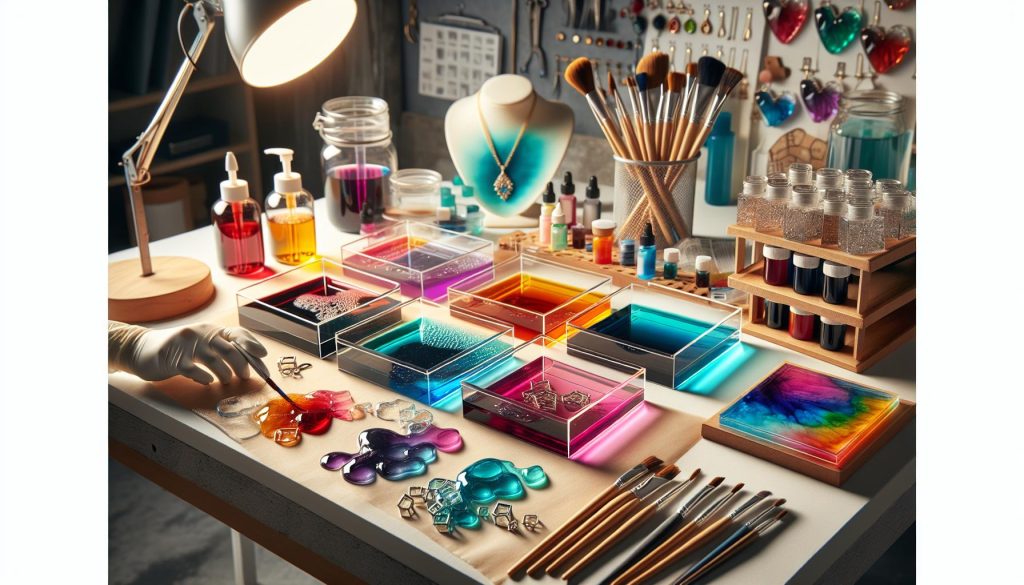
How to Dye Clear Acrylic with Rit Dye for Custom Jewelry Cases

Transform your custom jewelry cases with vibrant colors! Learn how to dye clear acrylic with Rit Dye for stunning, personalized designs. Get started today!

How To Paint Water With Acrylics: Fluid Jewelry Art Techniques

How To Paint Water With Acrylics: Fluid Jewelry Art Techniques

Learn how to paint water with acrylics using fluid jewelry art techniques! Discover tips that elevate your art and engage viewers like never before!

Will Acrylic Paint Stick To Glass: Perfect Cabochon Creation
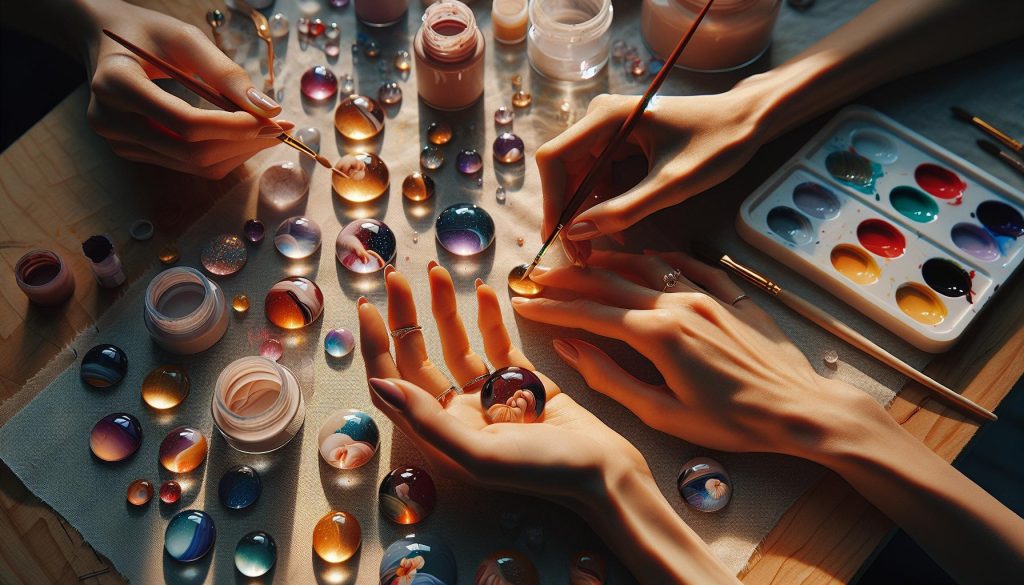
Will Acrylic Paint Stick To Glass: Perfect Cabochon Creation

Unlock your creativity! Learn if acrylic paint sticks to glass and master cabochon creation. Discover tips and tricks for flawless DIY jewelry today!

How to Make Jewellery From Sea Glass: Beach Craft Magic

How to Make Jewellery From Sea Glass: Beach Craft Magic

Discover how to make stunning jewellery from sea glass! Learn DIY techniques, care tips, and styling advice to transform your beach finds into wearable magic.

Can You Use Acrylic Paint on Glass? Pro Tips for Perfect Results

Can You Use Acrylic Paint on Glass? Pro Tips for Perfect Results

Unlock stunning results with acrylic paint on glass! Discover pro tips for flawless application and vibrant designs. Transform your projects today!

Does Acrylic Paint Wash Off Skin? Quick Jewelry Crafting Guide
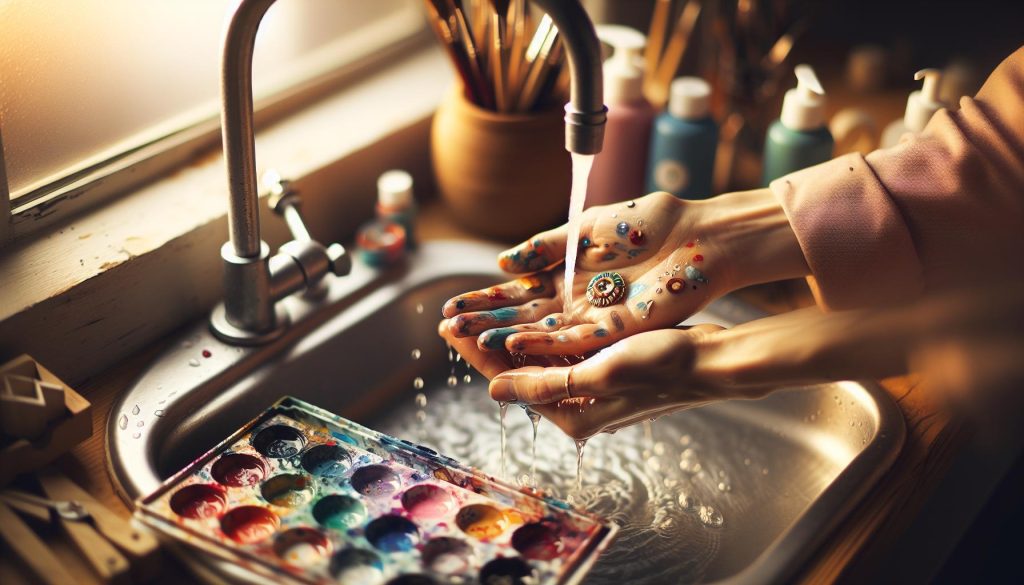
Does Acrylic Paint Wash Off Skin? Quick Jewelry Crafting Guide

Discover if acrylic paint washes off skin with our quick jewelry crafting guide! Get expert tips for easy clean-up and unleash your creativity today!

How to Paint Flowers in Acrylic: Step-by-Step Masterclass

How to Paint Flowers in Acrylic: Step-by-Step Masterclass

Unlock your creativity! Learn how to paint flowers in acrylic with our step-by-step masterclass. Discover tips, techniques, and vibrant ideas that bloom!

How to Bend Acrylic Sheets for Custom Jewelry Display Cases

Learn how to bend acrylic sheets for custom jewelry display cases! Discover simple techniques to create stunning showcases and elevate your craft today!

Can You Paint Glass with Acrylic Paint for Jewelry Displays?

Can You Paint Glass with Acrylic Paint for Jewelry Displays?

Discover if you can paint glass with acrylic paint for jewelry displays! Unleash your creativity and find expert tips to elevate your showcase today!

← Previous
Next →
  • Homepage
  • Blog
  • About Us
  • FAQ
  • Contact
  • Privacy Policy
  • Homepage
  • Blog
  • About Us
  • FAQ
  • Contact
  • Privacy Policy

© 2025 MissJ.eu Jewelry Magazine. All rights reserved.

Follow Us

Facebook X-twitter Instagram
AI Editorial Policy