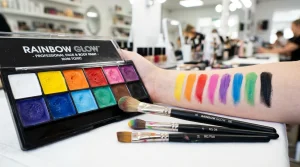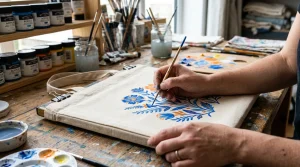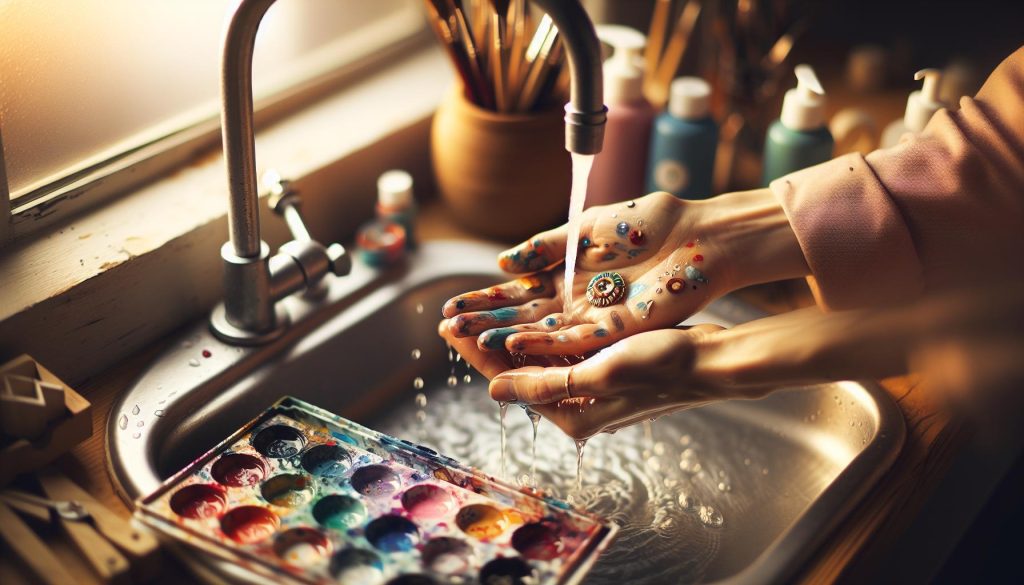
When diving into the vibrant world of jewelry crafting, acrylic paints can add an exciting pop of color to your creations. However, an essential question looms: does acrylic paint wash off skin? Knowing how to manage paint mess while expressing your creative flair is crucial for both seasoned artisans and enthusiastic beginners. Understanding the cleaning process not only helps maintain your skin but also keeps your crafting area tidy, allowing you to focus on what truly matters-your art. In this guide, we’ll explore safe and effective methods to ensure you can enjoy your crafting without the worry of stubborn paint stains. Get ready to unleash your creativity with confidence!
Does Acrylic Paint Wash Off Skin? Understanding Safety and Cleanup
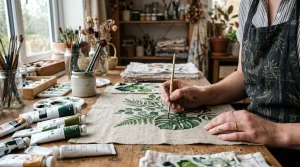
When it comes to crafting jewelry with acrylic paint, many crafters wonder how to manage paint that strays onto their skin. The good news is that acrylic paint is water-based, making it generally easier to clean off skin compared to oil-based paints. However, timeliness is key. The sooner you act, the less likely the paint will set, which can make it more challenging to remove.
For quick clean-up, wash the affected area with warm, soapy water using a gentle hand soap. If the paint has dried, a little rubbing alcohol or hand sanitizer can effectively break down the acrylic, making it easier to scrub off with a soft cloth. For sensitive skin, consider using baby oil or a gentle moisturizer; these can help dissolve the paint without harsh scrubbing.
To prevent messes while crafting, you might want to wear gloves when painting. Not only does this protect your skin, but it also saves time in clean-up, allowing you to focus on your creative process. Additionally, a drop cloth or newspaper under your work area can catch any accidental spills, keeping your crafting space neat and tidy. In cases where paint does get on the skin, always have a clean cloth or paper towel handy to swiftly wipe away any excess before it dries.
Being proactive and prepared can transform your crafting experience. With these simple strategies, you can enjoy using acrylic paints without the worry of unwanted stains on your skin. Remember, acrylic paints are a fantastic tool for adding vibrant colors to your jewelry making, and with a little care, cleanup can be just as colorful!
The Basics of Acrylic Paint and Skin Interaction
Acrylic paint is a popular medium among crafters, especially for jewelry making, due to its vibrant colors and versatility. One of the most commonly asked questions is how it interacts with skin and what the best practices are for managing unintentional contact. Fortunately, acrylic paint is water-based, which generally makes it easier to wash off compared to oil-based alternatives. It is crucial to understand the properties of acrylic paint in relation to skin contact to enhance your crafting experience.
The interaction between acrylic paint and skin is relatively benign; most paints in this category are formulated with non-toxic materials. However, the fast-drying nature of acrylics means that immediate action is essential if the paint makes its way onto your skin. Timeliness can be critical: the quicker you act, the less chance there is for the paint to set and become challenging to remove. While fresh paint can be quickly cleansed with soap and water, dry acrylic can adhere more stubbornly, necessitating either a gentle abrasive or a solvent like rubbing alcohol for thorough removal.
To make the cleanup process seamless, it is helpful to keep a few cleansing supplies on hand while crafting. Consider using a soft cloth or paper towels to gently scrub away any excess paint before it dries, as this will minimize staining risks. Additionally, sensitive skin types can benefit from using hypoallergenic soaps or gentle oils, which can effectively dilute the paint particles without irritating the skin. This proactive approach empowers you to focus on your creative projects without dread of long-lasting messes.
In summary, understanding how acrylic paint interacts with skin-and the methods to manage accidental contact-creates a more enjoyable crafting experience. By being mindful and prepared, you can unleash your creativity while confidently crafting beautiful jewelry pieces without the worry of unwanted stains.
Expert Tips for Quick Skin Cleanup
It’s easy to get caught up in the enthusiasm of jewelry crafting with acrylic paint, but dealing with accidental splashes on your skin can feel daunting. Fortunately, a quick response is your best ally! The water-based nature of acrylics means that addressing any paint mishaps right away can prevent long-lasting marks. If you find yourself in a paint predicament, consider having these essentials ready at your crafting station.
First and foremost, keep a supply of wet wipes handy. These are incredibly effective for immediate cleanup, as they can grab excess paint without requiring water or soap. If you’re already near a sink, don’t hesitate to use warm, soapy water. Create a lather and gently scrub the affected area; the sooner you act, the easier the paint comes off. If the acrylic has set a bit, try using a gentle exfoliating scrub or a soft washcloth to lift the paint.
For those crafting sessions where you expect more paint than usual, consider using barrier creams. A layer of lotion or even petroleum jelly on your skin can create a protective barrier, minimizing direct contact with the paint. If you do get paint on your skin, a little baby oil can work wonders, cutting through the acrylic while nourishing your skin in the process.
Lastly, always keep in mind the long-term effects of any products you use. Opt for non-toxic soaps and gentle cleansers that won’t irritate sensitive skin. Awareness of your skin type will guide you to the right products-those with sensitive skin might favor hypoallergenic options or oil-based cleansers that can dissolve acrylic paint effectively without harsh scrubbing.
By integrating these quick cleanup tips into your crafting routine, you ensure that mishaps won’t stifle your creativity. With a little preparation and prompt action, you can keep your hands-and your crafting passion-clean and vibrant!
Best Practices for Preventing Acrylic Paint Mess
Creating jewelry with acrylic paint can be a vibrant and fulfilling craft, but it can also lead to unintended messes that might hinder your creative flow. To ensure a more enjoyable and cleaner crafting experience, it’s essential to incorporate effective strategies for preventing acrylic paint messes. One of the simplest yet most effective methods is to design your workspace wisely. Use a large, flat surface that is easily cleanable, such as a plastic or vinyl tablecloth, which can be wiped down after crafting sessions. Layering old newspapers or disposable plastic sheets can also provide an easy-to-clean barrier against spills.
In addition to setting up a clean crafting zone, wearing appropriate clothing is crucial. Don an old shirt or an apron specifically designated for your crafting projects; this way, you won’t worry too much about any accidental splashes. Remember to keep your hair tied back or wear a headband to prevent any wayward strands from getting paint on them. Another practical tip is to organize your materials in advance. Have all your paints, brushes, and jewelry components at hand before diving into your project to minimize the need to reach across your workspace, which could lead to inadvertent spills.
Using tools designed for precision can also help reduce mess. Consider investing in fine-tipped paint applicators or brushes that allow for more control. This not only enhances your painting accuracy but also minimizes paint splatter. Always opt for disposable or easily washable brushes and tools when possible, allowing for easy cleanup without the stress of preserving expensive materials.
Lastly, establish a habit of cleaning as you go. Keep a small water bowl nearby for rinsing brushes immediately after use, and have paper towels or rags on hand to wipe up any spills right away. By fostering a proactive approach to your crafting sessions, you’ll minimize the likelihood of paint ending up on your skin or in unwanted areas, allowing your creativity to flourish without the worry of a messy outcome.
Crafting Jewelry: Essential Supplies and Techniques
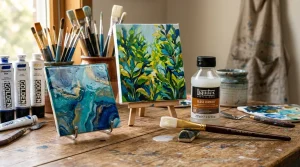
Creating stunning jewelry pieces using acrylic paint can ignite your creativity and allow for unique expressions of style. To embark on this vibrant journey, having the right supplies and techniques at your disposal is essential for both beginners and seasoned crafters. Acrylic paint is a versatile medium, providing endless color possibilities and easy application, making it an ideal choice for crafting personalized jewelry.
To get started, gather the necessary supplies, including:
- Acrylic Paints: Choose a variety of colors to expand your creative options. Look for high-quality, non-toxic brands suitable for crafts.
- Jewelry Bases: Depending on your project, this can include wooden beads, metal charms, or acrylic blanks specifically designed for painting.
- Brushes: Use a range of brushes, from fine-tipped for detailed work to wider brushes for larger areas. Foam brushes can also be beneficial for an even coat.
- Sealants: After painting, protect your creations with a clear acrylic sealant to enhance durability and shine.
- Workspace Supplies: Don’t forget protective coverings for your workspace, like plastic sheets or old newspapers, and tools for easy cleanup.
Once you have your materials ready, mastering a few key techniques can significantly enhance your crafting experience. Start with a clean base; ensure your jewelry items are free from dust and grease for optimal paint adherence. Experiment with blending and layering colors; acrylic paints dry quickly, allowing for the easy addition of textures and effects. You can also use techniques like sponging or stippling to give your pieces unique patterns. Don’t hesitate to try marbling effects by swiping two contrasting colors together for an eye-catching result.
Finally, remember that practice is key. Don’t be discouraged by initial imperfections; they often lead to distinctive styles that can make your jewelry truly one-of-a-kind. With the right supplies and techniques in hand, you’ll be well on your way to creating beautiful, personalized jewelry that showcases your creativity while keeping the worry of paint on your skin at bay. Embrace the messiness of the process, and get ready to enjoy the vibrant world of acrylic paint in jewelry crafting!
Step-by-Step Guide to Jewelry Crafting with Acrylics
Creating vibrant and personalized jewelry with acrylic paint can be an exciting journey into self-expression and creativity. To help you navigate this colorful process, here’s a step-by-step guide that outlines everything from preparation to the finishing touches, ensuring that you not only make beautiful pieces but also enjoy a mess-free experience.
Start by preparing your workspace and materials. A clean, designated area will help keep distractions at bay and make cleanup easier later on. Lay down old newspapers or plastic sheets to protect your surfaces from potential spills. Gather your supplies, including a variety of acrylic paints, jewelry bases like wooden beads, metal charms, or acrylic blanks, a selection of brushes for different techniques, and a clear sealant to finish your pieces.
Once you have your space ready, it’s important to start with a clean base. Before applying any paint, wipe down your jewelry components with a lint-free cloth to remove dust and oils. Choose a color palette that inspires you; remember, acrylic paints allow for blending and layering, so don’t hesitate to experiment. You can apply your base color with a broader brush, then switch to finer brushes for details. Techniques such as sponging can create lovely textures, while stippling can add unique patterns. For a creative twist, try marbling by swirling two contrasting colors together to produce eye-catching designs.
After painting, allow your creations to dry completely. The drying time may vary based on the thickness of the paint layers-generally, it takes about 15 to 30 minutes for acrylics to dry to the touch. Once dry, enhance the durability of your jewelry by applying a clear acrylic sealant. This step not only protects your artwork but also adds a professional finish to your pieces. For a polished look, let the sealant cure as per the manufacturer’s instructions before wearing or selling your creations.
Lastly, always remember to clean your brushes and workspace promptly to prevent acrylic paint from hardening on your tools. Using warm, soapy water usually does the trick, making cleanup a breeze and ensuring that you’re ready for your next creative endeavor. By following these steps, you’ll produce stunning jewelry while maintaining a tidy crafting space, allowing your artistic journey with acrylics to flourish!
Creative Ways to Use Acrylic Paint in Jewelry
Acrylic paint is exceptionally versatile, making it an ideal medium for adding a splash of color and personality to jewelry. With its quick-drying and water-resistant properties, acrylics allow artisans to explore creative avenues that can transform ordinary pieces into stunning statement jewelry. Whether you’re crafting personalized gifts or just want to express your style, incorporating acrylic paint can take your creations to the next level.
One exciting approach is to use acrylic paint to create custom designs on wooden or resin jewelry. This can involve simple brush techniques for solid colors or more complex methods like marbling and splattering for a unique look. Consider starting with a base color that complements the material of your jewelry, then layering different shades to create depth. For example, you might paint wooden bangles with vibrant hues, allowing some of the wood grain to show through for a rustic effect. Pairing multiple colors can also yield interesting patterns that draw the eye.
Another fun idea involves using acrylic paint to embellish metal surfaces or fabric components. When painting on metal, it’s essential to use a primer specifically designed for metal or a multi-surface acrylic paint to ensure good adhesion. After painting, finish with a sealant to protect your design and enhance durability. For fabric or leather jewelry, fabric acrylics can be applied to create detailed patterns or illustrations, allowing you to customize everything from earrings to bracelets with your unique flair.
Don’t overlook the potential of stenciling and stamping techniques! Create more intricate designs by using stencils or stamps with acrylic paint on your jewelry pieces. This allows for a much more precise application and can add an elegant, sophisticated touch to your creations. You can also experiment with texture using sponges or brushes to create patterns akin to a watercolor effect on acrylic bases, elevating your jewelry to an artistic level.
By utilizing these methods, you can experiment and push the boundaries of your creativity. Acrylic paints not only enable you to express your unique style in jewelry making, but they also provide endless opportunities to learn new techniques and refine your craft. So gather your supplies and let your imagination flow-your next masterpiece awaits!
Alternative Methods for Skin Cleanup After Crafting
Acrylic paint is a popular choice for creative projects, but when it comes to cleanup, it can be a bit tricky-especially when it ends up on your skin. Fortunately, there are several effective methods to clean acrylic paint off your skin quickly and safely, allowing you to enjoy your crafting without worry.
One of the simplest ways to remove acrylic paint is by using soap and water. Start by rinsing the affected area under lukewarm water, then apply a generous amount of soap. Lather the soap onto the skin, gently scrubbing until you notice the paint lifting away. Rinse thoroughly with water to ensure all paint and soap residues are completely gone. This method is effective for most paint applications, especially if the paint hasn’t had time to dry completely.
For those stubborn stains where soap and water fall short, consider adding some household oil, such as olive oil or baby oil. The oil works wonders in breaking down the acrylic polymer’s chemical bonds. Apply a small amount directly onto the stained area, massage it in gently for a minute or so, and then wipe it off with a clean cloth or paper towel. Follow up with soap and water to remove any oily residue, ensuring your skin stays clean and nurtured.
Professional Cleanup Products
If you regularly work with acrylics and find them difficult to remove, investing in specialized paint removers designed for latex and acrylic paints can be beneficial. These products typically come in various forms, including wipes, sprays, and gels. Always read the instructions carefully to ensure they are safe for use on skin, and perform a patch test to avoid any adverse reactions.
Additional Tips for Easy Cleanup
To minimize mess during future crafting sessions, consider these practical tips:
- Protective Barriers: Wear gloves while painting to prevent acrylics from touching your skin.
- Immediate Action: Tackle spills and splatters as soon as they happen, as fresh paint is much easier to remove.
- Use Craft Aprons: An apron can shield your clothing and reduce the likelihood of skin contact.
With these cleaning methods and preventive measures, you can enjoy the creative process of jewelry crafting without the stress of dealing with stubborn paint cleanup. Let your imagination run wild, knowing that small mishaps can be easily managed!
Protection Measures for Safe Crafting with Acrylics
Crafting with acrylics can be a delightful experience, but ensuring a safe and mess-free environment is crucial for both enjoyment and creativity. By implementing a few strategic protection measures, you can minimize the risks associated with acrylic paint, whether you’re a seasoned jewelry maker or just starting your crafting journey.
One of the most effective ways to protect yourself is by investing in quality protective gear. Wearing gloves while painting is a simple but powerful measure; it prevents your skin from coming into direct contact with paint, which can be difficult to remove once dried. Brands offer a variety of disposable or reusable options, ensuring that you can find a pair that suits your crafting style. Additionally, using craft aprons can shield your clothes and further reduce the risk of incidental contact with paint, allowing you to focus on your creativity without worrying about stains.
Another key tactic is maintaining an organized workspace. Designate a specific area for your crafting, ensuring it’s easy to clean and that all your materials are within reach but out of the way when not in use. Cover surfaces with disposable craft paper or old newspaper to catch spills and splatters. This approach not only helps contain messes but also makes cleaning up afterward a breeze. Regularly organizing and purging your workspace will keep you focused and can prevent unintentional accidents.
Moreover, always keep cleaning supplies on hand while you work. Having soap, water, and paper towels readily accessible allows for immediate action if paint accidentally gets on your skin or surfaces. If you frequently work with acrylics, consider creating a cleanup kit that includes specialized paint removers-these are specifically designed to tackle dried paint safely. This proactive strategy will ensure that even if mishaps occur, they can be dealt with promptly and effectively.
Ultimately, by prioritizing safety and preparing your crafting area, you can unleash your creativity without the stress of potential messes. With the right techniques and tools in place, you’ll find that crafting beautiful jewelry with acrylics becomes not only enjoyable but also a worry-free experience.
Common Misconceptions About Acrylic Paint on Skin
Crafting with acrylics opens up a world of color and creativity, but many crafters harbor misconceptions about the impact of acrylic paint on skin. One common myth is that acrylic paint is completely harmless and easily washed off once it dries. In reality, while acrylic paint is water-based and can be less toxic than oil-based alternatives, it still contains pigments and additives that may irritate sensitive skin or cause allergic reactions, especially for those with pre-existing skin conditions.
Another misconception is that soap and water are always effective for removing dried acrylic paint. Once the paint has set, it can bond to the skin, making it much more challenging to remove. For quick cleanup, it’s essential to act swiftly; using warm soapy water before the paint dries can help immensely. Moreover, pairing soap with a gentle scrub or a soft cloth can be very effective. In cases where paint has dried, an alternative method includes using baby oil or rubbing alcohol to gently loosen the paint before washing the area with soap.
Many also believe that wearing gloves is unnecessary, thinking acrylic paint washes off the skin effortlessly. However, preventive measures are always better than reactive cleaning. Wearing gloves not only protects your skin from contact but also makes cleanup much easier. If paint does happen to get on your skin, having a designated cleanup kit with appropriate removers can save time and reduce potential irritation.
Lastly, some crafters think that once the paint is applied, it’s a permanent part of their skin until it wears off. In truth, with the right techniques and cleaning supplies at hand, maintaining a mess-free crafting session is entirely possible. Educating yourself on the nature of the materials you work with empowers you, allowing you to enjoy your creative process while keeping your skin safe and healthy.
How to Remove Acrylic Paint from Various Skin Types
When acrylic paint makes its way onto the skin, the removal process can vary depending on the skin type and the paint’s drying stage. Fortunately, knowing the best methods for different skin types can ease any anxiety about crafting mishaps and ensure a smooth cleanup experience.
For normal skin, the most effective method is to act quickly. Use warm, soapy water and a soft cloth or sponge to gently scrub the area before the paint dries. If the paint has dried, substances like baby oil or olive oil can be used to break down the paint. Simply apply a small amount to the affected area and let it sit for a few minutes before wiping it away with a cloth. Follow this up with a gentle soap wash to remove any leftover residue.
Individuals with sensitive skin should take extra precautions. Avoid harsh scrubs or strong chemicals that could irritate. Instead, opt for natural oils like coconut oil or specialized skin-safe paint removers. Apply the oil to the area and massage it gently; this will help lift the paint without causing irritation. Always follow up with a mild soap to cleanse the skin thoroughly. If you notice any redness or irritation, it’s best to seek advice from a dermatologist.
For those with oily skin, the challenge usually lies in the paint adhering strongly due to excess oil. Start by applying a small amount of rubbing alcohol or nail polish remover on a cotton pad to dissolve the paint. Be sure to test a small area first to ensure that your skin reacts well to the product. After successfully lifting the paint, wash the area with a gentle soap to avoid any greasy residue.
No matter your skin type, keeping a cleanup kit handy with oil, soap, and cotton pads can make unfortunate spills feel far less daunting. Establishing these habits will empower you to enjoy your creative pursuits without the worry of a messy aftermath!
Preventing Stains: Effective Tips for Crafters
When it comes to crafting with acrylic paint, preventing stains on your skin can save a lot of time and effort during cleanup. One of the most effective strategies is to plan ahead and set up your workspace thoughtfully. Before you start painting, lay down protective coverings like old newspapers, drop cloths, or plastic sheets. This minimizes the chance of paint splatters landing on your skin. Additionally, wearing an apron or old clothing can help shield your skin and attire from accidental spills.
A little proactive care can further reduce the risk of paint sticking to the skin. Applying a thin layer of barrier cream or lotion can create a protective barrier, making it easier to wipe away paint without scrubbing. This is especially beneficial if you know you’ll be using multiple colors or techniques that may lead to messier applications.
During your crafting session, consider using tools that keep your hands cleaner. For instance, using paintbrushes, sponges, or palette knives reduces direct contact with the paint. Also, keep baby wipes or wet paper towels nearby for immediate cleanup of any accidental smudges as you work. This practice helps prevent the paint from drying on your skin, making it easier to manage and clean.
Lastly, always remember that a calm crafting space promotes mindfulness. The more relaxed and focused you are, the less likely you are to make a mess. Combine these tips for an enjoyable crafting experience without the worry of pesky paint stains!
Frequently asked questions
Q: How do I remove dried acrylic paint from skin?
A: To remove dried acrylic paint from skin, soak the area in warm, soapy water for several minutes, then gently scrub with a soft cloth or sponge. For stubborn spots, use rubbing alcohol on a cotton ball to dissolve the paint. Always rinse your skin thoroughly afterward.
Q: Is acrylic paint safe for skin contact?
A: Acrylic paint can be safe for short-term skin contact, but it is not designed for the skin and may cause irritation. Always do a patch test before using it on skin. Refer to the “Understanding Safety and Cleanup” section for more details on safe crafting practices.
Q: Can I use baby oil to clean acrylic paint off skin?
A: Yes, baby oil can effectively break down acrylic paint. Apply a small amount to the area, let it sit for a minute, and then wipe away gently with a cloth. This method is gentle on the skin and effective for paint removal.
Q: What should I do if acrylic paint irritates my skin?
A: If acrylic paint irritates your skin, wash the affected area immediately with soap and water. Apply a cool compress to soothe irritation. If symptoms persist, consult a healthcare professional for further advice.
Q: How can I prevent acrylic paint from getting on my skin while crafting?
A: To prevent acrylic paint from getting on your skin, wear gloves or an apron. Set up a dedicated crafting area with protective covers. Refer to the “Best Practices for Preventing Acrylic Paint Mess” section for further tips.
Q: Does acrylic paint come out of clothes?
A: Acrylic paint can stain clothes, but it is removable if treated quickly. Rinse the fabric with cold water, then apply liquid laundry detergent directly to the stain. Wash in the warmest water safe for the fabric. Check the “Common Misconceptions About Acrylic Paint on Skin” section for more insights on acrylic paint care.
Q: How can I effectively clean my tools after using acrylic paint?
A: Clean your tools immediately after use by rinsing them under warm water. For brushes, use soap or a brush cleaner to remove all paint. For palettes, scrape off excess paint and wash with soap and water. The “Expert Tips for Quick Skin Cleanup” section also discusses effective cleanup methods.
Q: What alternatives to acrylic paint can I use for jewelry crafting?
A: Alternatives to acrylic paint for jewelry crafting include alcohol inks, enamel paints, and specialty resin paints, which provide vibrant color with various finishes. Check the “Creative Ways to Use Acrylic Paint in Jewelry” section for more inspiration on crafting materials.
The Way Forward
In conclusion, understanding how to effectively manage acrylic paint can transform your jewelry crafting experience. Remember, quick clean-up and proper care not only enhance your creativity but also protect your skin and your beautiful designs. Ready to dive deeper? Explore our guides on jewelry care and cleaning metals and gems to elevate your crafting skills. Don’t forget to check out our DIY tutorials for more inspiring projects that celebrate your artistic flair!
Join our community by signing up for our newsletter, where you’ll get tips and exclusive resources straight to your inbox. Share your crafting journey with us in the comments below, and let’s inspire one another! As you embark on your next creative adventure, keep experimenting with materials and styles-your next masterpiece is just around the corner!
Get our latest guides, news, and insights highlighted in your Google Search & AI Overviews.