Have you ever wondered if the precious necklace you cherish will hold its value over time? Many people invest in jewelry, but the reality is that jewelry can depreciate, influenced by factors like trends, craftsmanship, and brand prestige. Understanding the intricacies of jewelry valuation is essential for collectors and casual wearers alike. By examining these value secrets, you can make informed decisions about purchasing, maintaining, and even selling your beloved pieces. Join us as we dive into the world of jewelry depreciation, uncovering the truths that can empower you to protect your investments and select timeless treasures. Let’s explore how to navigate the delicate balance of style, function, and value in your jewelry journey!
Does Jewellery Depreciate? Unveiling Your Investment Potential
Jewelry often evokes sentiments of luxury and timelessness, yet it’s essential to understand the nuances of its value over time. Generally, jewelry tends to depreciate, influenced by various factors. While it may carry sentimental value, most pieces lose a significant percentage of their retail price shortly after purchase. On average, retail jewelry can depreciate around 20% to 50% immediately after the transaction. This depreciation occurs as jewelry is primarily considered a luxury commodity, similar to cars and other luxury goods, where the resale value often falls short of the initial purchase price [[1]].
Factors that contribute to this decline in value include the brand reputation, quality of materials used, and design appeal. Jewelry made with high-quality materials like gold or platinum tends to maintain its value better than those made with lesser metals. Various gemstone attributes, such as clarity, size, and rarity, also play a crucial role in determining how well a piece holds value over time. Furthermore, fashion trends can significantly impact demand; certain styles may rise and fall in popularity, affecting resale potential. For those looking to invest wisely, understanding these dynamics can help refine future purchasing decisions and mitigate losses in value [[2]].
Investing in jewelry is more than just purchasing for personal use; it can also involve strategic decisions aimed at preserving and enhancing value. This understanding can empower collectors and newcomers alike to view their jewelry not just as adornment but as a potential investment. With careful selection and maintenance, you can protect your jewelry from the inevitable depreciation, allowing for a unique blend of style and investment potential.
Understanding Jewellery Value: Basics You Need to Know
Jewelry is often viewed as a tangible asset, evoking notions of luxury and sentimentality. However, understanding the value of jewelry goes beyond the initial purchase price. As soon as you buy a piece, it may lose an estimated 20% to 50% of its retail value, similar to the depreciation of a car. This reality creates an essential conversation about how to navigate the jewelry market wisely and retain value in your investments.
To start, it’s crucial to consider the factors influencing jewelry value. Brand reputation can significantly affect resale prices; items from well-established or luxury brands typically command higher resale values due to their perceived prestige. Additionally, the quality of materials plays a critical role-pieces crafted from precious metals like gold and platinum generally fare better than those made from less valuable alloys. The intrinsic qualities of gemstones, including their clarity, carat weight, and rarity, can also enhance or diminish a piece’s worth over time.
Fashion trends heavily impact jewelry’s desirability as well. Styles that are currently in vogue will likely fetch a higher price compared to those that have fallen out of favor. For example, vintage pieces can gain value due to their unique charm and trending popularity. Therefore, staying informed about market trends can be advantageous for those looking to invest in jewelry.
Moreover, proper care and maintenance can significantly influence a piece’s longevity and resale value. Regular cleaning, safe storage, and appropriate handling can prevent wear and tear, preserving the jewelry’s aesthetics and integrity. Ultimately, recognizing these elements-brand reputation, materials, market trends, and maintenance-can equip you with the knowledge to make informed decisions about your jewelry purchases, turning them into not just sentimental treasures but also strategic investments.
Factors Influencing Jewellery Depreciation Explained
Understanding how jewelry depreciates can be vital for making informed purchasing decisions and preserving investment value. Jewelry doesn’t just hold sentimental value; its financial potential is intertwined with several factors that can affect its resale price. For example, freshly purchased pieces often lose a significant portion of their original cost-estimated between 20% to 50%. This immediate drop mirrors the depreciation faced by automobiles, highlighting the importance of knowing what influences jewelry’s value over time.
Brand Reputation
A key factor in depreciation is the brand’s reputation. Established luxury brands tend to retain their value more effectively than lesser-known companies. This is because consumers are often willing to pay a premium for the prestige and perceived craftsmanship associated with recognized names. For instance, a diamond ring from Cartier is likely to fetch a higher resale price compared to a similar piece from an unknown jeweler, despite potentially equal quality.
Material Quality
The materials used in jewelry can greatly affect its value. Precious metals like gold and platinum generally offer better resale potential compared to base metals or less desirable alloys. Similarly, high-quality gemstones, characterized by clarity and rarity, will hold their value longer than mass-produced stones with average qualities. Understanding the composition of your jewelry can thus aid in preserving its resale potential.
Market Demand and Trends
Changes in fashion and consumer demand can dramatically influence jewelry values. Items in demand today might lose appeal tomorrow; for example, minimalist designs are currently trendy, while other styles might fall out of favor. Vintage and antique pieces often see a resurgence in interest, causing their values to spike as well. Staying informed about these shifts can help you time your sale for maximum return.
Condition and Care
The physical condition of your jewelry can also impact its resale value. Proper care-such as cleaning, storing, and maintaining pieces-can prevent excessive wear and tear, preserving aesthetics and integrity. Regular inspections to check for loose stones or signs of damage can extend a piece’s lifespan and, ultimately, its market value. By taking proactive steps to maintain your jewelry, you can mitigate some depreciation risks associated with ownership.
By understanding these factors-brand reputation, material quality, market trends, and proper care-you can make more educated choices when purchasing jewelry, potentially turning sentimental items into lucrative investments.
Materials Matter: Which Metals Hold Value Best?
Gold, platinum, and silver have long been celebrated not just for their beauty but also for their potential to retain value. When considering the materials for your jewelry investments, understanding which of these precious metals hold value best is crucial. Gold tends to be the most recognized and sought-after metal, with a stable market presence that often withstands economic fluctuations. Its timeless appeal is not just aesthetic; historical data suggests that gold jewelry can maintain approximately 70-90% of its value when properly maintained and sold in favorable market conditions.
Gold
Gold comes in various purities, commonly measured in karats. The higher the karat, the more gold content remains, which typically correlates with higher resale value. For instance, 24K gold is pure, while 18K and 14K contain more alloyed metals. When selecting gold jewelry, pieces that are crafted in higher karats not only look pristine but also offer better investment potential. The global market consistently shows a demand for gold jewelry, making it a reliable choice for investors.
Platinum
Platinum, known for its rarity and durability, presents another excellent option for value retention. Often regarded as more prestigious than gold due to its scarcity, platinum jewelry can command higher prices. This metal is also highly resistant to tarnish and scratches, offering longevity that appeals to collectors and consumers alike. Investing in platinum pieces, especially those marked with a high purity (such as 950 platinum), can be a wise decision in the long term.
Silver
Silver, while beautiful and more affordable, generally holds less value compared to gold and platinum. Its price can be more volatile, influenced by market demand for industrial use and consumer trends. However, high-quality sterling silver (92.5% silver content) stands out for its versatility and appeal. For collectors, vintage sterling silver pieces or items from established brands can still offer decent resale value, especially if they possess unique designs or historical significance.
In summary, while each of these metals has distinct characteristics and potential for value retention, gold and platinum are often considered the safest investments due to their historical price stability and demand. When investing in jewelry, always consider not only the metal but also the craftsmanship and brand reputation, as these factors can significantly impact resale value. By making informed choices about the materials you select, you pave the way for maximizing your jewelry’s investment potential and ensuring that your cherished pieces remain valuable assets over time.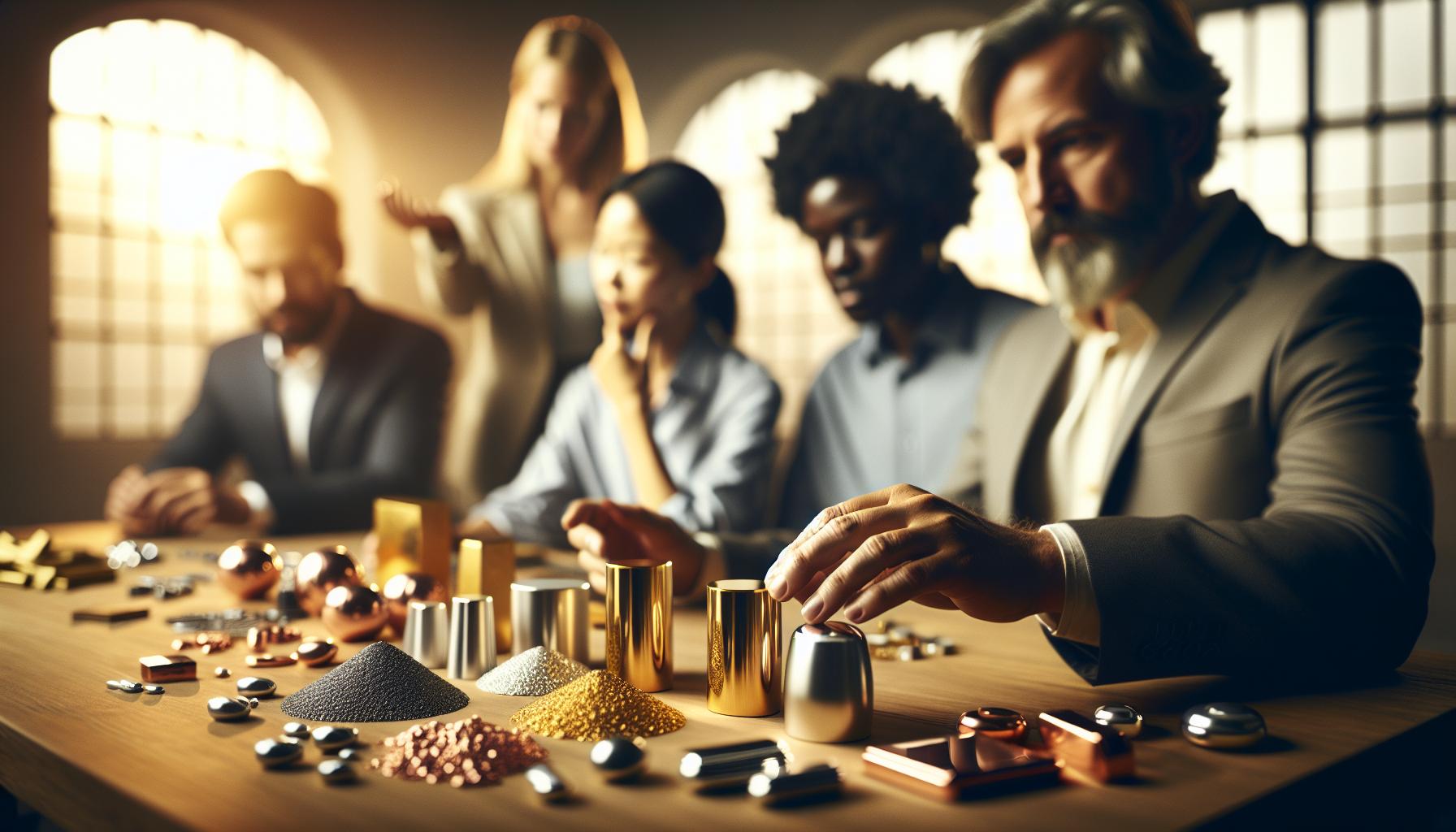
Gemstone Value: Discover What Affects Worth
Understanding the value of gemstones is paramount for anyone looking to invest in jewelry, as these colorful treasures can significantly influence the overall worth of a piece. Various factors come into play when determining the value of gemstones, making it essential to grasp each component that contributes to their allure and market price.
The foremost aspects that affect gemstone value are the infamous “Four Cs”: Cut, Color, Clarity, and Carat weight. Each of these characteristics can elevate a gemstone’s desirability and price.
Cut
The cut of a gemstone affects its brilliance and overall appearance. A well-cut stone reflects light beautifully, enhancing its visual appeal and value. Conversely, a poorly cut stone may appear dull, regardless of its quality in other areas.
Color
Color is often the most significant factor influencing a gemstone’s worth. For example, sapphires are more valuable when they exhibit a deep, rich blue hue, while diamonds are graded on a scale from colorless to light yellow. Vibrant and saturated colors typically command higher prices.
Clarity
Clarity refers to the presence of internal or external flaws, known as inclusions and blemishes, respectively. Stones with fewer visible imperfections are more desirable. High-quality gems, especially diamonds, can be assessed by professional grading systems that determine clarity levels, thus impacting their overall market value.
Carat Weight
Carat weight measures the size of the gemstone. Generally, larger stones carry a higher price tag due to their rarity. However, the increase in value is not linear; the price increases with carat weight often becomes exponential due to supply and demand factors.
Additionally, the source of the gemstone plays a considerable role. Some gemstones, like rubies from Burma, are particularly sought after due to their origin, while others might be considered less valuable based solely on where they are mined.
The prevailing trends in jewelry fashion can also affect gemstone values. For instance, if a particular stone becomes trendy in a given season, its demand may spike, thus increasing prices. It’s crucial for potential investors to stay informed about these trends and adapt their collecting strategies accordingly.
By understanding these facets-cut, color, clarity, carat weight, origin, and the impact of trends-jewelry enthusiasts can make informed decisions, ensuring that their investments sparkle both aesthetically and financially. Keeping abreast of these elements not only enhances your appreciation of gemstones but also empowers you to navigate the jewelry market with confidence.
Jewellery Trends: How Fashion Impacts Resale Value
Fashion trends in jewelry significantly impact resale values, shaping not only desirability but also market dynamics. If you think of jewelry as a blend of art and investment, staying attuned to current trends is as crucial as understanding the inherent qualities of the pieces themselves. For instance, seasonal trends often dictate which styles or gemstones are in vogue, affecting buyer interest and consequently influencing prices.
Emerging trends, such as the recent popularity of mixed metals and children’s jewelry themes, can amplify the value of pieces that align with these movements. Each season, designers introduce new collections that catch the eye, pulling vintage designs out of closets and onto the resale market. Current trends, like layered necklaces or unique pendant designs, can see a spike in demand that reflects in resale prices. For example, as fashion editors highlight specific materials or styles, pieces that embody these trends-like cord necklaces with bold pendants or charming detail jewelry-often attain increased resale potential during their peak popularity [[2]].
Moreover, it’s important to note that classic, timeless pieces often retain or even increase their value regardless of fleeting fashion trends. Investing in such items-those characterized by high craftsmanship or iconic designs-can serve as a hedge against the volatility of trend-based items. For example, a well-crafted pearl necklace may secondarily increase in value as pearl jewelry is gaining traction in contemporary styling [[3]].
Being proactive in understanding trends, while also making judicious selections, ensures a more profitable jewelry investment. By combining knowledge of both high-demand fashion items and the enduring value of classic pieces, investors can strategically navigate the jewelry market, enhancing their collection’s worth over time. Regularly checking brand releases and following fashion publications can provide insights into what may be the next big trend, empowering collectors to act before the next wave hits the market.
Caring for Your Jewellery: Tips to Preserve Value
Caring for your jewelry is essential for preserving its value and ensuring it remains a cherished part of your collection for years to come. Understanding the right ways to maintain and store your pieces can significantly influence their longevity and appeal. Remember that proper care not only keeps your jewelry looking stunning but also helps prevent depreciation by safeguarding against damage and wear.
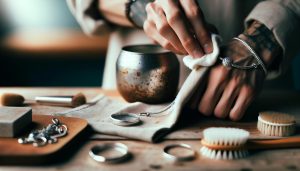
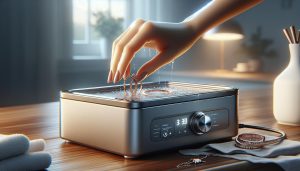
One major aspect of jewelry care is regular cleaning. Before starting, consider the materials of your pieces. For instance, soft gemstones like pearls and opals require gentle cleaning with a damp, soft cloth to avoid scratching, while gold and silver can typically be cleaned with a mild soap solution. Here are some effective cleaning tips:
- Gold and Silver: Soak in warm, soapy water for a few minutes, then gently scrub with a soft toothbrush. Rinse thoroughly and pat dry.
- Pearls: Wipe with a soft, damp cloth immediately after wearing to remove oils and dirt. Deep cleaning should be rare.
- Precious and Semi-Precious Gemstones: Depending on their hardness, use a soft cloth or a specific gemstone cleaner recommended by jewelers.
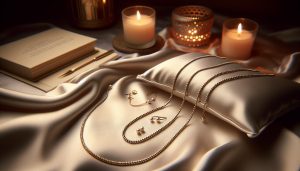
Storage plays an equally important role in preserving your jewelry’s condition. Invest in a jewelry box or organizer with individual compartments to prevent scratches and tangling. Keep pieces away from direct sunlight and extreme temperatures, as these can cause metals to tarnish or gemstones to fade. For fragile items, consider using anti-tarnish strips in your storage to absorb humidity and protect against corrosion.
Additionally, handling your jewelry with care before and after use is crucial. Always put on your jewelry after applying makeup, lotions, or perfumes, as these substances can cause build-up and discoloration over time. When removing your jewelry, take the time to inspect for any signs of damage or wear that might require repairs. Early detection of issues can often prevent costly fixes later.
Incorporating these care strategies not only maximizes your jewelry’s beauty but also enhances its investment potential, ensuring that your treasured pieces are worth every penny when the time comes to pass them on or sell.
DIY Maintenance Tips for Long-Lasting Jewellery
Caring for your jewelry is not just about maintaining its appearance; it’s also about protecting your investment. Did you know that poorly maintained jewelry can lose significant value over time? That’s why implementing a simple DIY maintenance routine can help ensure your pieces remain as beautiful as they were when you first acquired them. Here are some practical tips to consider.
Start with regular cleaning. It’s important to understand that different materials require different approaches. For gold and silver, soak pieces in warm, soapy water for a few minutes. This loosens grime and dirt, making it easier to scrub gently with a soft toothbrush. Rinse thoroughly and pat dry with a soft cloth. For pearls, it’s best to wipe them down with a damp cloth immediately after wearing to remove natural oils from your skin. Remember, deep cleaning pearls should be infrequent to maintain their luster. For gemstones, utilize specific cleaners recommended for their hardness level; a gentle cloth works well for softer stones.
### Storage Solutions
Proper storage is equally crucial for prolonging the life of your jewelry. Investing in a jewelry box that has individual compartments can prevent pieces from scratching or tangling. Avoid exposing your jewelry to extreme temperatures or direct sunlight, as these conditions can tarnish metals and dull gemstones. You might even consider using anti-tarnish strips within your storage area to absorb moisture and protect against corrosion.
### Prevention Tips
When it comes to preventive care, it’s beneficial to handle your jewelry with mindfulness. Always apply makeup, lotions, and perfumes before putting on your jewelry to reduce exposure to harsh chemicals, which can lead to build-up and discoloration over time. Lastly, make it a habit to inspect your pieces for wear and tear regularly. Catching issues early can often save you money on repairs and enhance your jewelry’s long-term value. By integrating these DIY maintenance tips into your routine, you can help ensure that your collection not only remains stunning but also retains its worth for years to come.
How to Authenticate Your Jewellery Investments
Authenticating your jewelry investments is not just about ensuring their quality but also about preserving their value and providing peace of mind. In a market where counterfeits and misrepresented pieces abound, knowing how to verify your jewelry can safeguard your investment and enhance your confidence as a collector. Techniques and technologies for authentication can range from straightforward visual examinations to advanced scientific testing.
To start, always do your research on the piece you are considering. Familiarize yourself with the specific designer or manufacturer’s markings. Authentic jewelry often carries distinguishing hallmarks or stamps indicating precious metals or the designer’s logo. Websites or books detailing these marks can be invaluable resources. The more you know about the characteristics of genuine articles, the better equipped you will be to spot anomalies that might suggest a fake.
For more thorough verification, consider leveraging professional authentication services. These experts utilize a variety of methods, including gemology testing for gemstones and spectroscopy for metals, to determine the authenticity of a piece accurately. Some services even provide certificates of authenticity, which can add to your investment’s resale value. If you’re contemplating the purchase of high-value jewelry, investing in these services can be worthwhile to protect against significant financial loss.
Lastly, one of the simplest yet most effective ways to verify authenticity comes from your own hands: ask for documentation. Trusted jewelers or vendors will often provide appraisal certificates or receipts that detail the specifics of the piece. These documents not only assure you of your purchase’s legitimacy but also serve as essential records should you ever decide to sell or insure your jewelry. By prioritizing authentication, you not only secure the future value of your jewelry investments but also enjoy the peace of mind that comes with knowing your collection is genuine.
Starting a Jewellery Business: Key Insights for Success
Starting a jewellery business can be an exciting venture, especially in a world where personal style and unique accessories are in high demand. To succeed in this competitive market, you need not only a passion for design but also a strategic approach that considers both artistic vision and business acumen. One key to thriving in the jewellery industry is understanding the nuances of jewellery value and depreciation, which can directly influence your product offerings and pricing strategies.
To begin with, extensive market research is crucial. Knowing your target audience-who they are, what they value in jewellery, and how much they are willing to spend-can guide your design and purchasing decisions. Consider exploring niche markets, such as sustainable or ethically sourced materials, which are increasingly popular among conscious consumers. Engaging with potential customers through social media can also provide valuable feedback and help you tailor your collections to meet their preferences.
In addition to understanding your audience, the choice of materials significantly impacts your jewellery’s value and appeal. Always prioritize quality materials that retain their worth over time. Metals like gold, platinum, and silver are excellent choices, as they consistently hold value. Similarly, selecting high-quality gemstones can elevate your pieces and position your brand as a premium option in the marketplace. As you plan your collections, consider also including pieces that incorporate trending metals and gems, as following trends can enhance resale potential.
Effective branding and storytelling can also set your business apart. Customers often connect more deeply with brands that offer more than just products; they seek a narrative that resonates with their lifestyle. Whether it’s through sharing the journey of your designs or the sources of your materials, create a narrative that engages and inspires your clientele. Additionally, showcasing authentic craftsmanship and providing certifications for your materials can help build trust and enhance the perceived value of your jewellery.
Lastly, as you grow your business, don’t overlook the importance of building a solid online presence. An engaging website paired with a robust social media strategy allows you to reach a broader audience, showcase your collections, and share valuable content about jewellery care, styling, and trends. This not only helps in promoting your products but also establishes your expertise in the jewellery field, creating a community of loyal customers who appreciate your insights and designs. By focusing on these key aspects, you can successfully navigate the jewellery market and enhance your brand’s longevity in an ever-evolving landscape.
Storage Solutions: Protecting Your Collection
Proper storage is essential for maintaining the integrity and value of your jewellery collection. The way you store your pieces can significantly affect their condition and longevity. For instance, gold and silver can tarnish if exposed to air or humidity, impacting their resale value. A well-organized storage solution not only protects against physical damage but also keeps your collection in pristine condition for years to come.
To create an effective storage system, consider these tips:
Jewellery Boxes and Organisers
Investing in a good quality jewellery box or organizer is one of the simplest ways to protect your collection. Look for options that have separate compartments to prevent pieces from scratching or tangling. Soft-lined interiors can absorb moisture and prevent tarnishing. Additionally, consider boxes with airtight seals for extra protection against humidity.
Use Anti-Tarnish Materials
Consider incorporating anti-tarnish pouches or strips into your storage. These materials absorb moisture and prevent tarnishing, especially in wooden jewellery boxes. It’s a proactive way to extend the life of silver and gold pieces without constant maintenance.
Avoid Excessive Sunlight and Heat
Store your jewellery in a cool, dry place away from direct sunlight. Prolonged exposure to light can fade colored gemstones and certain metals. Keeping pieces in a climate-controlled environment helps to maintain their luster and prevents heat-related damage.
Regular Inventory Check
Frequent inventory checks of your collection can help you spot any wear or damage early on. Documenting details such as the type of jewellery, materials, and value can provide clarity regarding the worth of your collection. Plus, it can assist you when it comes time to get pieces valued or appraised.
By implementing these storage strategies, you’ll be taking vital steps to protect your jewellery investment, ensuring that your beautiful pieces maintain not just their aesthetic appeal but also their monetary value over time.
Styling Secrets: Maximizing Jewellery’s Value and Appeal
Jewellery is not just an accessory; it’s an investment that can significantly enhance your personal style while holding or even increasing its value over time. Understanding the art of styling jewellery effectively can maximize its appeal, ensuring you wear your pieces with confidence and maintain or boost their worth. The secret lies not only in choosing the right items but also in how you showcase them in your wardrobe and maintain their condition.
A versatile piece, such as a classic gold necklace or a statement ring, can be styled in various ways to create different looks. Layering is one of the most popular techniques; for instance, combining delicate chains of varying lengths can add depth to your outfit and highlight your favourite pieces. Mixing metals and gemstones can also create a unique and personalized style that reflects your tastes while preventing your jewellery from looking outdated. Remember to balance bold pieces with simpler outfits to keep the focus on your jewellery and allow it to stand out as a statement.
Caring for your jewellery enhances its longevity and appeal. Regular cleaning is vital; using a soft cloth for metals and specially formulated solutions for gemstones helps maintain their shine. When not in use, consider storing your pieces in soft-lined jewellery boxes or using anti-tarnish materials to prevent oxidation and tarnishing. By keeping your jewellery in excellent condition, it will always be ready to wear and retain its value.
The right presentation can elevate your jewellery’s allure. When attending events, consider how your jewellery complements your outfit, and choose satin or velvet pouches to transport delicate items. If you’re feeling crafty, creating your own display at home can also serve as a chic reminder of your beautiful collection. Use decorative trays or stands to showcase your favourite pieces, making them easily accessible while adding style to your space. This not only encourages you to wear your jewellery more often but also keeps it in clear sight, reminding others of its beauty and potential value.
By applying these styling secrets, you can unlock both the aesthetic and monetary potential of your jewellery collection, ensuring that each piece tells a story not only through its design but also through how you choose to wear and care for it.
Faq
Q: Does all jewellery depreciate over time?
A: Not all jewellery depreciates; luxury pieces, especially those with high-quality materials and craftsmanship, can appreciate over time. Factors such as demand, condition, and cultural significance also play a crucial role. For insights, refer to the section on “Factors Influencing Jewellery Depreciation” in the article.
Q: How can I prevent my jewellery from losing value?
A: To prevent depreciation, store jewellery properly, maintain it through regular cleaning, and avoid exposure to harsh chemicals. Knowledge of market trends helps too. Check “Caring for Your Jewellery” for practical tips on maintaining your collection’s value.
Q: What types of jewellery tend to appreciate?
A: Fine jewellery, especially pieces made with diamonds, rare gemstones, or unique designs, can appreciate in value. Vintage and antique items often hold their value better than mass-produced modern pieces. Explore “Materials Matter” for more on valuable materials.
Q: When should I consider selling my jewellery?
A: Consider selling your jewellery if it no longer holds personal value, its market value has significantly increased, or you need cash. Timings aligned with market demand can also enhance resale value. For selling tips, see “Starting a Jewellery Business.”
Q: Can the condition of jewellery affect its value?
A: Yes, the condition greatly affects value; well-maintained jewellery typically commands a higher price. Regular maintenance and professional cleaning can preserve its condition. Details can be found in the section on “DIY Maintenance Tips.”
Q: Is it worth investing in custom or bespoke jewellery?
A: Investing in custom jewellery can be worthwhile as it often reflects personal style and may appreciate in value if crafted with quality materials. For considerations on custom pieces, see the article’s insights on unique investments.
Q: How do economic factors influence jewellery value?
A: Economic conditions like inflation, market demand, and consumer trends can impact jewellery value. During economic downturns, luxury goods may see decreased demand, affecting prices. For a deeper understanding, refer to the “Jewellery Trends” section.
Q: What role does certification play in jewellery value?
A: Certification from reputable gemological institutions provides proof of authenticity and quality, which can significantly enhance resale value. It’s essential for investment pieces. Explore “How to Authenticate Your Jewellery Investments” for more information.
The Way Forward
Understanding whether jewelry depreciates is essential for making informed choices in your collections or purchases. While market trends can fluctuate, insightful knowledge empowers you to navigate potential value and longevity. If you’re keen to preserve your treasure, don’t miss our guides on effective jewelry care and storage tips to maximize value over time.
Dive deeper into related topics with our articles on cleaning methods for metals and gems or the best practices for starting your own jewelry shop. Have lingering questions? Join the conversation in the comments below or sign up for our newsletter for exclusive insights and updates. Remember, your jewelry tells a story-enhance its value and meaning today! Explore more to empower your jewelry journey!